ugo milano

Your name
Ugo Milano
Place of birth
Rome, Italy
Place where you live now
Naples, Italy
3 words to describe you
Curious, Sensitive, Attentive
Why do you take pictures?
It is my way of engaging with reality, of connecting creatively with people, and of discovering stories. It is also my way of expressing my imaginative vision of the world, the lens through which I reveal the extraordinary that I see in the ordinary. A way of translating my passion for literature and ideas into visual form.
Where do you get your inspiration?
I draw inspiration from literature, taking my cue from the philosophical and literary theories of the First and Second German Romantic periods, and from Schiller’s conception of the artist and artistic practice as set out in his “Über die ästhetische Erziehung des Menschen”. At the same time, I am inspired by the work of E.T.A. Hoffmann and the genre of the Romantic fairy tale.
Who are your influences?
As I mentioned earlier, my influences are both literary – Schiller and Hoffmann – and photographic, with Alec Soth and Gregory Halpern and his ‘Magical Realism’ serving as my main visual and theoretical points of reference.
What determines the subject matter you choose?
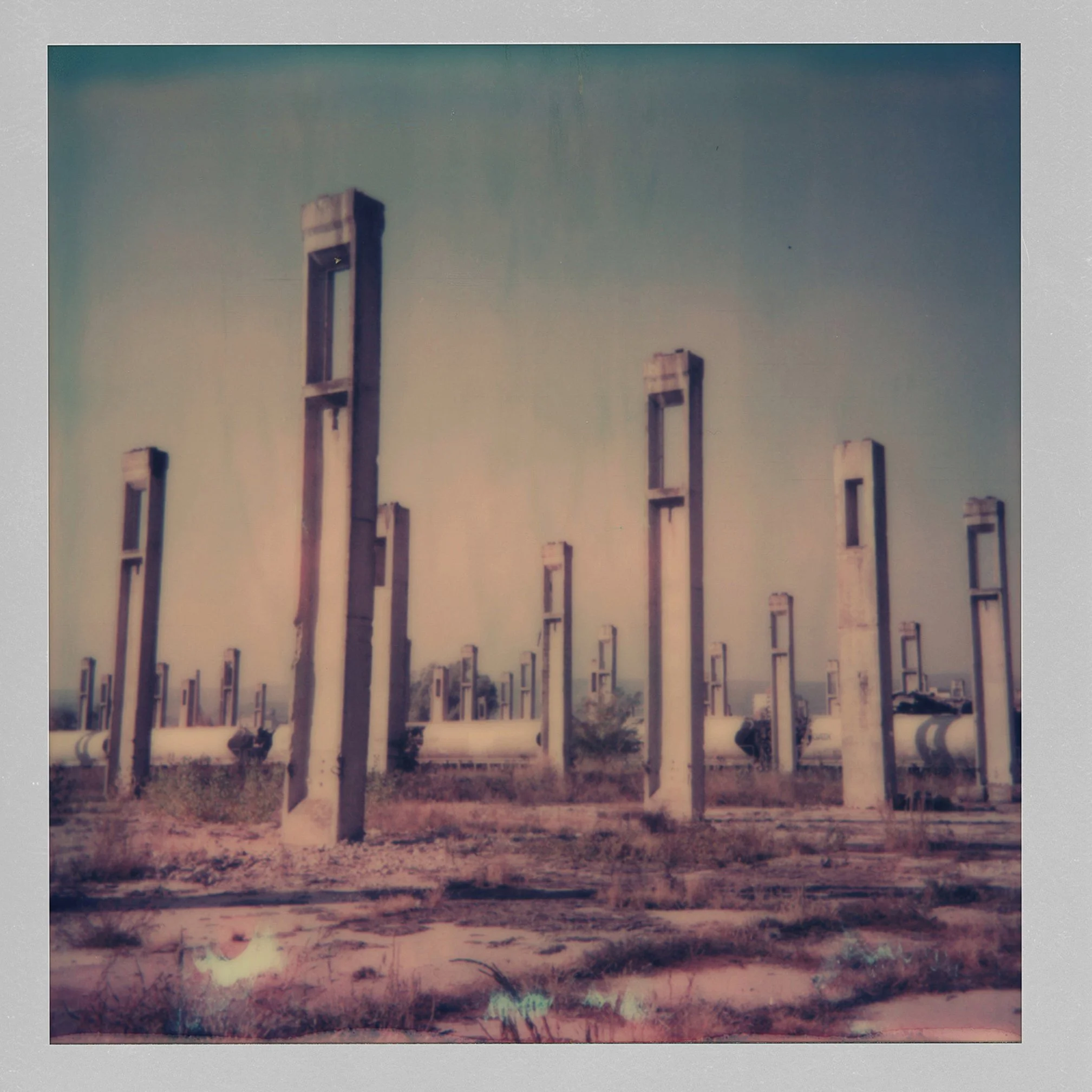
I usually approach or begin my more personal photographic projects by analysing the genius loci of a place, as well as the literary and cultural traditions of the location where the project is set. I then seek to depict these myths, legends or literary stories, exploring how they manifest themselves in the contemporary reality of that place.
What impact would you like your art to have?
I would like my photographic practice to help broaden and deepen the relationship between literature and photography.
What artwork do you never get bored with?
Looking at and leafing through photography books, as well as works of art from the past, sculptures and historic buildings, all set against idyllic landscapes.
Is there anything you want to add?
We need to follow our "duende"

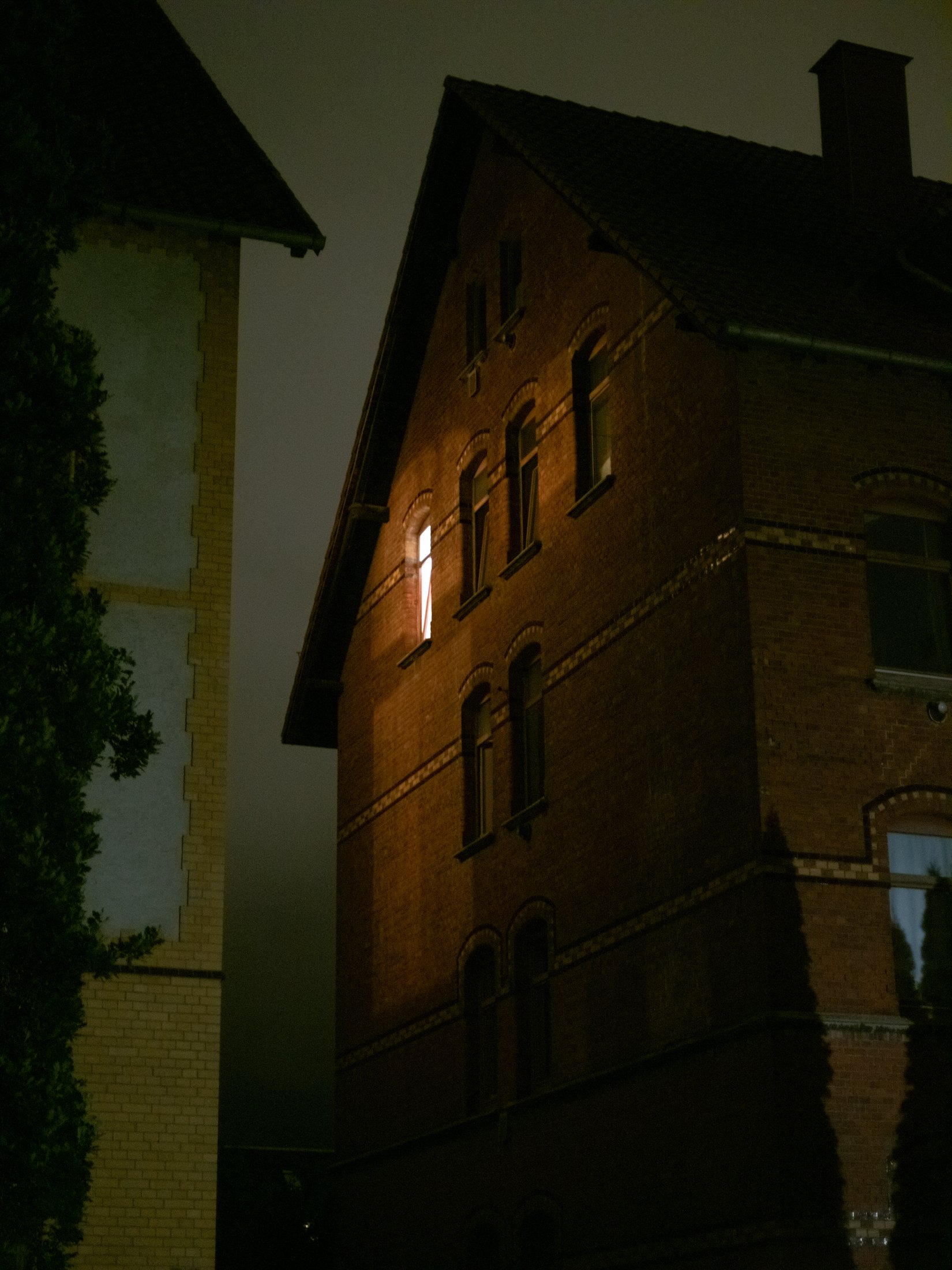
Under Which Tree Did Goethe Sleep?
Project statement

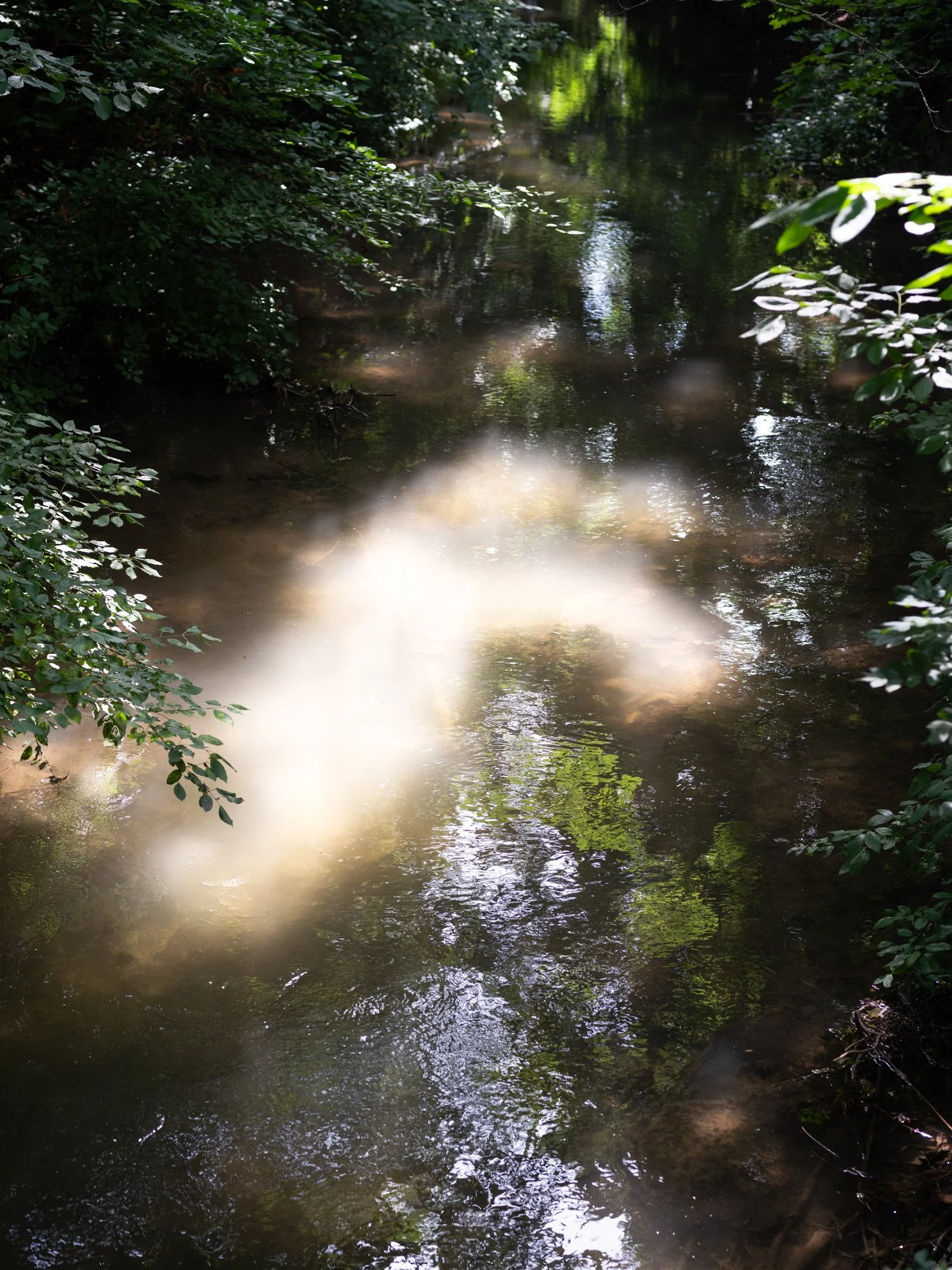
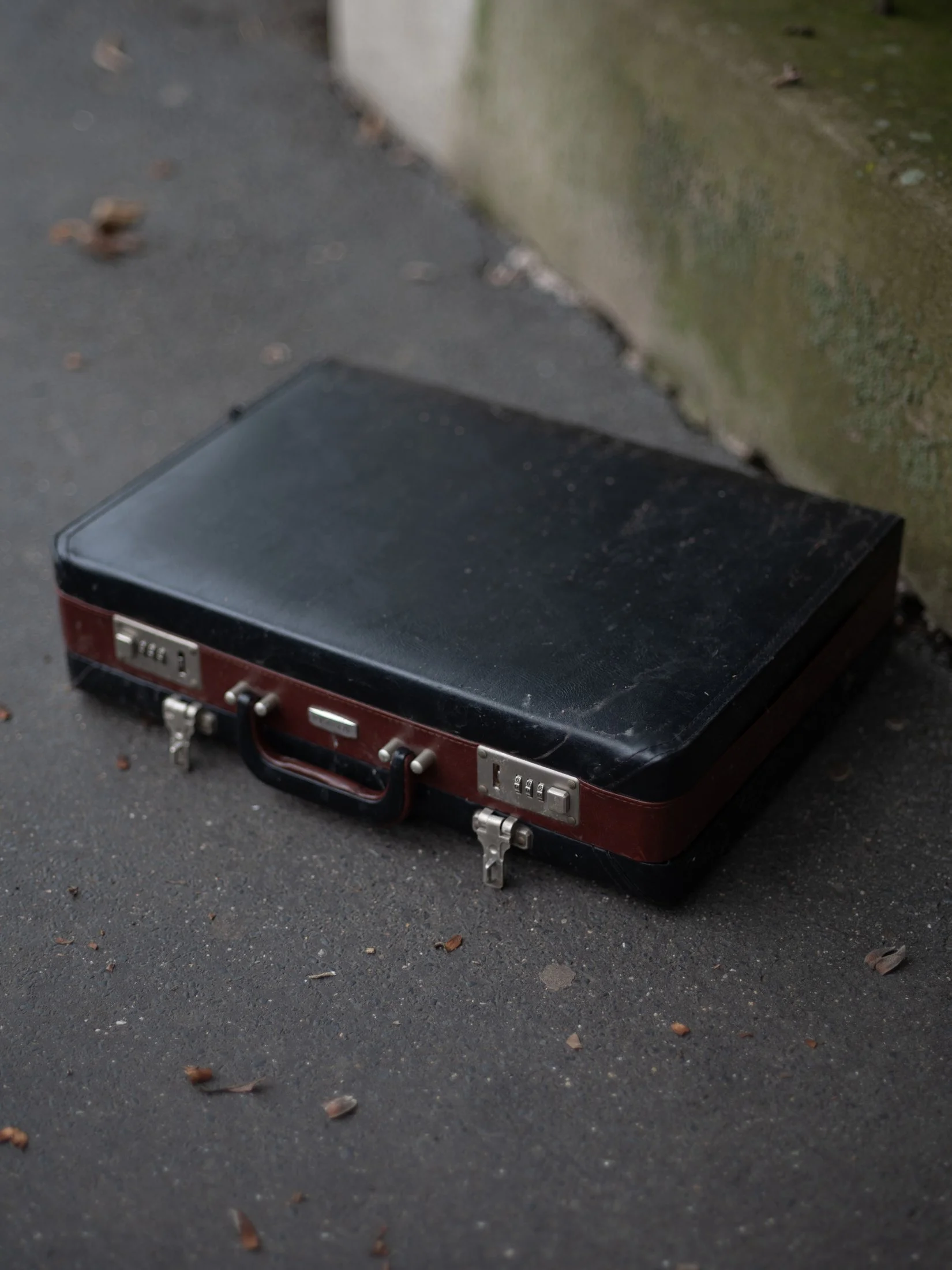
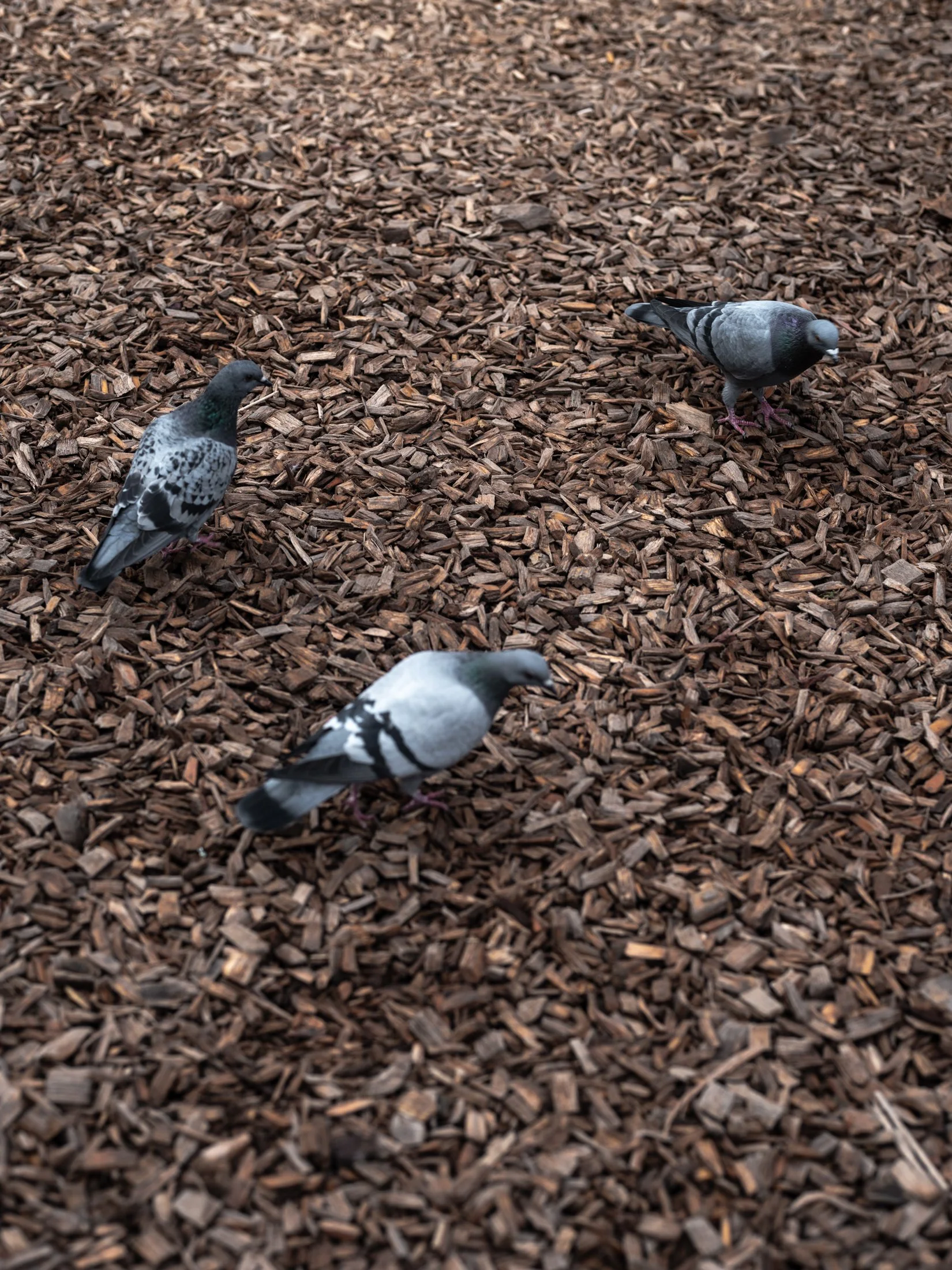
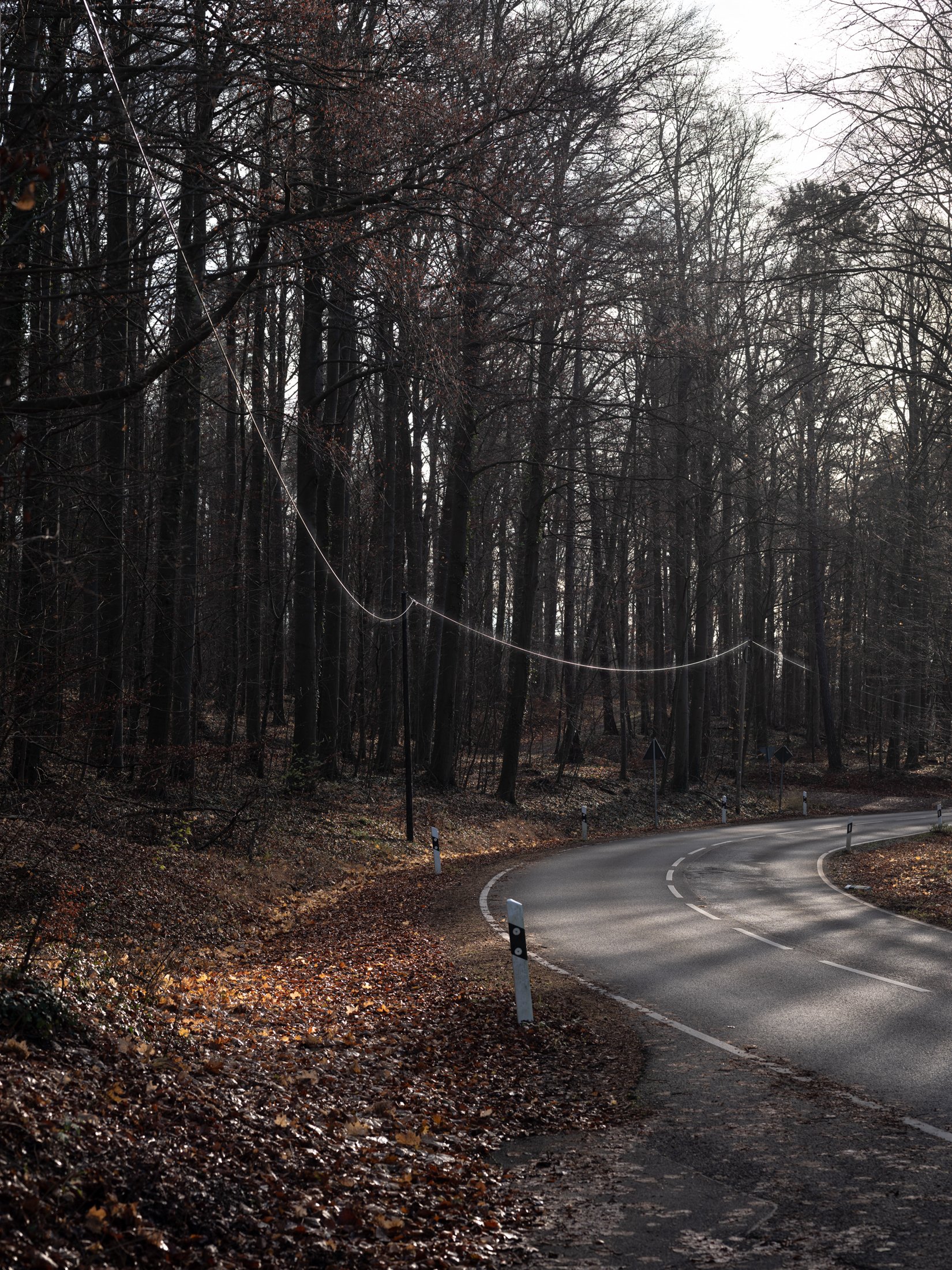
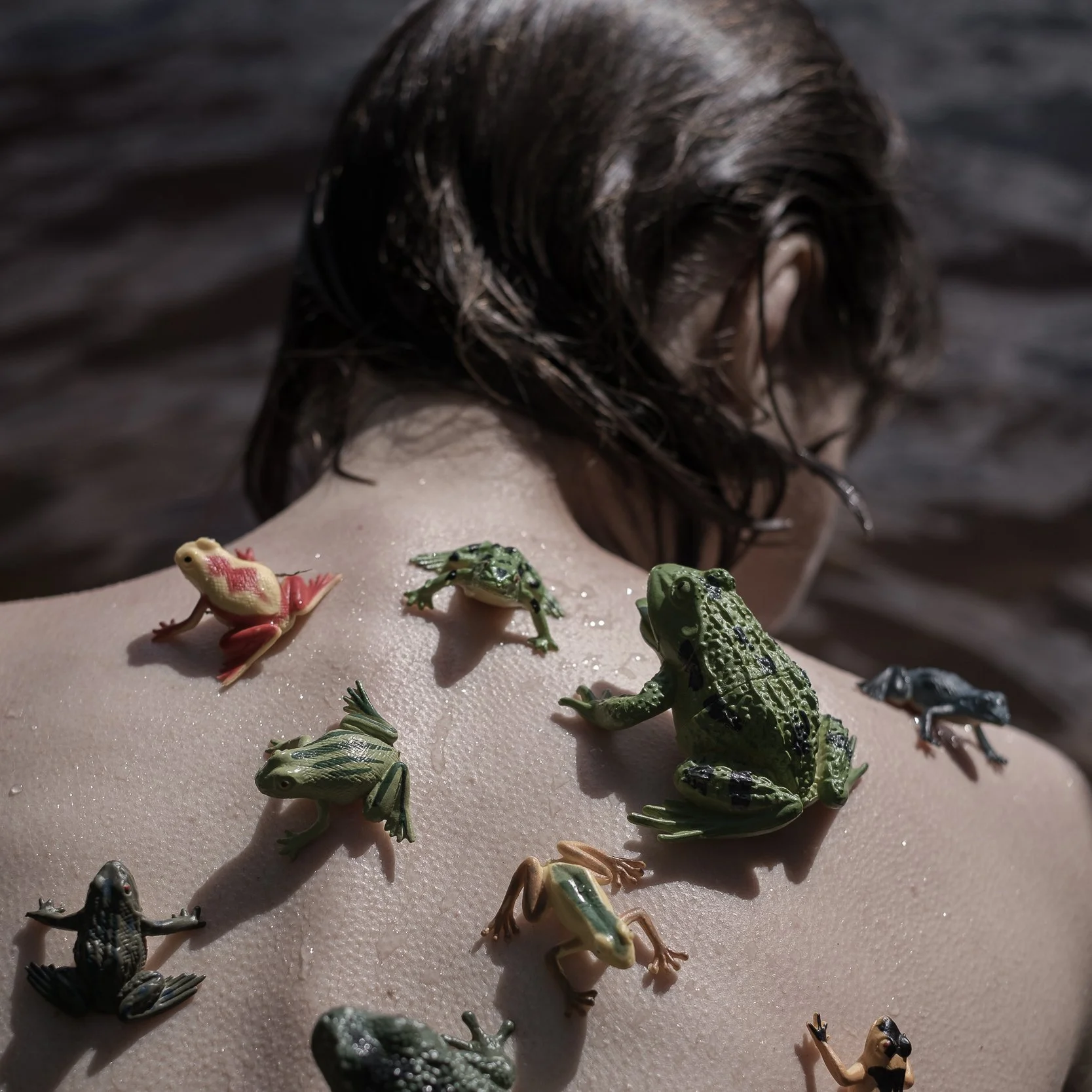
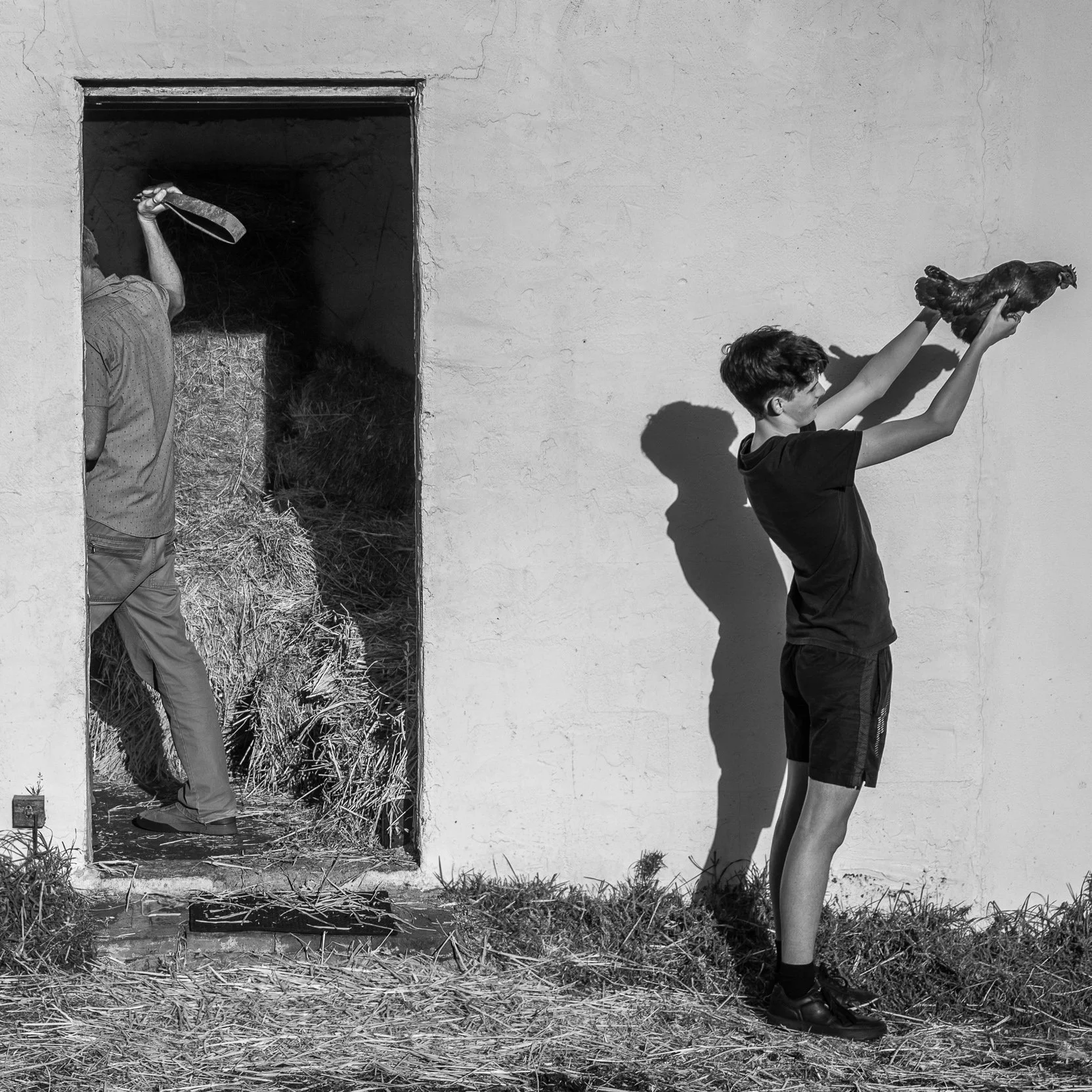
Where do unspoken thoughts, unrealized ideas and suspended reveries go? Can they leave traces in the physical world? Under Which Tree Did Goethe Sleep? unfolds from this question through a fictional 19th-century manuscript, an authorial device conceived to place the project halfway between science and literature, between rational inquiry and poetic imagination.

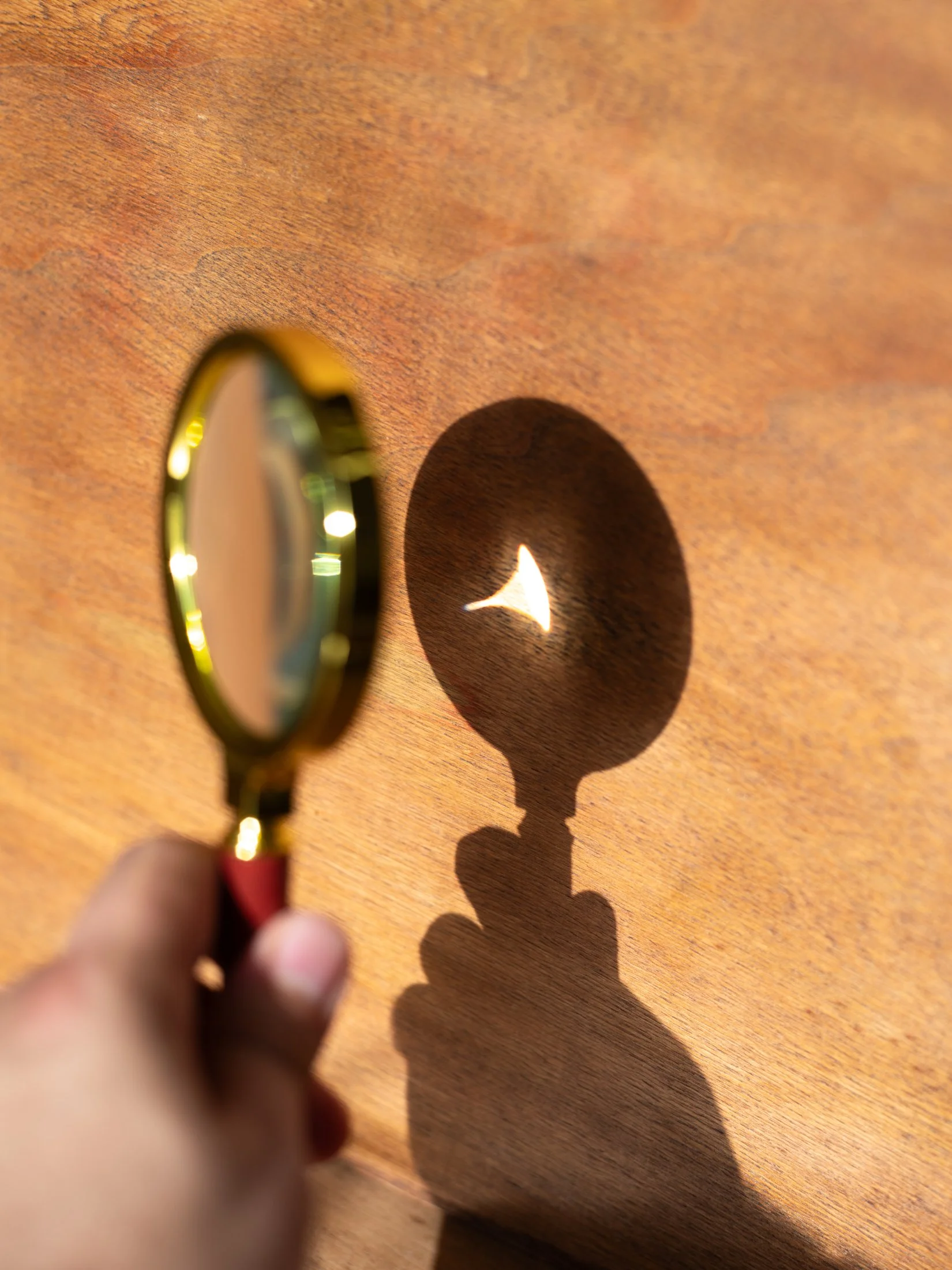
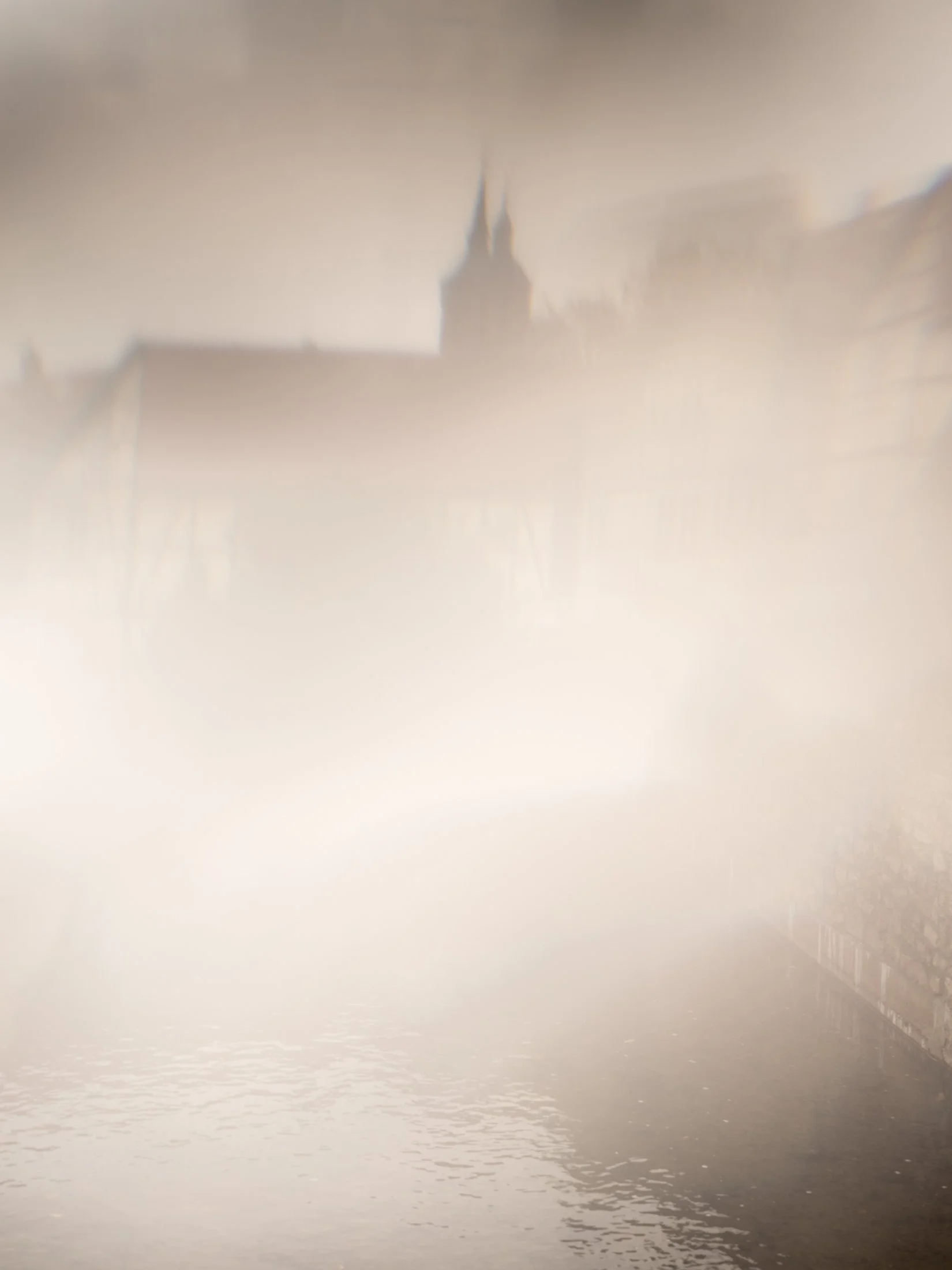
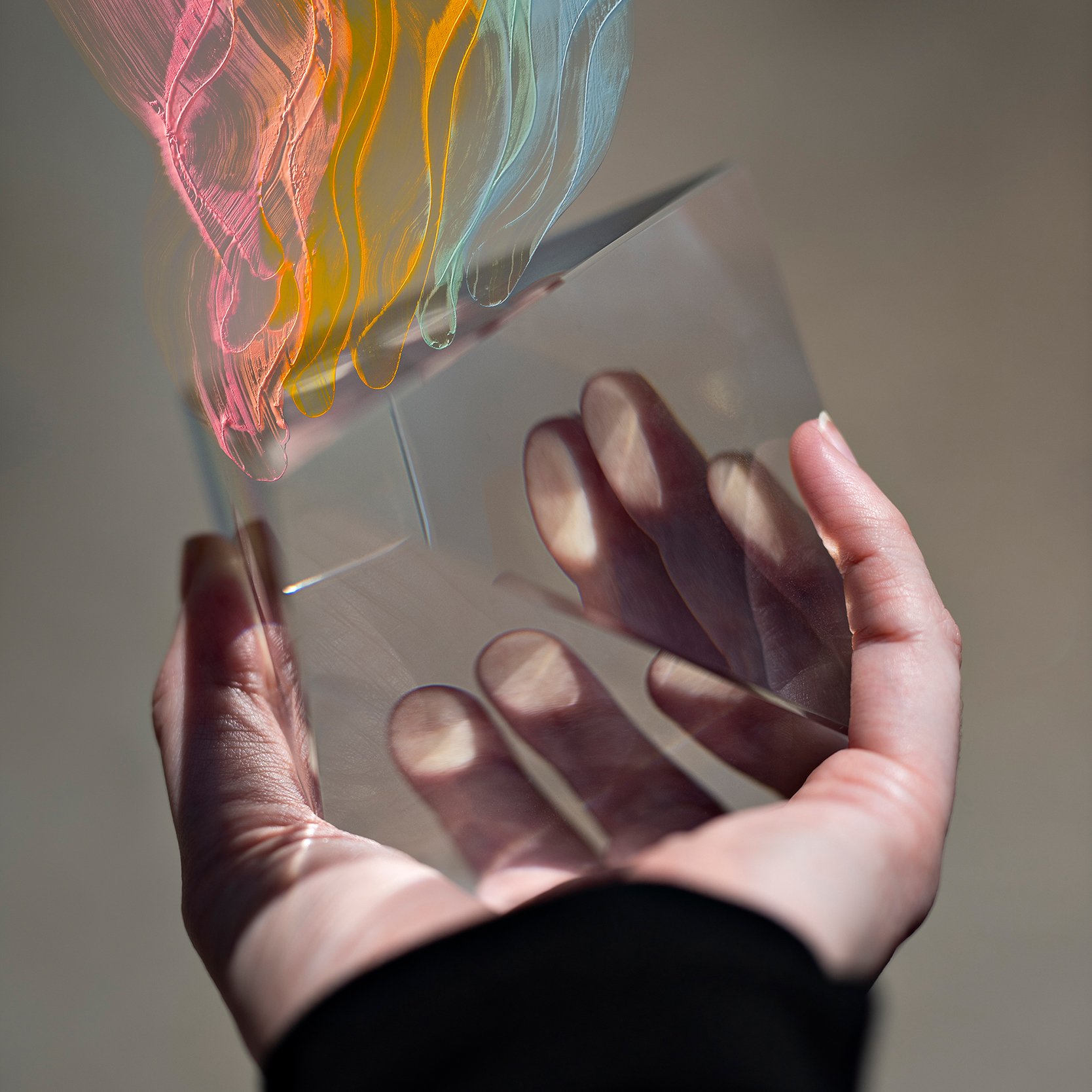
The manuscript, attributed to the pseudo-scientist Johannes Friedrich von W., introduces the Mentisphera: an intermediate reality in which ideas, memories and reveries condense into perceptible signs by means of a secret optical invention, the Mentispeculum, loosely derived from early camera mechanisms.

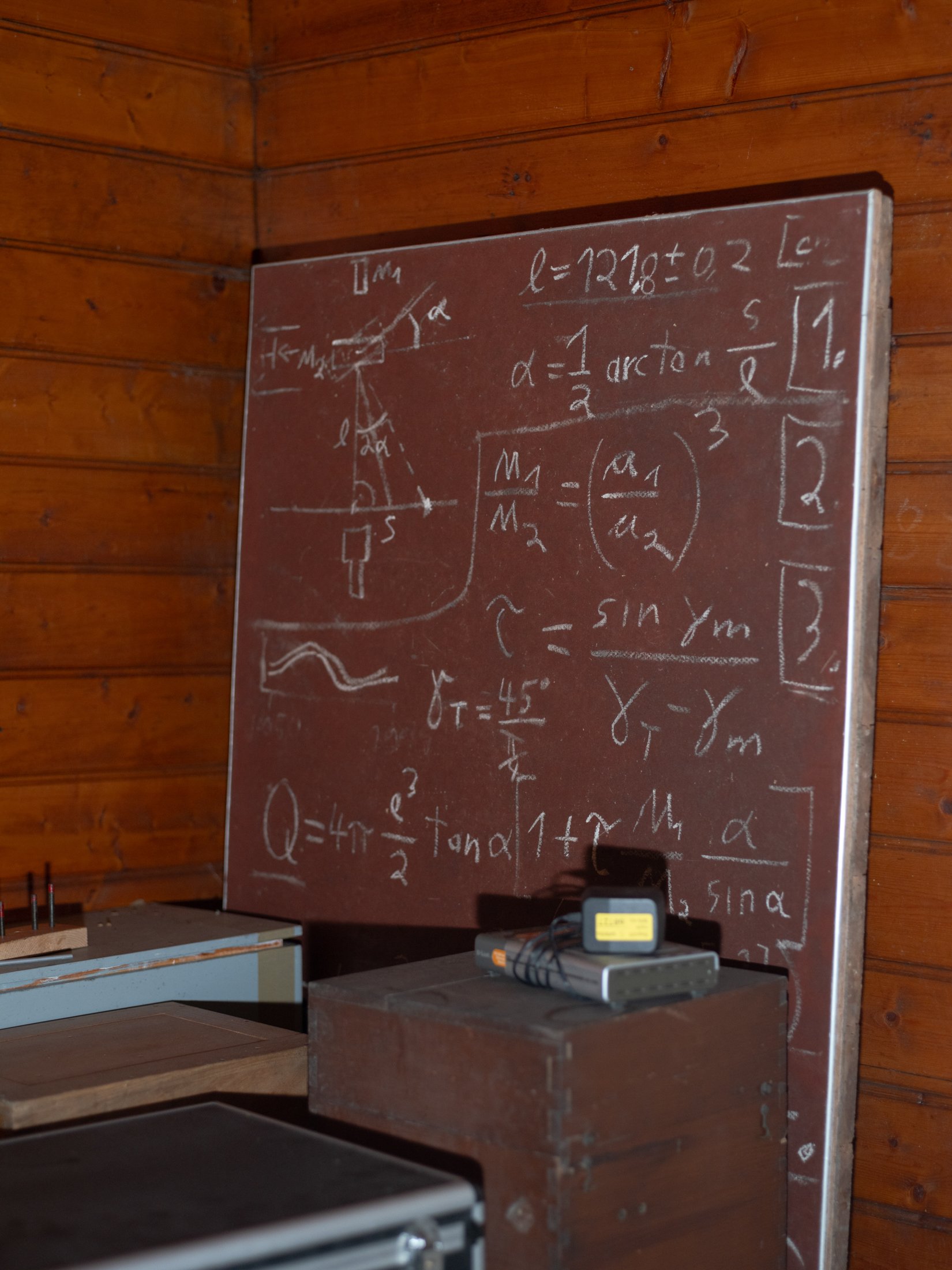
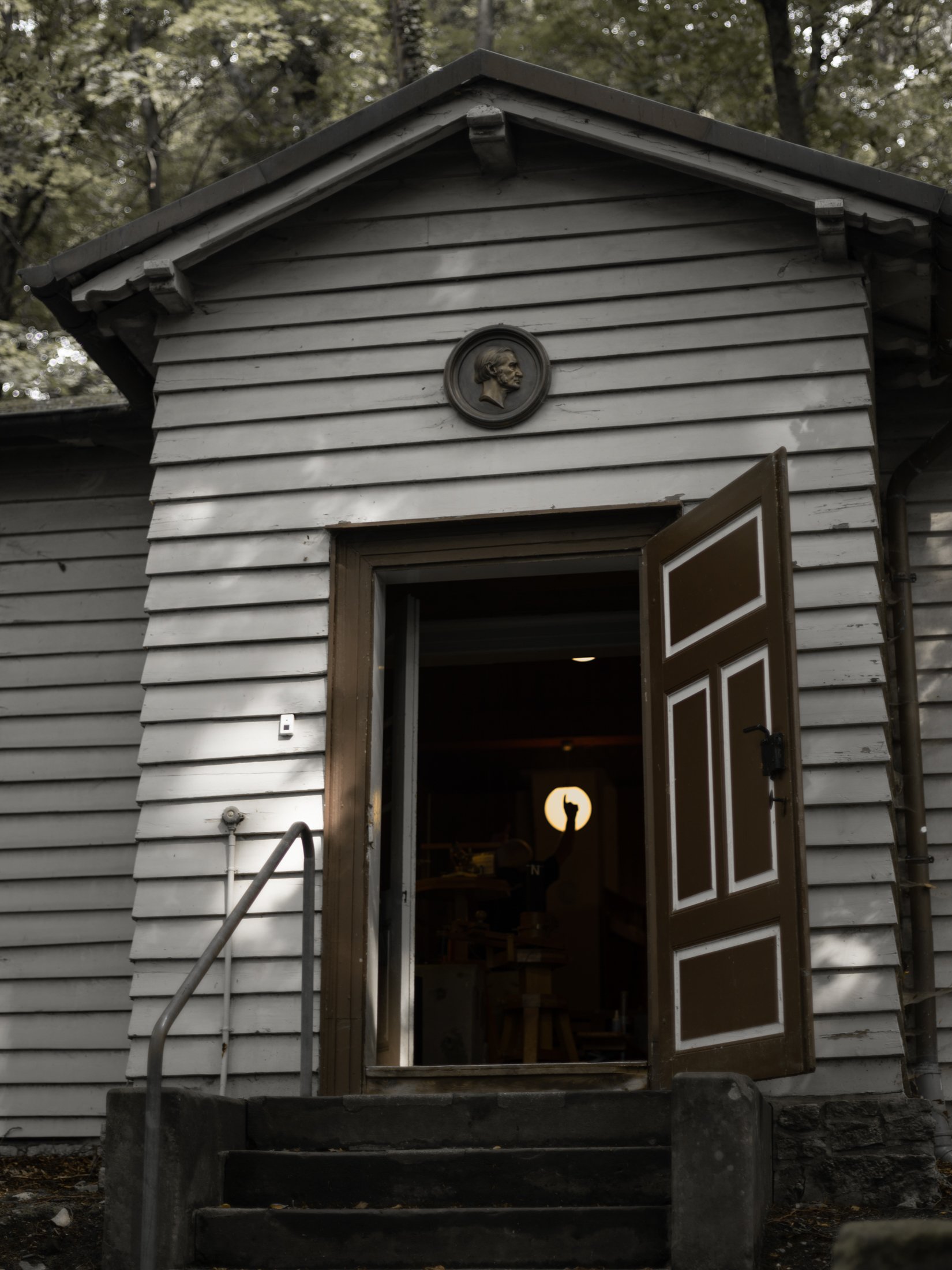
The project is set in Göttingen, the city where Carl Friedrich Gauss conducted his experiments on terrestrial magnetism. Drawing on the nineteenth century’s fascination with invisible forces, the Mentisphera echoes Gauss’s discovery of unseen fields shaping the physical world. Here, however, the field is mental: a layer of accumulated thoughts and fantasies permeating places. According to the manuscript, this invisible stratum is formed by the innumerable writers, poets and scientists who lived and worked in Göttingen, whose ideas linger in space long after their departure.

Photography becomes the instrument capable of sensing this field, a device not only for recording what is visible, but for probing what lies beneath appearance. Images emerge as if filtered through the Mentispeculum itself, inhabiting a space between document and apparition.

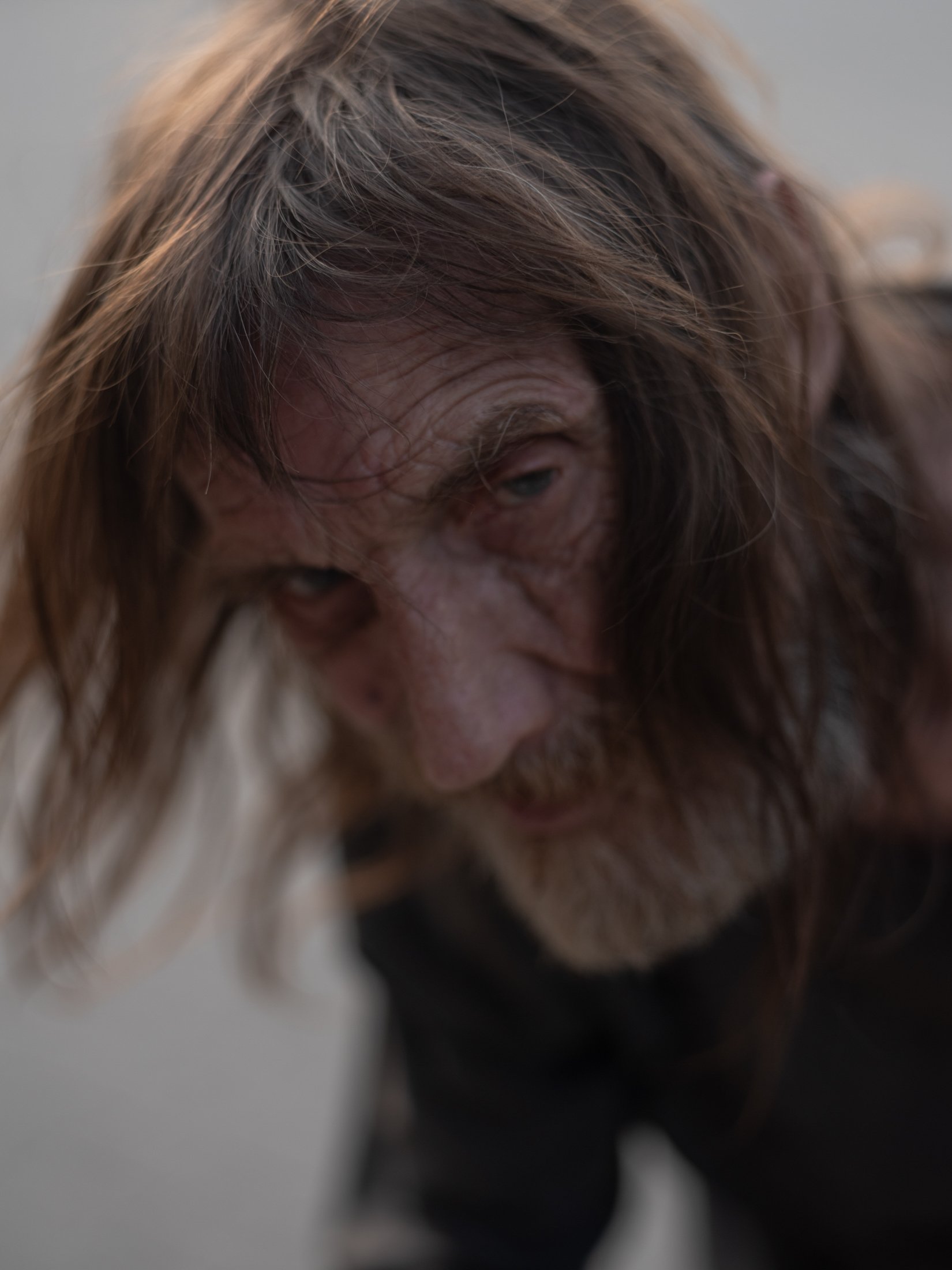
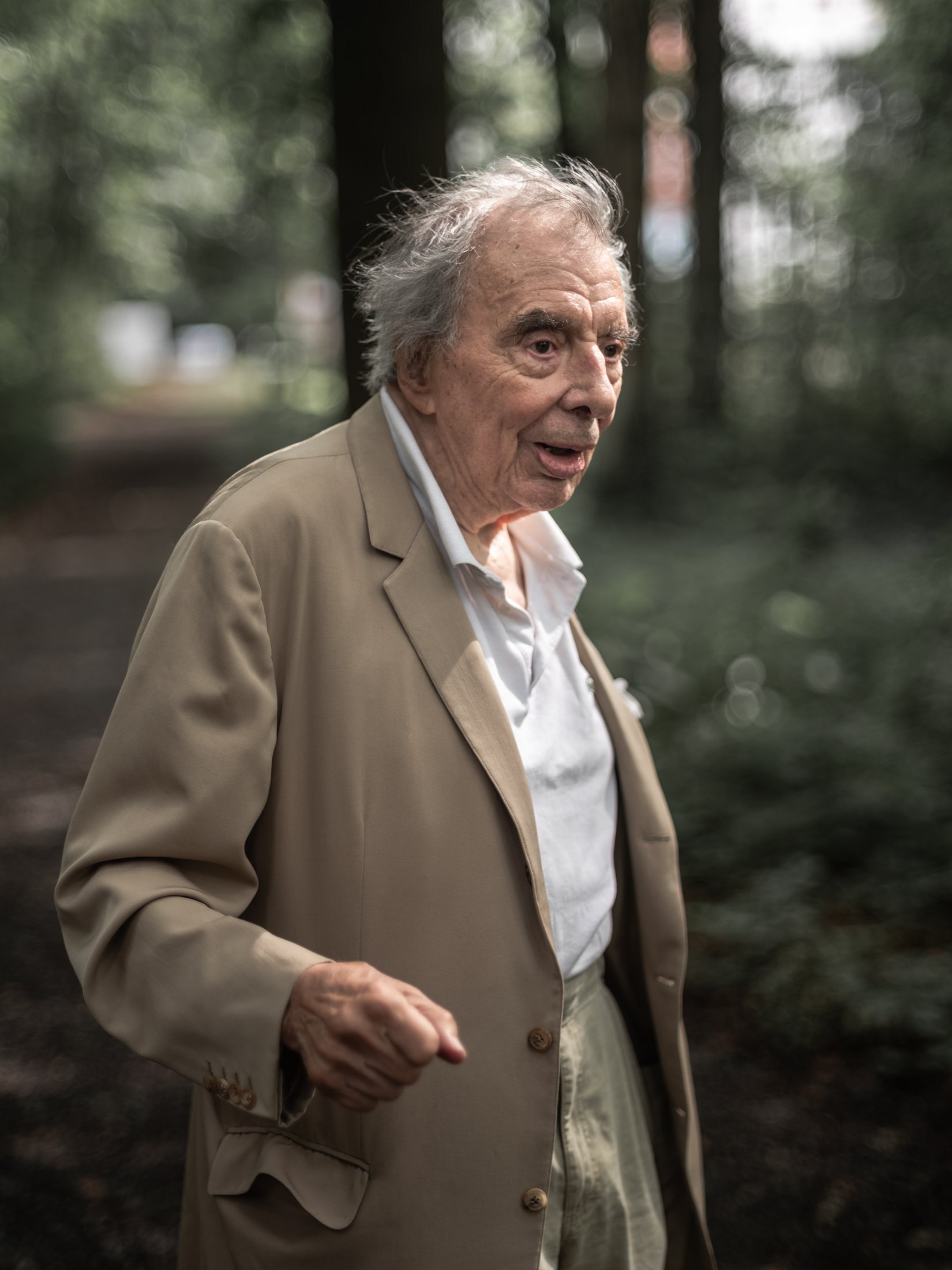
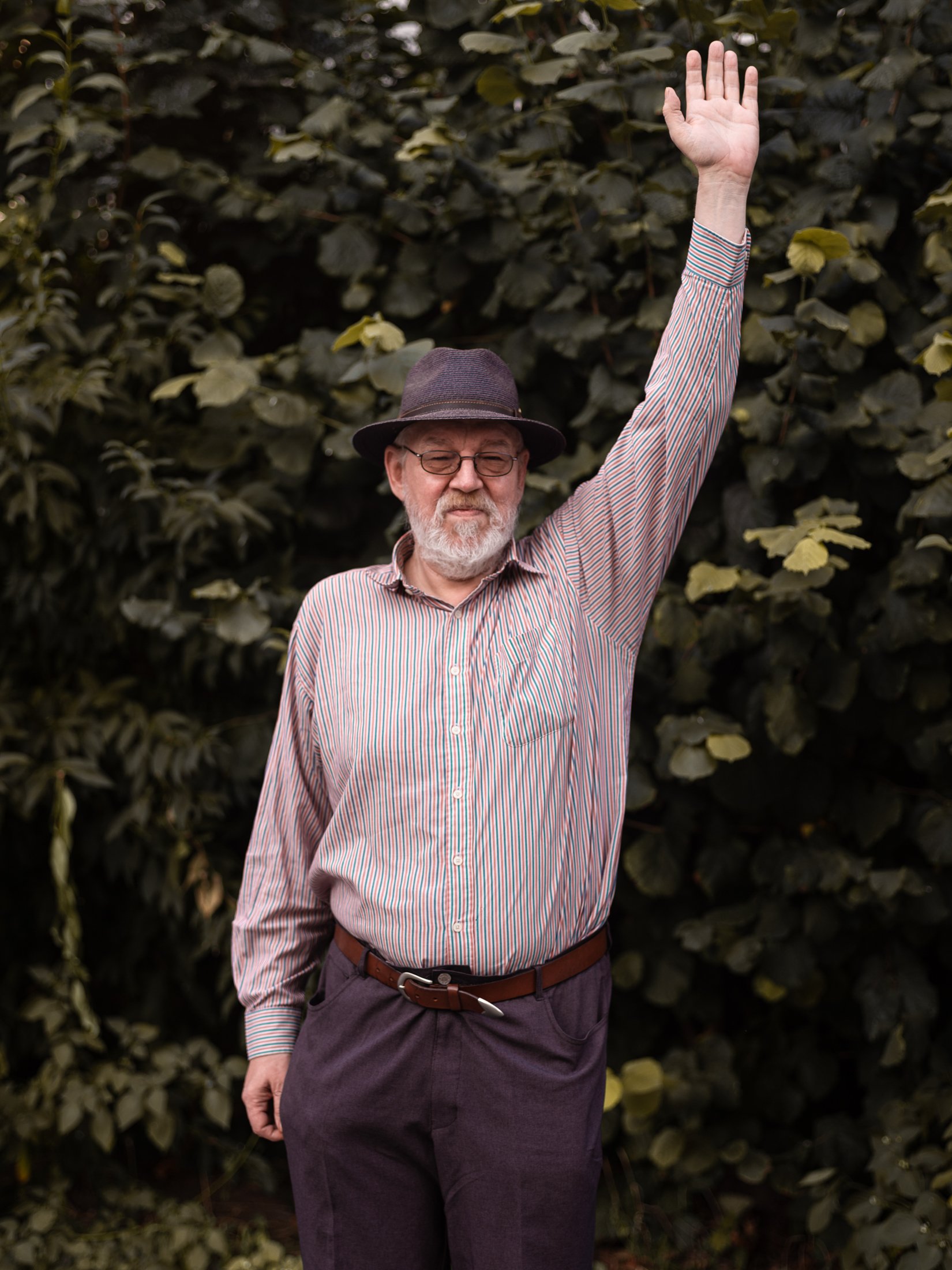
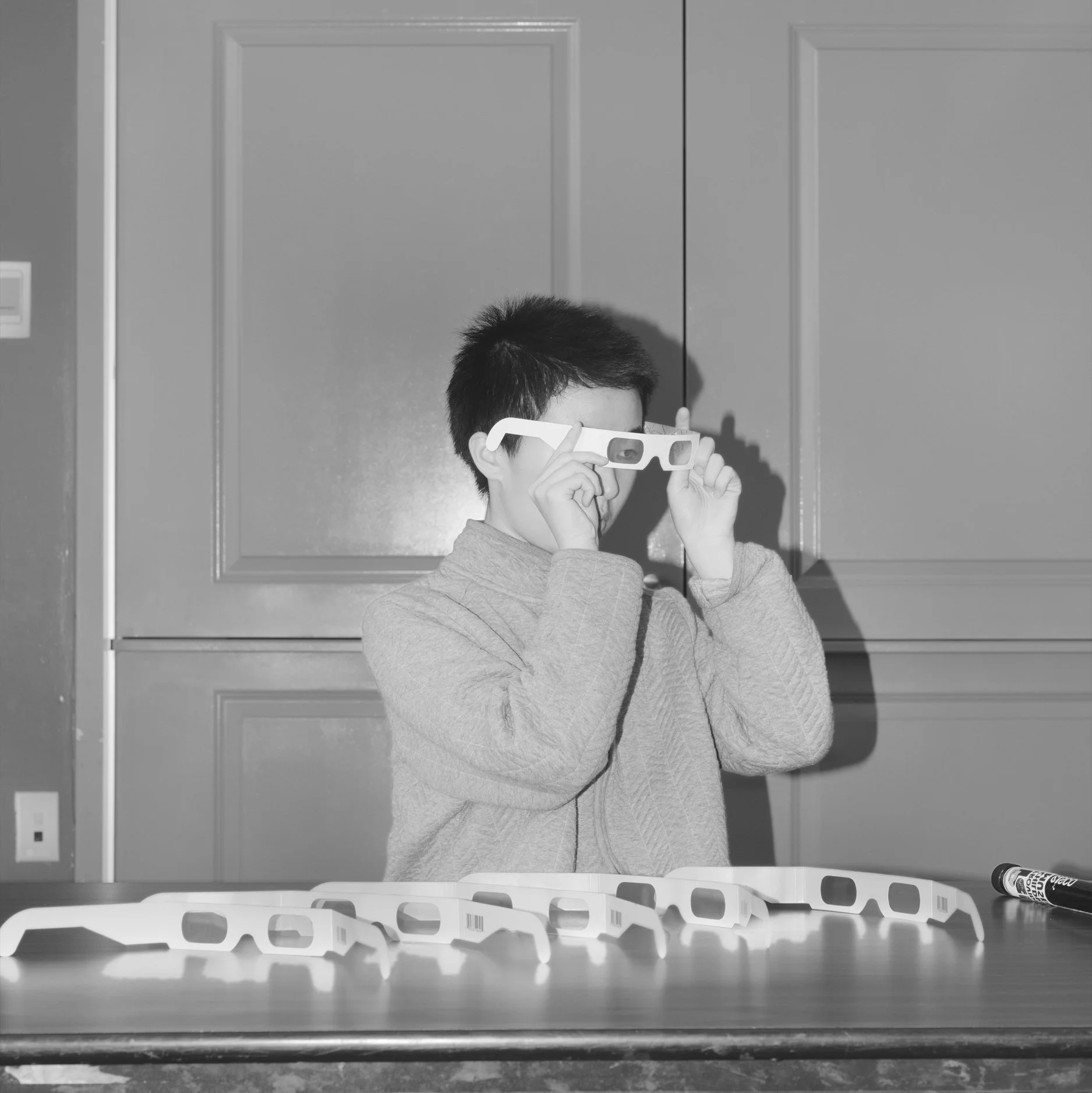
Recurring figures are the Sonderlinge, the “odd ones” of German literary tradition, who surface in both text and images as conduits of this intermediate realm, shaped by the layered residue of imagination embedded in the city.

The project reflects the photographer's approach, which starts from literature, in this case heavily influenced by German literature, particularly that of Hoffmann and his theories on perception and the use of lenses.

ugo milano
@ugo_ml


the 10