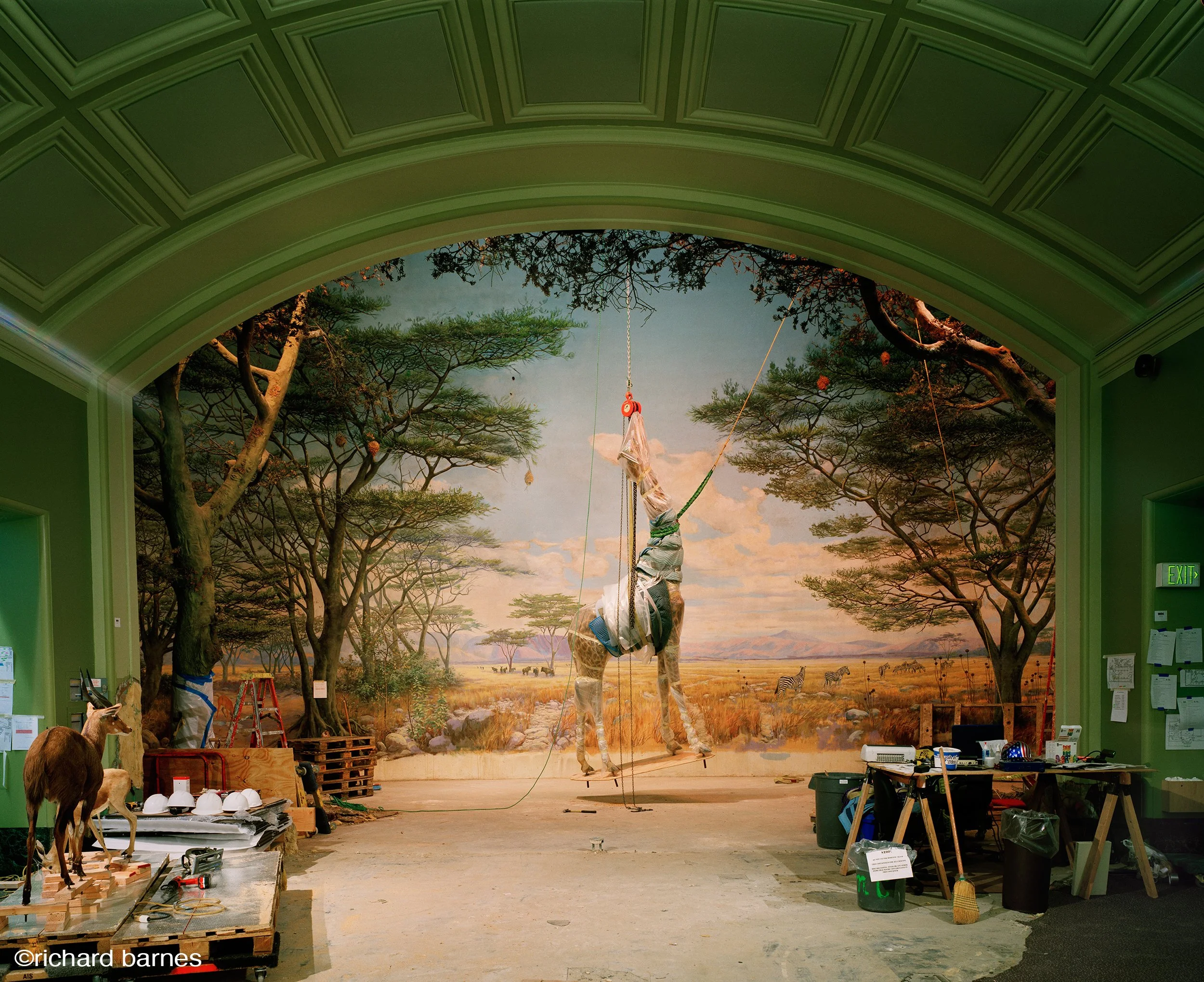
It’s been a busy summer. We attended three major European photography festivals - Les Rencontres de la Photographie Arles, Fotofestiwal Łódź, and the Triennial of Photography Hamburg - each offering a distinct experience. Along the way, we discovered some unexpected artist and thematic crossovers. The collaborative work of Omar Victor Diop and Lee Shulman connected Arles directly to Hamburg. Meanwhile, a range of photographic explorations centered on the animal world took center stage at both Łódź and Arles. With hundreds of exhibitions across these festivals, the sheer volume of work was overwhelming. Because it was impossible to see everything, this issue isn't a definitive guide, but rather a curated look at the highlights and artists who stood out to us most. From each festival we invited visionary curators - Alessandra Chiericato, Arles, Nadine Isabelle Henrich, Hamburg and Fotofestiwal Collective curatorial team, Łódź - to share their behind-the-scenes perspectives on shaping this summer's exhibitions. See and read our take on the festivals here:
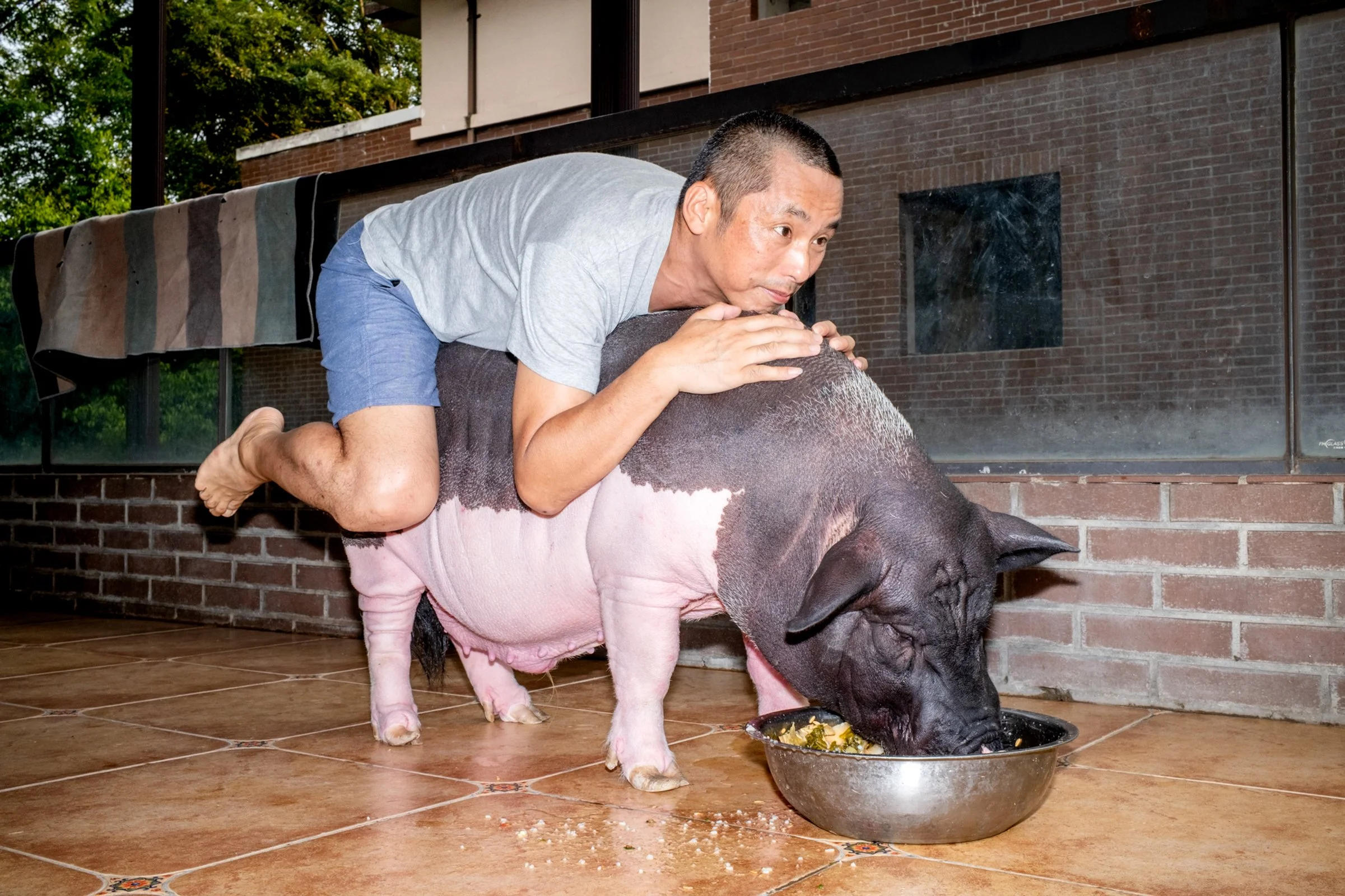
Chinese photographer Feng Li, who featured in Lodz’s We Animals and in Arles’ Animal Model, is the subject of our second artist interview feature. He is interviewed by fellow photographer Chen Chuanduan. See and read here:
A Visual Dialogue pairs Peter Brandt (South Africa) and Tomasz Kawecki (Poland). After a brief exchange, the two photographers decided to strip away all written commentary, and let the images speak for themselves. What remains are two contrasting, compelling approaches to the challenge, summed up perfectly in their three answers to our questions. See and read here:
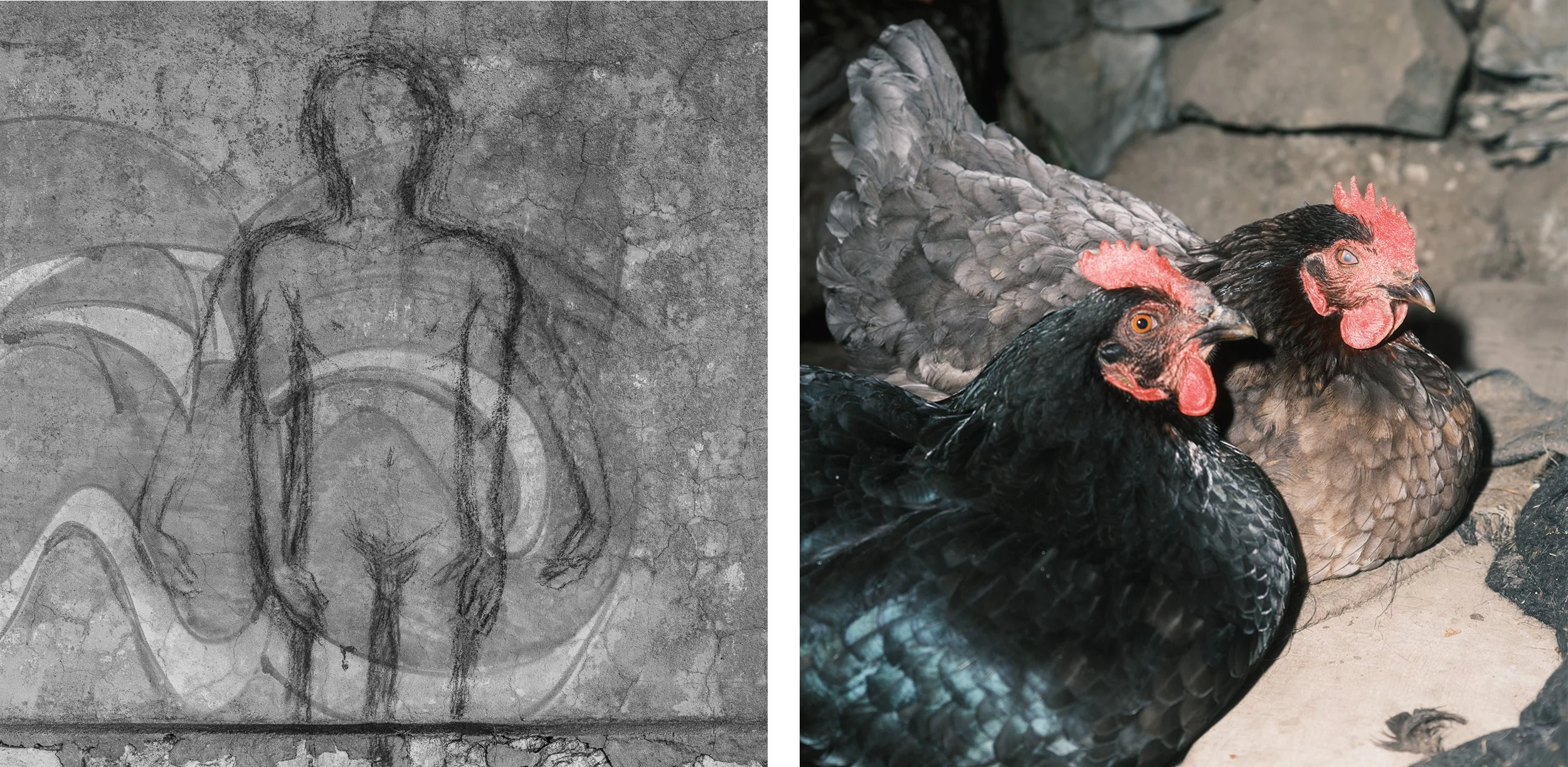
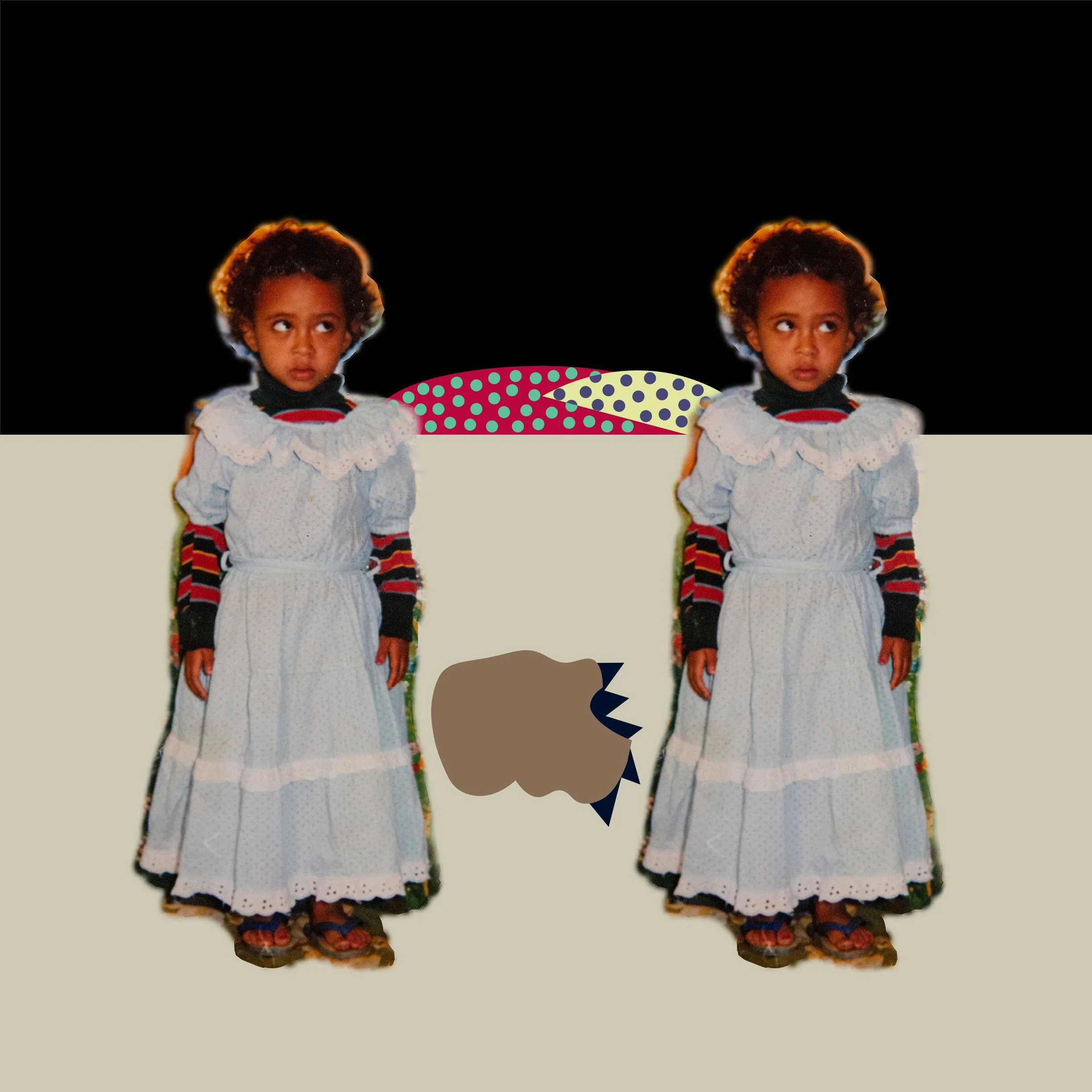
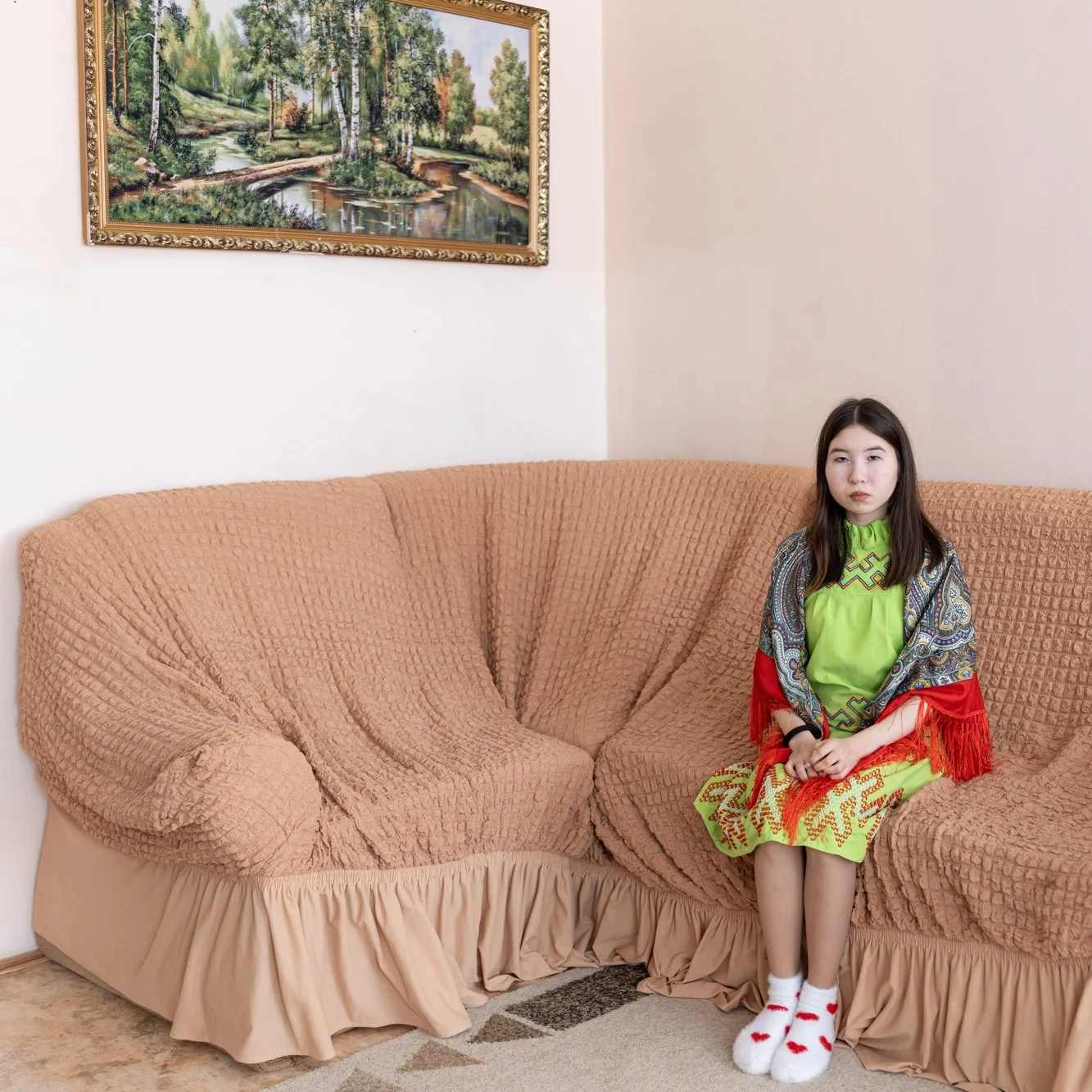
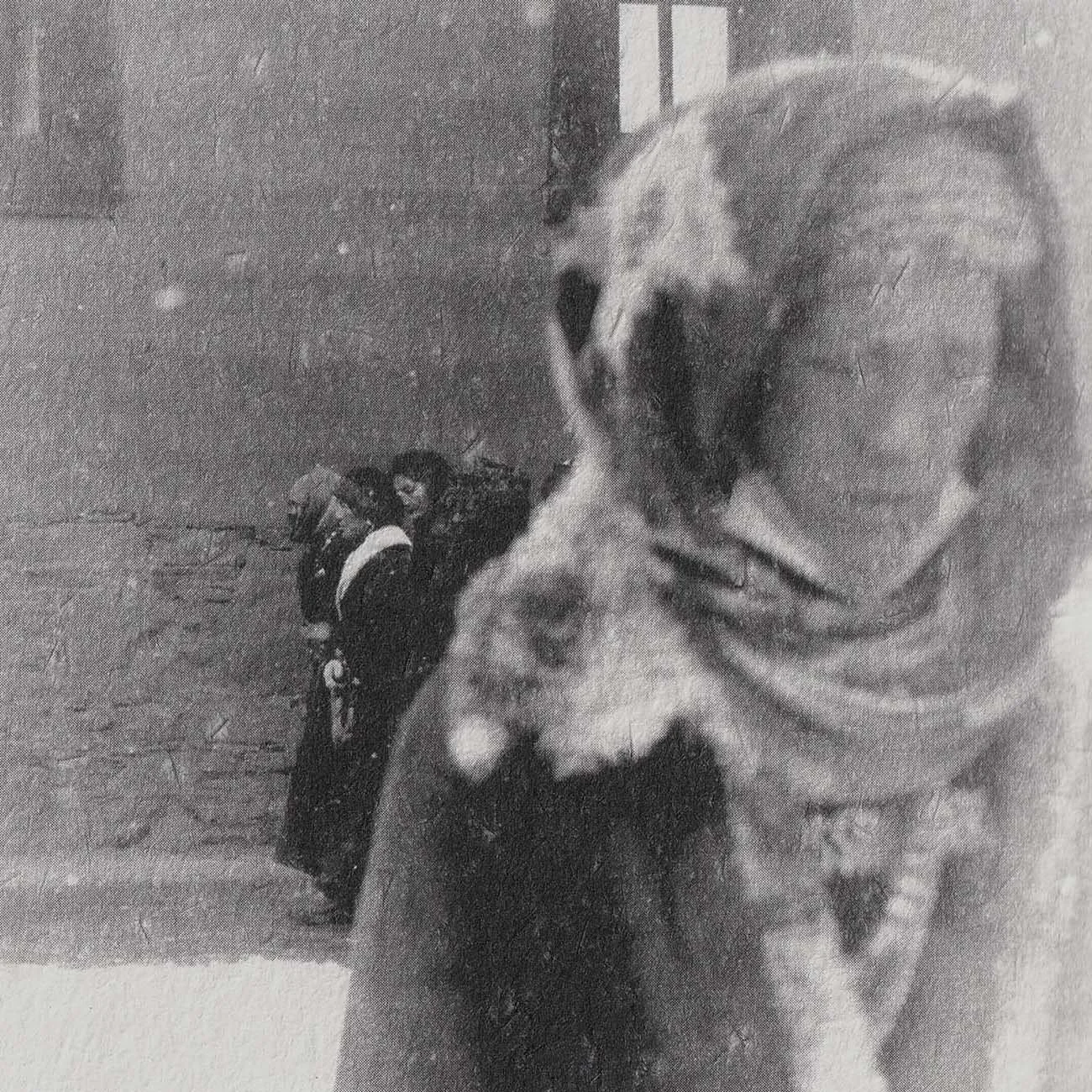
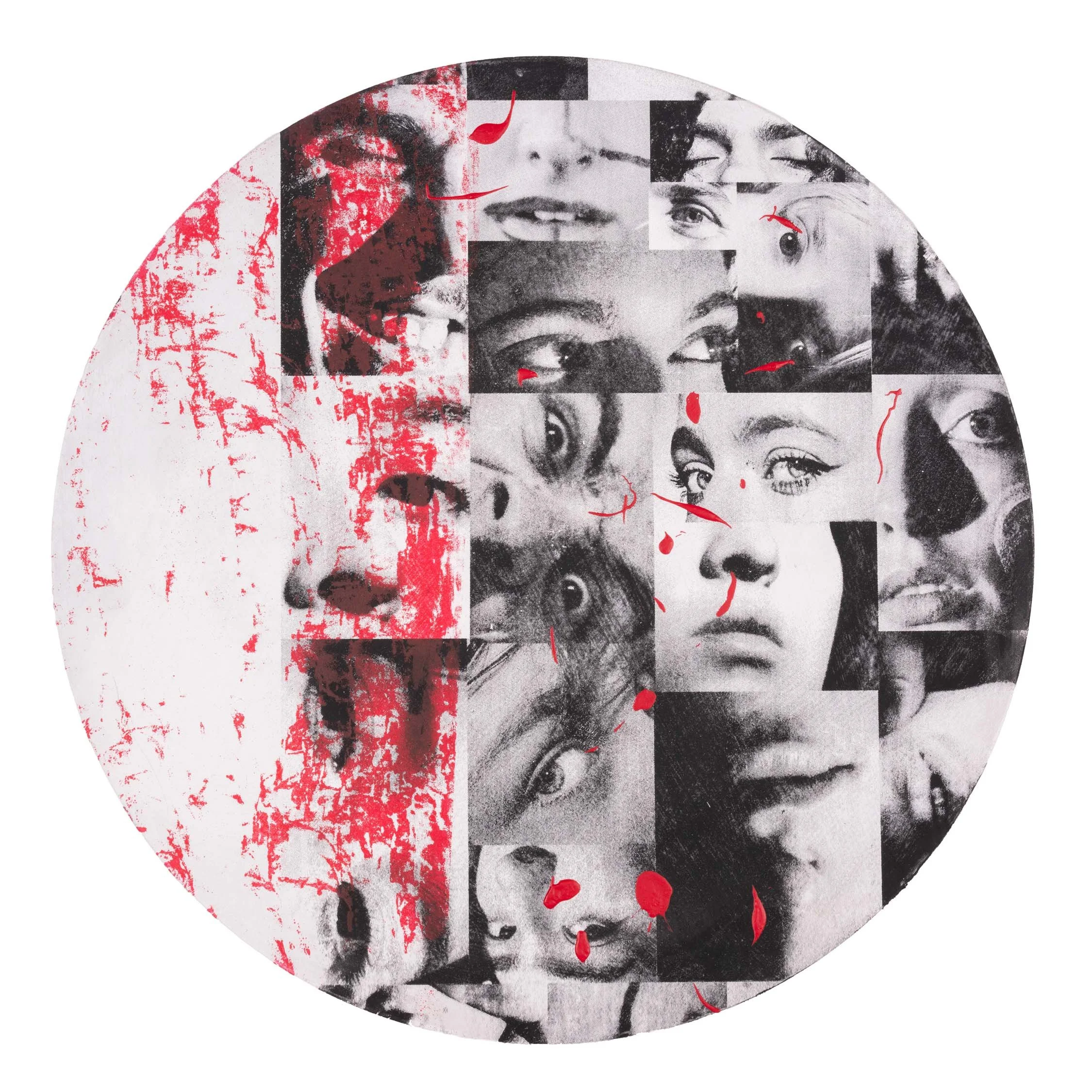
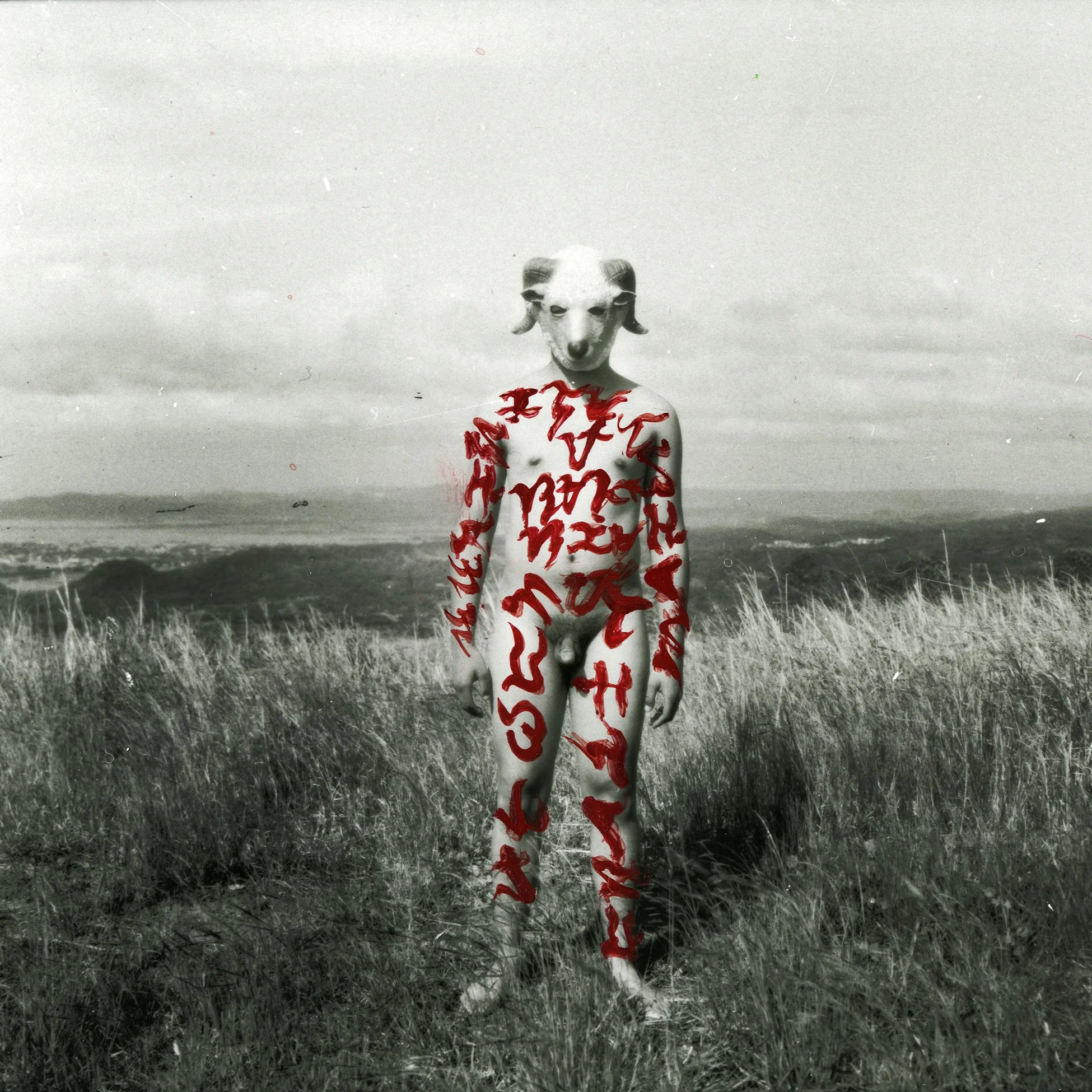
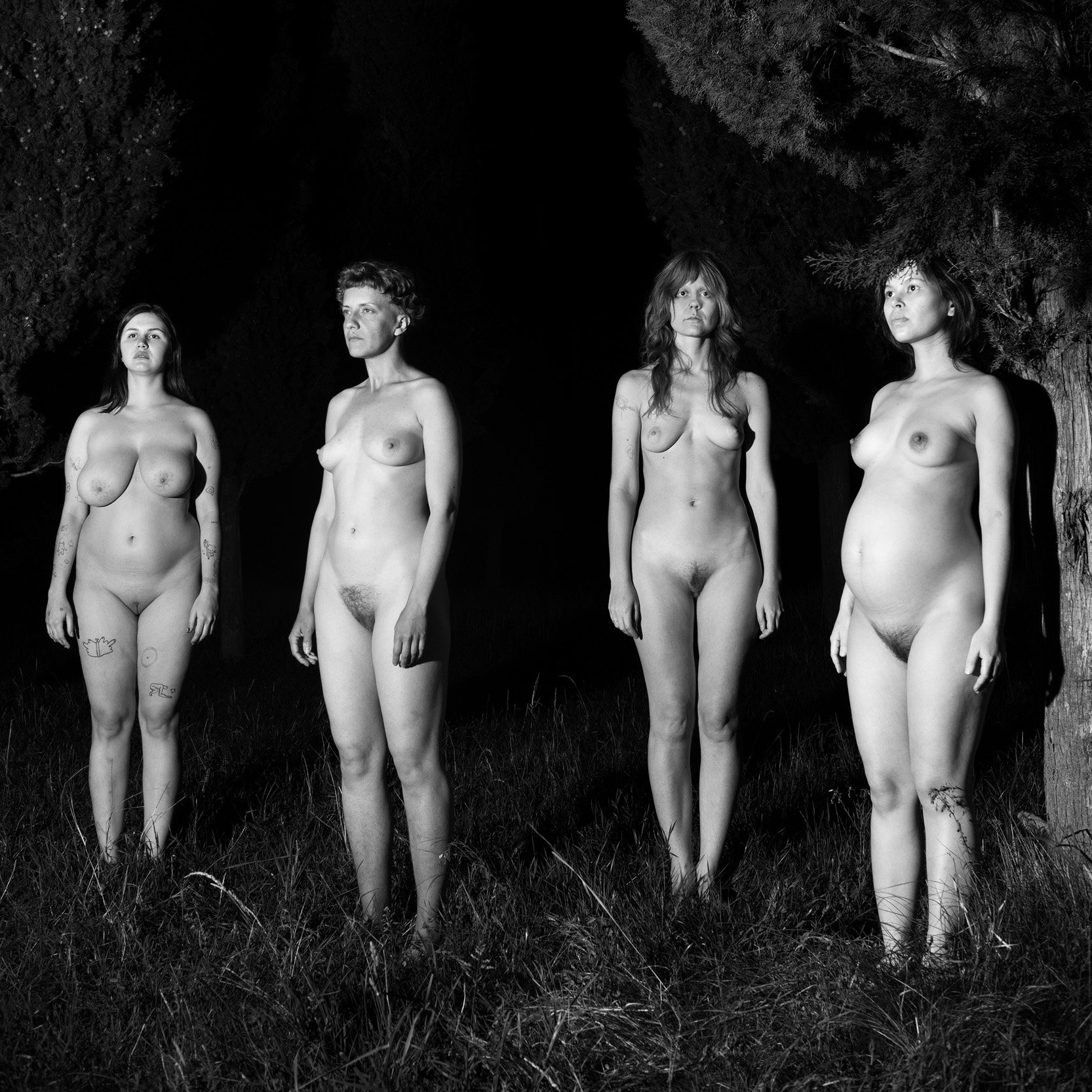
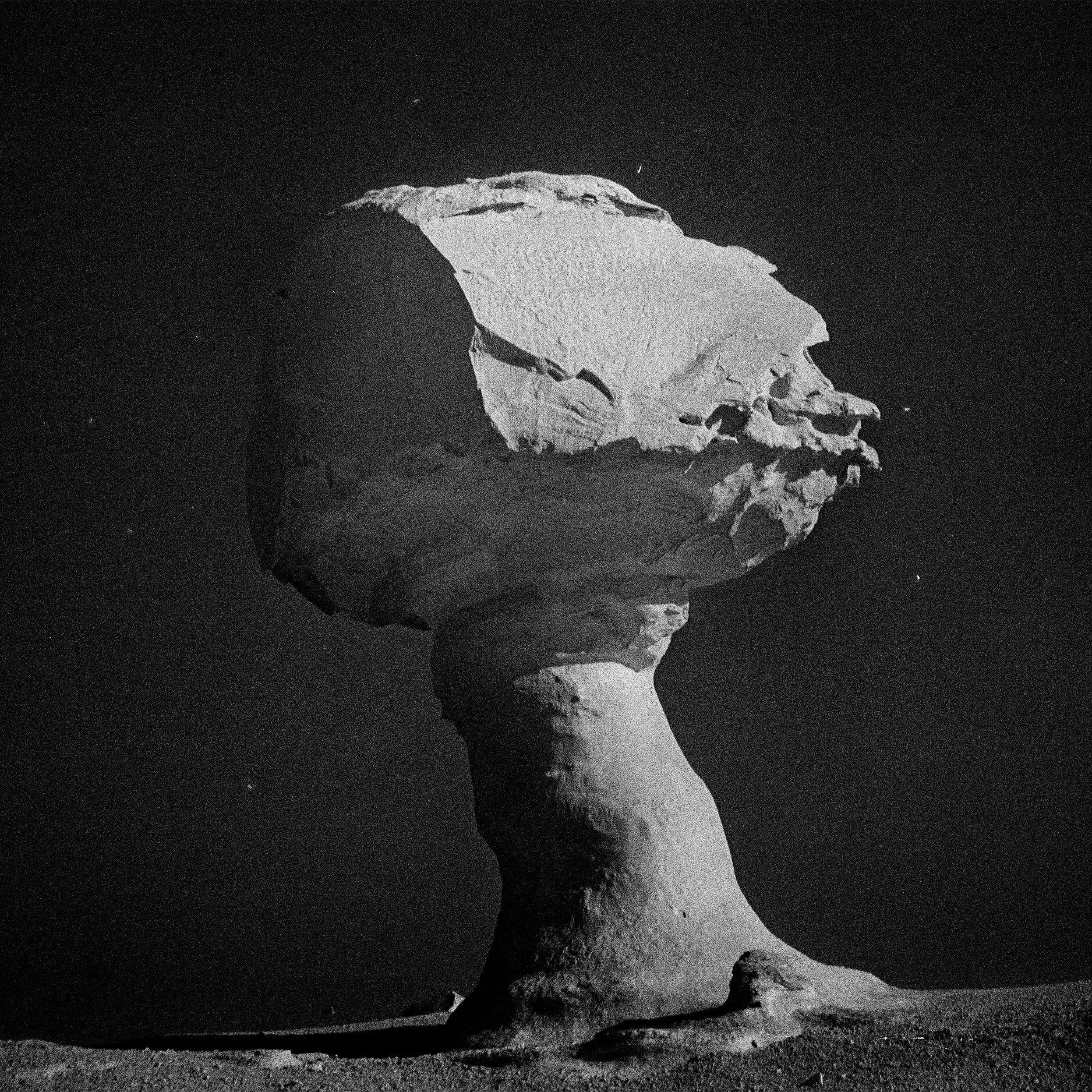
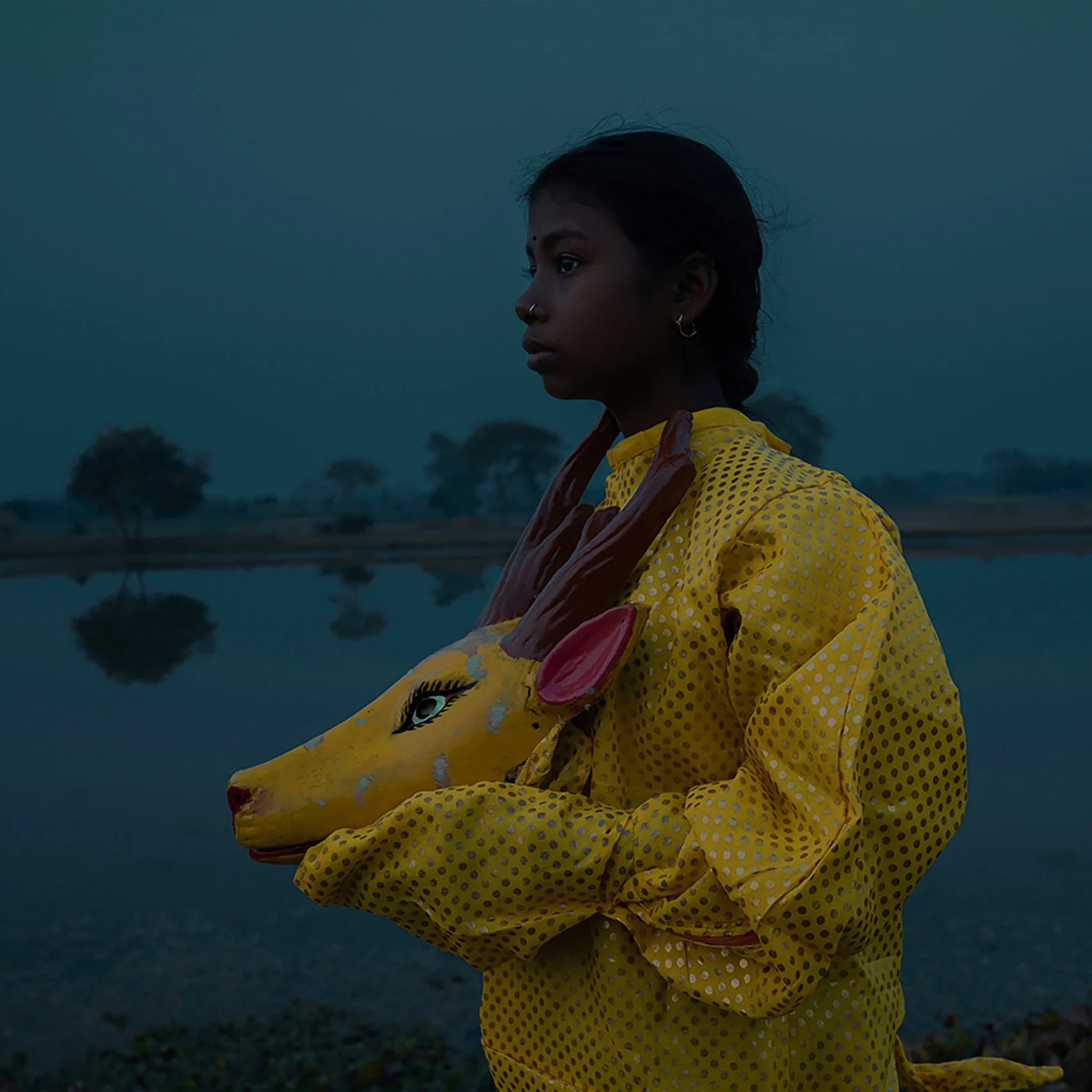
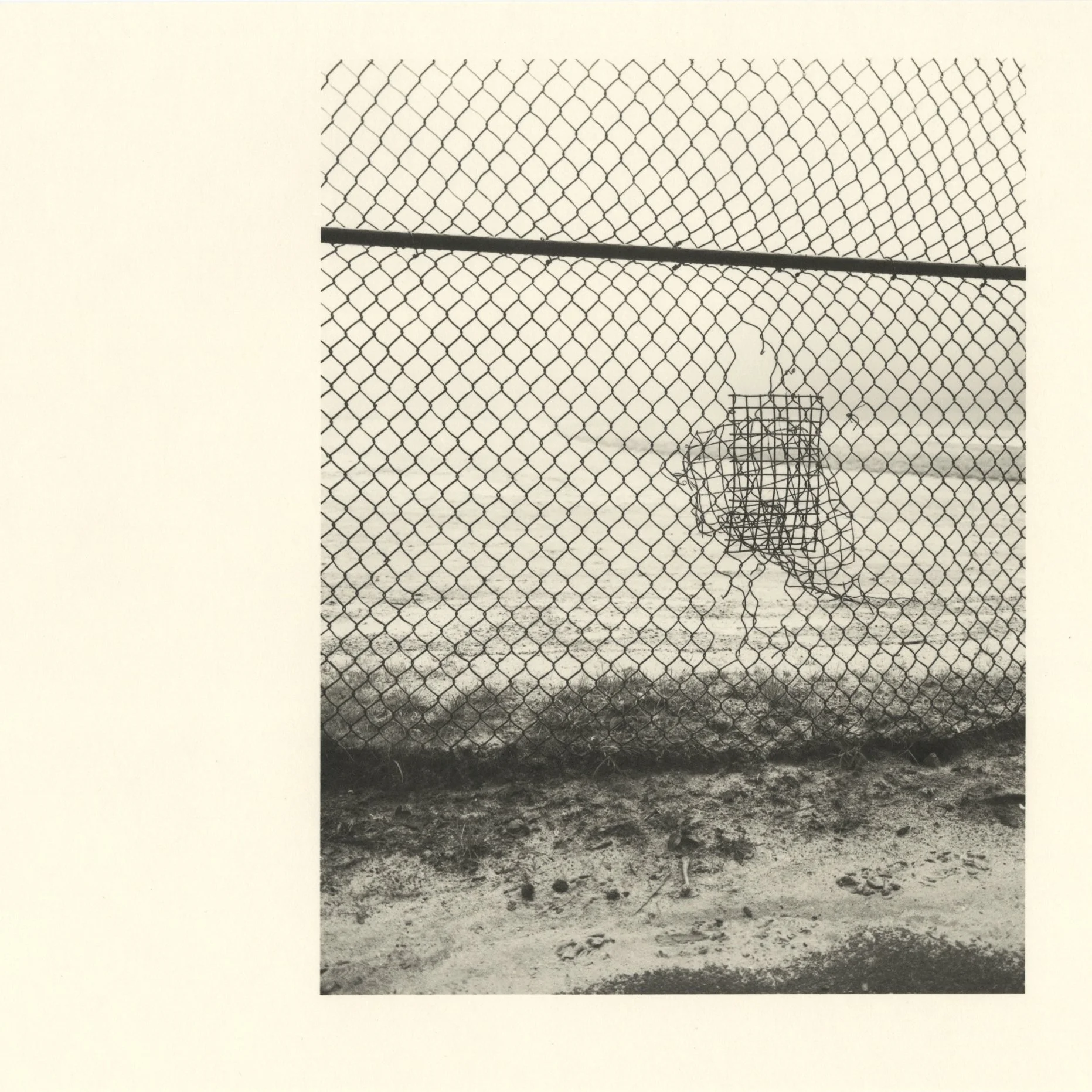
Tradition, myth, history, memory and community recur across the projects selected for The 10 of this issue. In a world facing an uncertain future-overshadowed by rapid AI advancement, climate breakdown, media fear-mongering, social and political polarization, and global conflict-we naturally search for a sense of security. Looking backward, we re-examine our traditions and collective memories not to escape, but to treasure, reappropriate, and reimagine them for the present moment and a new collective narrative. Continue reading