ema iančaričová
Your name
Ema Lančaričová
Place of birth
Trnava, Slovakia
Place where you live now
Trnava, Slovakia
3 words to describe you
nostalgic futurist eternally
Why do you take pictures?
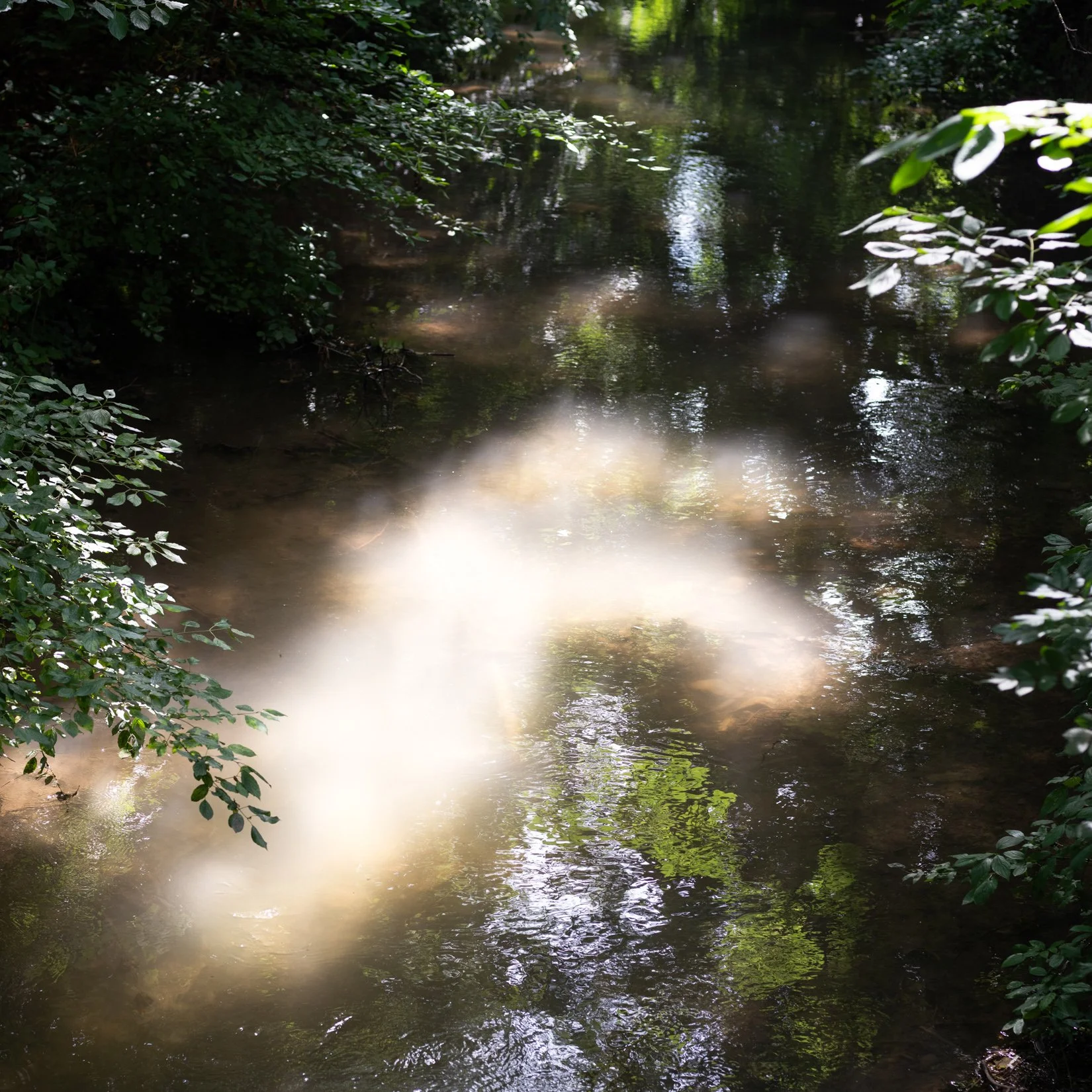
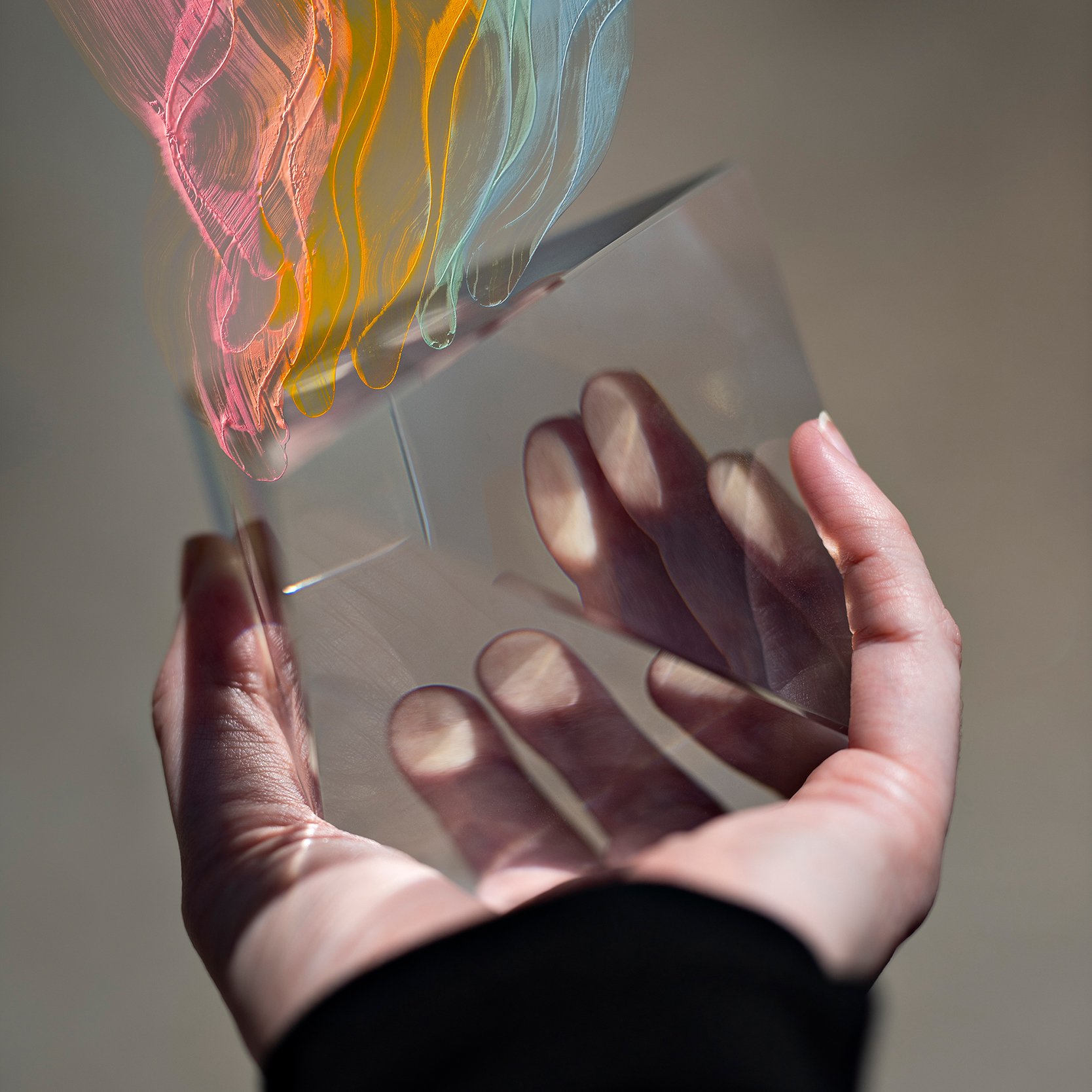
I take pictures to encounter the moment when an image is not yet fully decided—when it hovers between appearing and disappearing. Photography, for me, is not a tool for fixing reality but a way of entering into a negotiation with it. Working with Polaroid and other analog processes keeps that negotiation visible. The image is never entirely under control; it unfolds through chemistry, light, time, and chance. In this sense, I don’t take pictures to confirm what is already there, but to observe how something comes into being—how it resists, shifts, or even fails to appear. I am interested in the photograph as a fragile event rather than a stable object. Each image is a trace of conditions: a convergence of material, apparatus, and a moment that cannot be repeated. Taking pictures becomes a way of thinking through these conditions—of asking what it means for an image to exist at all, and how long it can hold its presence before it begins to dissolve. So I take pictures not to preserve the world, but to study its instability—its constant movement between visibility and disappearance.
Where do you get your inspiration?
I draw inspiration largely from philosophical texts, especially authors like Roland Barthes and Vilém Flusser, who approach photography as a field of thought rather than just image-making. Their writings open questions about presence, memory, and the role of the apparatus—questions I then try to translate into material form through my practice. Inspiration, for me, is not about visual references as much as it is about ideas that can be tested, challenged, or made visible through the photographic process and through experiment.
Who are your influences?
Not who but what. My main influences are chance and error—the unpredictable outcomes that emerge through experimentation. Working with analog processes, especially Polaroid, means that the image is never fully controlled. Chemical reactions, shifts in light, or small disruptions in the process become collaborators rather than mistakes. These moments of failure or deviation often reveal more than intention ever could, opening space for images to exceed what I originally planned.
What determines the subject matter you choose?
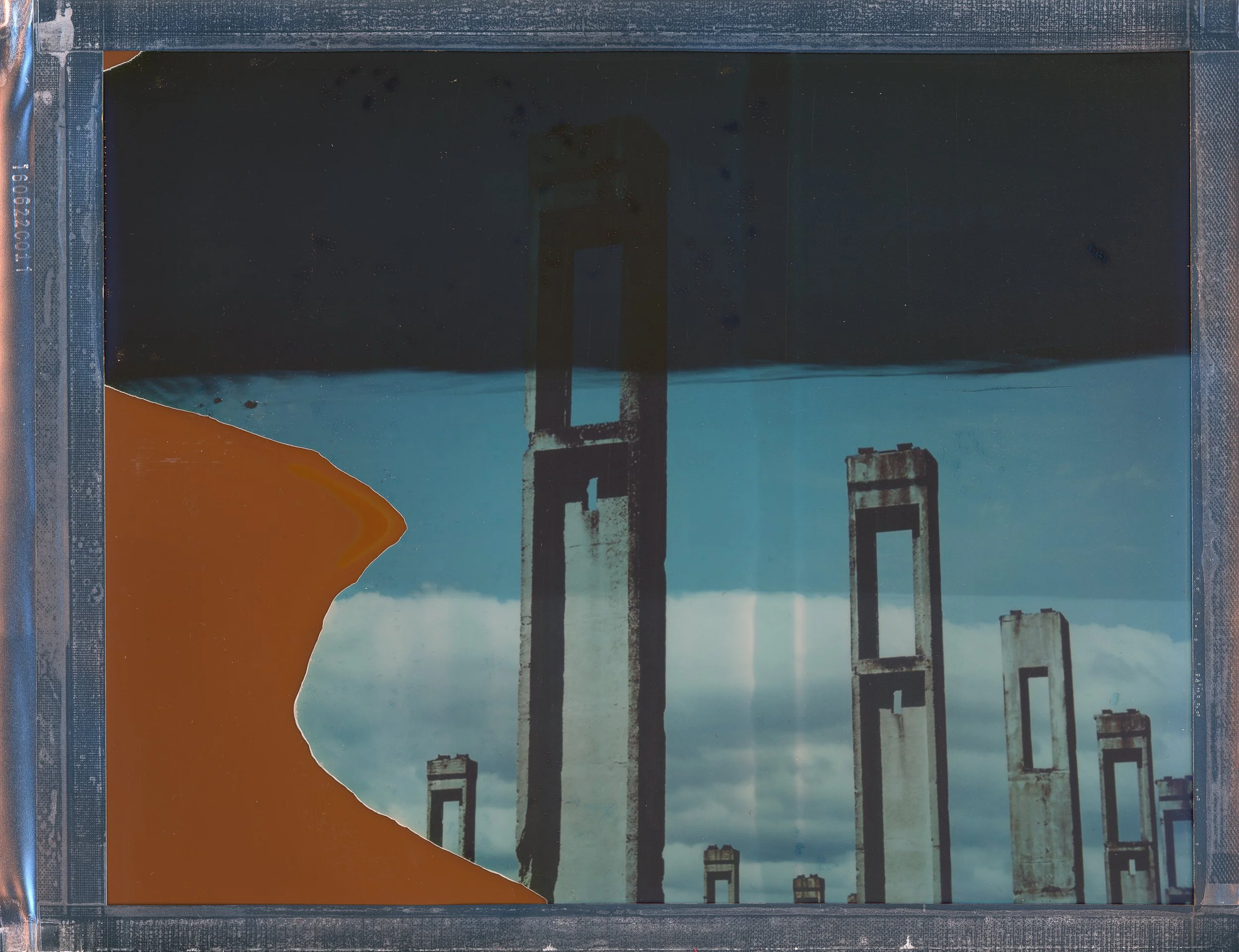
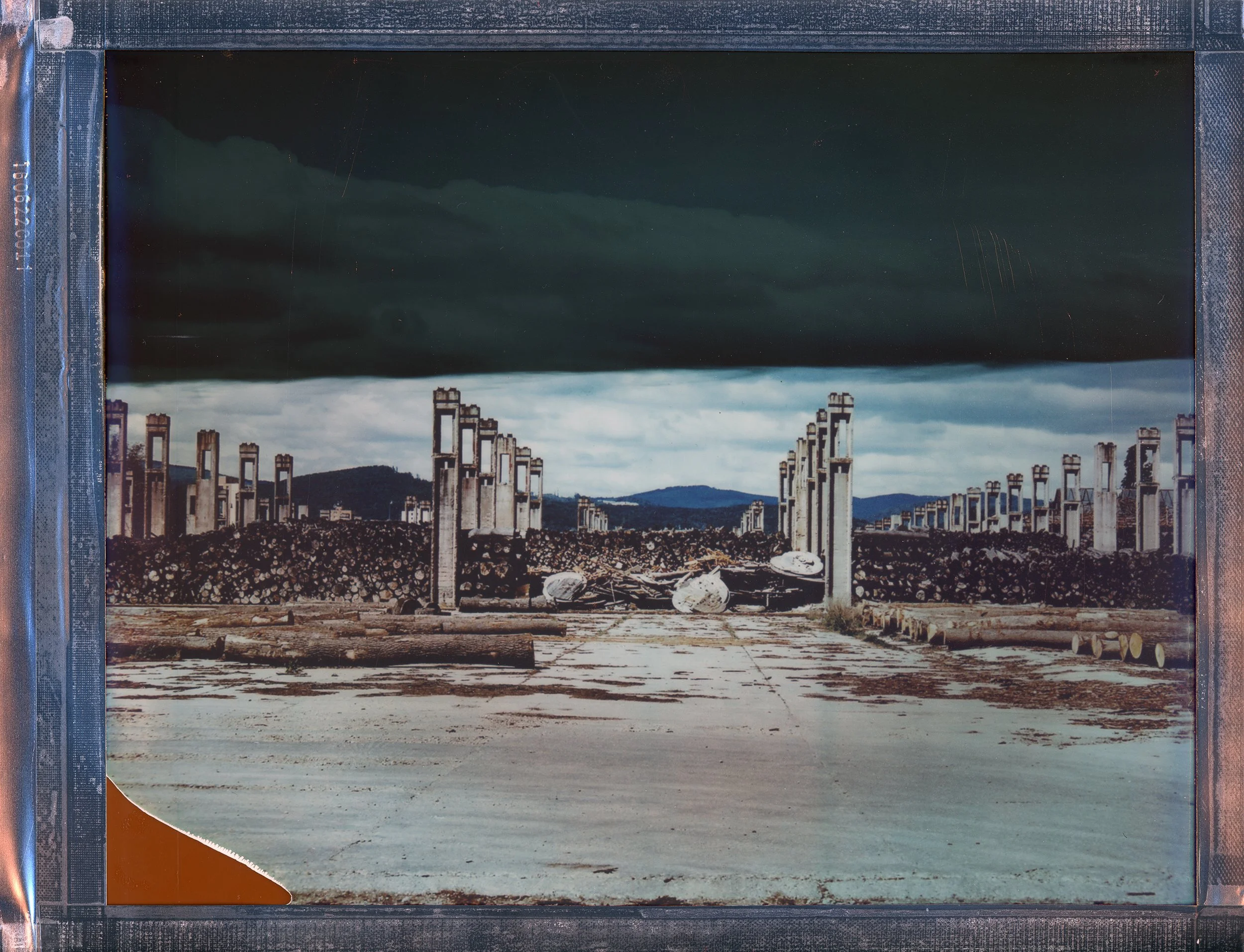
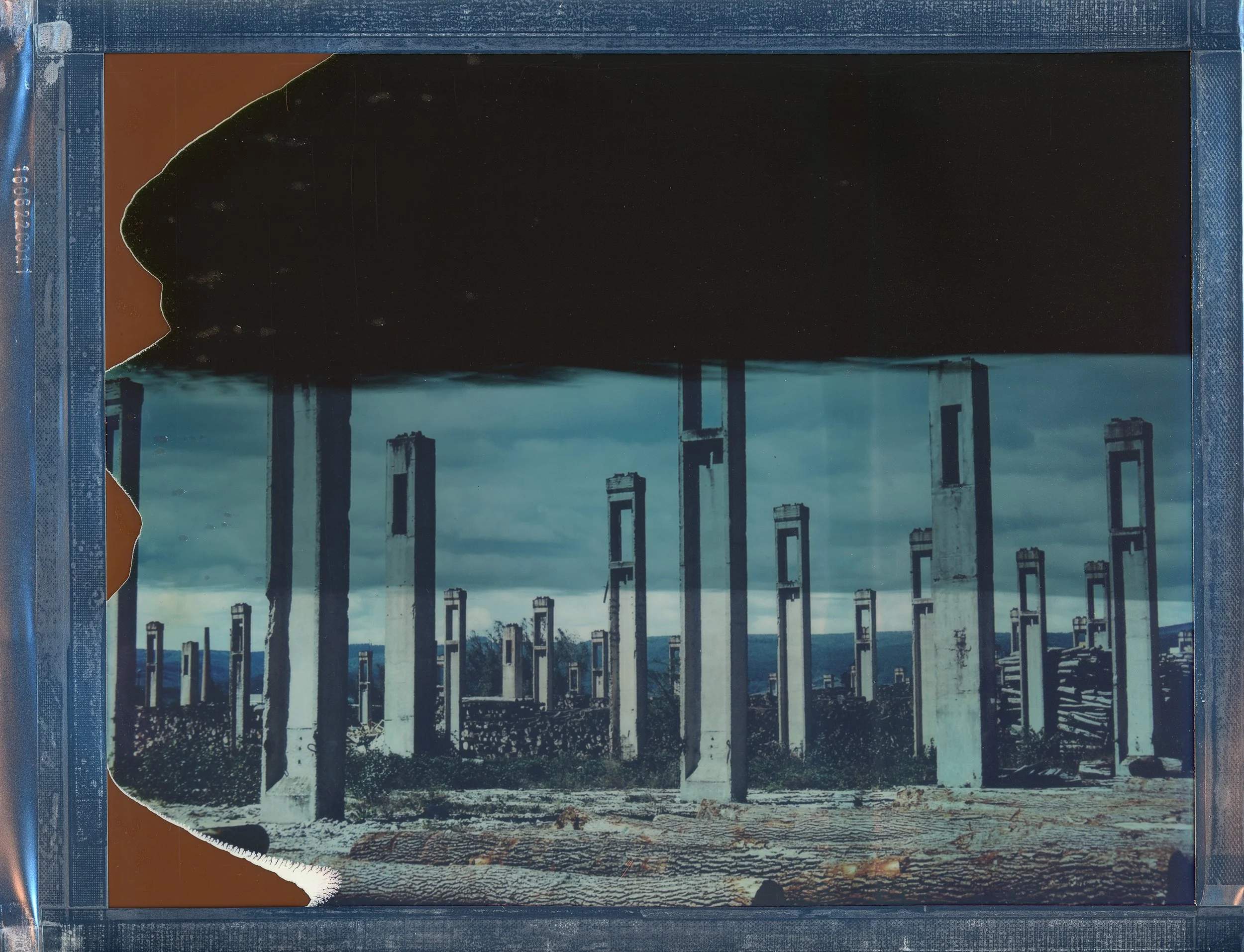
The subject matter in my work is always grounded in a broader question: what is photography? Each project begins from this inquiry and then finds its form through a specific encounter. In Photopia, for example, it started with chance—I came across a site with a colonnade that felt almost outside of time. That moment shifted my approach. I began to see the place as an archaeology of time and presence, something that could be explored through the logic of the photographic image. So the subject is never chosen purely in advance. It emerges through a dialogue between theory, intuition, and the contingencies of the world—where a place, an object, or a situation becomes a way to think through photography itself.
What impact would you like your art to have?
I would like my work to create a pause—to slow down perception and shift attention toward what usually remains unnoticed. In a time of accelerated image production, I’m interested in images that resist immediacy. Works that ask the viewer to look longer, to become aware of subtle details, instabilities, and the quiet presence of things. If the work has an impact, it is in opening a space where seeing becomes more attentive—where what is hidden in the textures of everyday life can briefly come into view.
What artwork do you never get bored with?
I never get bored with Mark Rothko’s work, as his paintings unfold slowly and create an immersive, almost immaterial experience that resonates with my interest in perception and presence.
Is there anything you want to add?
I believe photography can still be magical—and for me, it truly is; I understand it as a vital force that helps uncover hidden layers of the world.
PHOTOBIA
Project Statement
Ruins are remnants of the past, outsiders of the present, and remain a question of the future. Are these columns merely nostalgic visions of a utopian landscape, or are they a warning of a future in which humanity has become obsolete? I ask this question at a time when it becomes increasingly clear that we must begin to think about the post‑Anthropocene.
The existence of numerous similar sites across the post‑industrial Eastern Bloc proves that these places are imbued with tension between collective hope and historical trauma: between utopia and its transformation into totalitarianism. Ruins are tangible fragments of history. They attract us and permanently occupy our imagination, our past, and most likely our future. As if they were rooted within us—not only the ruins themselves but also what remains of them: unfulfilled dreams. The sight of the abandoned, towering concrete columns evoked a strong sense of anachronism in me. They seemed to exist outside of time, removed from the historical flow. They are physical artifacts awaiting for a new reinterpretation to give them meaning. Interpretation thus becomes a way of survival.
Photopia is about the fine line between visibility and invisibility, existence and nonexistence, places and non-places, physical presence and dematerialization. It explores the blending of timeframes, their suspension and denial, the impossibility of defining the future, and the idealization mediated by the most widely used medium of today – photography. Photopia is about photography and utopia.
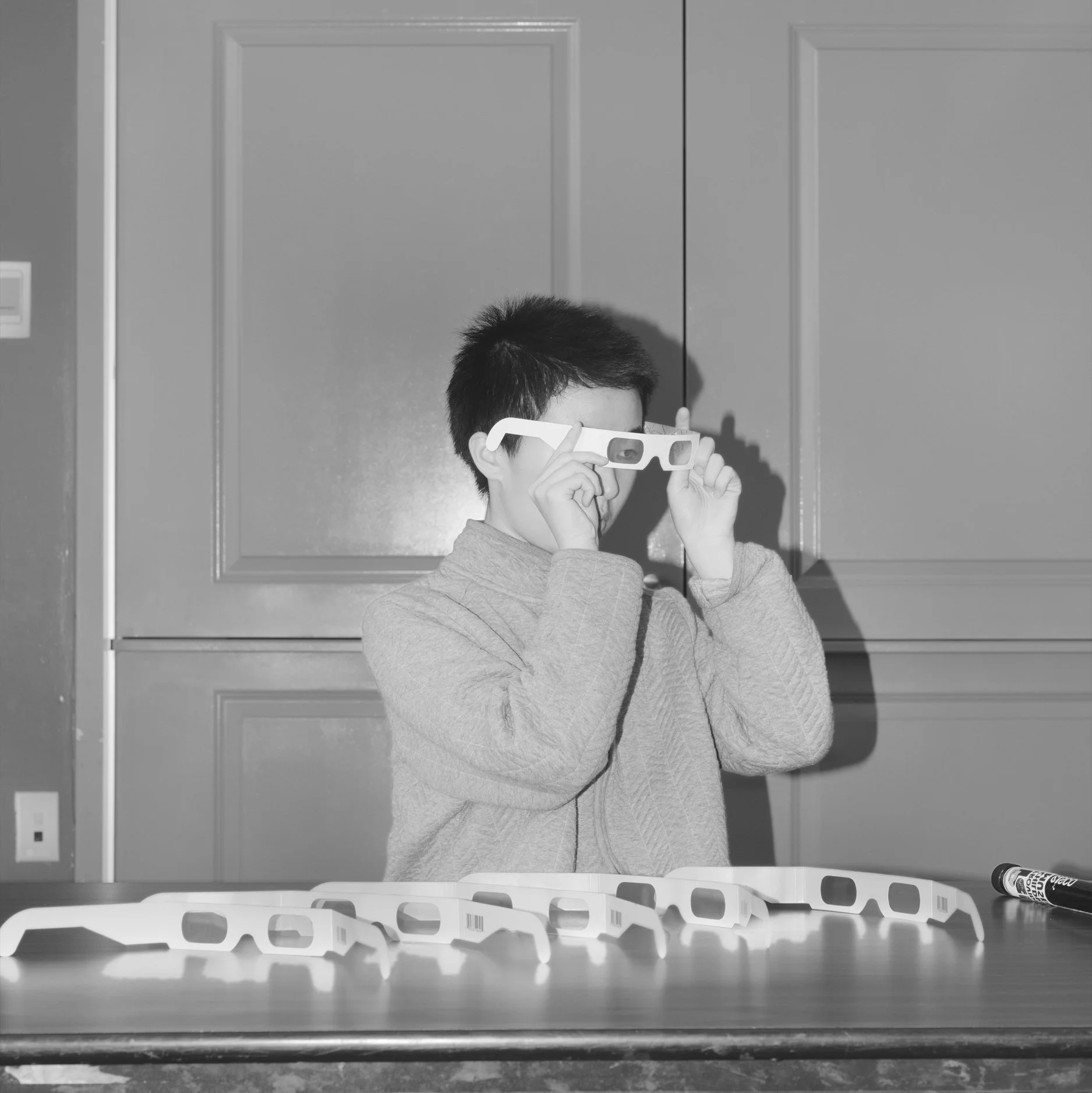
In installation form it presents works created using Polaroid 8x10 instant film, as well as lenticular prints made with a stereo camera. The conceptual foundation continues to revolve around the notion of utopia – a term applied to the philosophically elusive medium of photography, and is generally understood as a non-existent place devoid of time. Visually, this line of thought is represented by a recurring element: a column or colonnade on an abandoned industrial site. The exhibition also includes photographs of now-demolished buildings, interiors, and structures of found, decaying objects. Over time, these reveal layers that the artist likens to the light-sensitive layers of photographic material, into which a slice of time and space is imprinted. Photography has the ability to freeze these physical dimensions into a single moment, concentrating past, present, and future – becoming a utopia itself: a non-place and non-time.
ema lančaričová
@emalancaricova