thero makepe

Your name
Thero Makepe
Place of birth
Gaborone, Botswana
Place where you live now
Gaborone, Botswana
3 words to describe you
Meditative, Slow, Recluse
Why do you take pictures?
I use photography to creatively express myself as a basic need for my soul, to shed light on lesser-known narratives and to query the status quo.
Where do you get your inspiration?
Anime, second and third cinema and surrealist and magical realism novels.
Who are your influences?
Lee Chang-Dong, billy woods, Lieko Shiga, Zora J. Murff, Kaseem Ryan and Thabiso Sekgala
What determines the subject matter you choose?
My choice in subject matter comes from the specific moment or era I am in my life. I choose projects that I can only do at specific moments in my life i.e. being in my early my twenties and focusing on a coming-of-age narrative or choosing to do projects on present events that capture collective consciousness like national elections.
What impact would you like your art to have?
I hope that my work provokes people to consider their humanity more. I hope it can provide some form of healing for my immediate communities in Southern Africa.
What artwork do you never get bored with?
Rasen Kaigan 45 by Lieko Shiga
Is there anything you want to add?
Thank you for featuring my work and for this lovely platform to discover more photographers.

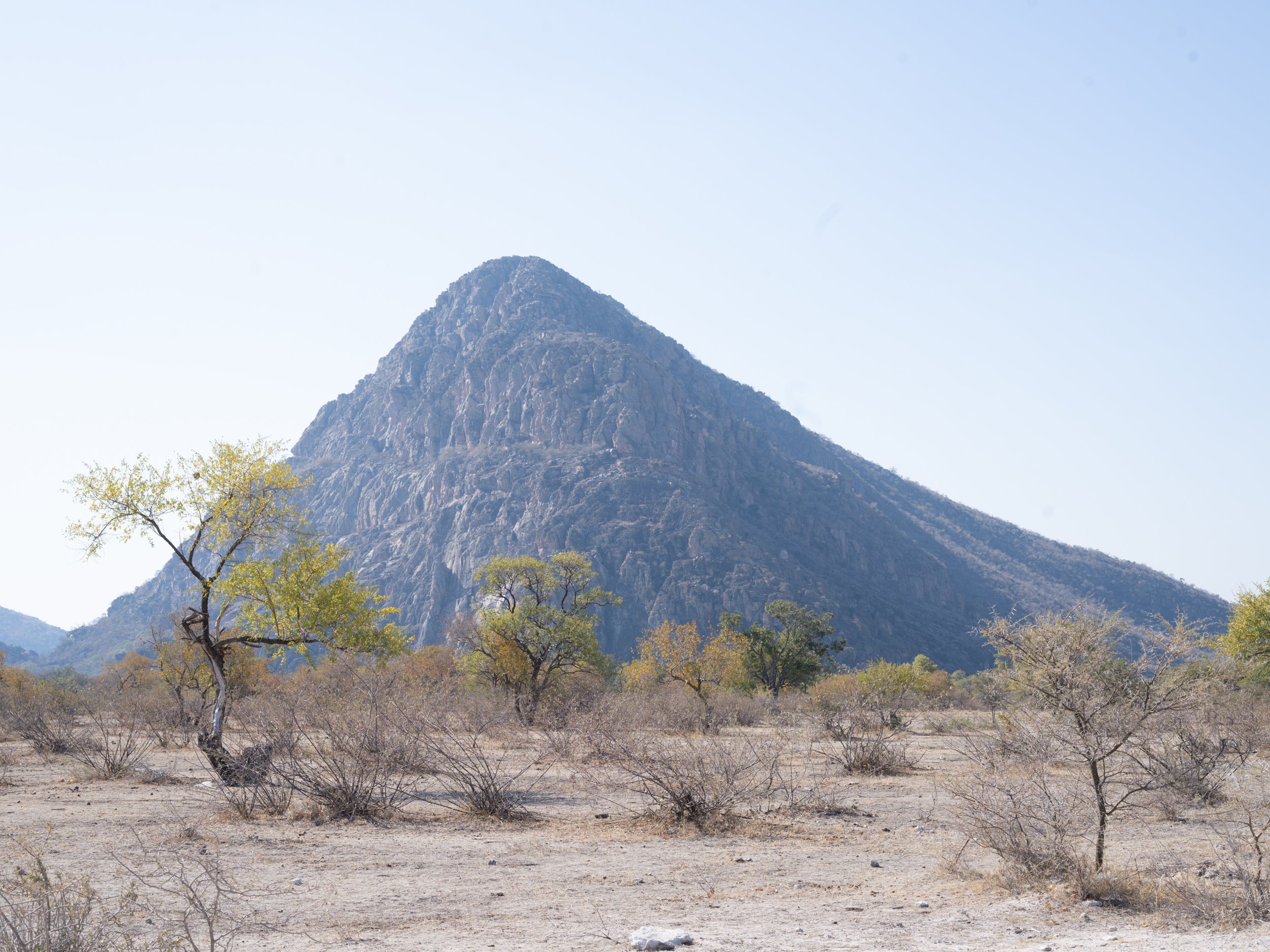
It's Not Going to Get Better
Project statement

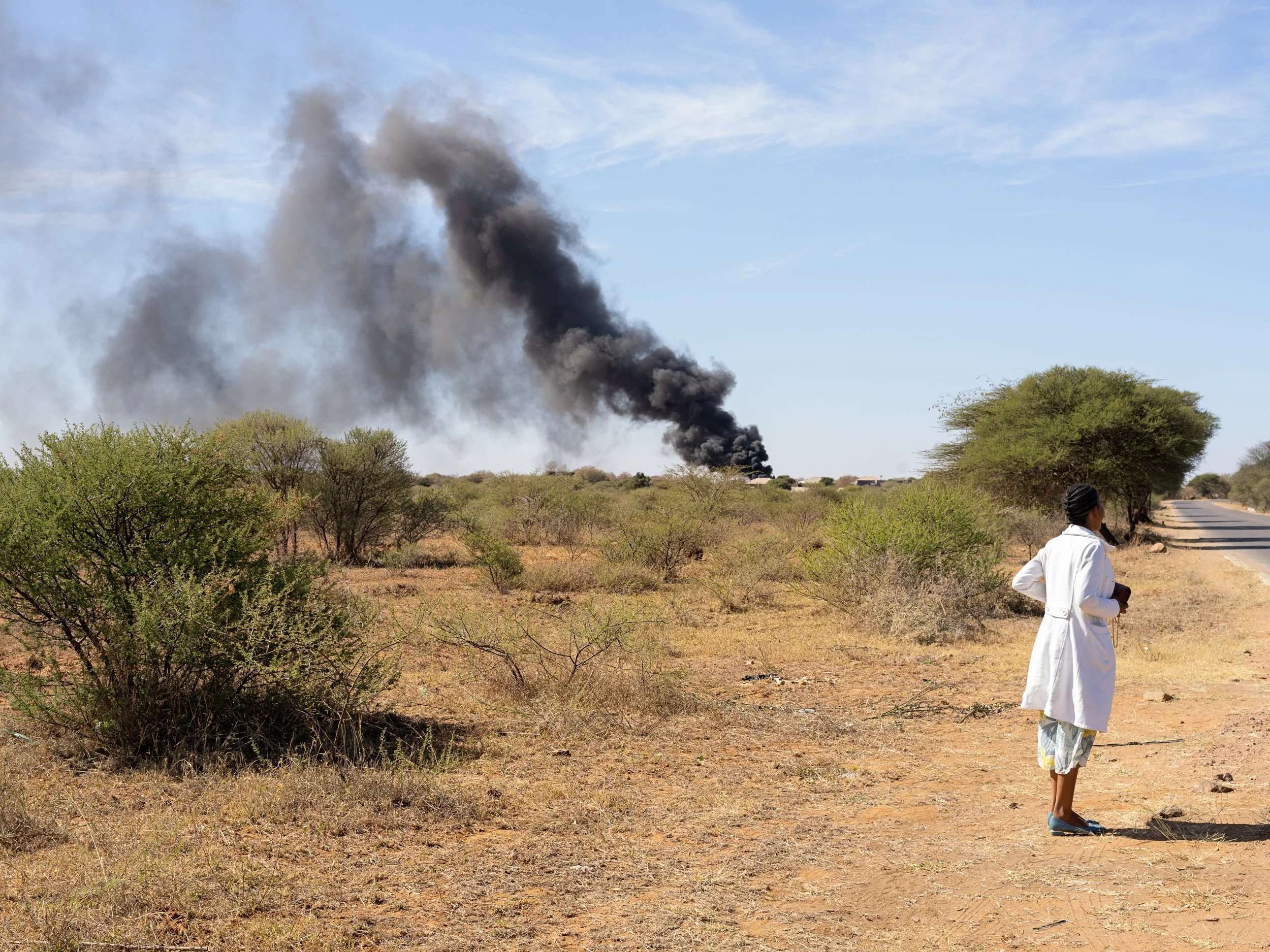
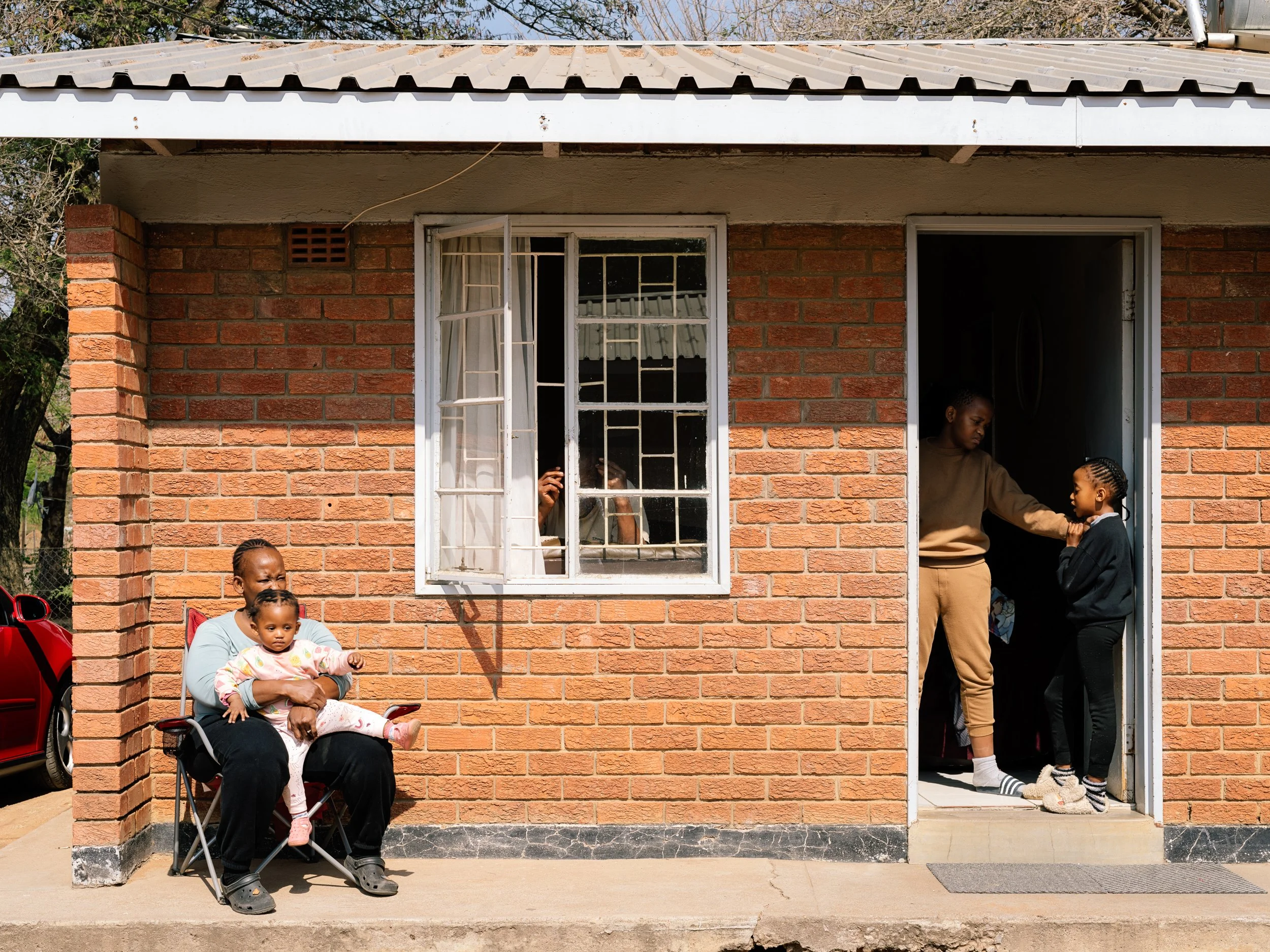
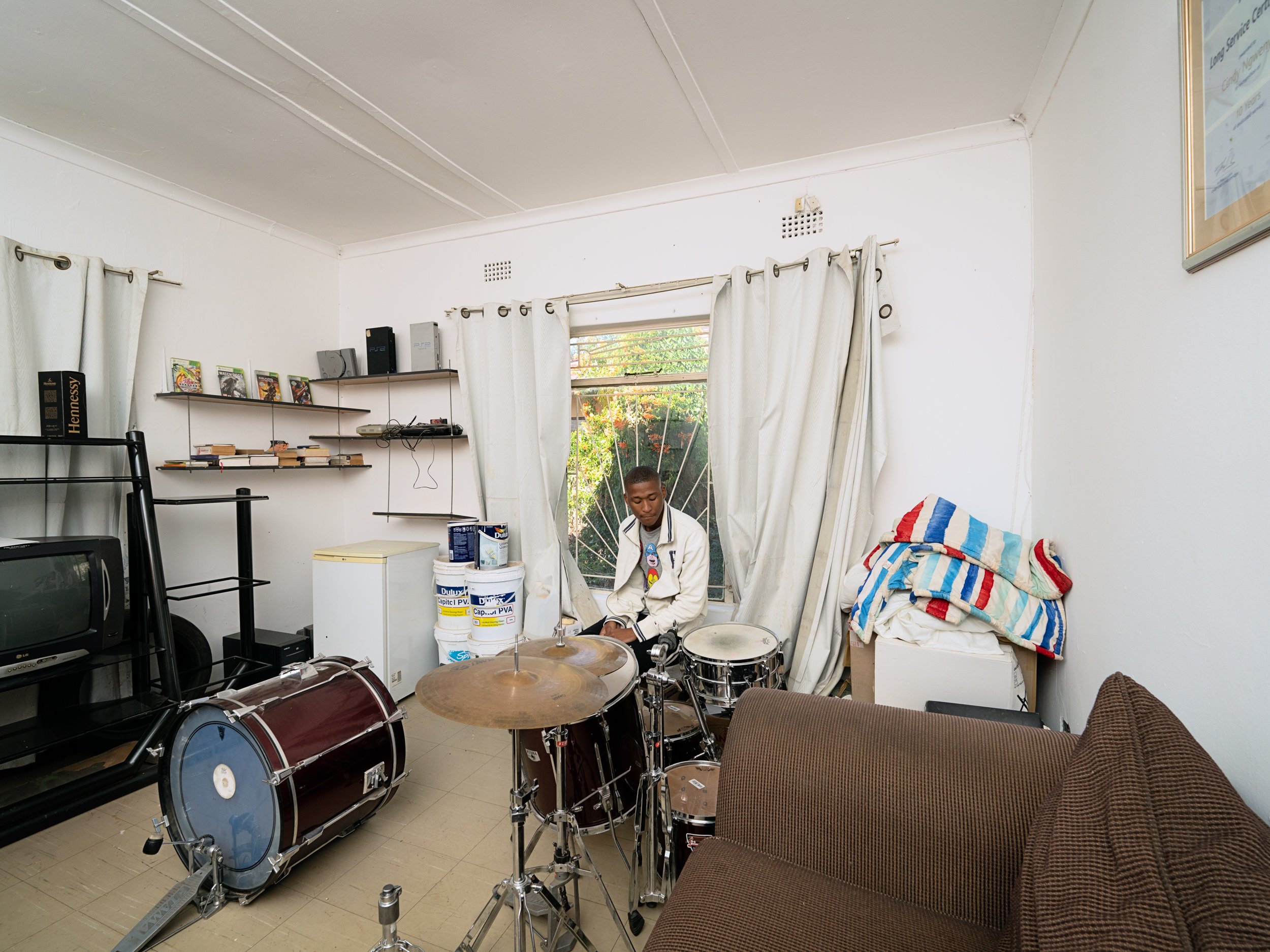
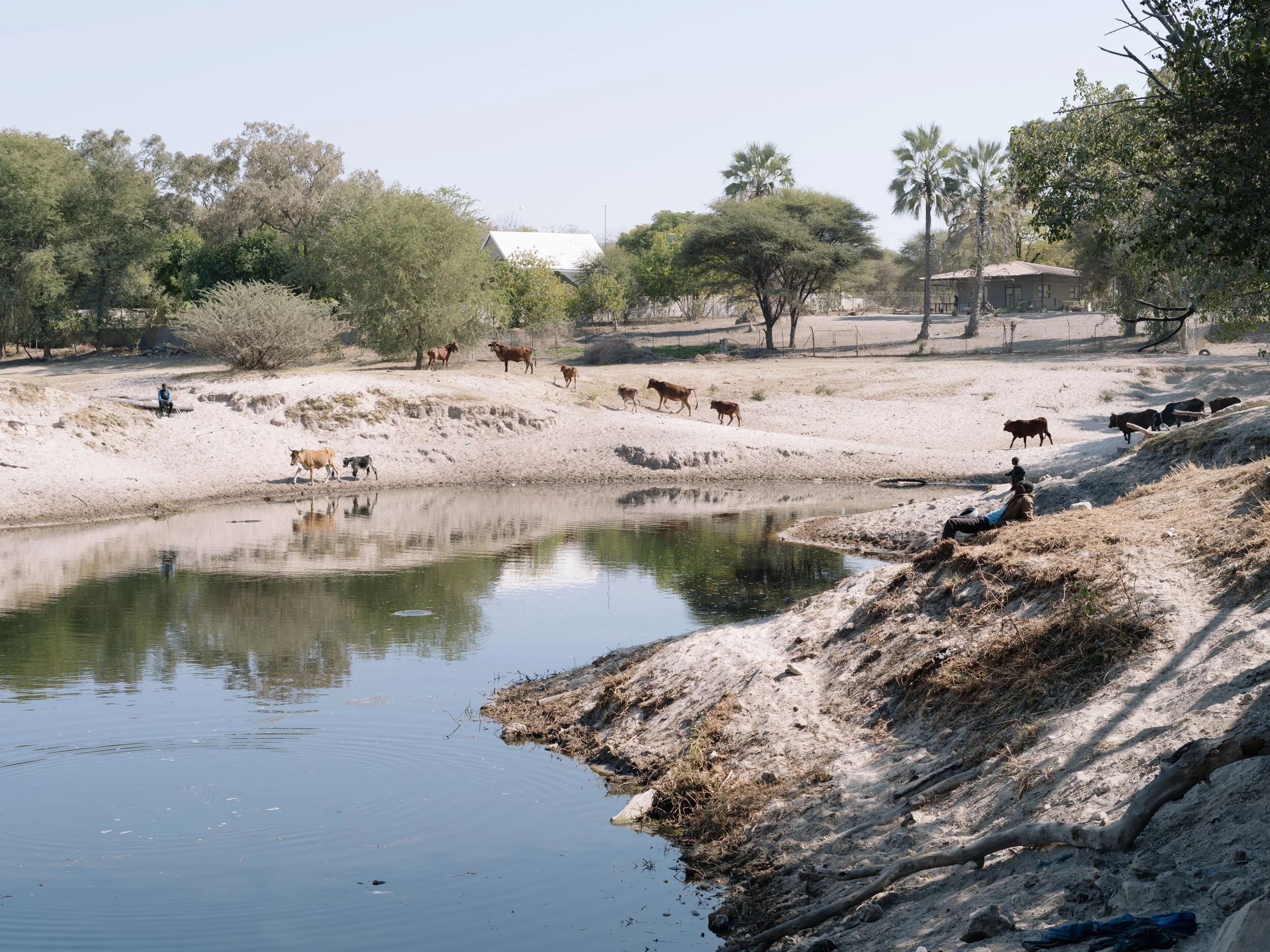
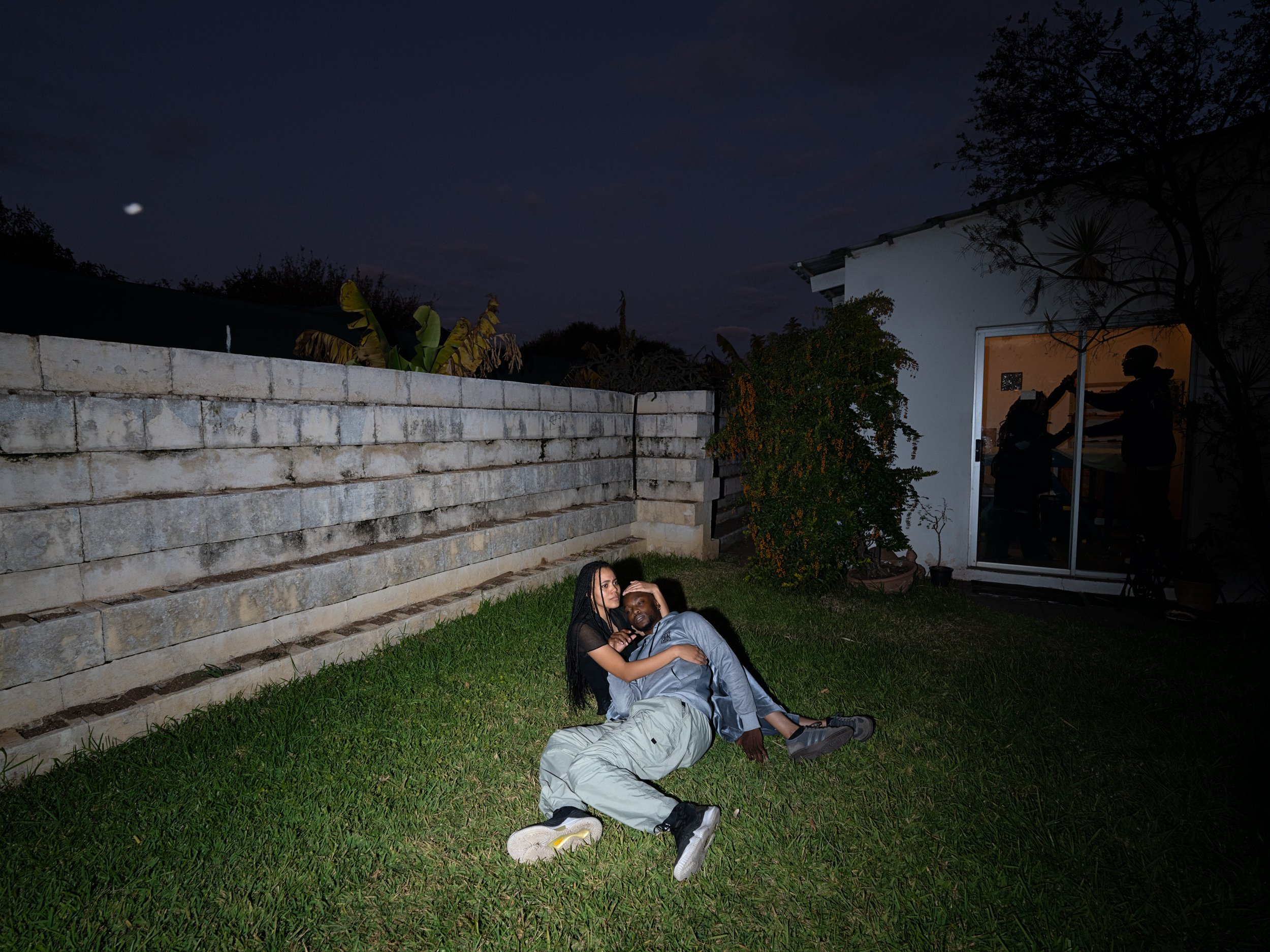
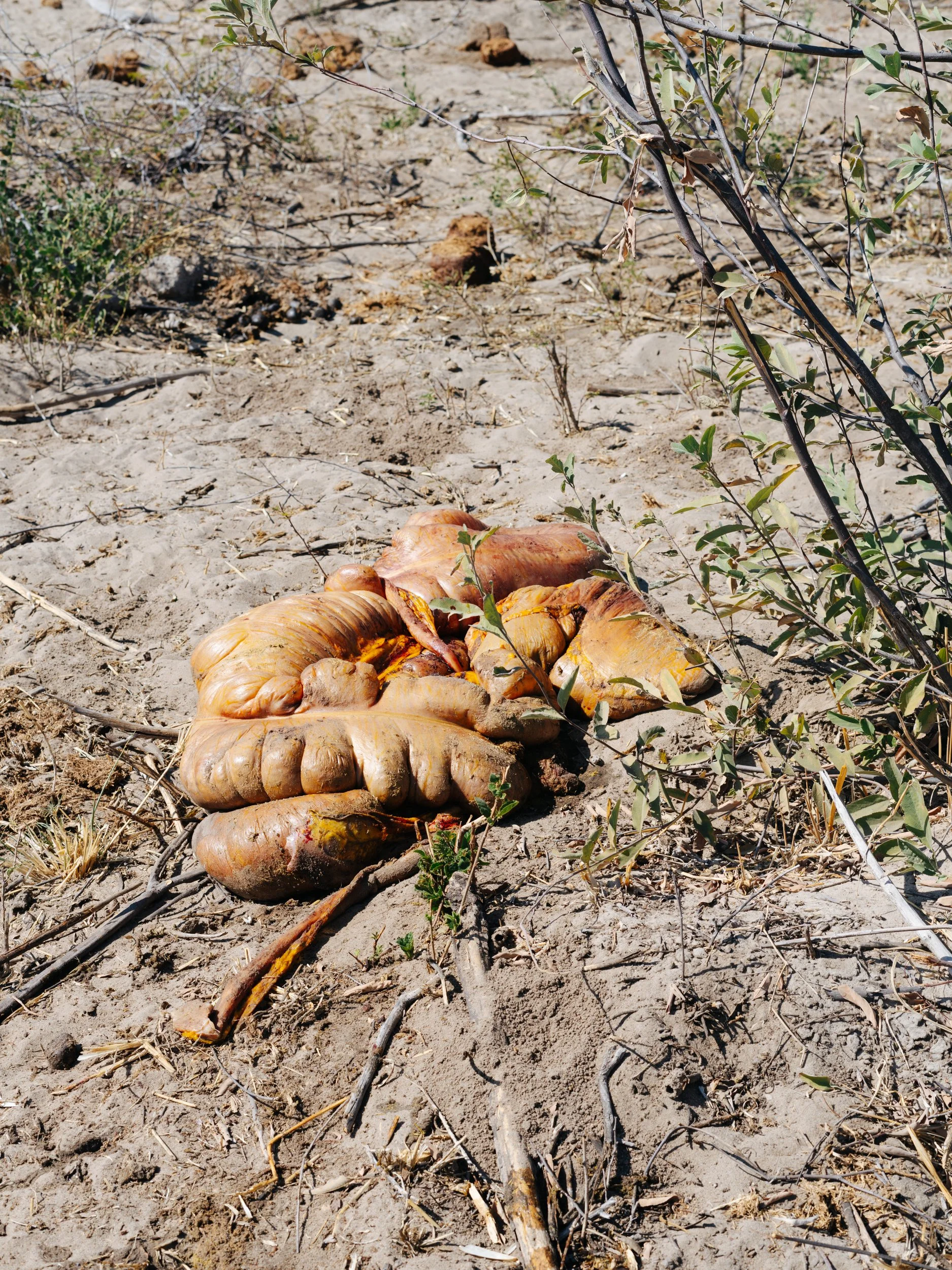
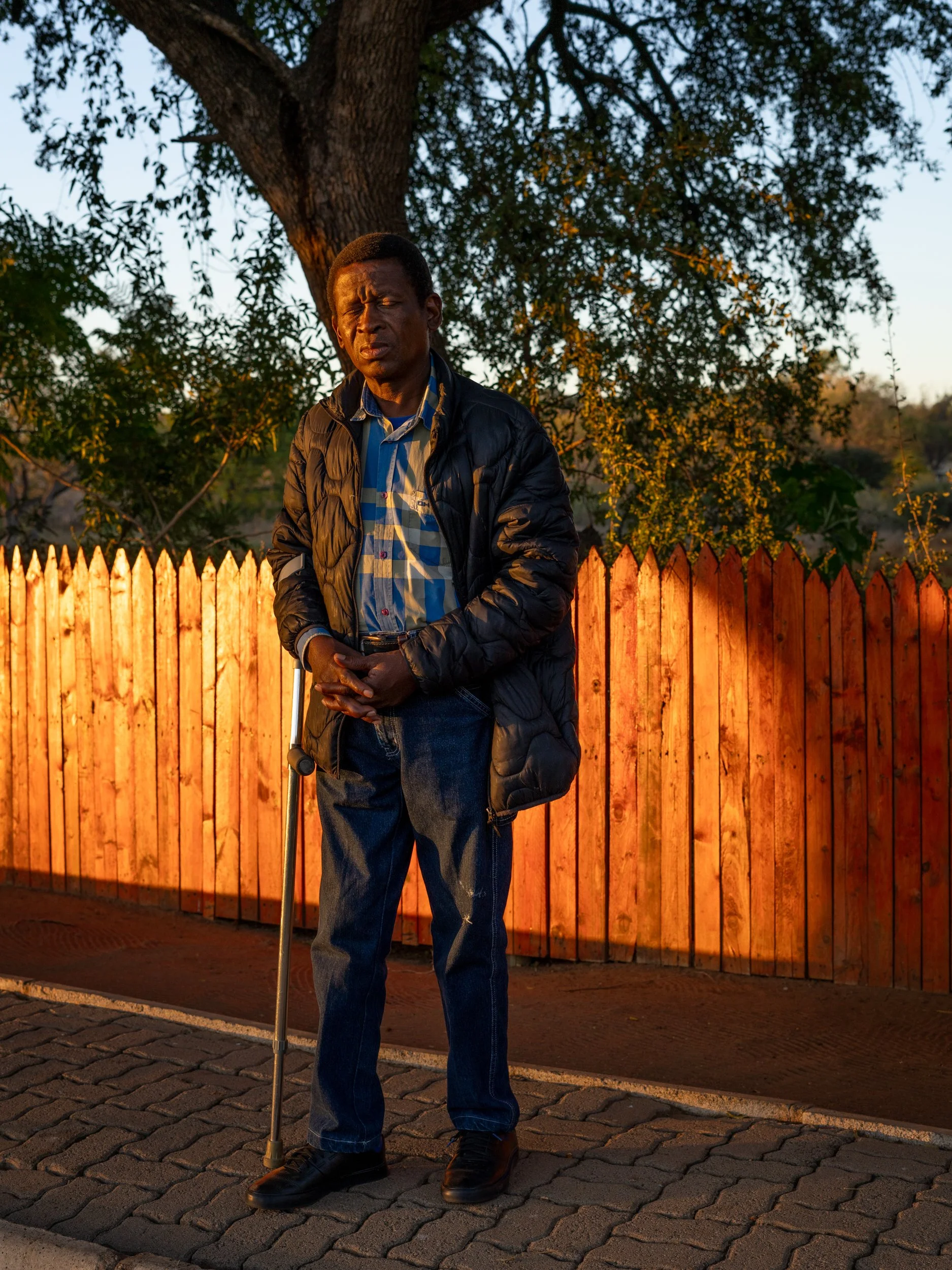
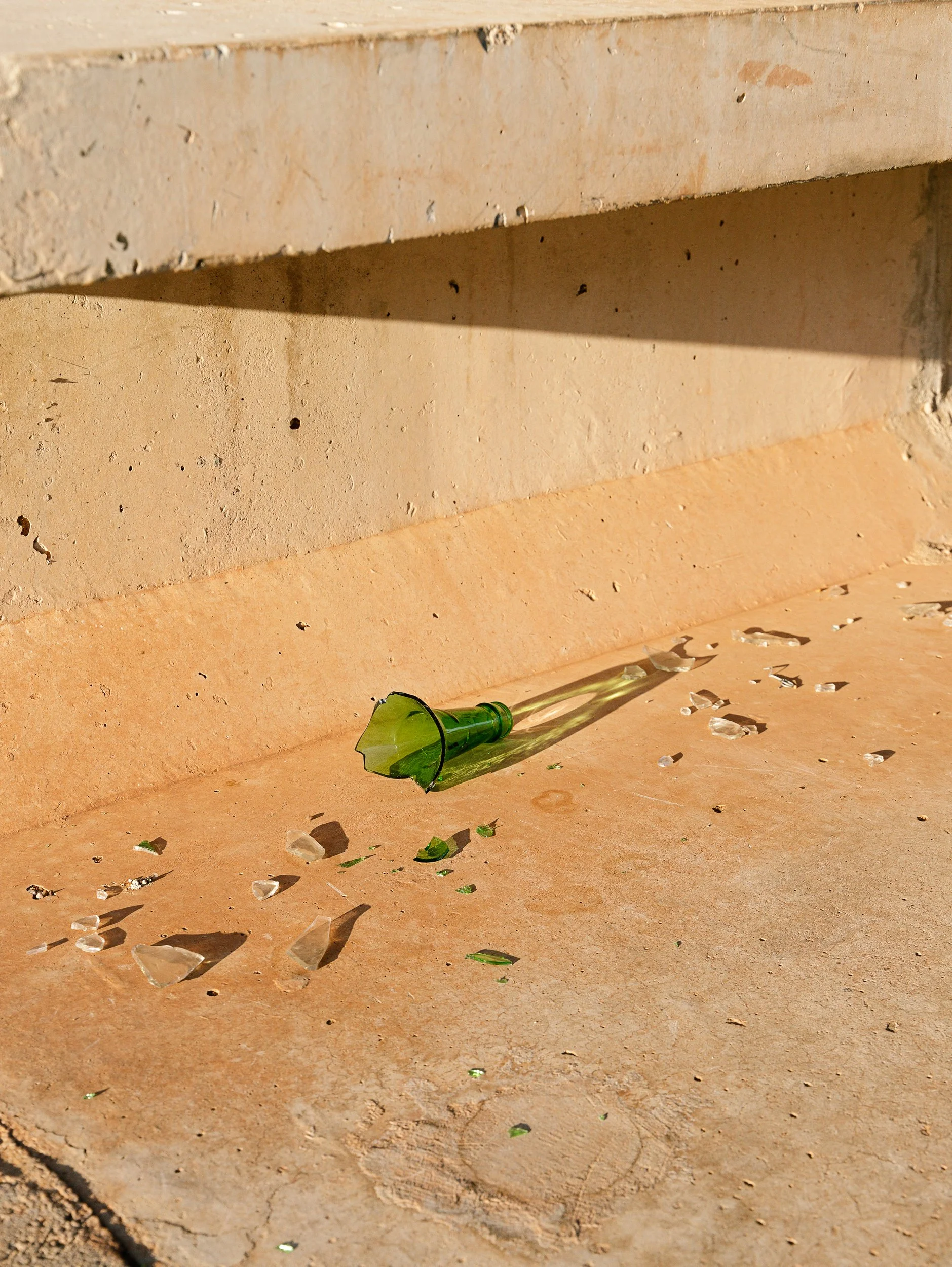
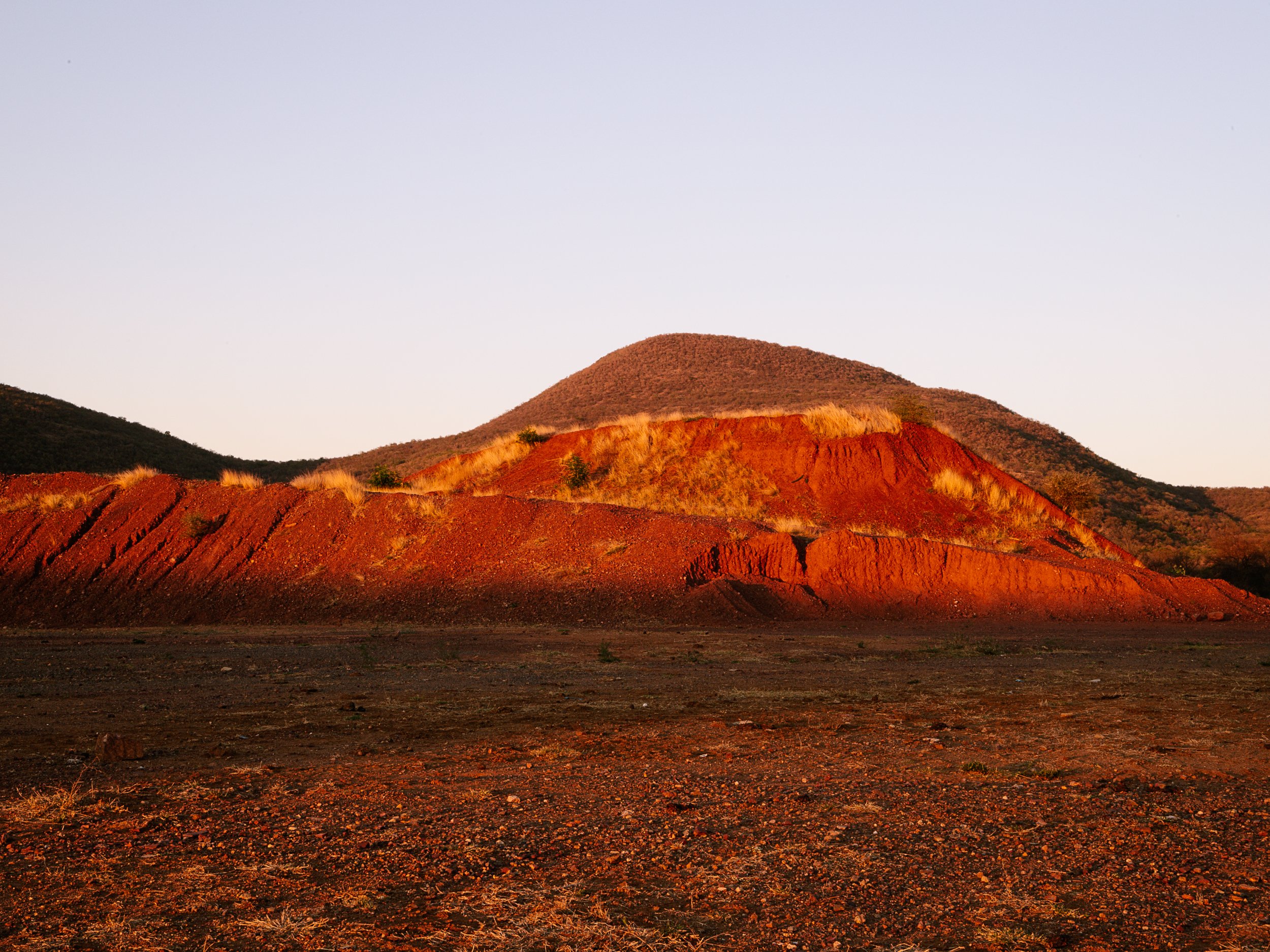
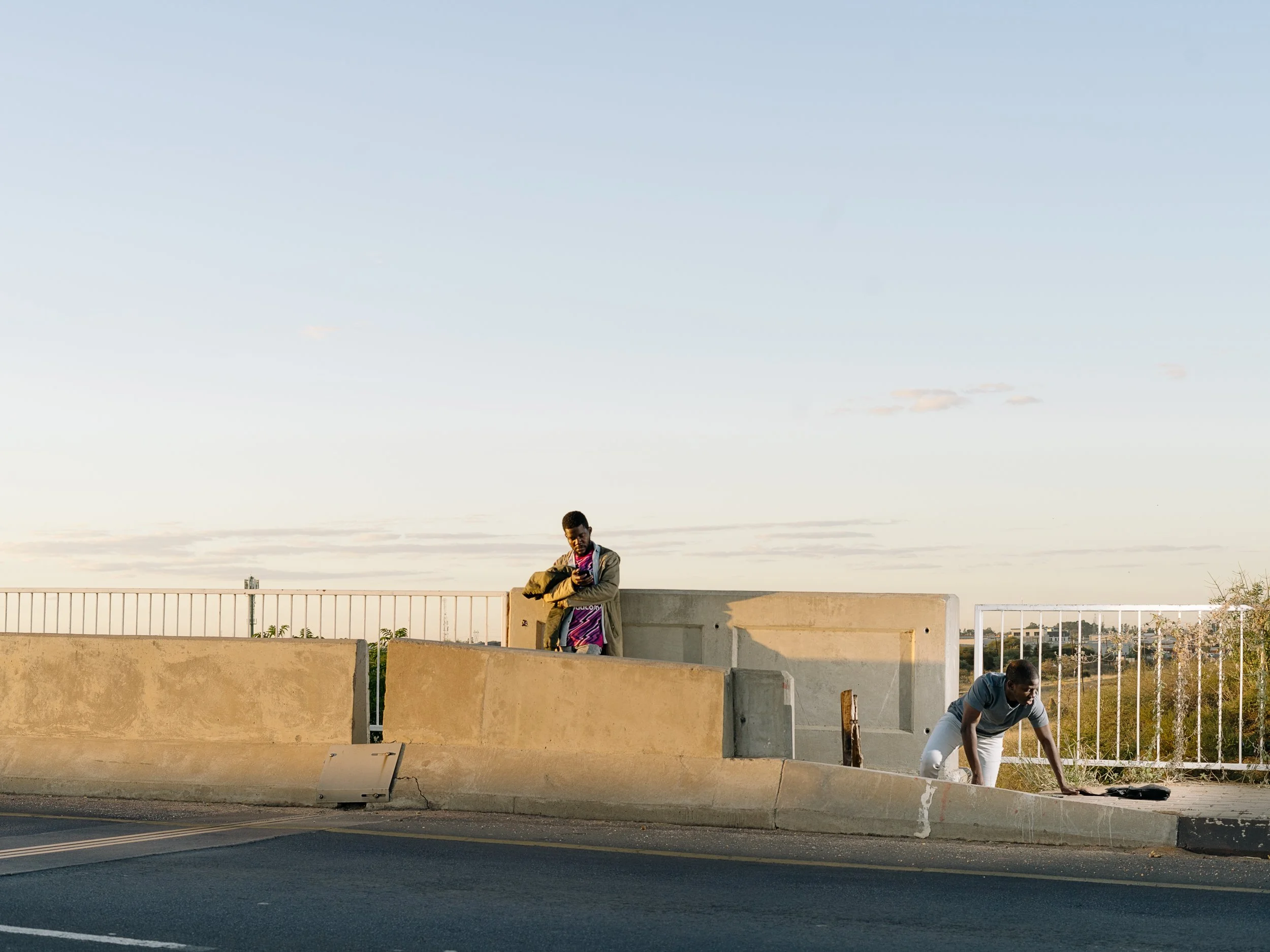
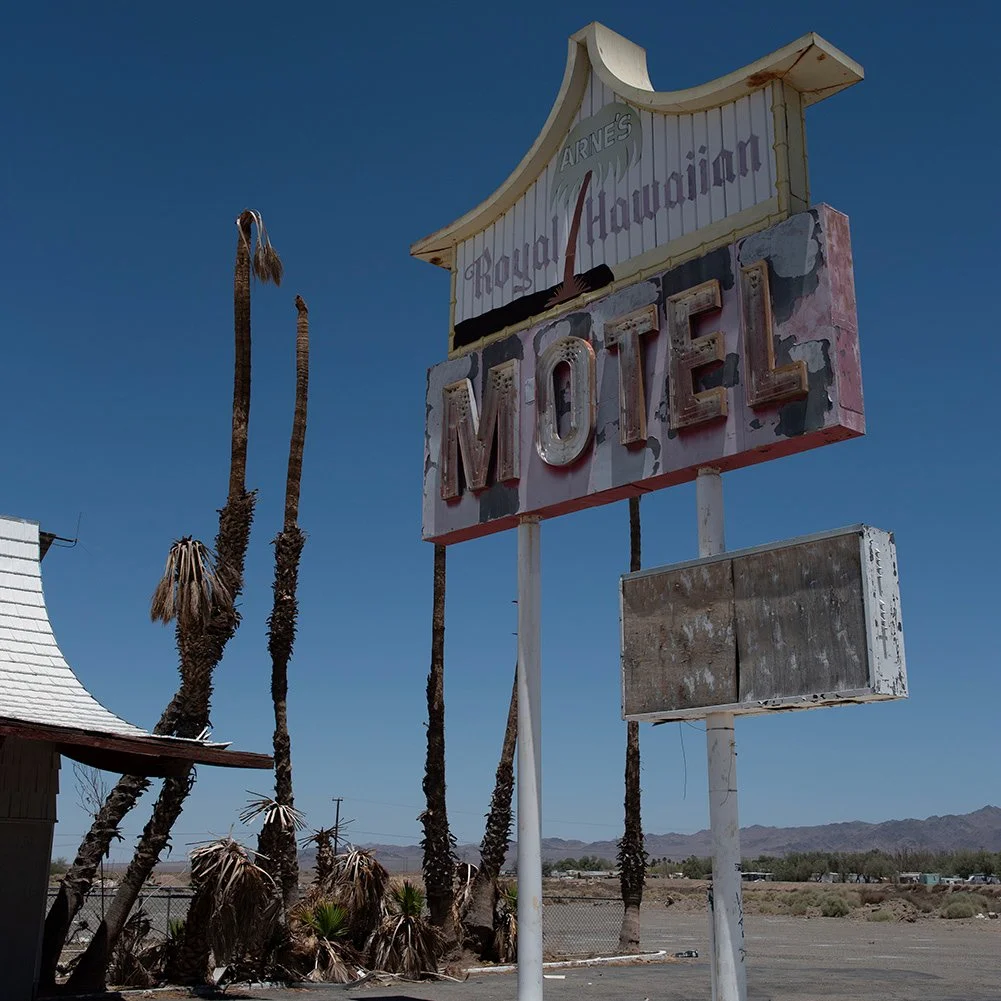
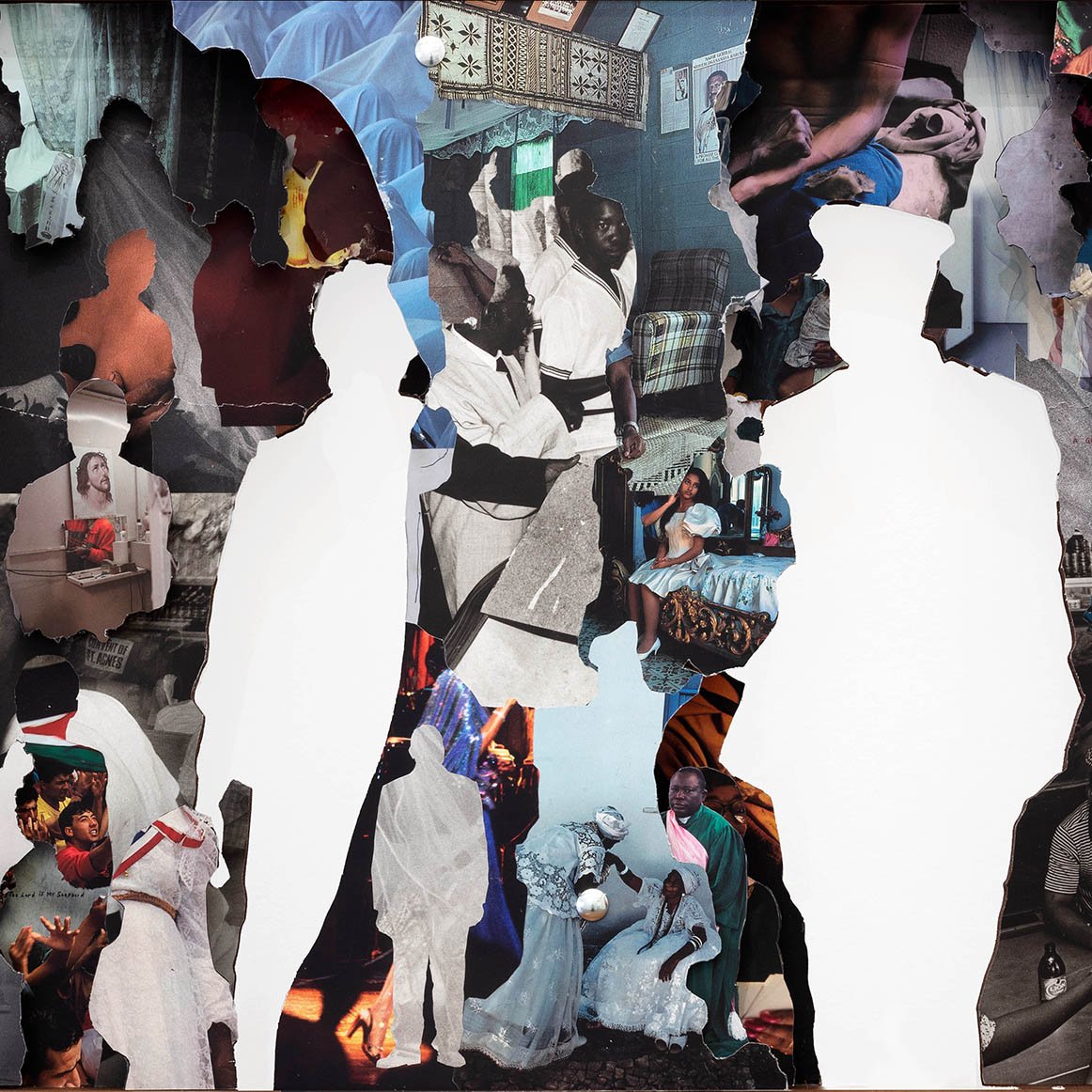
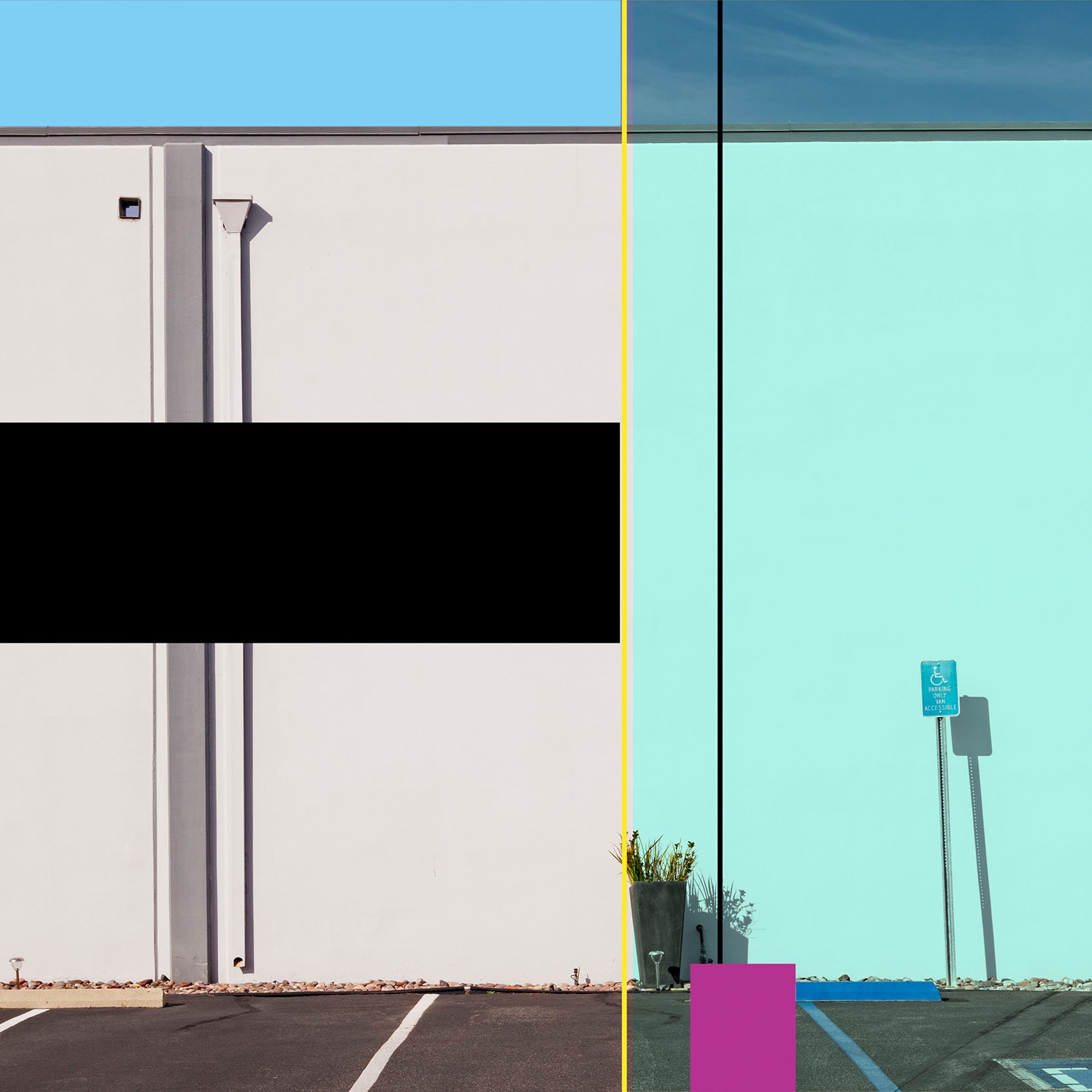
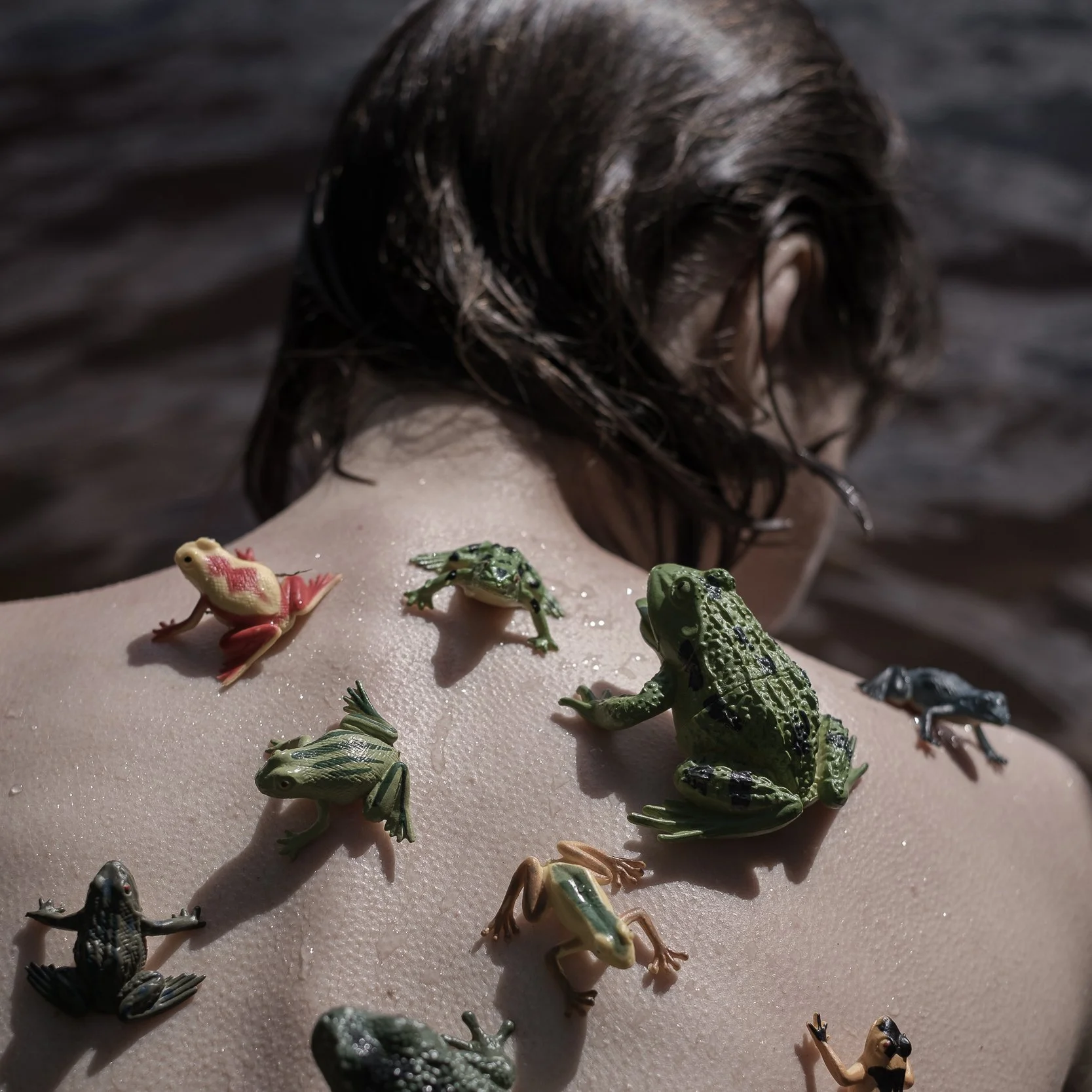
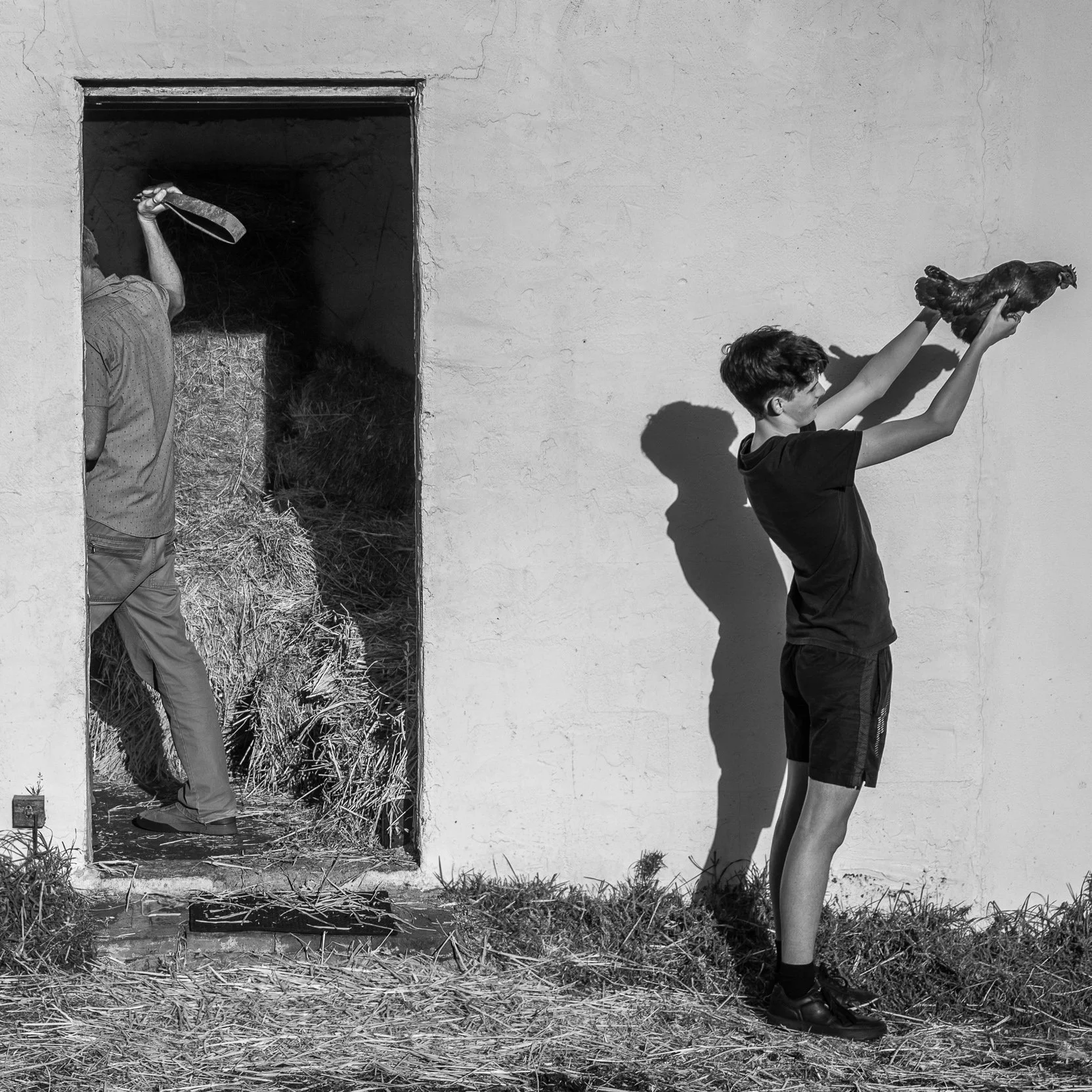
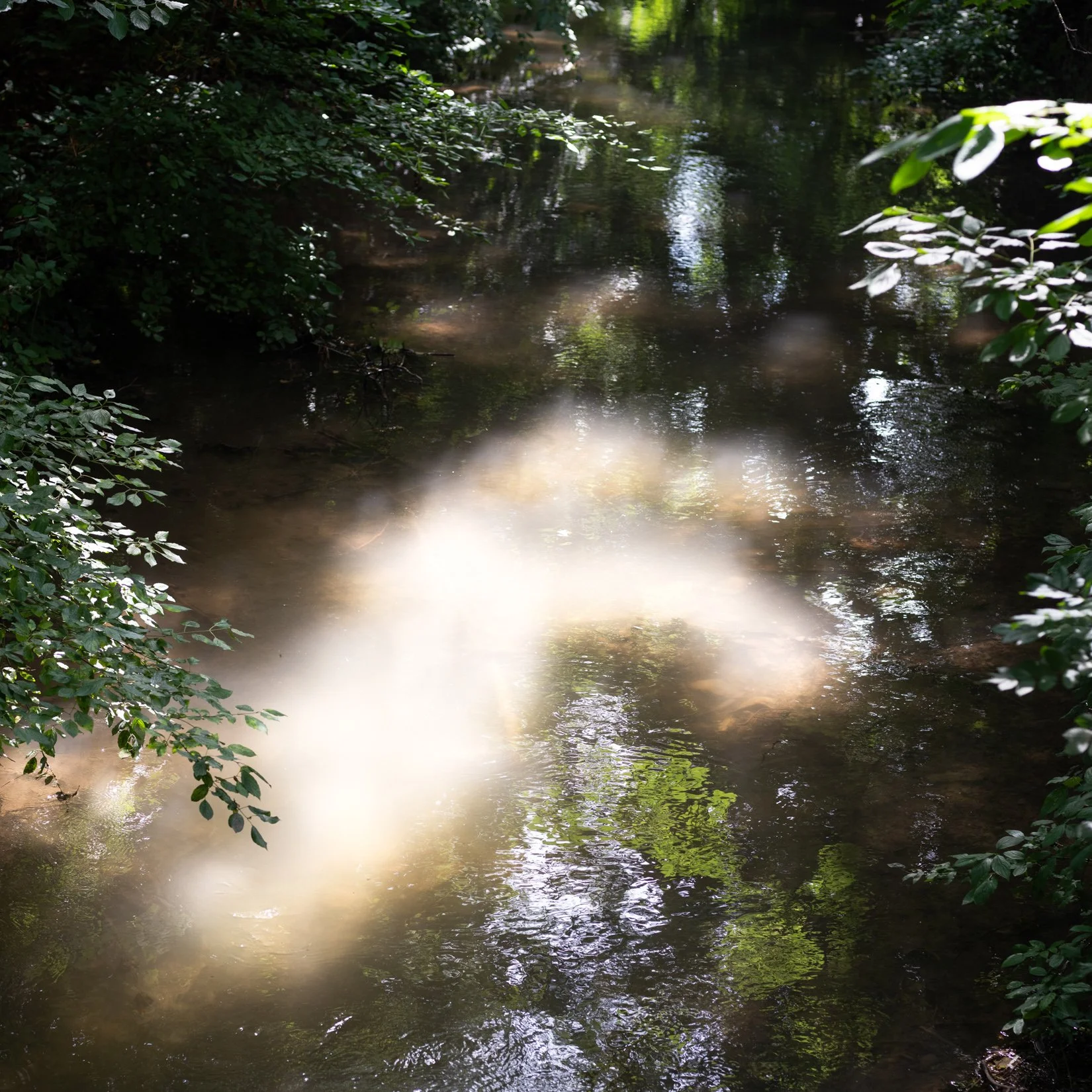
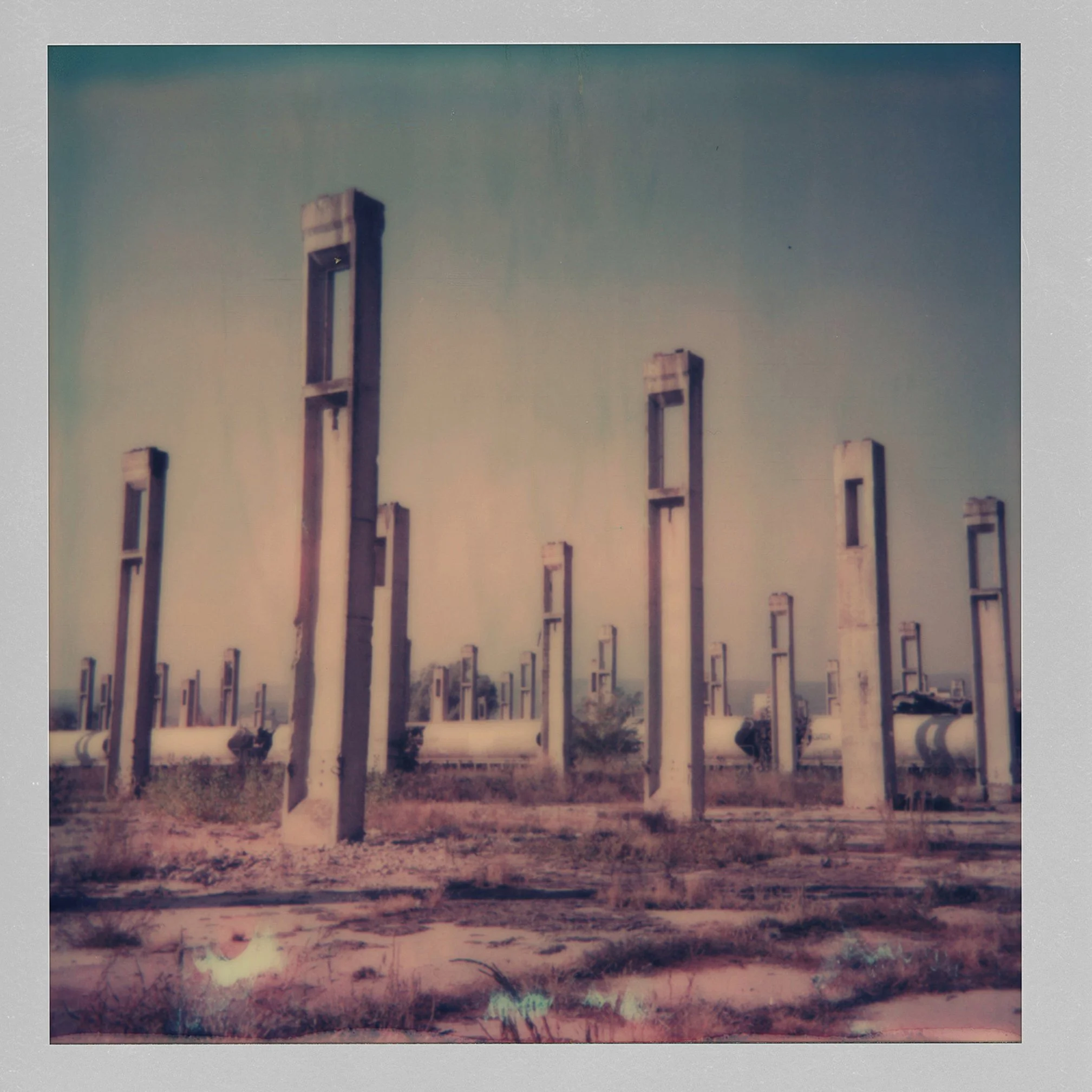
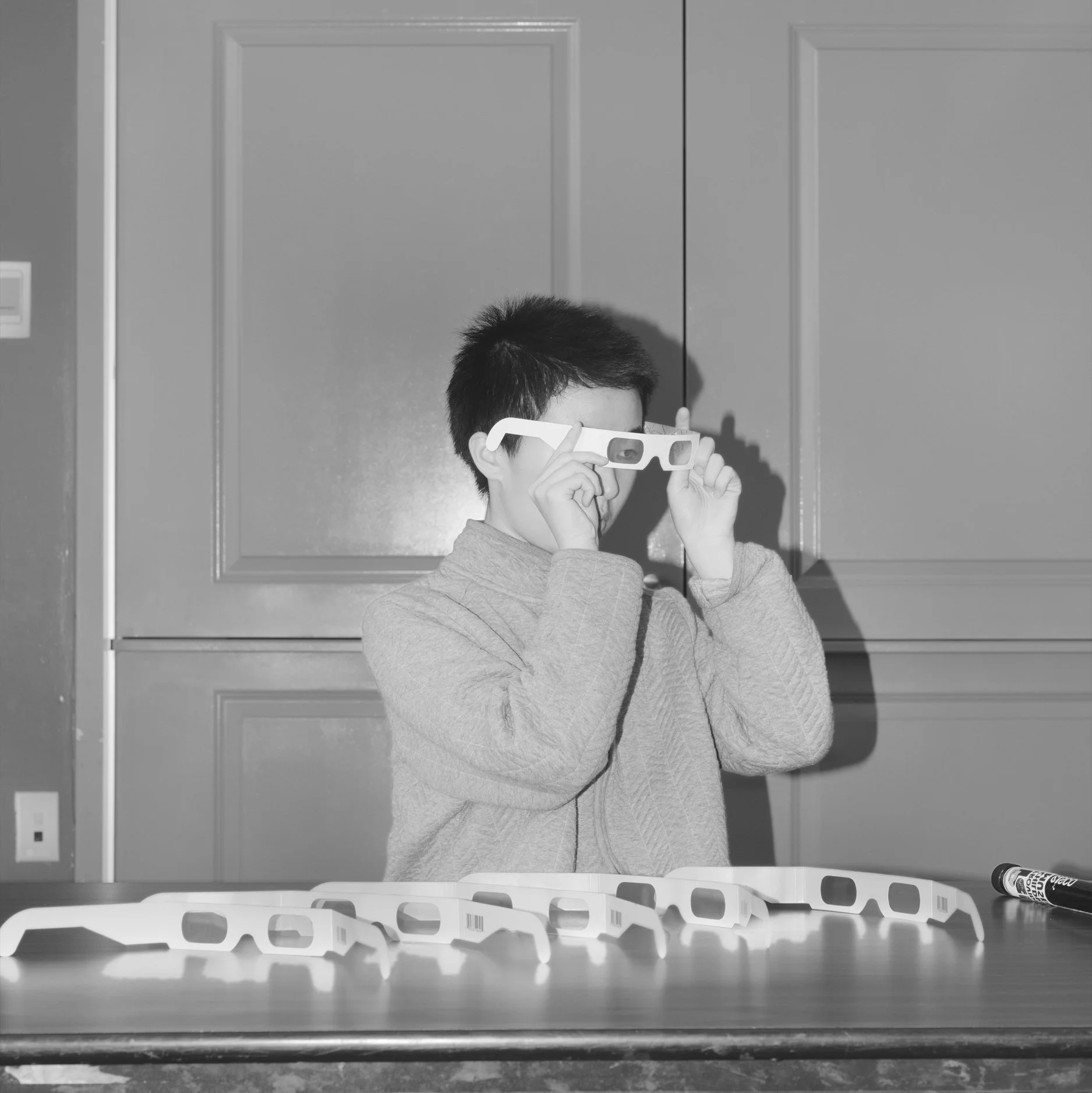
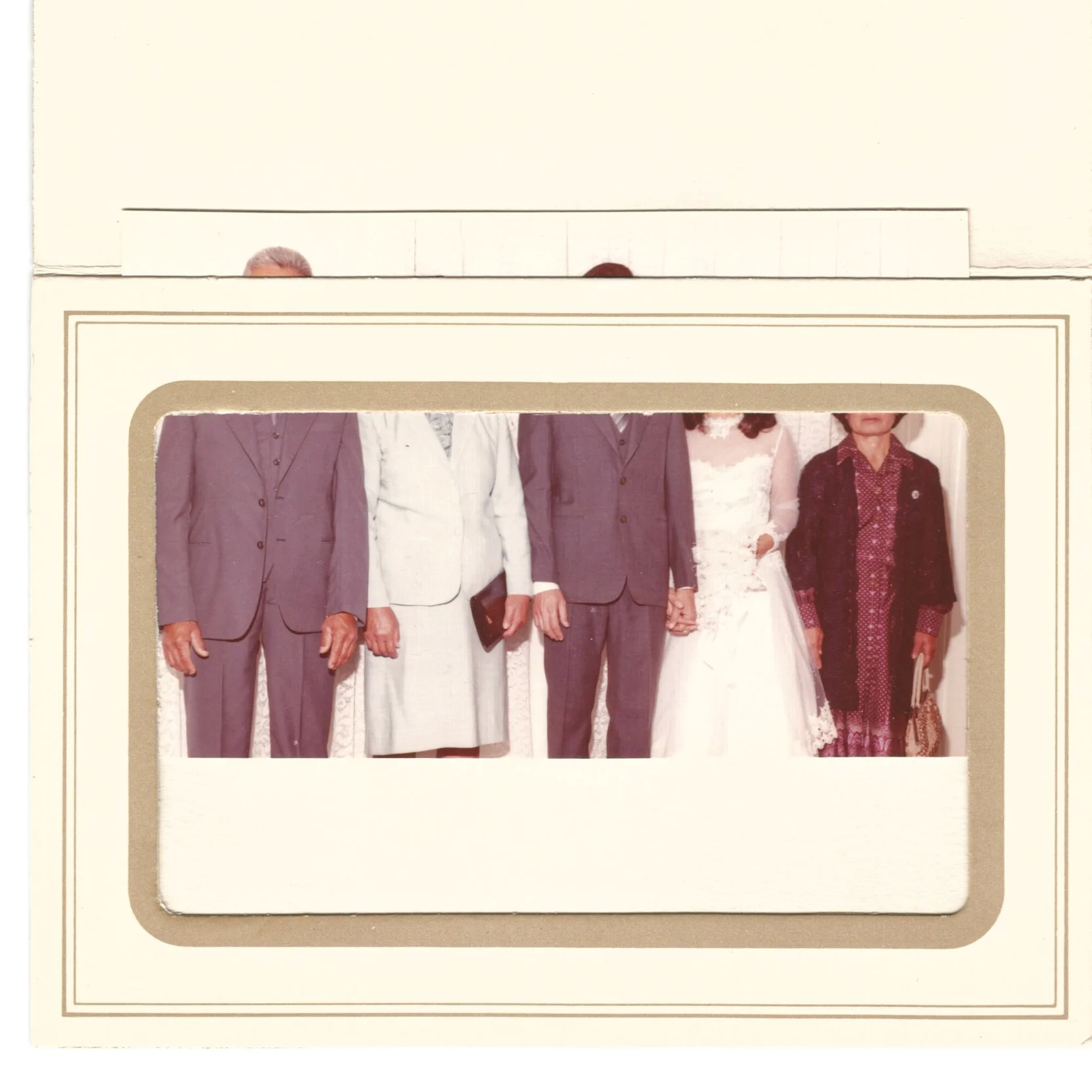
This body of work explores themes of nihilism, classism, and existentialism in my city of birth, Gaborone. I created this project in the lead-up to the 2024 Botswana general elections, which were characterized by youth angst and disillusionment with the current state of the economy and civil society in Botswana, which has been marred by corruption, economic inequality, and social exclusion.


The title of this project suggests that circumstances are unlikely to improve. In my visual work, I don’t aim to provide solutions; instead, I ask why things aren’t getting better, who is affected by this stagnation, and how those individuals cope with their circumstances. 


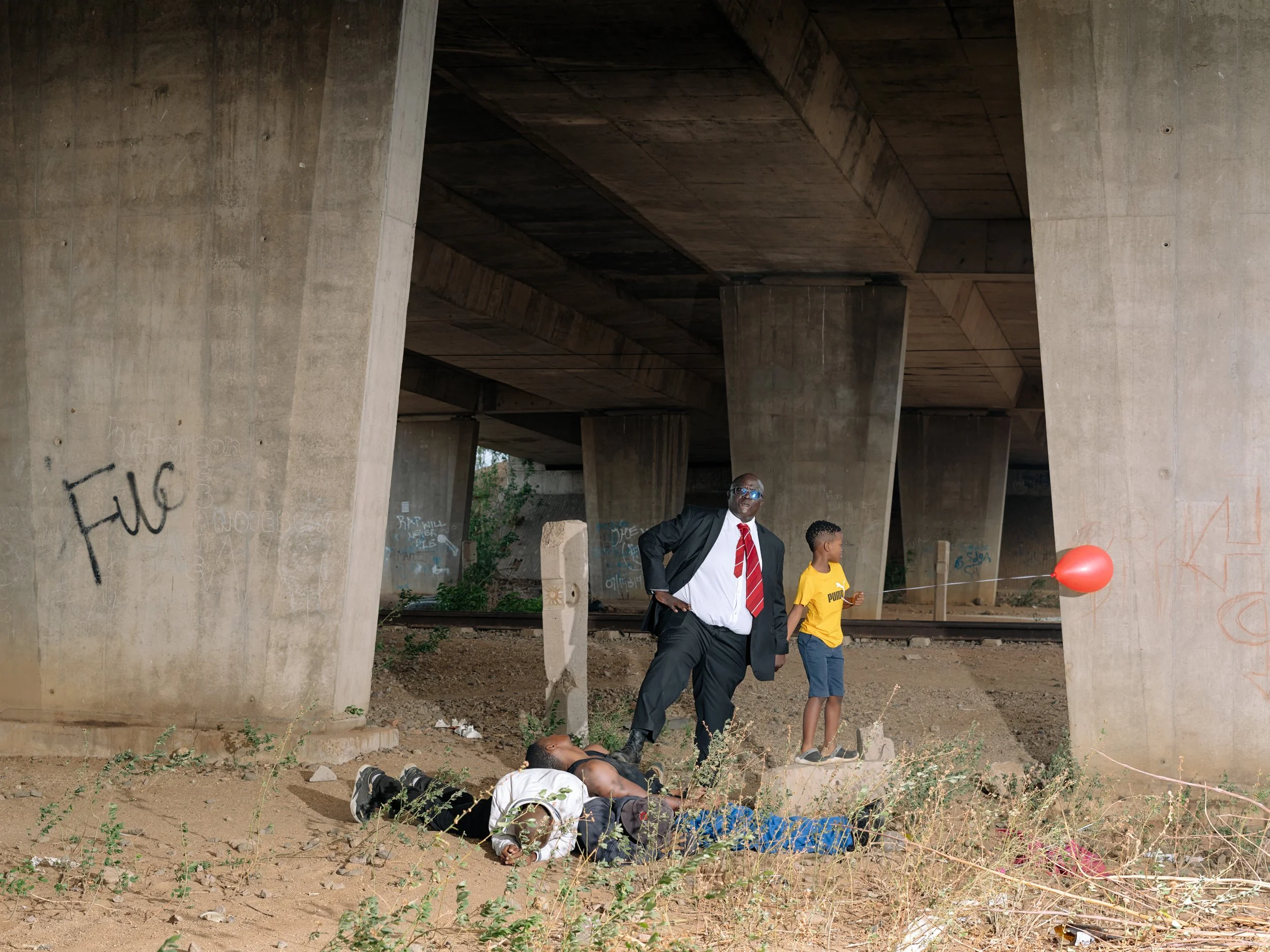
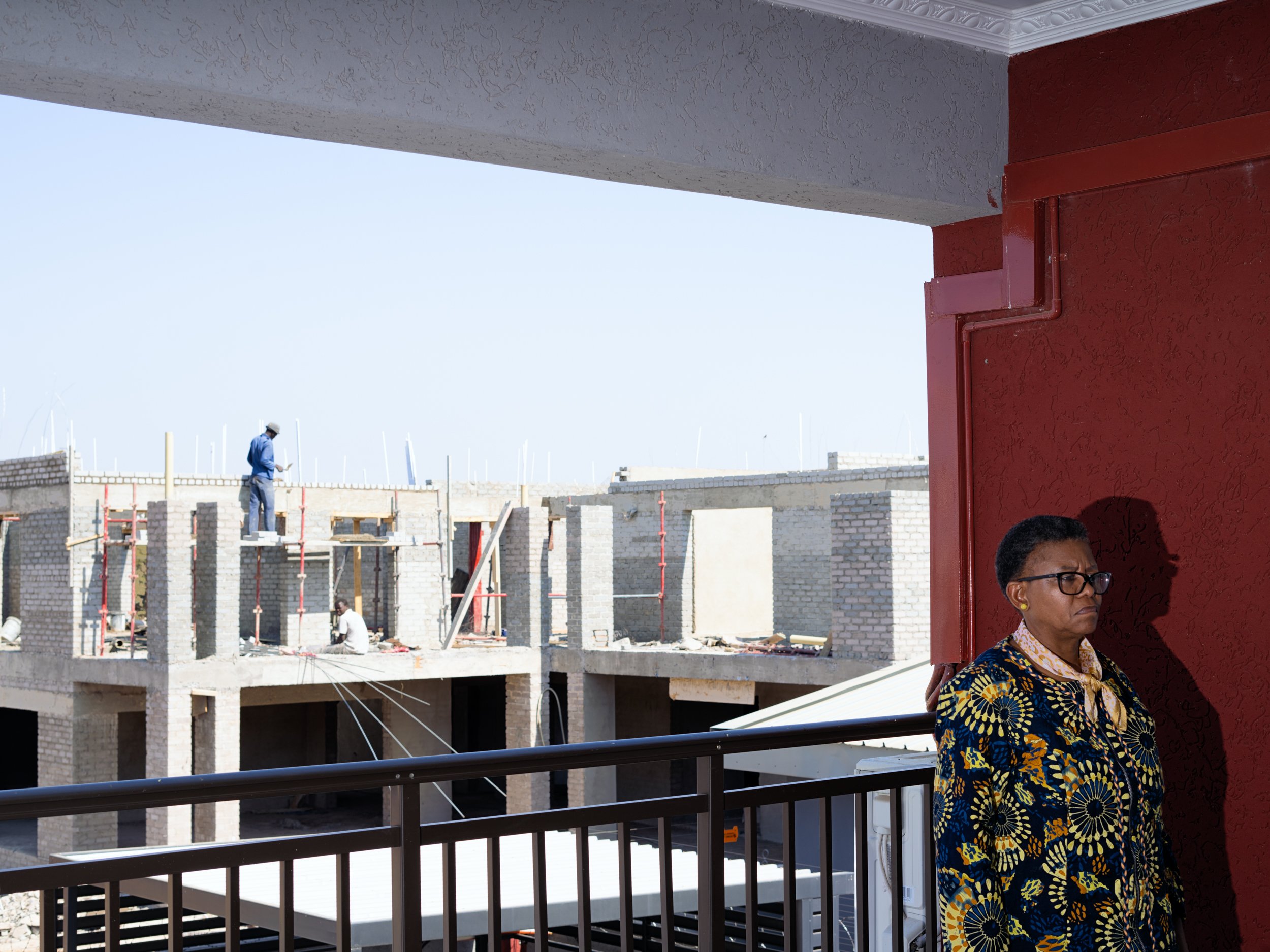
During pre-colonial Africa and even during the liberation struggles on the continent, people organized around collective goals. However, that sense of unity seems to have diminished. Today, issues are more individualized, leading to greater isolation and an increase in nihilism. I use duality as a tool to illustrate this crisis of individuality and class disparity. In my work, the plight of working-class individuals trapped in hopeless situations is contrasted with that of aristocrats, who, despite having everything, stand atop their balconies—and above others—experiencing a different kind of emptiness. 

thero makepe
@theromakepe


the 10