ricardo tokugawa

Your name
Ricardo Tokugawa
Place of birth
São Paulo / Brazil
Place where you live now
Paris and São Paulo
3 words to describe you
Soft-spoken, observant and adaptive.
Why do you take pictures?
To question what feels normal, and transform it with intention.
Where do you get your inspiration?
From patterns we accept without thinking.
Who are your influences?
People who make the familiar feel strange and artists who disrupt everyday perception.
What determines the subject matter you choose?
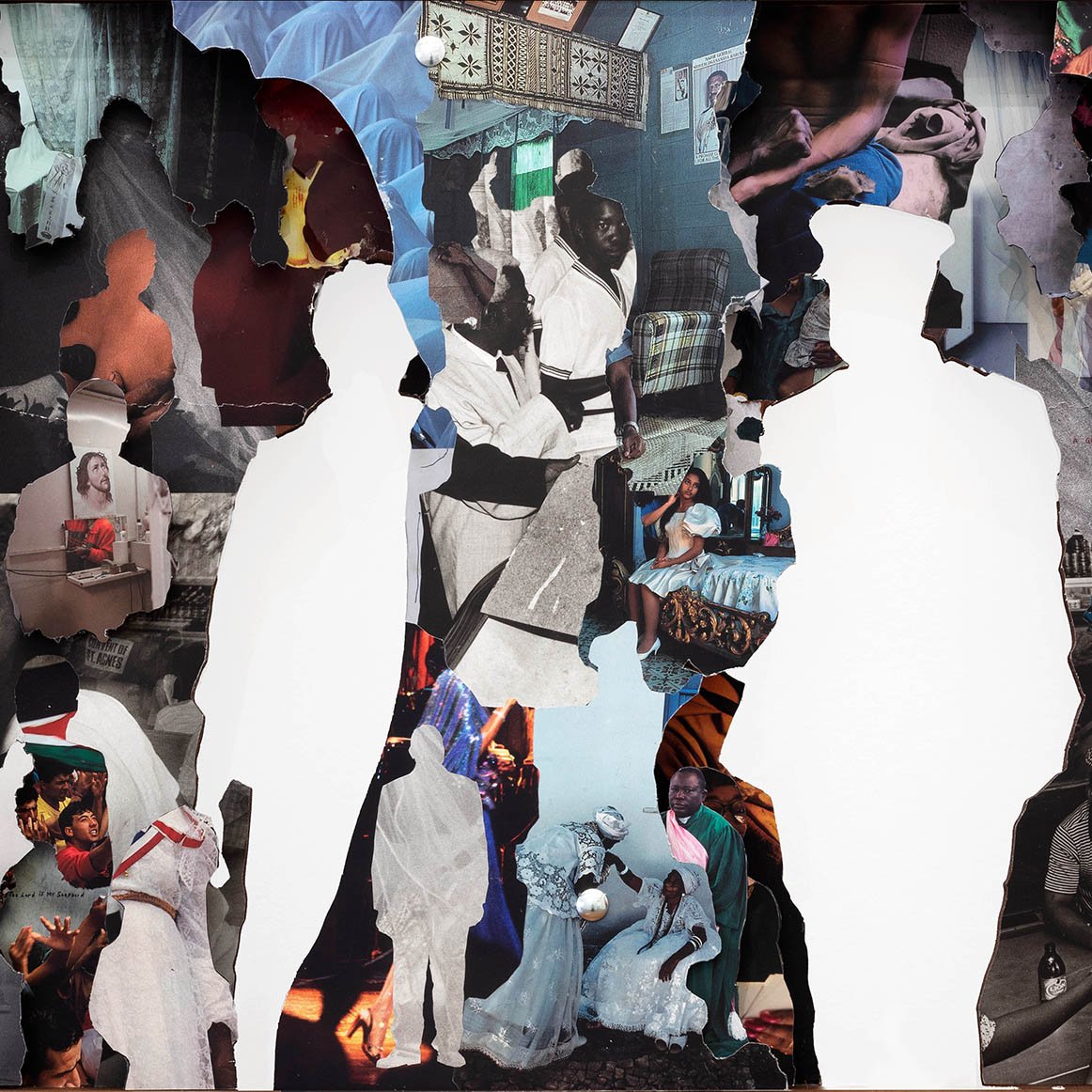
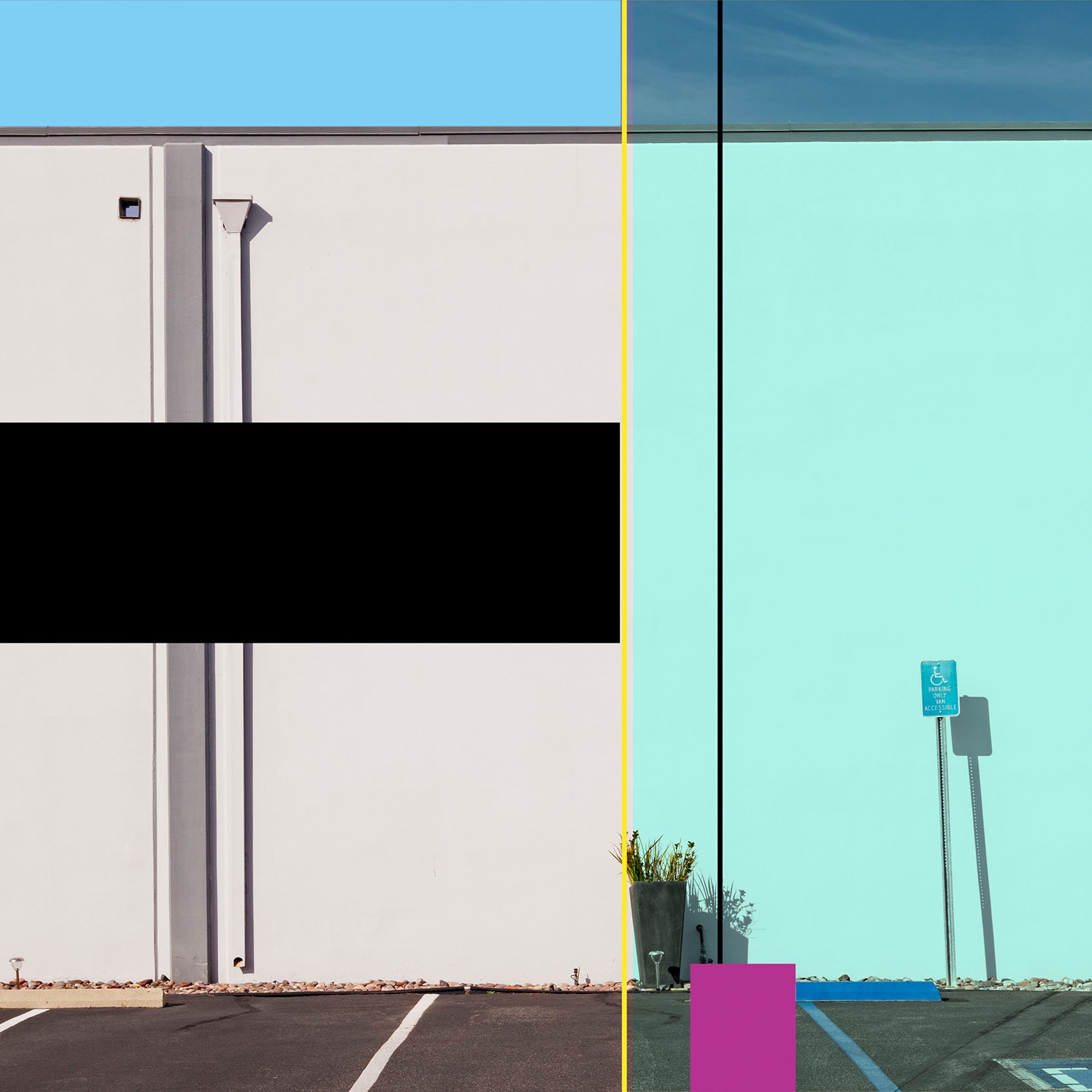
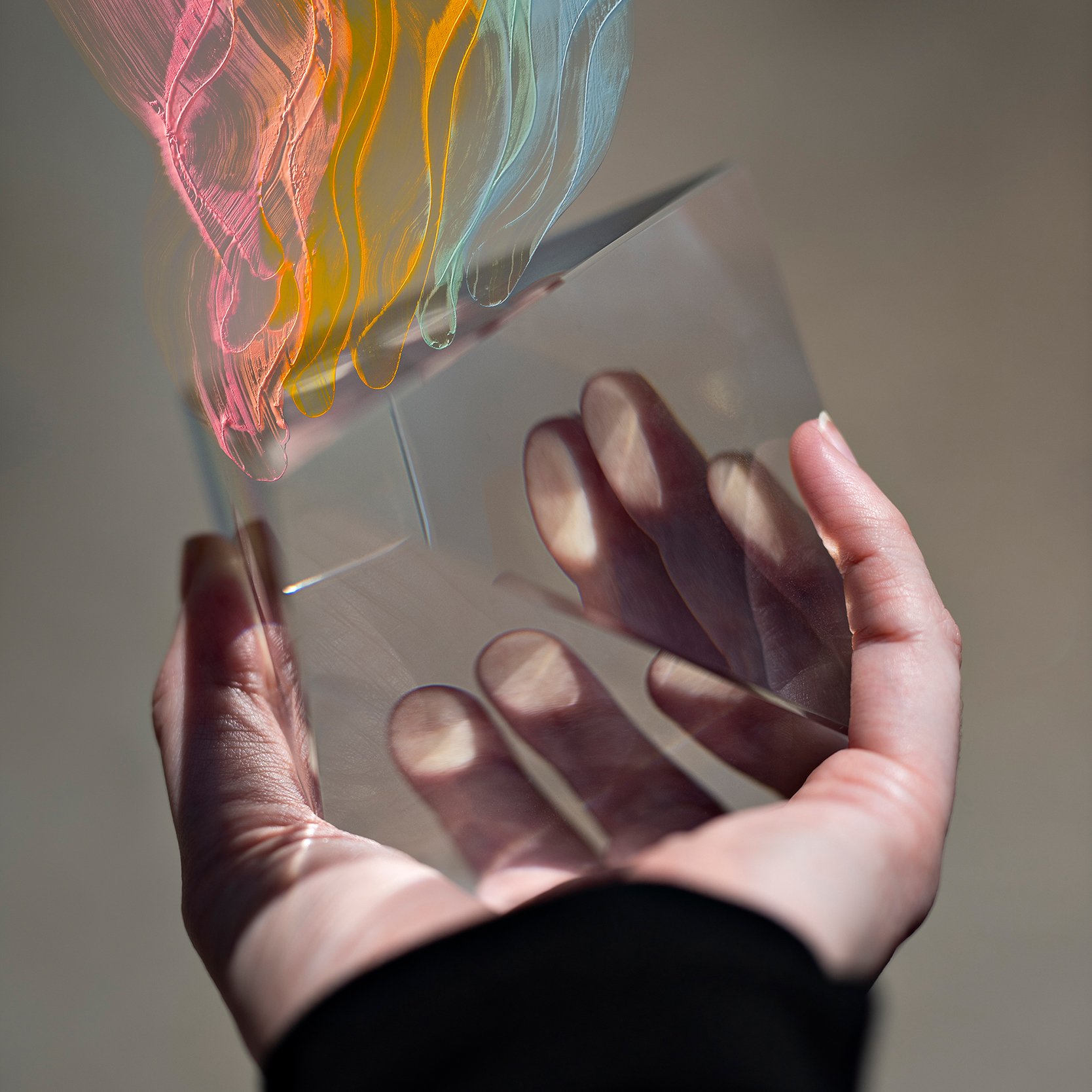
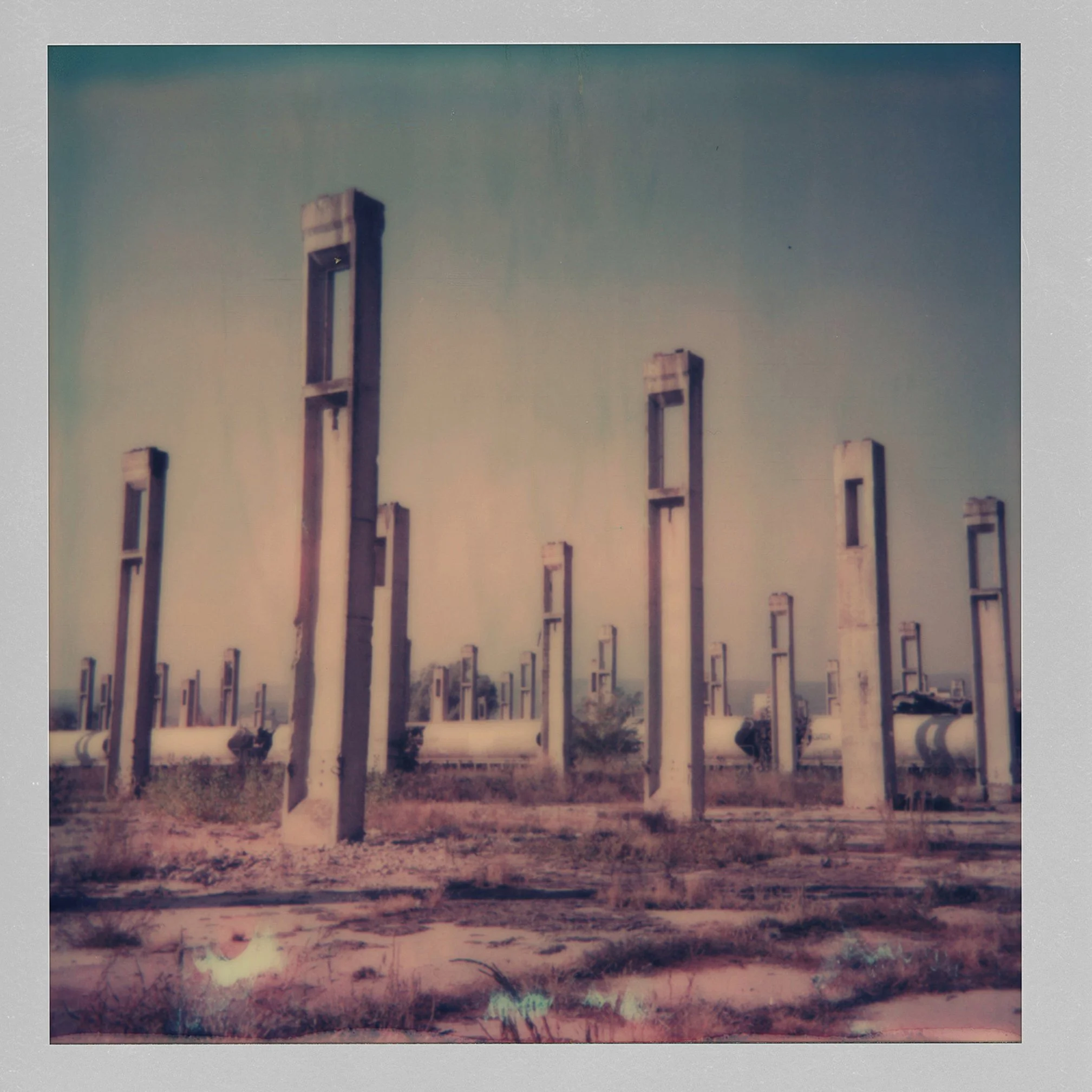
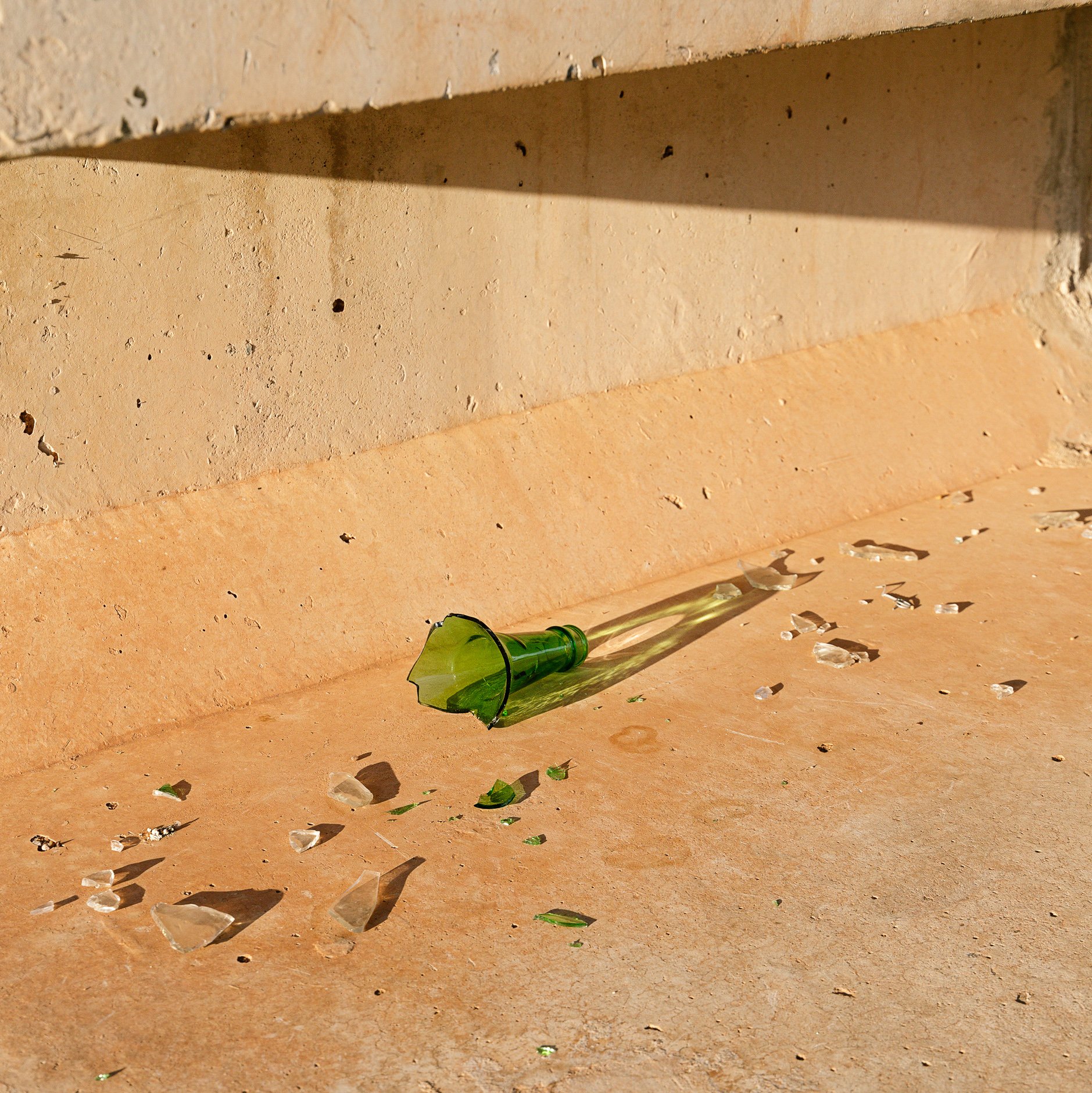
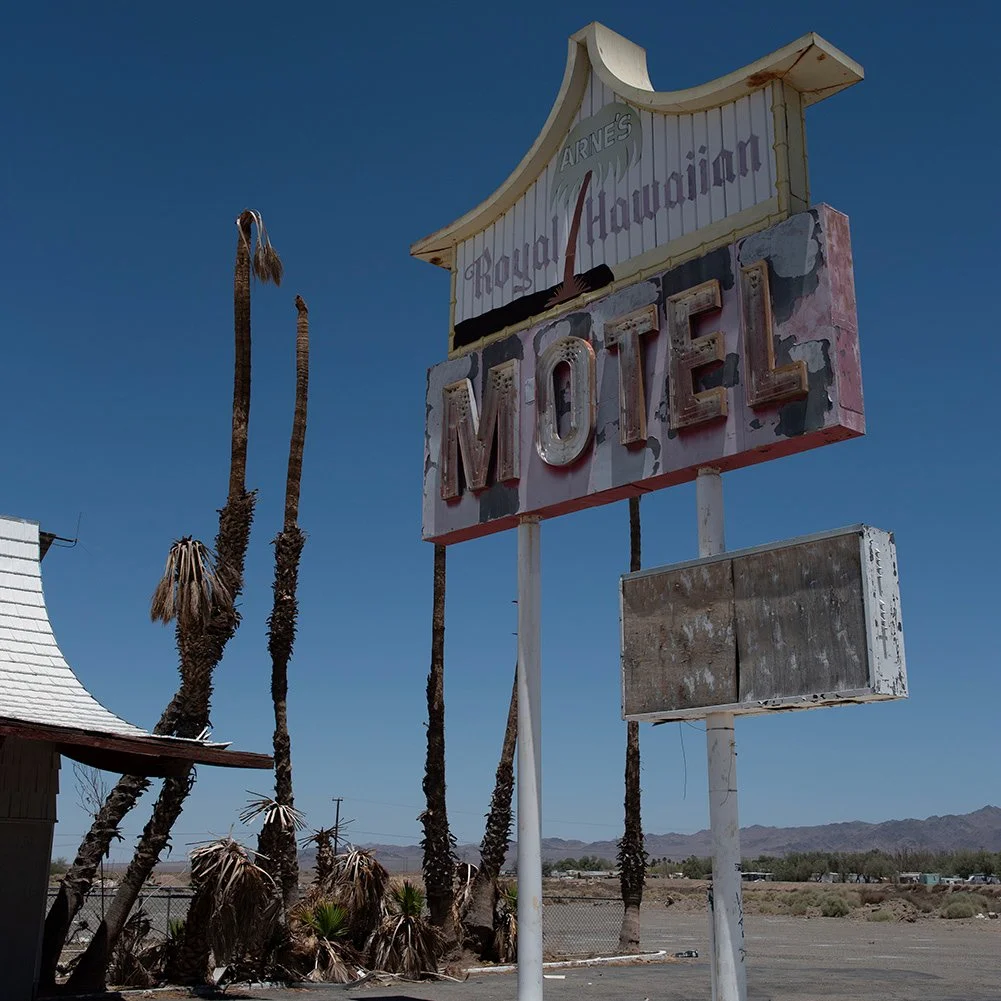
I’m drawn to subjects where something feels slightly off—where the familiar starts to reveal its structure. It’s less about what the subject is, and more about the tension it holds and what it suggests beyond itself.
What impact would you like your art to have?
To open space for ambiguity rather than provide answers.
What artwork do you never get bored with?
Images where something is slightly off, but never fully explained, always open to interpretations.
Is there anything you want to add?
No
Utaki
Project statement

Text by Daniel Salum
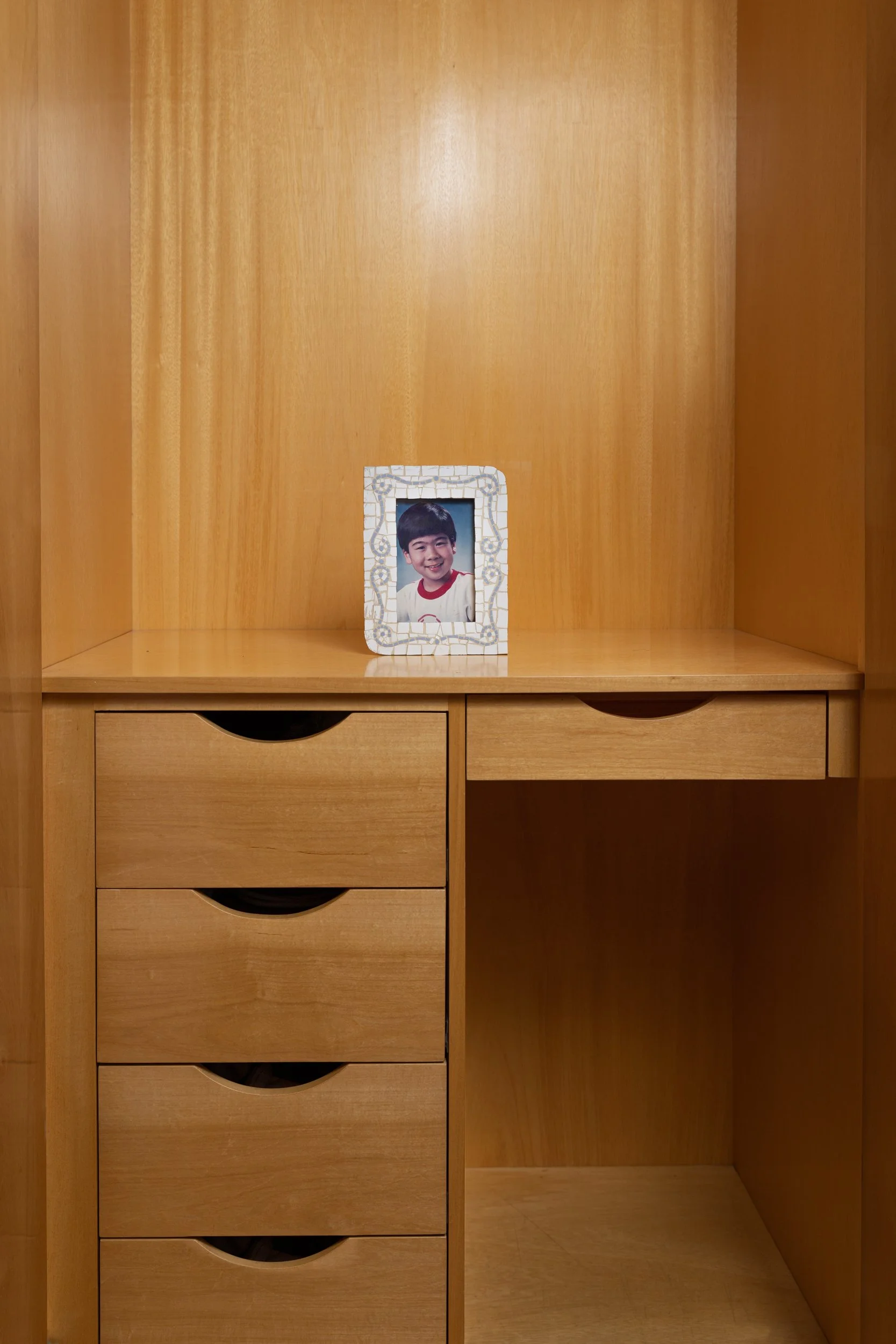
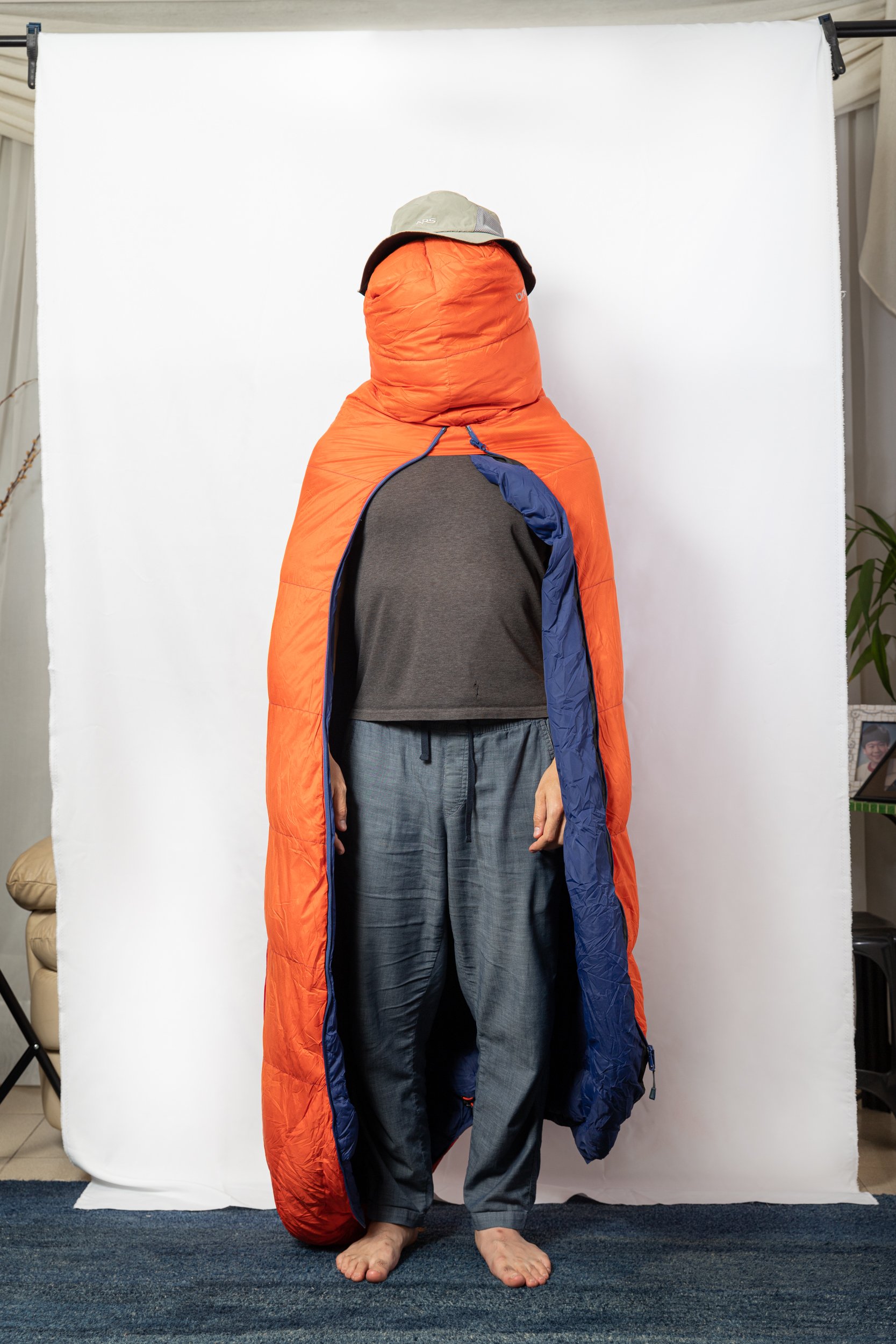
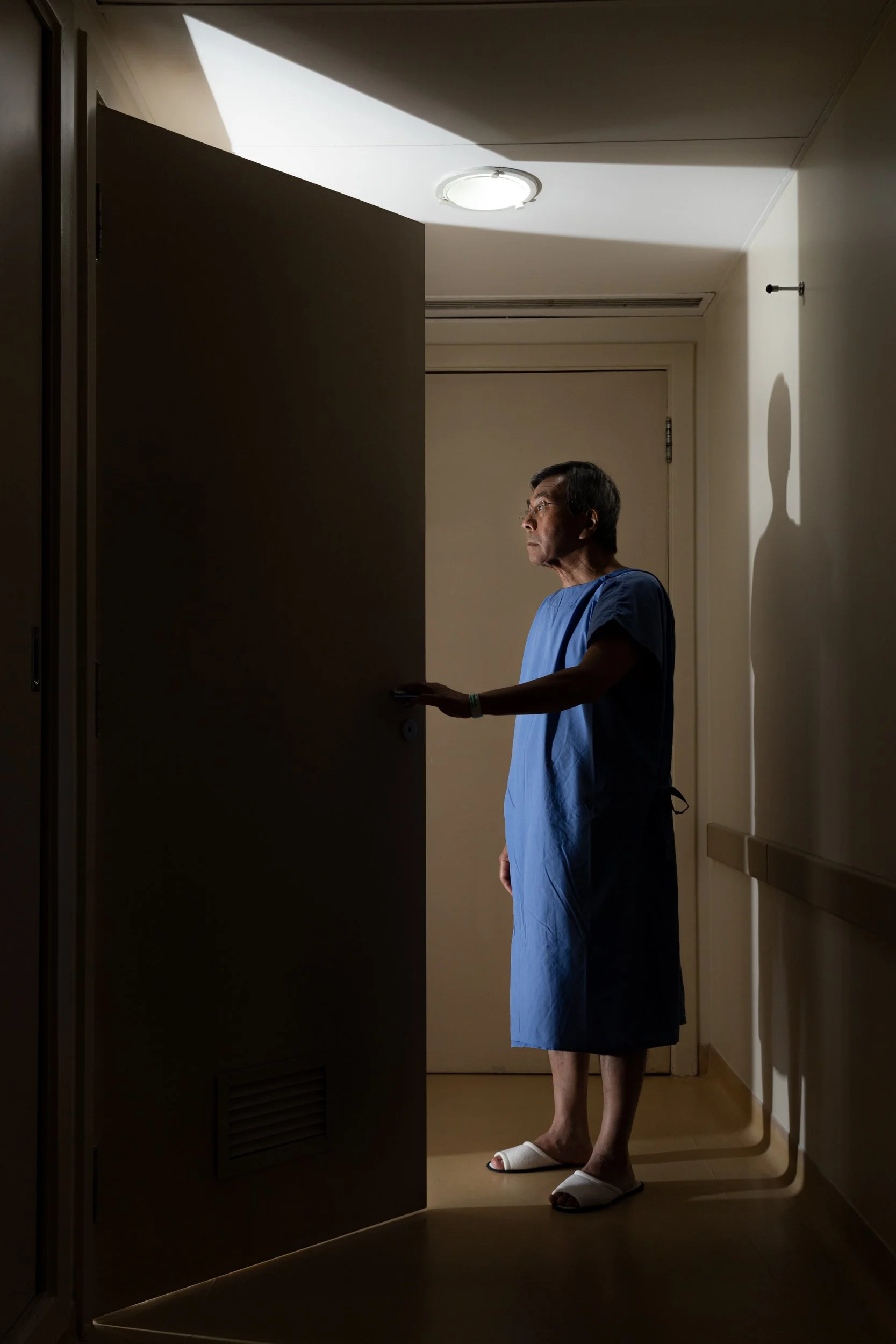
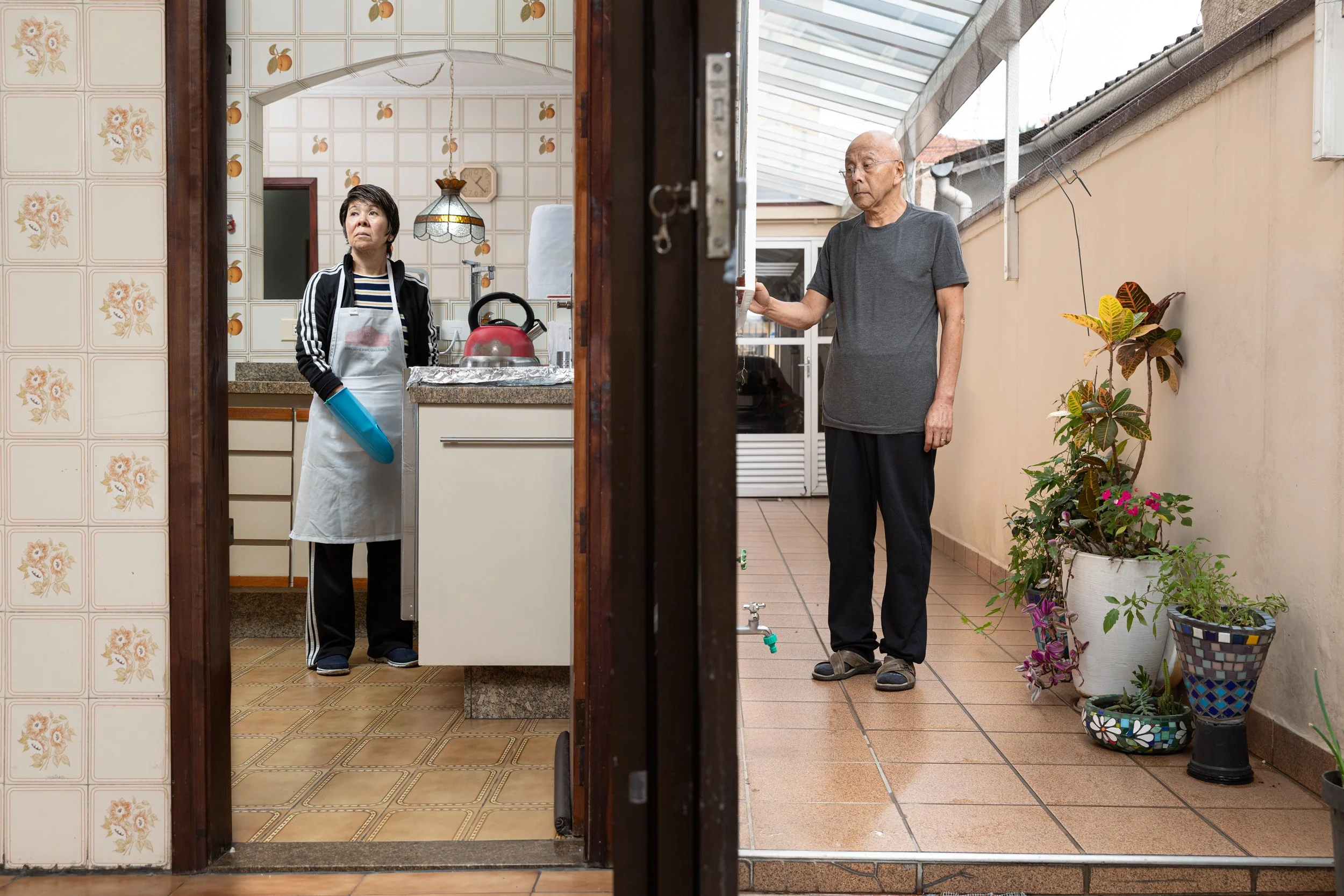
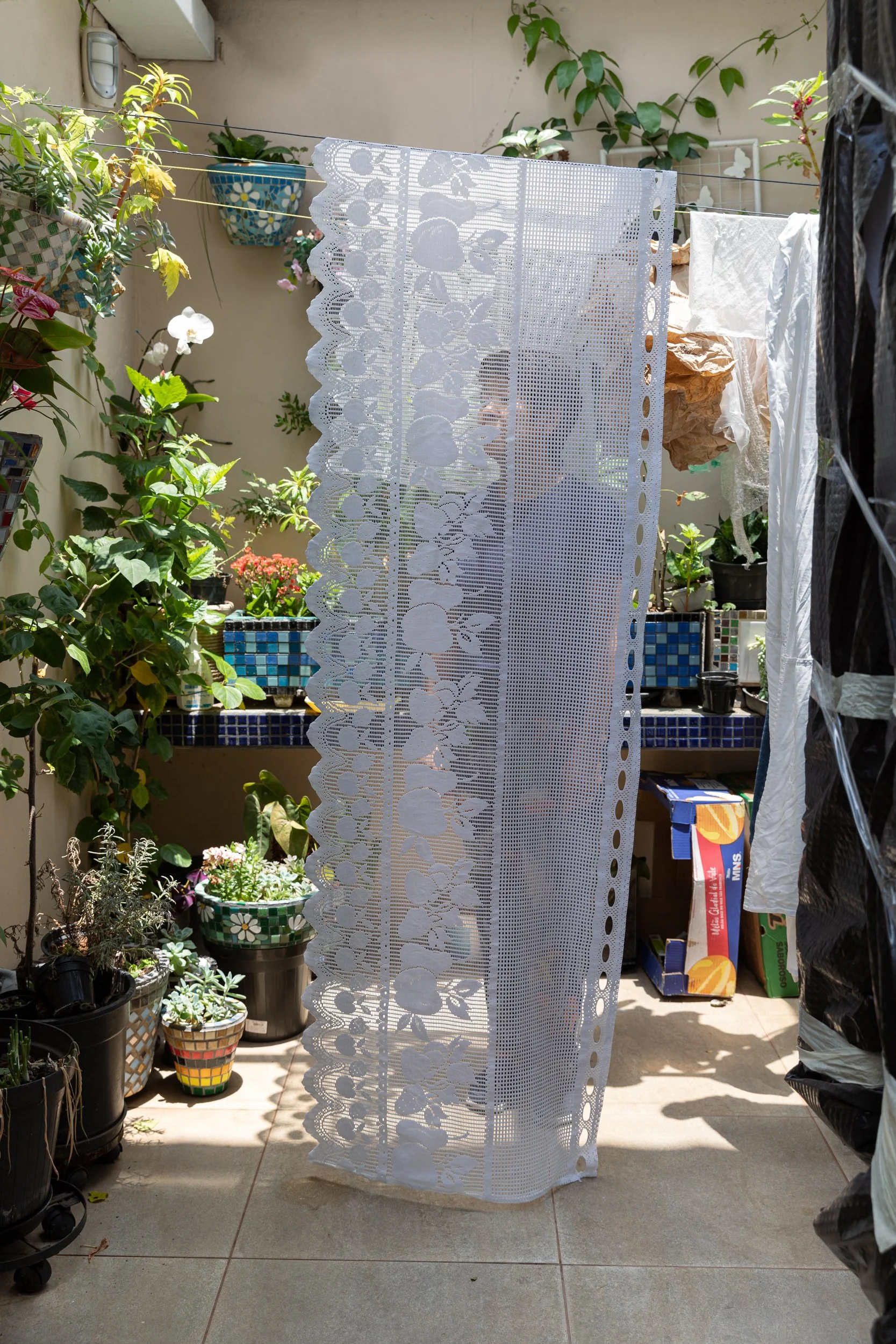
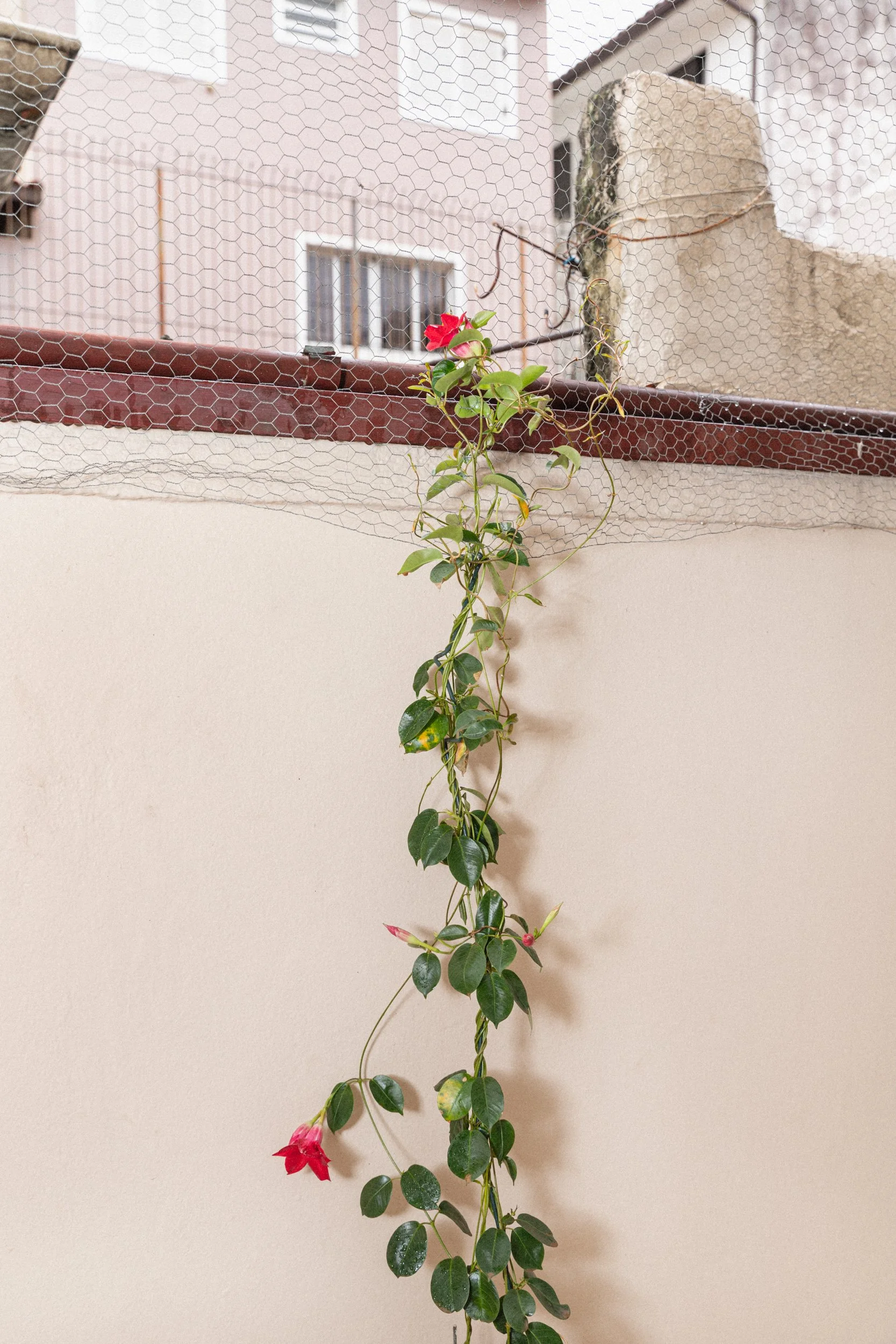
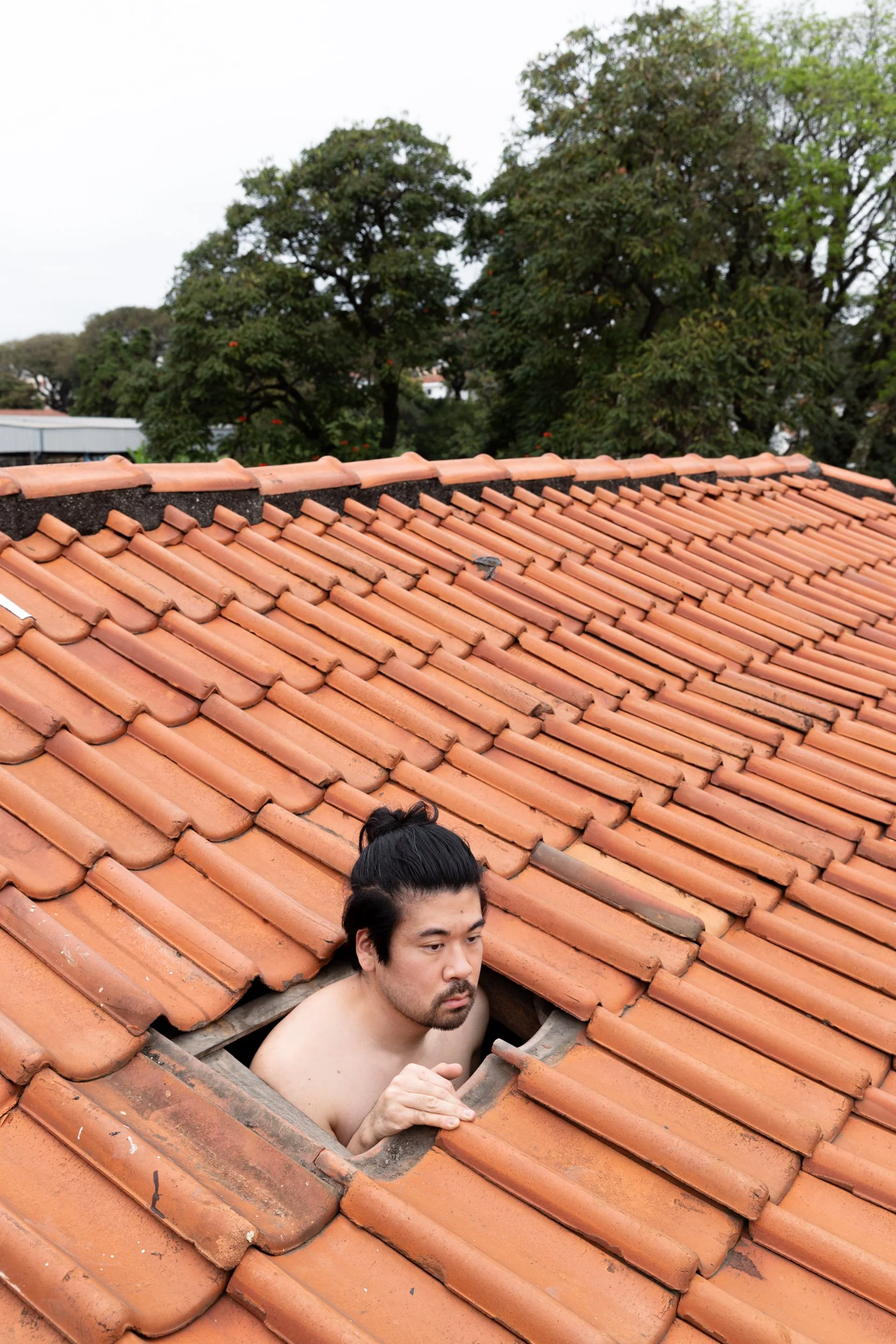
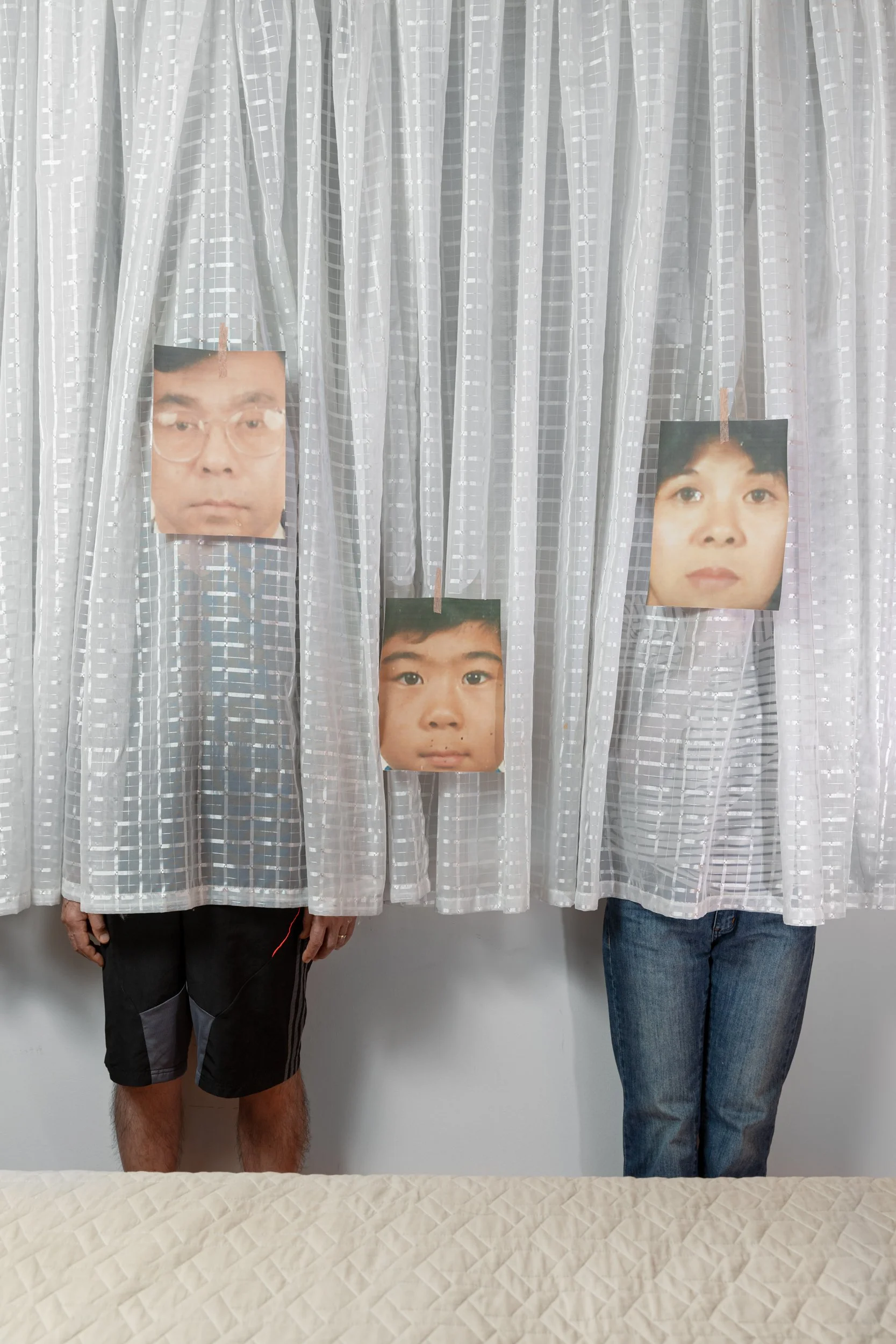
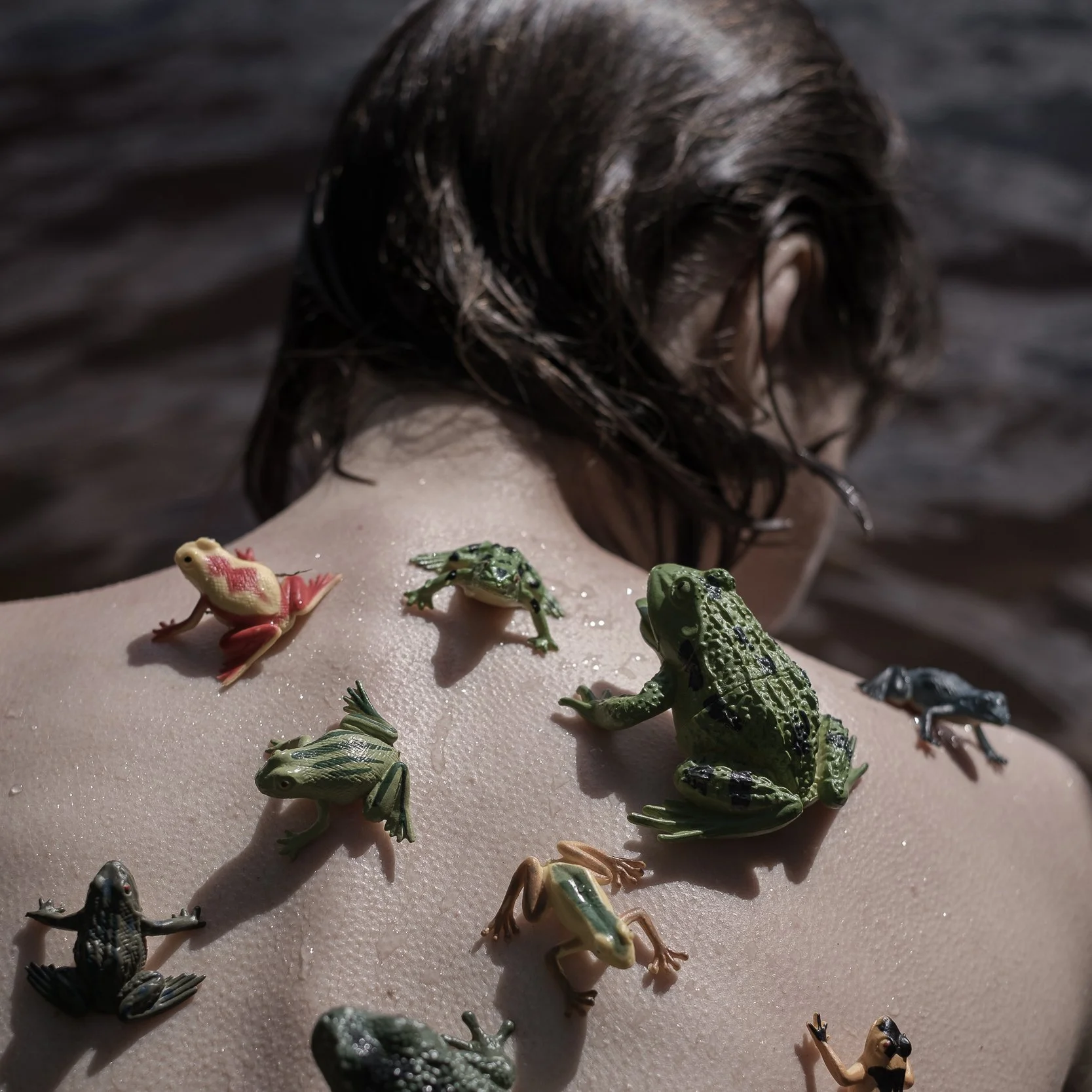
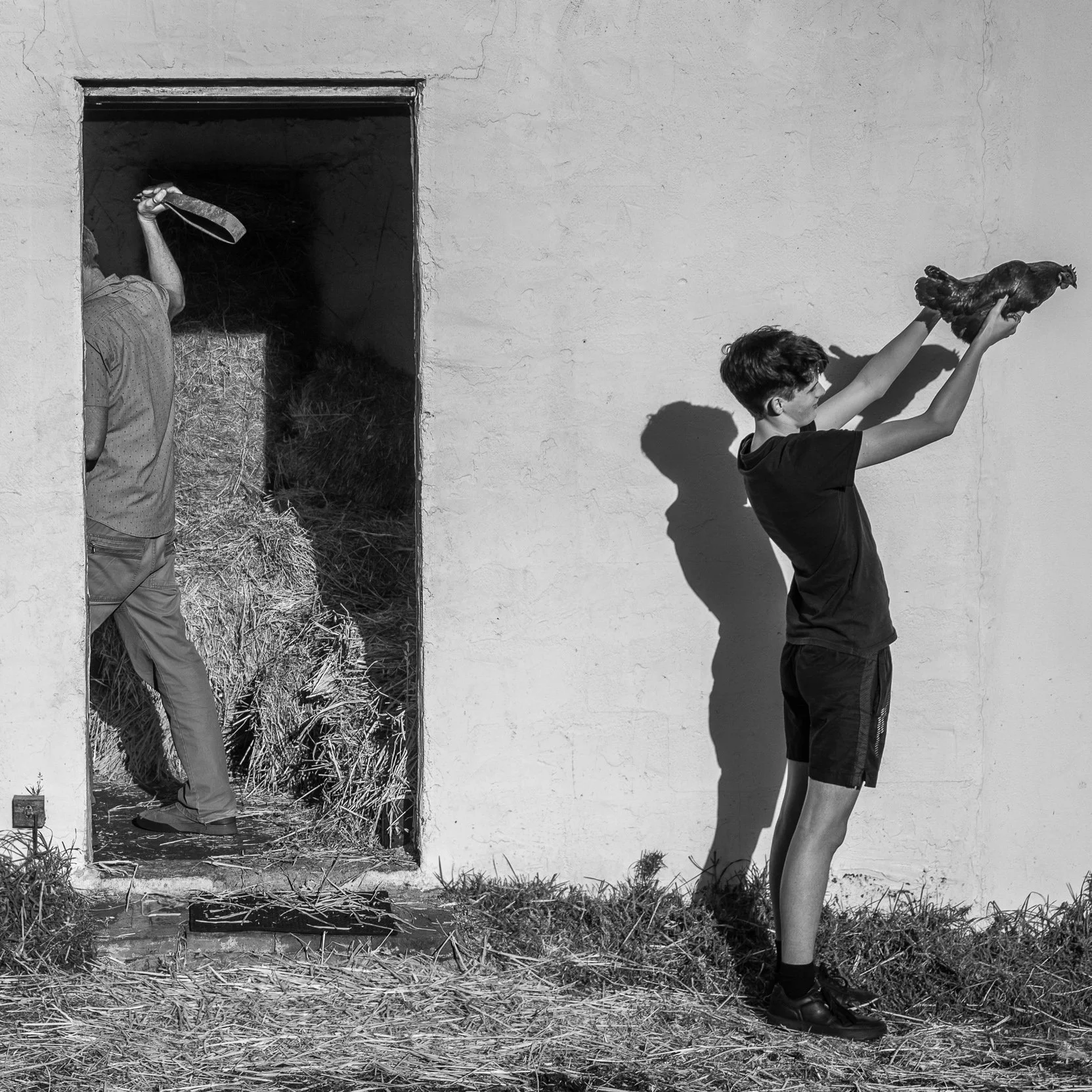
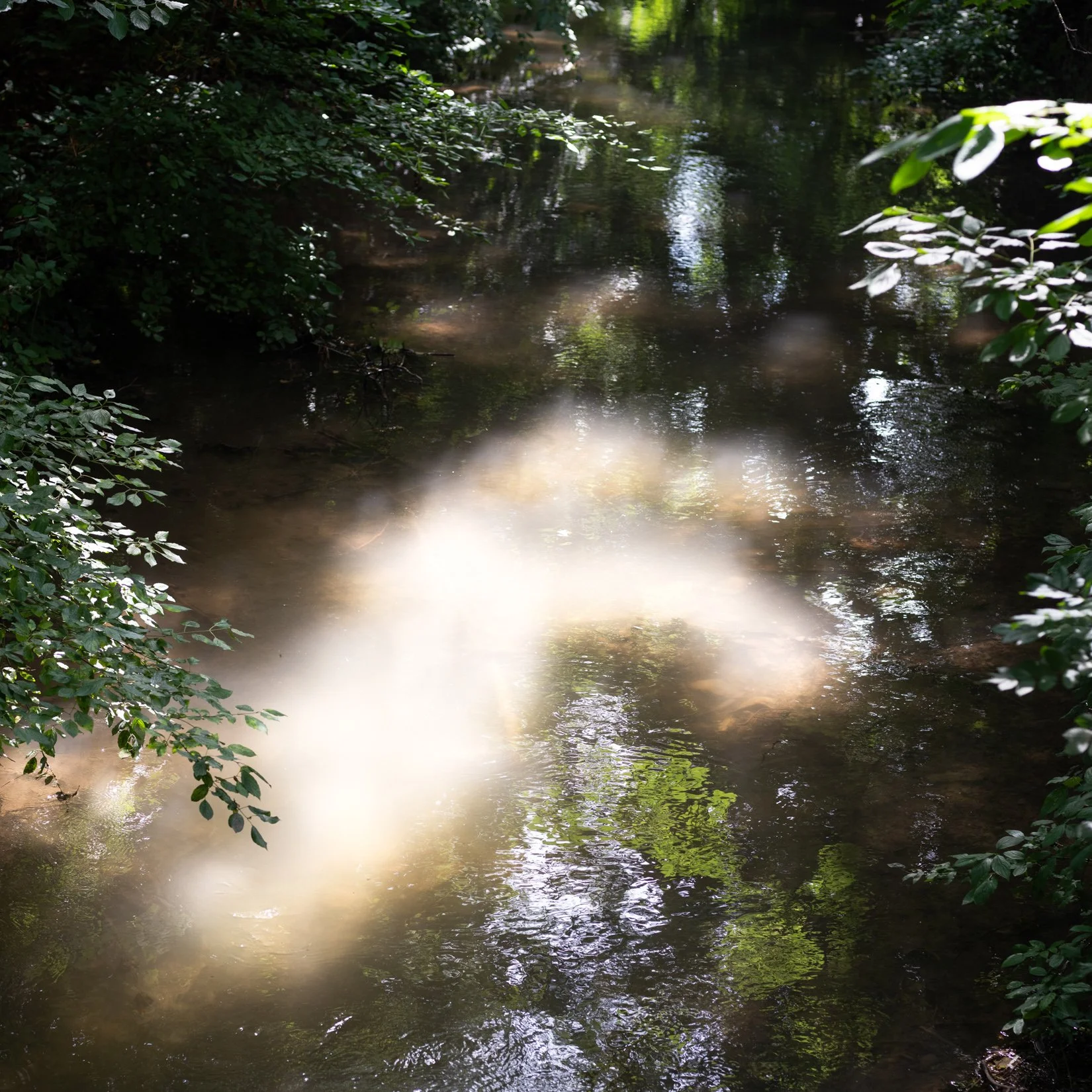
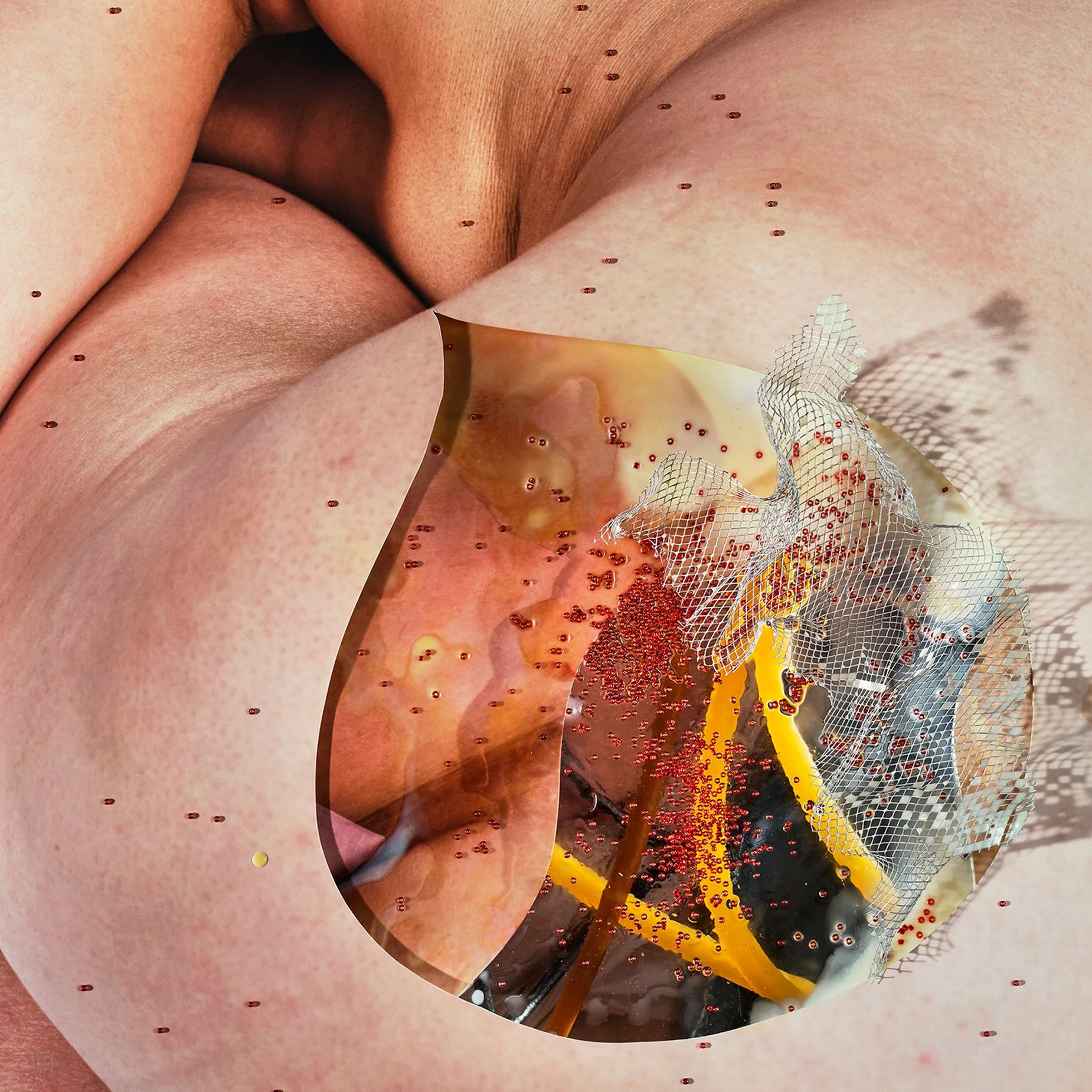
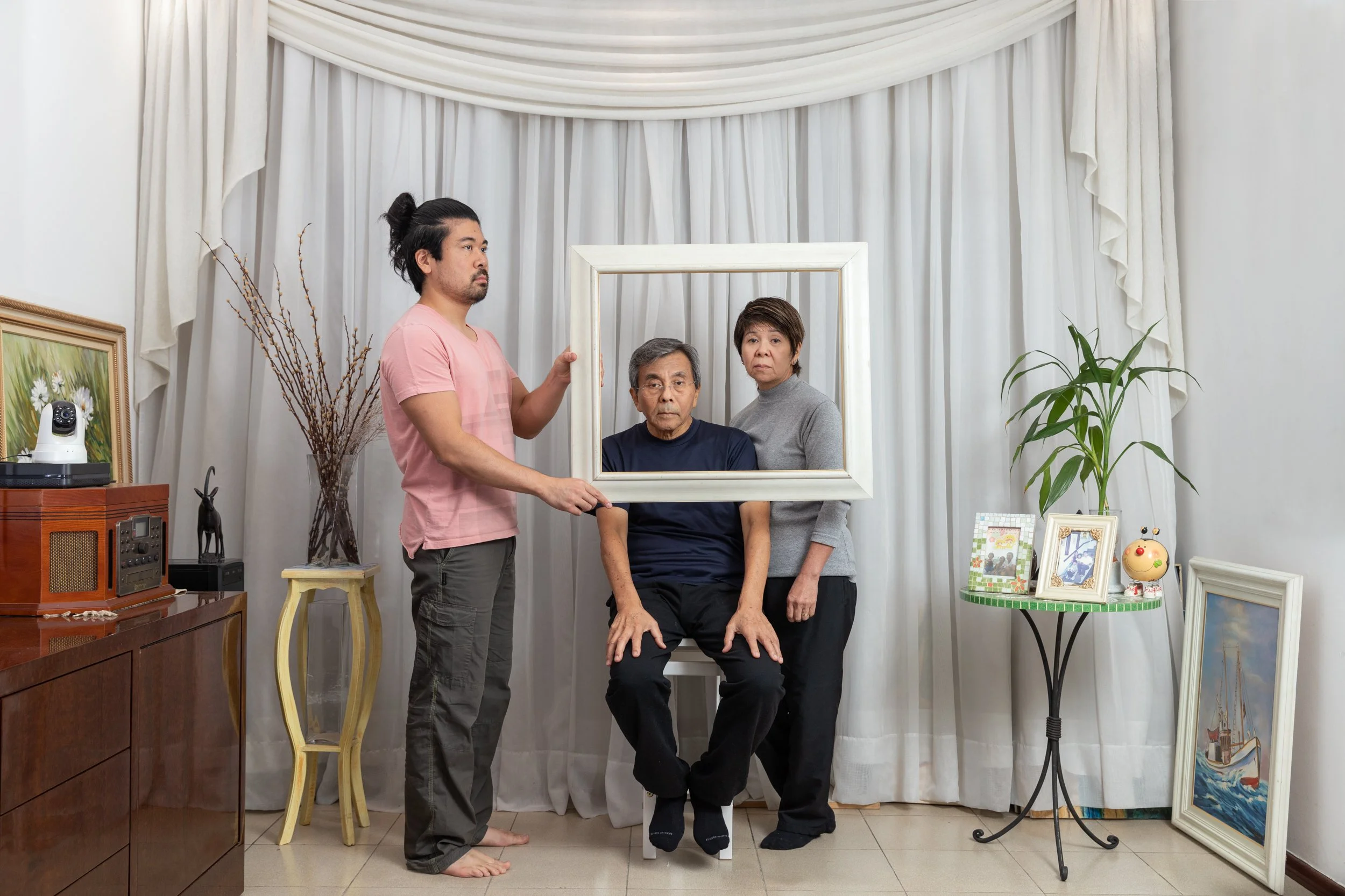
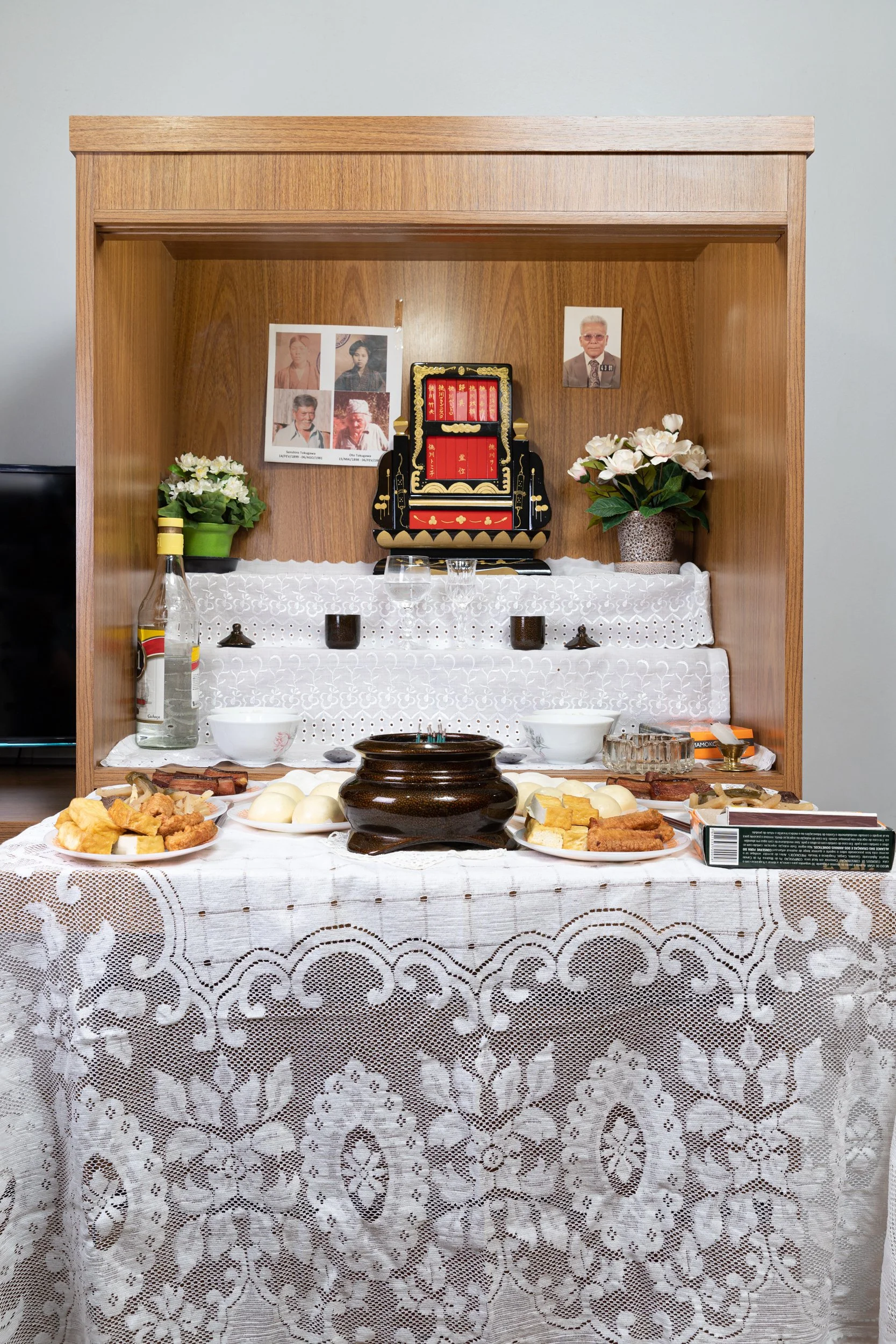
Ricardo Tokugawa is the product of immigration: third generation of Okinawan descent, he carries the mixture of three cultures in his path: Brazil, Okinawa and Japan. Utaki, in Okinawa language, translates the idea of a holy place, place of prayer, usually spaces in nature: a forest, cave or mountain, accessed by few. This look at the sacred, in line with the need felt by the photographer, glances at his roots, in a process of investigation of family and home, concepts that are blended within Japanese and Okinawa culture.

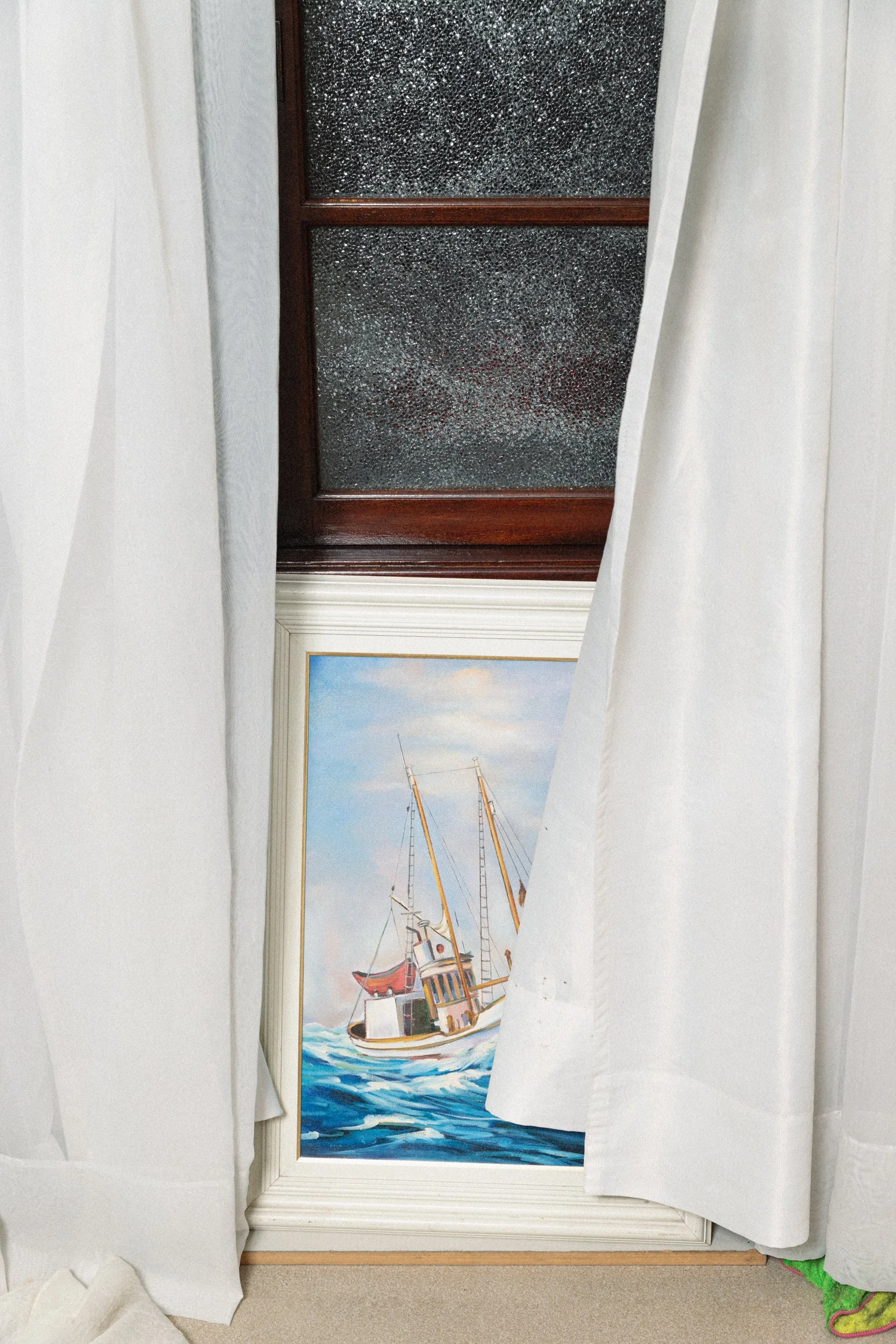
Ricardo recreates and confronts models, suggesting to us that tradition is something invented. Way further than this, his work challenges the very notion of tradition, highlighting the performative character of human existence, as the artist produces and updates his own rites of passage. In these gaps, the work’s internal tension is established: there are moments of displacement, presence and absence, encounter, estrangement and return. These discursive practices make the narrated experience more potent, breaking the walls of the house to therefore reach greater distances, other ways of inhabiting one’s own body and domestic spaces.

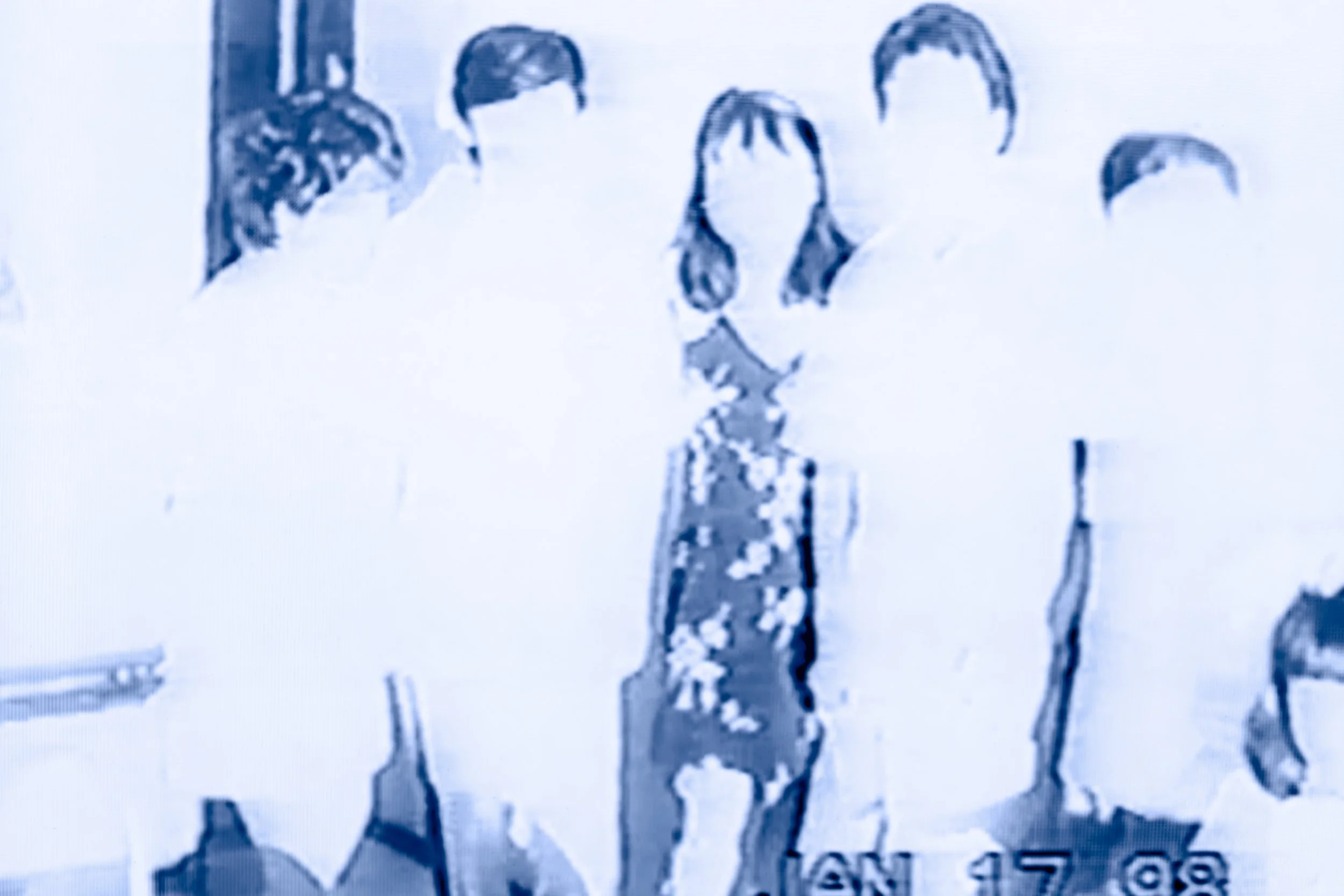
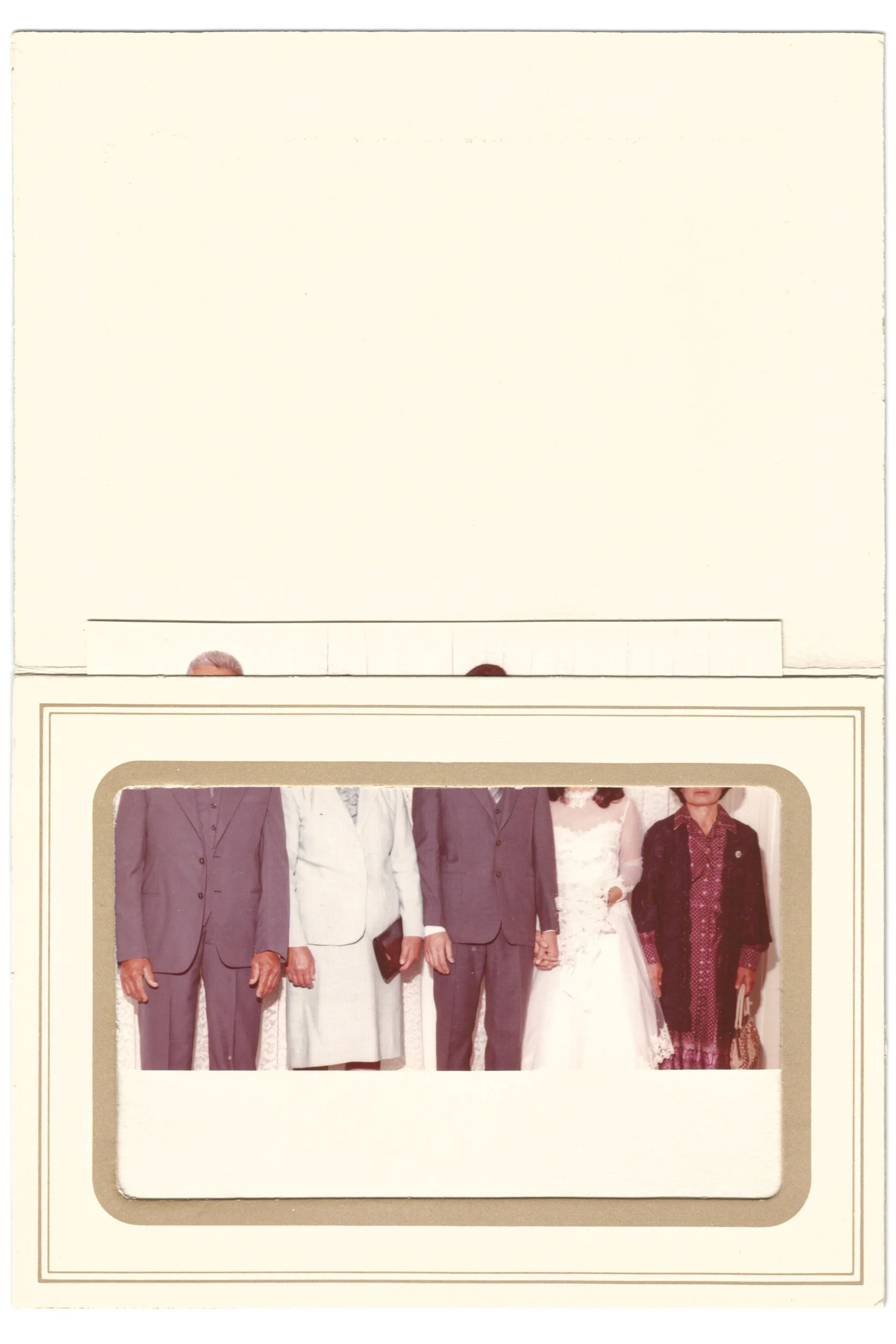
Utaki urges us to look, from the inside out, at our own identity issues, recognitions, and estrangements which, from within our particular traditions, places, rituals and habits, do not cease to move and refresh themselves. Through (de)construction of experience, memory and family archive, the story told and the experience lived are no longer just personal memory, but a dynamic confrontation with one’s own alterities, always present. In this crossing, he makes himself an instrument and a reality for the other, a world practice.

The book Utaki is published by Brazilian editor Lovely House.

ricardo tokugawa
@ricardo.tokugawa


the 10