
les rencontres de la photographie
arles 2026
Despite the sweltering heat of Provence in July, Les Rencontres de la photographie Arles is an essential stop on the photo circuit for those who make the annual pilgrimage. We suffer, but for the art it is absolutely worth it. With roughly 250 shows around the city, held in a labyrinth of transformed sites, there is the always the hope that inside the chapels and warehouses, galleries and garages that some cool air conditioning awaits. It’s hot outside but often hotter inside! We navigated this expanse to discover, and share here, some of the shows, that in our view, are non-negotiable. Our focus remains on emerging artists who bring fresh perspectives and inventive approaches to photography. While the opening week is full of events, artists talks, networking and partying, the madness subsides in the post opening weeks, with queues forming only sporadically at some stops like the much publicized Martine Barrat show.
Start with the must-see show The Cannibal Image (L’Image Cannibale). Arles is known for its unique exhibition spaces and here curator Alessandra Chiericato, who was awarded the Curatorial Research Fellowship of Les Rencontres de la photographie d’Arles in 2024, brilliantly transforms and activates the disused, beautifully preserved 17th century Chapelle de la Charité in this compelling group show. Entering the space immediately pulls you away from the reality of Arles outside and into a visceral experience. For a deeper insight into this pièce de résistance. (See our mini-interview with Chiericato at the end of the article.)
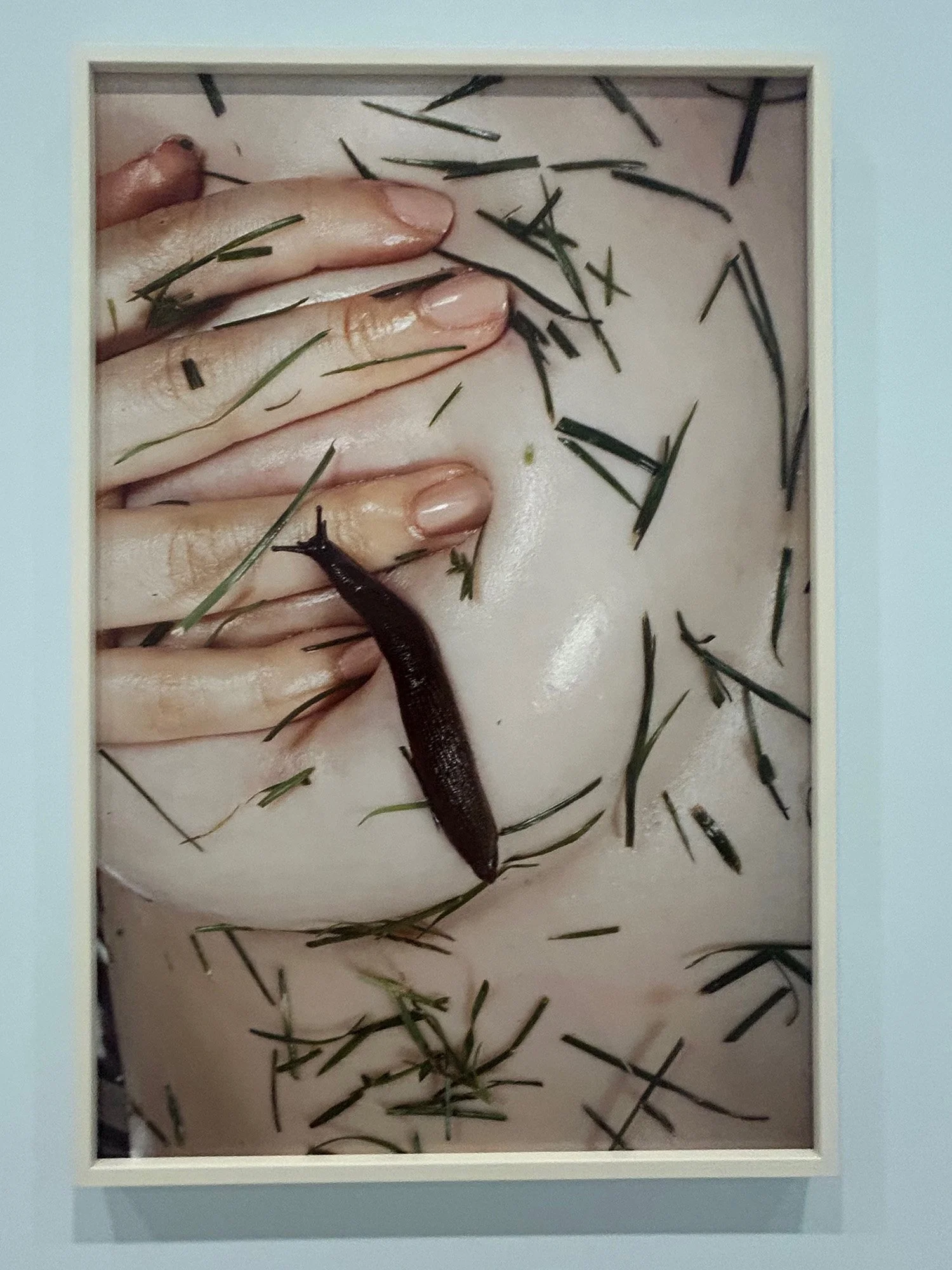
All eight artists deserve our attention: Camille Benarab-Lopez, Lucile Boiron, Mélissa Boucher Morales, Eli Craven, Orshi Drozdik, Henriette Sabroe Ebbesen, Aapo Huhta and Dune Varela. For us the three standouts were Lucile Boiron with her striking images that lead us to the altarpiece, draped, fleshy and tactile; Henriette Sabroe Ebbesen, who manipulates reflections, liquids, and optical distortions to treat the photographic print like raw, organic tissue, transforming the traditional female nude into a visceral, mutating abstraction that reclaims the body from the passive gaze and Dune Varela’s images of sculpted bodies, draped and broken, in turn printed back onto marble-like slabs and set against the wall like discarded tombstones; each artist uniquely defining the way the body is represented in visual culture.
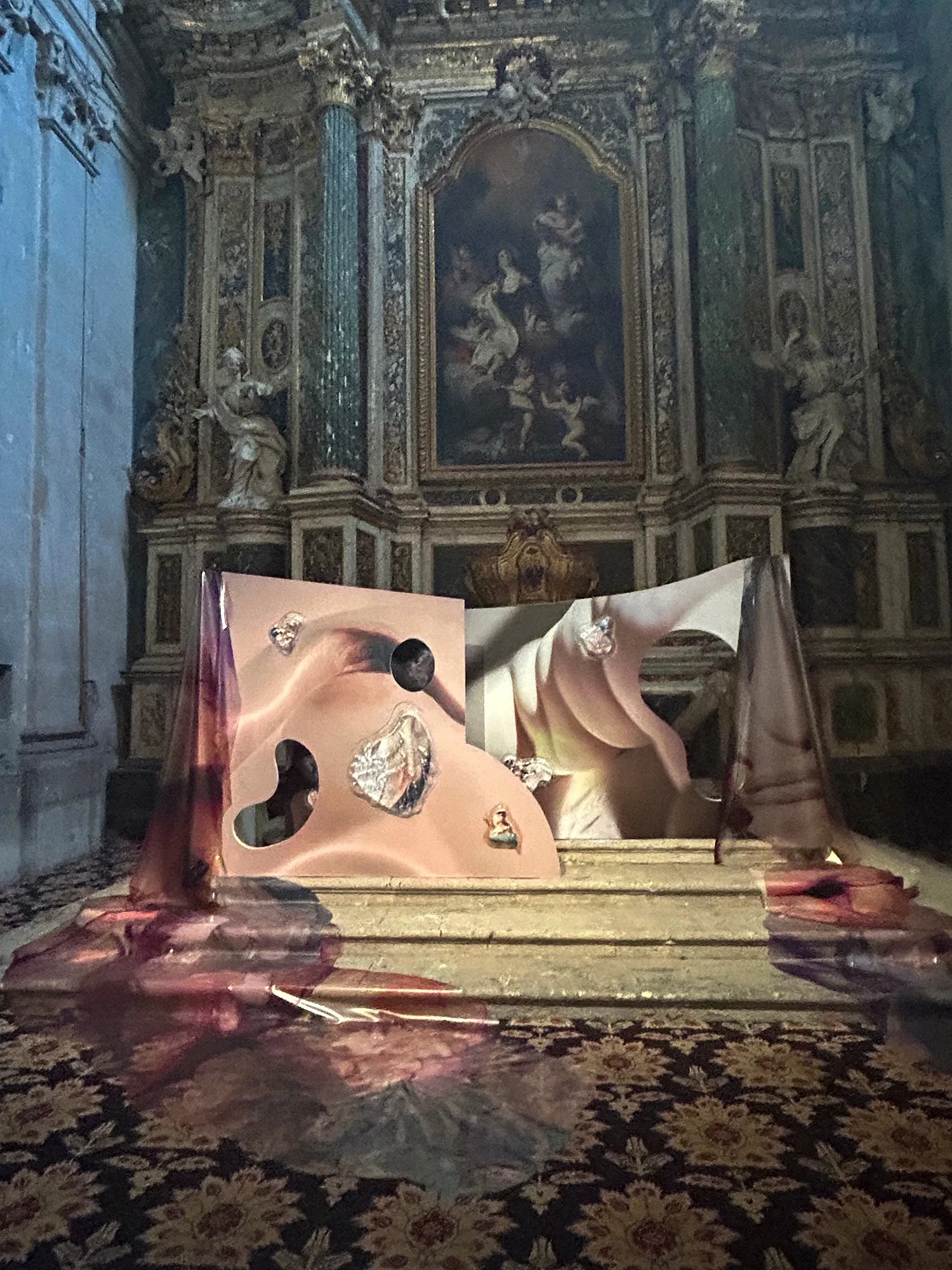
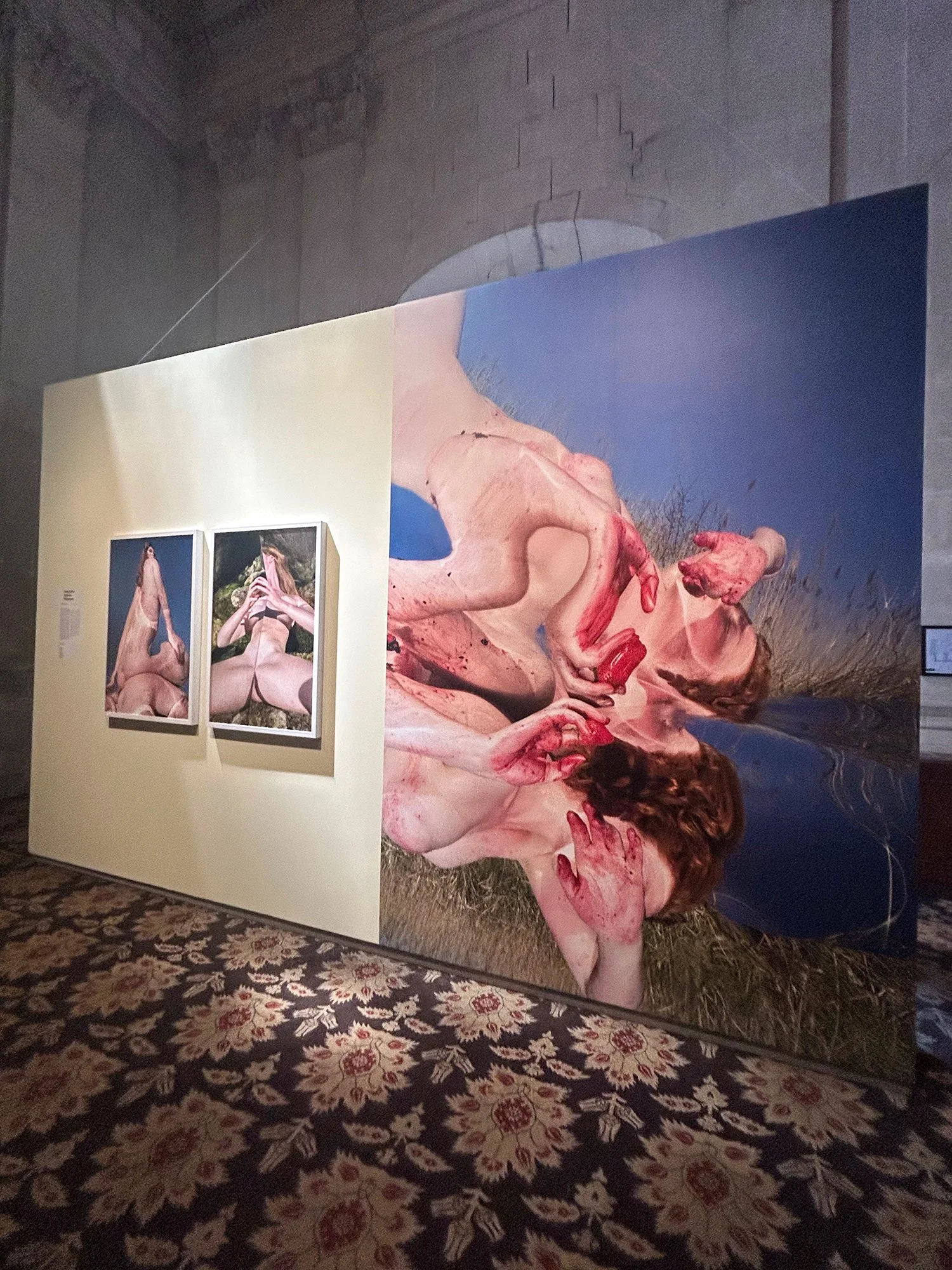
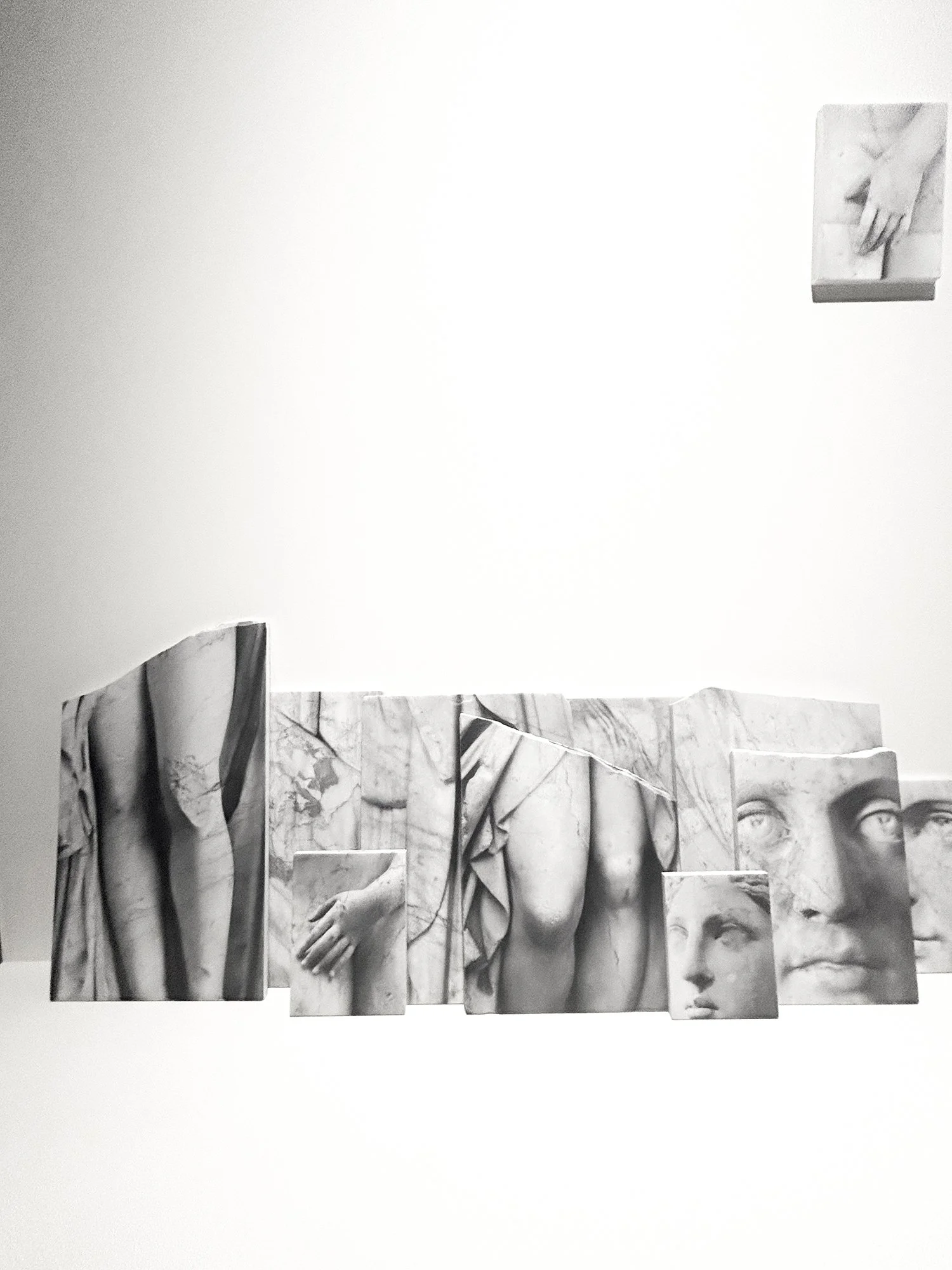
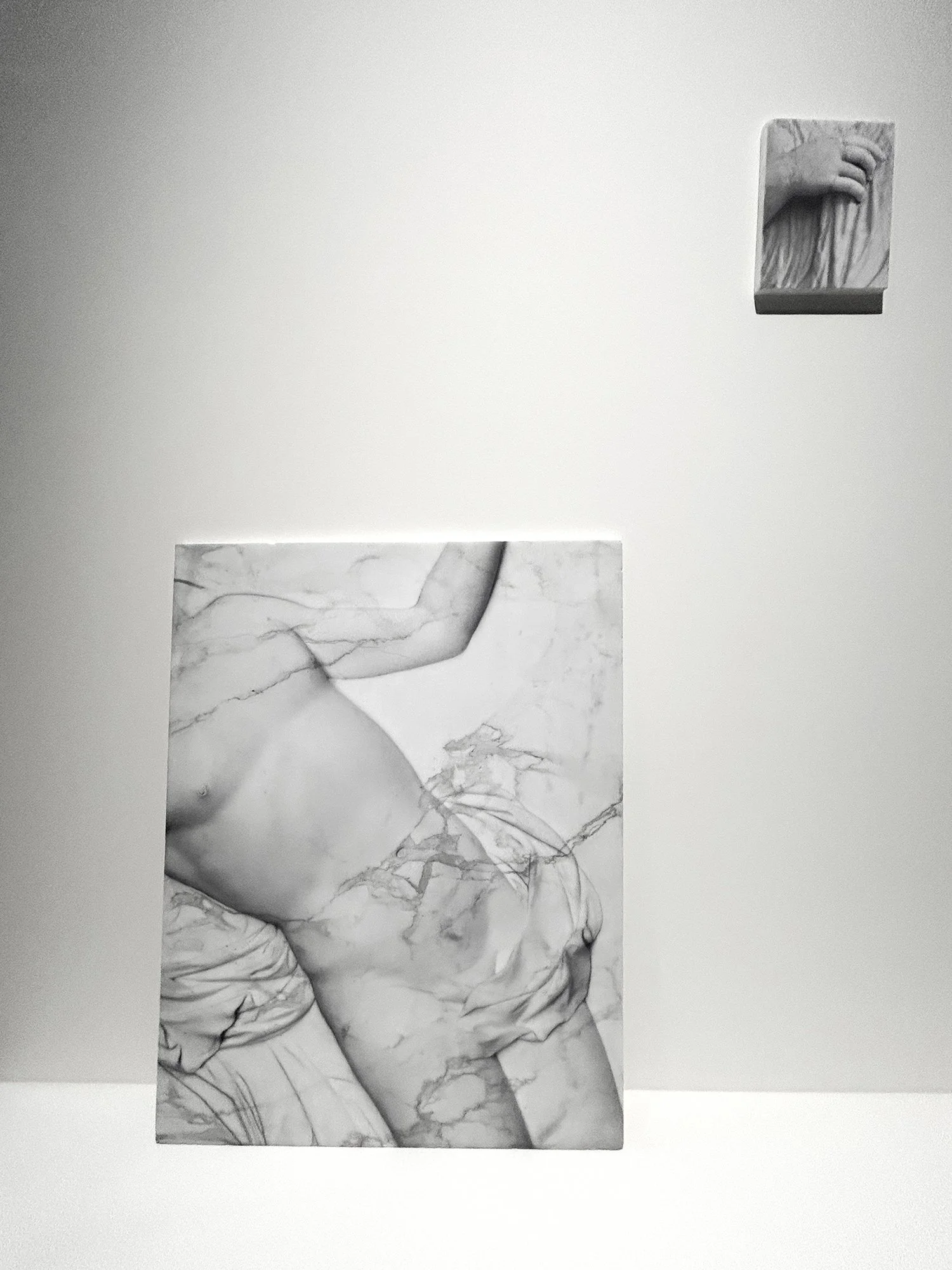
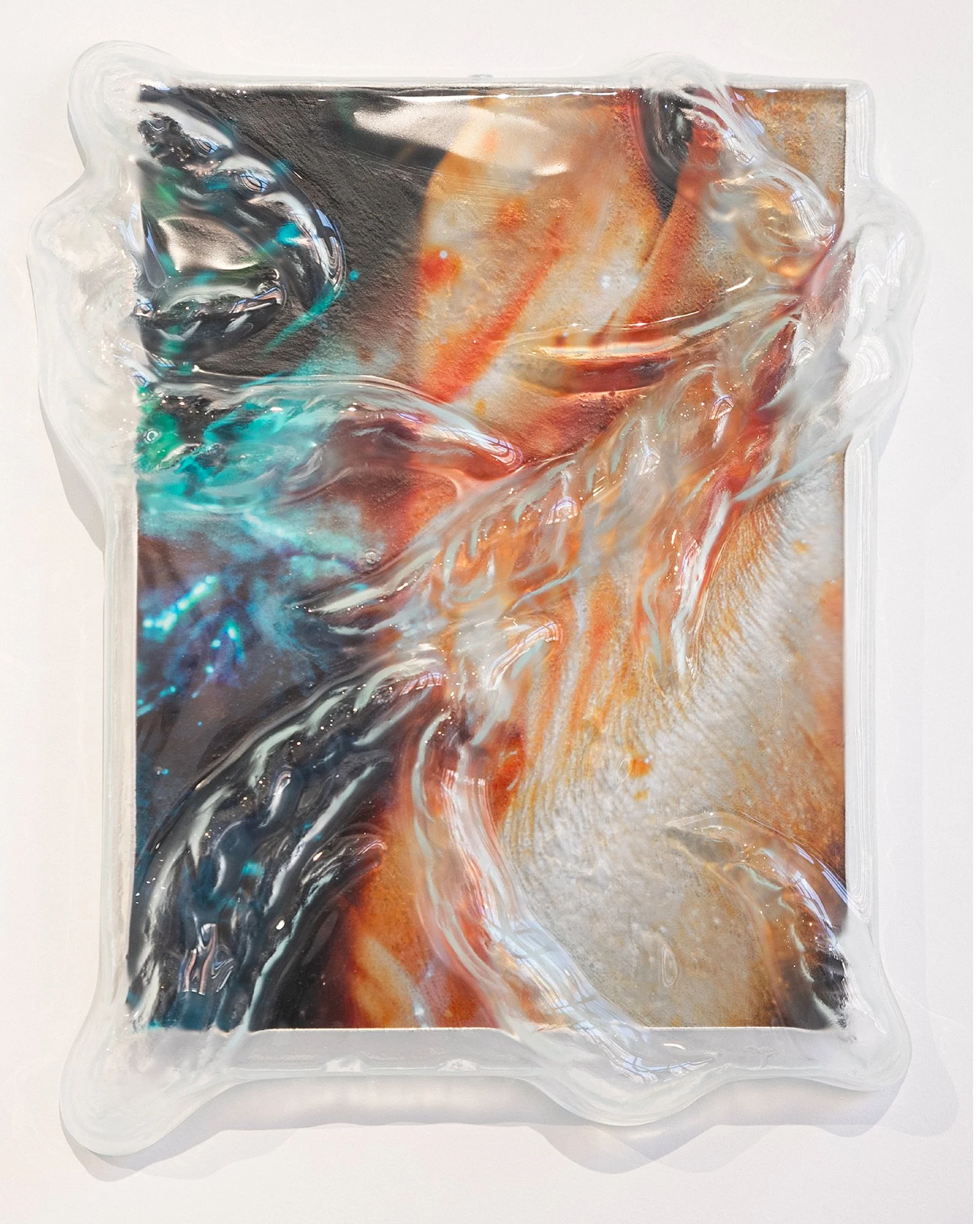
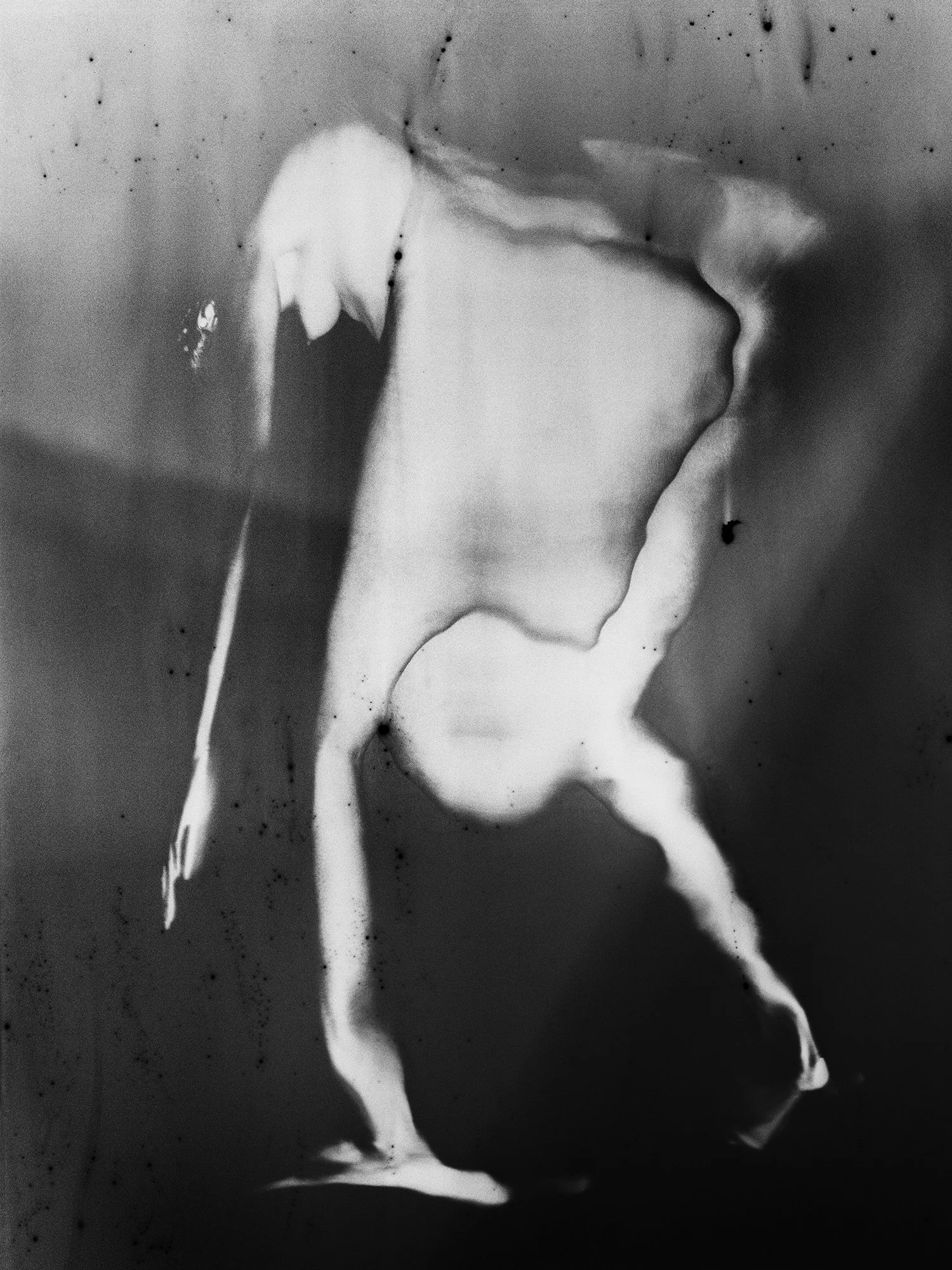
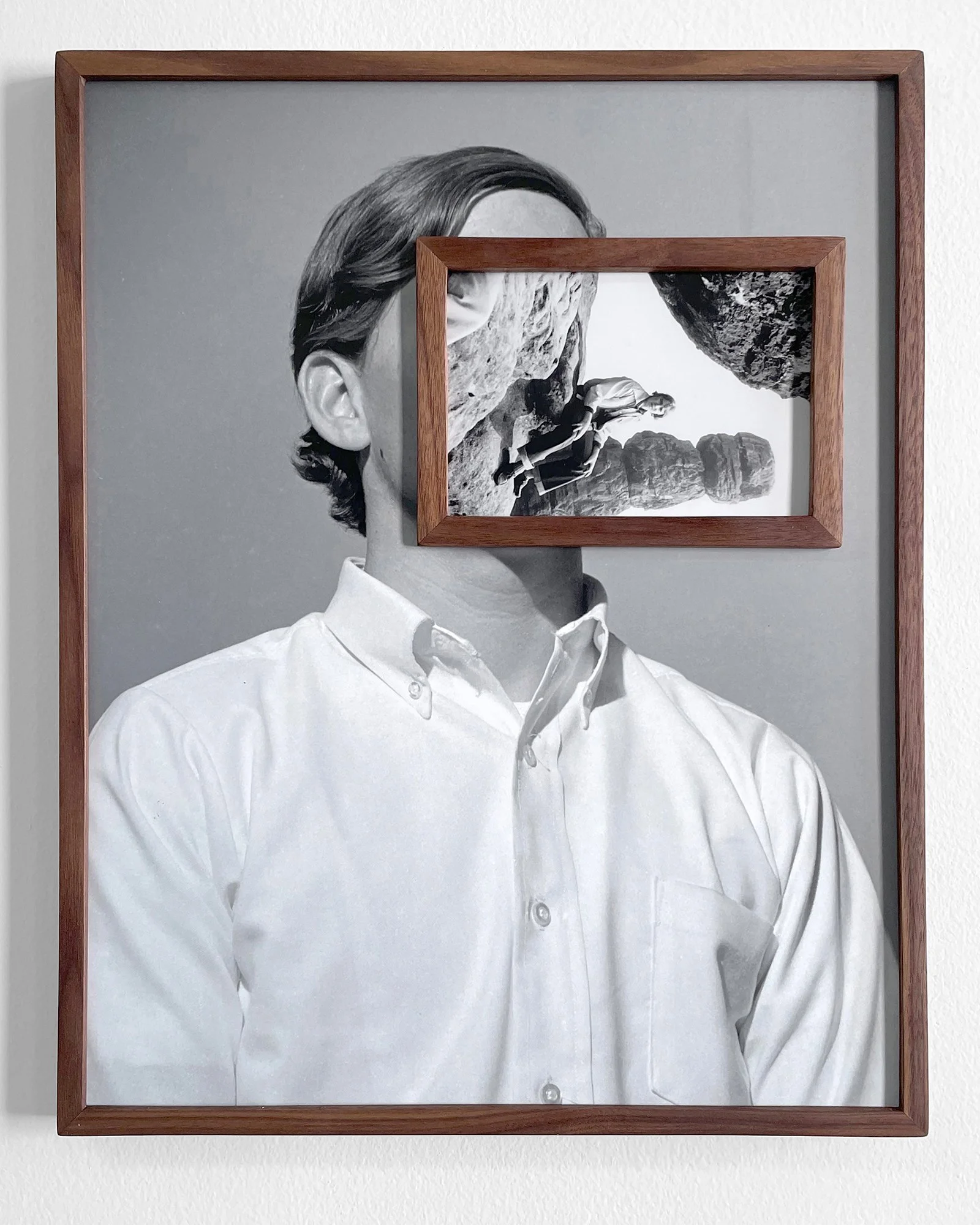
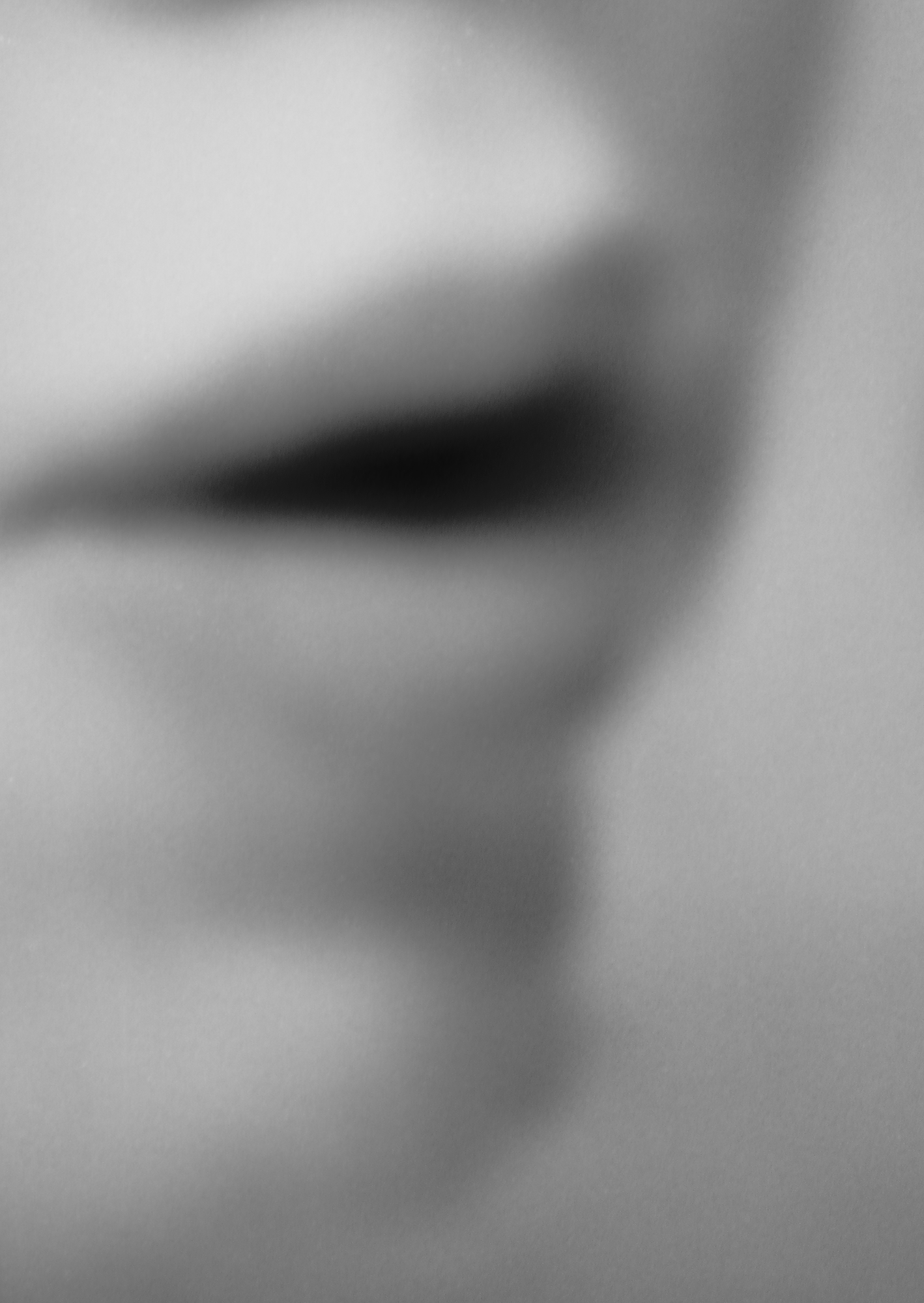
Images: 1 - lucile boiron/ 2- henriette sabroe ebbesen/ 3-4 - dune varela / 5 -©lucile boiron, fricon, fricasse ! VII, 2024 / 6 -©aapo huhta, figure #82, Gravity, 2022 / 7 - ©eli craven, on the rocks no. 1, 2024 / 8 - ©mélissa boucher morales, scrolling, 2024
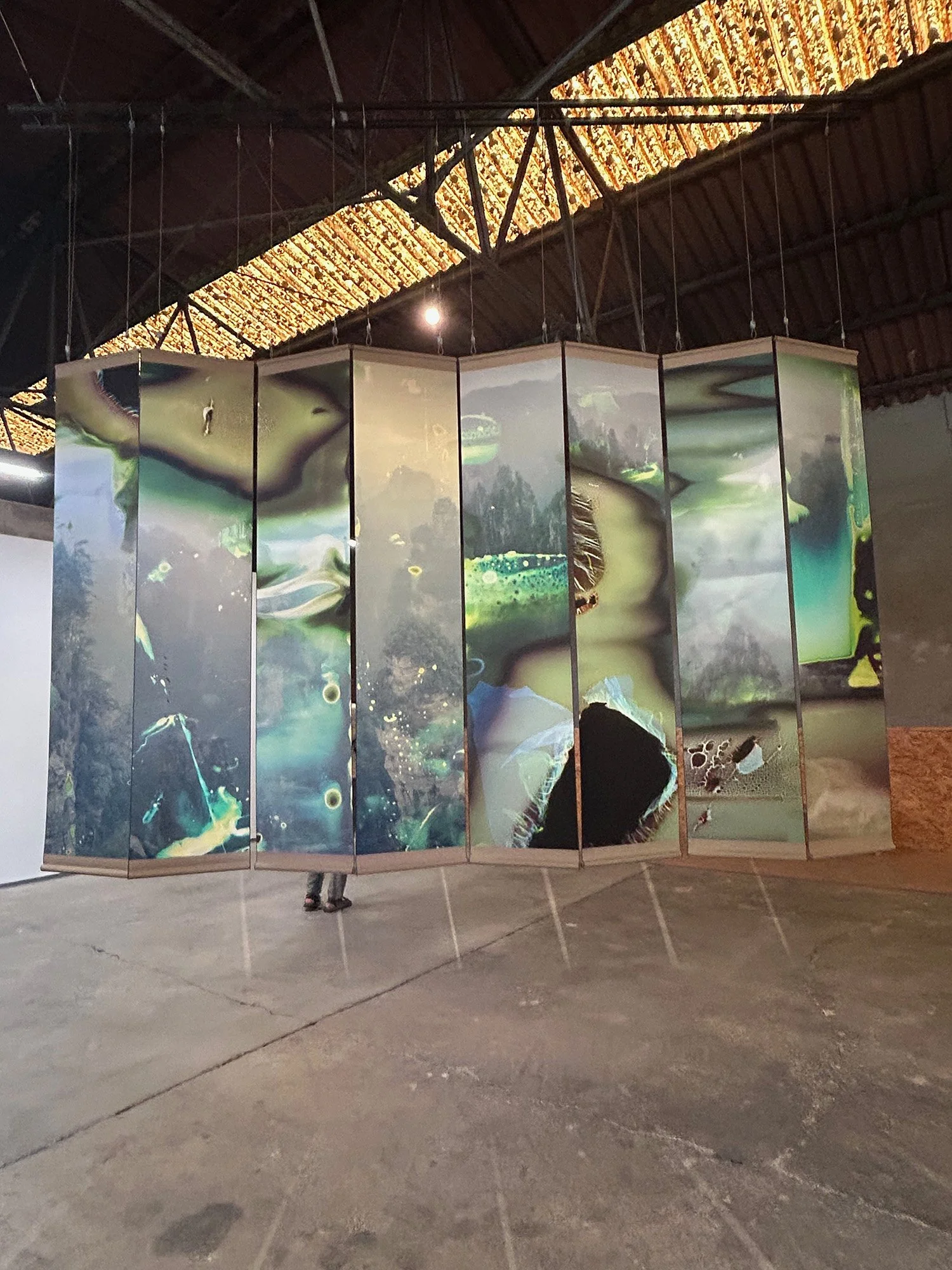
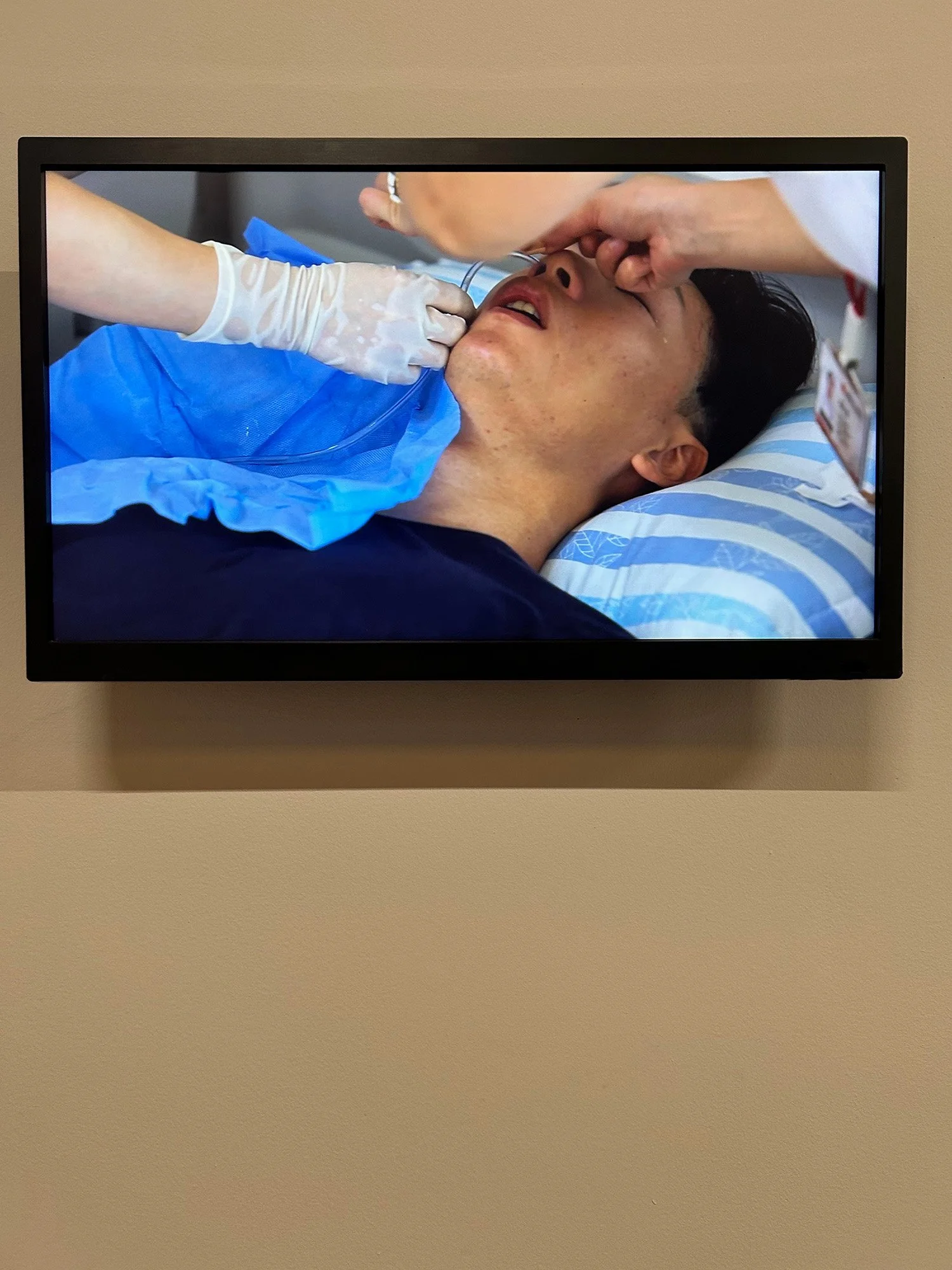
At Ground Control, held in an expansive, raw, disused railway freight hangar, Chinese artist Hu Weiyi’s The Inner Darkroom is a confronting solo presentation. The colorful and abstract large-scale images, are the result of the artist’s unique approach in which he chemically alters negatives using his own gastric juices to form singular prints. While film has been exposed to various unusual chemical reactions before, Hu’s images seem more sincere because of the pain he apparently undergoes. To help understand his work it is presented with a process video, showing the excruciating reality of what this involves: Hu undergoing the necessary treatments, tears running down his cheek and fists clenched against the pain.
(Also check out the Vigilance:Work Under Tension show that shares the same expansive space at Ground Control.)
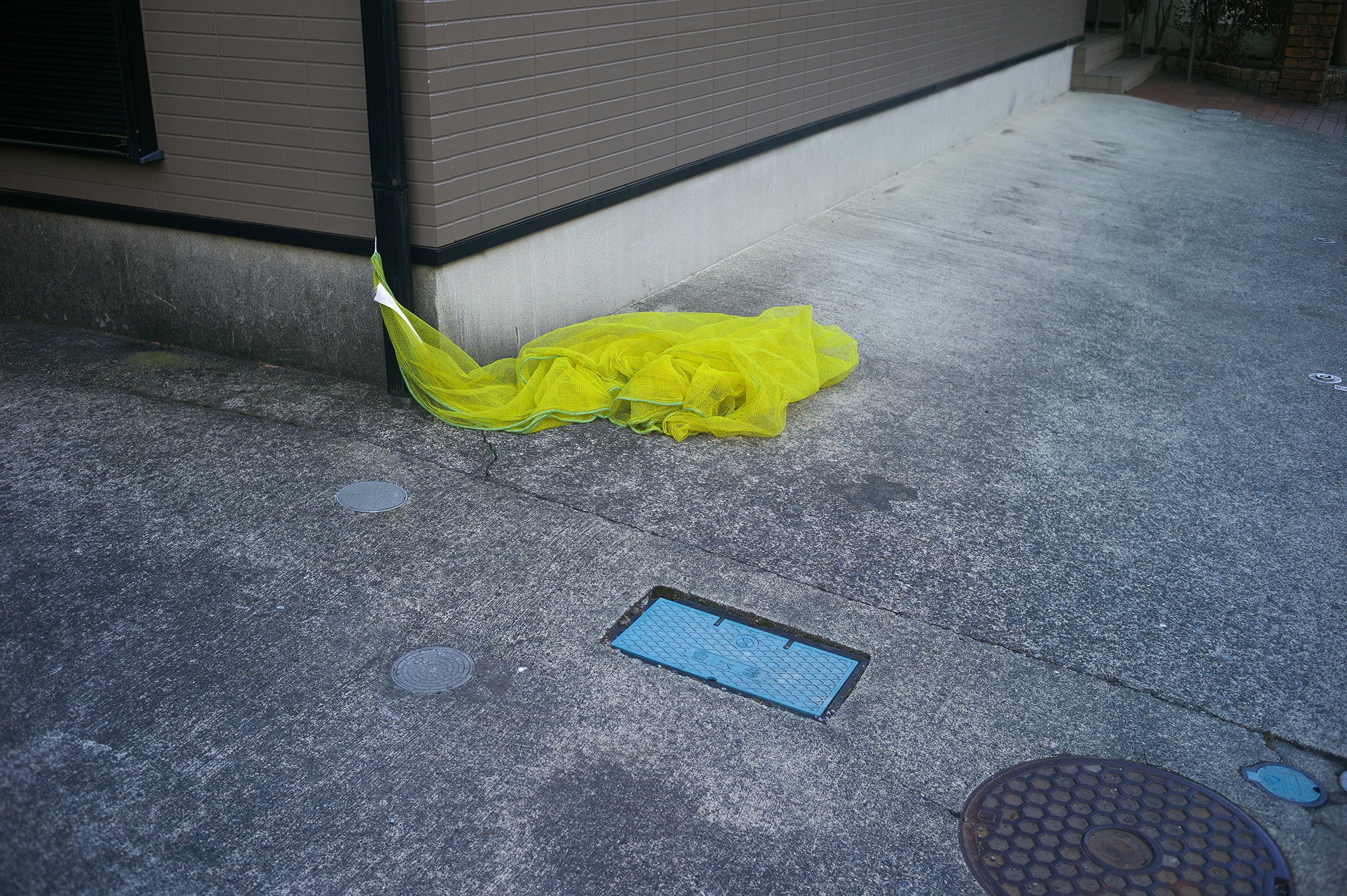
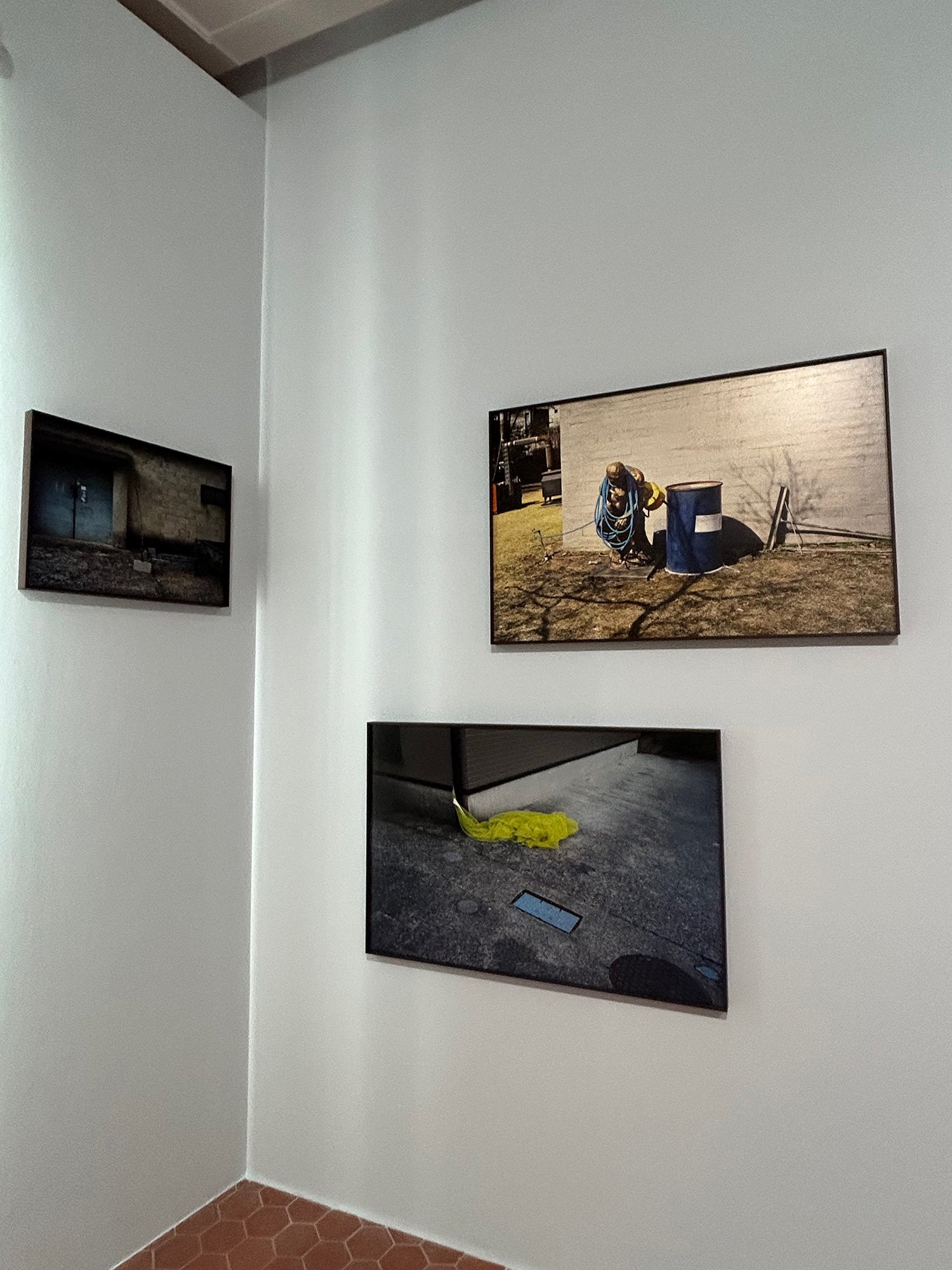
Something quite different but equally demanding of our attention was Park Chan-wook’s first European show On a Quiet Morning. Exhibited at the Tadao Ando–designed Lee Ufan Arles, an impeccably restored private estate turned exhibition venue, the South Korean film director presented a meditative collection of un-manipulated, spontaneous, natural-light photographs that are both serene and cinematic.
A blue hose slung around the neck of a sculpted figure deep in thought, crumpled yellow detritus - objects easily dismissed as trash in his images are instilled with beauty.
A lonely figure in a black-and-white landscape, a still life of rotting fruit - a vanitas, hung by a scene of gravestones: the curation on the gallery walls creates unexpected dialogues between images, building new narratives from this master film maker.
Speaking of cinematic, Lee Shulman and Omar Victor Diop’s utterly absorbing collaborative show Being There is another highlight at Arles - though having already covered their work in our Hamburg feature (see here), we won't repeat ourselves. (This marks our fourth time encountering Shulman’s work, following his recent exhibition at Fotografiska Berlin, plus part of his project appears in the Animal Model show; each time a thrilling encounter.)
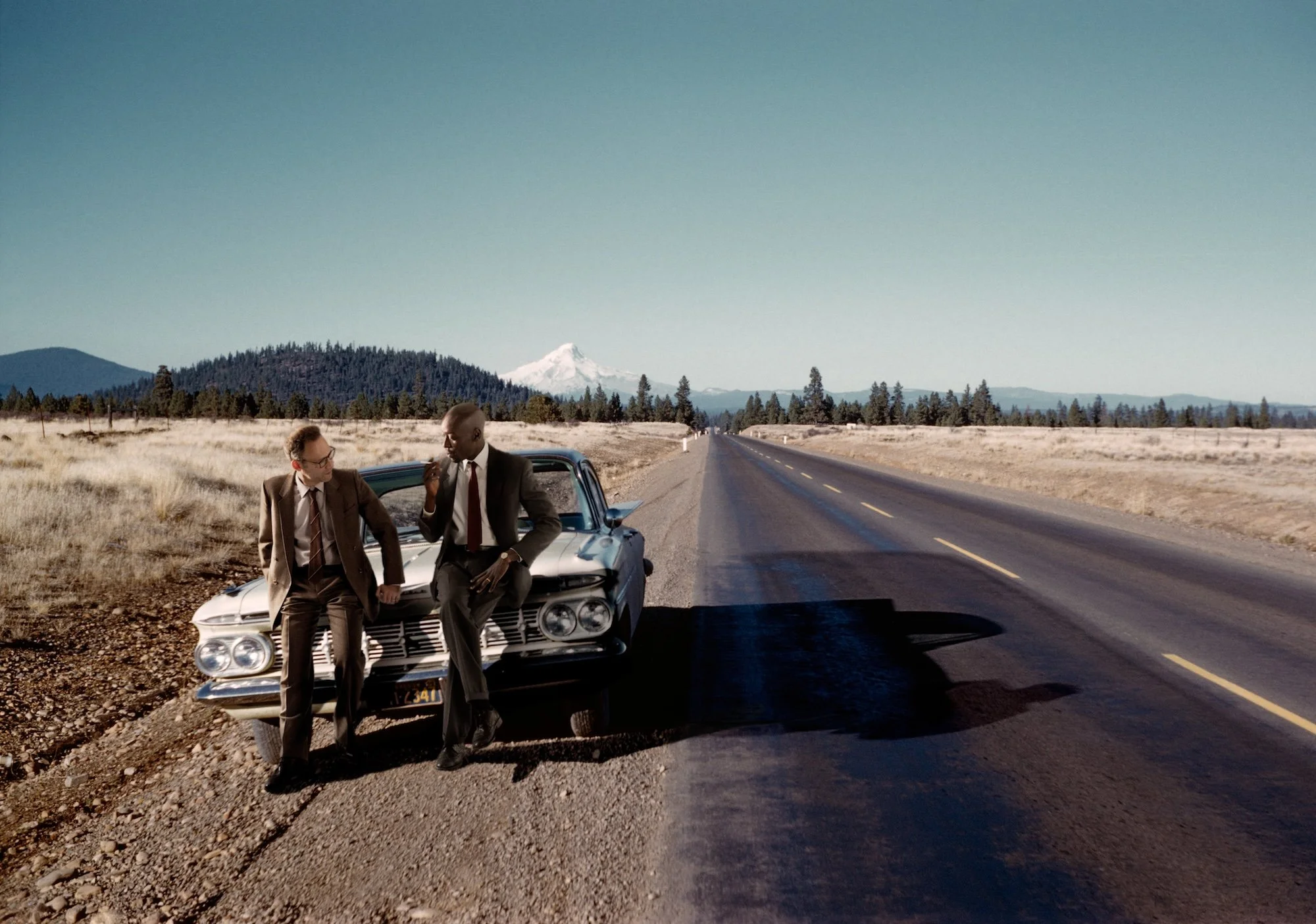
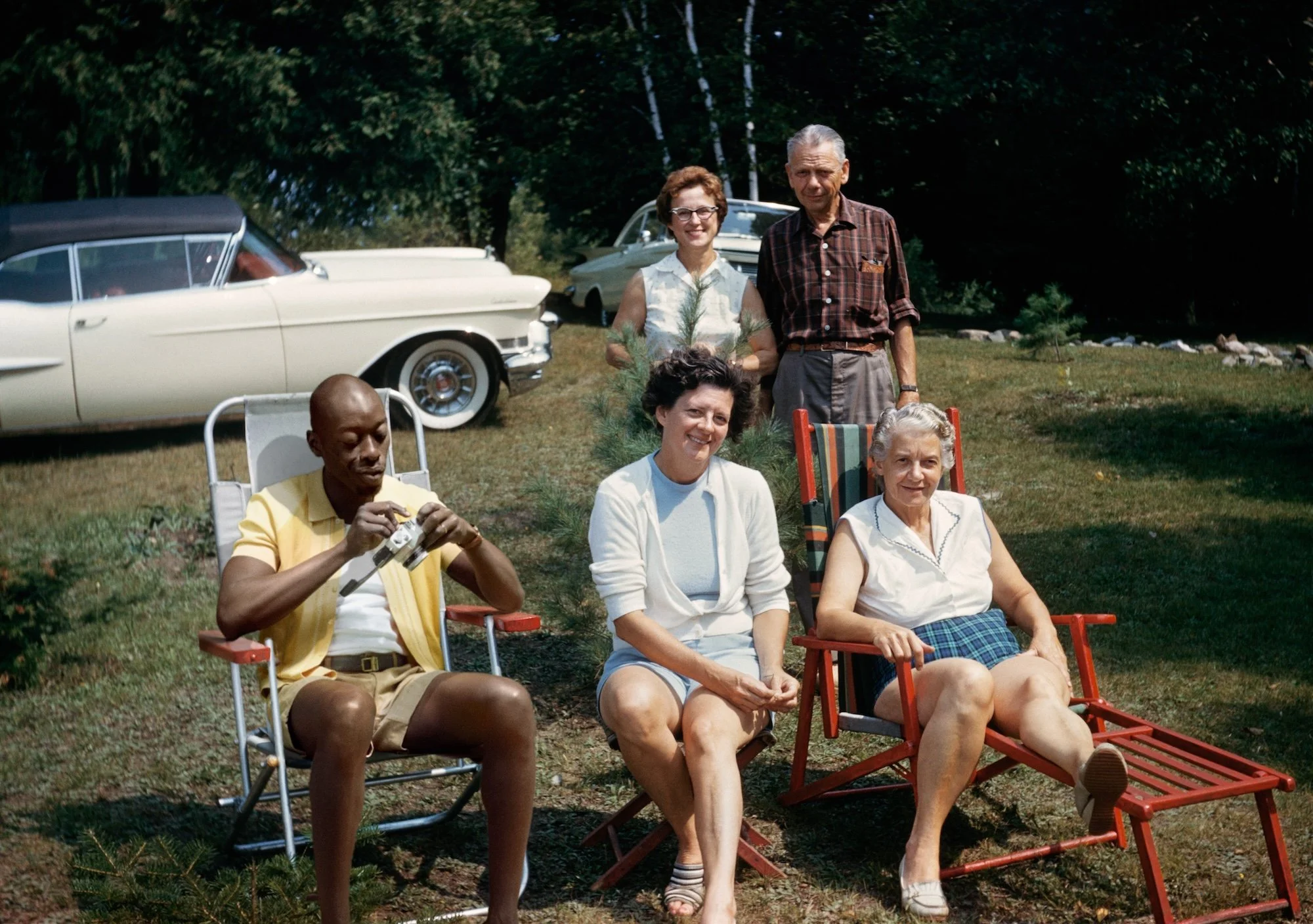
Images: 1-2 hu weiyi/ 3 - ©park chan-wook, hakone, 2017 / 4 - park chan-wook/ 5-6 - ©lee shulman and omar victor diop, being there, 2023
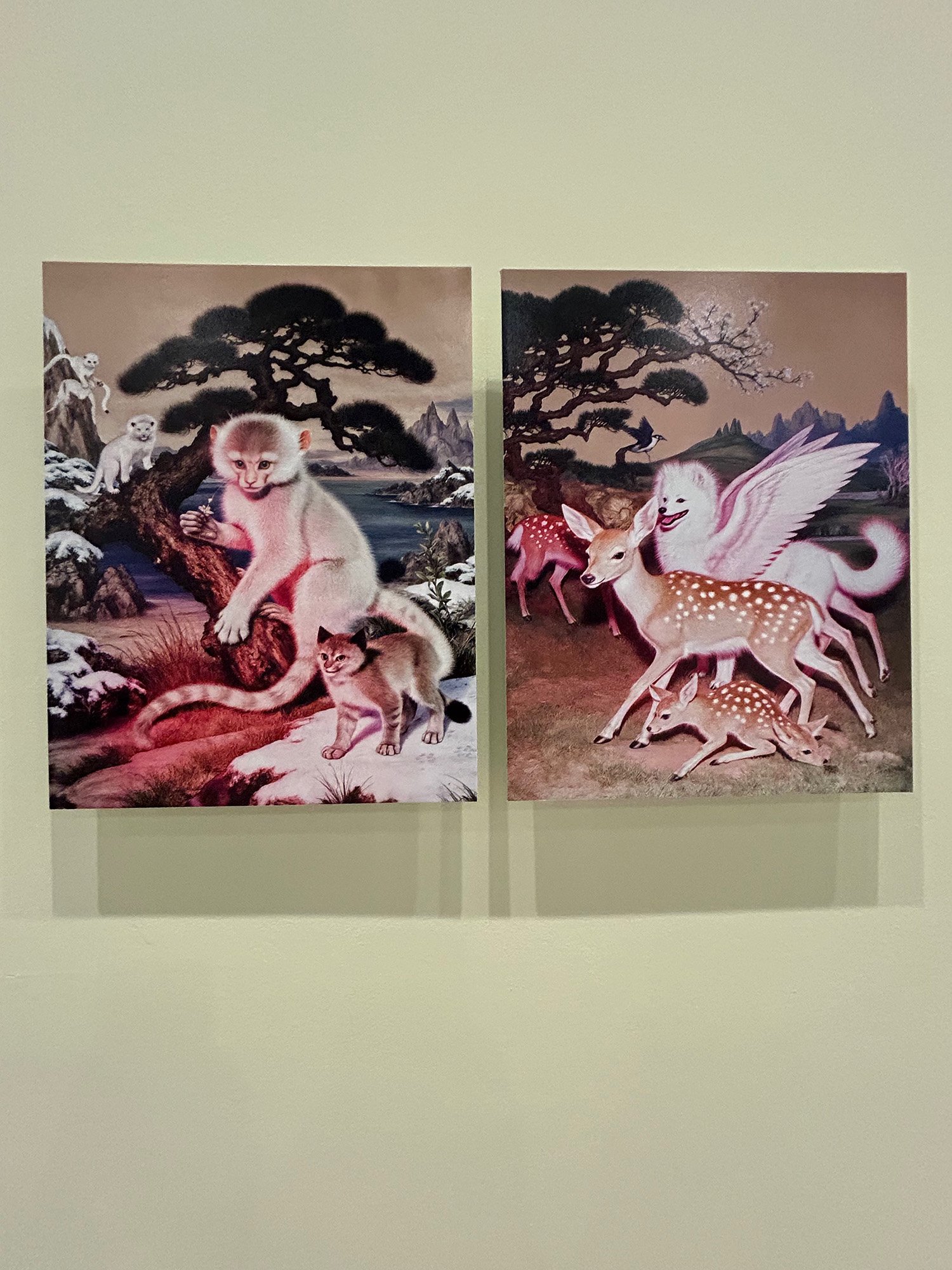
High on our list is one of the anchoring exhibitions for the Des mondes à relire ("Re-reading the world”), the main theme of Les Rencontres d’Arles. Animal Model is held at La Mécanique Générale, a former industrial rail yard located within the Parc des Ateliers. Through 500 images from 150 artists as diverse as Martin Parr, Pieter Hugo, Roger Ballen and Rinko Kawauchi, the humor of Feng Li (who is featured in an interview here) and lesser known standouts Randall Ford and Maisie Cousins. It is a sweeping show covering two centuries of animal focused images around seven themes that reveal humankind’s fascination with animals, our bonds to them and our exploitation of them. It also explores the way different artists have been inspired creatively like Augustin Rebetez’s (mentioned in Lodz article) slightly disturbing, distorted animals and how some blur the lines and express something beyond reality like French artist SMITH and the youngest artist in the show Zhiyue Liu. Every image demands our attention. Give yourself plenty of time here.
In contrast, Thato Toeba’s Anyone Can Be Lucifer is a subdued affair. Held in the dimly lit, intimate space at Salle Henri Comte, the setting directly reinforces Toeba’s questioning of objective truth. Light casts shadowy figures through cutouts in their collaged assemblages, inviting visitors to look slowly and carefully. Informed by Toeba’s legal background, the work breaks down colonial archives to show how history, bias, and power shape what we accept as fact. Thato Toeba was featured in our feature Chaos to Composition and the Act of Collage issue 19 here.
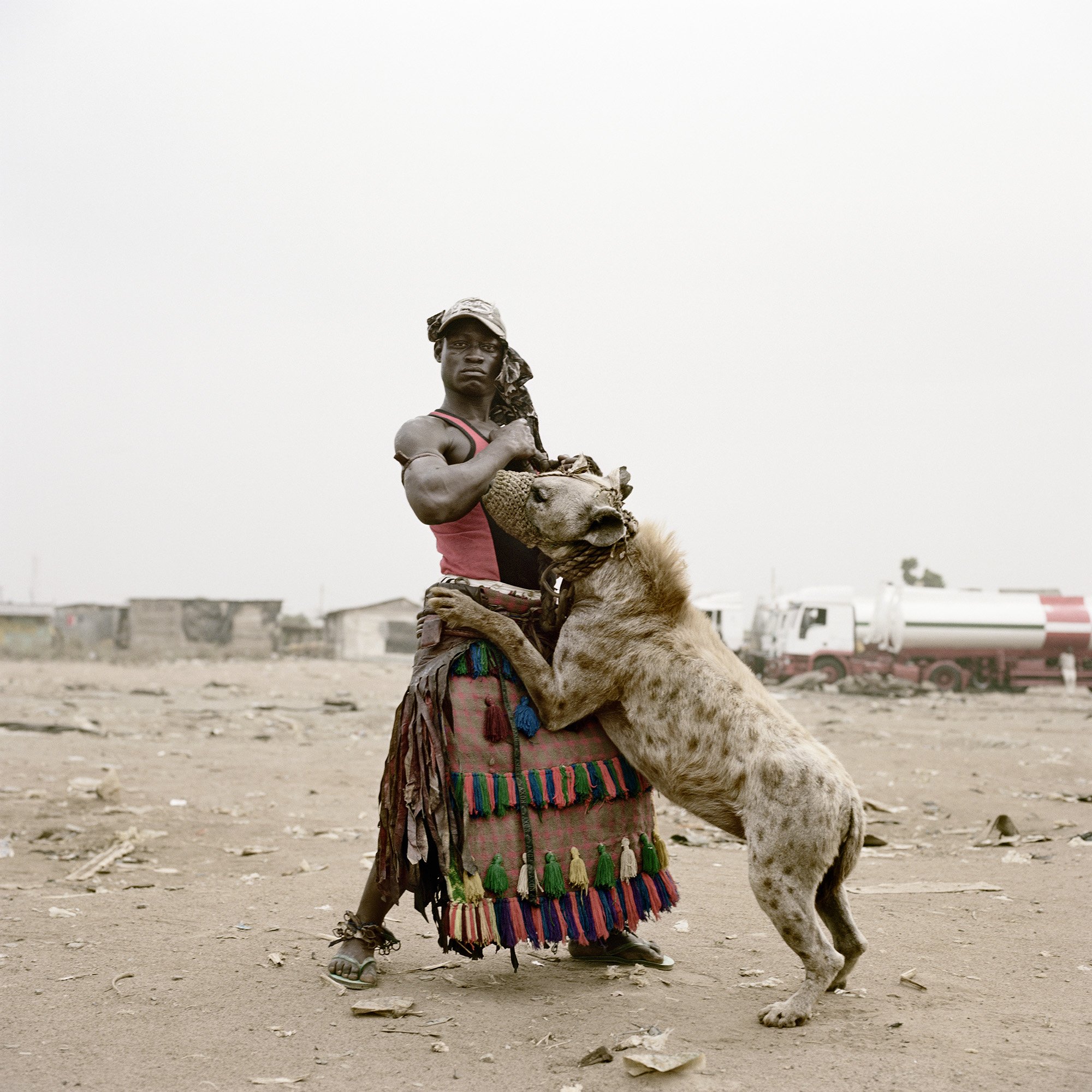
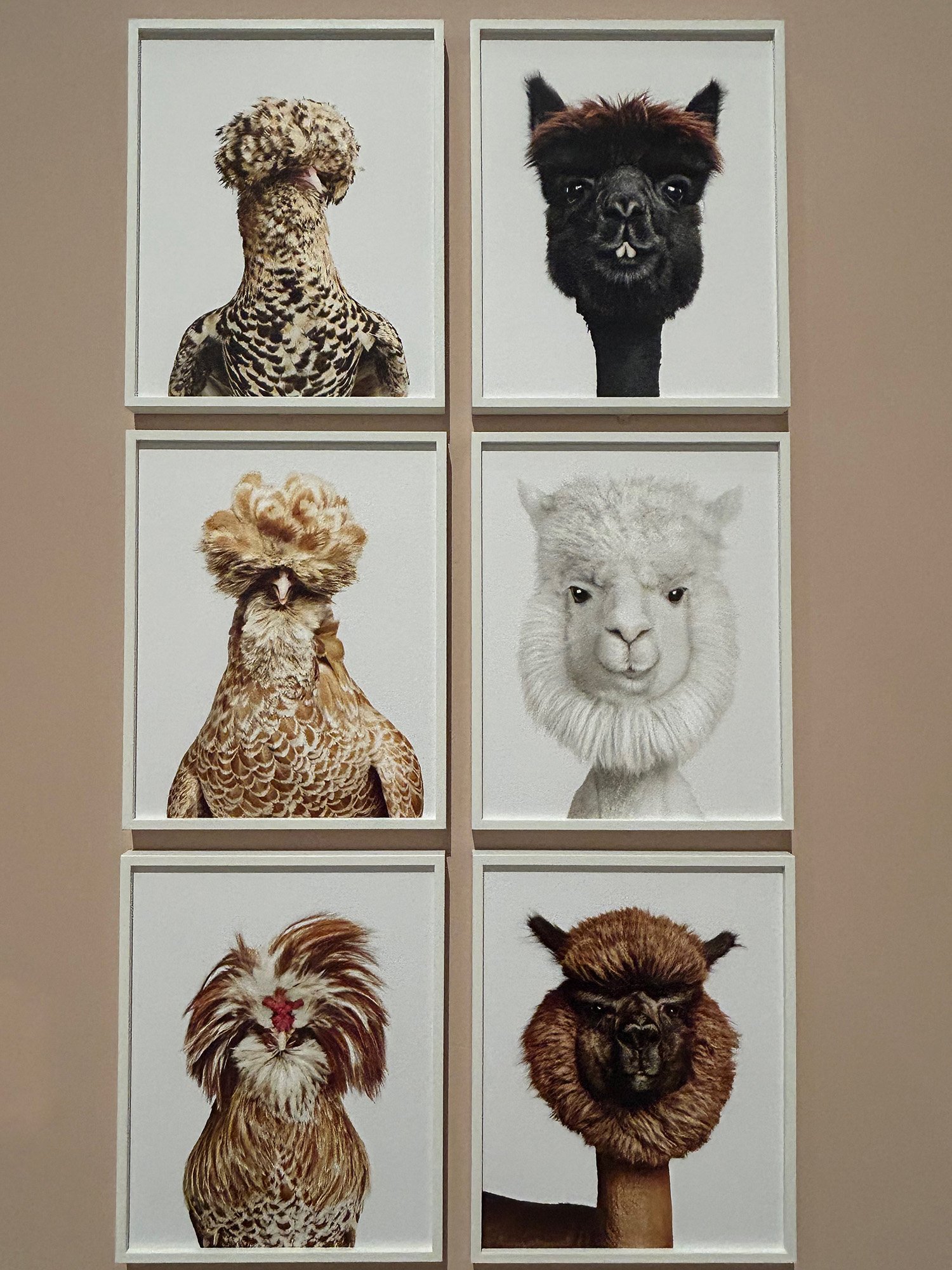
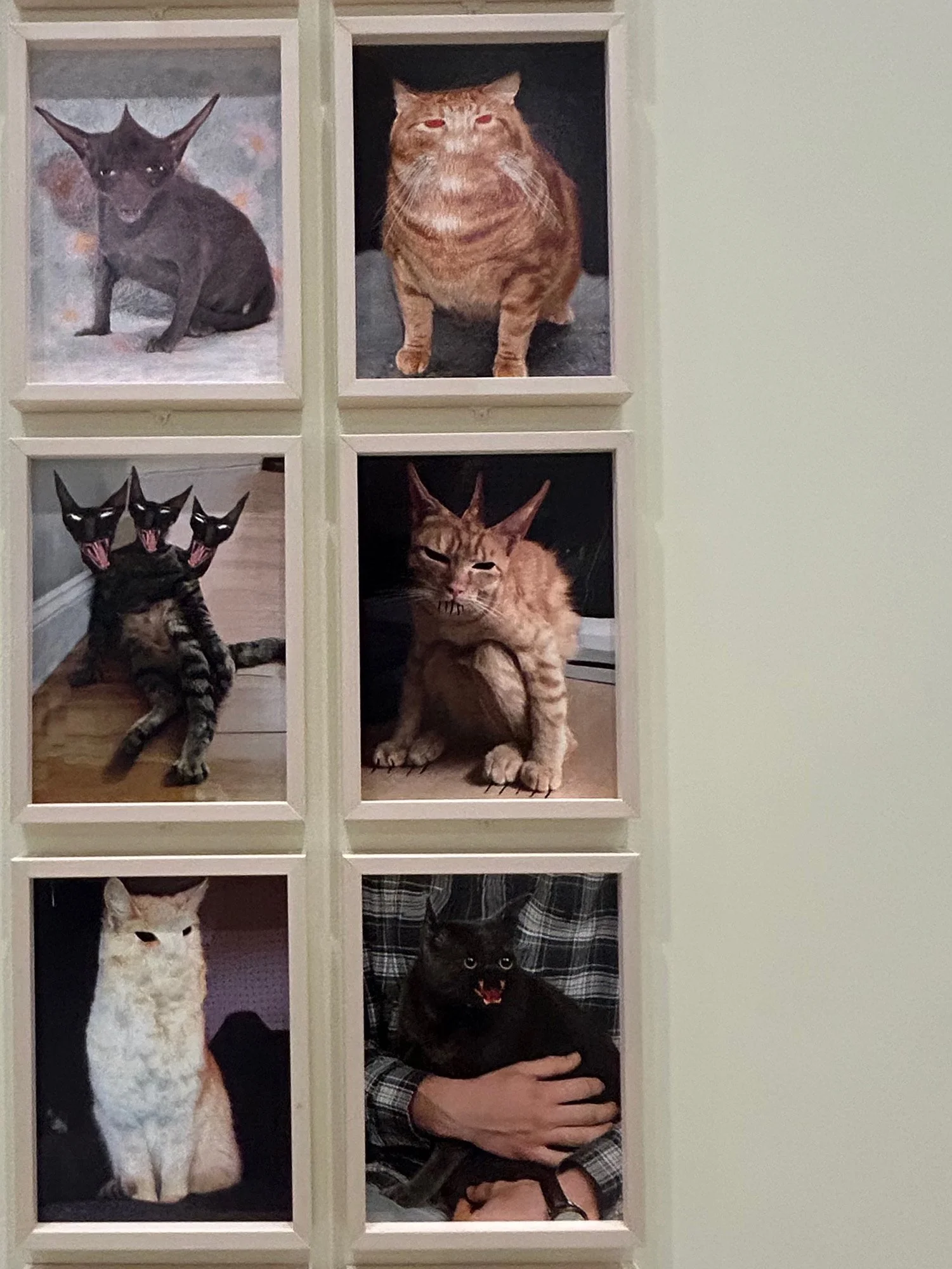
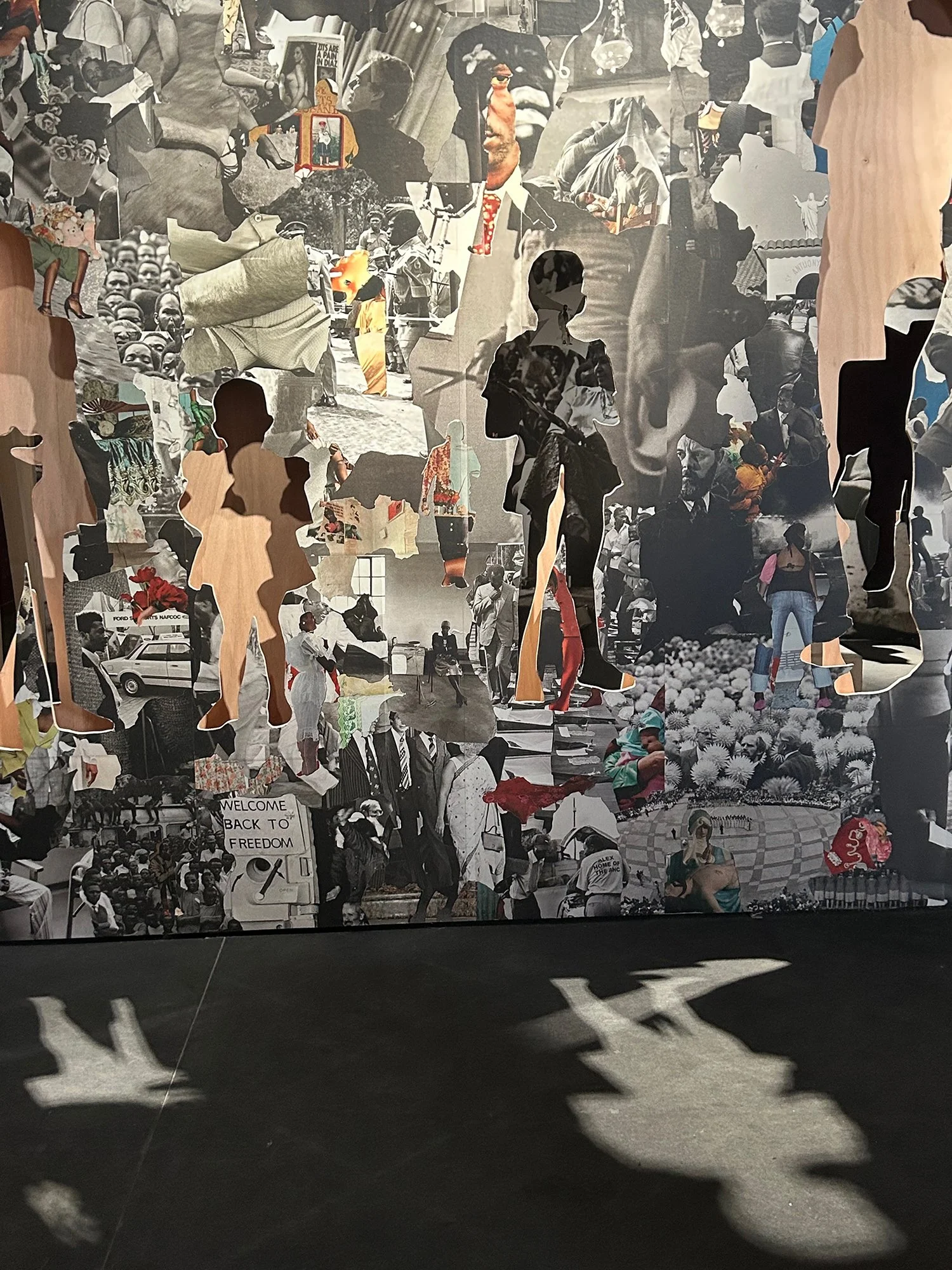
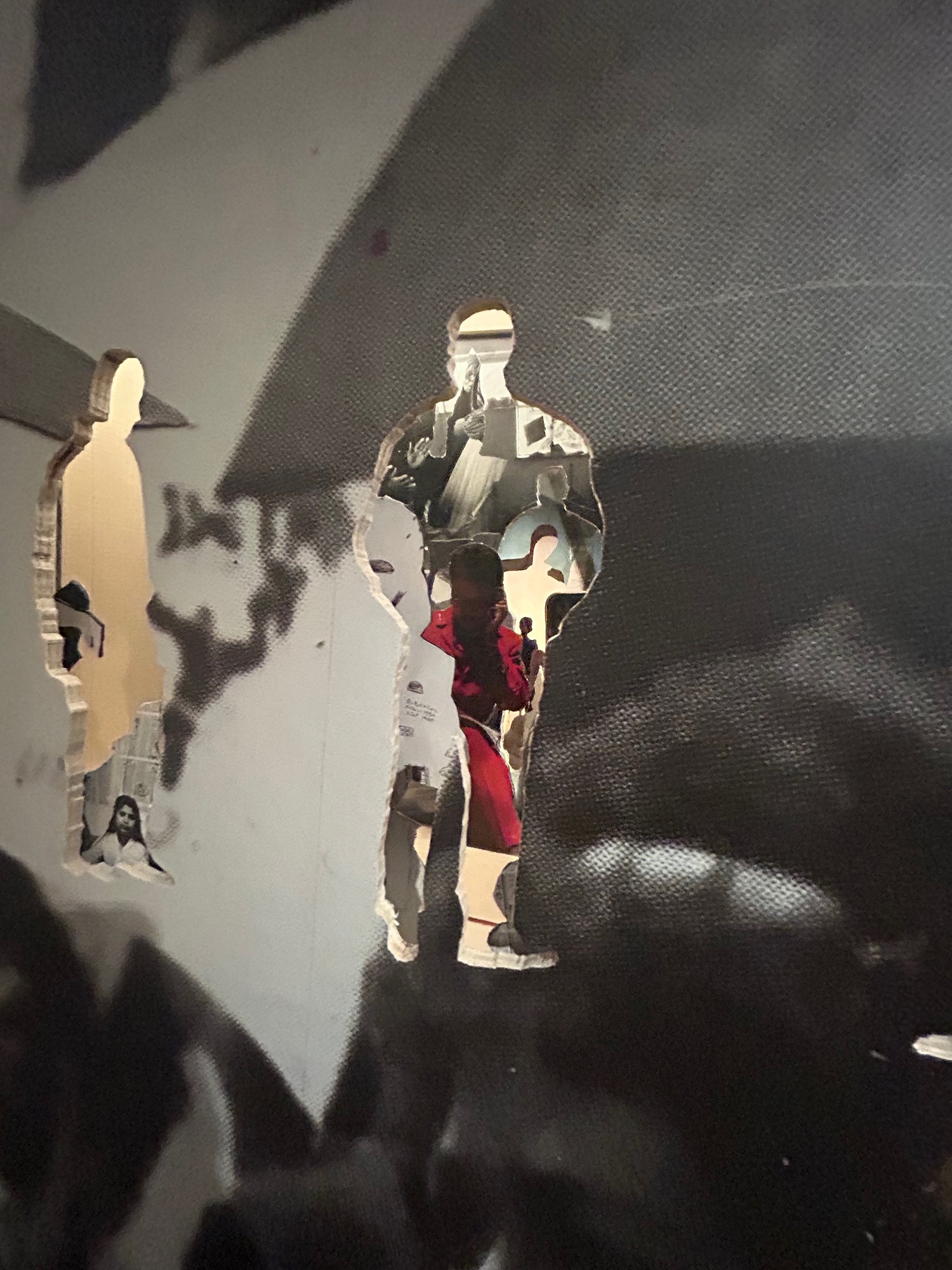
Images: 1 - ©pieter hugo, abdullahi mohammed with mainasara, ogere-remo, nigeria, 2007 / 2 - maisie cousins / 3 - zhiyue-liu / 4- randal ford / 5 - augustin rebetez / 6-7 - thato toebo
Staged at LUMA Arles inside La Lampisterie, Face-to-Face is the prestigious Dior Photography and Visual Arts Award for Young Talents that brought together ten finalists from around the world who interpreted themes of memory, identity, and the physical body.
The winner, Japanese artist Akari Takenobu, took the top award with her series Threshold, which uses her own body in a series of assembled, cut and layered self- portraits to confront childhood memories that still haunt her.
While all the artists deserve attention: Mayed Almheiri, Andréa Besset, Debora Brune, Yuan Chen, Marcie Docherty, Antoine Genoud, Hongyu Jiang and Milena Schilling, the ones we wish to make special note of are:
Debora Brune whose series UNCOOL confronts body politics head-on, using photography to disrupt standard societal ideas about what a body "should" look like. These fashion-centric portraits draw on lived experience to challenge mainstream media's rigid boundaries. Combining staged imagery with a playful sensibility, Hongyu Jiang’s work The Invisible Blind Path sheds light on the marginalization of China’s blind community. Her work integrates raised text directly into her compositions, and her installation uses the tactile paving found on public streets, forcing viewers to physically engage with the landscape of accessibility. Marcie Docherty’s In Pursuit of Muscle examines ideas of boyhood and male identity through analog portraits of young athletes in these fashion aware 1950’s-1970’s styled images that blur the lines between staged and documentary photography.
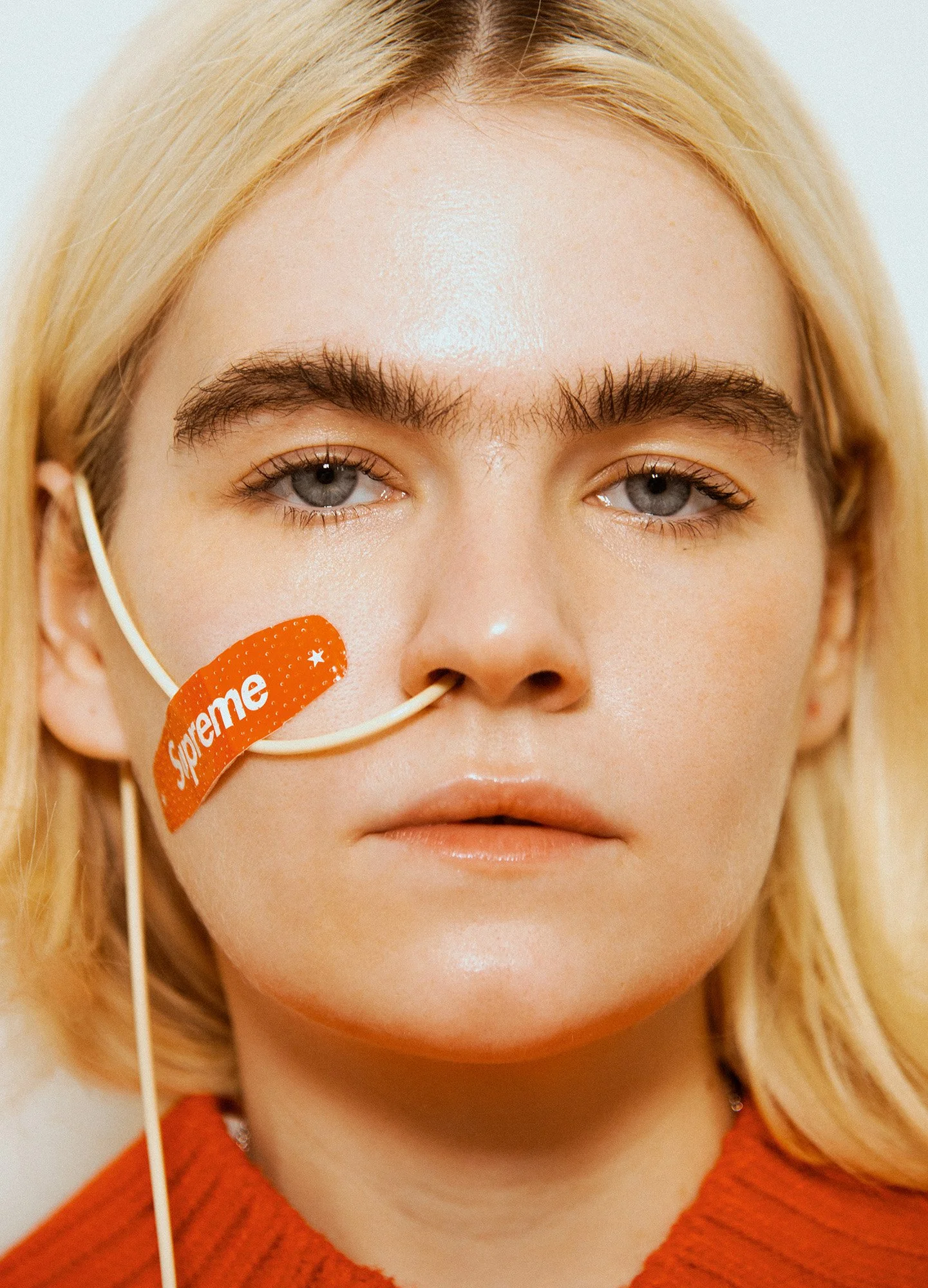
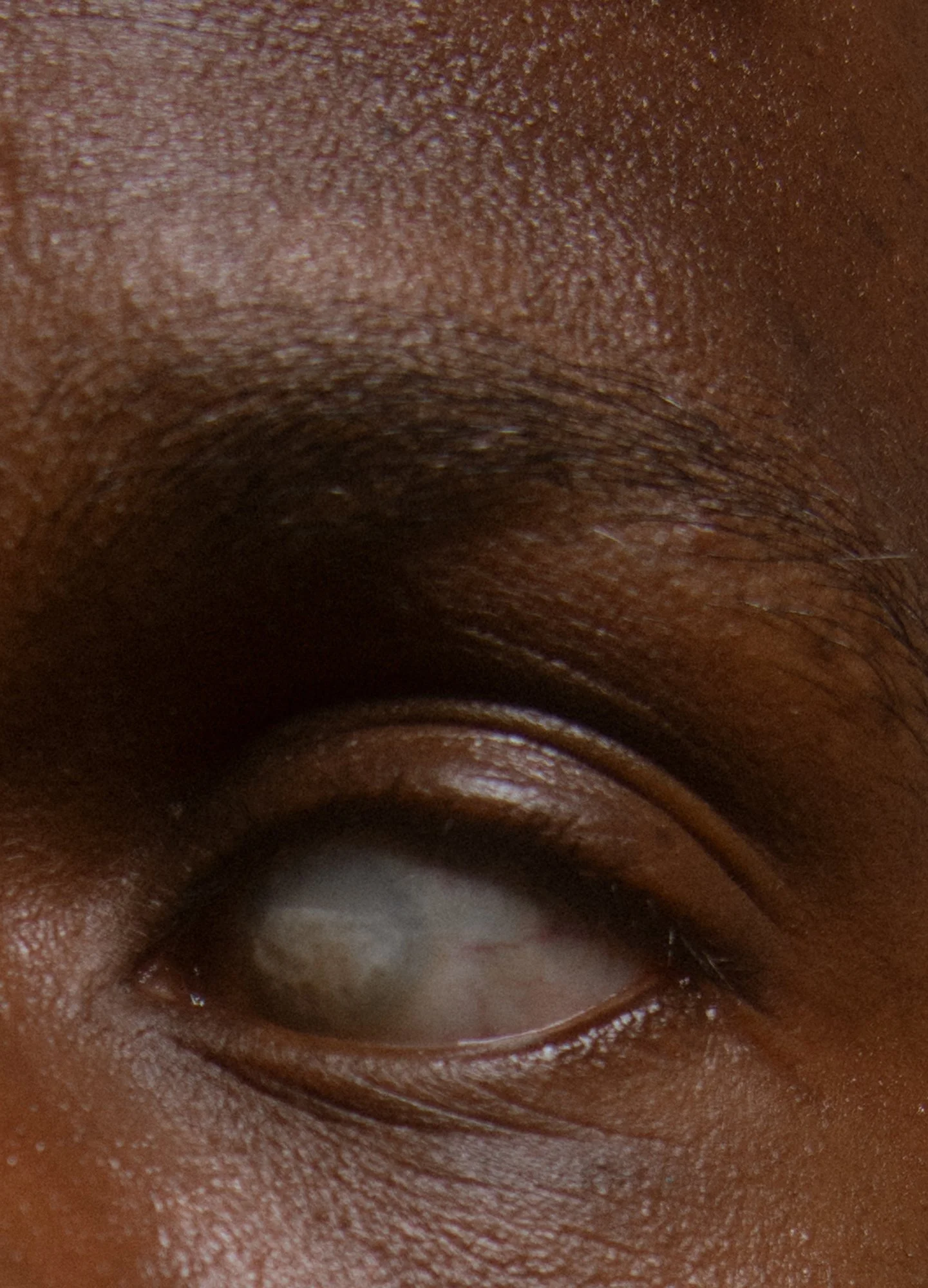
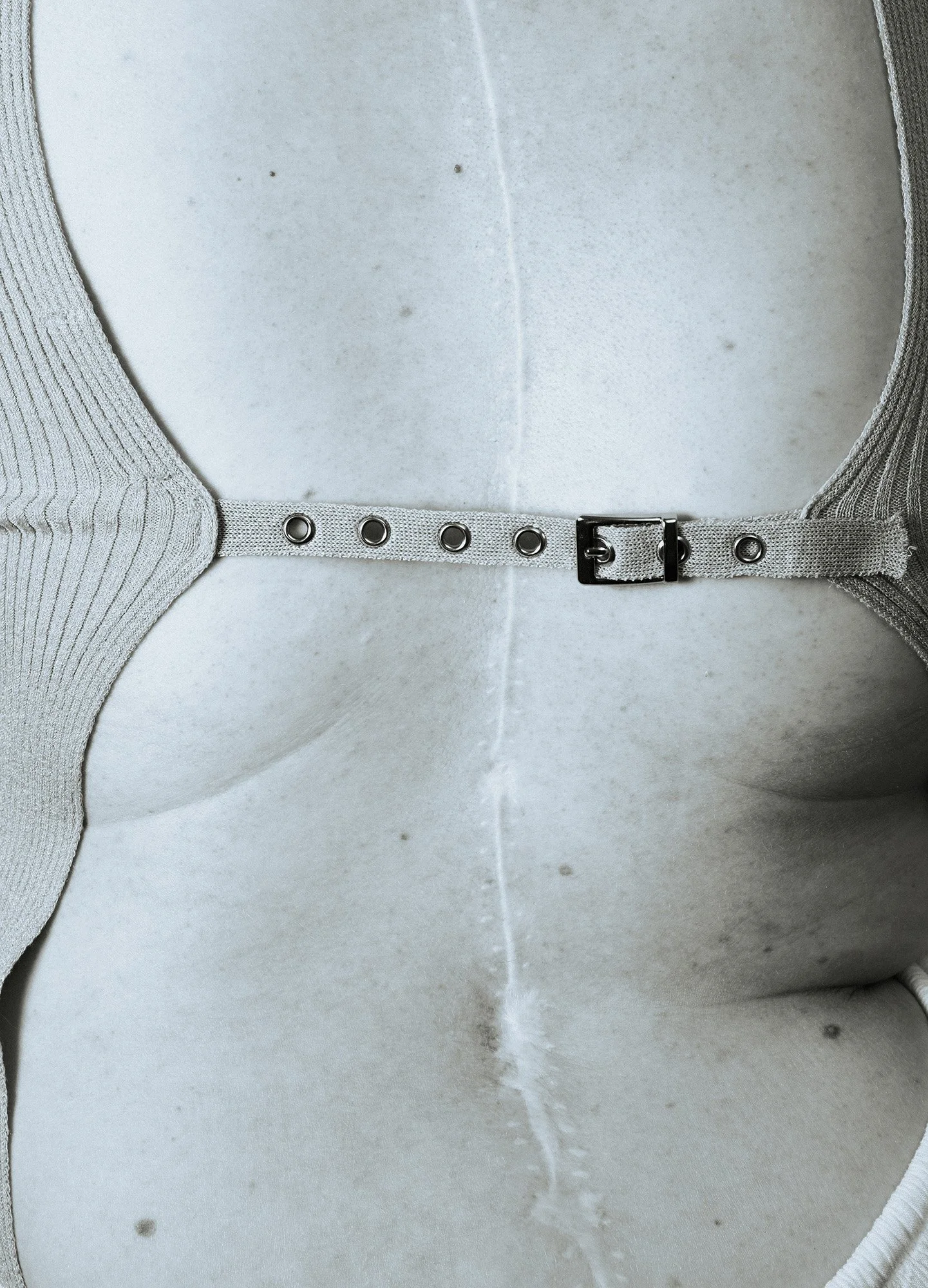
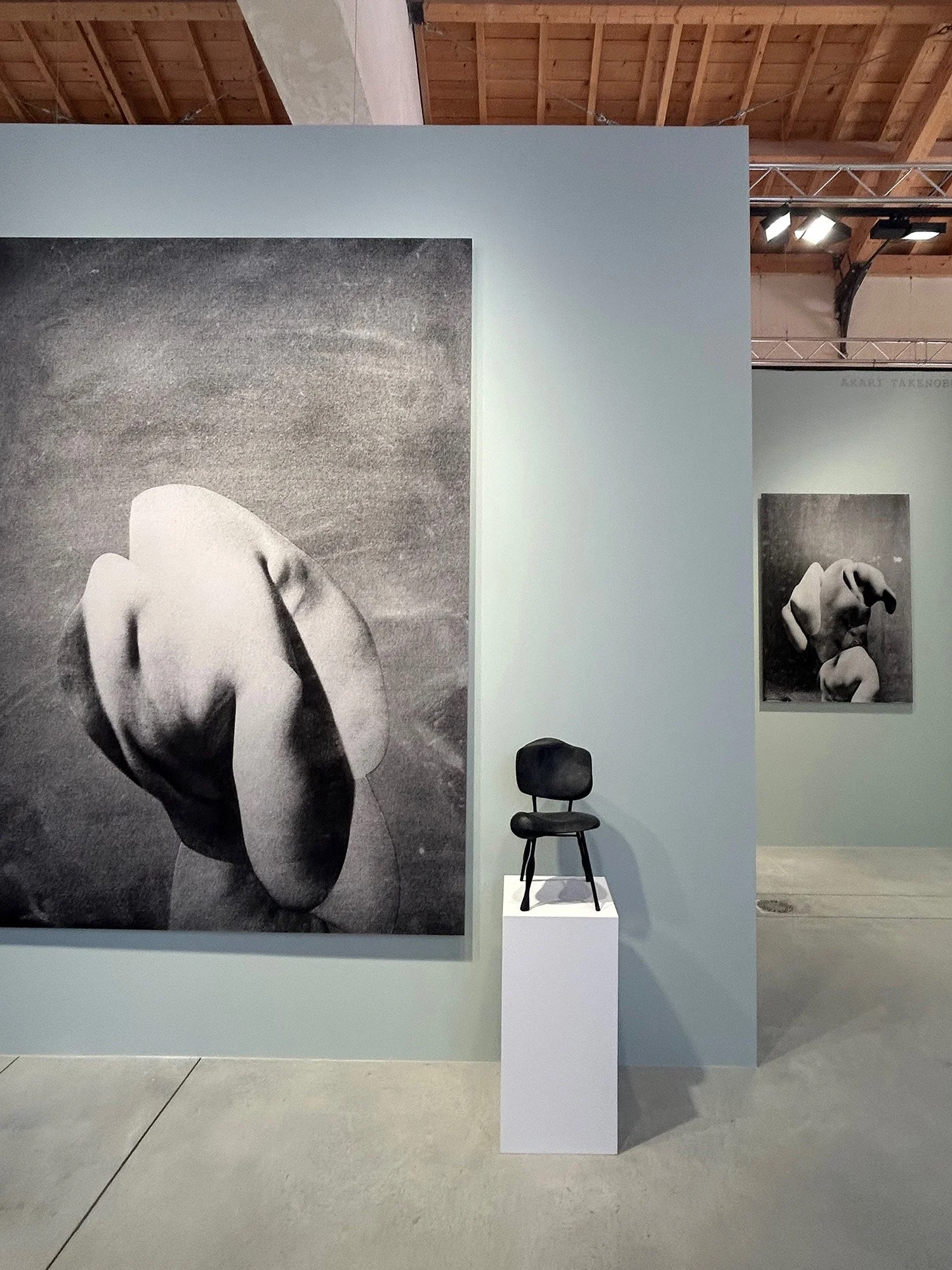
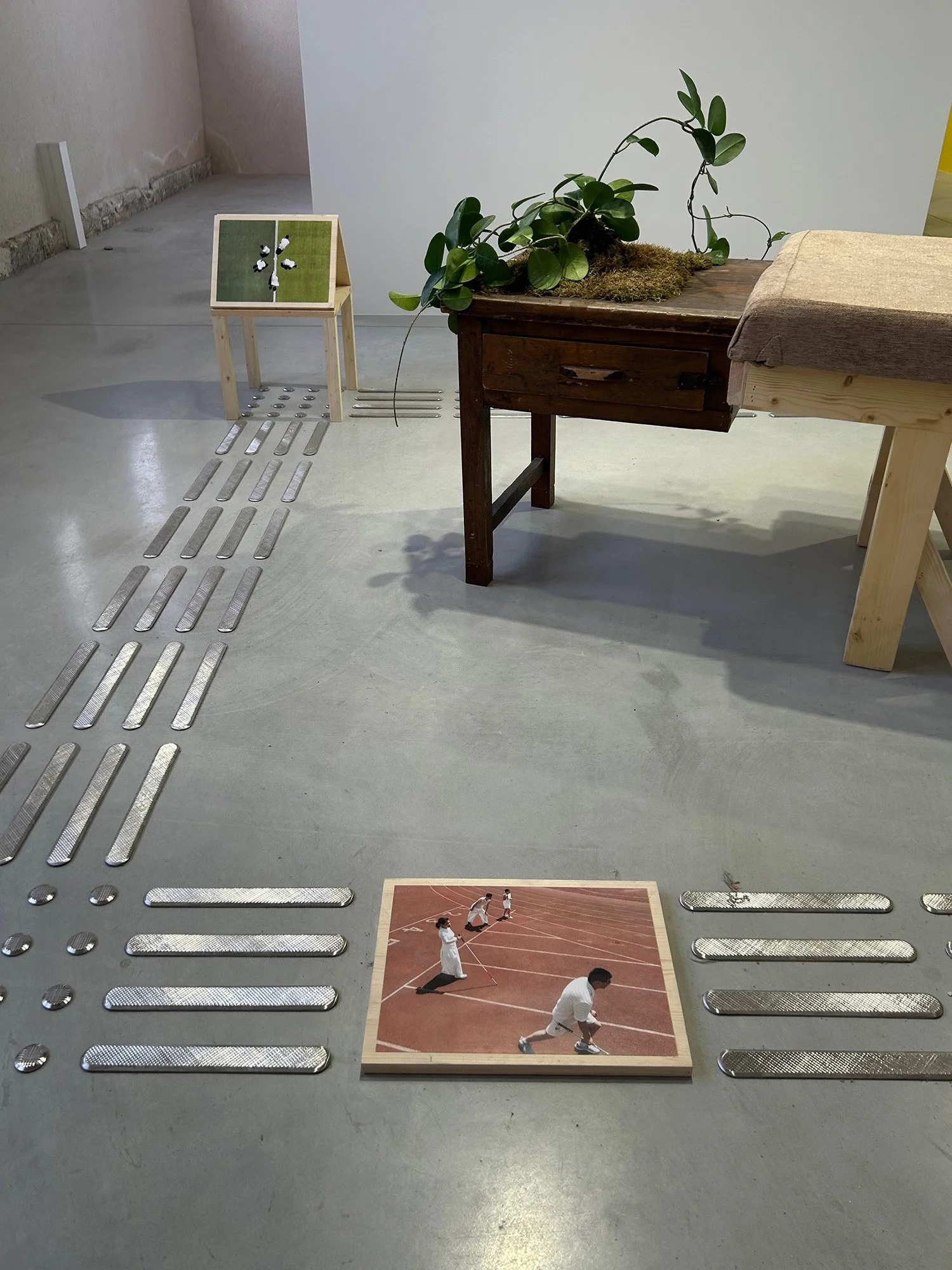
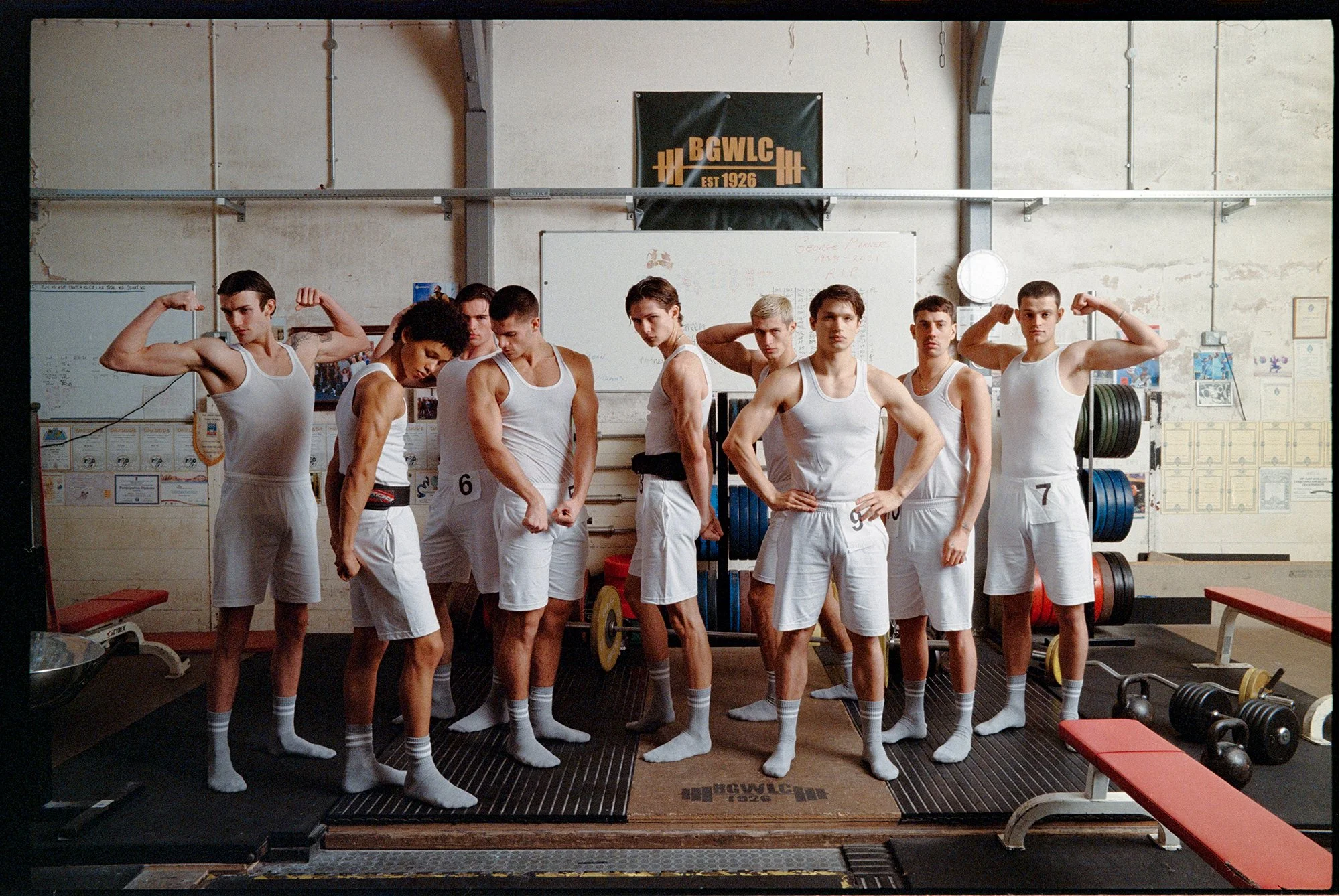
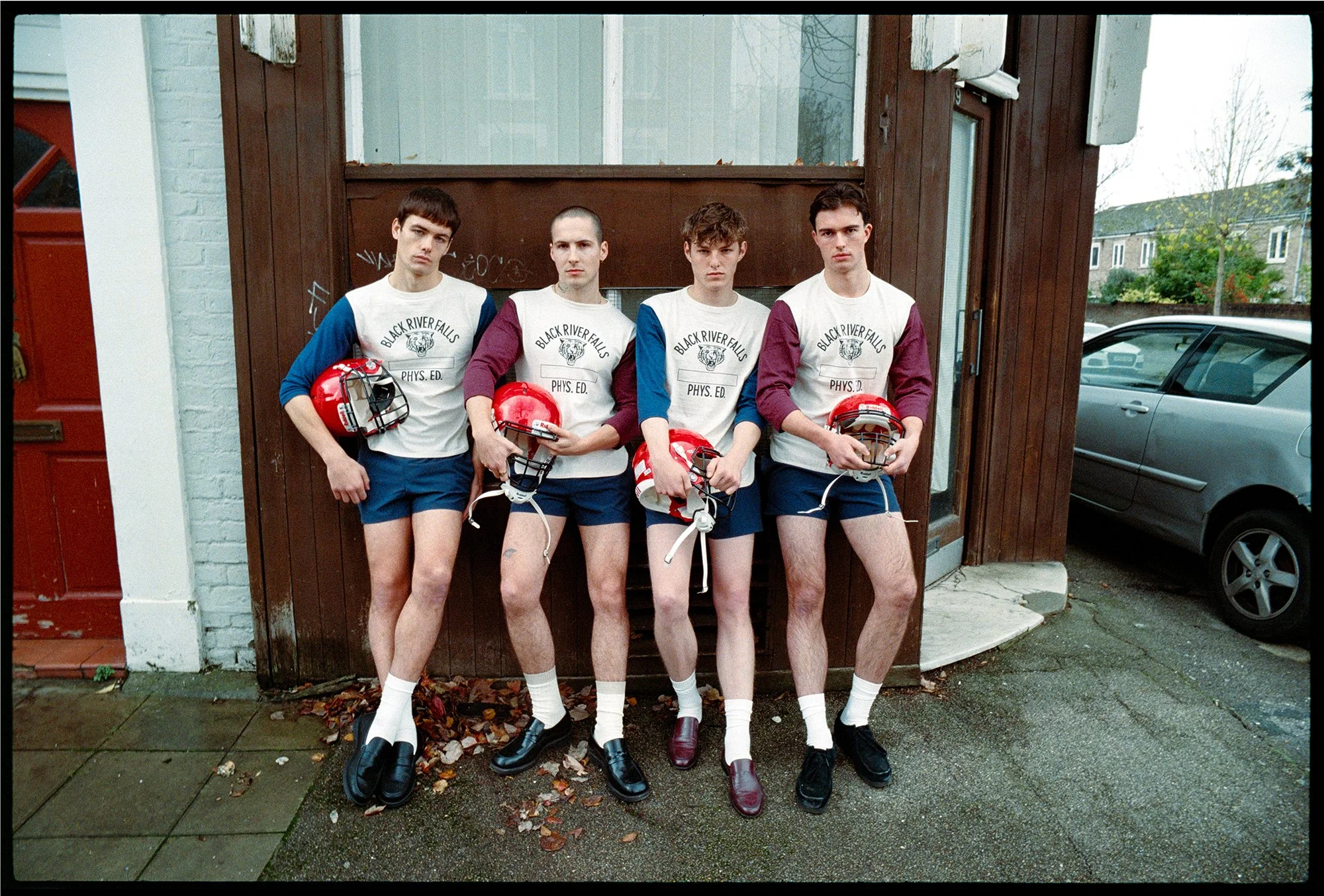
Images: 1-3 - ©debora brune / 4 - akari takenobu / 5 - hongyu jiang / 6-7 - ©marcie docherty
The final show we will mention here and one we almost skipped due to the long lines was We Are Not Alone: Alien Images at La Croisière, but we are glad we didn't. Shown in a former industrial site, it’s a fascinating, archive-heavy group exhibition that juxtaposes fine art with amateur snapshots, exploring how photography has long blurred the line between hard evidence and staged fiction.
Standouts include Gui Christ whose bold colorful portraits bring authentic human narratives to life in this otherworldly show. (We featured Christ in our feature The Manifestation of Mysticism in issue #15) Sacha Goldberger’s cinematic, trope-heavy sci-fi scenes and Douglas Curran, who documented North American flying saucer cults, amateur rocket builders, and homemade landing sites over several years also act as visual counterpoints to the diverse show. NASA features heavily in the archival material, while others in the exhibit focus on showing what is not seen. Above all, the exhibition exposes how easily photographic "truth" is fabricated. Even if you have zero interest in UFOs, don't miss this one.
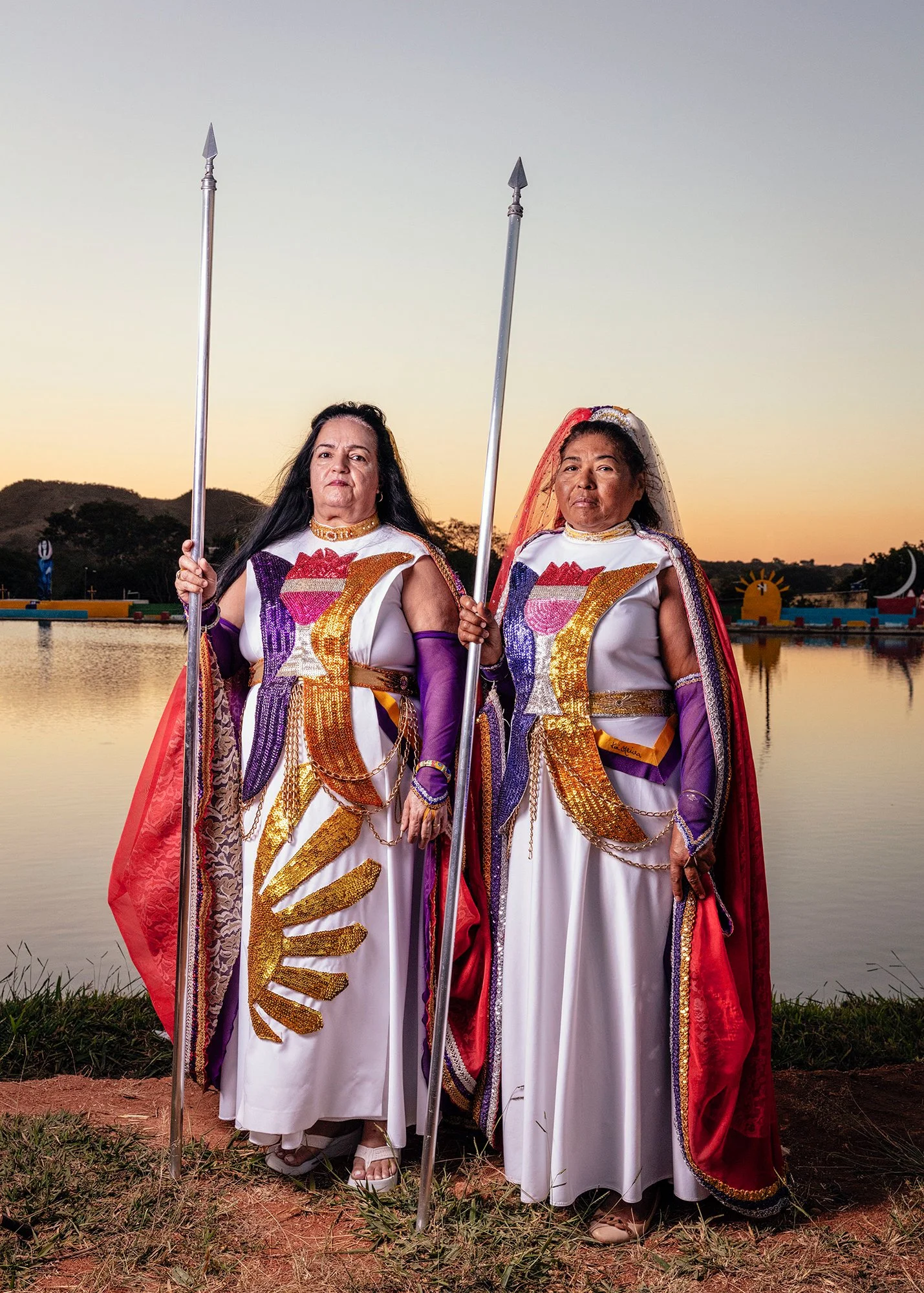
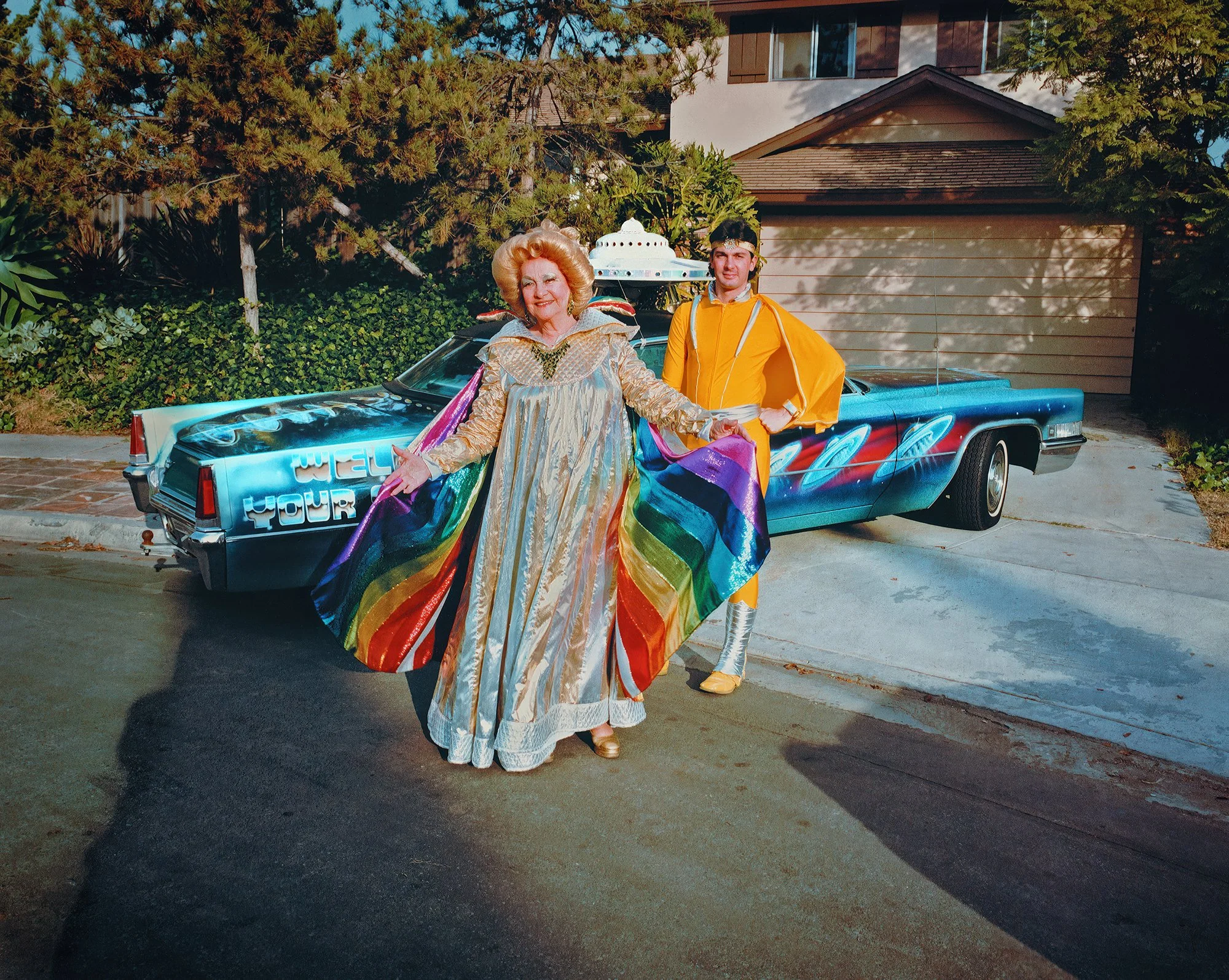
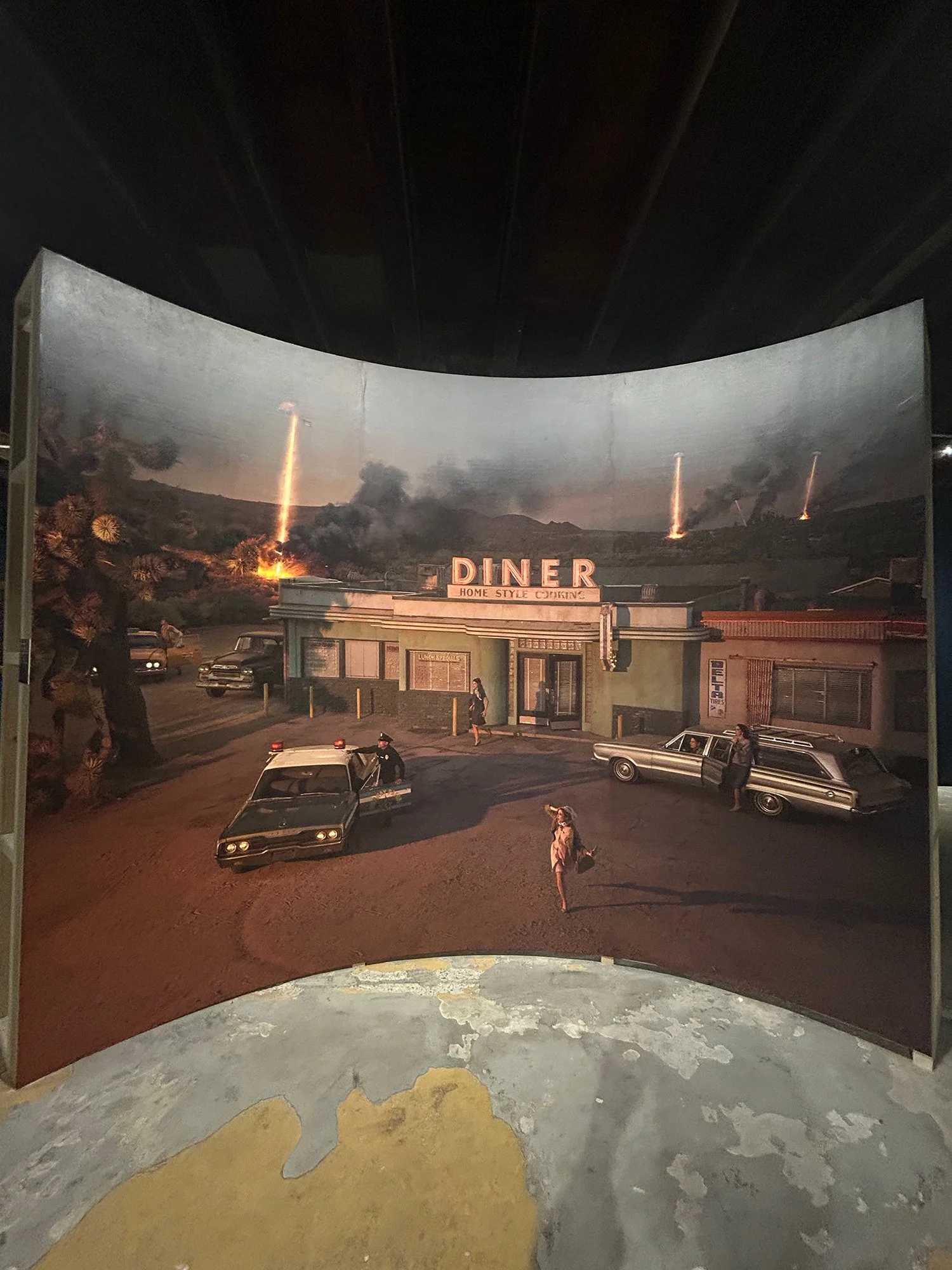
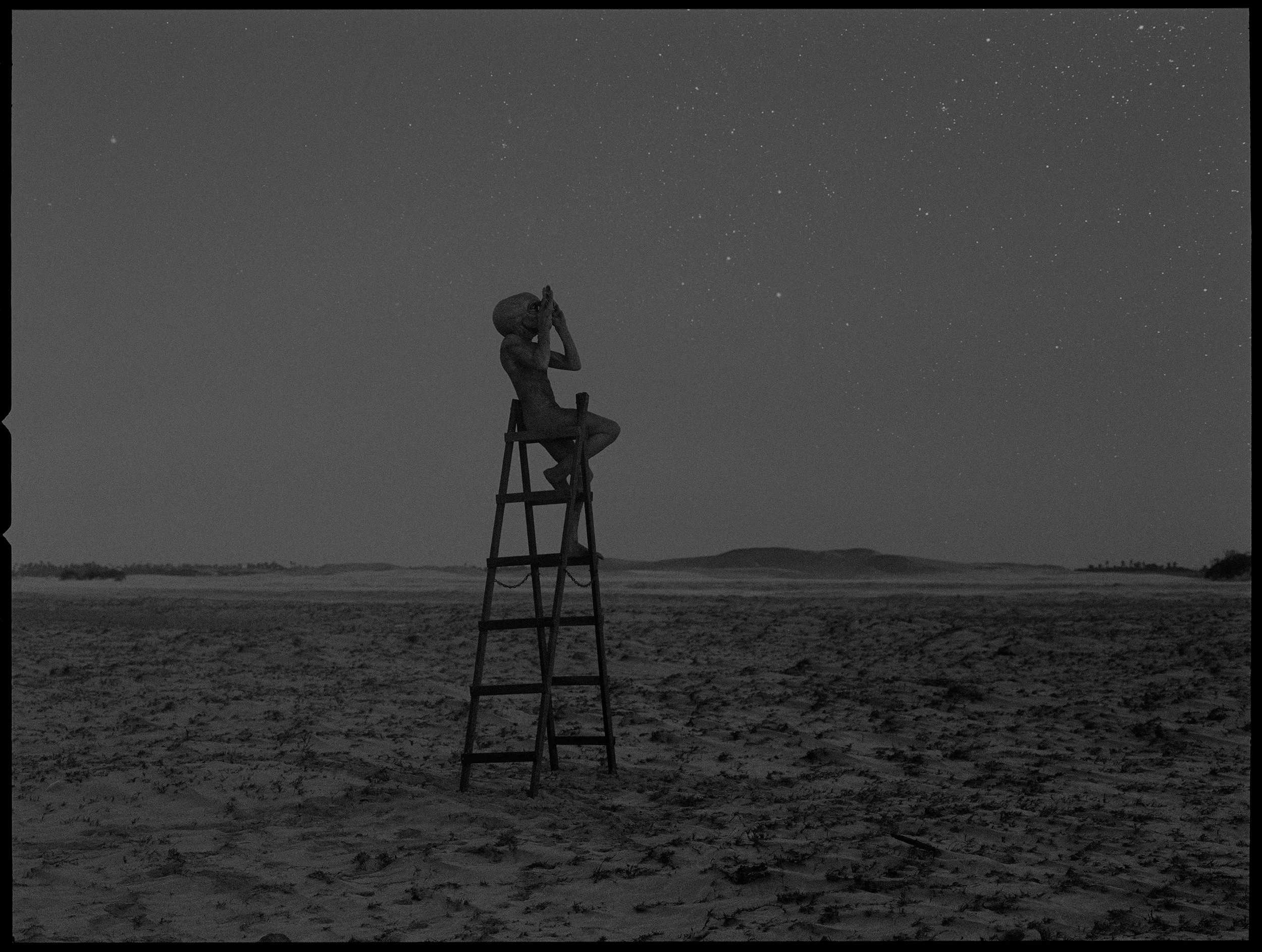
1 - ©gui christ, sunrise valley / 8 - ©douglas currin, ruth norman also known as “uriel”, founder of the unarius academy of sciences, el cajon, california, 1981 / 9 - sacha goldberger / 10 - ©sacha goldberger, home, series i want to believe, 2020
It’s hard to fathom Arles unless you go there and it is well worth the trip. Ultimately, Les Rencontres d'Arles is far more than a simple photography festival—it is a physical experience where the art is inseparable from its surroundings. It is inspirational! Its magic hinges on how images inhabit the town itself - converting ancient Roman ruins, 19th-century rail yards, quiet stone chapels and random street corners into active stages that disrupt how we look and move.
Whispers of shifting the festival off its traditional summer calendar feels like an inevitable necessity rather than a simple schedule change. Escaping peak summer heat would give audiences the space to truly take in these powerful shows without battling the elements.
Interview - Alessandra Chiericato
Curation: L’Image Cannibale
1 - Upon entering your show The Cannibal Image, you feel lit up and completely untethered from the world you just left outside. How did you achieve this thrilling and rigorous show and what response do you want people to have when they enter the space and again when they leave the space?
The Cannibal Image is based on a question that has fascinated me for a long time. What is the relationship between photography and reality? Instead of seeing photography as something that represents the world, I have become interested in how photography can absorb it, transform it, and give it a new presence. This is why I use the idea of cannibalism as a metaphor. To me, photography is an active presence, one that feeds on reality rather than simply recording it. In The Cannibal Image, photographs are living bodies that occupy space, confront the viewer, and almost seem to return our gaze. The exhibition is built around this tension, encouraging visitors to consider what they are looking at more than passive objects. Another question was, is photography a trace of reality, or is it already another reality? I believe it is both. The moment the camera captures the world it transforms the way we perceive it.
This idea is conveyed through the artworks in the space of Chapelle de la Charité in Arles, an ancient church, today hosting exhibitions. I imagined the exhibition itinerary as a climax from darkness to revelation, where the image slowly takes a physical presence in space. You can feel it while entering step by step into the space facing the work by Aapo Huhta. In Figure #82, an anthropomorphic figure appears to emerge from a dense, impenetrable fog. Tangible and evanescent, it reveals itself as a spectral presence, a fragment of energy in transit. No longer a descriptive tool, the image becomes an unstable material and a space of transformation. This is the beginning of something that one can perceive in the entire exhibition. Like an endless parade of passersby or flashes of light from another world, these images, these bodies, present themselves to the viewer who’s invited to cross the threshold where the imagse become flash.
Although The Cannibal Image takes place in such a space, this is not intended to be a religious experience. Thus, the architecture simply creates an atmosphere that intensifies even more this idea of embodiment. So, as visitors enter the exhibition, I hope they immediately feel they have stepped into a different space, one where images exist and have their own agency. By the time they leave, I hope they carry more questions than answers. Rather than offering a definitive statement, I want the exhibition to open up a reflection on how photography shapes the way we experience and understand reality.
2 -You were awarded the 2024 Curatorial Research Fellowship of Les Rencontres d'Arles for this project The Cannibal Image. What specific image, text, or research finding first set the concept for this show in motion?
The starting point for this research is not a photograph, but an image that comes from literature and that has deeply shaped my reflections since I was a teenager. I am referring to Conte Ugolino della Gherardesca, whom Dante Alighieri encounters in Canto XXXIII of “Inferno”, in the act of gnawing on the skull of Archbishop Ruggeri degli Ubaldini. Count Ugolino was a 13th-century Pisan nobleman who was imprisoned and then condemned to starve to death along with his sons. In the poem, Dante seems to suggest that Ugolino, consumed by hunger, ended up eating his own children and that is why in this Canto he is portrayed with his teeth in the skull of his enemy, the man he holds responsible for his fate. This episode takes place in Anténore, the circle of Hell reserved for traitors to their country or their political party. Here, the human being is reduced to his most bestial nature, to the point of committing the ultimate act of cannibalism. But this scene is not merely one of horror. For Dante, it also serves as a political commentary. Through Ugolino’s fate, the poet denounces the conflicts and betrayals tearing apart the Florence of his time. Ugolin’s soul thus continues to re-enact his story eternally. It endlessly devours the one it blames for its downfall. His act transforms the past into a living image, where memory, violence, and history remain inseparable. It is precisely this idea that interested me, that of an image that does not merely represent reality, but embodies it, reactivates it, and consumes it forever.
This image was as the starting point for the exhibition precisely because it already contains a reflection on the nature of the image. Ugolino is a shadow, an image of a body, and at the same time a presence that still embodies a story and a trauma. Through his gaze, Dante portrays a tension between reality and representation, between the physical body and its image, which it is very much present in our interaction with images today. As art historian Hans Belting noted, images seem to take the place of the body, yet at the same time maintain a distance. It is precisely this ambiguity that interests me. The image survives reality and incorporates it to itself, but never completely coincides with it.
3 - Arles is famous for its eclectic array of exhibition venues. How did you land on the Chapelle de la Charité for this show, and what were the delights and challenges of curating within a site with such history and architecture?
This exhibition had actually been conceived for an imaginary space. The festival has a number of permanent venues it uses every year, but others spaces depend on a series of circumstances beyond the organization’s control. Luckily, this location happened to be available, and perfect for hosting this project. I found out about it fairly late, though, in January of this year. I confess that, at first, I was scared. It’s not an easy white cube, but a historic Baroque building, extremely imposing and commanding: the carpet, the side chapels, the altar… I was afraid the artworks would be overwhelmed by all of this. We also faced several restrictions imposed by the city council and the fine arts commission. The altar had to remain visible, as well as several other parts of the church. The artworks were meant to engage with the architecture and not hide it. So, I worked with the scenographer Amanda Antunes and the production manager Emma Hennegrave on an exhibition design that would highlight the artworks without sacrificing the context. The result is a display that follows the layout of the church and invites a two-way reading: from the entrance to the altar and from the altar to the exit.
4 - Your curation across the range of works and mediums is so compelling that it’s easy to overlook the beauty of the space itself—until we are led directly to the Baroque altarpiece behind Lucile Boiron’s work. What led you to place Boiron’s work at the altar and how did you create a dialogue among eight such distinct, powerful artists and spatialize the rest of the show?
Lucile Boiron's work occupies the altar because, for me, it represents the culmination of the exhibition. I have been following her practice for several years, but it was especially after seeing the installation she created at Musée Guimet for the 2022 Lyon Biennale that I hoped to exhibit her work one day. When I first saw the Chapelle de la Charité space, I immediately felt that the altar was the most meaningful place for her work. In Mater Porosa, the installation conceived for this space, the image seems to overflow its own limits. It expands, breathes, dissolves, and almost liquefies. The image becomes something deeply physical and tactile. Placing it on the altar transforms the end of the exhibition into a moment where the image is no longer simply represented but fully embodied in space. The Baroque altarpiece behind it reinforced that idea of incarnation without turning the exhibition into a religious statement. This was crucial to me also because her work is the culmination of a second theme that runs throughout the exhibition: the representation of the body, and more specifically, the female body. A body that overflows, that distorts, that appears and then disappears. A body that is flesh and guts. Thus, the show progressively speaks about body, intimacy, and identity. The body is central because the cannibal image is itself a body, one that absorbs other bodies, or rather their representations, transforming and reincarnating them into new forms. Intimacy naturally follows, since every representation of the body involves closeness, vulnerability, desire, and memory. Identity then emerges not as something fixed, but as something continuously constructed through this encounter with the gaze. Photography, installation, video, and sculpture all contribute to making the body of cannibal image becoming a physical presence in its own right.
Embodiment guided the entire exhibition. At the beginning of the exhibition, works by Aapo Huhta and Henriette Sabroe Ebbesen introduce images that seem to emerge from another world. Their photographs appear almost ghostly, inviting viewers to question where these presences come from while establishing an oscillation between appearance and disappearance. As visitors move further into the exhibition, the relationship between image and viewer becomes more direct. In the works of Melissa Boucher Morales and Orshi Drozdik, the image not only asks to be looked at, but also makes us aware of our own act of looking. The viewer is invited to reflect on desire, intimacy, and even voyeurism. This reflection then shifts toward the image itself as a fragmented body. Eli Craven and Camille Benarab Lopez challenge the traditional limits of the photographic frame, allowing the image to extend beyond its borders. The frame no longer acts as a window onto reality but becomes part of the image's own body, revealing hidden layers, memories, and unconscious associations. Finally, this fragmentation reaches its most tangible expression in the works of Dune Varela and Lucile Boiron. Dune presents printed images of sculptural fragments that blur the distinction between photograph and object, while Lucile pushes this transformation even further. Her work becomes porous, tactile, and almost organic, immersing viewers in the materiality of the image itself.
This progression, from apparition, to encounter, to fragmentation, and finally to embodiment, is the underlying structure of the exhibition.
5 - What can we look forward to seeing from you next?
For now, I’m focusing on writing another curatorial project that explores the forest, female solitude, and outlaws. I’m also working on several projects for the bicentennial of photography. Not actual exhibitions, but meetings, dialogues, and exchanges. So, stay tuned ☺