
fotofestiwal łódź 2026
Now in its 25th year, Fotofestiwal Łódź, organized and curated by a collective team, stands as one of the longest-running events on the European photo festival circuit. Set in central Poland, this year’s program tackled a variety of contemporary issues. At its core was the headline themed exhibition We, Animals, which invited photographic responses examining the deep, complex, and often contradictory relationship and mutual gaze between humans and animals. This was complemented by explorations into the climate crisis, AI, and the state of democracy.
Łódź is a former industrial hub for cotton production and home to a prestigious film school whose alumni include leading creative forces of Polish cinema, such as Andrzej Wajda, Krzysztof Kieślowski, and Roman Polanski. The festival takes place across the city in varied locations - ranging from revitalized 19th-century factories to a disused 1930s indoor swimming pool, a grand palace, and galleries scattered around the city.
In addition to the impressive slate of 50 photography exhibitions, the opening celebrations featured a mesmerizing visual and musical collaboration between Hania Rani and Sir John Akomfrah: Listening All Night To The Rain. Akomfrah’s work was originally commissioned to represent Britain at the Venice Biennale in 2024 and was presented here to celebrate Łódź Fotofestiwal’s 25th year. Master filmmaker and visual theorist Akomfrah weaves memory and history into unforgettable visual experiences, as evidenced in this multi media video installation in collaboration with award-winning Polish composer, pianist, and vocalist Hania Rani, who composed and performed this intoxicating music to accompany Akomfrah’s work.
Another notable feature was a photobook program focusing on the Taiwanese and Greek photobook scenes, alongside 48 book dummies shortlisted as contenders for the 2026 Dummy Award.
Photomatch, organised by Mafalda Ruão, served as another special event and innovative networking experience. Rather than following a typical portfolio review format, this approach allowed 20 photographers and 20 industry experts to pitch their work in front of a live audience to find their ideal matches. The event was fascinating to witness as the expert-artist hierarchy dissolved and both sides appeared to share the same vulnerable nervous energy.
The opening night party at Biedermann's Palace brought artists and the community together, coinciding with the launch of several major exhibitions—including Augustin Rebetez's immersive exhibit in the attic of the palace. Open to the public, the celebration featured live DJ sets in the palace gardens that stretched late into the summer night. The momentum continued the following evening with the Night of Photography, a free community event that transformed a nearby public park into an open-air multimedia cinema.
Inkubator, a renovated former textile warehouse, hosted the main exhibition We, Animals, as well as the Open Program and Heritage Lens: In this Time of Loss We Need to Imagine.
Feng Li’s delightfully absurd narrative Pig opens the We, Animals exhibition, immediately captivating visitors as they enter the space. His vibrant images tell the surreal story of a piglet abandoned at an airport, rescued by Li’s wife, and turned into a beloved house pet, living alongside his family, including their cat and parrot. It is an infectious, lively introduction that leaves viewers eager to see how the rest of the exhibition tackles the human-animal bond.
Marta Bogdańska delivers a poignant reflection on animal-human interactions with her project Vive la résistance!. Through archival photographs and video installations, she raises a central question - how do we speak about animal resistance and agency? - while challenging the conventional human gaze by presenting animals as autonomous, independent beings.
A different approach appears in Richard Barnes' Animal Logic, a compelling visual study of how museum dioramas frame wildlife. Rather than treating these displays as neutral windows onto nature, his photographs reveal the ways we continuously alter, stage, and construct the natural world simply to observe it. Richard’s photograph, Giraffe is featured as the opener of this issue.
The photographs in Alfio Tommasini’s series Sacro Monte possess a mythical quality, elevating the animals within them to sacred presences. Shot in high Alpine valleys, they serve as an intimate invitation to look inward—a quiet call to reverence and to the preservation of an ancient, enduring world.
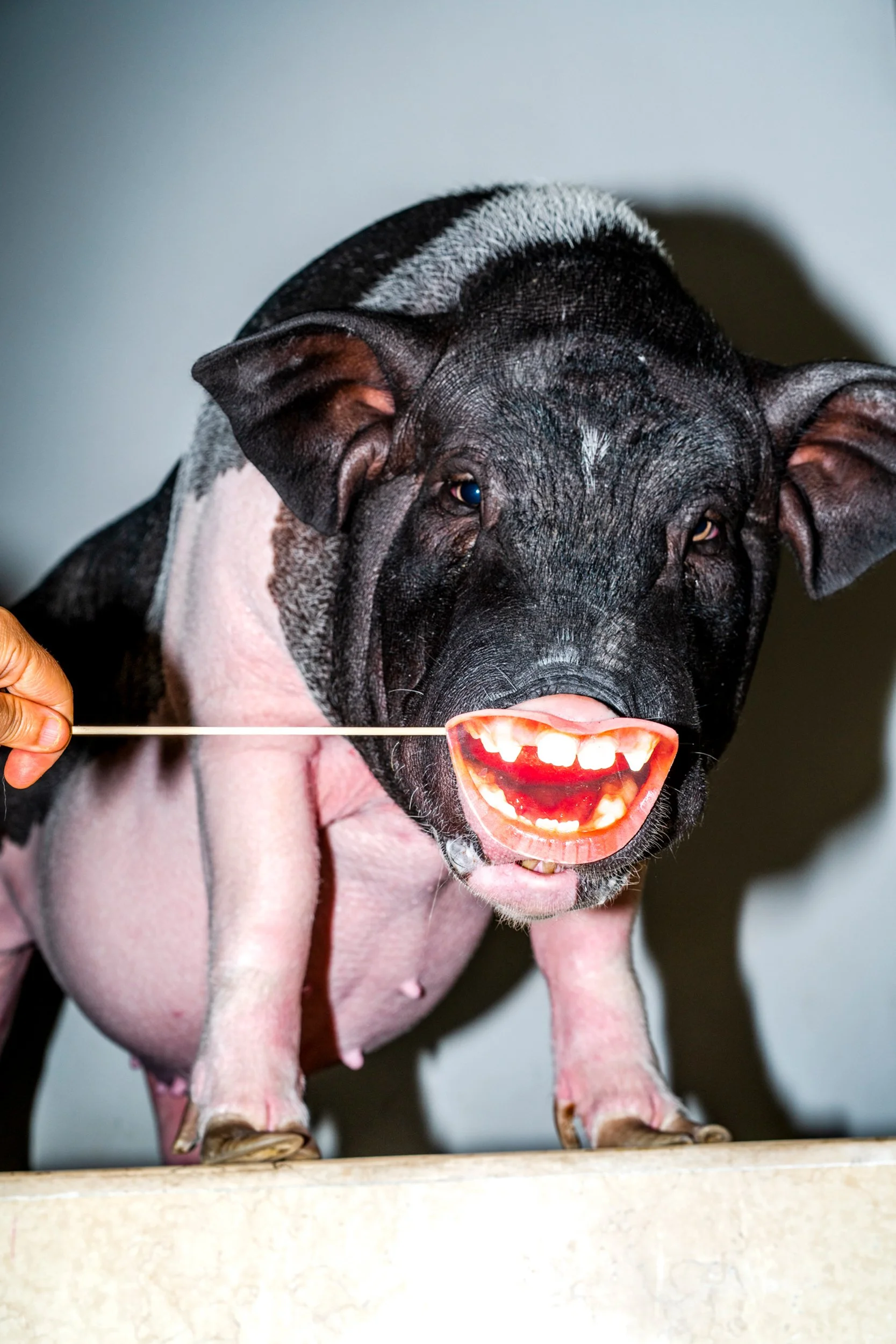

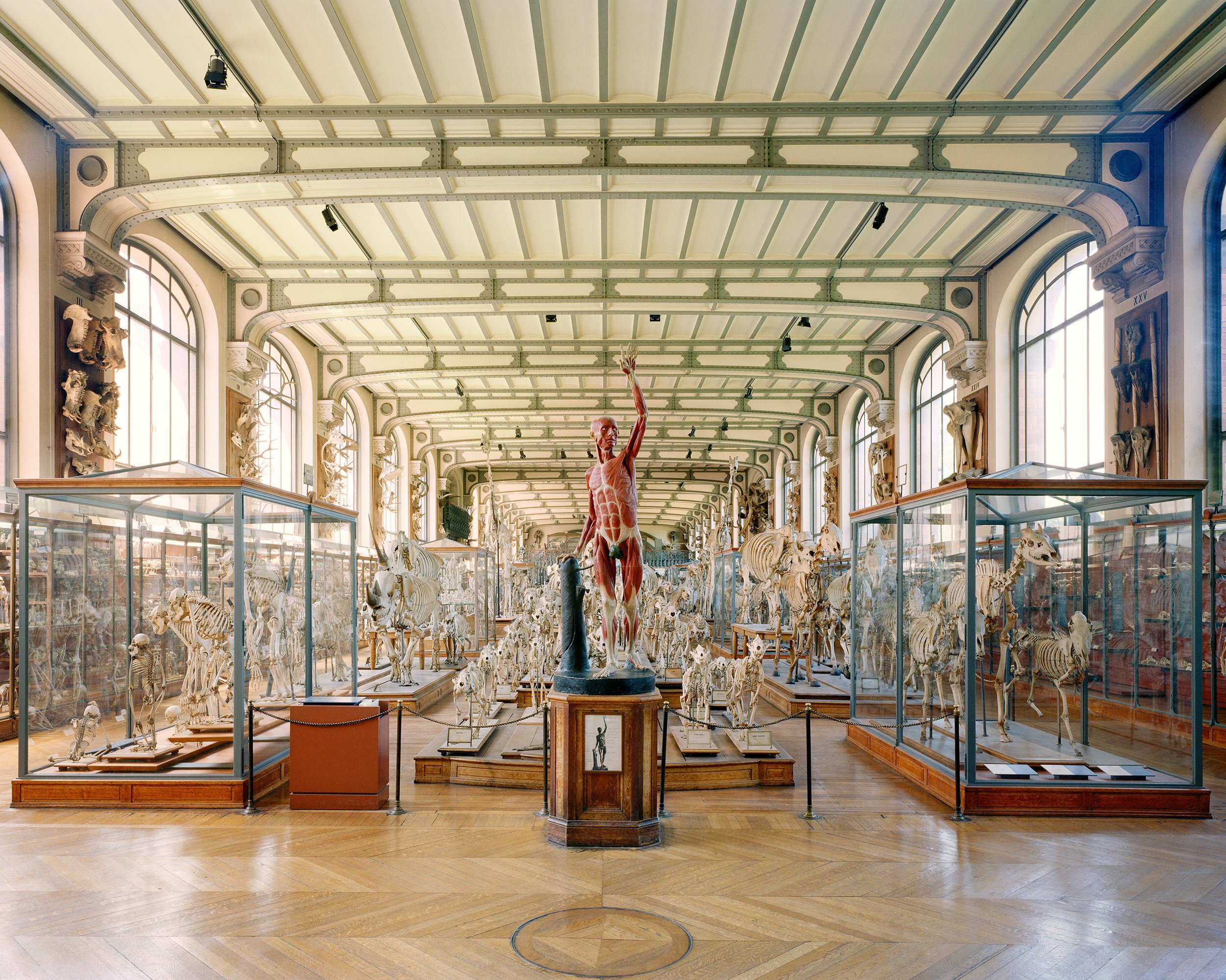
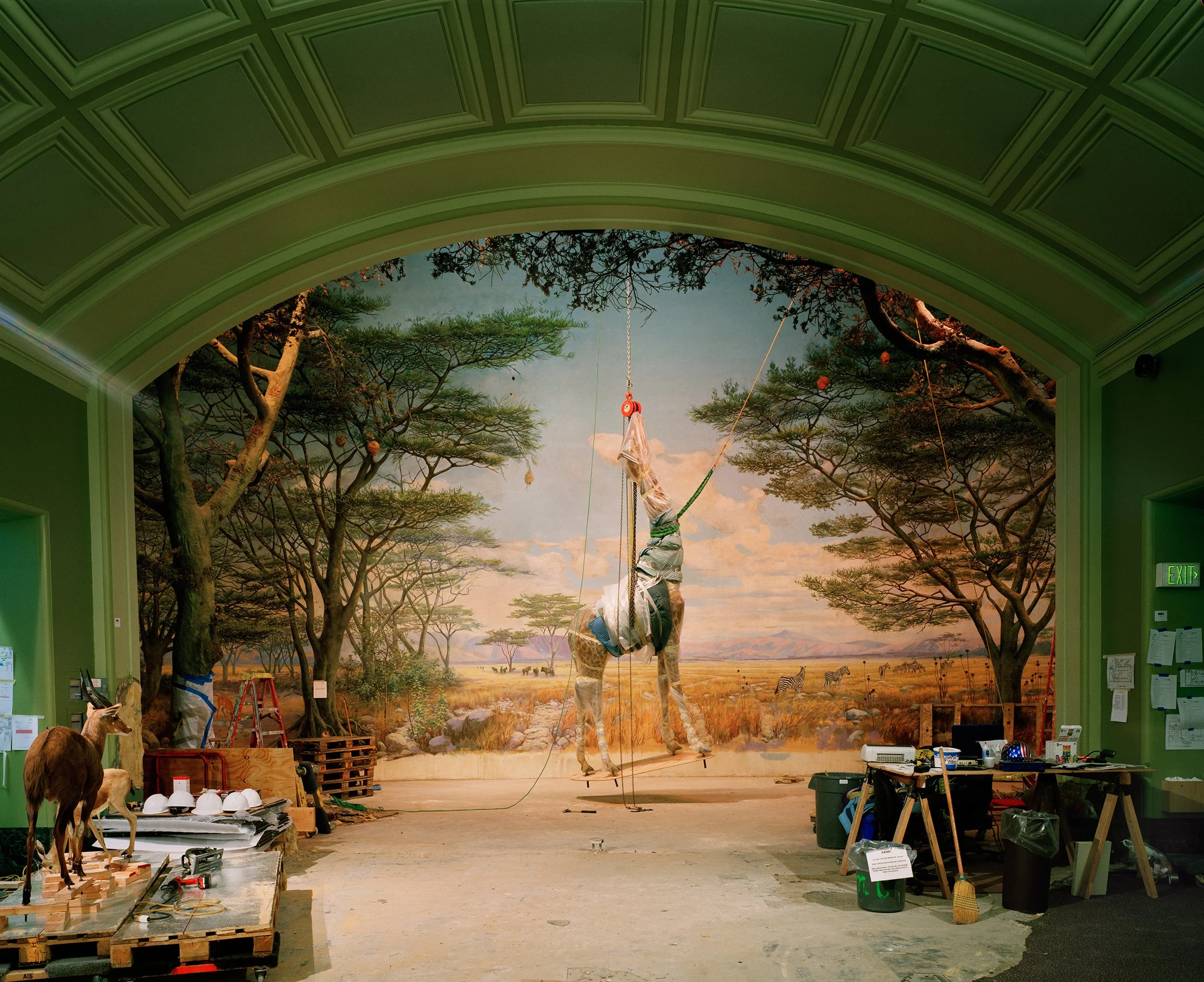
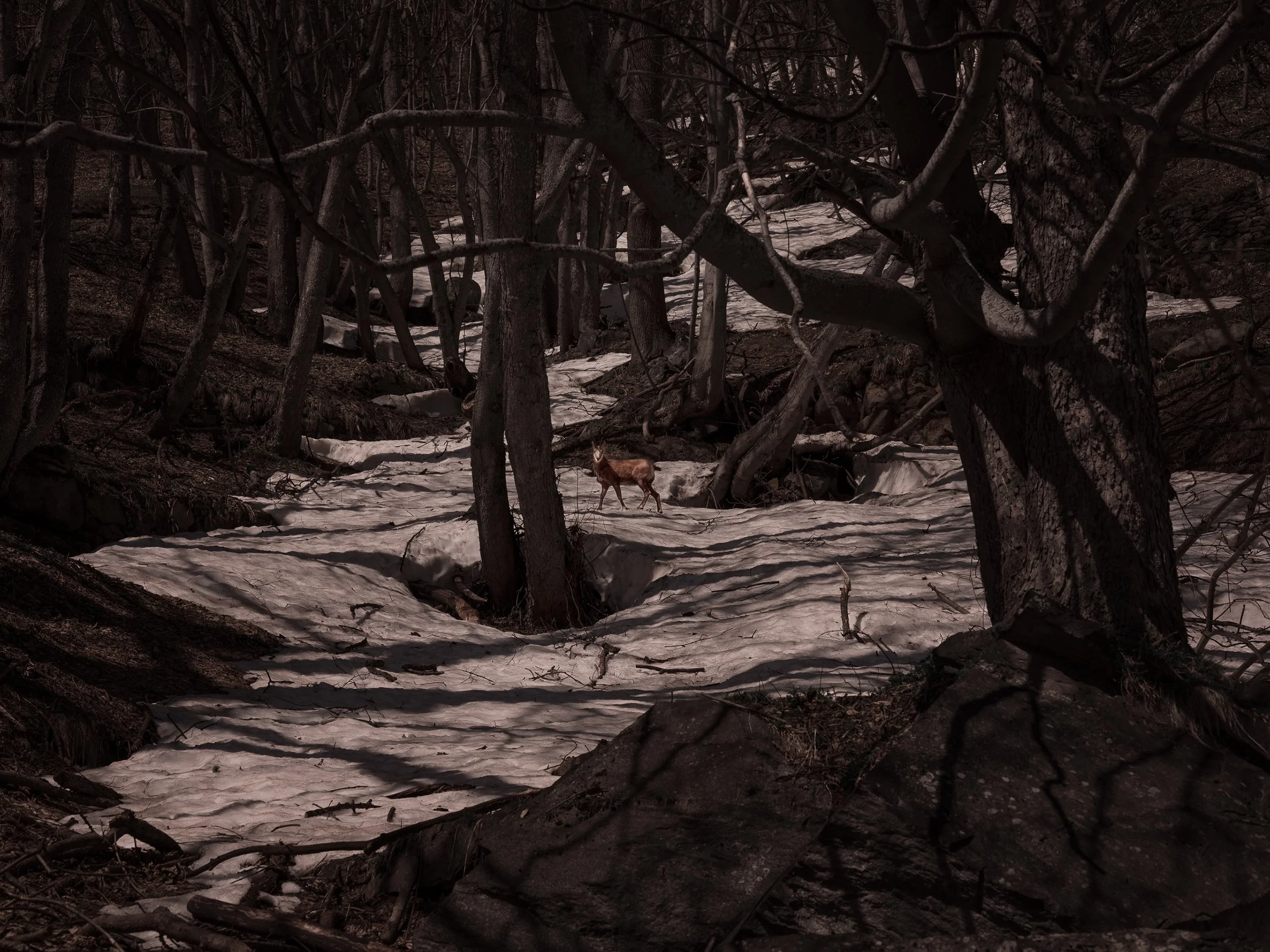
Images: 1 - ©feng li / 2 - ©marta bogdańska / 3&4 - ©richard barnes / 5 - ©alfio tommasini
The exhibition In this Time of Loss We Need to Imagine brings together the results of the Heritage Lens initiative. In this two-year art and education project, 12 artists respond to the climate crisis and its expanding threat to global cultural heritage. All of the artists approach the subject differently: through three-dimensional collages, documentary photography, archival materials, woven tapestries, or images produced using pigment derived from algae they all explore the devastating effects of deforestation and environmental threats while celebrating community spirit and honoring ancestral traditions.
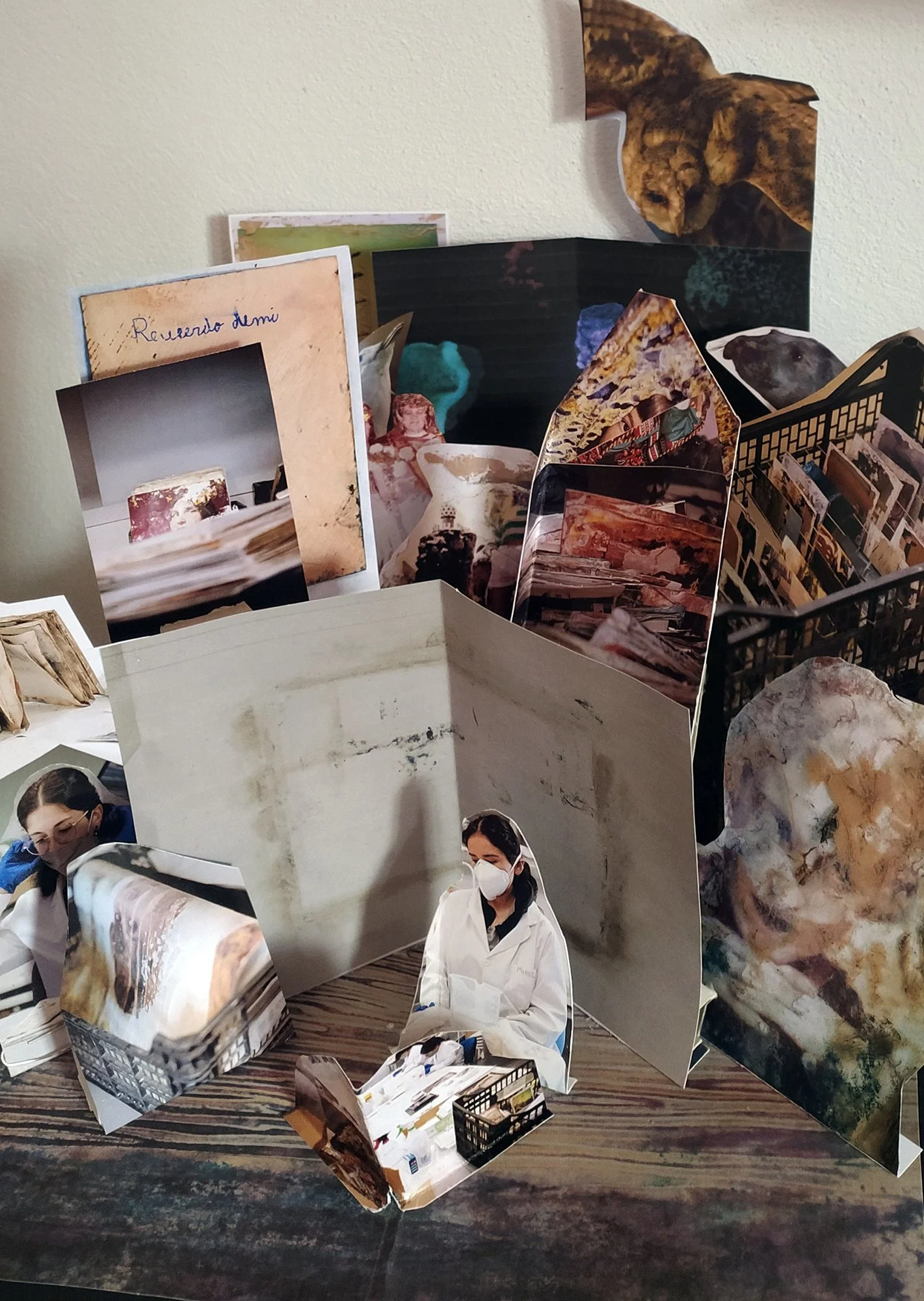

Images: 1 - ©arianna sanesi / 2 - ©pedro marcano / 3 - ©gema galán / 4 - ©katrina rinke / 5 - ©ola skowrońska
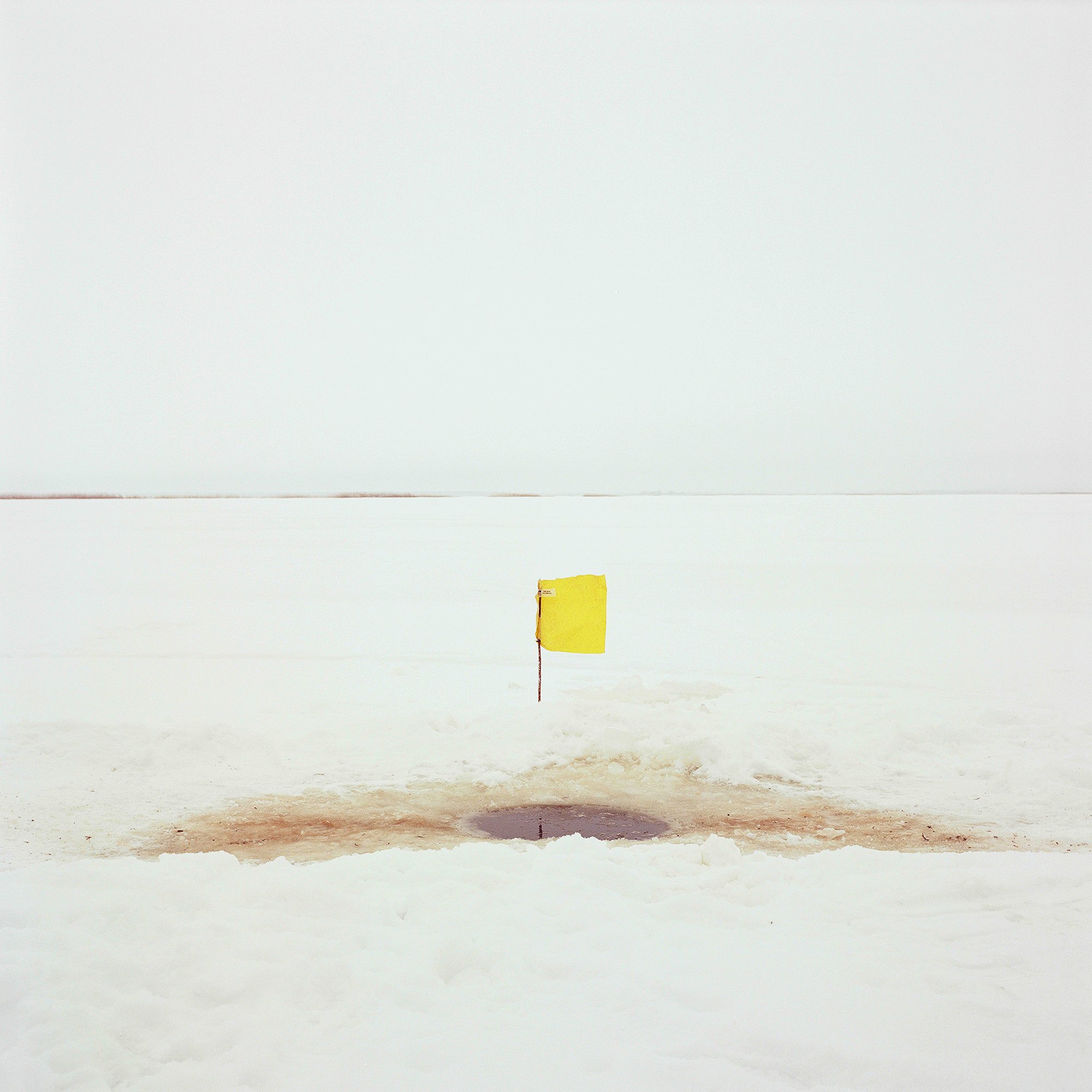
The Open Program offered artists the opportunity to submit work through an Open Call with no thematic limits. Featuring six selected projects with vastly different subject matters, the selection includes work by Jordanian-American photographer Tanya Habjouqa, who has documented Palestinian lives for 20 years. Her work is deeply sensitive to the subtle, everyday realities of living in the West Bank and Gaza; in her project Neither the Shadow nor the Sun, each image carries a story, that is displayed alongside each print.
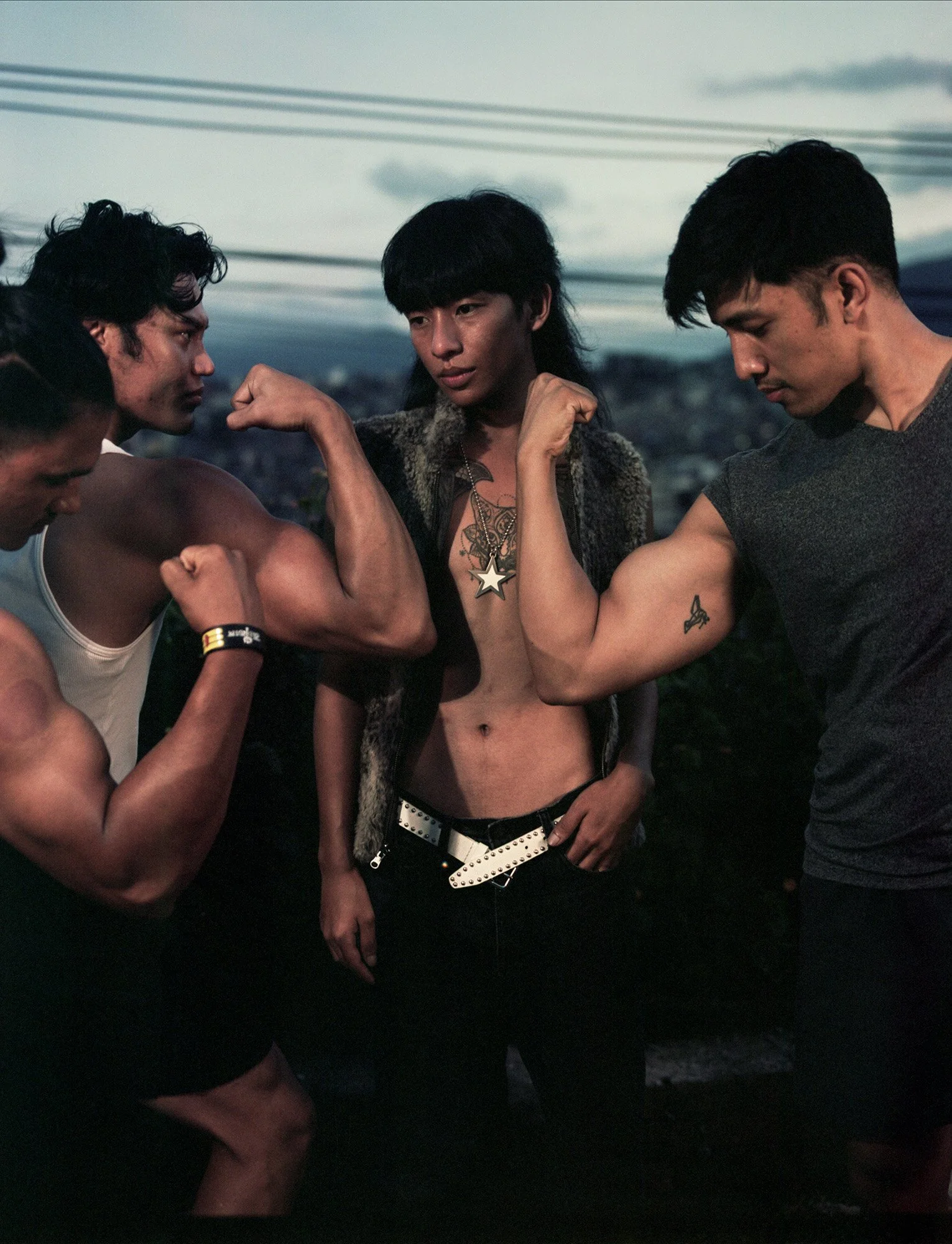
Arhant Shrestha’s project Loose Fist responds to a violent homophobic attack he suffered in his hometown of Kathmandu. He turned to staged photography as a therapeutic process to work through trauma and anger, offering a fresh perspective on male identity through portraits of young Nepalese men in various scenarios.
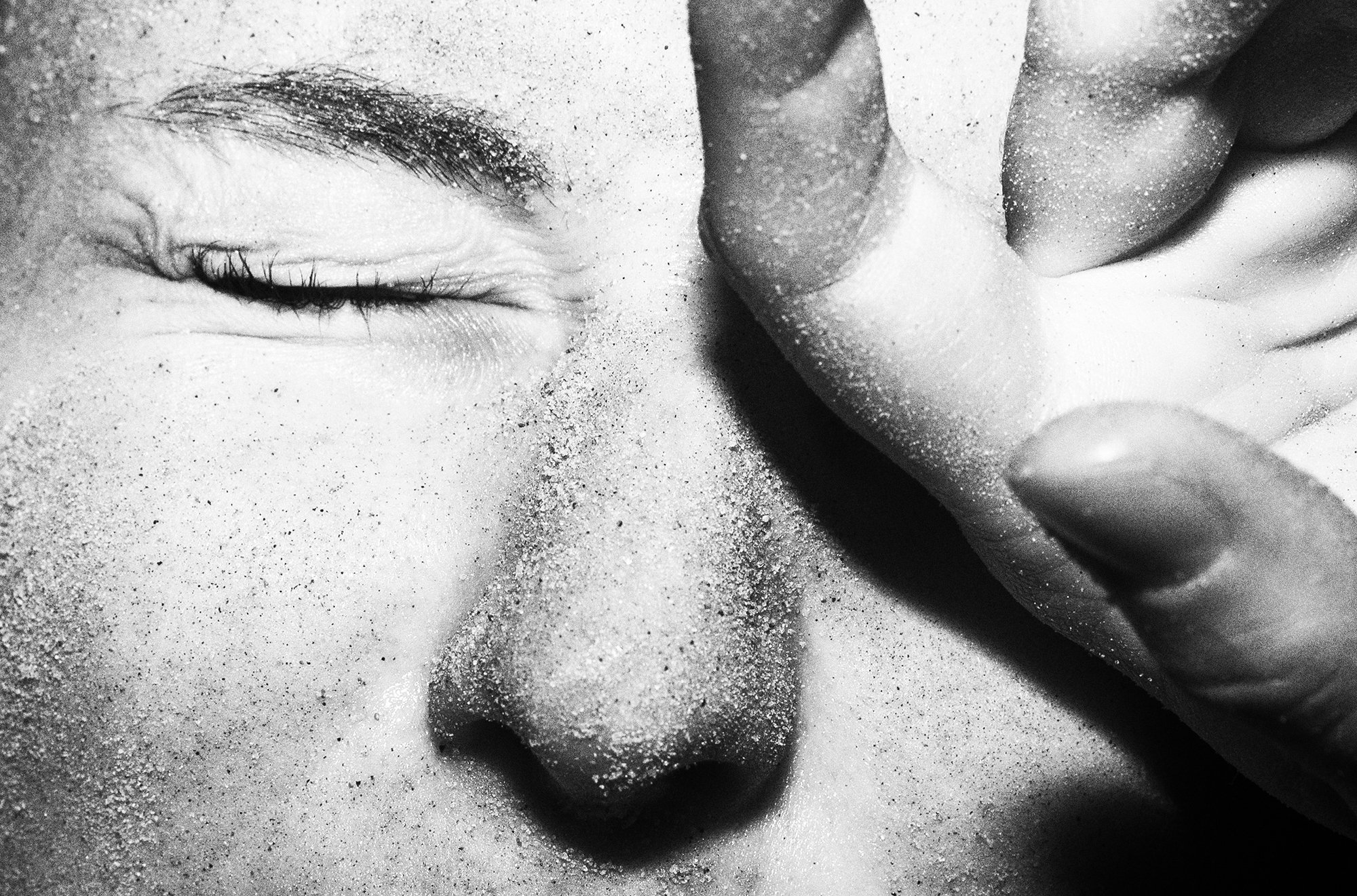
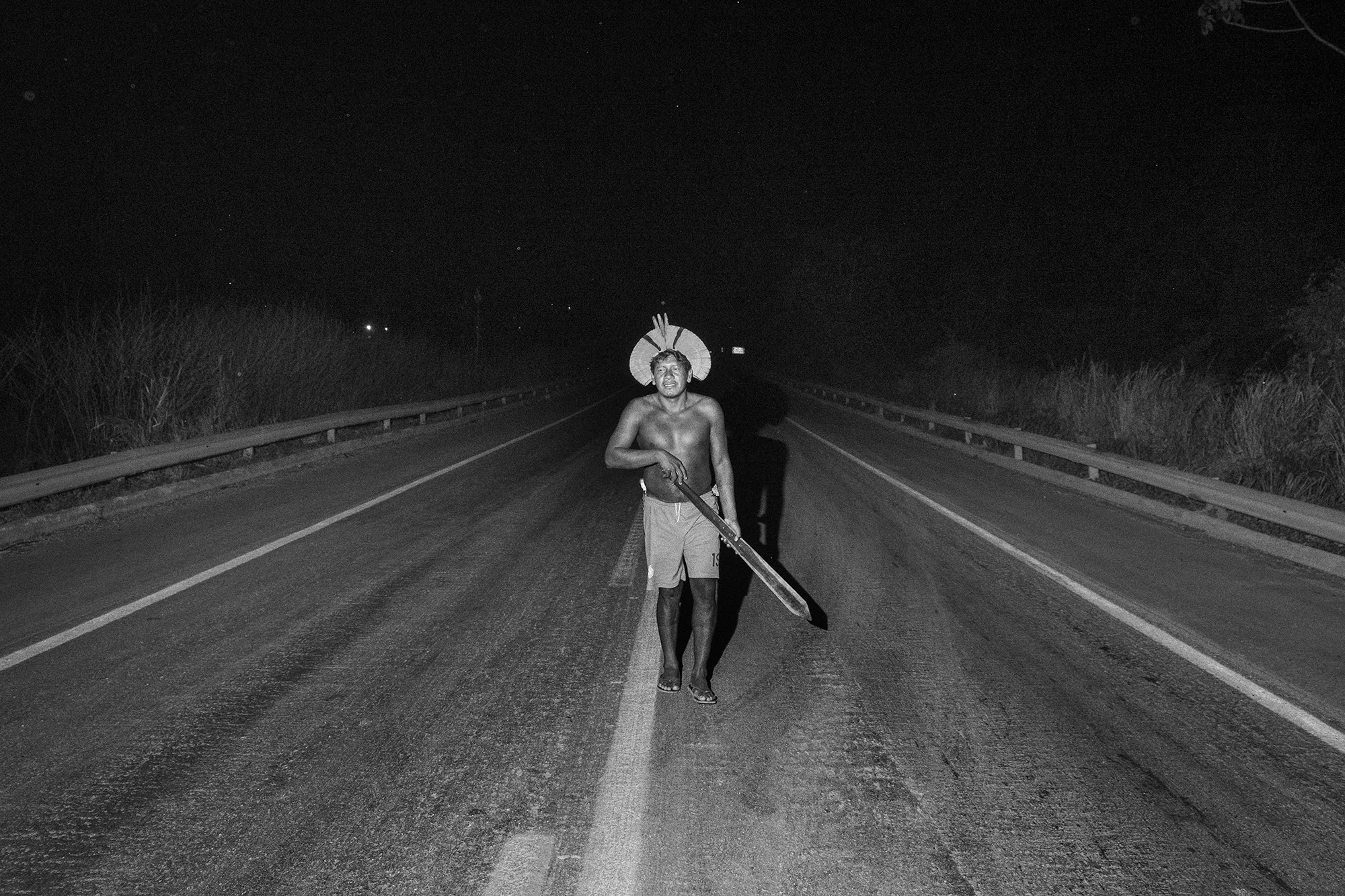
On the other side of the world, the Amazon Rainforest is the subject of Tommaso Protti’s decade-long project Terra Vermelha (Red Earth). Shot largely at night, his high-contrast, grainy black-and-white images avoid the lush, exoticized tropes common in tropical documentary work, portraying the region instead as a lawless frontier shaped by violence, corruption, and systemic poverty.
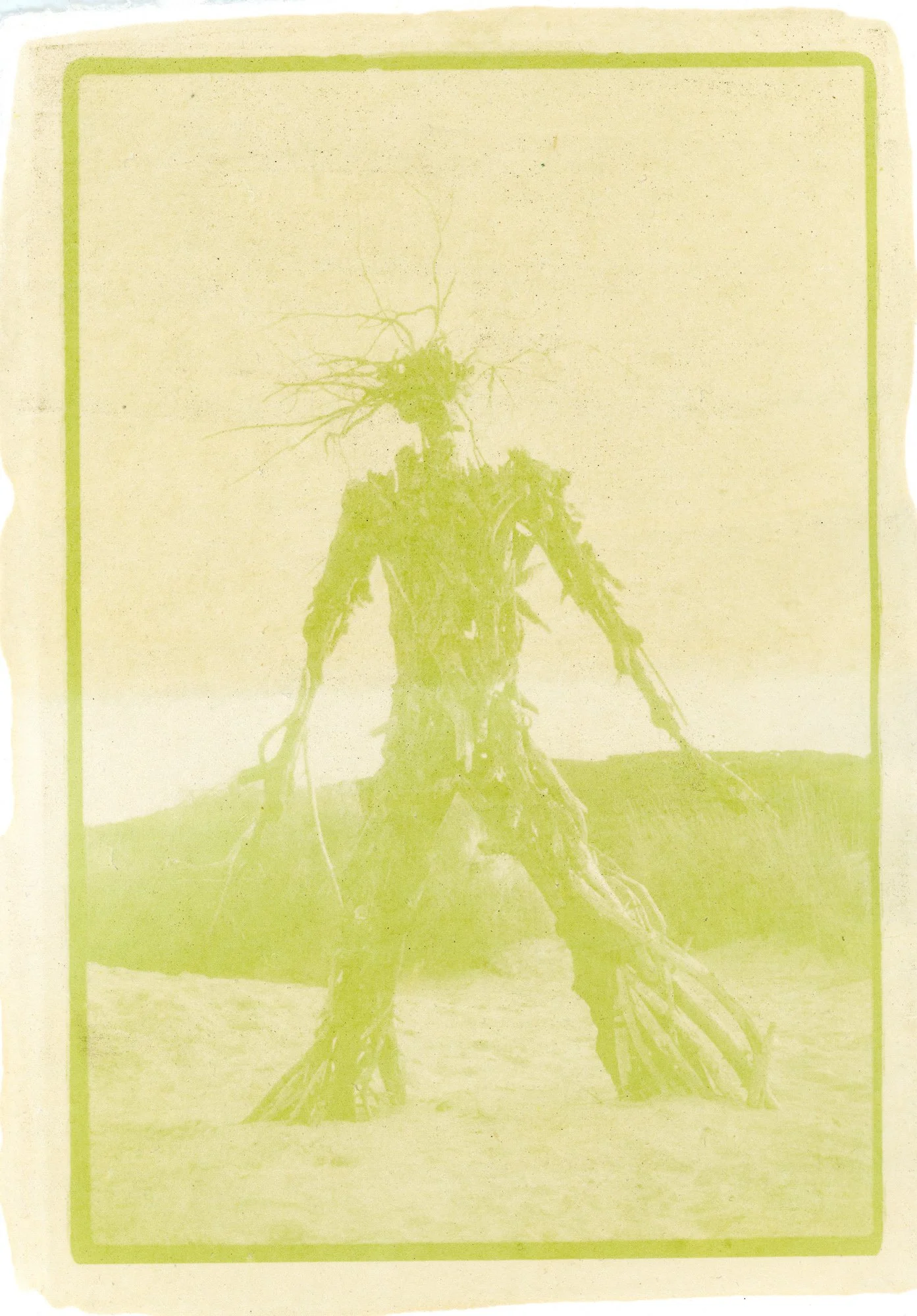
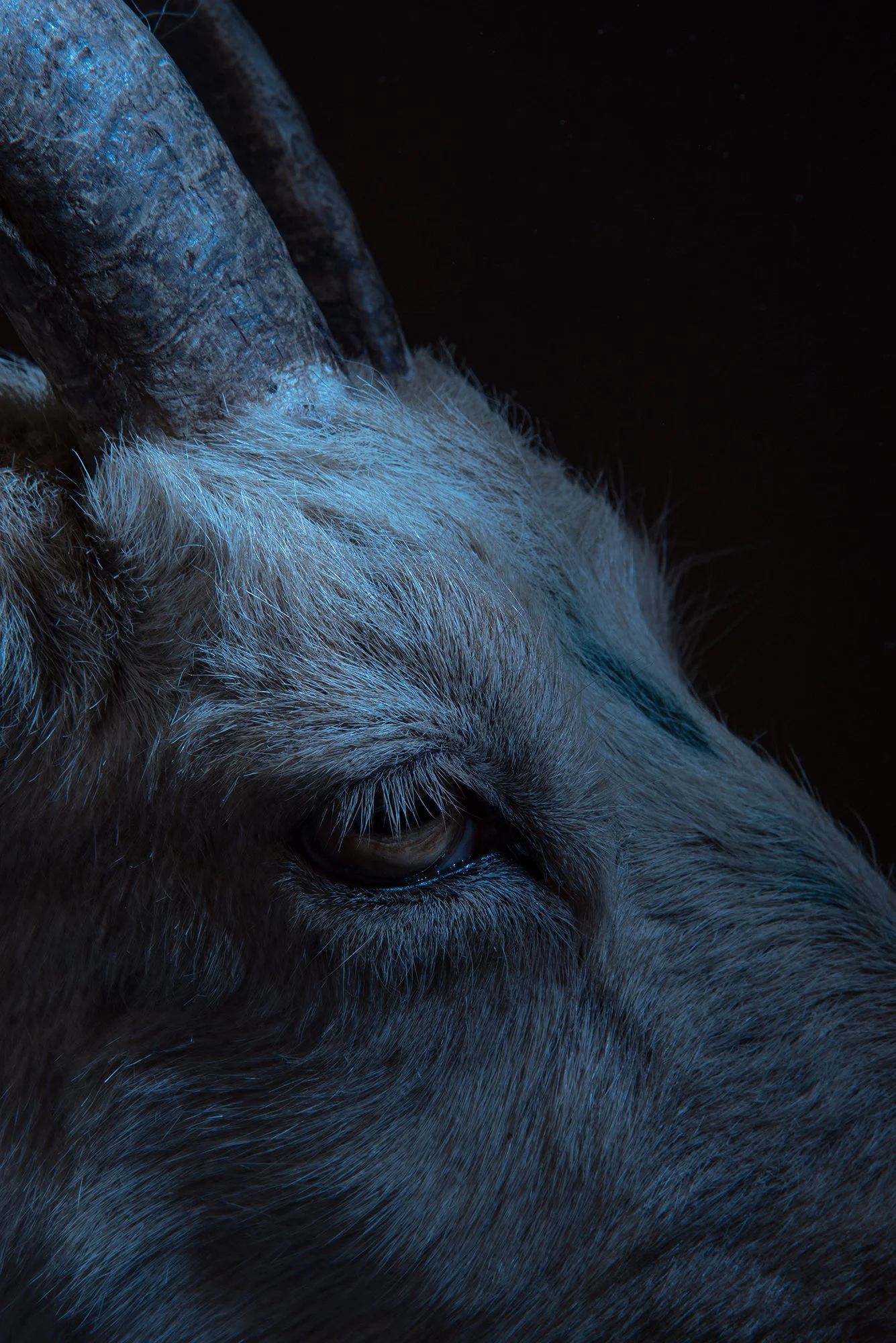
We were also delighted to see Eleana Konstantellos André selected with her project Chupacabra, which we previously featured in The Manifestation of Mysticism in see-zeen issue #15. (see more here).

Images: 1 - ©tanya habjouqa / 2 - ©arhant shrestha / 3 - ©tommaso protti / 4 - ©eleana konstantellos andré
Two other exhibitions that caught our attention were Karolina Wojtas’s FUNreal and Augustin Rebetez’s Vitamin - two installations defined by a raw, unpredictable energy.
At her show, Wojtas - whom we previously featured in see-zeen issue #18 (see here) - presented photographs of objects collected during her recent residency in Taiwan, a three-dimensional collage of religious imagery in the form of an altar, as well as images of bodies mounted on logs. Setting aside an artist statement, she allowed the work to speak for itself.
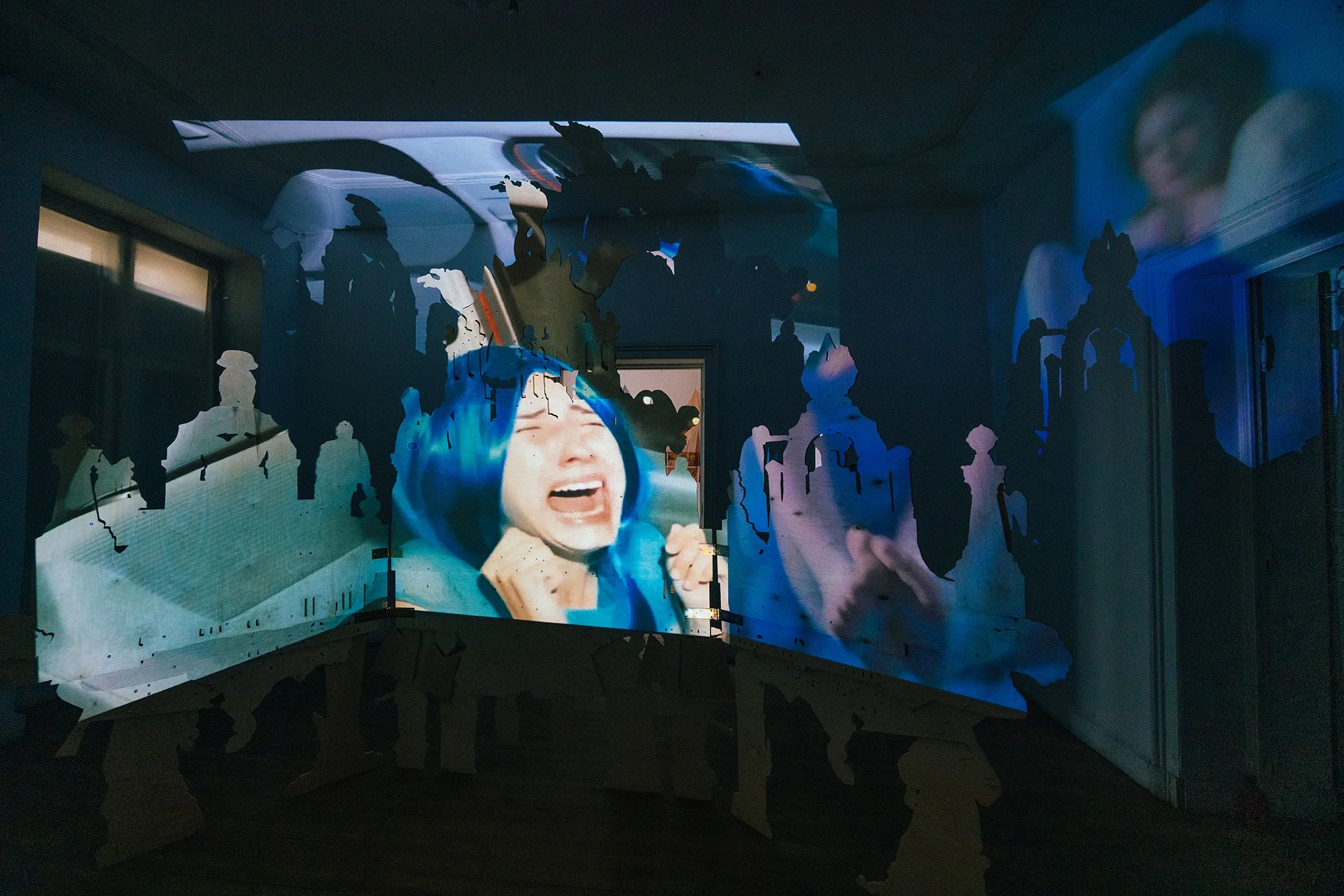
Rebetez took over the attic floor of the Alfred Biedermann Palace, transforming it into a labyrinth of absurd collages, cat photographs, drawings, handcrafted sculptures, videos, and soundscapes. It felt like a cabinet of curiosities where one could easily spend hours absorbed in its strange, captivating world.
It was refreshing to see artists who refuse to play by traditional rules, offering visions that are delightfully chaotic, anarchic, and resistant to convention. Both exhibitions made a strong impression through their unique setups. As AI saturates digital spaces, thoughtful, non-traditional installations offer a physical experience that will be crucial for discovering new photographers in the future.
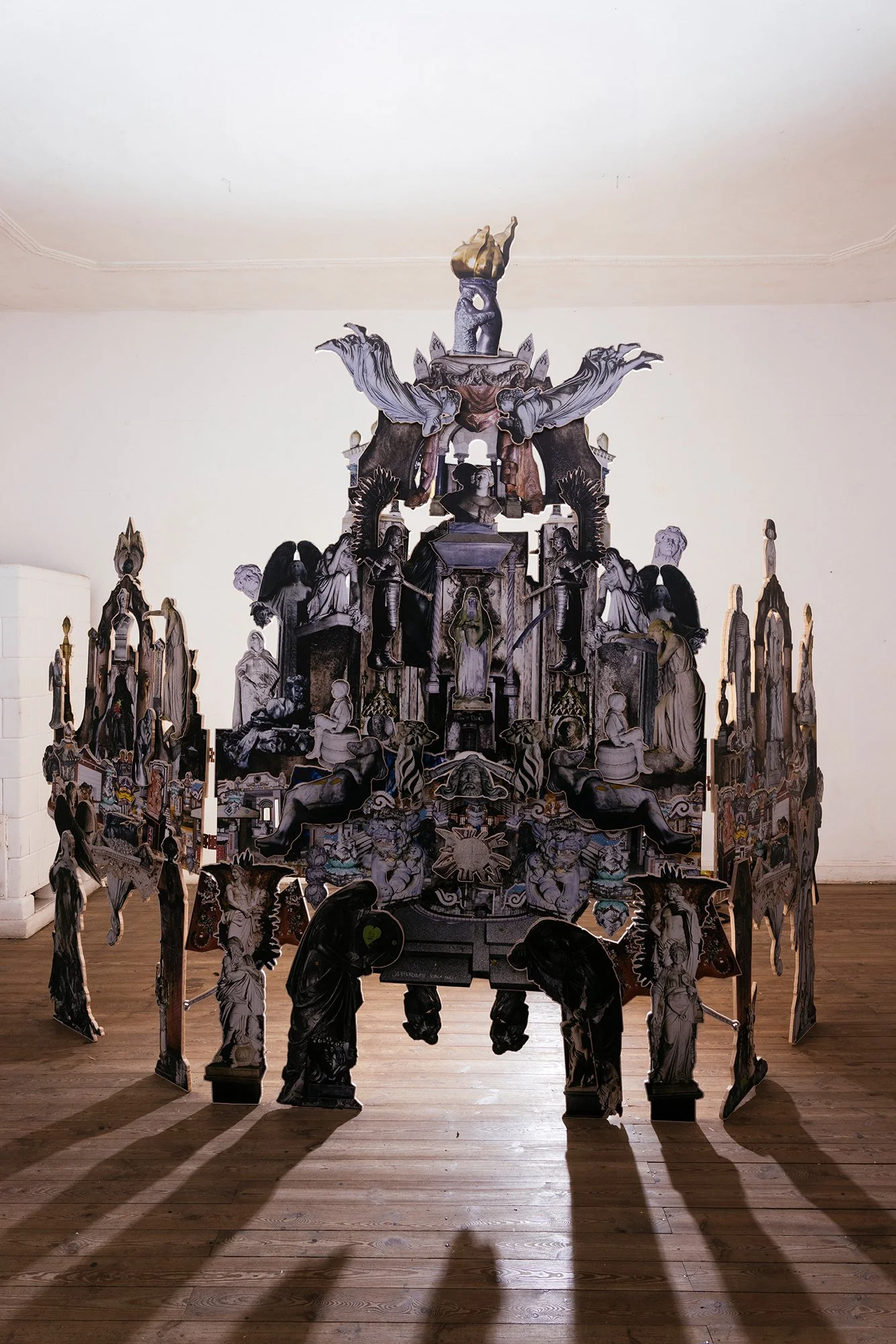
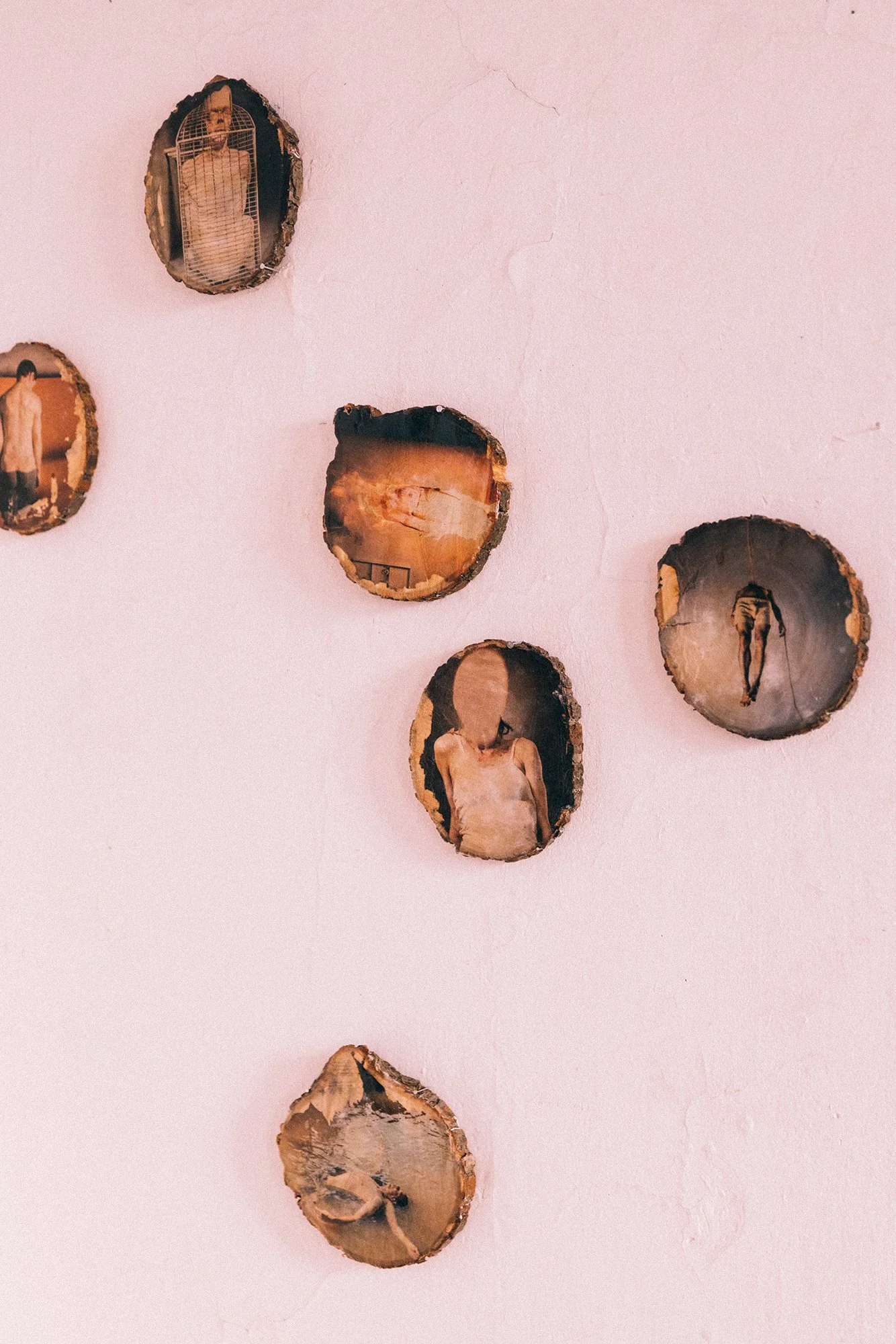
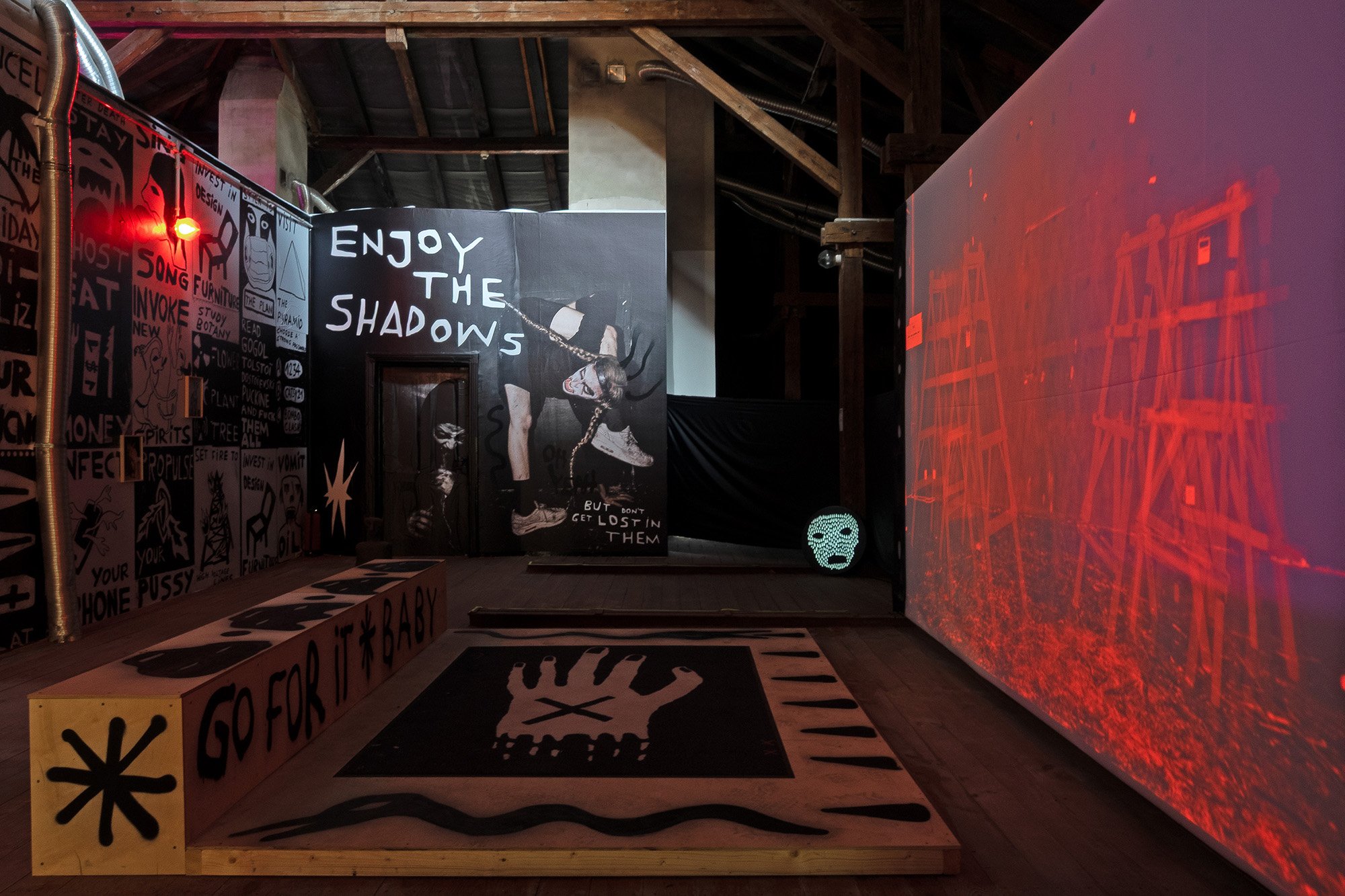
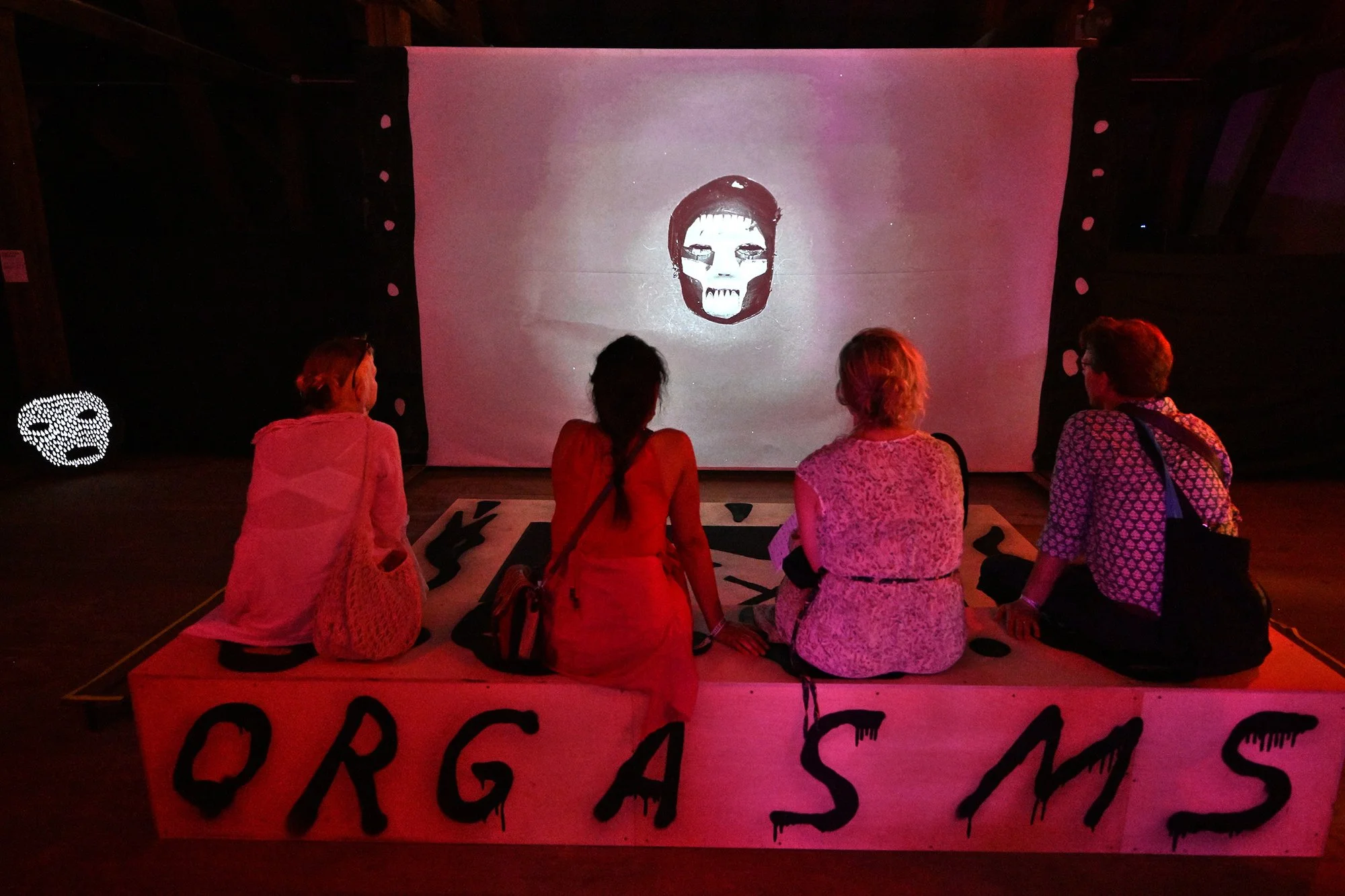
Images: 1-3 - ©karolina wojtas / 4-6 - ©augustin rebetez
In sharp contrast to Wojtas and Rebetez was Philip Montgomery’s first European solo show, American Cycles - a stark, incisive look at contemporary socio-political turmoil in the United States. Curated in collaboration with Nadine Isabelle Henrich of Hamburg's Deichtorhallen Museum of Photography, (read our interview with her in our article on the Triennial of Photography Hamburg), the exhibition features over 100 black-and-white images spanning from 2014 to the present. Montgomery captures defining crises - from the Black Lives Matter movement and Donald Trump rallies to the opioid epidemic, climate disasters, and deportations - alongside portraits of political and cultural figures. Throughout the work, an ongoing thread underscores the enduring power of community. His cinematic lighting and sharp contrast give the compositions a dramatic quality that sets his images apart from conventional photojournalism. For European audiences, the exhibition acts as a powerful mirror, prompting a timely look at the political polarization, social precarity, and cultural shifts increasingly visible on their side of the Atlantic.


All Images: ©philip montgomery
Łódź Fotofestiwal sets itself apart on the international circuit with a remarkably human scale and welcoming spirit. It invites true participation rather than passive viewing and allows artists to engage directly with attendees, bringing audiences of all ages straight into the creative process. With a seamless blend of world-class curation, hands-on programming, outdoor film screenings, and late-night gatherings, Łódź offers the photography community a vibrant, accessible, and refreshingly intimate space to connect while encountering inspiring, contemporary photo-based work.
Interview - Curatorial Team - Fotofestiwal Łódź
Fotofestiwal Collective - curatorial team: Franciszek Ammer, Krzysztof Candrowicz, Małgorzata Słomska, Marta Szymańska
1- Curating a photo festival as a collective is really unique. How do you balance your individual choices within the group structure for the festival?
We have been working as a collective since 2017, and our collaborative approach extends beyond curating the programme to virtually every aspect of organizing the festival. It is certainly challenging, but it also gives us a great deal of freedom, mutual support, and, above all, ensures the diversity of the programme.
We develop the programme together. Over the course of several months, each of us collects the projects, ideas, and proposals we find most interesting, including those we receive from artists and other contributors. Everyone in the curatorial collective has access to this shared pool of material. Eventually, we come together to decide which projects, themes, and directions we find most compelling, and then we expand our research around those choices.
It is a long process, and we often disagree. At the same time, we have learned to trust one another. Sometimes one of us feels very strongly about presenting a particular project while the rest of the group is not entirely convinced. Even then, we trust each other's judgment and decide to include it in the programme. I honestly can't remember a single time when that turned out to be the wrong decision.
At the same time, each of us has our own particular areas of interest and expertise—for example, photobooks, education, ecological projects, or socially engaged practices.
2 - How do you decide why a specific project of a photographer is an important part of the curation?
We take many different factors into account. Fotofestiwal consists of several sections, each with its own curatorial approach. One of them is the Main Programme, which is always built around a specific framework. In this case, the selection of a project depends on how it relates to that framework and how it enters into dialogue with the other works that have already been selected. We ask ourselves whether this dialogue brings out something meaningful, or whether it feels repetitive or even weakens the overall concept or the other works in the programme.
It is important to emphasize that, in this section of the festival—and, in fact, throughout the programme—we are committed to presenting artistic projects in their strongest possible form. Rather than showing just a few images from the project, we try to create the conditions for the artist's idea and concept to be experienced as fully as possible.
We also strive to maintain diversity, including geographical diversity. We are located in the heart of Eastern Europe, so it is natural that a significant part of the programme features photography from this region. At the same time, we are equally interested in presenting work from other parts of the world.
Of course, we also have to consider more practical factors, such as budget and exhibition spaces. Łódź is a city with remarkable nineteenth-century post-industrial architecture. Many of our exhibitions have been presented in former factories, industrial palaces, and historic tenement buildings. These spaces were not originally designed for exhibiting art, and most of them have a raw, independent character. As a result, not every project can be shown there. Works with particular conservation or collection requirements, as well as archival projects, are presented instead in our partner museums and galleries.
3 - Globally the economic climate for the arts is incredibly tough right now. How did that affect the various steps of your decision making?
We have been organizing the festival for 25 years. We started in post-transition Poland, in a city experiencing the country's most severe demographic decline and an extraordinary level of urban decay. At the time, there was no meaningful, long-term public support for culture, there was little discussion about the social role of third-sector organizations (we operate as a foundation), and journalists were still asking whether photography could even be considered art.
Back then, we did not have the kind of multi-year funding from the city Lodz or the Ministry of Culture that we can apply for today. During the first ten years, we began organizing each edition of the festival with virtually no budget, trusting that we would somehow manage to raise the money we needed.
From that perspective, we do not feel that today's global economic climate for the arts is exceptionally difficult. That said, we also do not operate within the commercial gallery system or the art market.
Public funding for culture in Poland has improved significantly over the years, and we also benefit from European Union funding. As a result, we are able to plan the festival several years in advance rather than from one edition to the next, which has had a very positive impact both on the quality of the programme and on our working conditions.
4 - What do you think a photo festival must provide right now to justify its existence?
Above all, a photography festival should create space for encounters and for ideas that sparks discussion. We are all constantly looking at images, but often without much reflection. We communicate all the time, yet increasingly online. In our view, a photography festival should offer a different kind of experience—one rooted in face-to-face encounters and in attentive looking at pictures.
When building the festival programme, we naturally focus on the intellectual and artistic quality of the exhibitions. We want them to provoke discussion, disagreement, debate, and reflection. We are interested in photography that does not leave people indifferent.
At the same time, we pay close attention to other elements of the programme apart from exhibitions. In recent years, for example, the music programme has become particularly important. It attracts people who might not normally be interested in photography and brings new audiences to the festival.
We have also developed a new portfolio review format called Photo Match, which is much more democratic than the traditional model and, above all, creates far greater opportunities for building meaningful connections. Alongside this, there are discussions, artist talks, film screenings, and educational activities.
We also care about things that may seem less important at first glance but turn out to be essential for creating a successful festival experience: making sure that the spaces our visitors inhabit feel welcoming, that there are places to rest, have a coffee together, and talk. We want to create an environment where people genuinely enjoy spending time together.