
triennial of photography
hamburg 2026
The Triennial of Photography Hamburg, one of Europe’s leading photo festivals, takes place in the port city Hamburg in Germany. Initiated in 1999 by fashion photographer and collector FC Gundlach, this year’s 9th edition Alliance, Infinity, Love – in the Face of the Other spans 11 exhibitions across 8 of the city’s major museums and exhibition spaces. In addition Triennial Expanded shows multiple, selected projects in galleries and project spaces, all responding to the thematic frame work, set by Artistic Director Mark Sealy.
While his exhibition at Deichtorhallen could easily be seen as a political manifesto, Sealy - director of Autograph ABP London and author of Decolonising the Camera: Photography in Racial Times - broadens the scope, keeping the door open for empathetic, poetic, and philosophical dialogue.
“The greatest thing you’ll ever learn is just to love and be loved in return” The iconic song Nature Boy, written by eden ahbez and recorded by Nat King Cole sets the tone for the exhibition, while the writings of French philosopher Emmanuel Levinas and American author and feminist bell hooks provided its conceptual foundation. Both thinkers locate the root of human ethics in relational encounters - Levinas through the radical, vulnerable responsibility commanded by the face of the Other, and hooks through love as an active, transformative practice that dismantles systemic oppression.
Featuring over 30 artistic voices from the mid-20th century to today, the exhibition examines national and queer identities, community, colonial legacies, civil rights and resistance. Among them are several notable creative partnerships, such as the project Nothing Personal by photographer Richard Avedon and writer and activist James Baldwin, as well as contemporary collaborations by Matthew Thorne and Derik Lynch, and Lee Shulman with Omar Victor Diop.
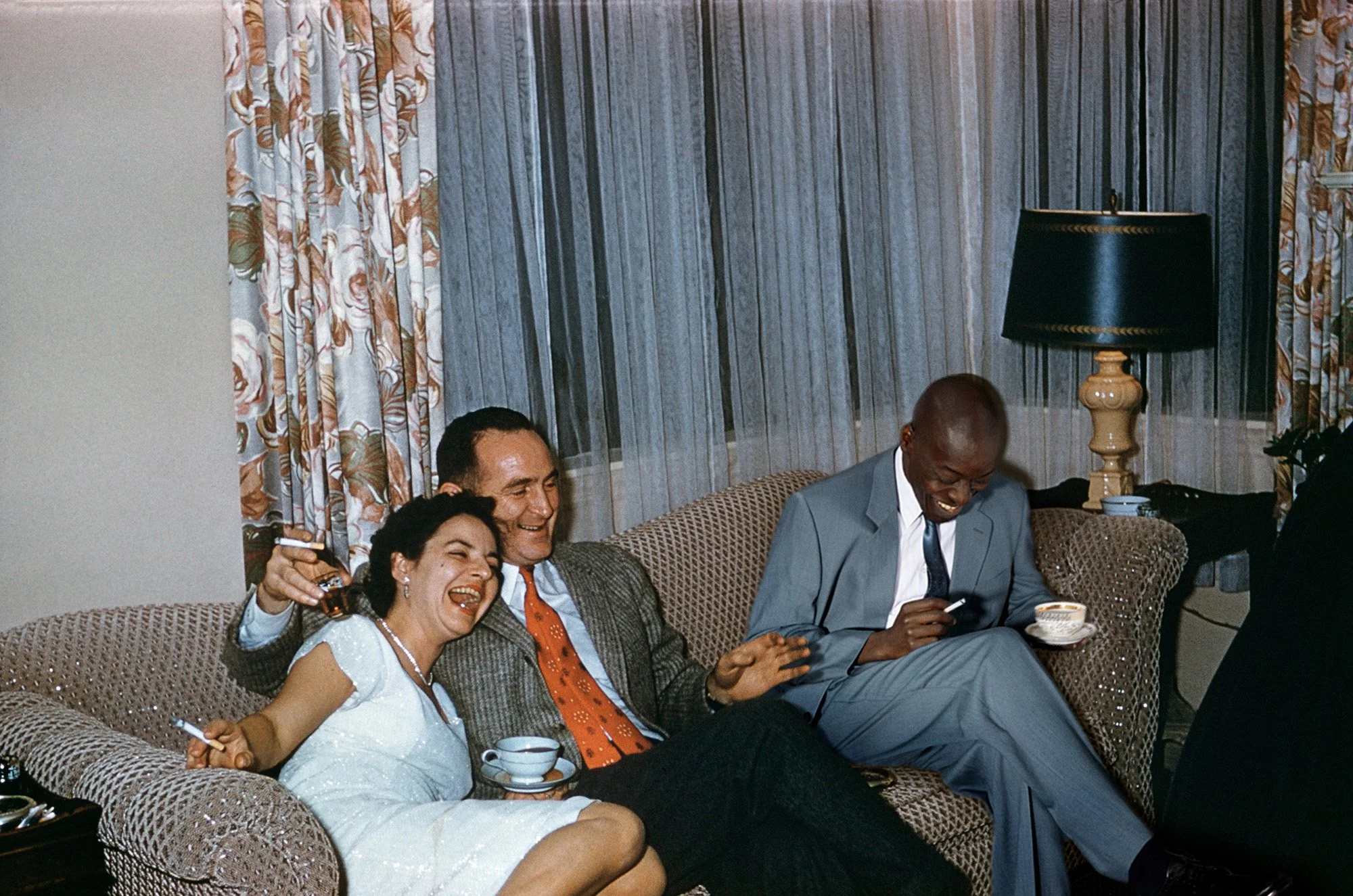
Shulman and Diop’s project Being There (also presented at Les Rencontres d’Arles this year) shows a selection of mid-20th-century amateur color photographs from Shulman’s collection The Anonymous Project, into which Omar Victor Diop is digitally inserted. Set against the backdrop of white middle-class America during segregation, the isolated Black subject prompts us to reflect on a very specific time, place, and social context. Despite its profound conceptual framework, the work masterfully balances humor and poignancy, effortlessly normalizing the solitary Black figure within these mid-century vernacular snapshots. In doing so, Diop continues the signature approach of his solo career - leaning on a witty, performative presence to disarm the viewer.
(We presented Omar Victor Diop in our feature Foucs on African Photography in issue #14
Lee Shulman’s The Anonymous project is currently shown at Fotografiska Berlin - on view through November 1st, 2026)
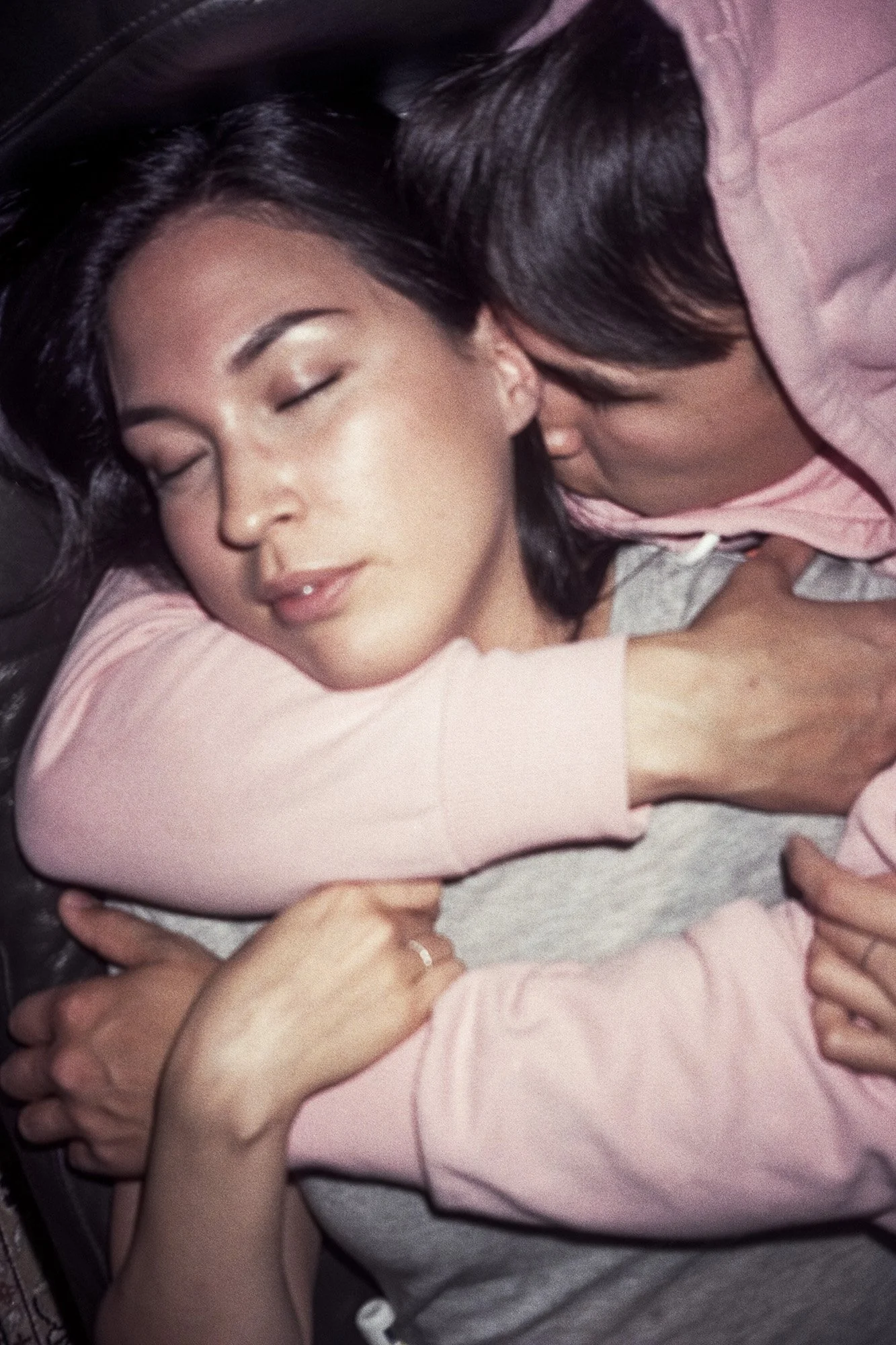
A parallel dialogue across lived experiences unfolds in the work Marungka Tjalatjunu (Dipped In Black) of Australian artist and filmmaker Matthew Thorne and the Yankunytjatjara artist Derik Lynch. Thorne accompanies Lynch on a journey back to his ancestral homeland, bringing their distinct perspectives together to align Lynch's queer identity with his Indigenous culture.
This physical return to ancestral roots echoes in another journey across contested terrain: Portuguese-Angolan artist Mónica de Miranda’s film and photography installation As If The World Had No West. The film follows a woman’s journey across the Angolan Namib Desert, passing architectural remnants of colonialism being slowly buried by shifting sands, alongside specimens of the Welwitschia mirabilis—an ancient desert plant renowned for its longevity. As the colonial past fades, ancient wisdom resurfaces.
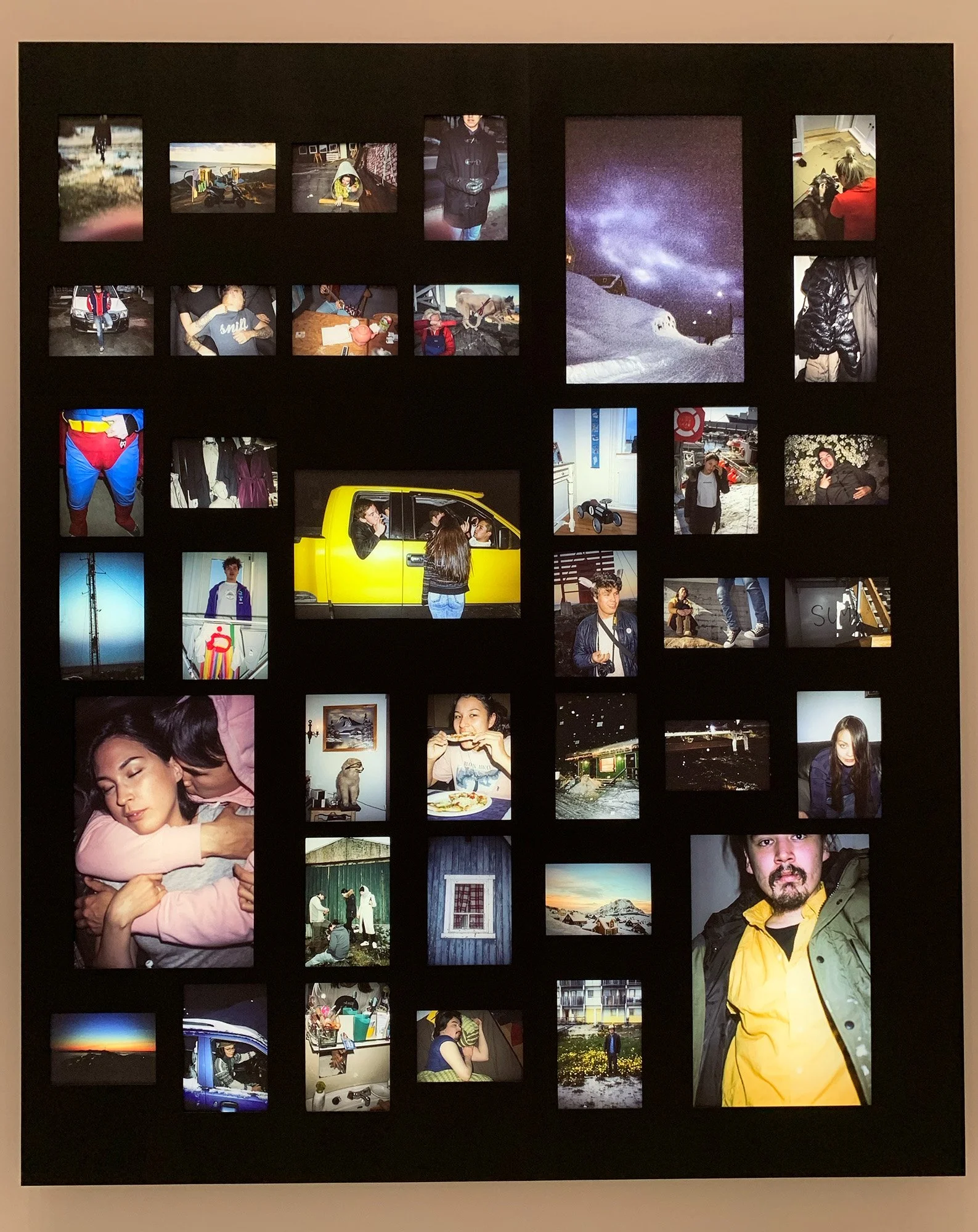
Where de Miranda examines historical remnants, Kalaallit photographer Inuuteq Storch turns to contemporary lived experience in Greenland. His work Soon Will Summer Be Over offers an intimate portrait of Qaanaaq, Greenland, where Danish colonial influences and indigenous Inuit culture coexist. The strength of his images are his understated/ordinary way of documenting everyday life and moments of intimacy.
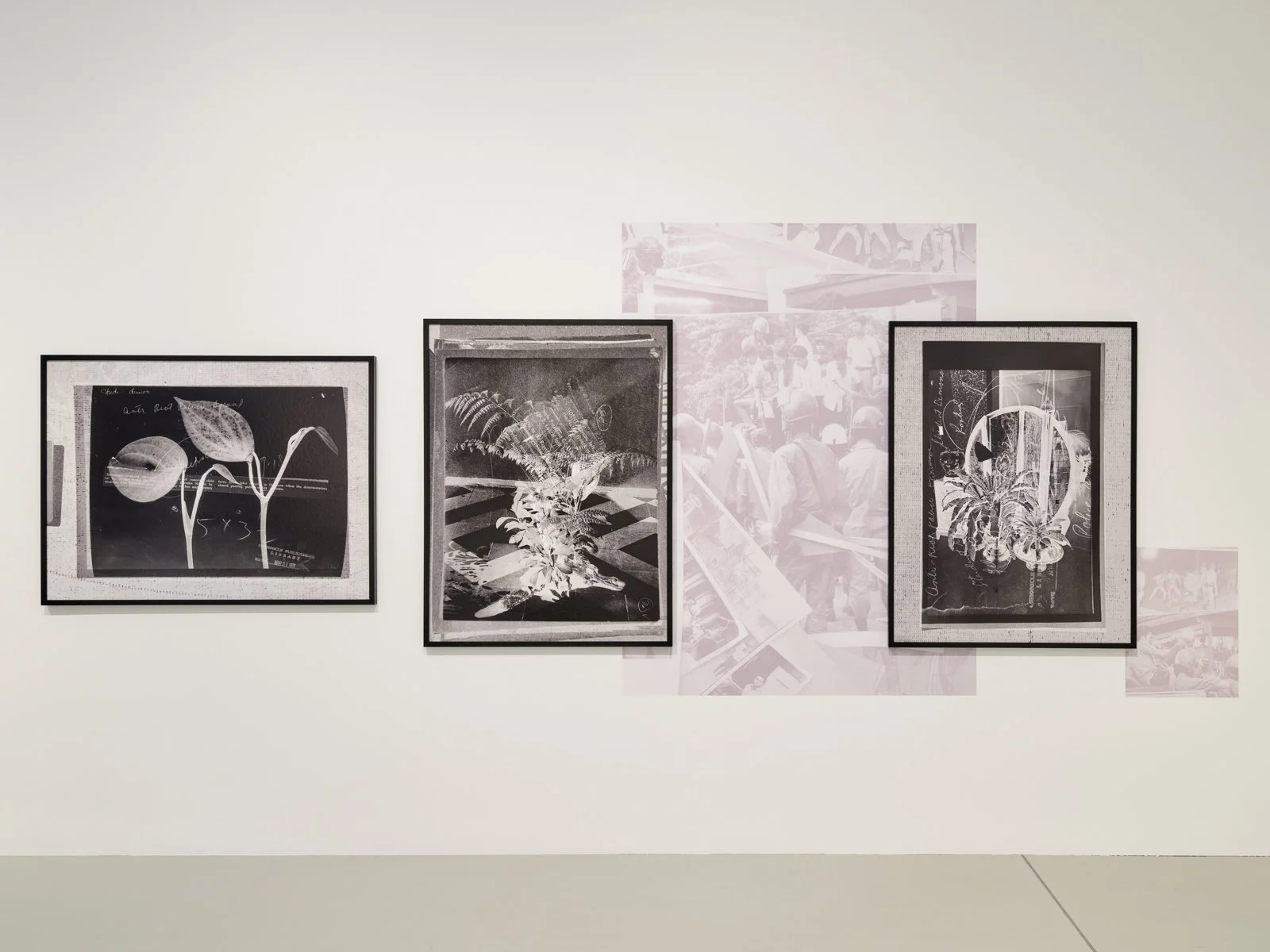
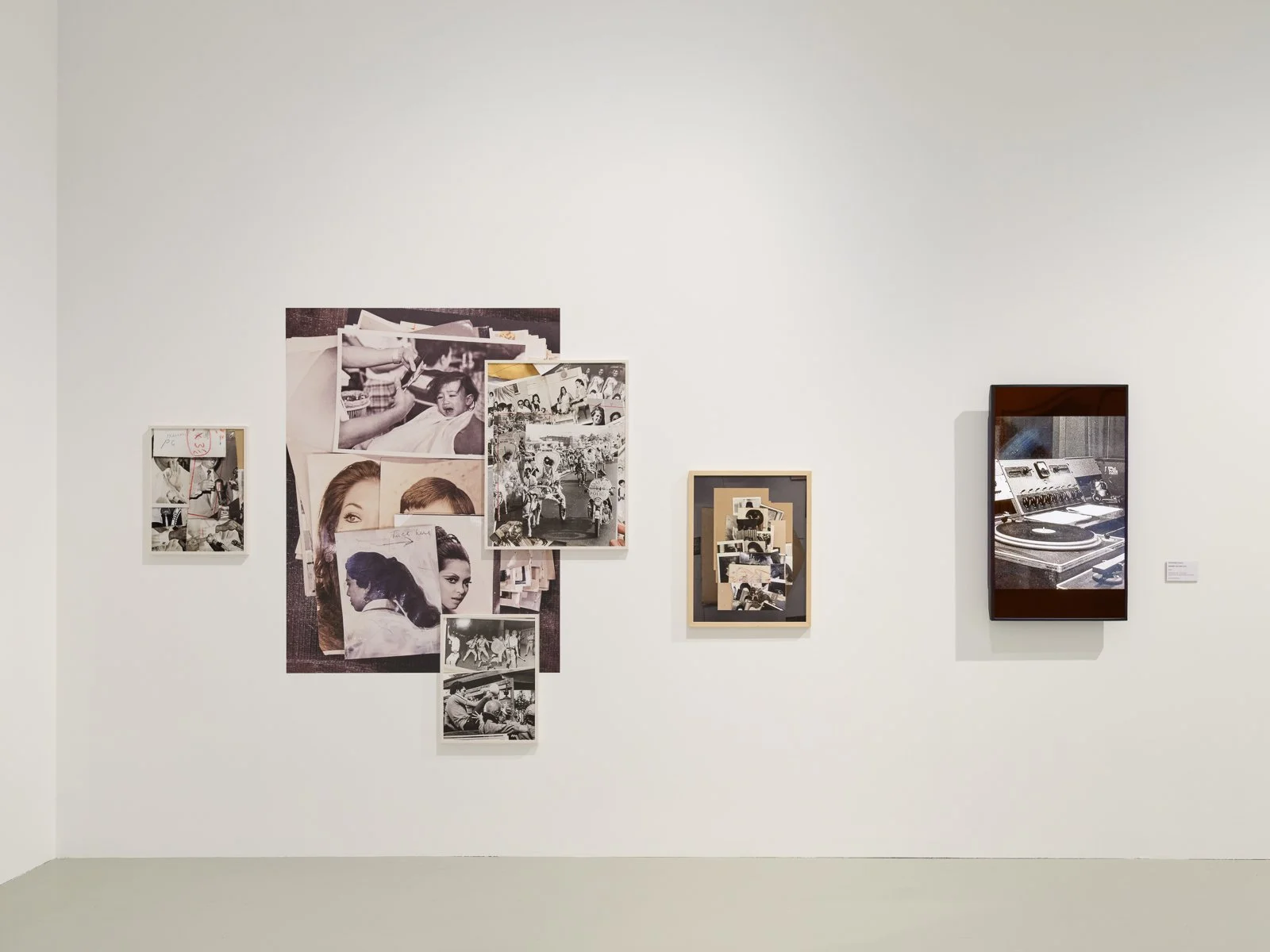
In her work, Stephanie Syjuco overlays ordinary photos of houseplants onto news archive images from a pivotal era in Philippine history—the 1960s and ’70s—drawing a direct line between the decorative and the ideological. The result lays bare how political agendas frequently slip unnoticed into the realm of domestic ornamentation.
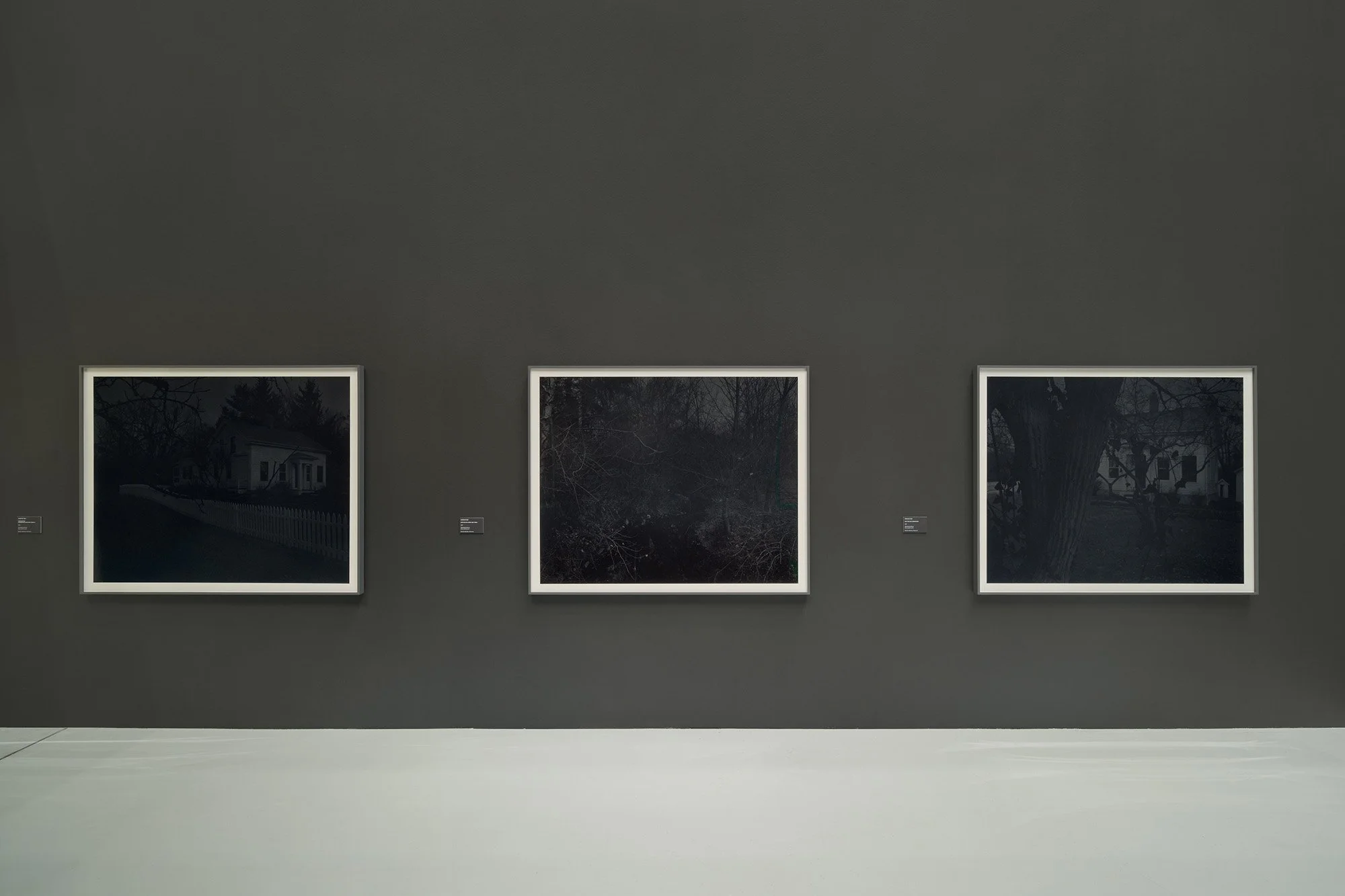
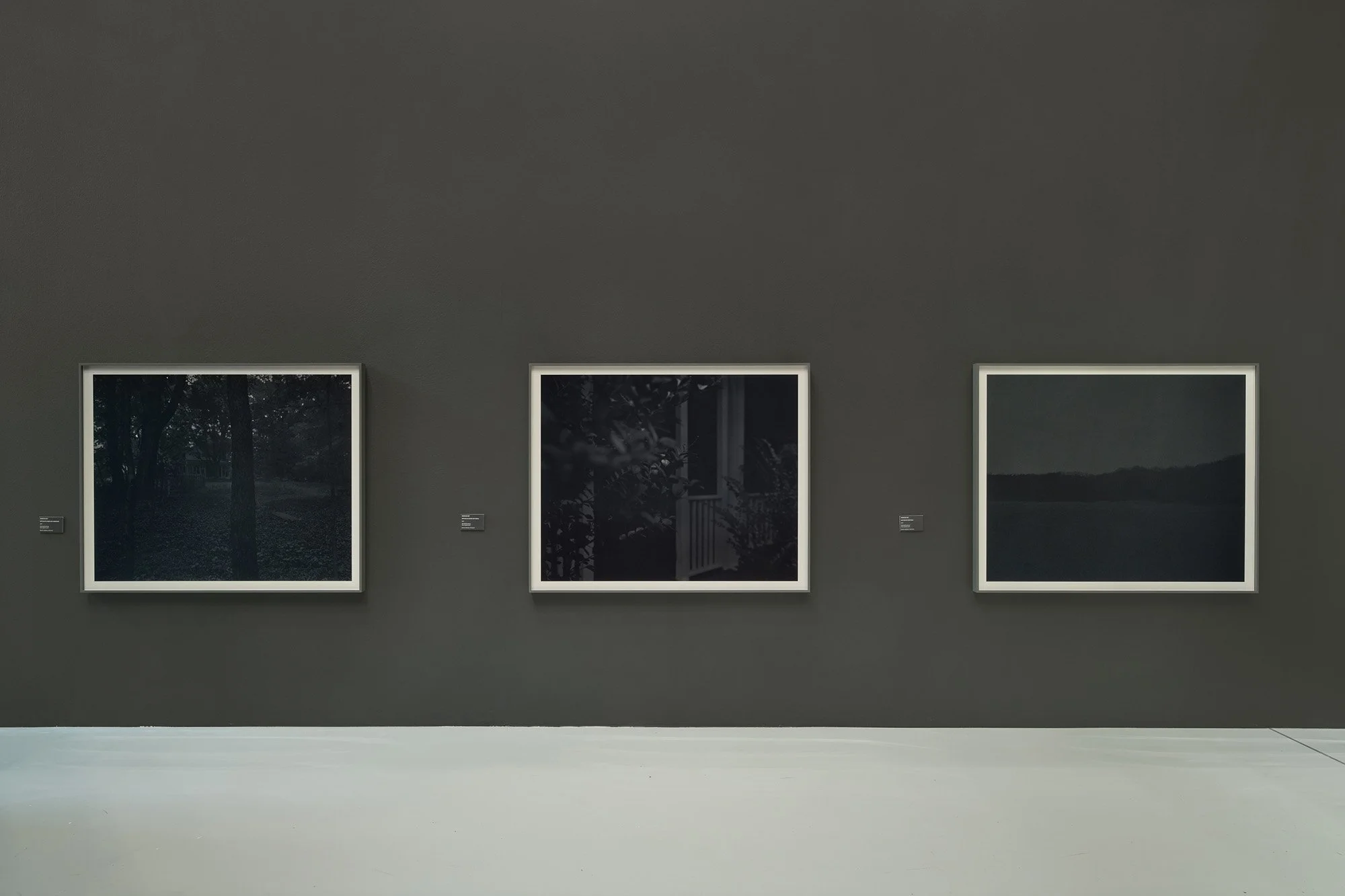
Dawoud Bey’s project Night Coming Tenderly, Bey addresses the history of the Underground Railroad - the 19th-century clandestine network that guided enslaved individuals toward freedom in the United States. His nocturnal landscapes powerfully capture what it felt like to move unseen through the night.


Images: 1 - @lee shulman & omar victor diop / 2-3 - ©matthew thorne & derik lynch / 4 - ©mónica de miranda / 5-6 - inuuteq storch / 7-8 instalation view: ©henning rogge ©stephanie syjuco / 9-10 - 7-8 instalation view: ©henning rogge ©dawoud bey
At PHOXXI, located directly next to Deichtorhallen, curator Nadine Isabelle Henrich (see our interview below) focuses on the analog photography of German-Turkish artist Abdulhamid Kircher and German-Ghanaian artist Akosua Viktoria Adu-Sanyah—both of whom delve into their family histories, specifically through their paternal lines.
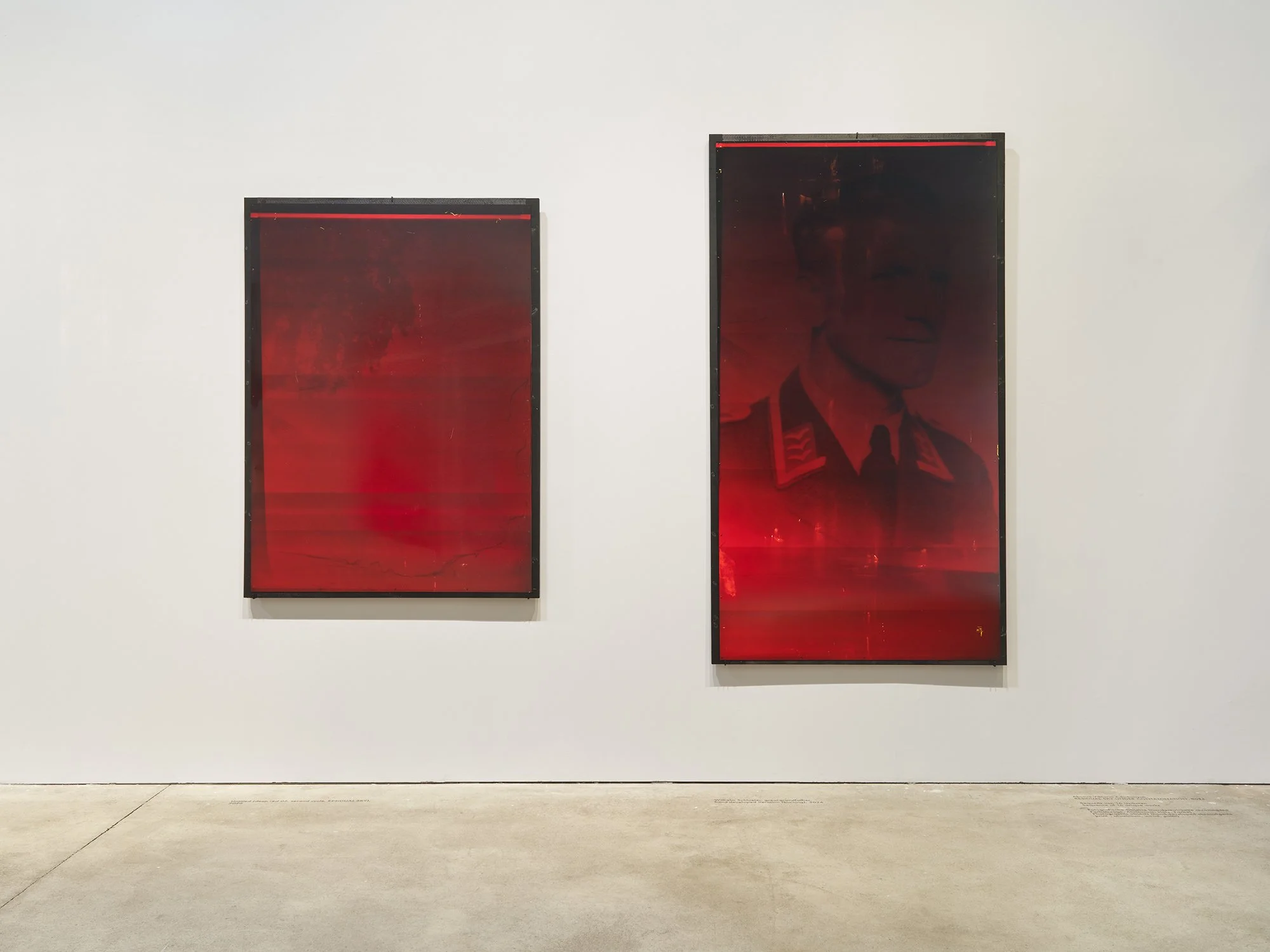
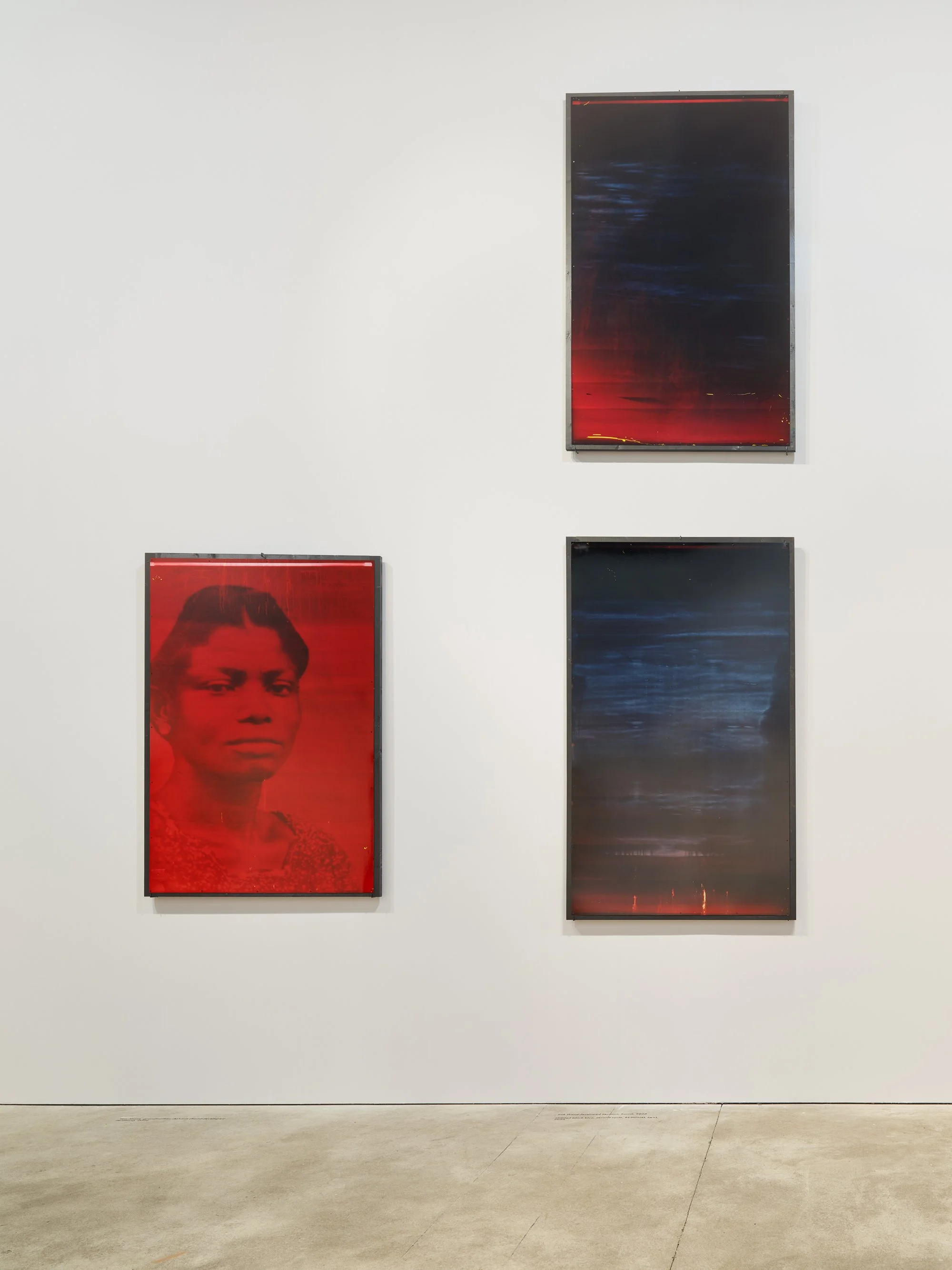
Adu-Sanyah takes an unconventional approach, crafting monumental prints up to three meters tall in her custom-built darkroom. In her series Residual Sky Under Contamination, she extracts natural elements from historical images taken at her father’s birthplace in Ghana. Rather than treating these visuals as static historical documents, she physically cuts, re-photographs, and intentionally damages the photographic material leaving visible scars, double exposures, and chemical traces on the paper. By stripping away original colonial hierarchies through these vibrant, color-field compositions, she creates space for healing and reimagined memory.
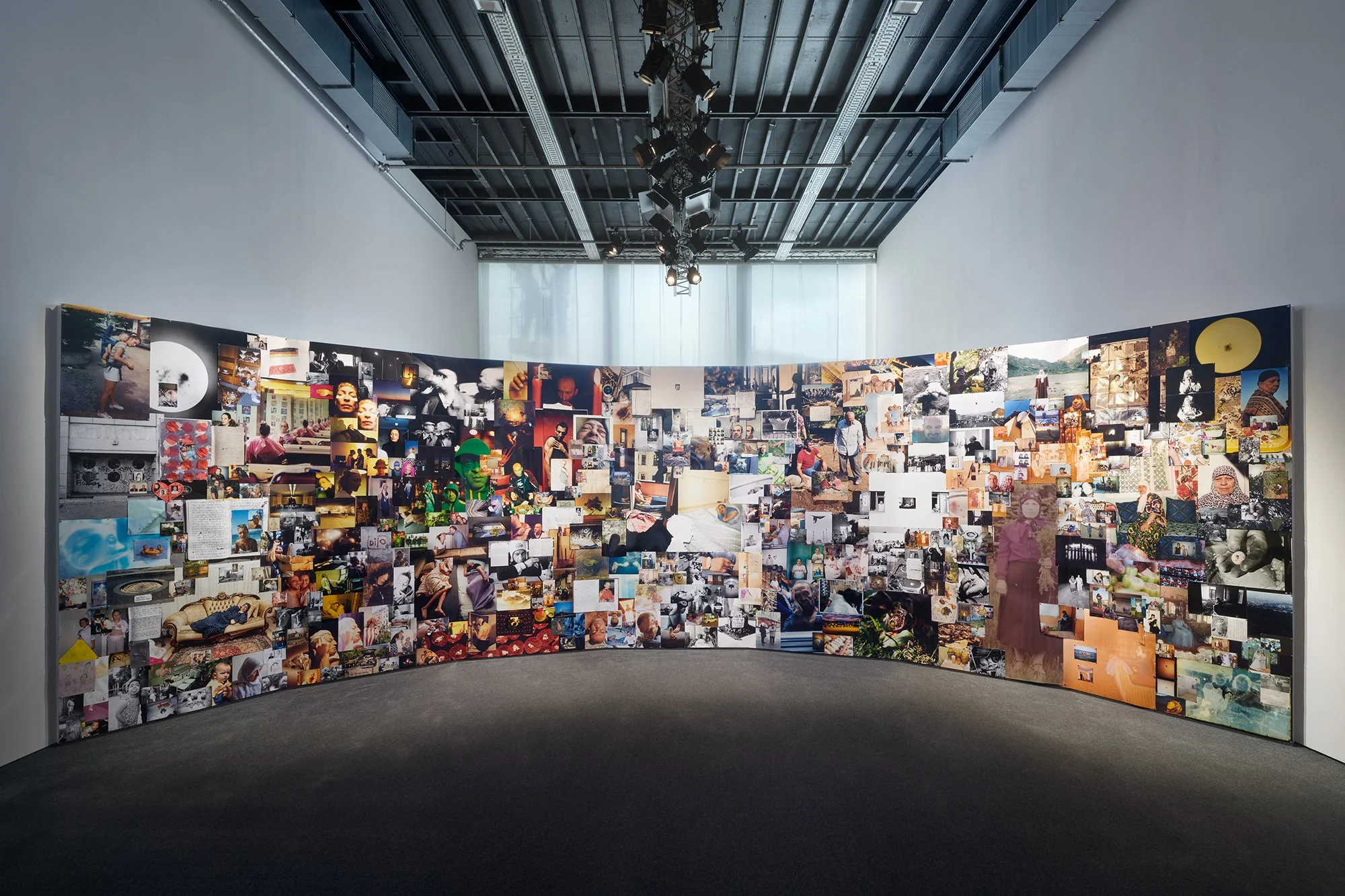
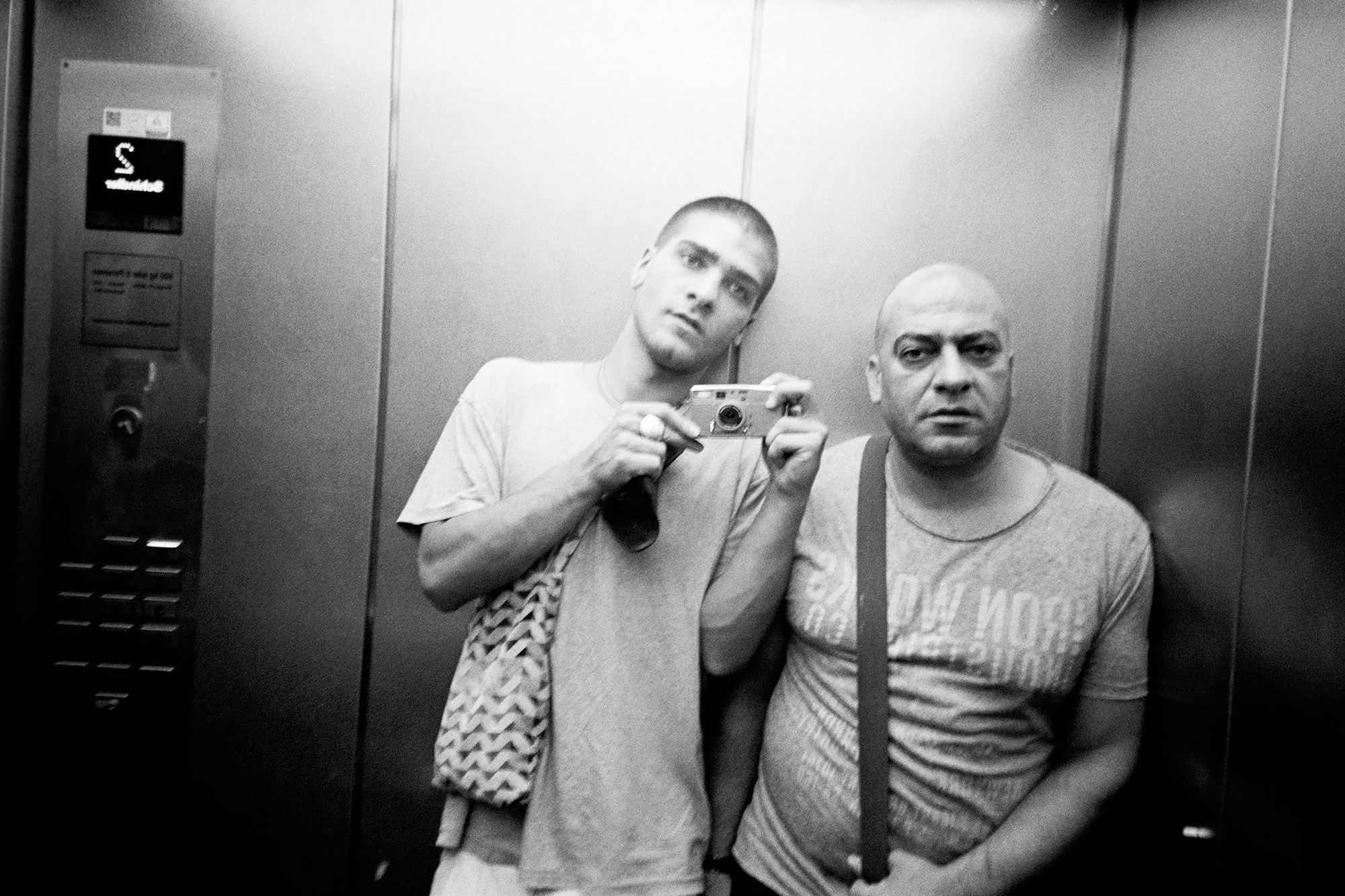
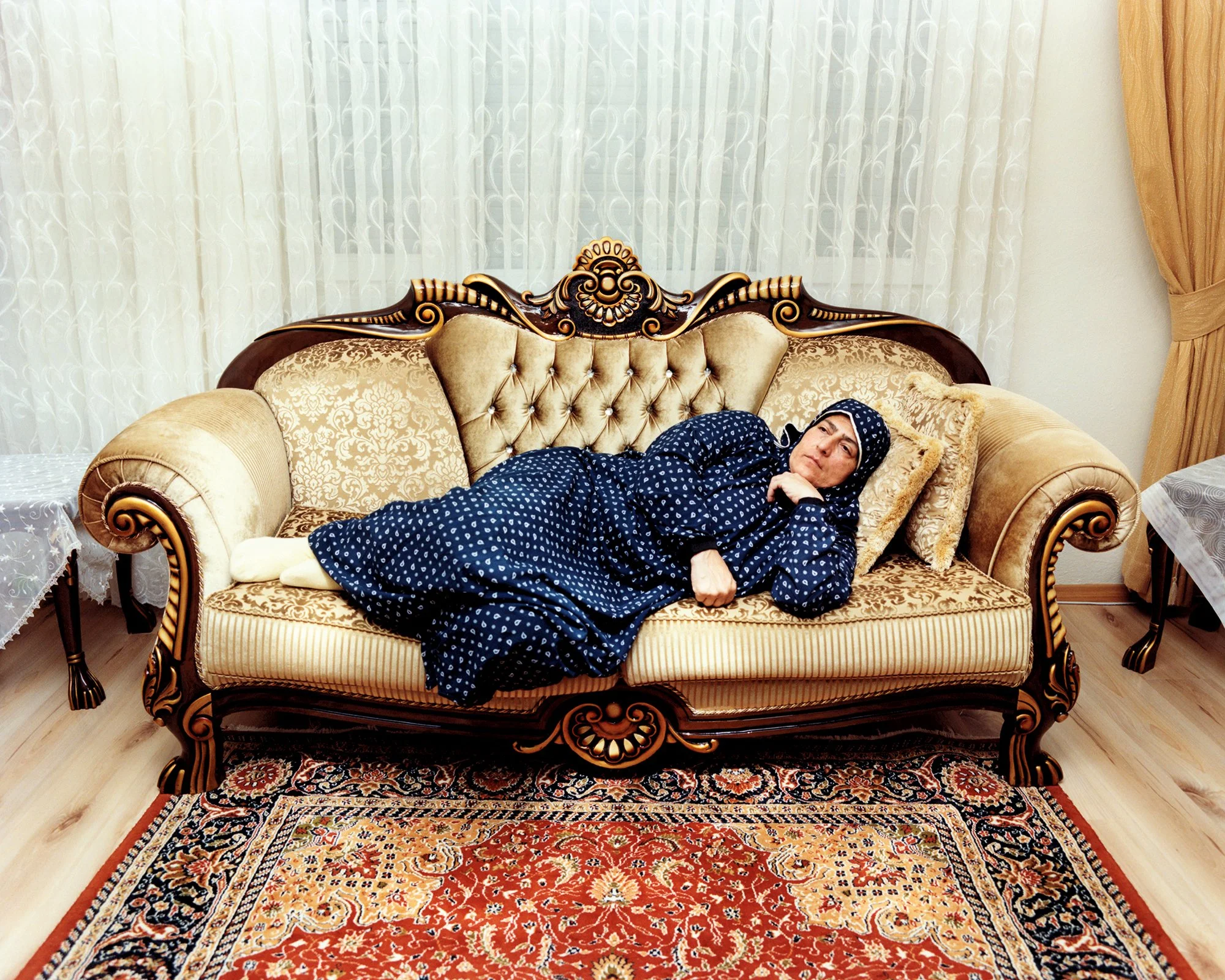
Meanwhile, Kircher’s project Rotting from Within confronts generational trauma, patriarchal values, addiction, violence, and the absence of his father. His exhibition opens with a large-scale collage blending his own photographs with archival images gathered during family visits, followed by intimate portraits of his father, key family moments, and two striking portraits of his mother and grandmother.
Alongside the two exhibitions, a darkroom has been installed on site, allowing visitors to book hands-on darkroom workshops.
Images: 1-2 - ©akosua viktoria adu-sanyah/ 3-5 - ©abdulhamid kircher
Two other highlights of the festival were the exhibitions by Melike Kara and Sara Sallam. Both artists treat photography not merely as a tool for visual documentation, but as a space for collective healing, care, and remembrance.
Kara burns parts of her photographic archive and presents the resulting ashes, submerged in basins of water together with coffee-ground artwork and paintings. Drawing on her investigation of the tradition of her Kurdish origins, she reflects on identity, heritage, and renewal through the lens of artistic alchemy. Aquatic plants have begun to sprout within several of the basins of her large-scale installation Whispers at Kunsthaus Hamburg.
Meanwhile, Egyptian artist Sara Sallam’s poetic multi-media installation at MK&G marks her first exhibition in Germany. She confronts the museum’s colonial legacy by assembling, rearranging and re-appropriating historical artifacts from it’s archaeologic and photographic archive and constructs new narratives. In her collages she merges historical anti-colonial protest imagery with museum archives of Cairo's architecture. In a separate work, she reminds us of sacred statues now trapped in museum display cases, having been stripped of their true spiritual power.
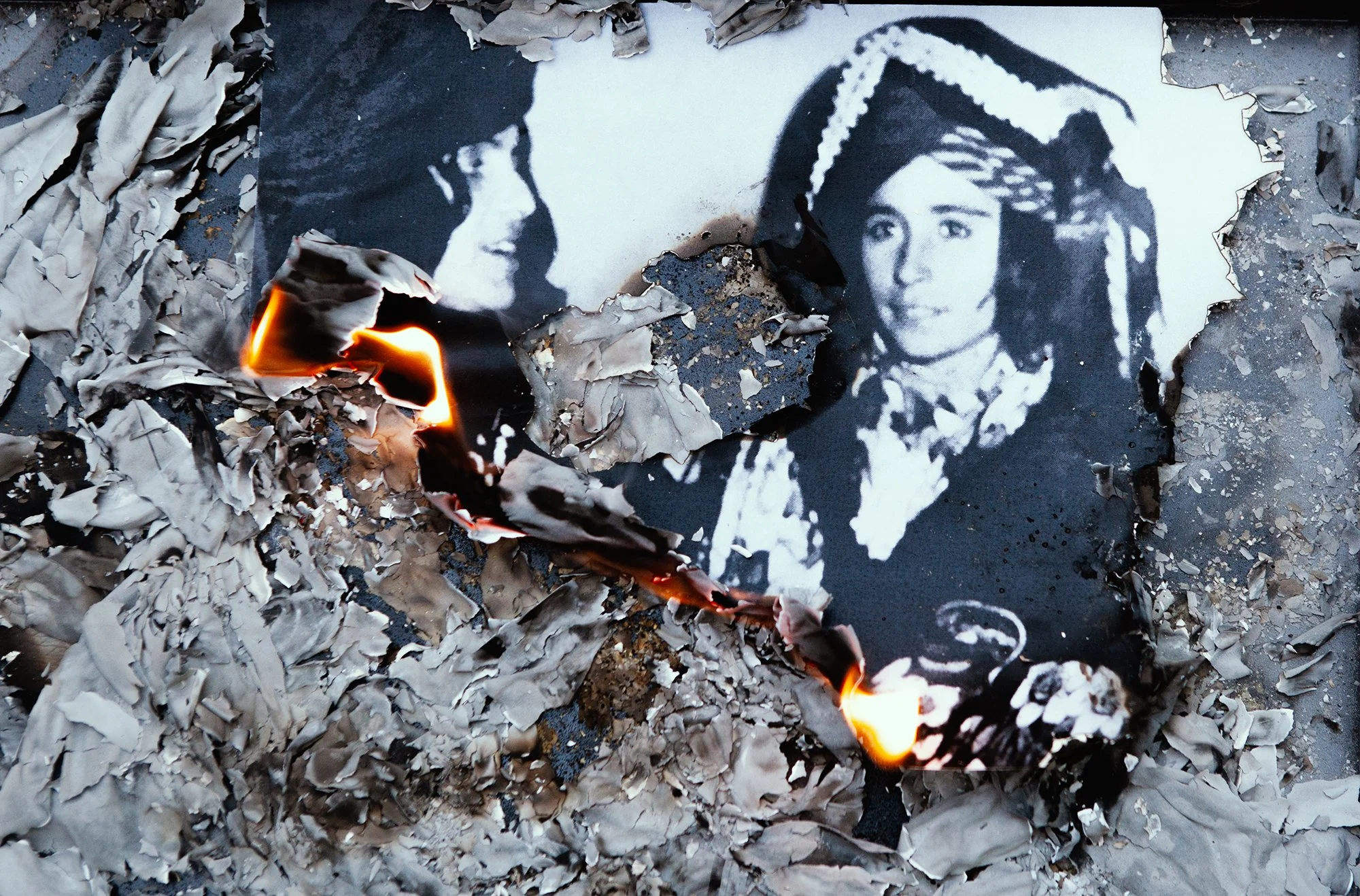
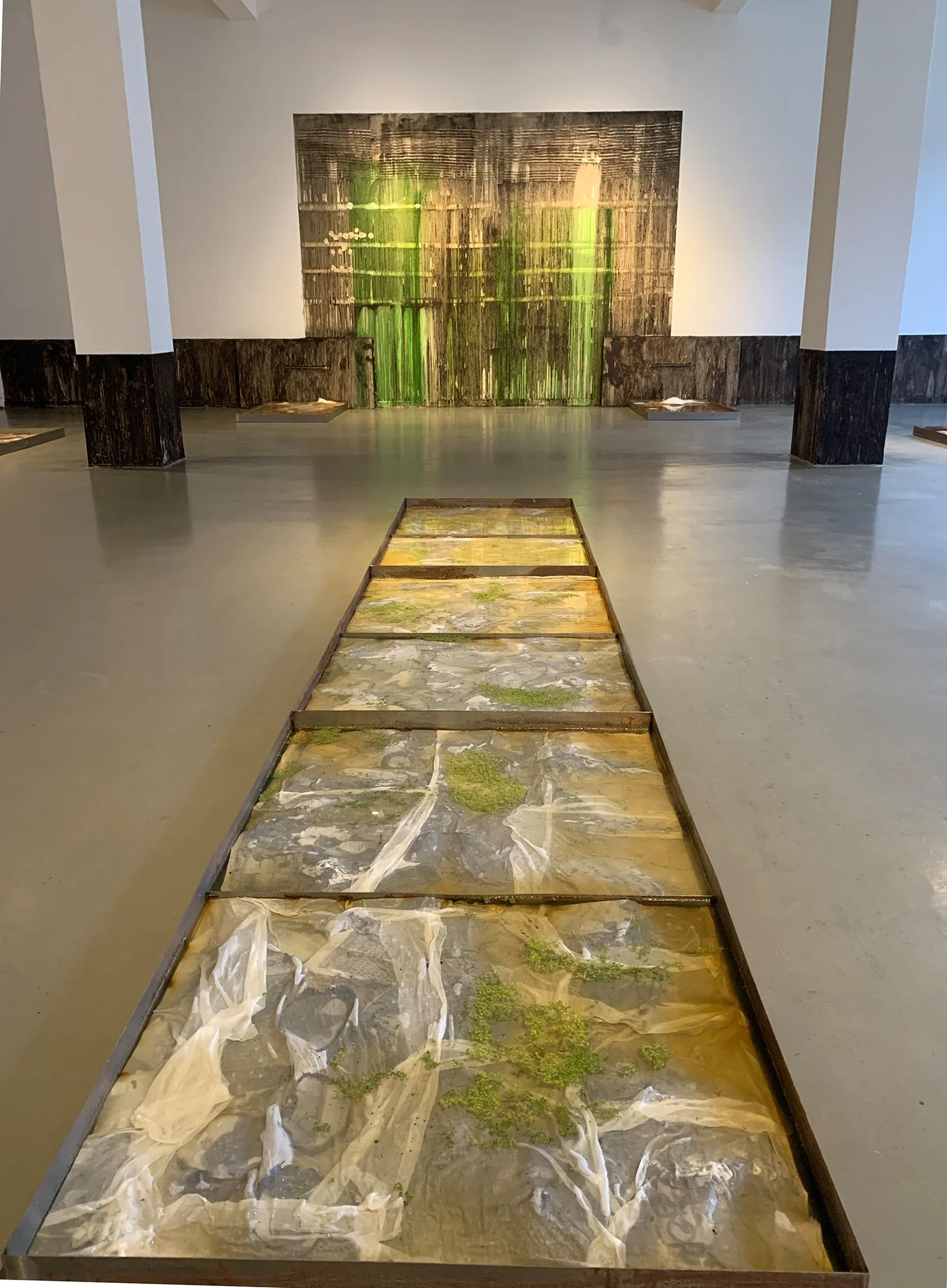
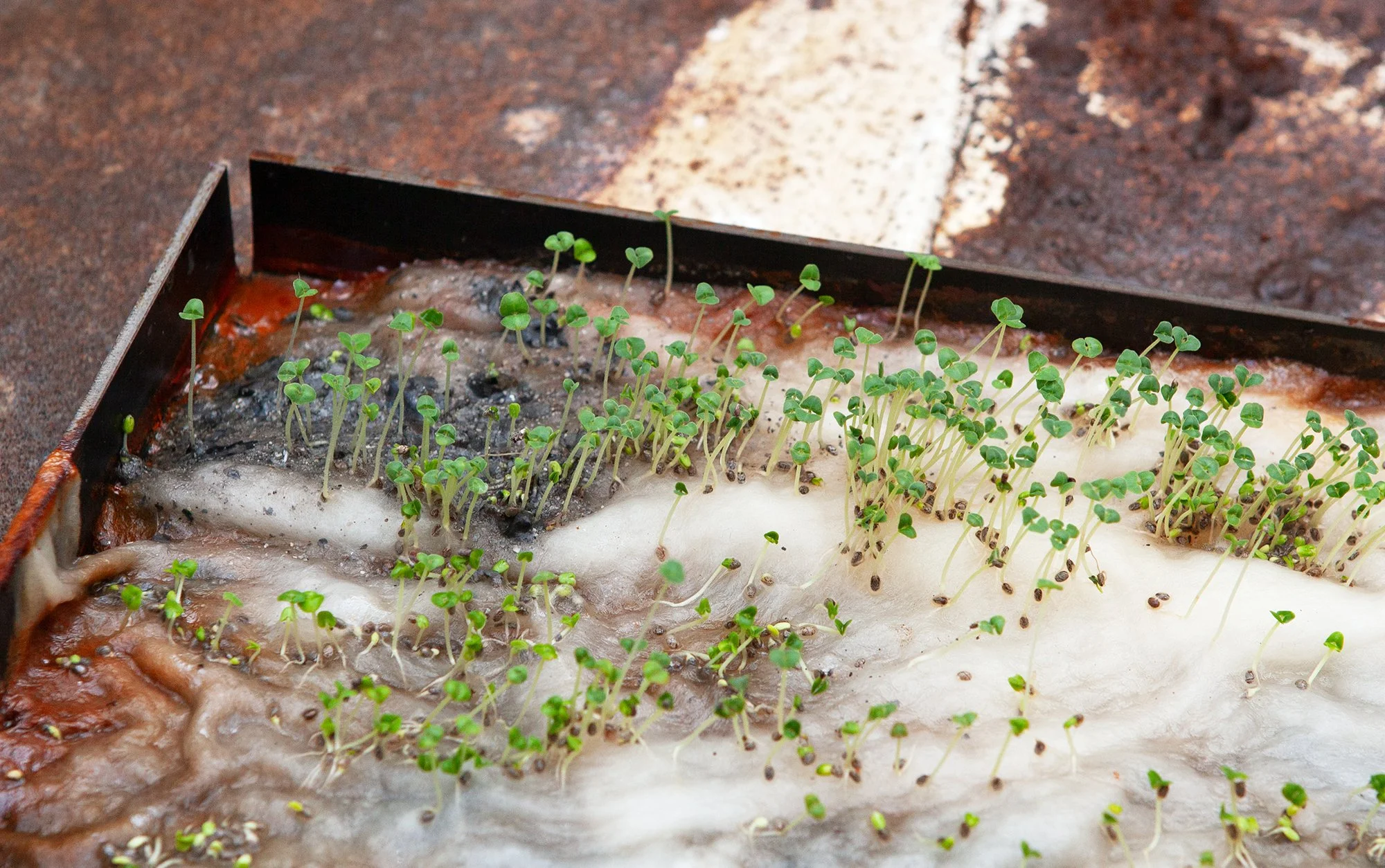
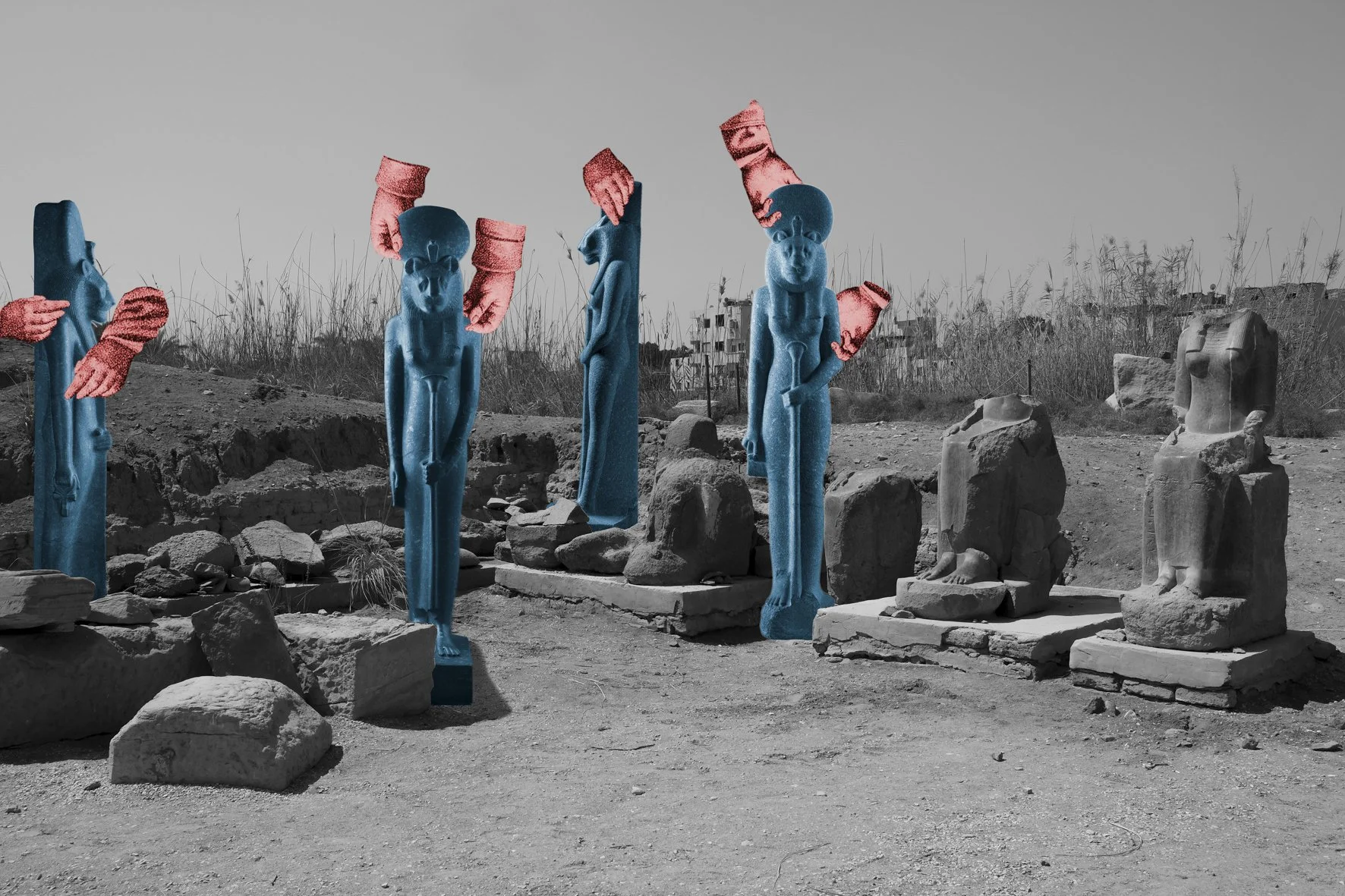
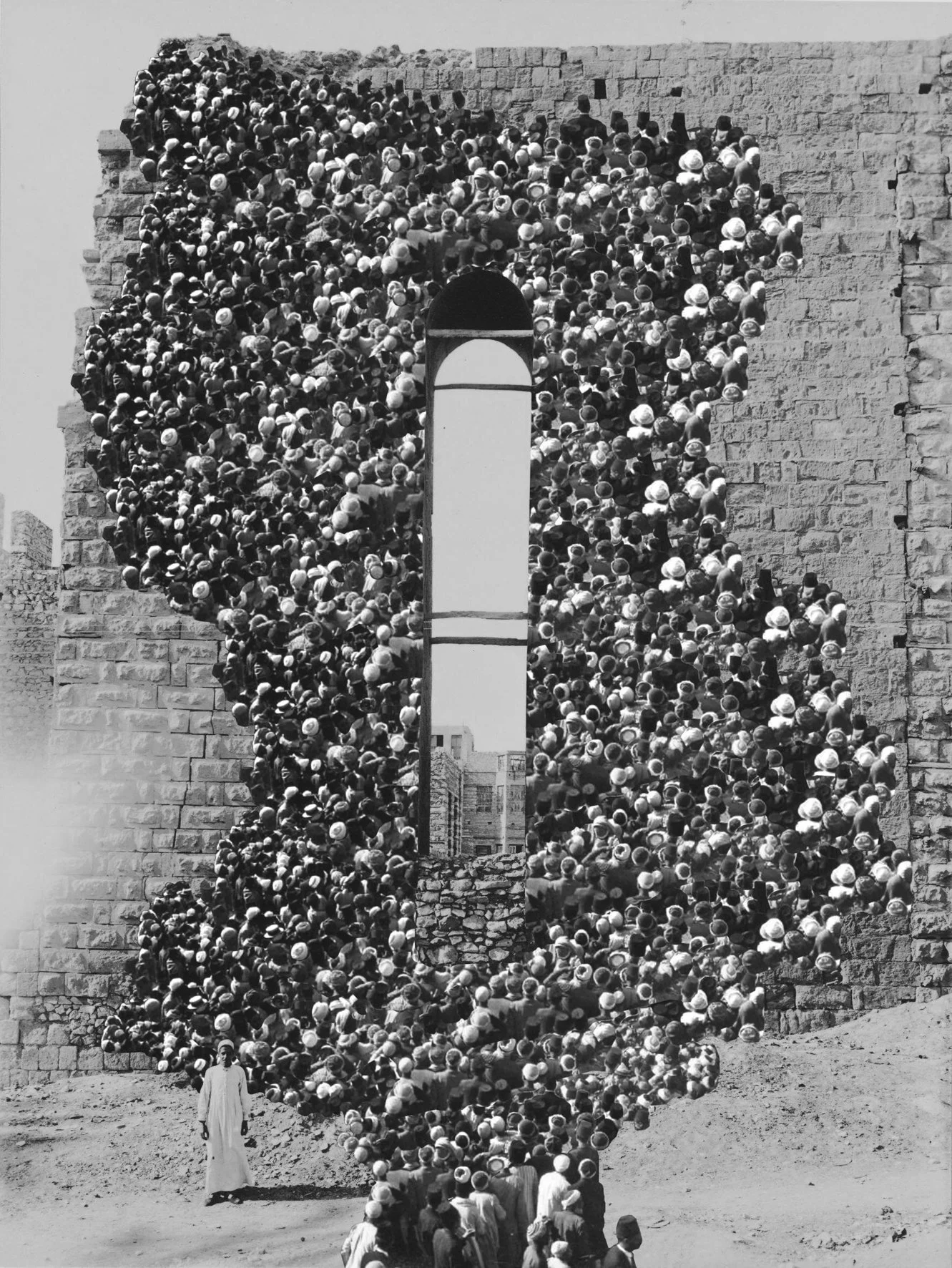
Images: 1-3 melike kara / 4-5 - ©sara sallam
Resonating Images from Peru at MARKK shows the ambivalent work of German photographer Hans Heinrich Brüning (1848–1928) who portrayed the Peruvian population in the late 19th, early 20th century. While his more than 2000 images serve as an important historical archive for the country they also reveal the country’s colonially shaped past. The exhibition juxtaposes his photographs with works by Peruvian contemporary artists who reappropriate and reinterpret his images, and reclaim their cultural heritage.
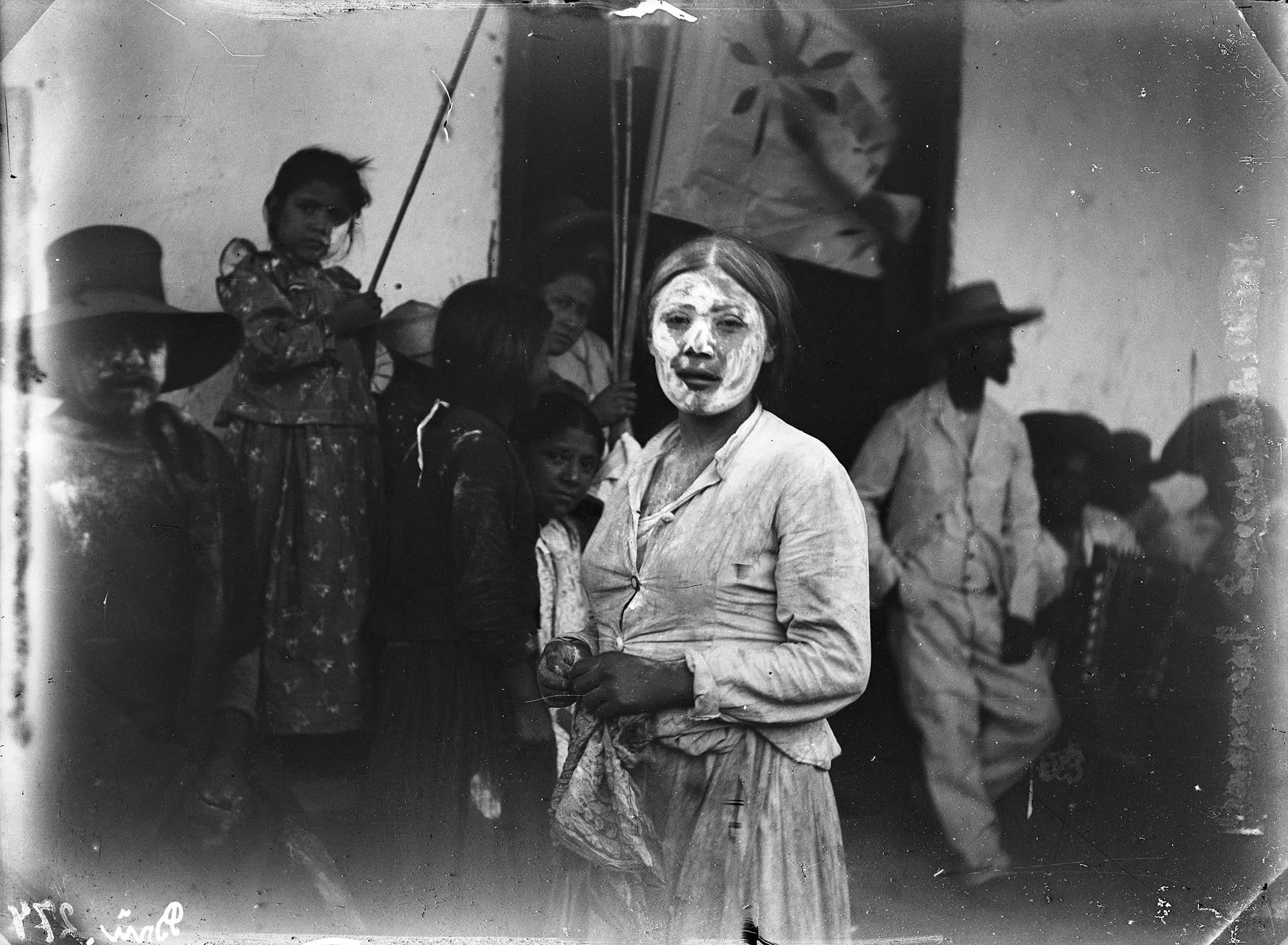
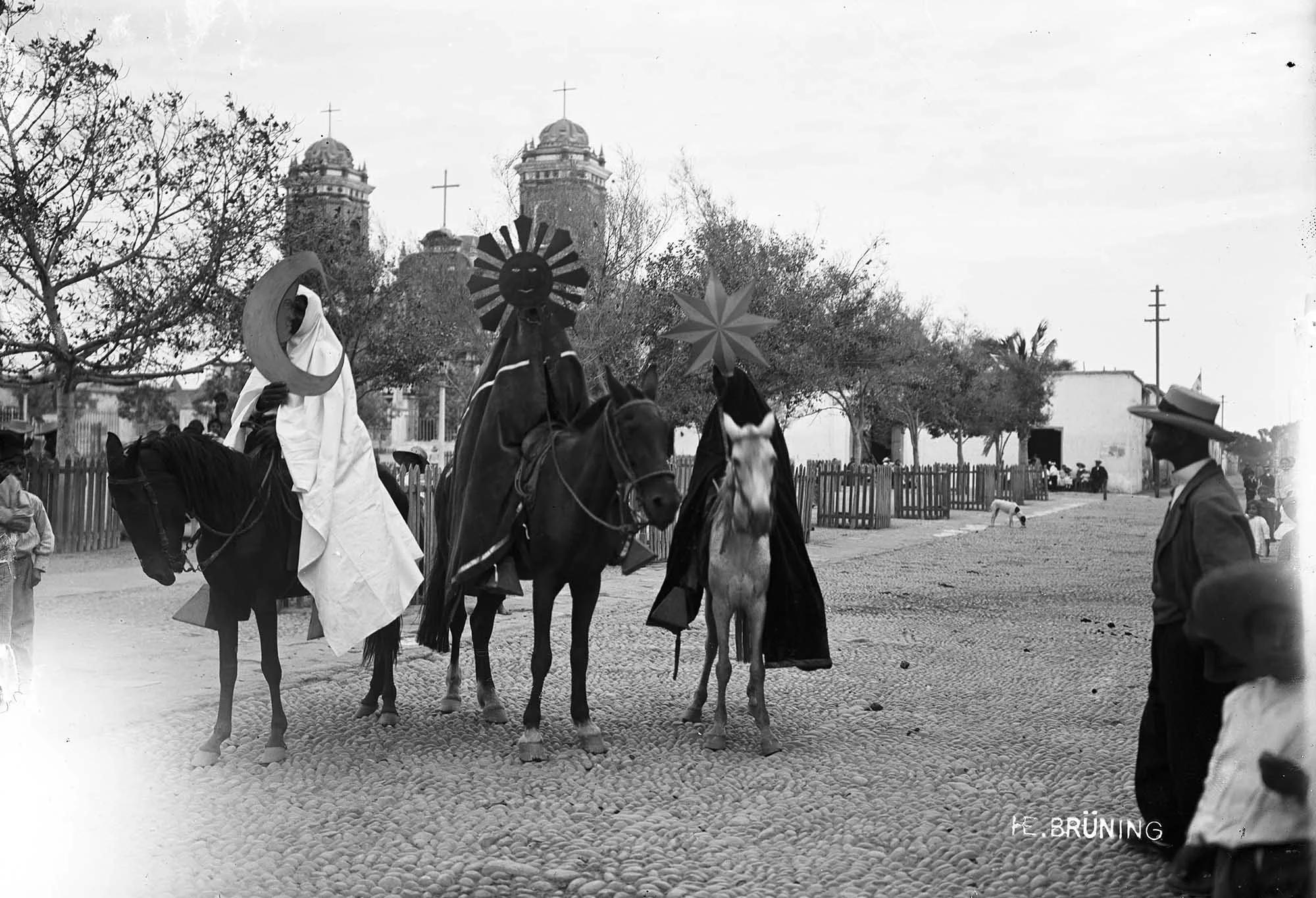


Images: 1-2 - ©markk Images by hans heinrich brüning / 3 - ©markk - stitching: marystela camacho navarra - Image by hans heinrich brüning / 4 - ©markk - ceramic: enzo miguel matute - Image by hans heinrich brüning
F.C. Gundlach—fashion photographer, collector, and initiator of the Triennale of Photography Hamburg—would have celebrated his 100th birthday this year. To mark the occasion, two exhibitions are taking place: You’ll Never Watch Alone featuring some of his iconic fashion photographs alongside collected pieces of other photographers, and Cocktail Prolongé, which presents highlights from his extraordinary collection. Gundlach began collecting early, in the mid-1970s—a decisive decade that redefined photography from a commercial craft into a respected fine art. His collection reads like a Who’s Who of 20th-century photography. Masters like Richard Avedon, August Sander, Cindy Sherman, Peter Hujar, and Irving Penn share space with provocateurs such as Robert Mapplethorpe, Hans Bellmer, Larry Clark, and Diane Arbus. At the heart of the exhibition is an exploration of the body as a vehicle of expression. Many of the featured works sparked scandals and intense debate in their time, and for many viewers, they remain just as provocative - if not more so - today in 2026. For others, however, moving from one striking image to the next is a pure pleasure: a reminder of what sparked their passion for photography in the first place.
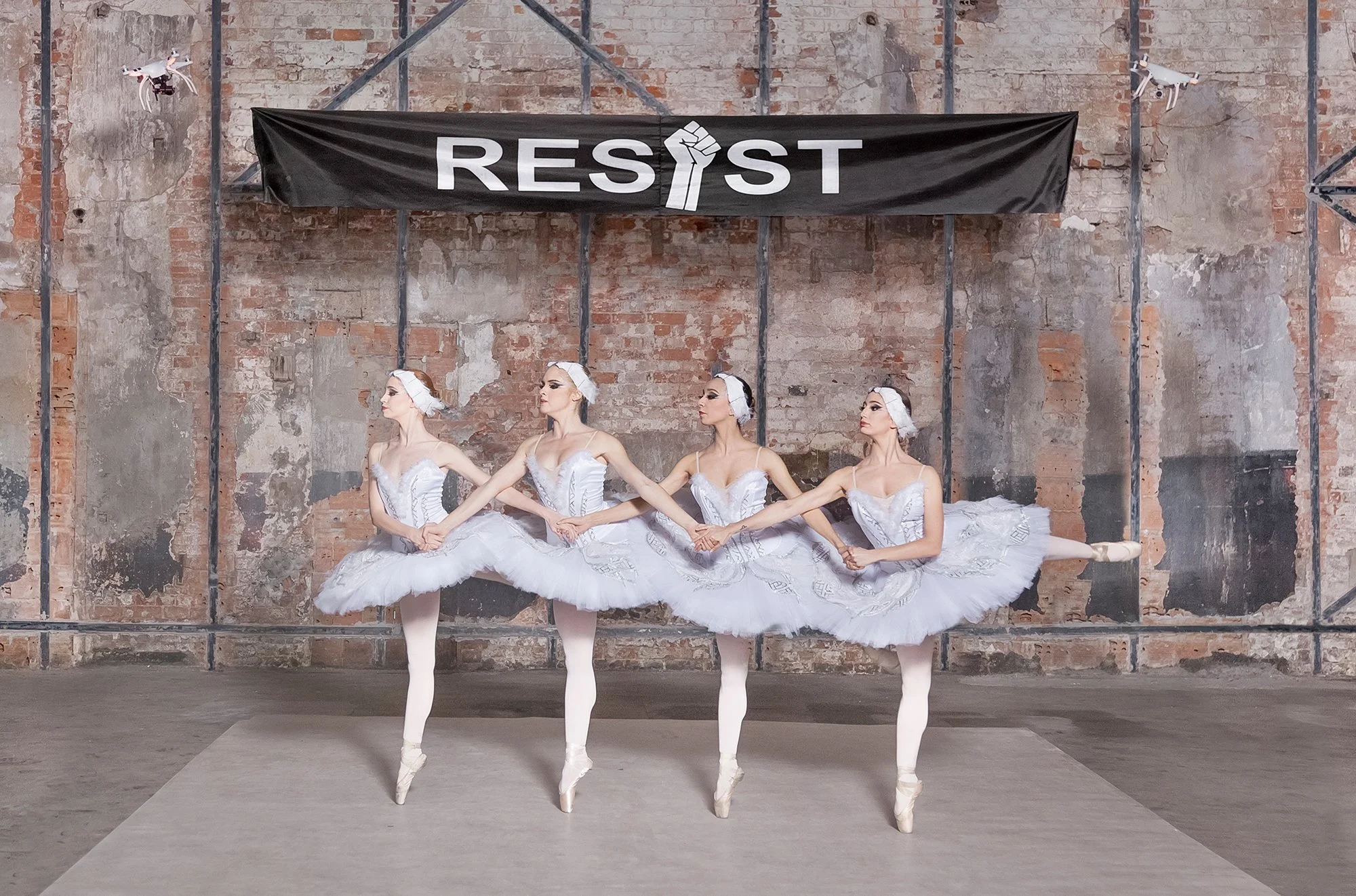
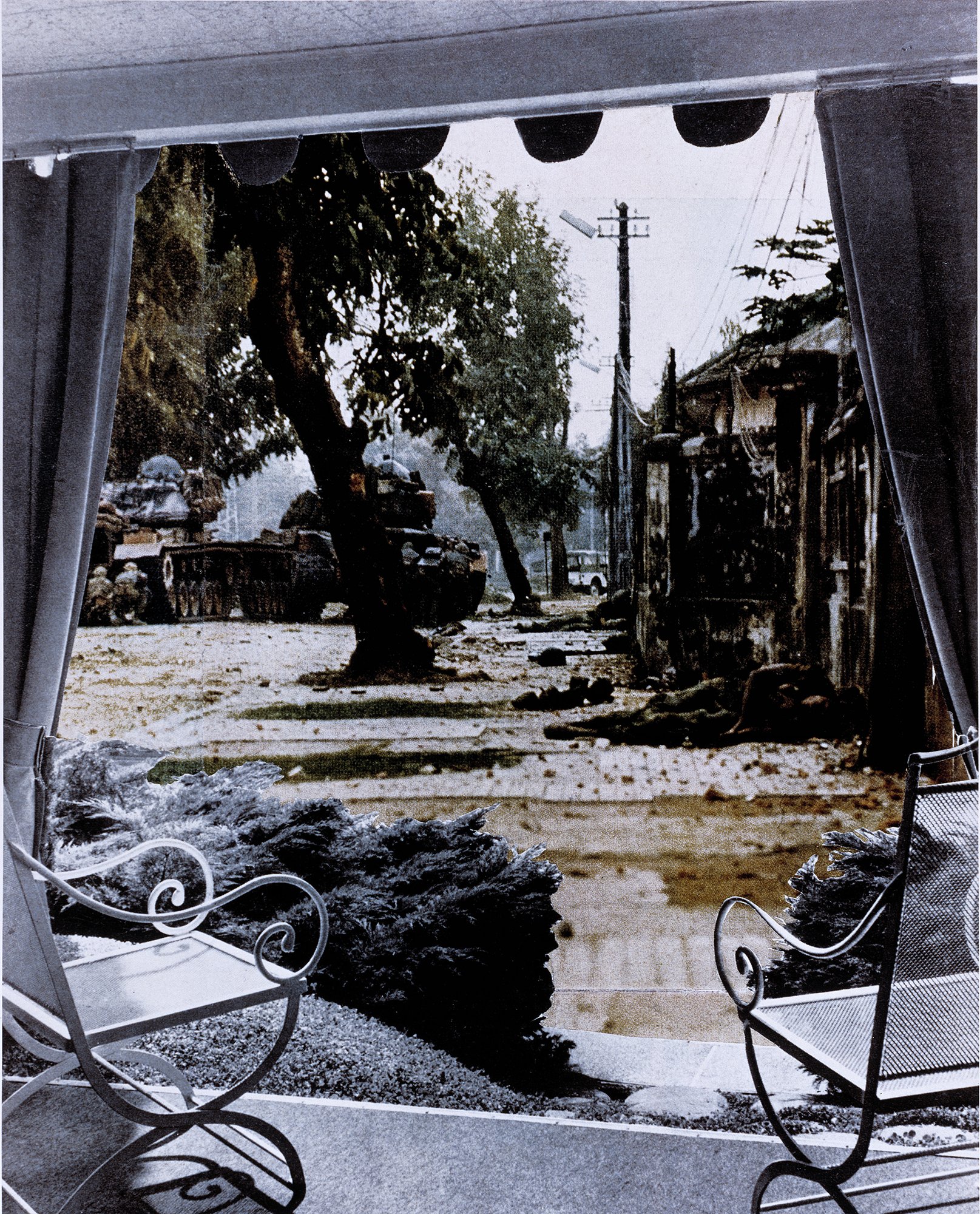
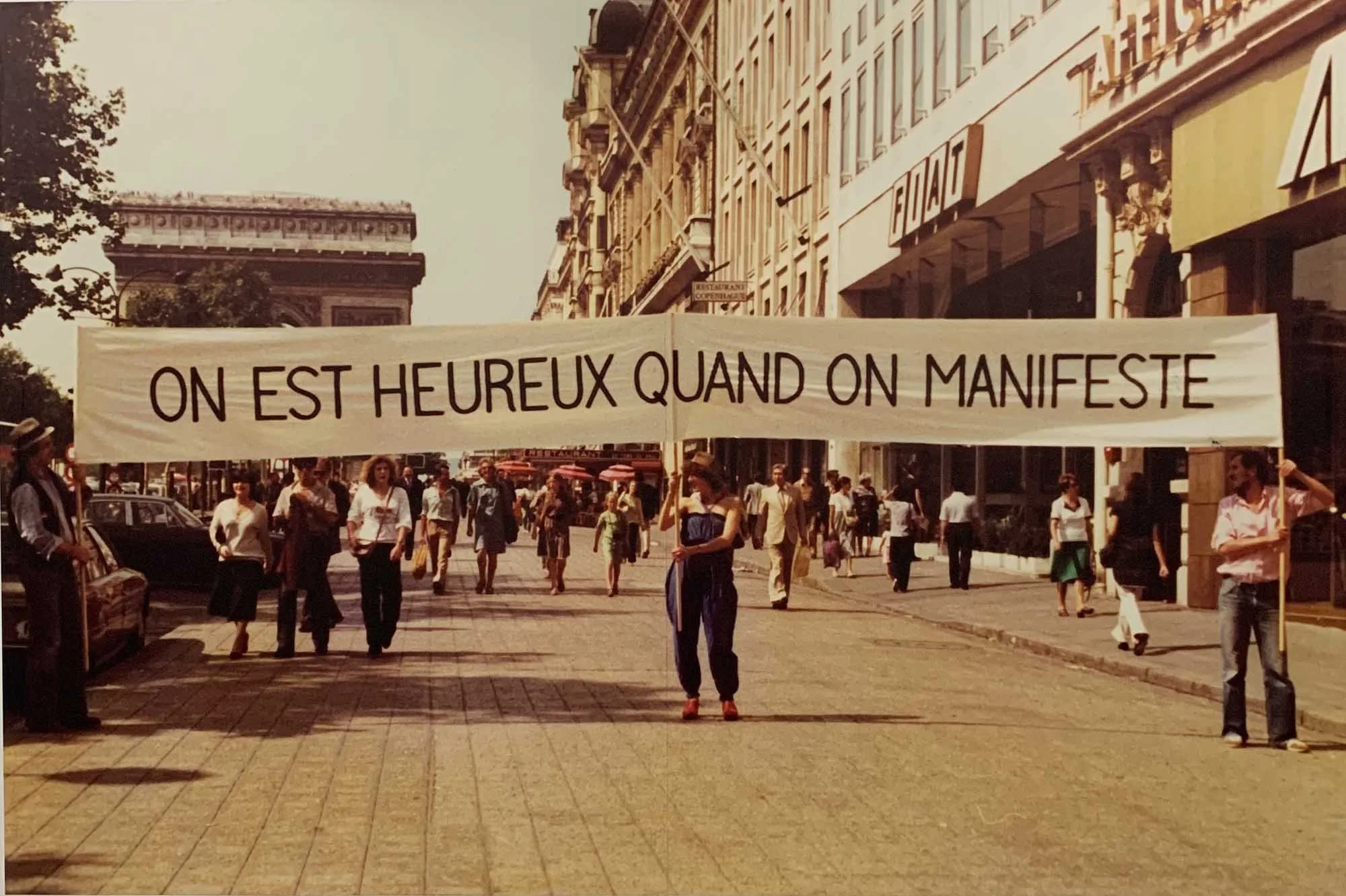
The exhibition Inner Mornings, or Forms of Counterculture showcases artistic resistance as an ongoing journey. The works of Surrealist writer and photographer Claude Cahun, who identified as gender-fluid as early as in the 1930s, serve as a starting point. Among roughly 170 works by more than 80 artists is Halil Altındere’s outstanding video Ballerinas and Police, which juxtaposes two vastly different cultural worlds: classical ballet dancers and opera singers alongside police officers and symbols of state authority. Through their performances, the “protesting ballerinas” embody a new form of social resistance that challenges police violence. Another highlight of the exhibition is Martha Rosler’s sharp photomontage series House Beautiful: Bringing the War Home, in which she inserts disturbing photographs of the Vietnam War into scenes of ideal 1960s American homes. She disrupts domestic tranquility and forces viewers to confront the realities of war. Endre Tót’s joyful photograph On est heureux quand on manifeste (We are happy when we demonstrate) serves as a reminder of a time when protests carried an optimistic spirit, in stark contrast to the more dystopian outlook of today.
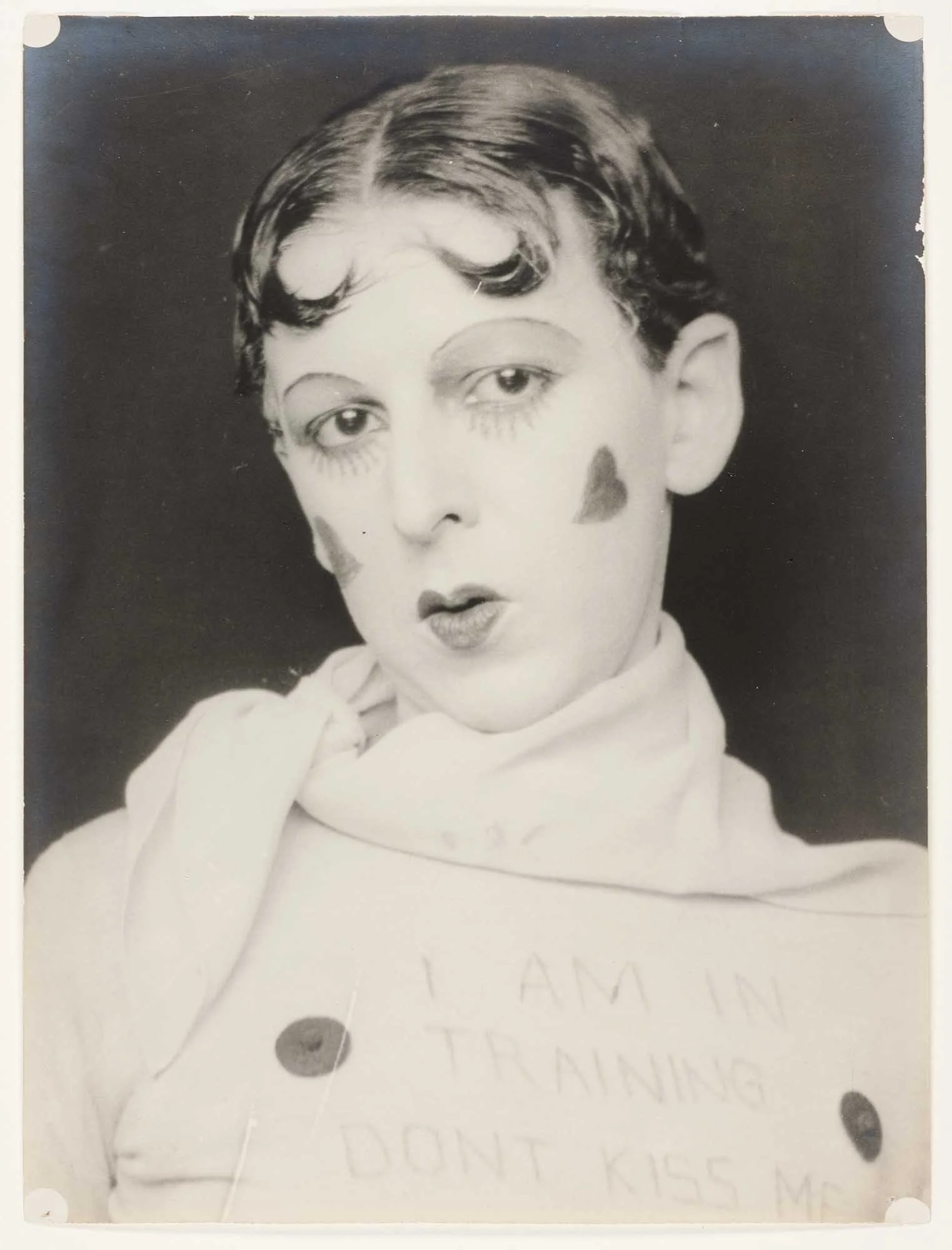
Images: 1 - ©claude cahun / 2 - ©halil altındere / 3 - ©martha rosler / 4 - ©endre tót
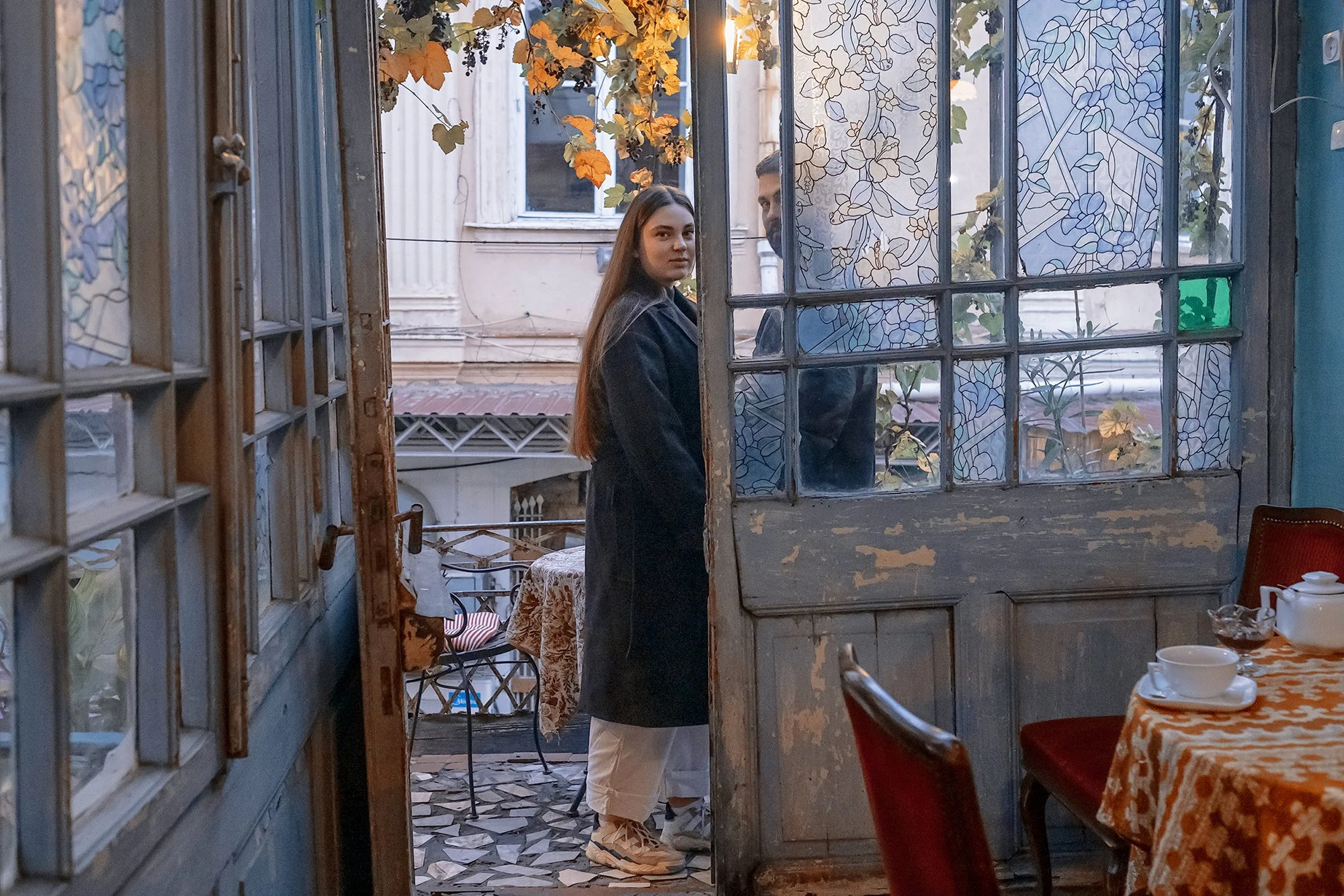
At Triennial Expanded, the exhibition Familia by Oksana Yushko features portraits of Ukrainian-Russian couples and families. Born into a Ukrainian-Russian family herself, the artist emphasises their rich shared human experience rather than the geopolitical fracture between the two countries. While we romaticise the many versions of Romeo and Juliet portrayed in literature and film, the lives of mixed couples reveal a different reality.
This project as with many others presented at Hamburg Triennial serves as a reminder that an individual’s personal history transcends labels such as nationality, race, gender, or sexuality.
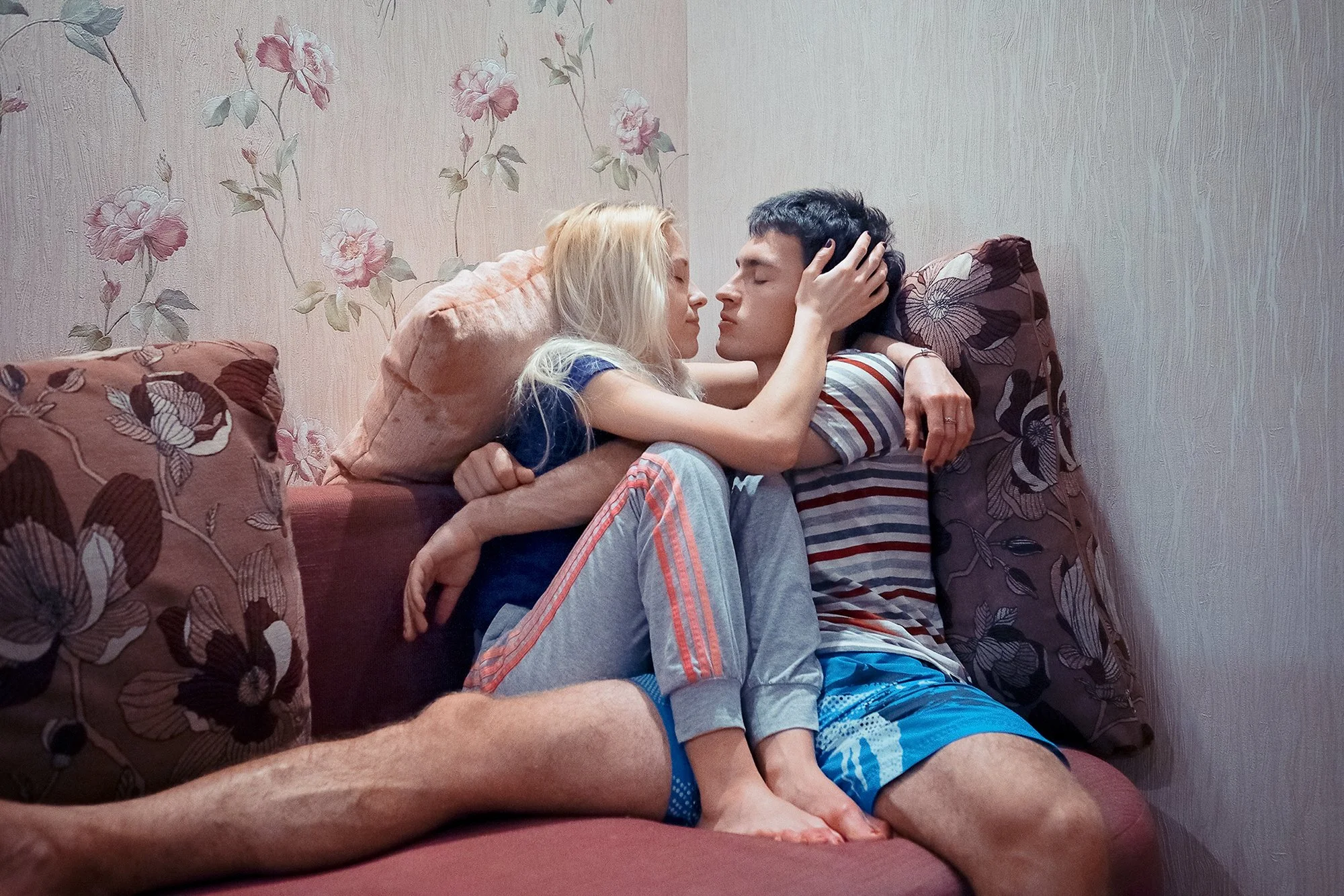
Images: ©oksana yushko
Interview - Nadine Isabelle Henrich
Curator House of Photography Deichtorhallen, Hamburg
1. At PHOXXI in Hamburg, you paired Akosua Viktoria Adu-Sanyah and Abdulhamid Kircher - two artists working with analogue color photography. Alongside the exhibitions, visitors could book darkroom workshops on-site. Beyond the specific themes of their projects, do you feel the physical, unpredictable nature of analogue chemistry inherently captures the festival’s theme, ‘Alliance, Infinity, Love’? Is this exhibition also your ode to the future of analogue practice?
The two solo exhibitions differ in their methods of working with analogue processes on several layers. I would actually question the premise that both bodies of work are examples of color photography – while this is true for Abdulhamid Kircher’s cinematic, intimate and immediate photographs that he assembles with archival materials into one living panorama unfolding the hidden layers of a family, Akosua Viktoria Adu-Sanyah actually works with black and white negatives, mostly created from archival materials or images she took of her father but that she altered with biased AI. She then develops the negatives, that hold no color information, into chromogenic color prints fully by hand. What I find interesting is that I see a great attraction to the supposed limits, slowness and delicacy of the analogue but I don’t see any nostalgia here. Both exhibitions are metabolic and deeply rooted in the very present.
In Abdul’s work he turns the guts of the body of a family inside out. It is an attempt to lay bare the suppressed emotions, the shame, the lives and dreams mutilated by patriarchal violence. It is a transgenerational migrant biography, entangled with Turkey, Germany and the U.S. The radical act of laying it out as an uncensored family album that contains the underbelly that is normally not pictured and not spoken about takes the very medium through which generations have constructed family histories and identities and turns it upside down. With Mark Sealy I spoke about the notion of a “ground zero” for photography that has been achieved by artists and theorists working since the 1980s through the colonial, extractivist, divisive, bureaucratic and racist heritage of the medium. Now we are in the aftermath of this groundwork, and the question arises what to create anew with a medium that has finally reflected upon its history and that besides all of those dimensions still possesses extraordinary artistic possibilities – resistant, wayward, metabolic, deeply emotional and conceptually challenging. Abdul’s work is an invitation to acknowledge the hidden and thereby to finally make space, overcome and create beyond. It is an invitation to redefine masculinity and what it means to love.
Akosua’s work is deeply connected to the experience of loss, grief, injustice and the search for dignity. That dignity emerges from the radicality in which she decomposes the medium and redefines its limits. Last year at MMK the artist had built a developing landscape of analogue processes, constantly in transformation. There, she moved beyond representation and image-making alltogether. By exposing the developing process over the exhibition period, the visitors became witnesses and thus part of photographic reality. The work became tangible as a process of mourning, a constellation of space, time, paper, chemistry, smell, light, presence and absence. For our exhibition, Akosua created a sequence of new large-scale, fully hand developed chromogenic prints. The prints, some over 300 cm in height, were mounted on aludibond and then fixed on to thick black wooden structures, the artist built herself. Standing vertically, they reach up high and are not hung on the walls but subtly lean on black steel angles. Akosua over the years has developed a practice that takes her own scale as the departure point and the darkroom, its process, the printing, the washing in the development liquid and the frames that allow the works autonomy, are all conceived around the width of the artist’s arms. In the surface of her chromogenic prints small bubbles are embedded in the surface of the prints, there are traces of their making and handling, instances where the chemistry seems to ignite. The artist has said that beauty comes from dignity, from survival. The practice is sustained by a metabolic system, that is kept alive by the continuous “process”, which Akosua defines as her medium. An infinite number of variations of prints can be produced from the information of one of her negatives. The other is encountered in the face of her great grandfather Ulrich Schlüter, who in one instance barely emerges from the opaque dark red of her print, in another he appears on a color frequency of orange-green-brown. Near a stain where the chemistry burned a bright yellow wound into his picture, the Hakenkreuz of his uniform of the Deutsche Luftwaffe becomes visible.
The “Other” is found in both exhibitions in one’s own family album, ghosts that haunt the present and might impel us to face them and therefore create in different ways.
2. Both Kircher’s Rotting from Within and Adu-Sanyah’s Residual Sky Under Contamination carry titles that evoke decay and toxicity - qualities one might not immediately associate with a theme like “Love.” Can you explain what drew you to pairing these specific projects?
Love must emerge from a process of acknowledgement, otherwise it would be a flat performance or commodity. Mark’s Triennial title does consist of two parts: “Alliance, Infinity, Love” and “In the Face of the Other”. To me this conceptual framework was inspiring because it proposes the medium of photography as a collaborative, relational and conceptual tool to bridge and connect beyond and despite differences or assumed categories.
The notion of “Contamination” in Akosua is multilayered: it refers to the chemistry of a contamination of light that falls into the darkroom during the development process and that manifests the artist’s motion as a second exposure on top of the actual print. It also refers to the Contamination of colonial rule that is inscribed into the archival images she made her negatives of. But by reframing the images the artist recovered skies and horizons that do not show the staged group portraits of people living in Ghana under British colonial rule. These “Residual Skies” the artist sets free in the monumental prints where they create a space of their own.
“Contamination” as much as “Rotting” carry notions of something that exists outside the notion of the pristine, the clean, the hygienic and the normative. In a metabolic notion this is exactly the ground for a process of transformation, regeneration, healing and possibly beauty that reveals itself through that very process. We never find a ground that doesn’t carry traces from previous, sometimes haunting experiences, the question is how to activate them as a source of different ways of making, thinking, connecting and ultimately loving.
3. Bringing Philip Montgomery’s American Cycles to Fotofestiwal Łódź in cooperation with the Deichtorhallen Hamburg - where it was previously shown - highlights a strong European network. Why was it important to show this specific portrait of American societal fracture to European audiences right now?
The show was a truly important project to me for the sheer quality of Philip’s photographic work and the desire to show a first survey of his practice selected from the last 12 years. Why this show had to be done in 2025 in Hamburg, 2026 in Lodz and 2027 in other European cities was driven by the observation of the erosion of the social fabric, increasingly fractured by a political agenda that deregulates and defunds public infrastructure, science, education and people that depend on support, such as single moms, who struggle to synchronize the many lives, they are supposed to live in one. The exhibition maps these processes from the first election campaign of Donald Trump to the present. It gathers incredibly cinematic and timeless photographs that Philip made, while covering the housing crisis, the opioid crisis, the COVID-19 pandemic, climate events and collective movements and protests from across the political spectrum, such as Black Lives Matter, the Capitol Riots or protests against ICE-Violence. These events are never pictured in moments of action, instead they appear paused, as if a sudden moment of rest opens up amidst the chaos. This choice of counterintuitive timing is enhanced by Philip’s genuine use of lighting, that he brings with him to the places he photographs. The artificial light that often falls in from the top left of the frame, drawing long and harsh shadows, transforms these instances into scenes as carefully composed as masterly religious paintings or a Jeff Wall photograph, but here they are not staged, they are documentary in their method, altered by the use of light. I think of them conceptually as double exposures: documentation and fiction are overlaid, and the struggle of the individual is elevated into a timelessness, a history of human struggles.
There is a return of nationalism that we see being pushed and building up over the last decade and that is not a U.S. phenomenon. Those narratives, ideologies and algorithmic regimes celebrate power, corruption, entertainment and manipulation. Factchecking, research, discourse, dialogue and the ambitious search for a democratic system that is continuously developed and reformed for people to access a dignifying life, independently of their national status, ethnicity, physical or mental condition, is not part of the dominant narrative. The exhibition lays out those fractures across five chapters, as a “case against American Greatness” as Philip has put it. The visitors are invited to review and reflect on this case and to extrapolate and bridge those observations to the European present. We might recognize certain patterns, but we might also become aware of the differences that a social democratic system might provide and that are worth strengthening.
4. By the time both photo festivals of 2026 close in Germany and Poland, what conversations do you hope your curated spaces have inspired among visitors?
Photography has been through a revisitation and critique that was truly necessary to liberate the medium from the spell of its central dogmas: among them Index (Peirce/Barthes), Transparency (Greenberg), Evidence & Empathy (Sontag);
While the denaturalization and critique of these concepts was necessary, these notions remain relevant layers under a current crisis of trust, of the perception of what is real, where images perform to mine affection and reaction, where the concept of witnessing is undermined.
There is a crucial difference between the making of a photograph and its layers of decisions, processes, relations and concepts, and any product coming from surveillance infrastructure or GenAI imagery. While the archives of photography have been appropriated to produce the visual simulations we increasingly navigate online, they might as well be an offering to break its hallucinations of disembodiment, of endless resources and a world of actions void of consequences.
Making a photograph is no longer linked to the fiction of a neutral, detached observation and fixation, but might right now instead assume a notion of being in the world, to participate in it, to be deeply entangled with it and to transform it – socially – ecologically – economically – technically – artistically. As Baldwin said it beautifully back in 1962: “A society must assume that it is stable, but the artist must know, and he must let us know, that there is nothing stable under heaven.“ Spending time with a family ghost in the darkroom, stepping in front of your violent father to produce his vulnerable portrait, sitting down with a single mother and her sleeping children to picture the family’s absences and shadows – these are all impulses for conversations that invite us to face the suppressed and hidden layers of our lives to transform fear or shame into a metabolism that produces energy to create the new.