Your name
Peter Brandt
Place of birth
Windhoek, Namibia
Place where you live now
Cape Town, South Africa
3 words to describe you
Intense, curious, provocative.
Why do you take pictures?
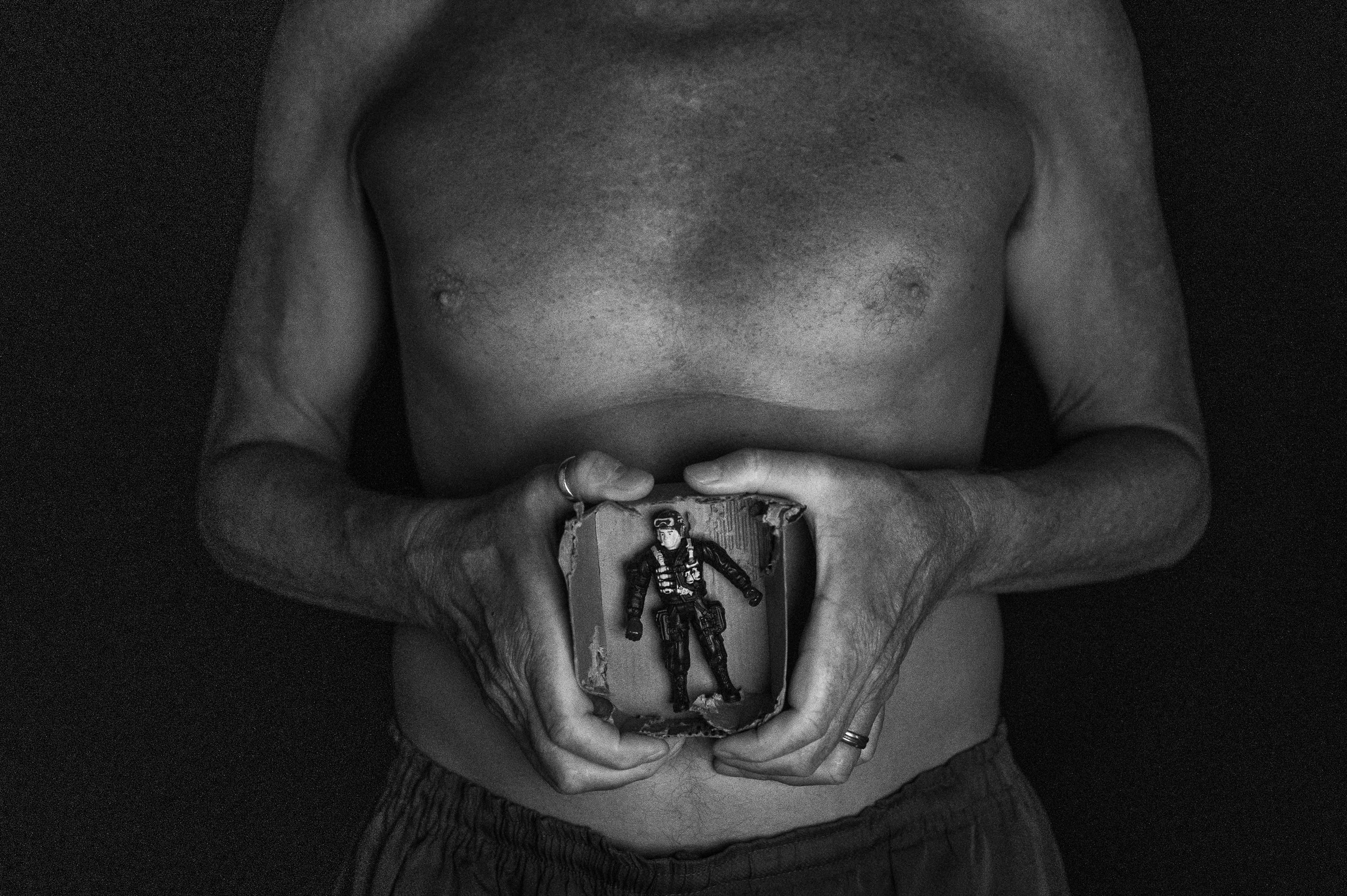
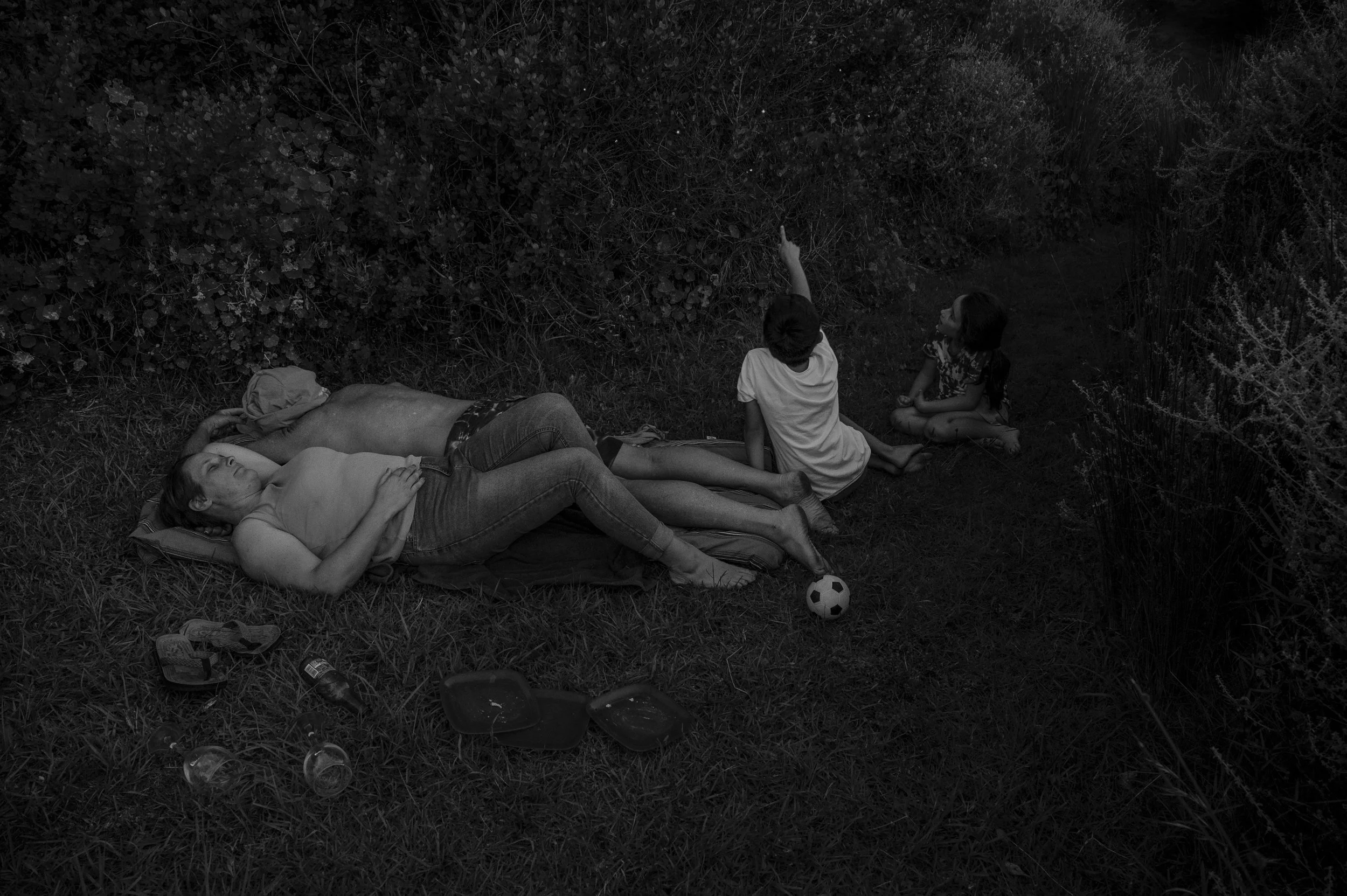
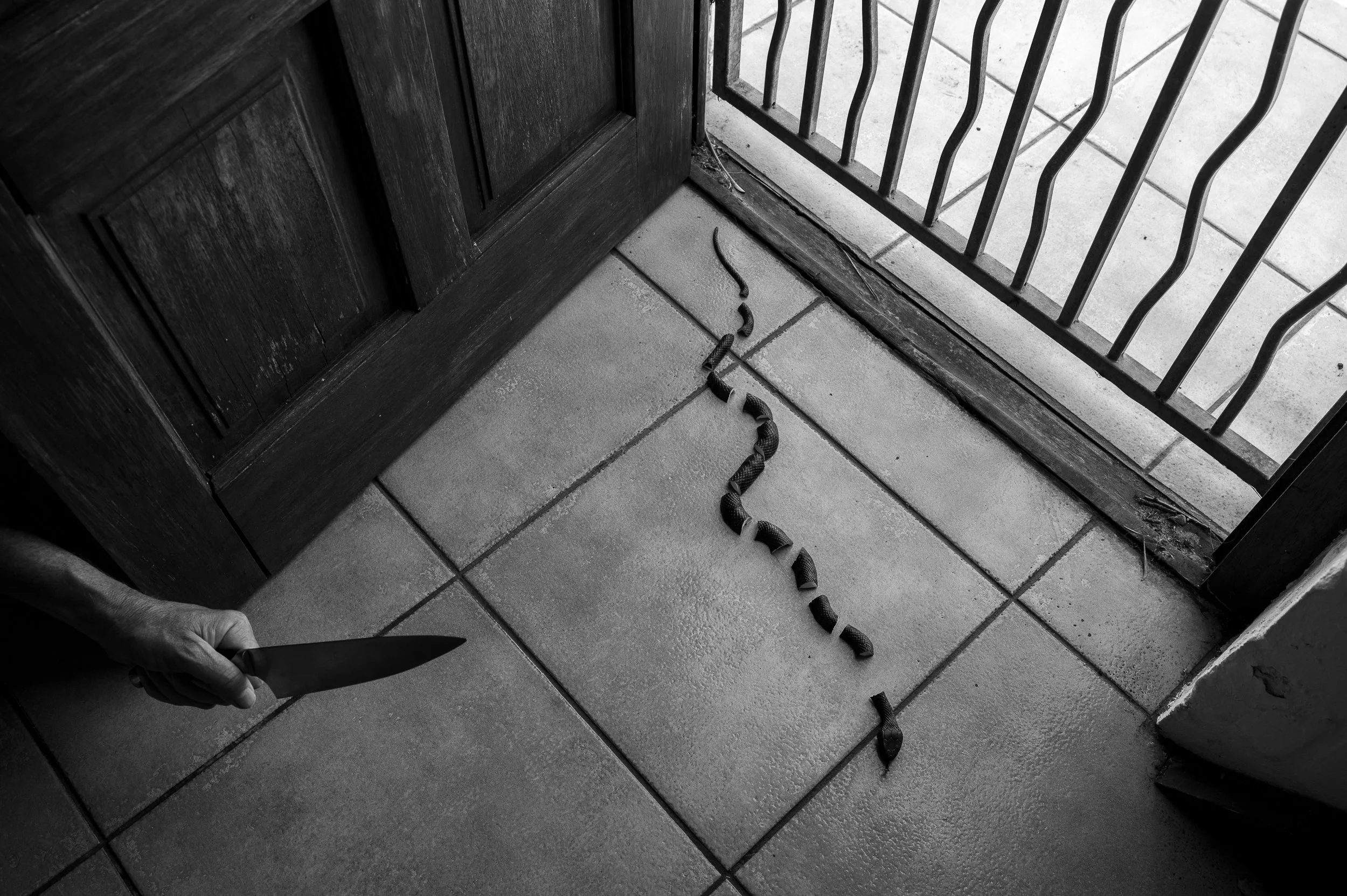
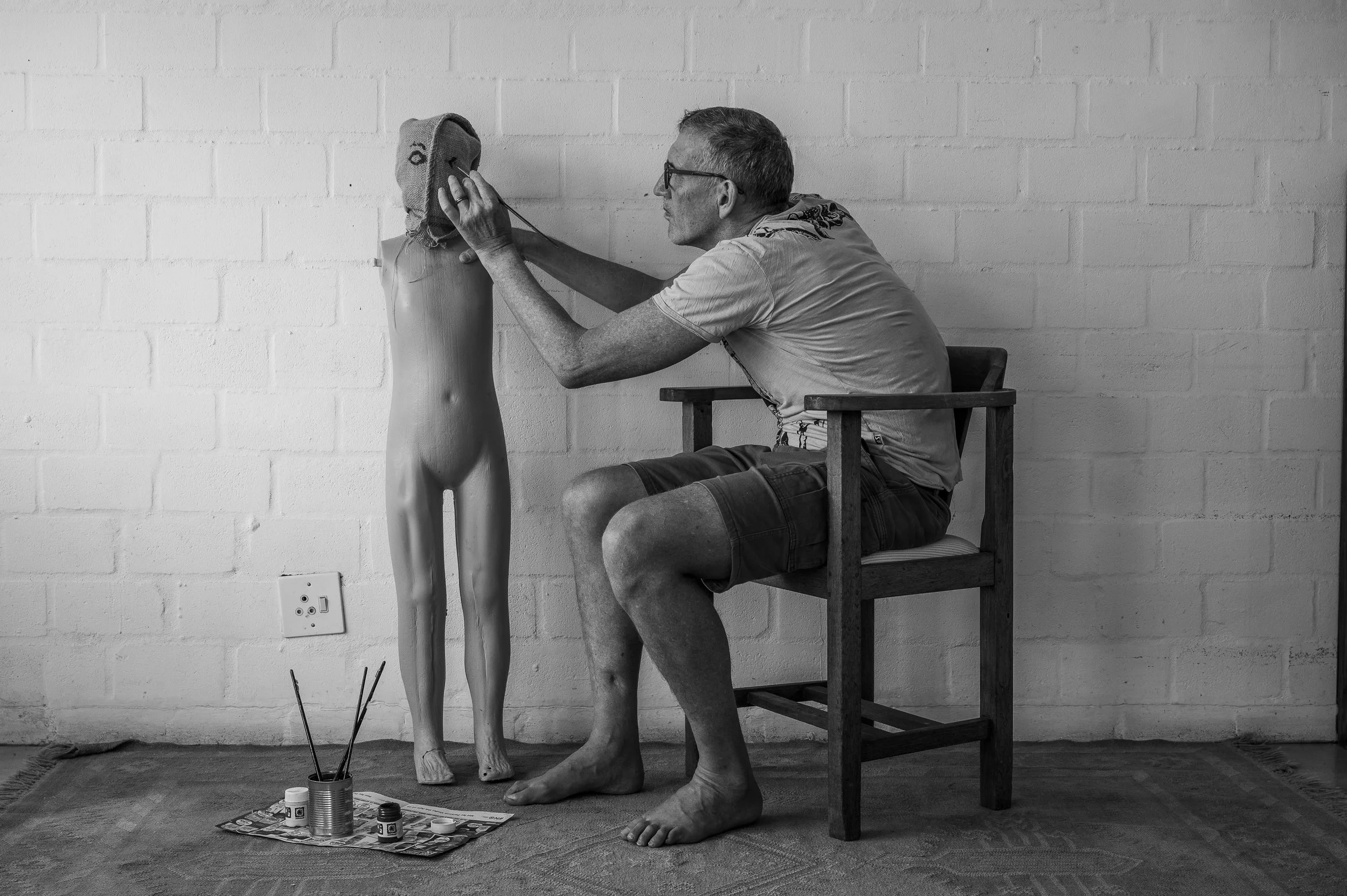
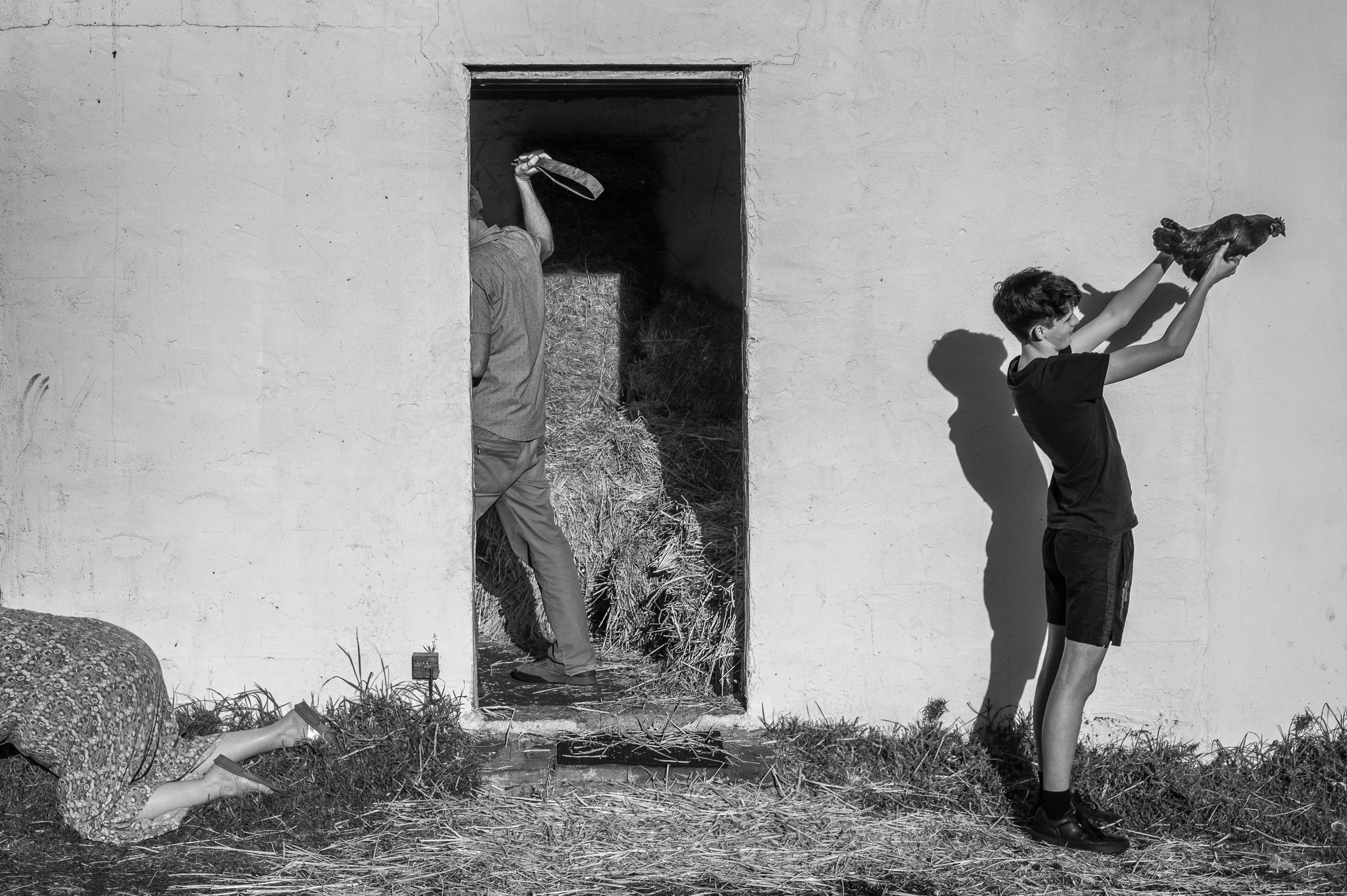
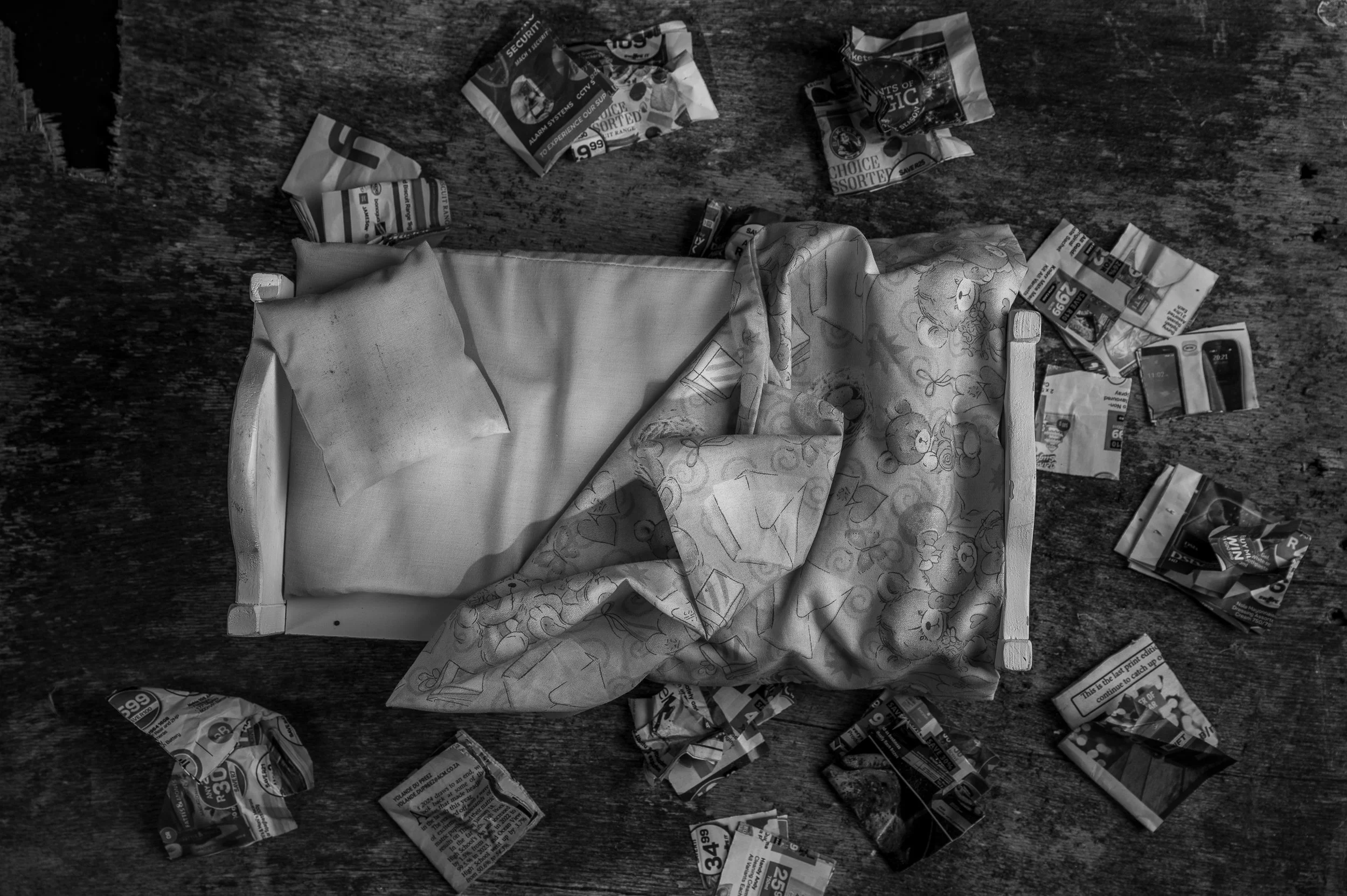
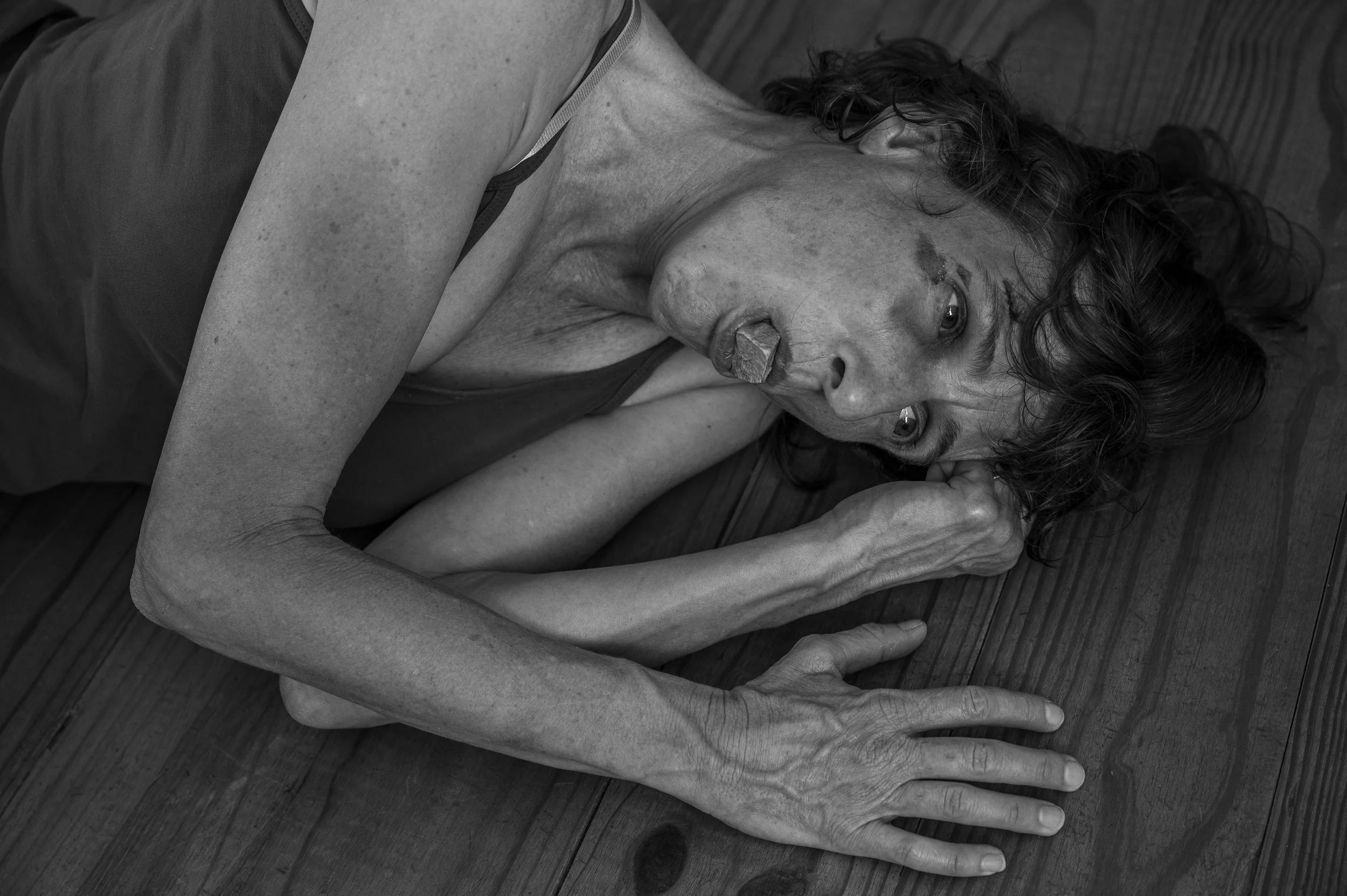
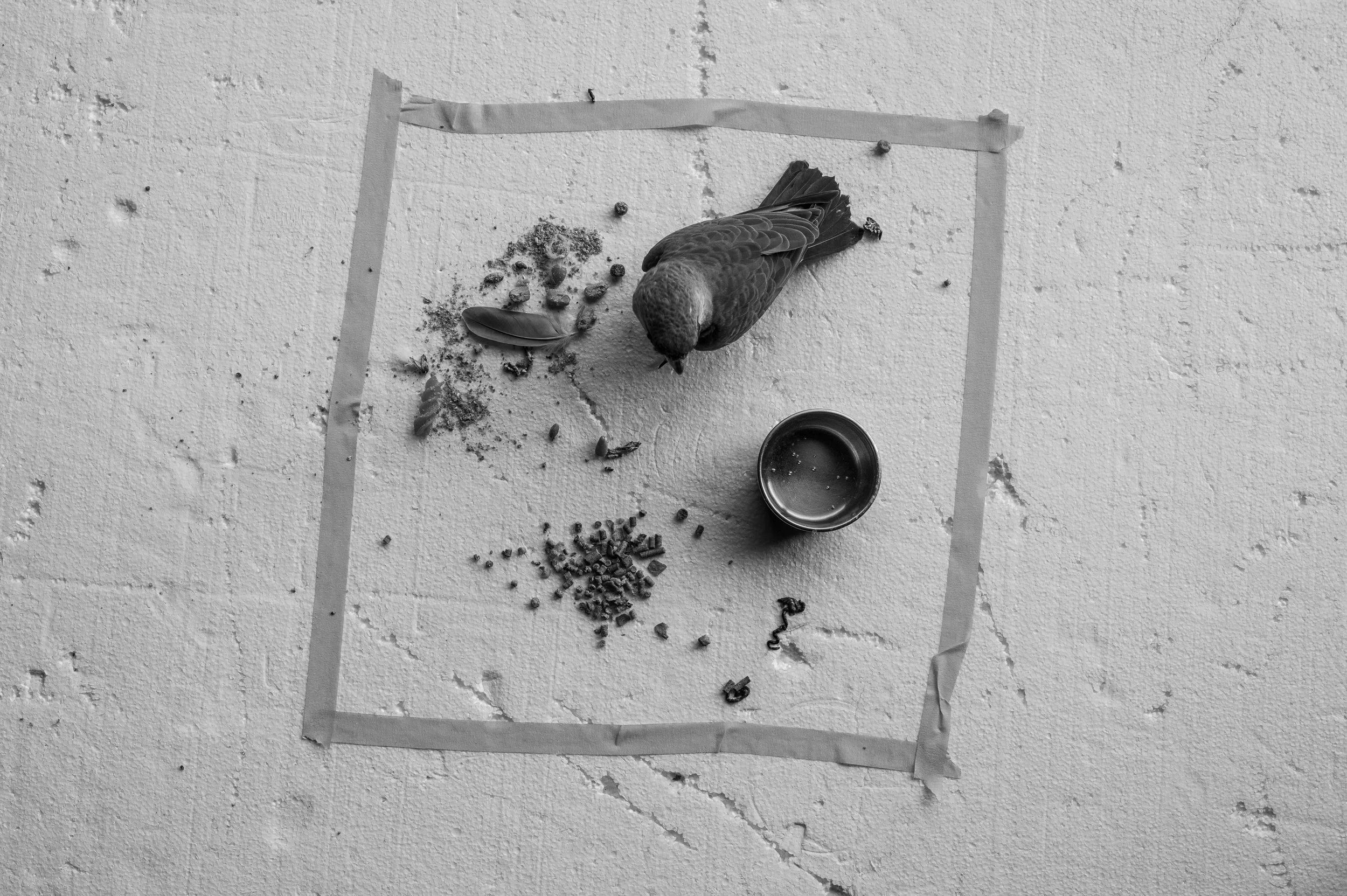
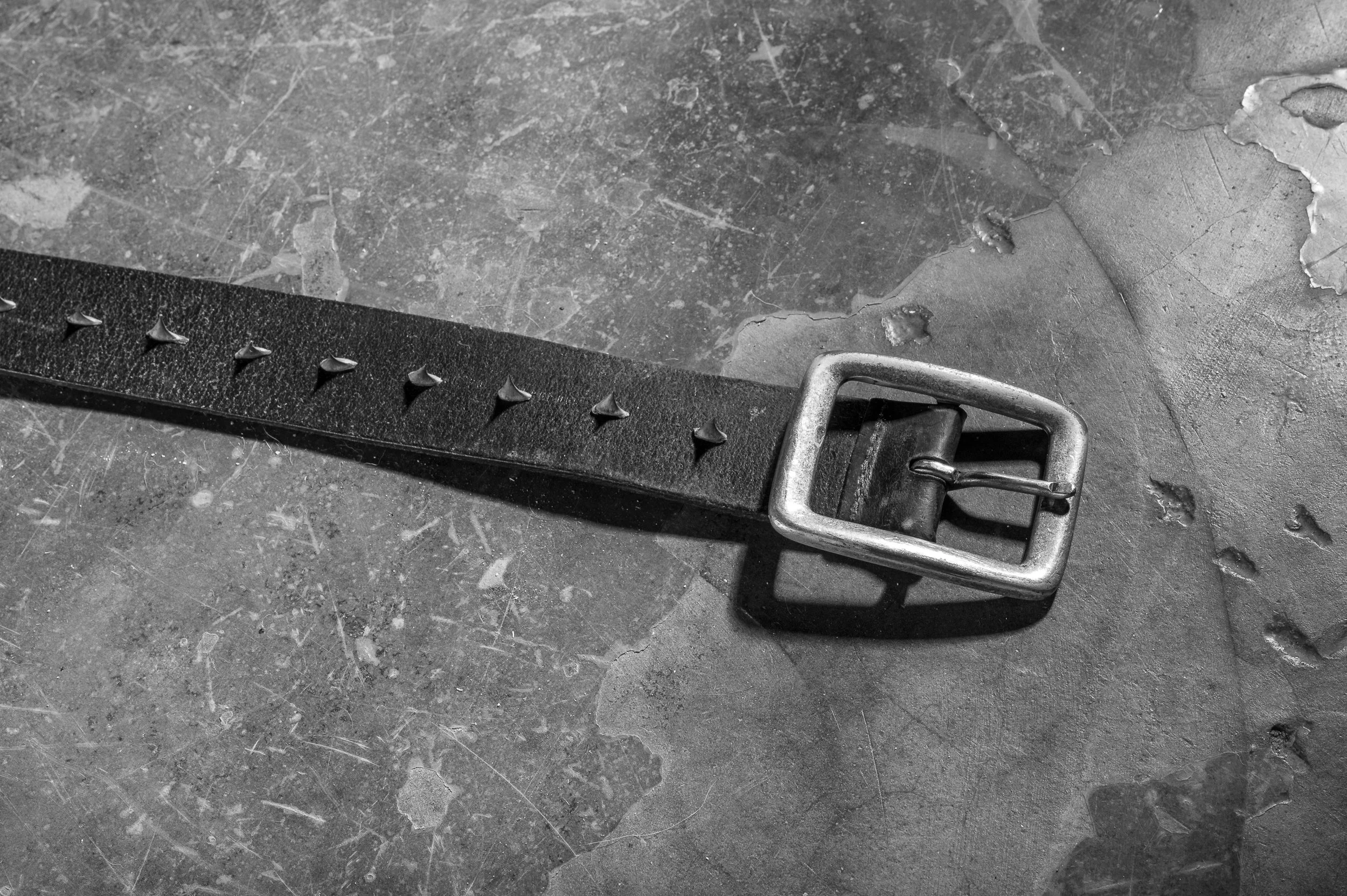
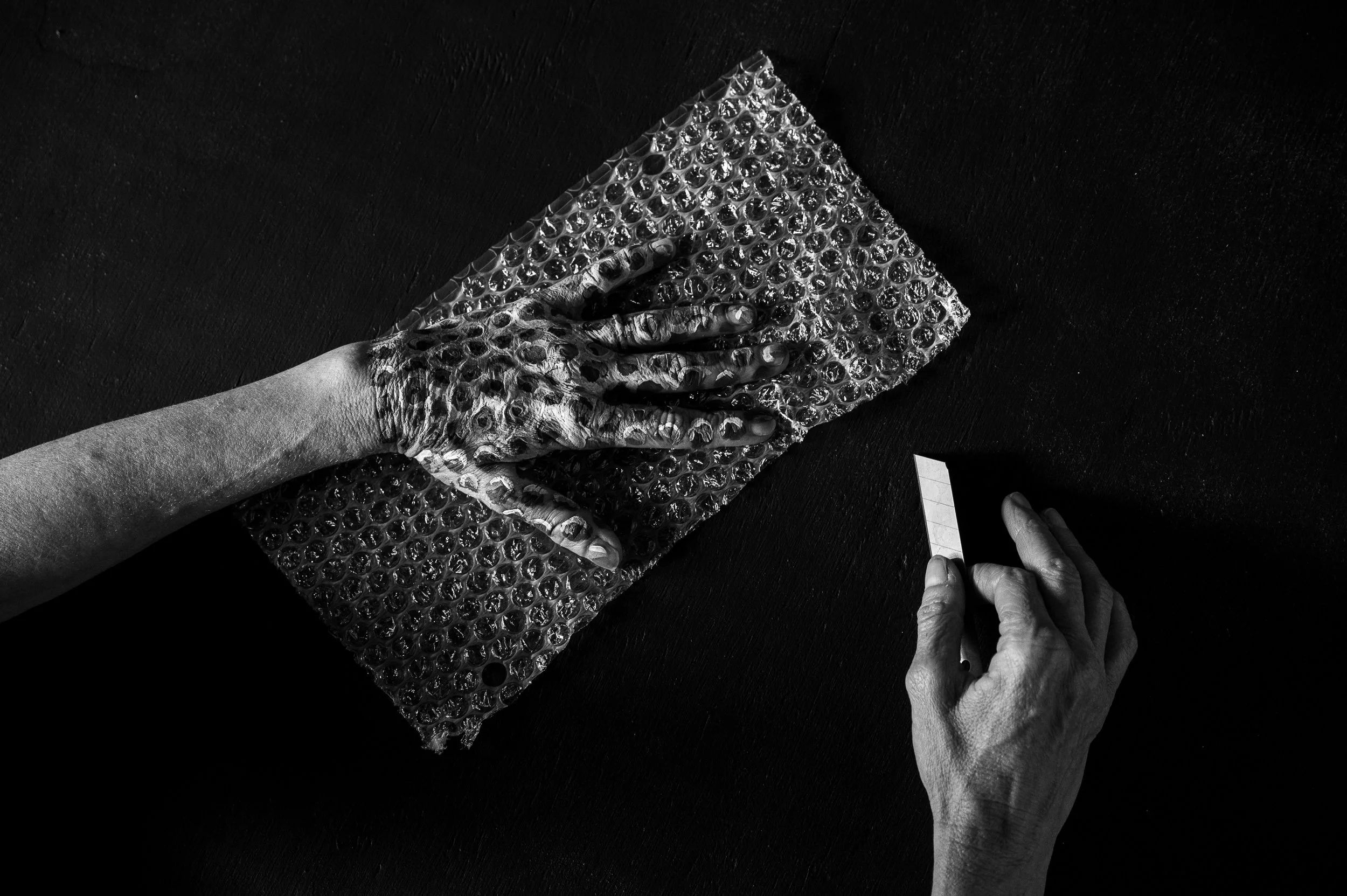
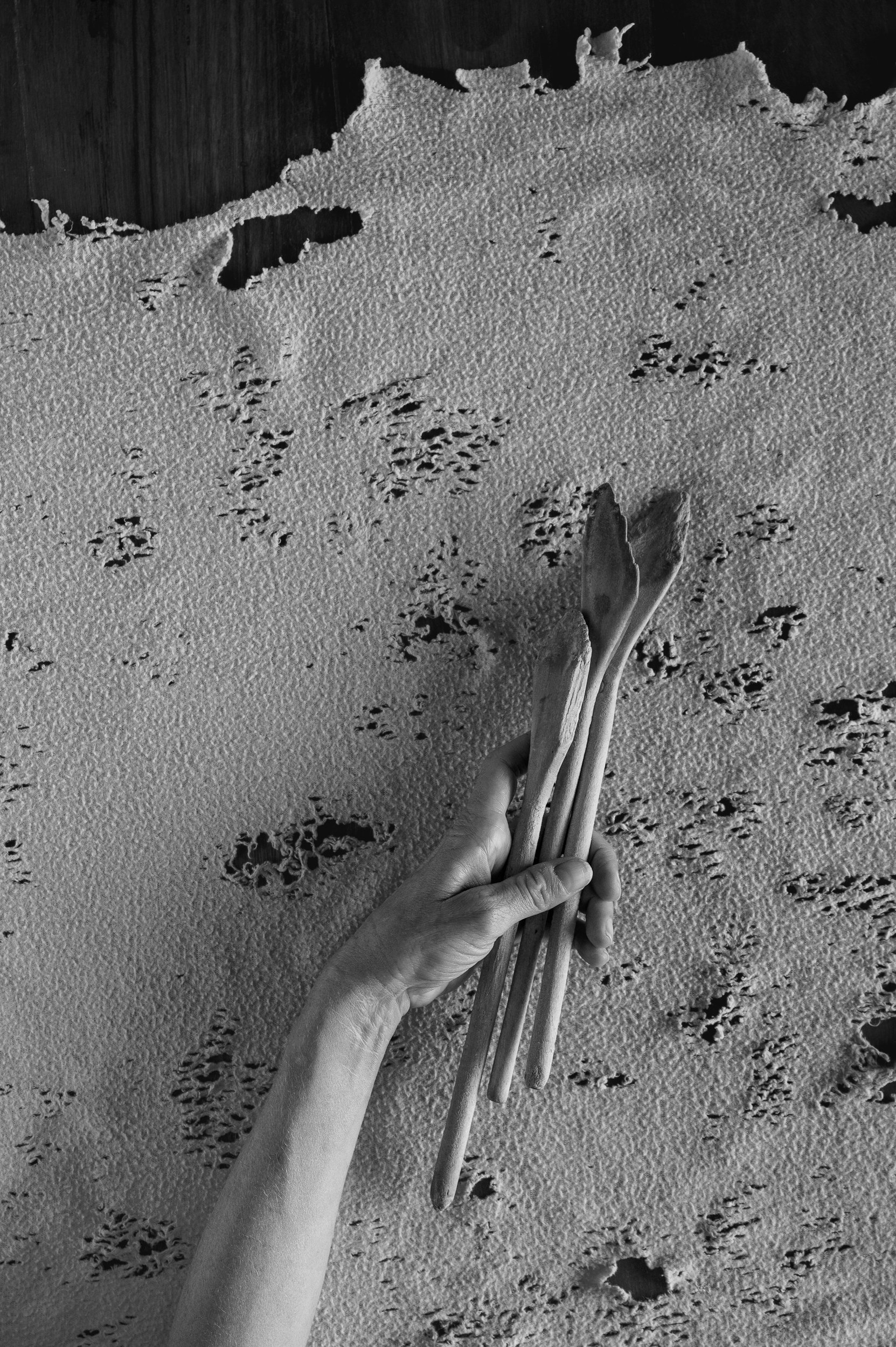
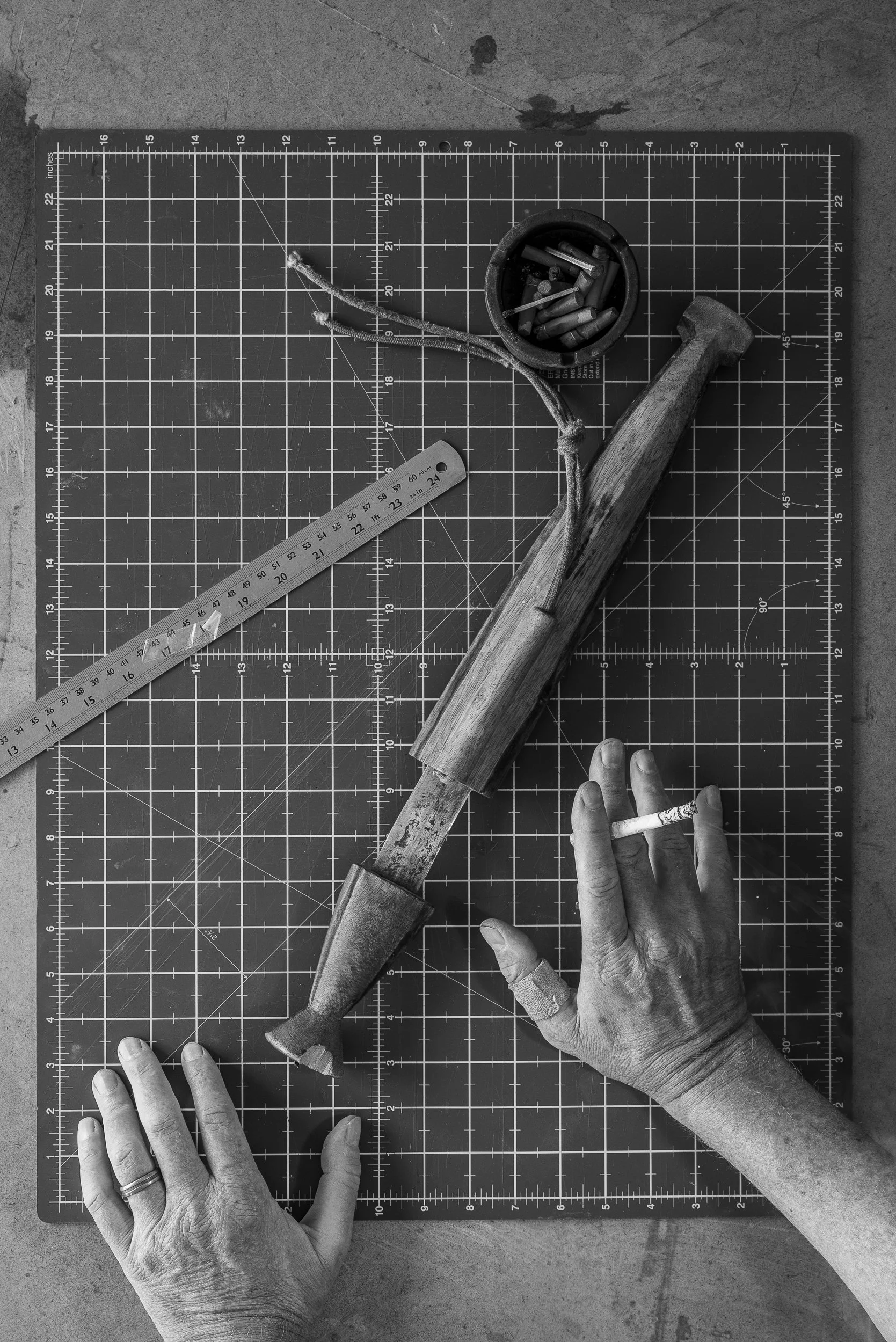
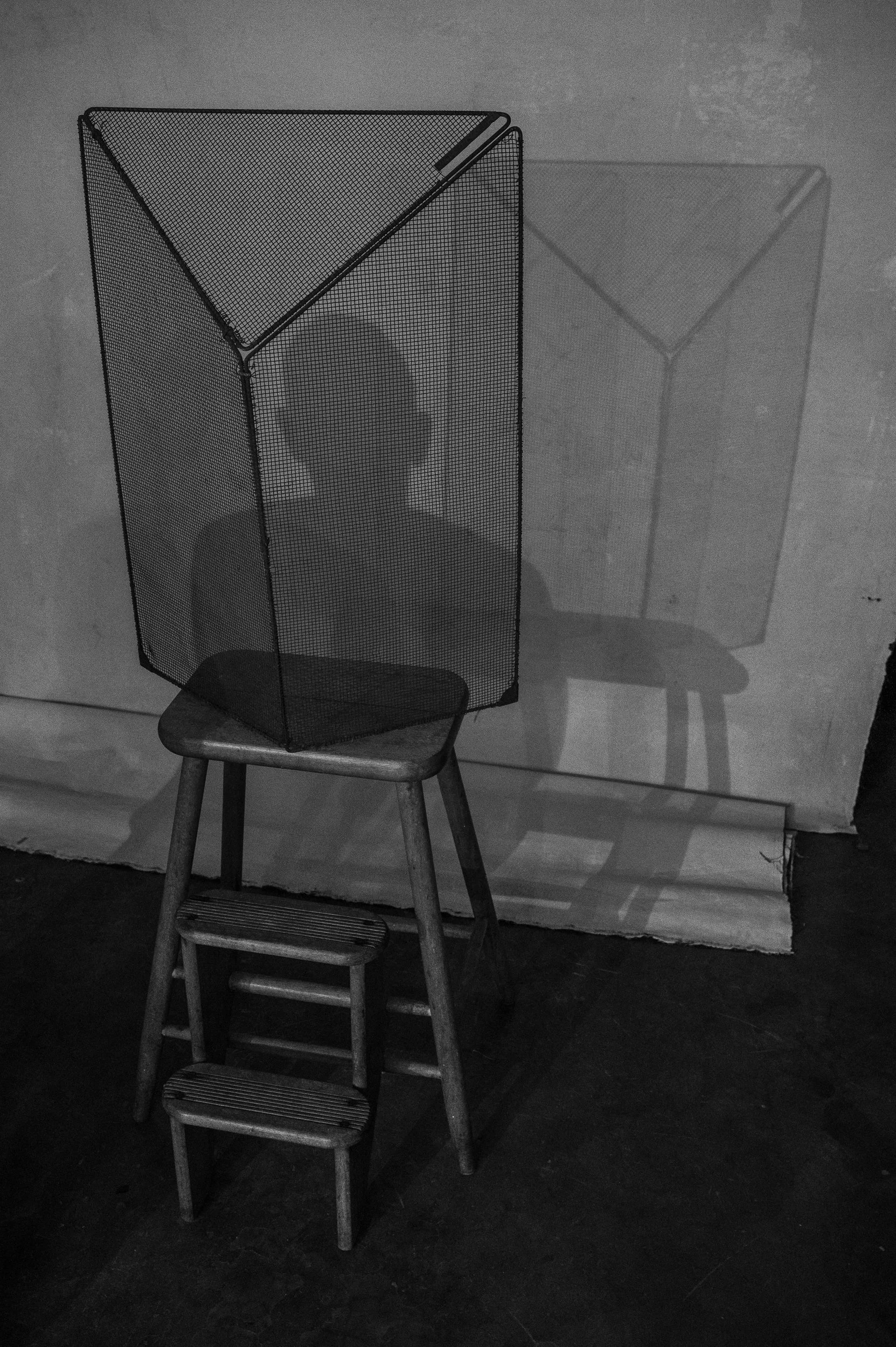
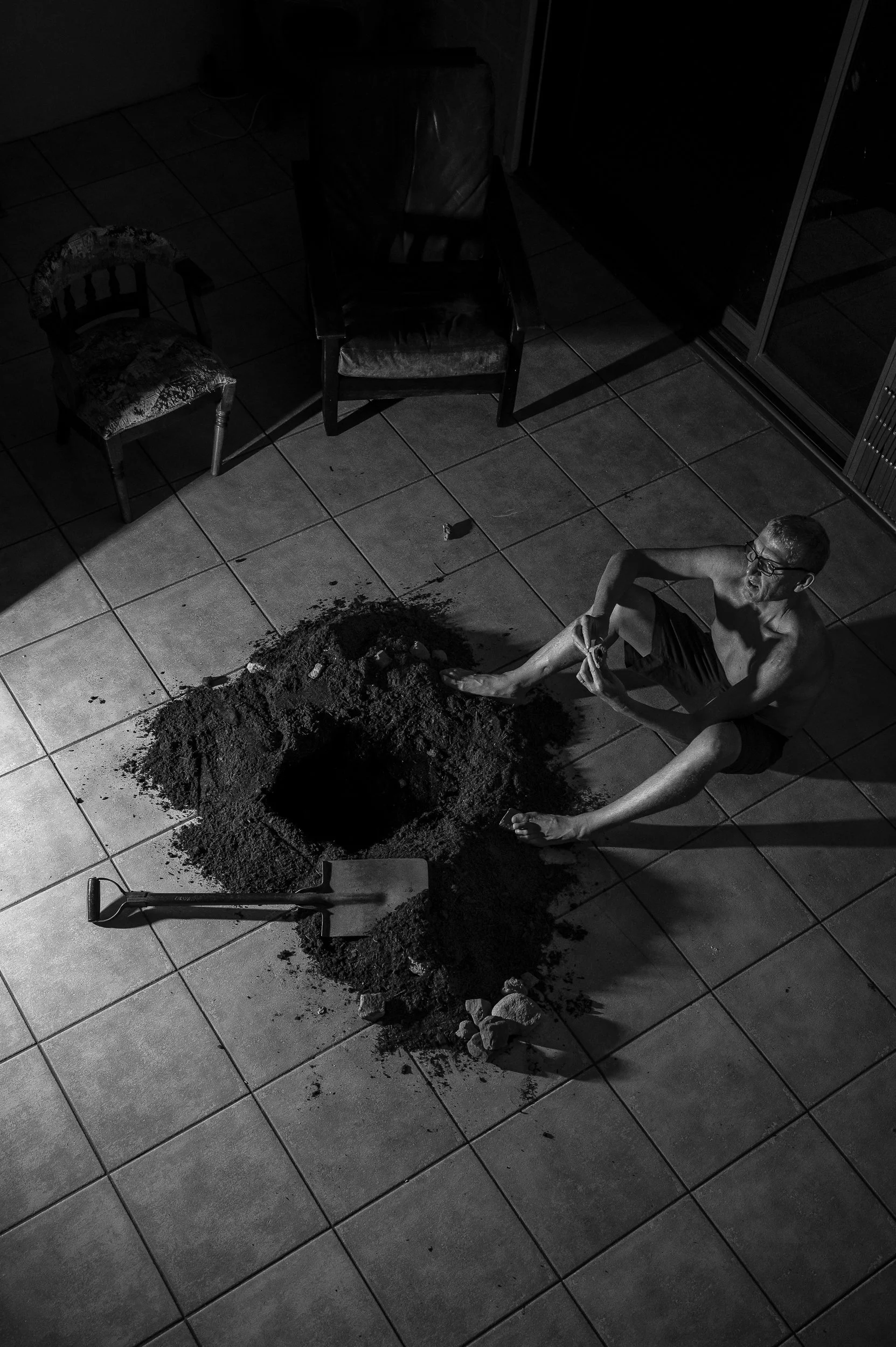
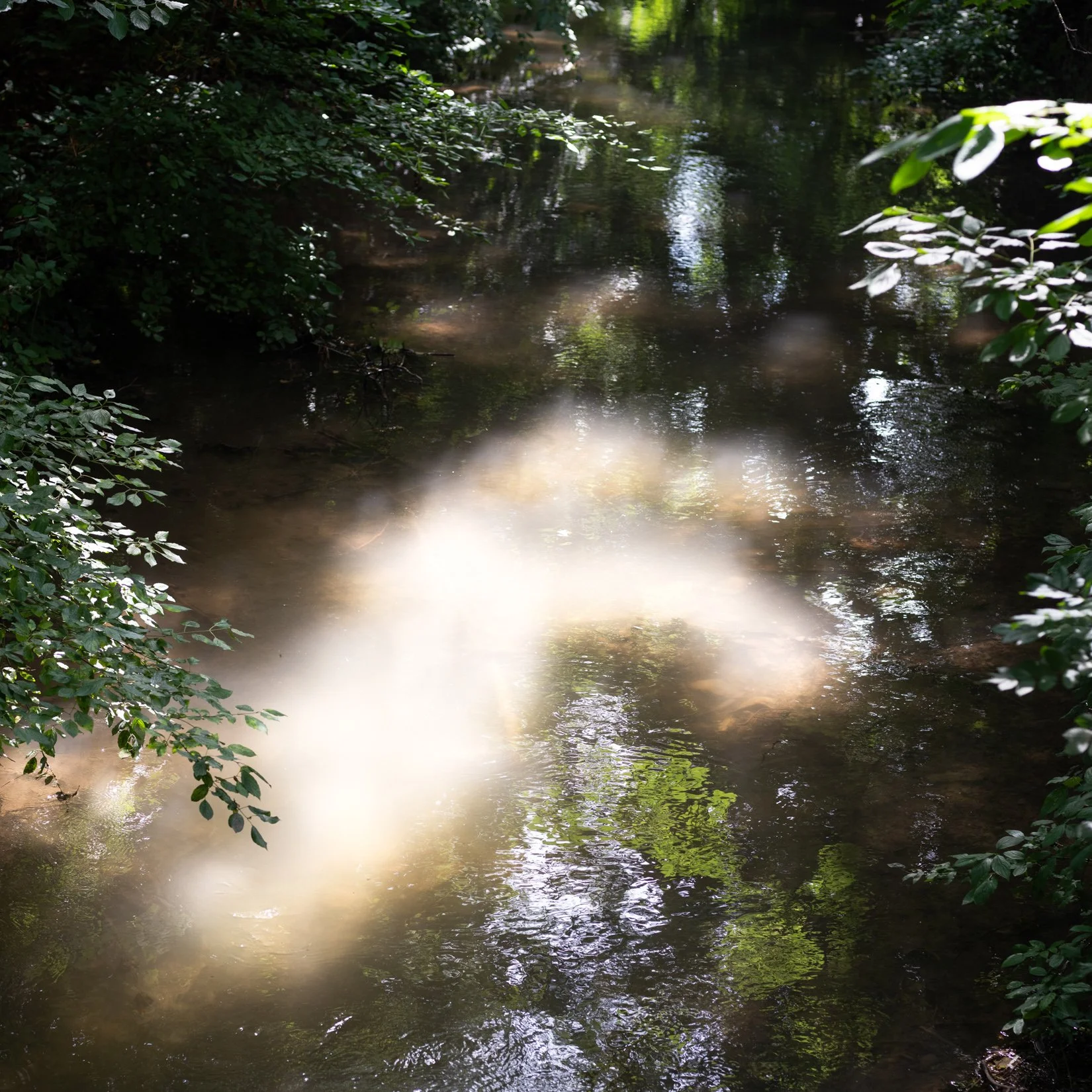
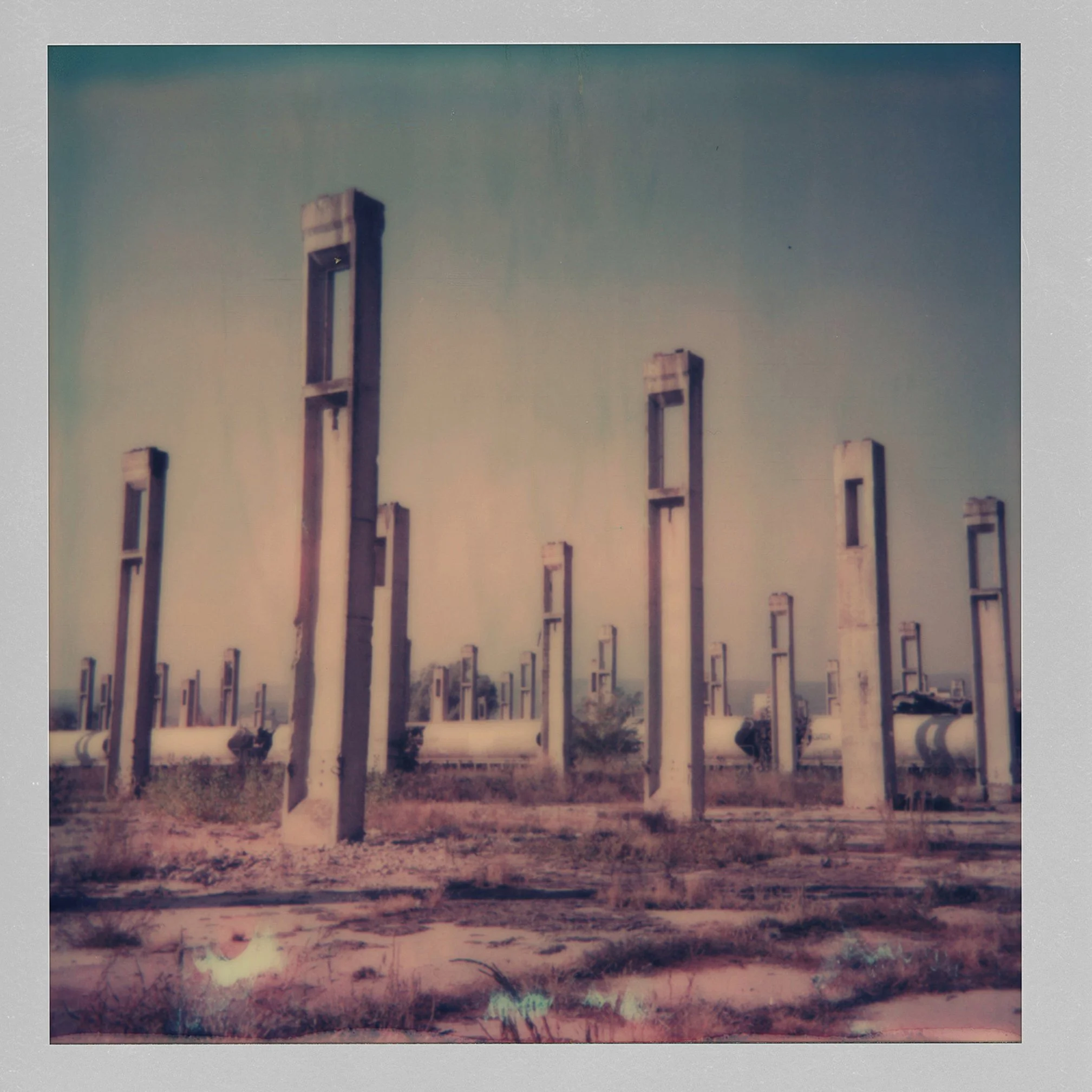
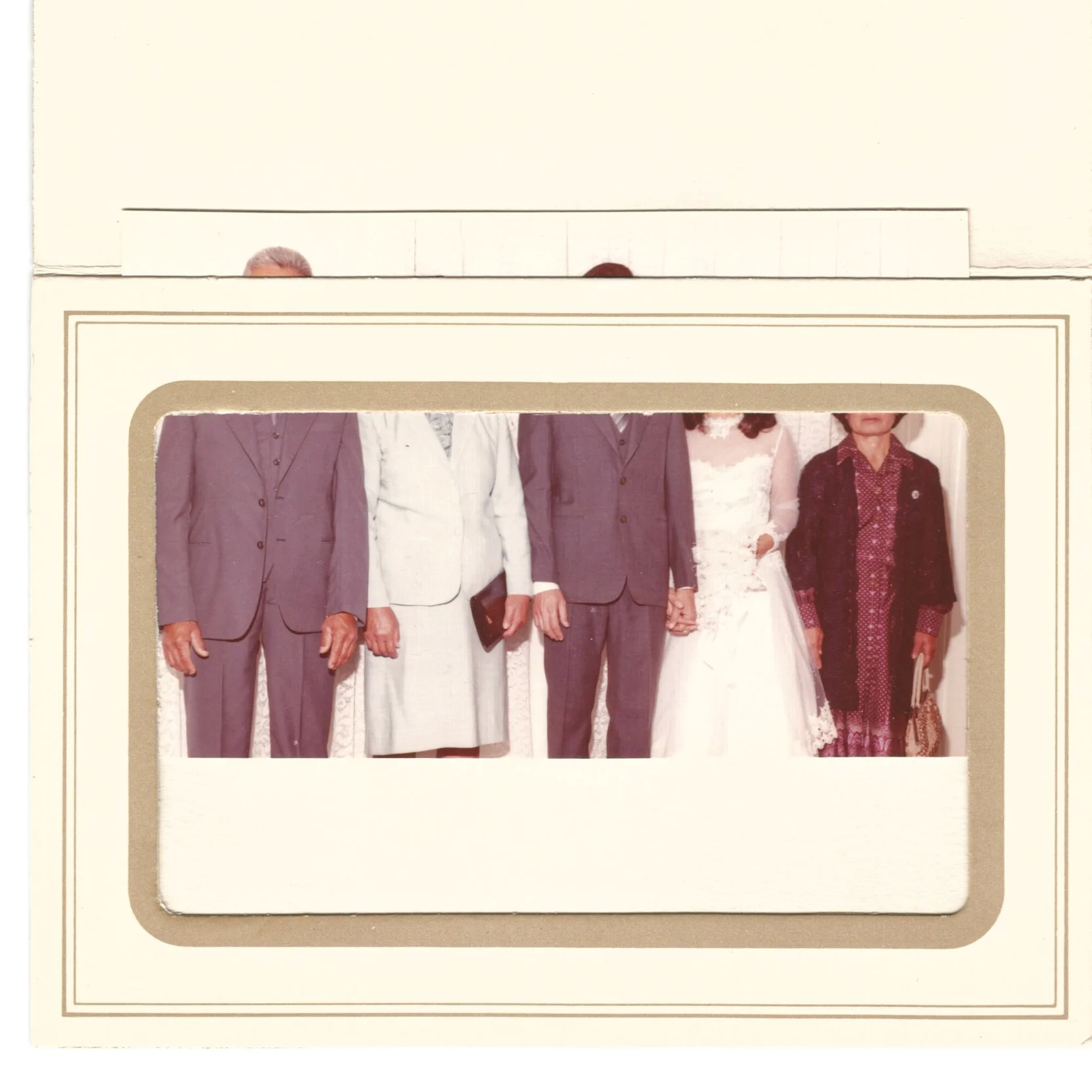
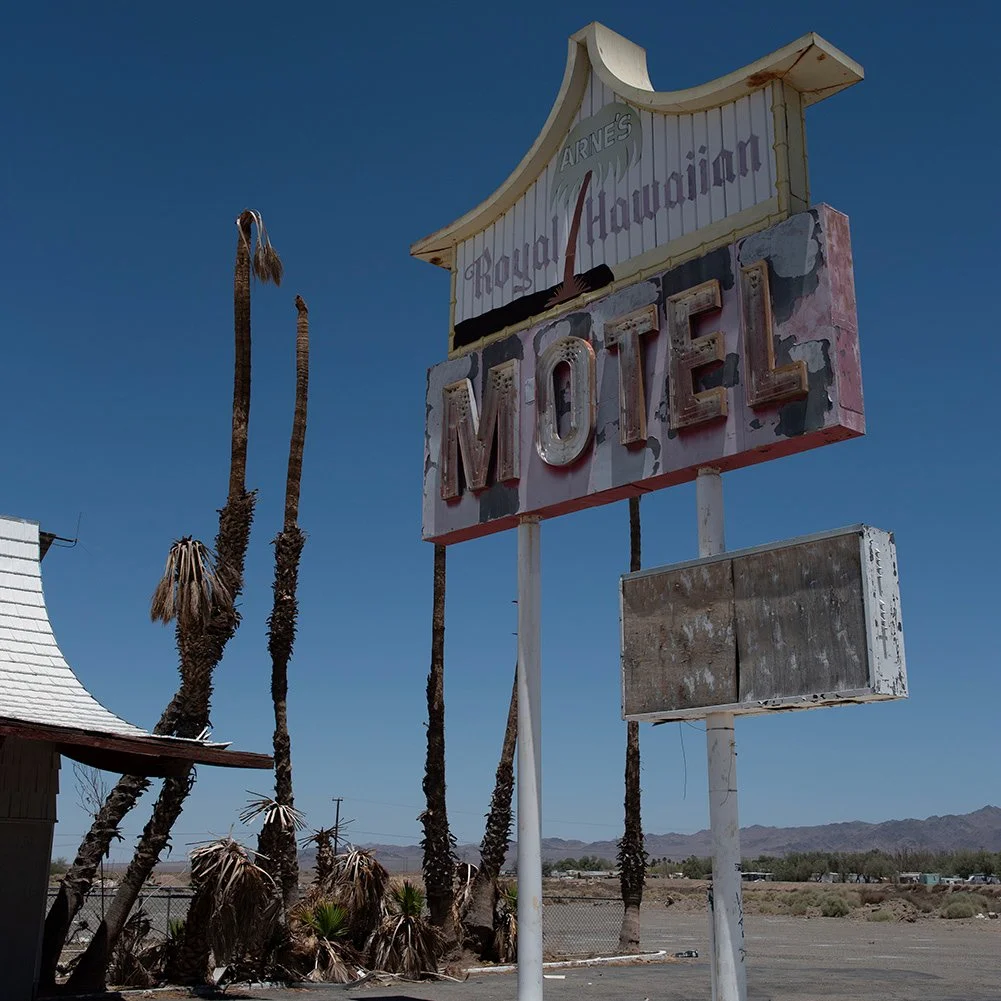
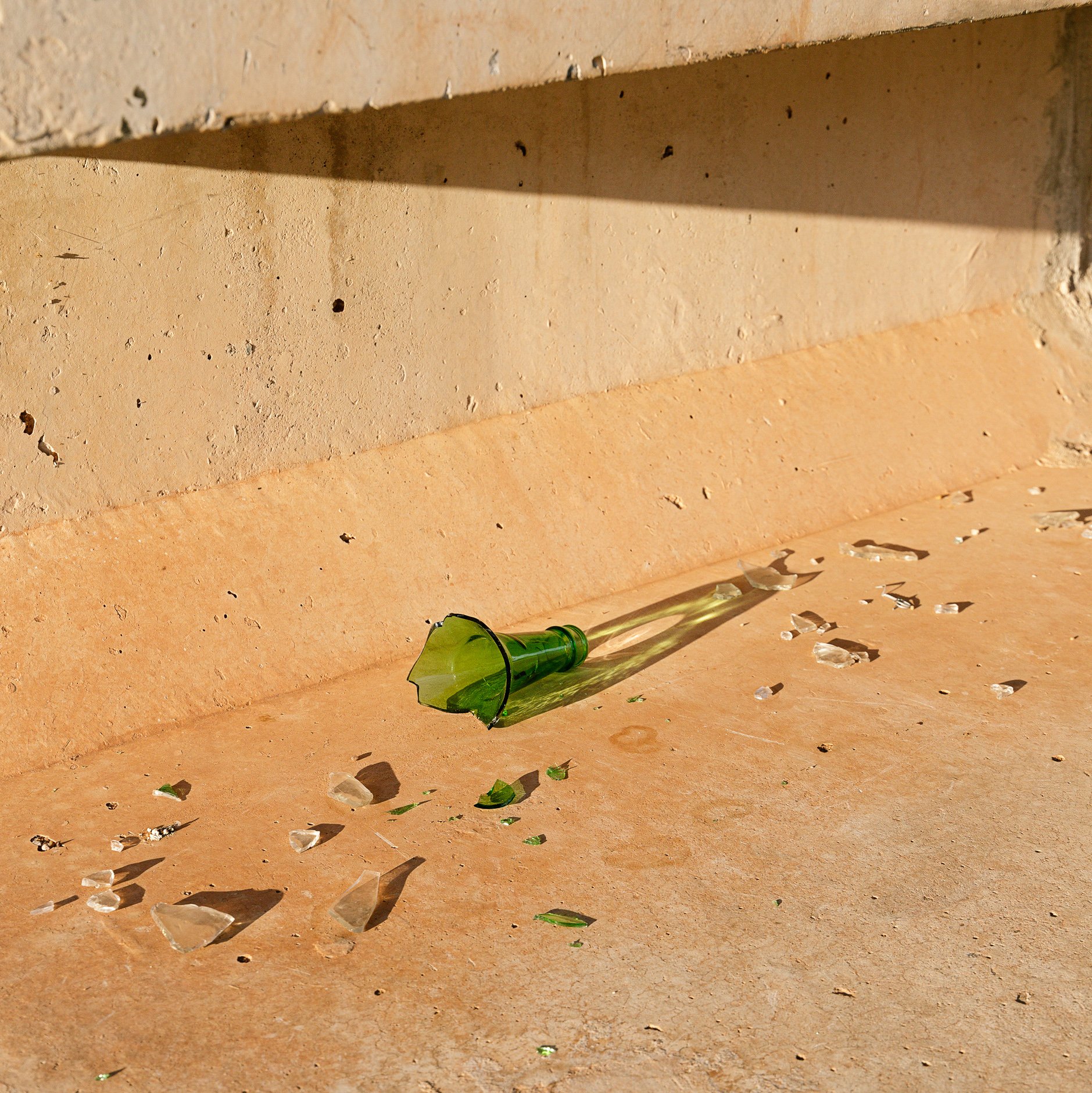
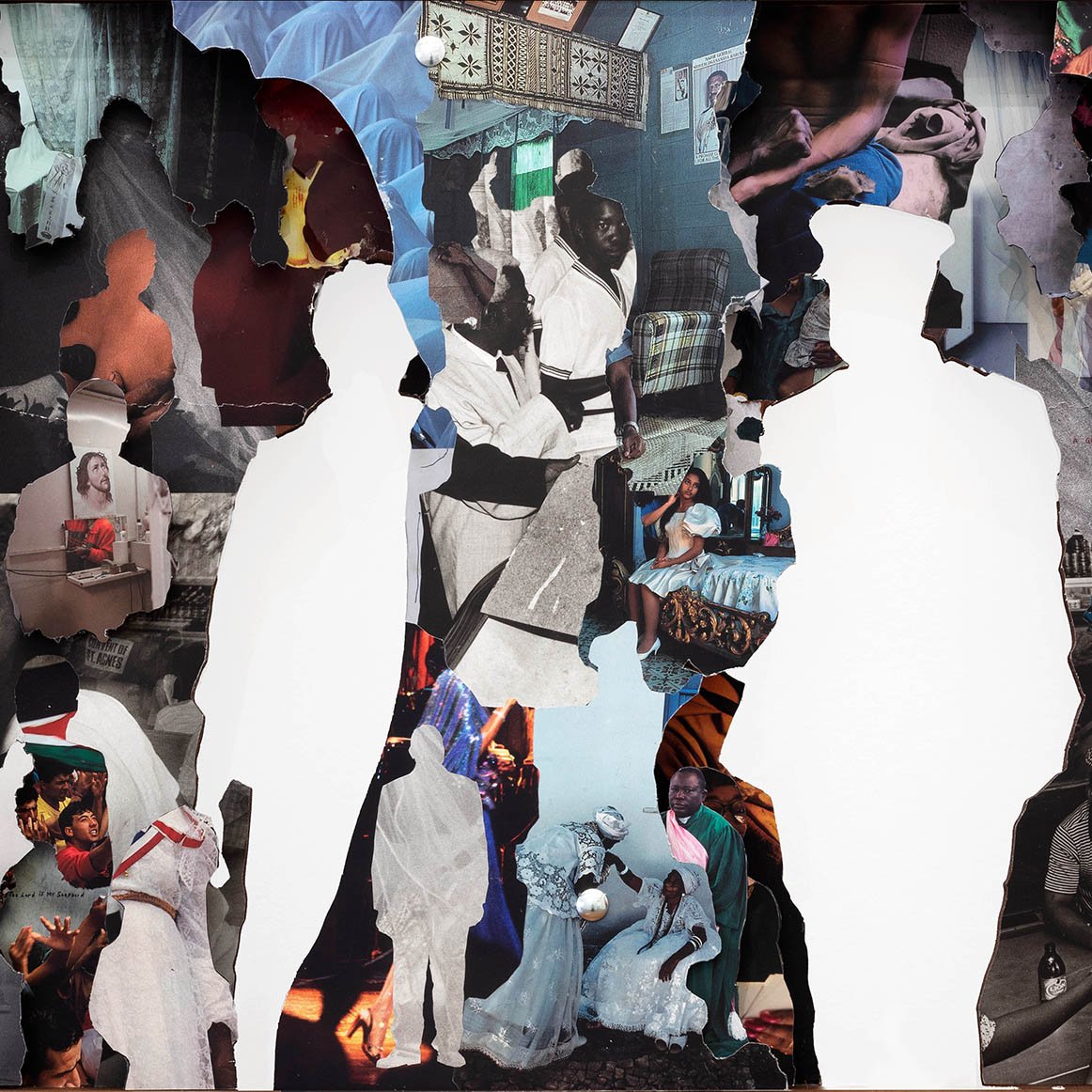
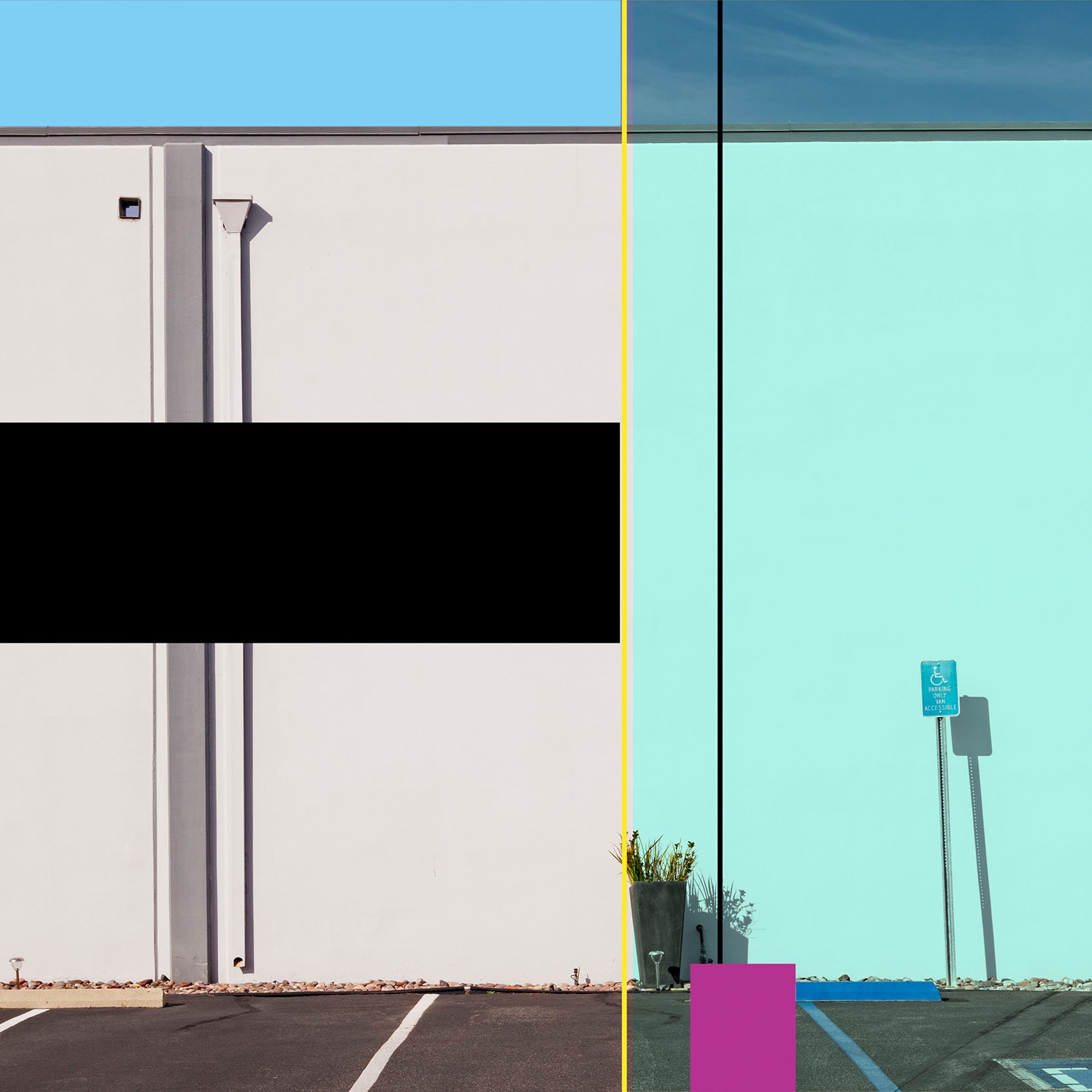
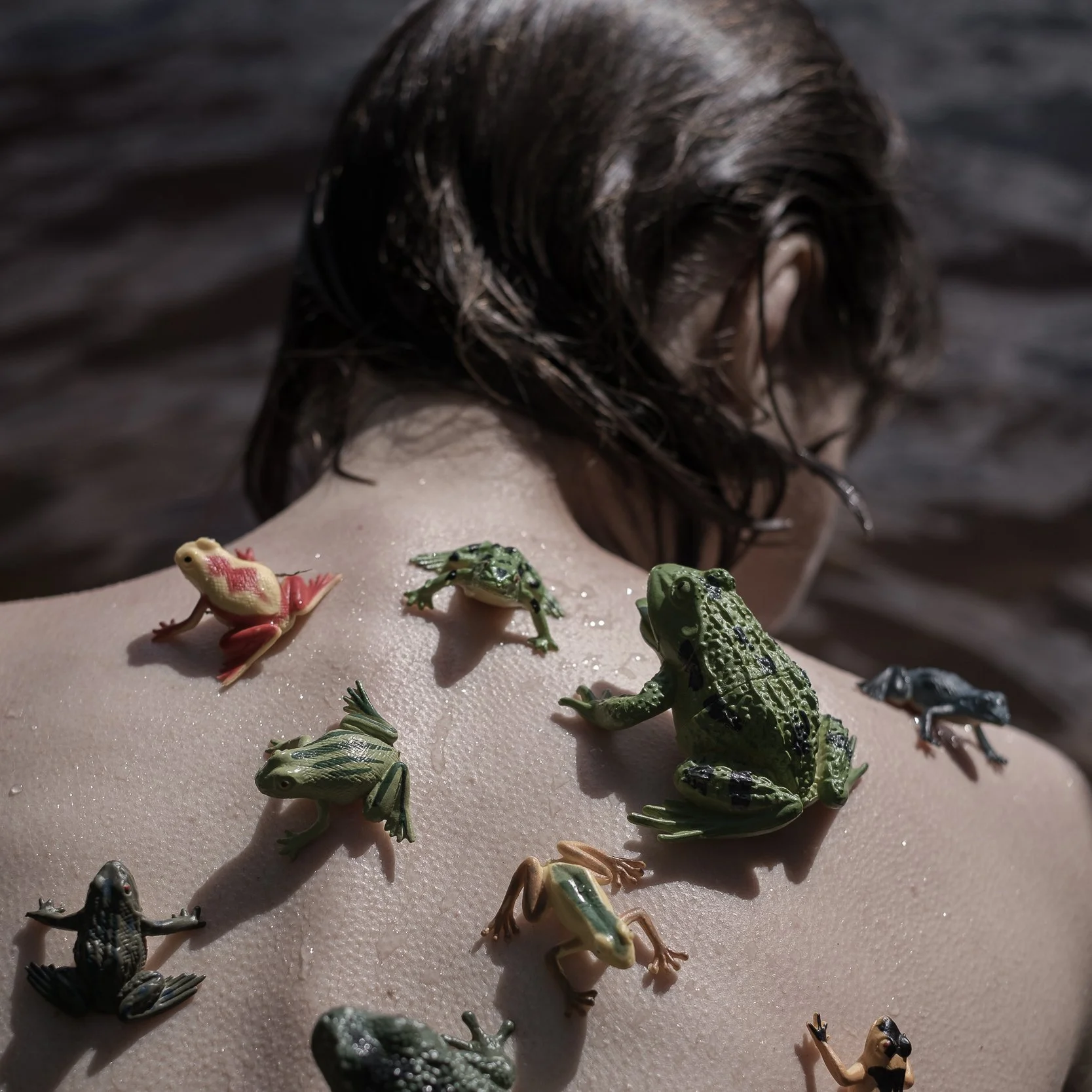
I am currently working on two projects, and the reasons couldn't be more different! In the case of my photos on the local suburban streets (tentatively titled “Pattern Recognition”) it is, to use the cliché, to see what things look like to my camera, i.e. within the frame. It has required me to train my eye and mind in a specific way of observing and I love it when I suddenly see a new possibility in exactly the same spot I have walked past a hundred times; when I surprise myself as a scene pulls together unexpected elements that I never previously thought might talk to each other, but through this act of isolation and framing, contrive to make an entirely new reality. In the case of my constructed project “Cleave”, it is to explore and ruminate over memories of past incidents and traumas as a way exploring their impact - as well as the why of their impact - and if possible, to alchemise a poetic outcome. Inevitably it includes an exploration of the creative possibilities of image-making with the camera, and here the surprise comes in suddenly discovering a possible way of communicating a thought or feeling that I had almost decided would be impossible to represent. Part of what I enjoy on this project is playing with the notion of what is real, as well as the openness to interpretation; I am not closing the story down, but rather providing threads for the viewer to tug on and see where it takes them.
Where do you get your inspiration?
As described above: memory and observation. But reading photographic theory often provides a catalyst as well. I will be reading something, for example Baudrillard talking about the subject disappearing into the object, and suddenly an idea would pop into my head that this could be the perfect vehicle for what I was trying to talk about, or simply a great subtext to bring into the image (that possibly only I will be aware of). I hasten to point out that this is not a learned or academic response; it is more a spark, a by-product of my attempts to educate myself further. Similarly, looking at photographs will often spark a connection, for example a still from a movie set or a scientific image where I will think, what if I used this decontextualised-hence-odd device to solve x problem?
Who are your influences?
I admire a huge range of photographic artists but am currently drawn to the ones that confound me, that do not provide easy answers. So while I love and will always be drawn to the work of the surrealist photographers (who always surprise me not only with their juxtapositions, but also the theoretical and conceptual depth of their work) as well as street photographers like Arbus and masters of the constructed photograph like Jeff Wall and Joel Peter Witkin, I am currently spending more time on the sly, quiet and often confounding work of people like William Eggleston as well as deconstructing the sequencing decisions found in seminal books such as Robert Frank’s “The Americans”, Stephen Shore’s “Uncommon Places” or John Gossage’s “The Pond”. There are also the photographers that place you in a space between archive/reportage and the constructed, e.g. the thrilling “Gloryland” by Robert le Blanc as well as the work of Joan Fontcuberta, Larry Sultan, Eddo Hartman and Shawn Bush. And finally, local contemporaries like Nadia Ettwein and D.M. Terblanche whose works remind me of the authenticity of personal experience, and to stay outside the box.
What determines the subject matter you choose?
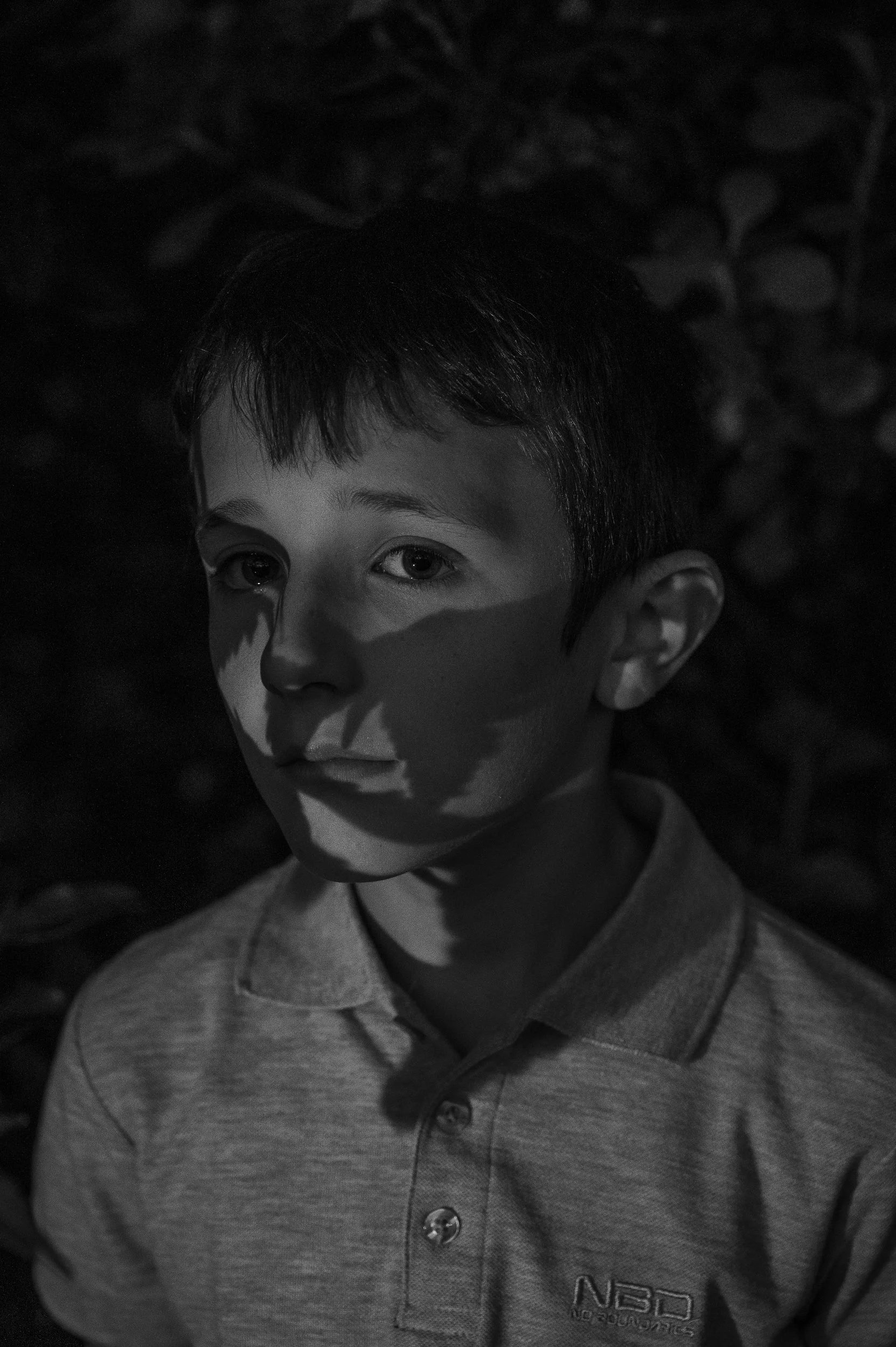
With “Pattern Recognition” it is the quiet scenes and compositions found in the liminal zone between public and private spaces. What fascinates me are the ways in which people contrive notions of permanence and perfection from the materials on hand, and how quickly they abandon it the moment we stray a certain distance from their homes (there are also the inevitable predations of entropy). I am also drawn to the chance encounters of elements within this space, that come together to create unexpected relationships and compositions within the frame. In such instances it feels as if I am almost inserting elements into the frame in a manner akin to painting, an inversion of the normal photographic process of leaving things out. All an illusion, of course! In the case of “Cleave” the subject matter is determined by my memories and obsessions, as well as the materials on hand. Often the act of problem-solving will allow the subject to evolve, foregrounding new ideas and using the originating concept as a stage.
What impact would you like your art to have?
In an age of mass consumption of mass photographic output, I would like my work to slow the viewer down, to remind them that there is a reward to taking time over the work, that there is a journey to be had. What I want is exploration, an excitement, a startled pleasure at the unexpected – this requires trust in the work; a belief that there is sincere content to be found, that things are there for a reason, even if you do not immediately see what that reason might be.
What artwork do you never get bored with?
In painting: Willem De Kooning and Max Beckman. In photography I am always drawn to works where there is a dynamic relationship between form and representation as well as the presence of risk, not just for the artist but also, inevitably, the viewer. Perhaps the latter is why I am drawn to the disturbing work of Joel Peter Witkin (though admittedly I will tire of other artists who seem, to me, to use a small catalogue of provocations repeatedly, as a formula). I love the mastery and perfection of Weston, Mapplethorpe and Salgado, but the work that draws me back is often the work that incorporates a Verfremdungseffekt such as Karl Blossveldt, or work that is willing to be imperfect if and when it is required.
Is there anything you want to add?
I feel I have said a lot! I will just add that it seems to me that lens-based art involves a constant dialogue between the demands of figuration and the ontological exigencies of photography, and in this twilight zone of competing urgencies lies a magic that is unique to the medium.