
anton zdanovich
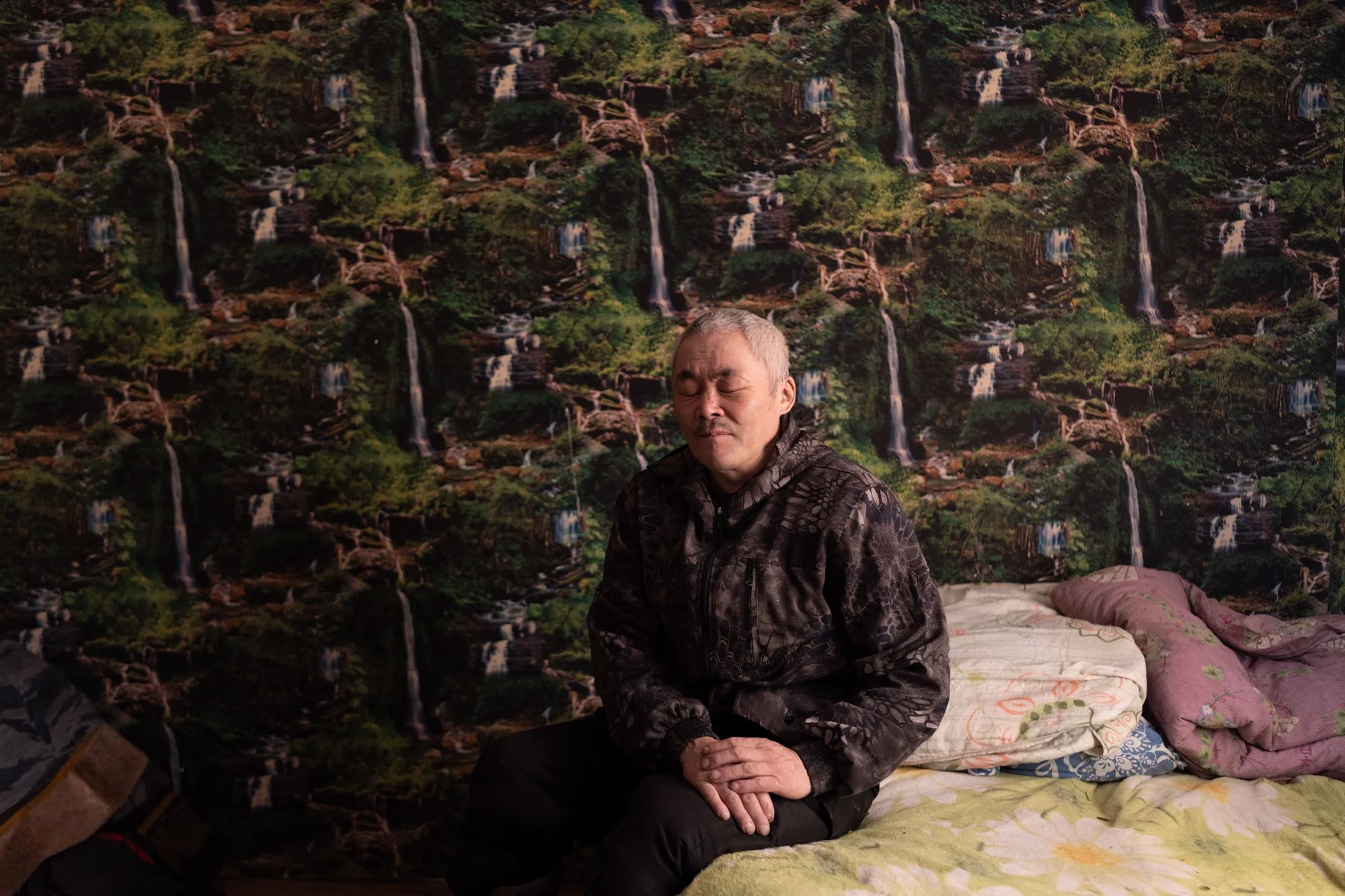
Your name
Anton Zdanovich
Place of birth
Yugorsk, Khanty-Mansi Autonomous Okrug, Western Siberia, Russia
Place where you live now
Bereza, Western Belarus
3 words to describe you
Curious, observant, enthusiastic
Why do you take pictures?
Photography gradually became a part of my everyday life. It helps me pay attention to the world around me. I often find myself noticing small moments, people, or details that feel important, and when I don't have a camera with me, I sometimes regret it. I try to carry a camera everywhere for that reason. I love stories, and I love telling stories about people and places. Writing is important to me too, but photography has become the most essential layer of that storytelling.
Where do you get your inspiration?
I find inspiration in travelling and meeting people whose lives are different from my own. Living in Belarus, I often get in my car, drive through small villages, listen to music, and simply look around. Over the last three years, the Fotografika Academy has also played an important role in my development through lectures, artist talks, and constant exposure to new ideas and visual work. Cinema continues to inspire me as well.
Who are your influences?
My biggest influences were my first teachers: Nadezhda Krylova, Ekaterina Bogachevskaya, Vika Bukovskaya, and Dmitry Lukyanov. Their work and the knowledge they shared with me shaped the way I look at photography. Beyond photography, I have loved European cinema since childhood, especially Italian films by directors such as Vittorio De Sica, Luchino Visconti, Michelangelo Antonioni, and Federico Fellini.
What determines the subject matter you choose?
Most of the time it starts with chance. I might visit a place that stays with me, hear a story about a group of people, or meet someone who sparks my curiosity. Once something catches my attention, I keep thinking about it and want to understand it better. I begin asking questions, talking to people, and spending time with them. In many ways, life chooses the subjects for me before I do.
What impact would you like your art to have?
I would like my work to encourage people to understand each other a little better. To imagine themselves in someone else's place, even for a moment. I'm interested in why people become who they are and what circumstances shape their lives. If my photographs can help create a little more empathy and connection between people, that would mean a lot to me.
What artwork do you never get bored with?
I revisit Giuseppe Tornatore's Cinema Paradiso almost every year. The film reminds me of childhood. My mother comes from a small Ukrainian town near Odesa, and every summer my family travelled there from Siberia. The town in the film feels very similar to the places I remember from those years. They are places I constantly miss and can no longer easily return to. Every time I watch the film, it brings those memories back.
Is there anything you want to add?
No, thank you.
Numto
Project statement
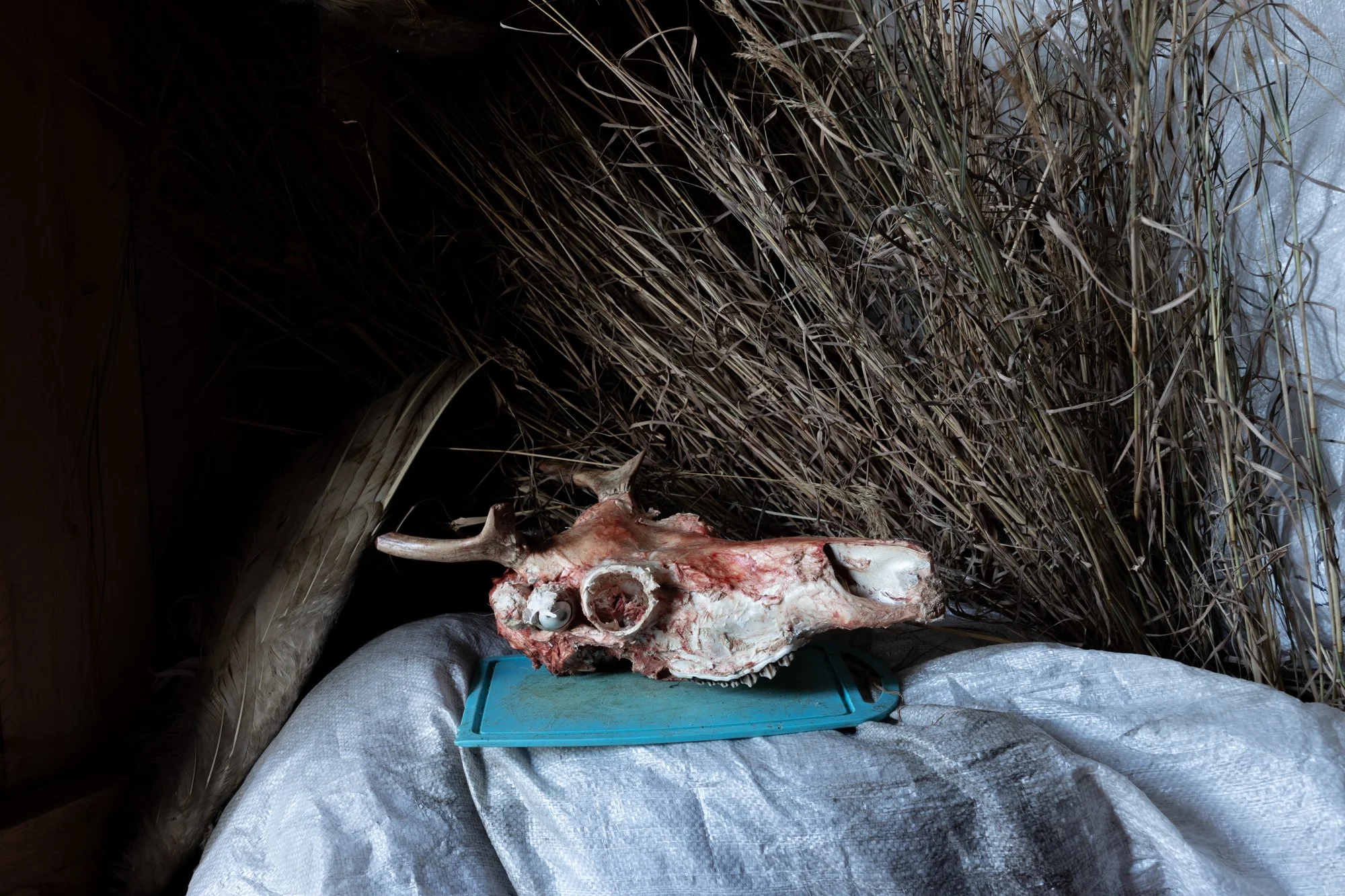
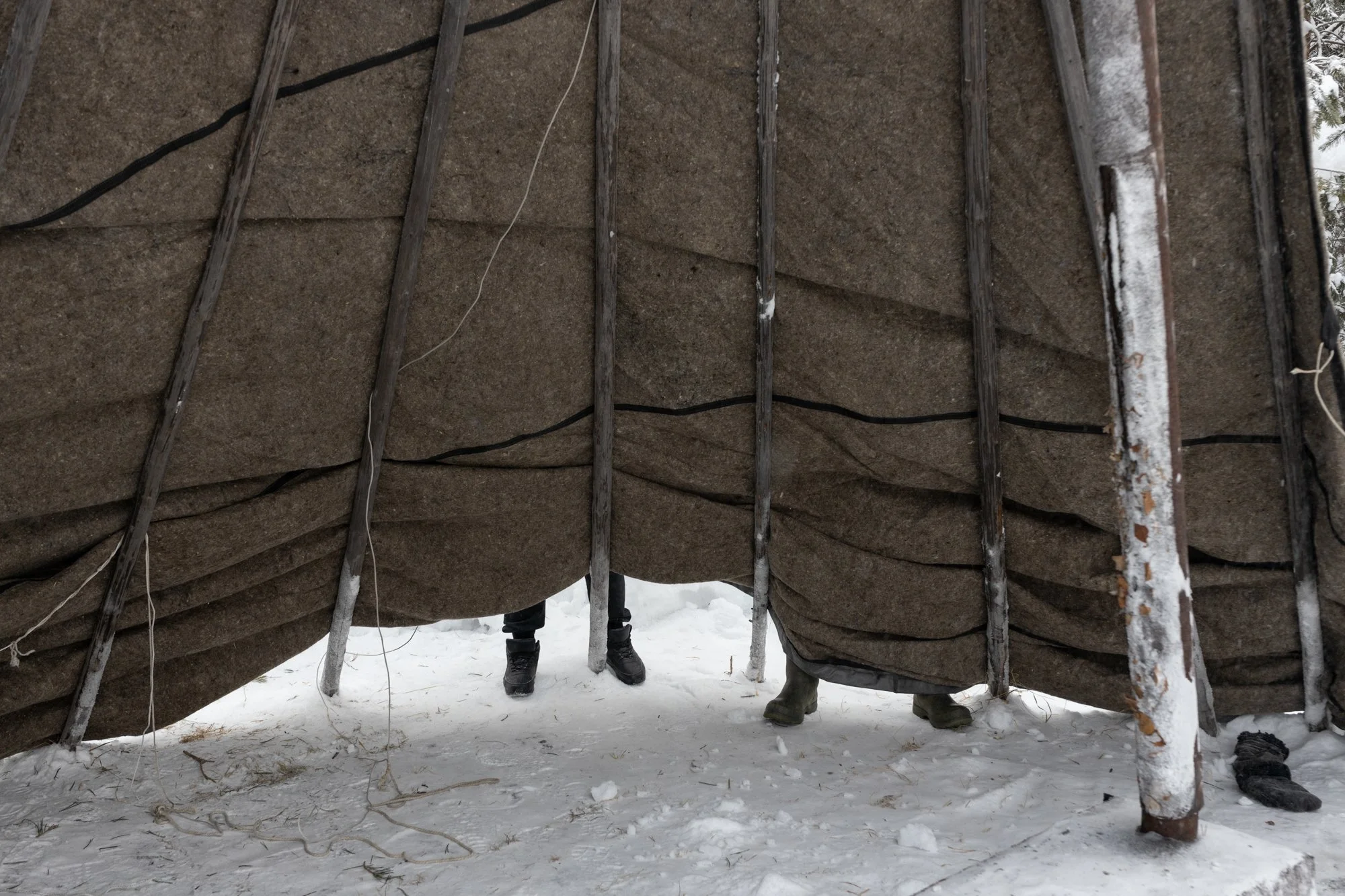
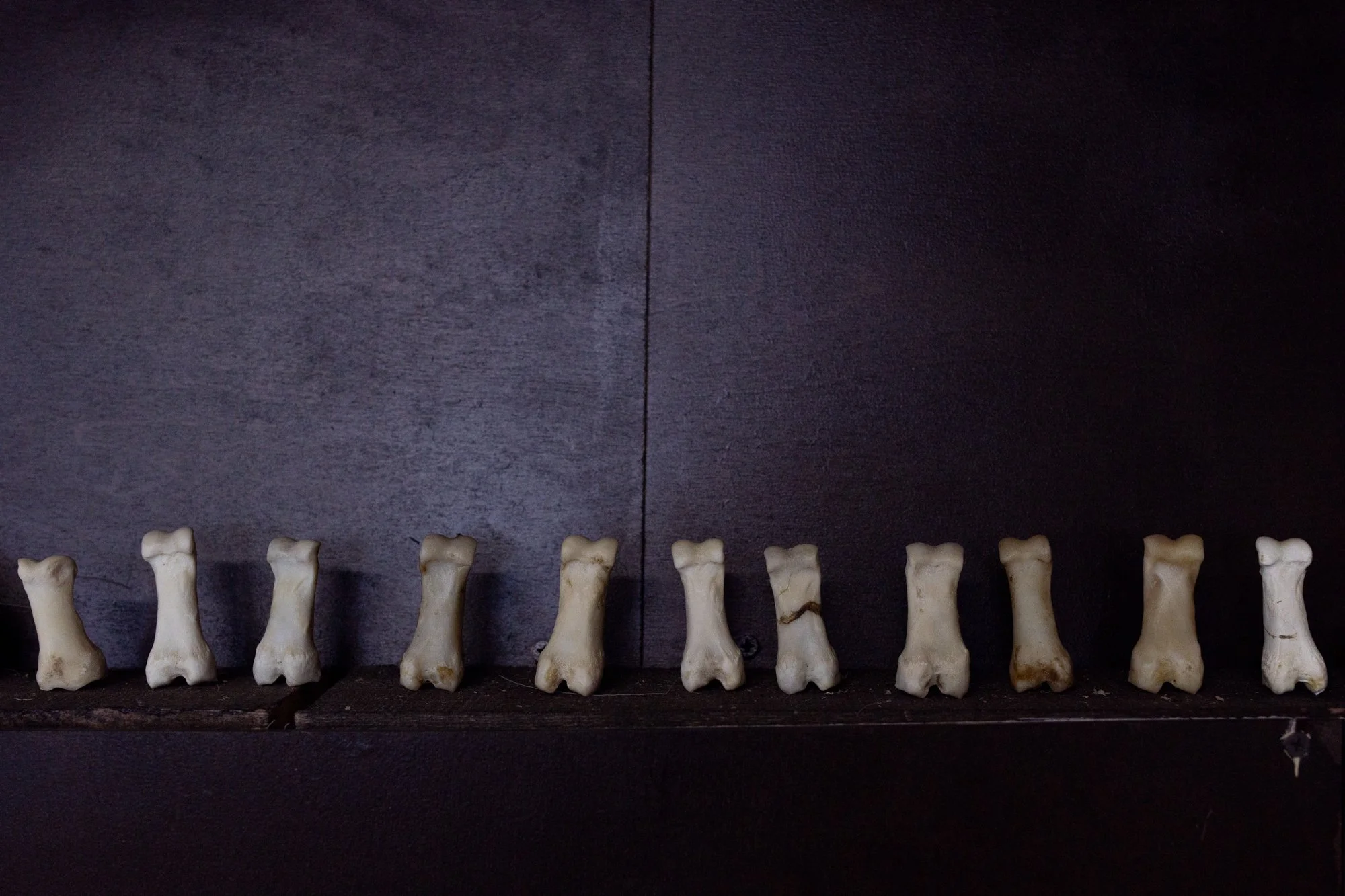
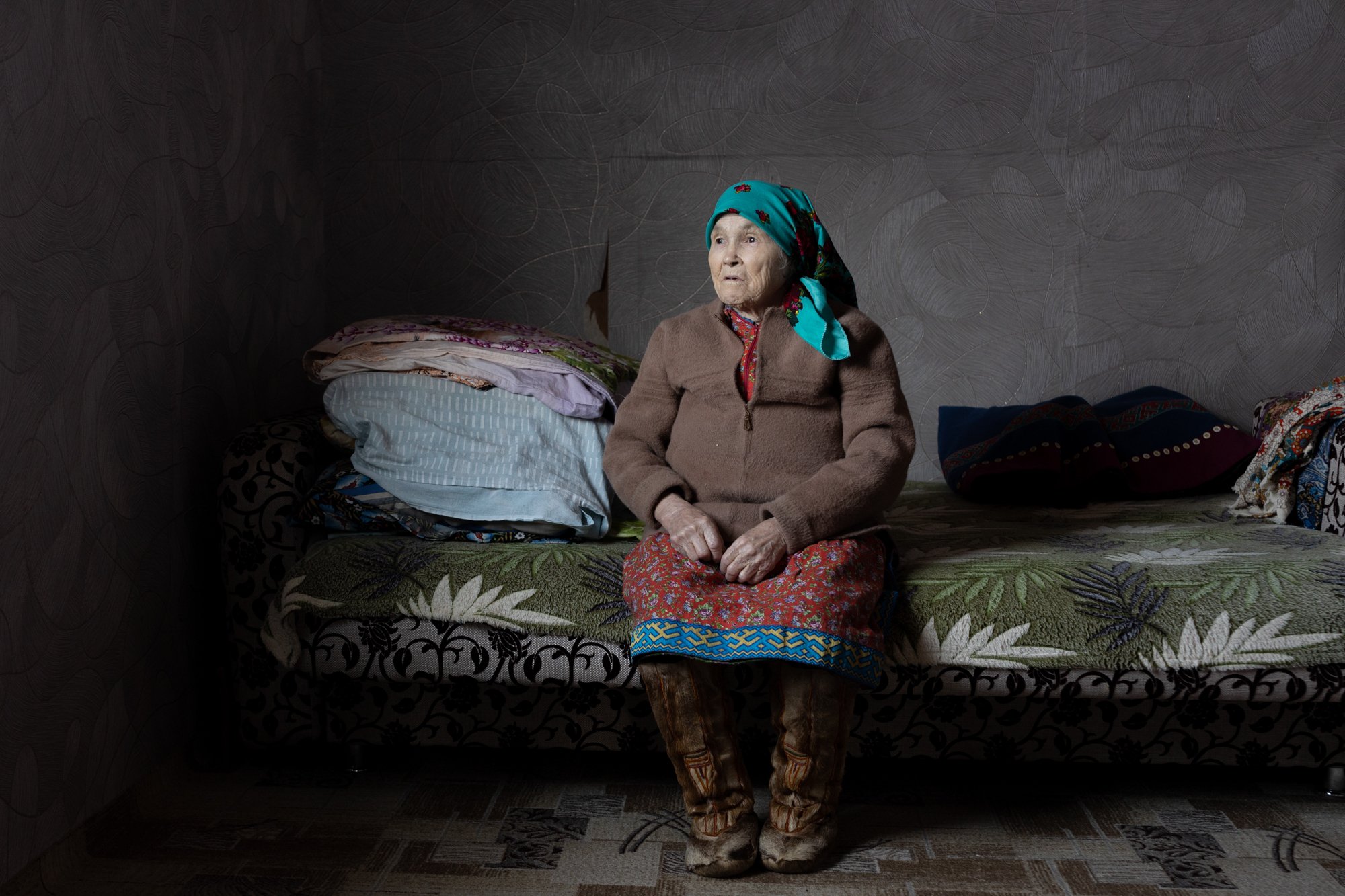
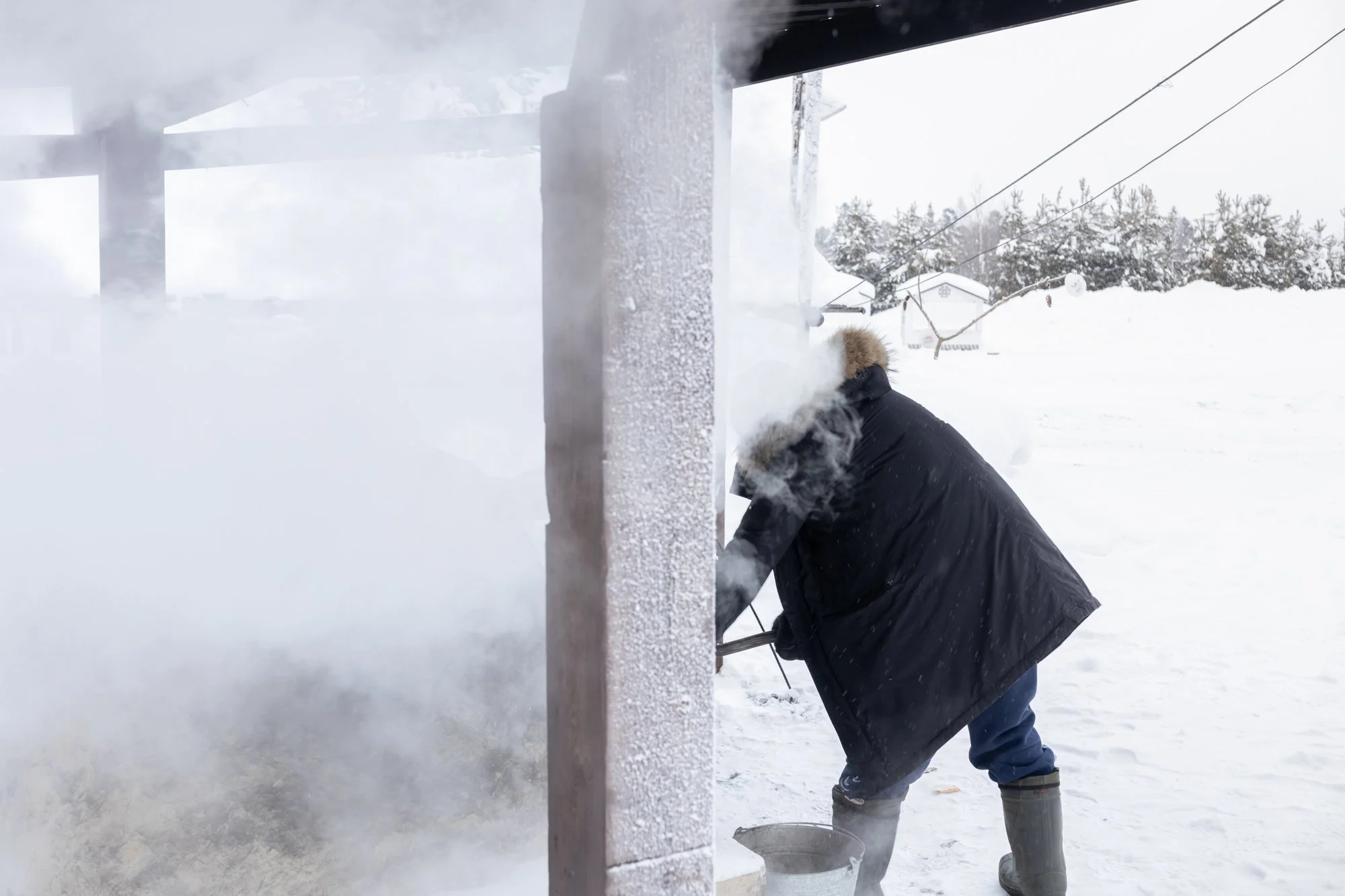
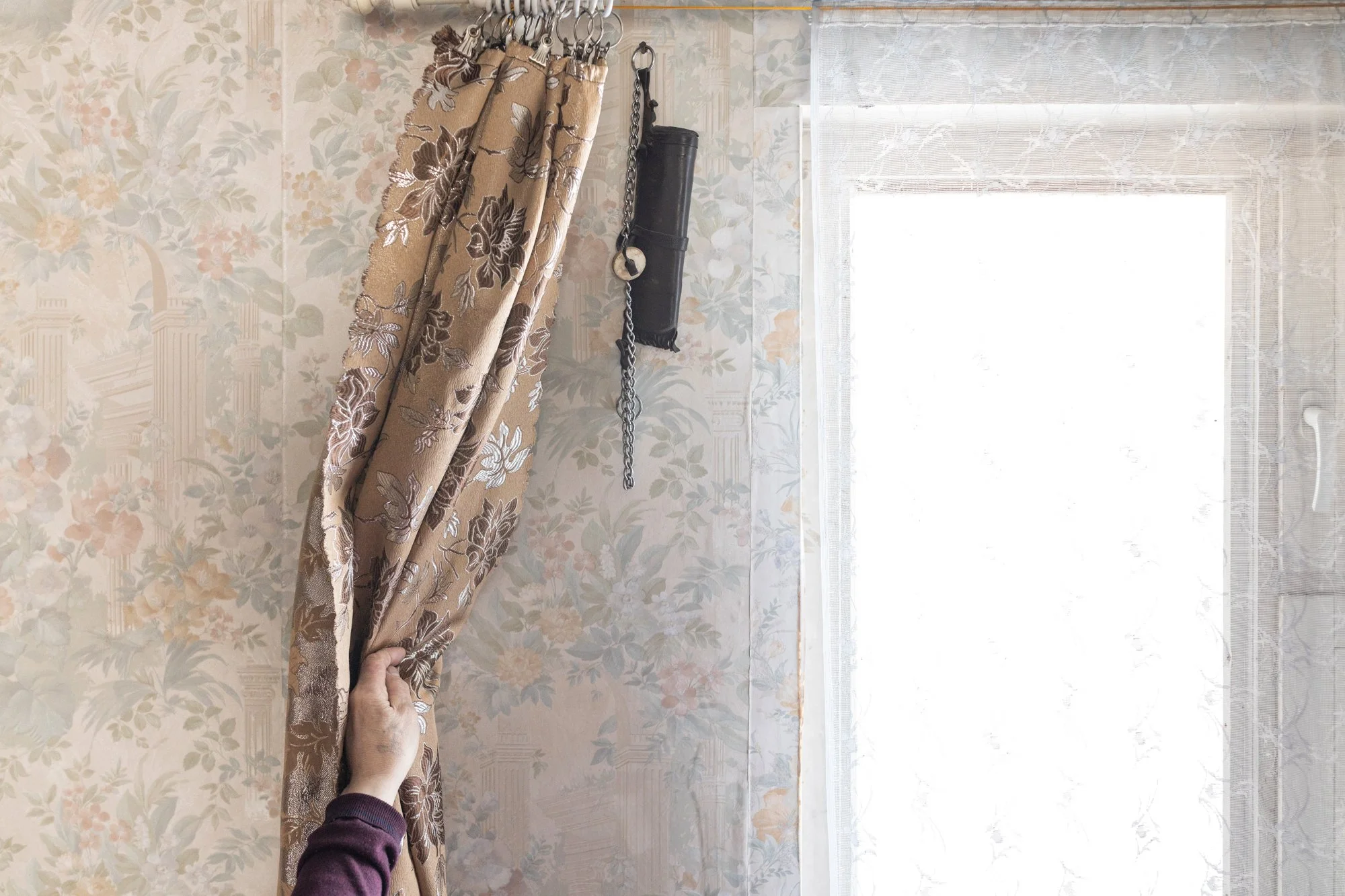
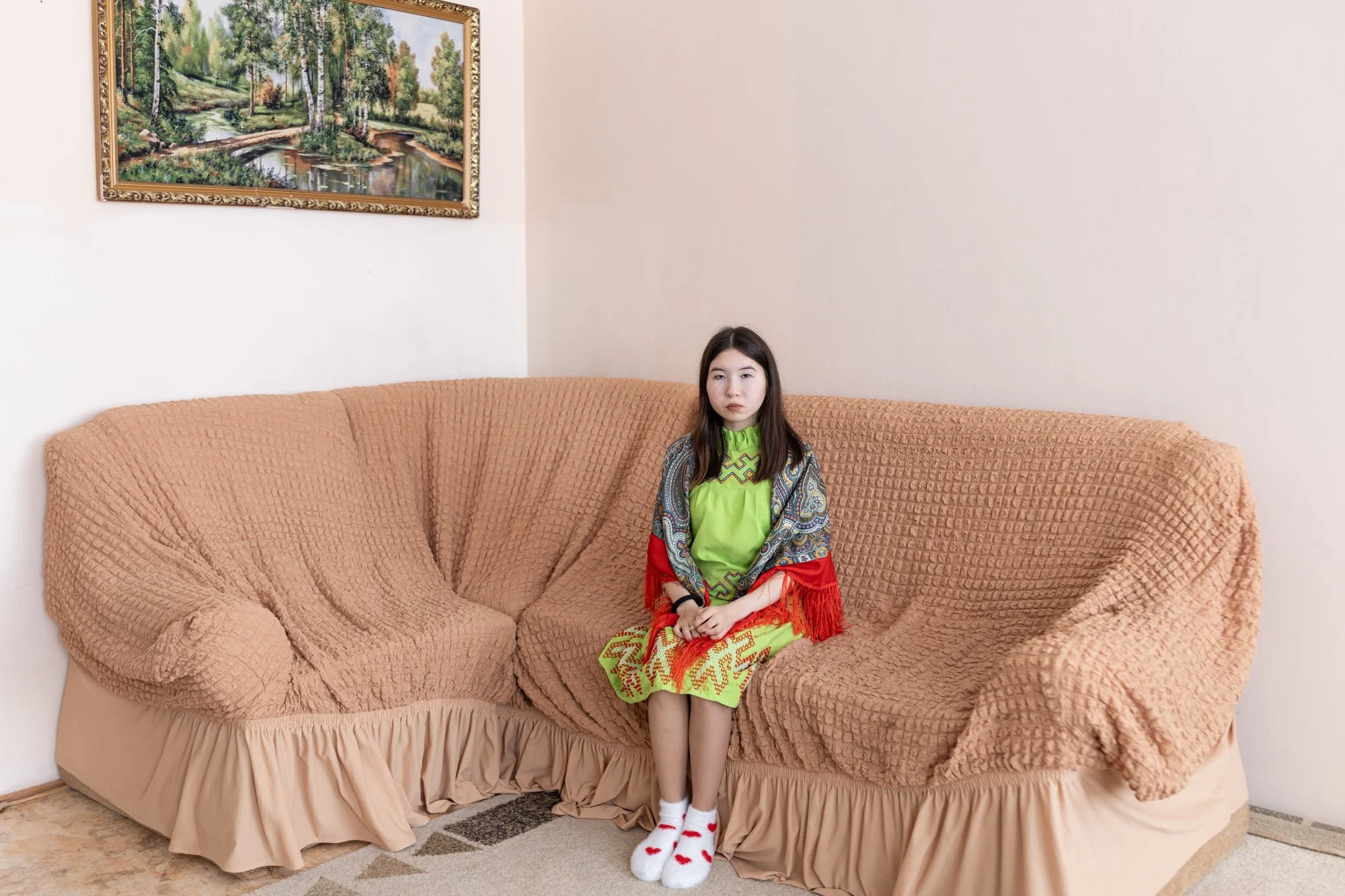
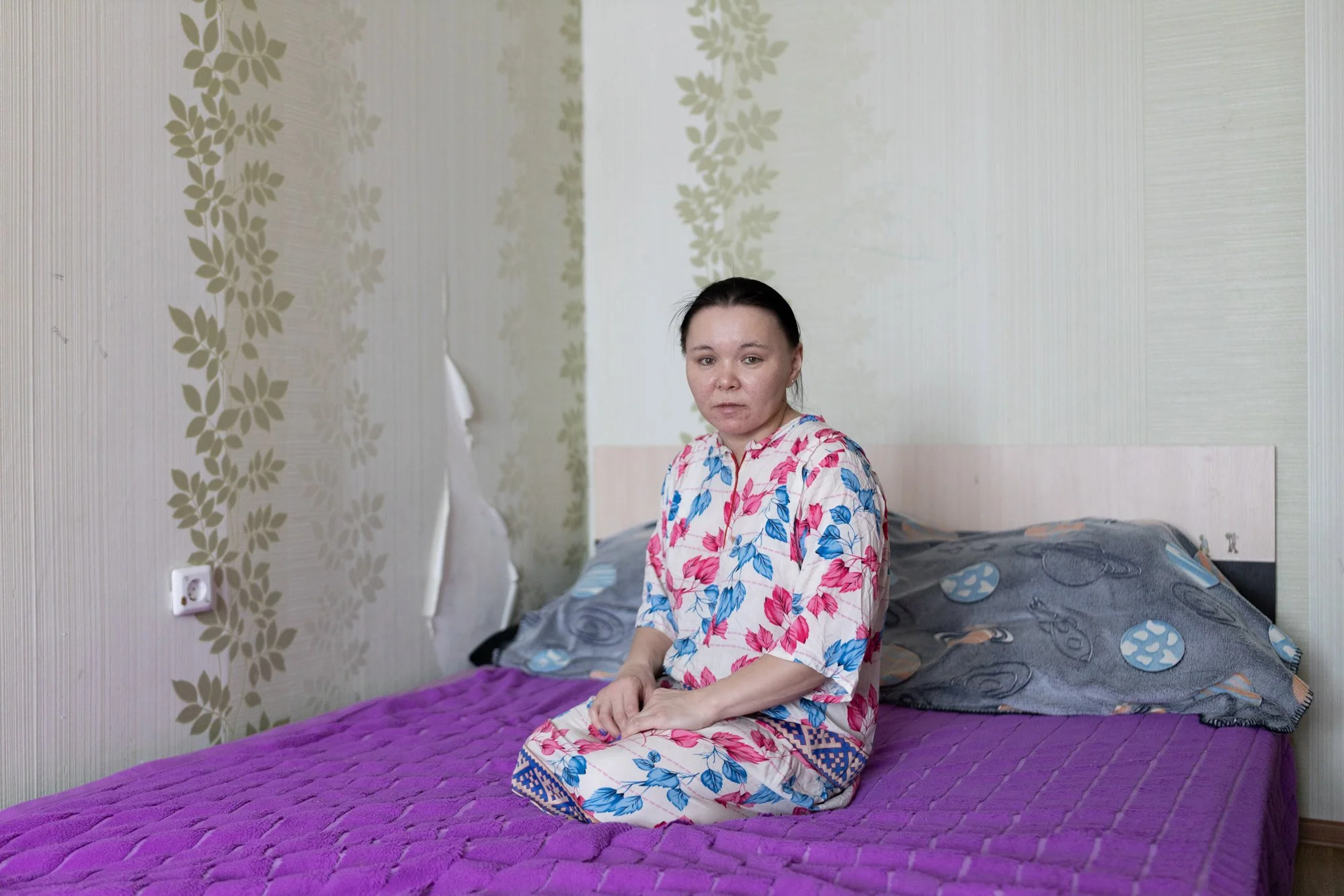
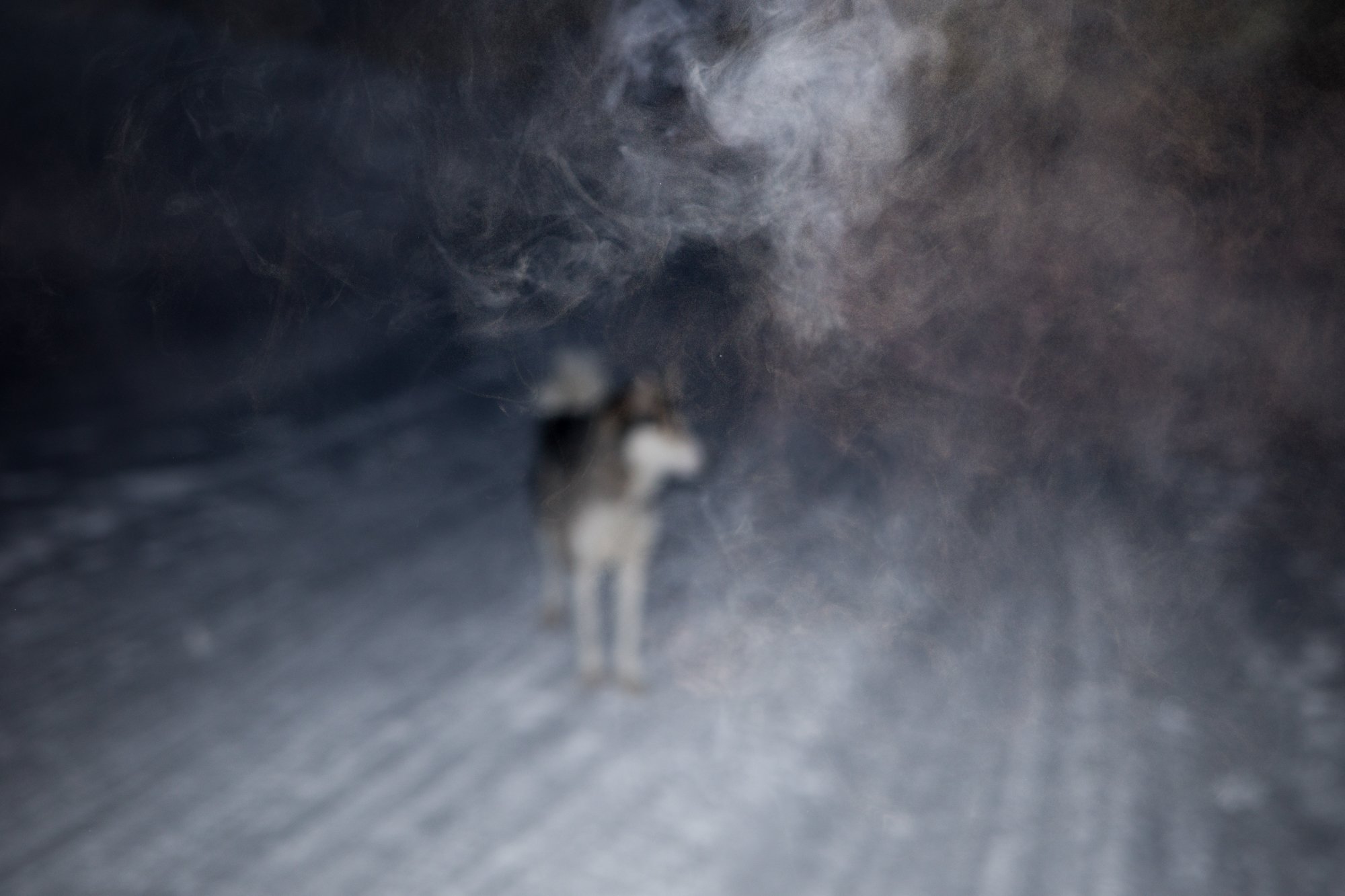
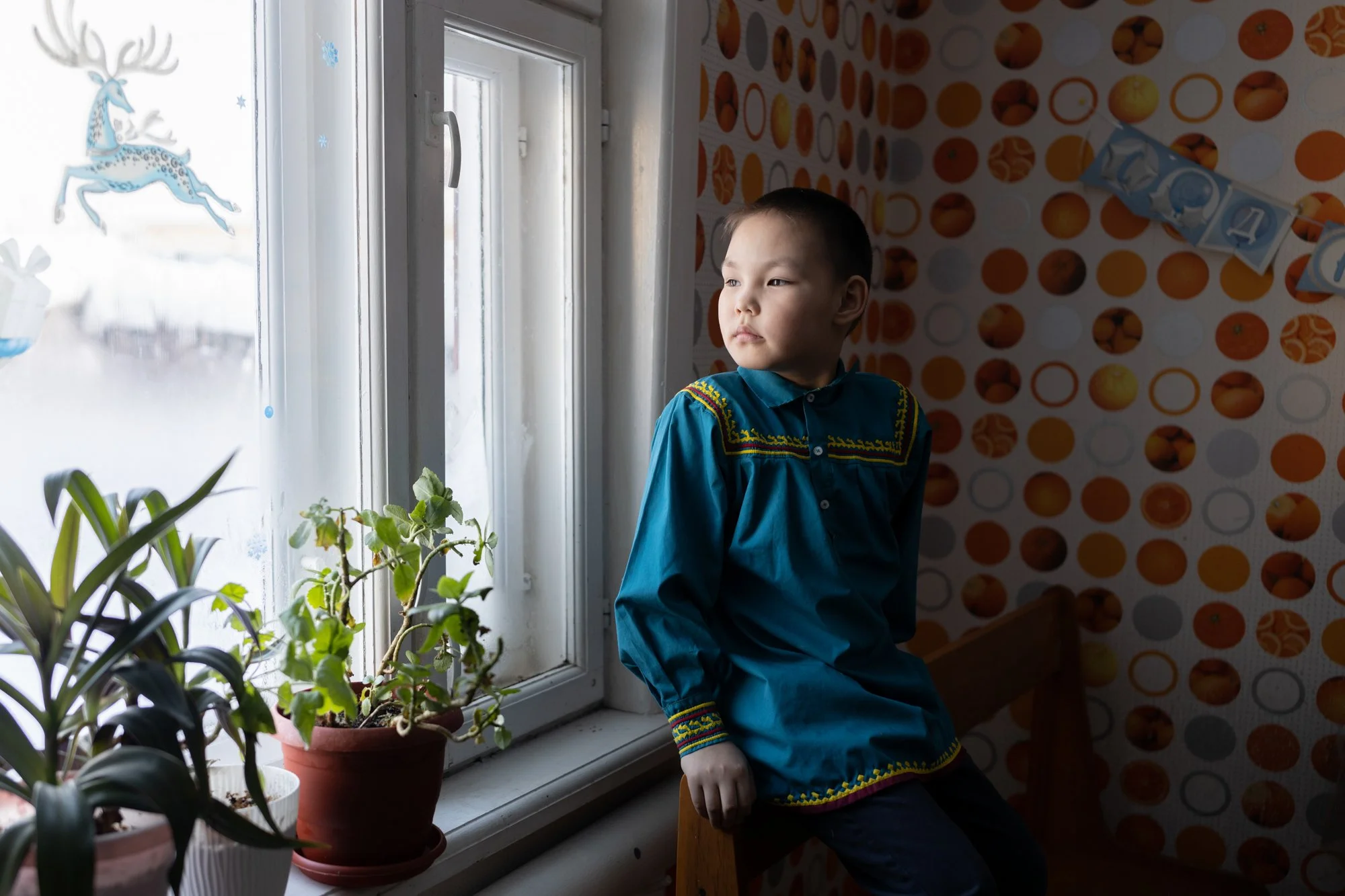
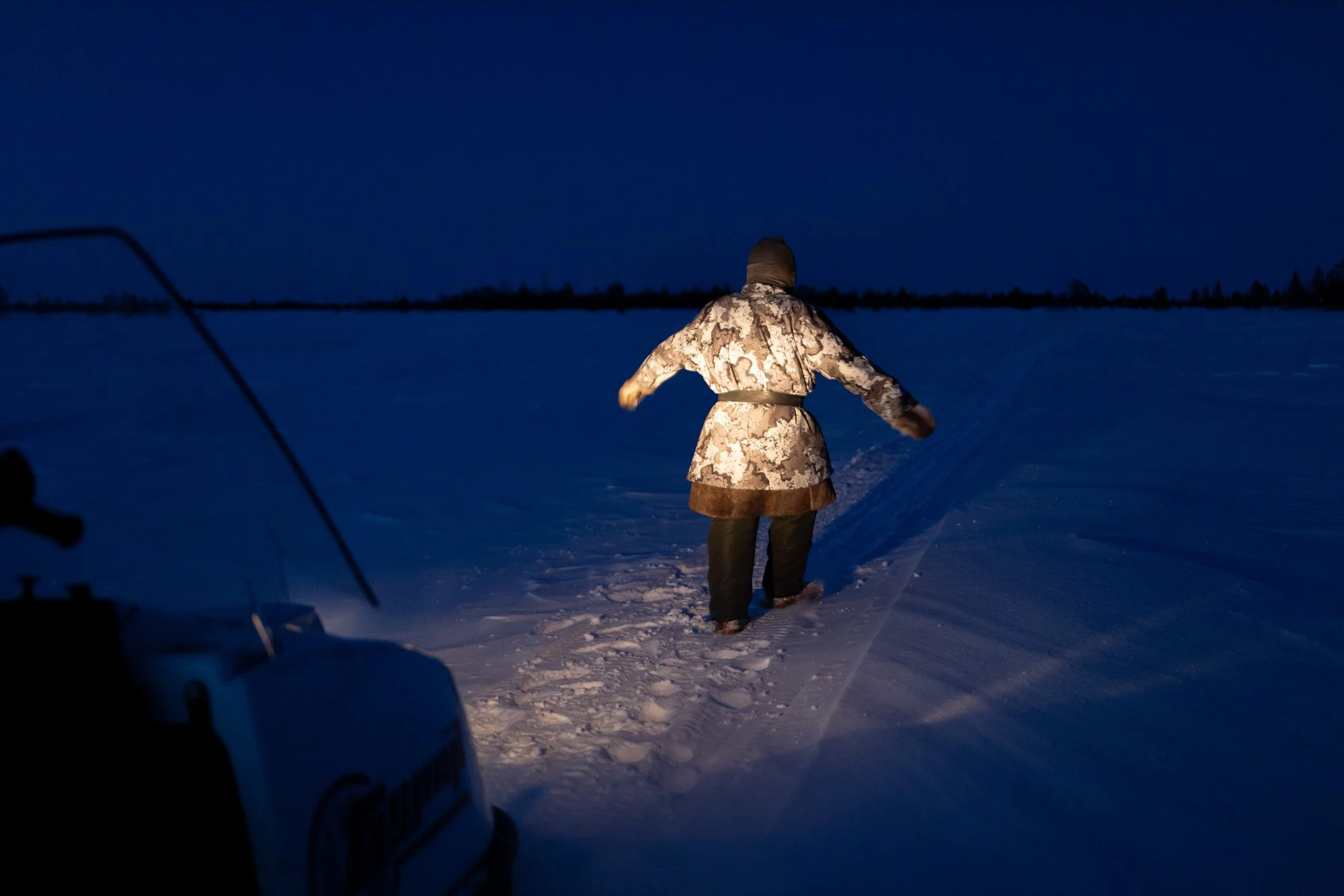
In Western Siberia, near the sacred Lake Numto (translated from Khanty as “Divine Lake”), live Indigenous Khanty and Nenets communities. The space in which they exist does not separate history, myth, and everyday life into distinct layers — they continue to exist simultaneously. According to local beliefs, this land belongs not only to humans but also to spirits; it remembers what sinks deep into time.
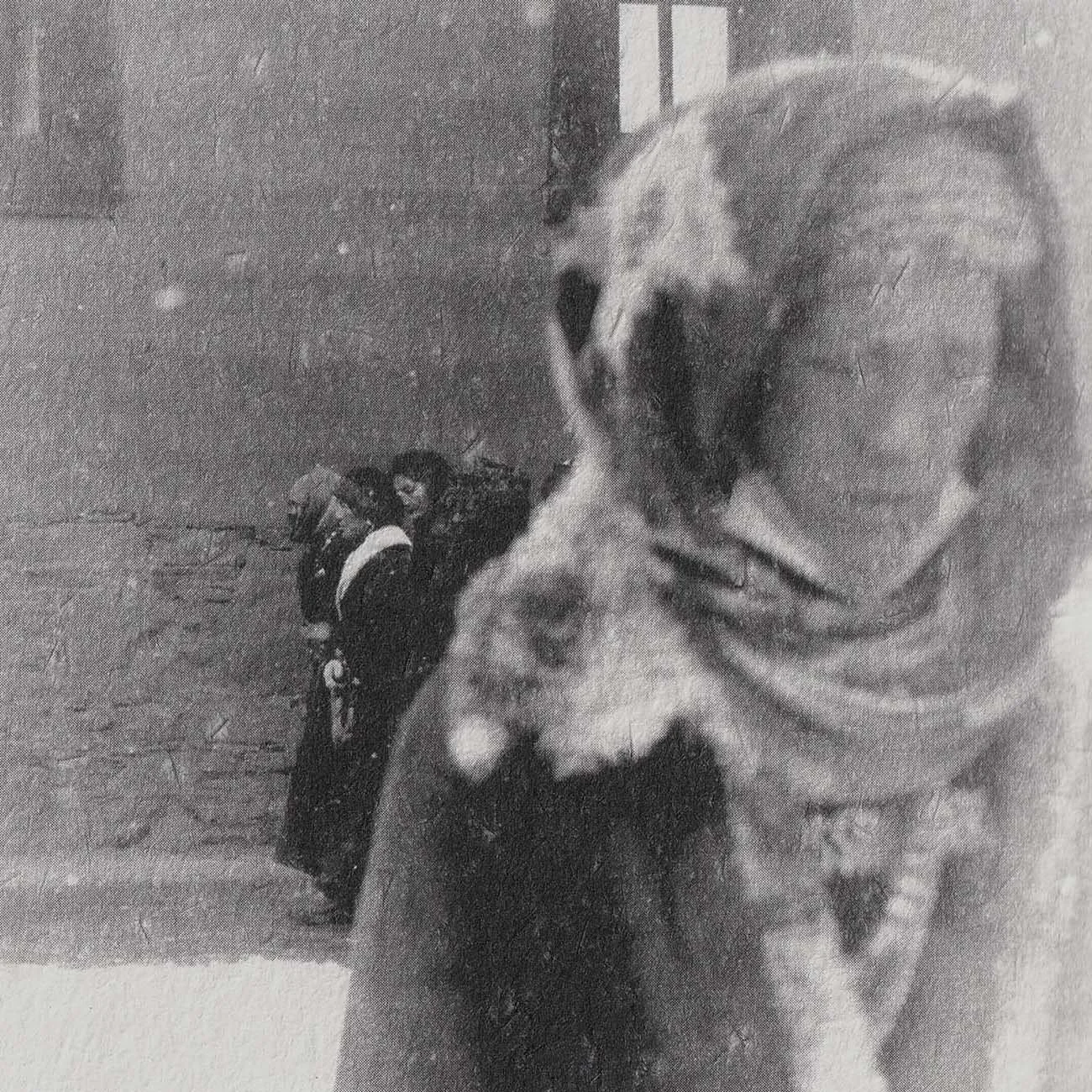
A hundred years ago, a violent confrontation took place here between Indigenous peoples and the state. In the late 1920s, the repressive system of the USSR acted openly: reindeer herders were burdened with unbearable taxes, herds — the foundation of existence — were confiscated, children were taken to boarding schools to sever their connection to language, faith, and tradition. Sacred beliefs and rituals were forbidden and pushed out of life; shamans, as the carriers of this knowledge, were persecuted, silenced, and imprisoned. The very logic of life on this land was seen as an obstacle that had to be removed. The conflict reached its peak in the area of Lake Numto and ended in violence, arrests, and the suppression of resistance. For local people, this became a deep trauma that is still passed on through stories and fear.
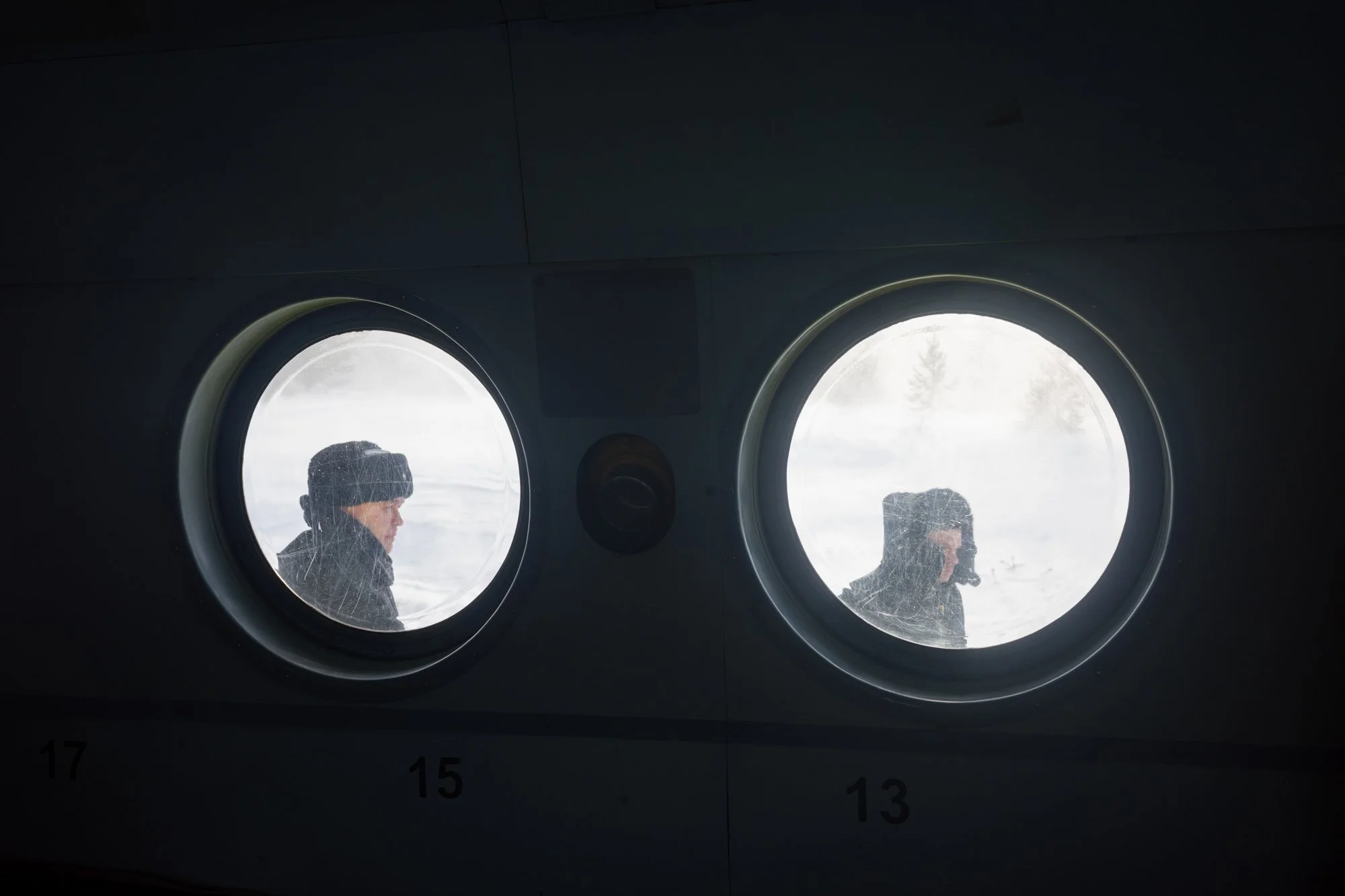
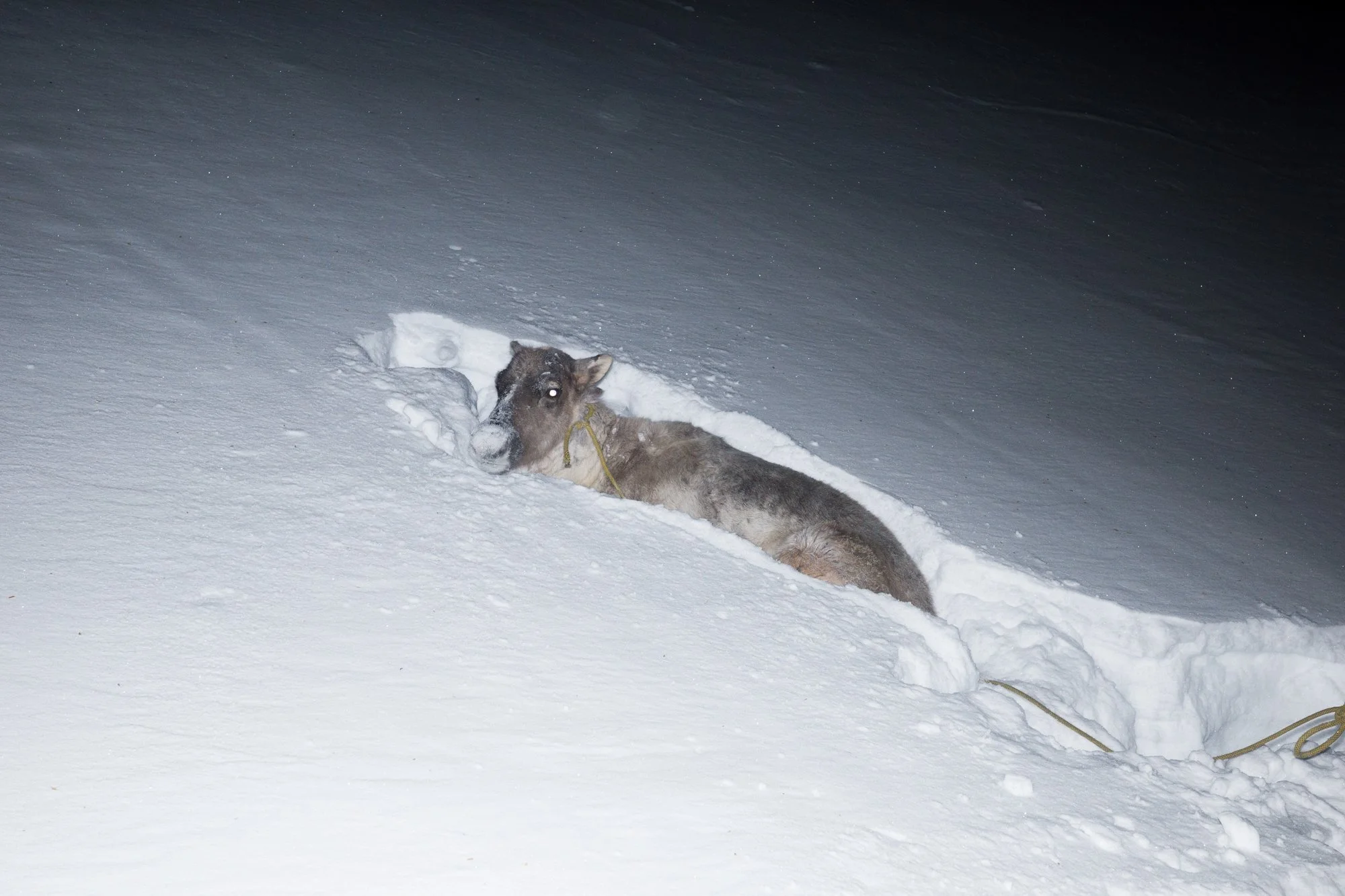
Today, direct violence has disappeared, but the rupture remains — only its form has changed. The presence of the state is less visible, but no less defining. Reindeer herders remain vulnerable: their herds are killed by wolves, while systems of protection are almost absent. Young people no longer speak Khanty or Nenets — the languages survive only in the memory of older generations. The arrival of the oil industry transforms the land, often without regard for its fragile ecology. And new political realities send men to war, where many of them are killed, continuing a chain of loss that stretches across generations.
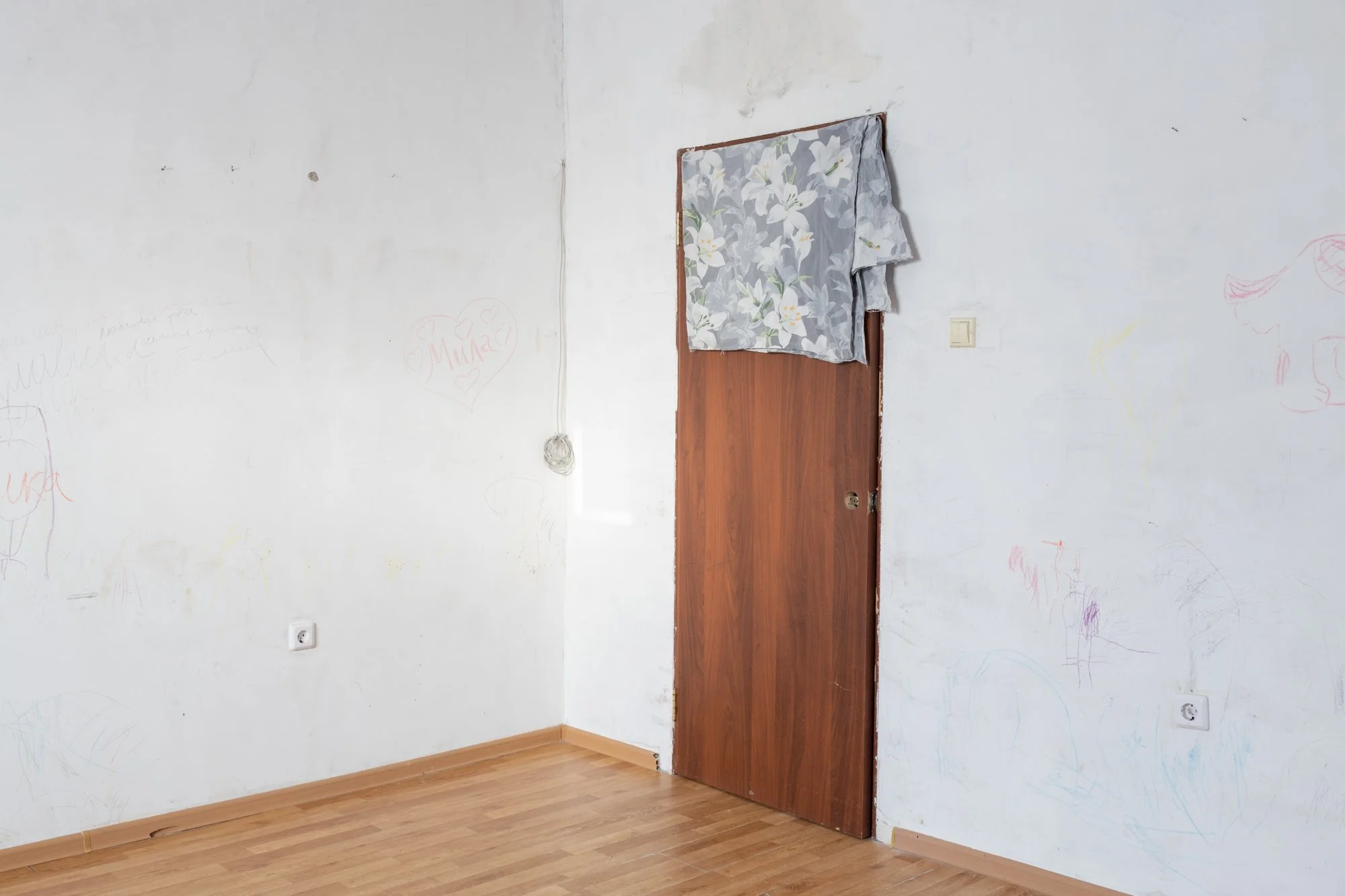
This project examines a community living in a prolonged state of rupture — where historical violence has not disappeared, but has quieted, dispersed across time and the structures of everyday life. It no longer appears as catastrophe, but operates as a slow depletion: of language, environment, bodies, and the future.
In Numto, silence is not empty. It is filled with what is not spoken aloud: a disappearing language, a sense of injustice, fear, and a history of loss that has not ended, but has grown quieter, as if sinking deeper into the earth.
anton zdanovich
@zdanovich_anton
the 10
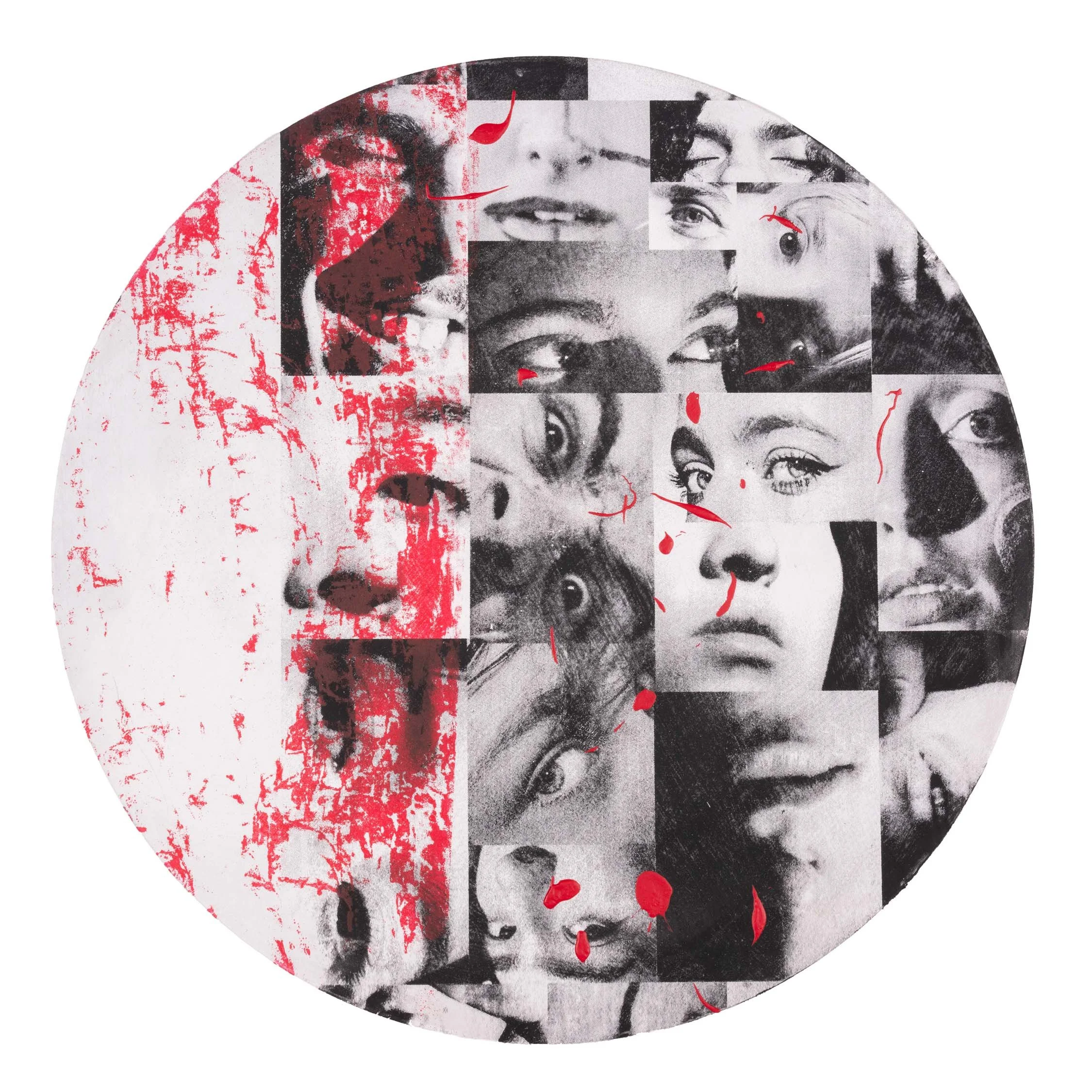
yixuan liu
alex mendi
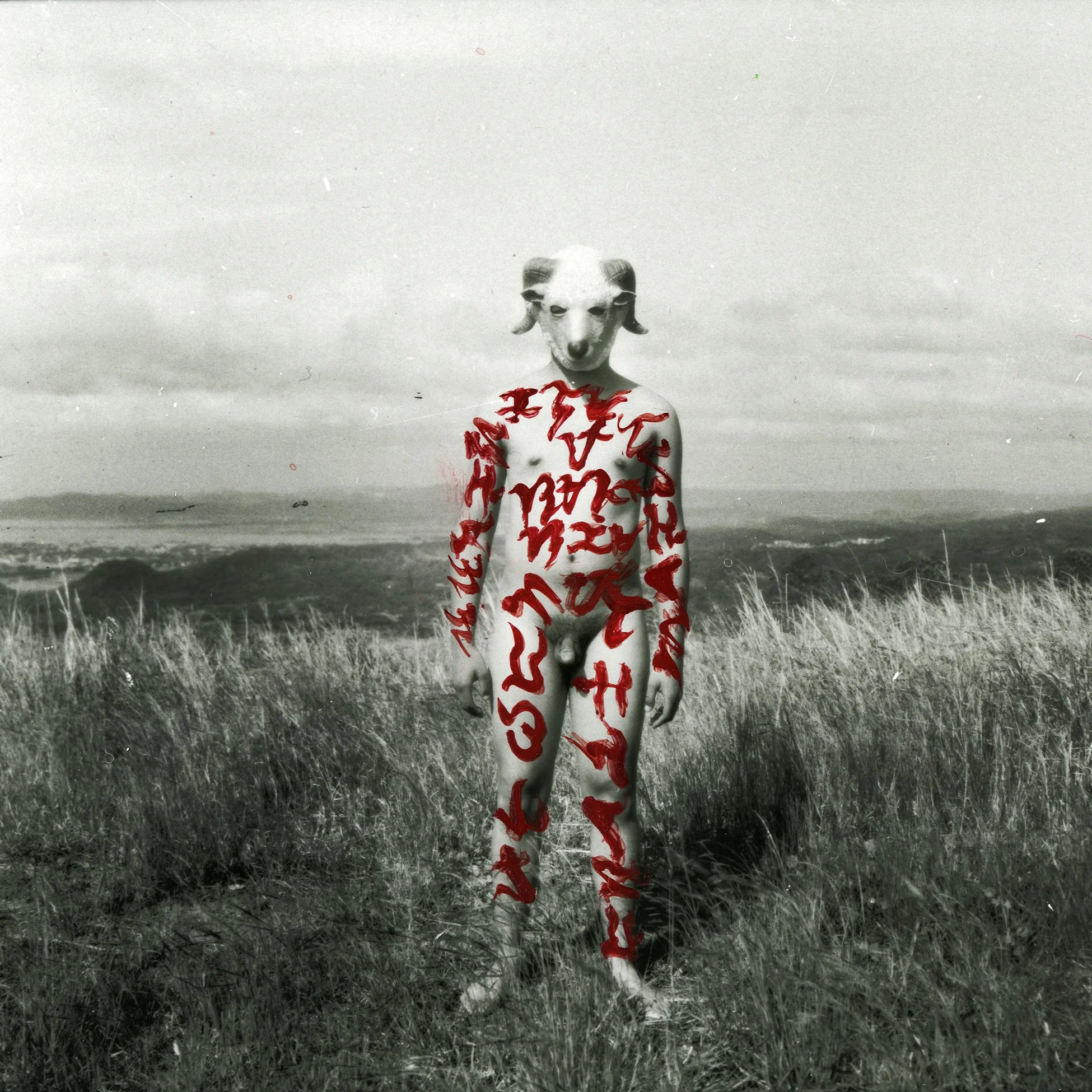
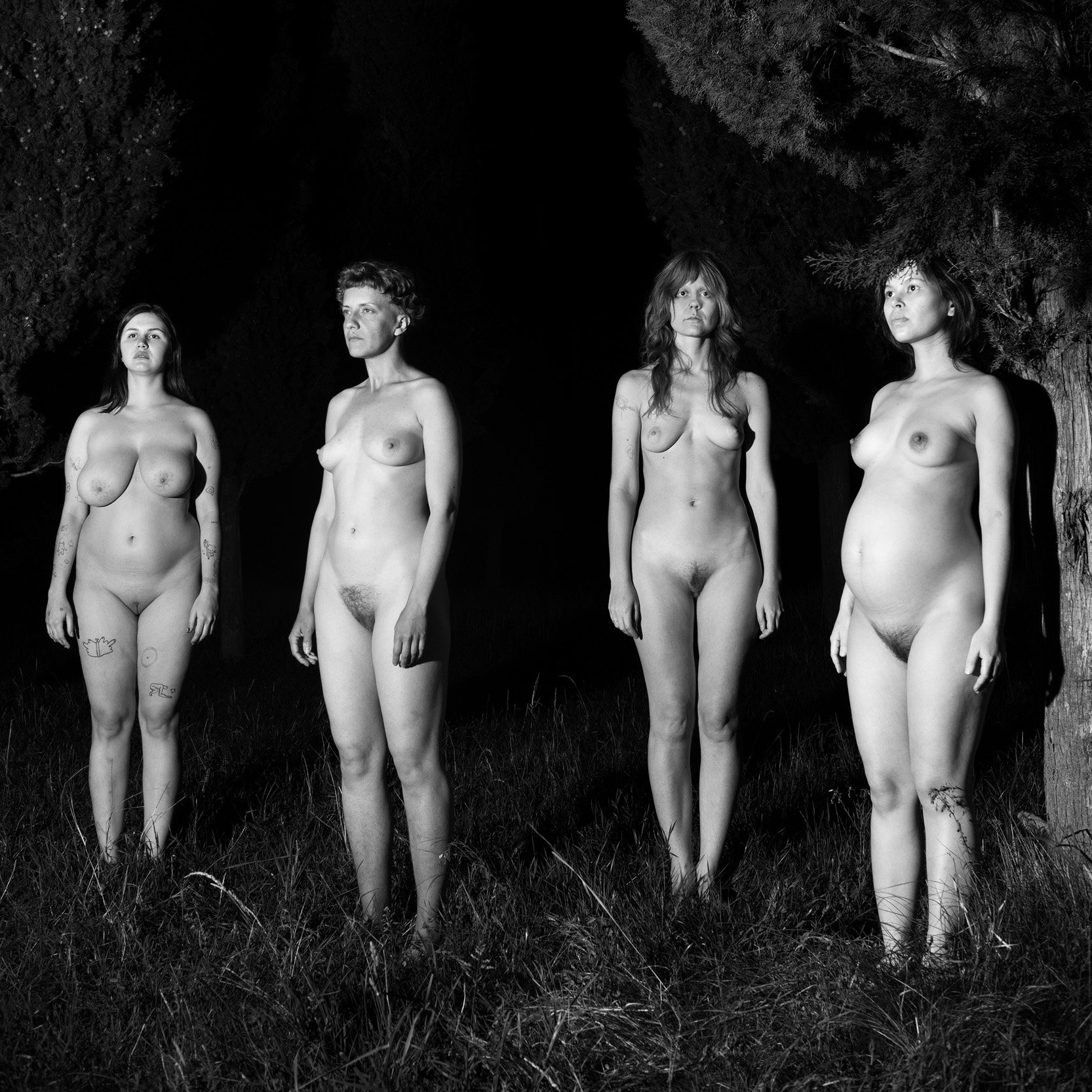
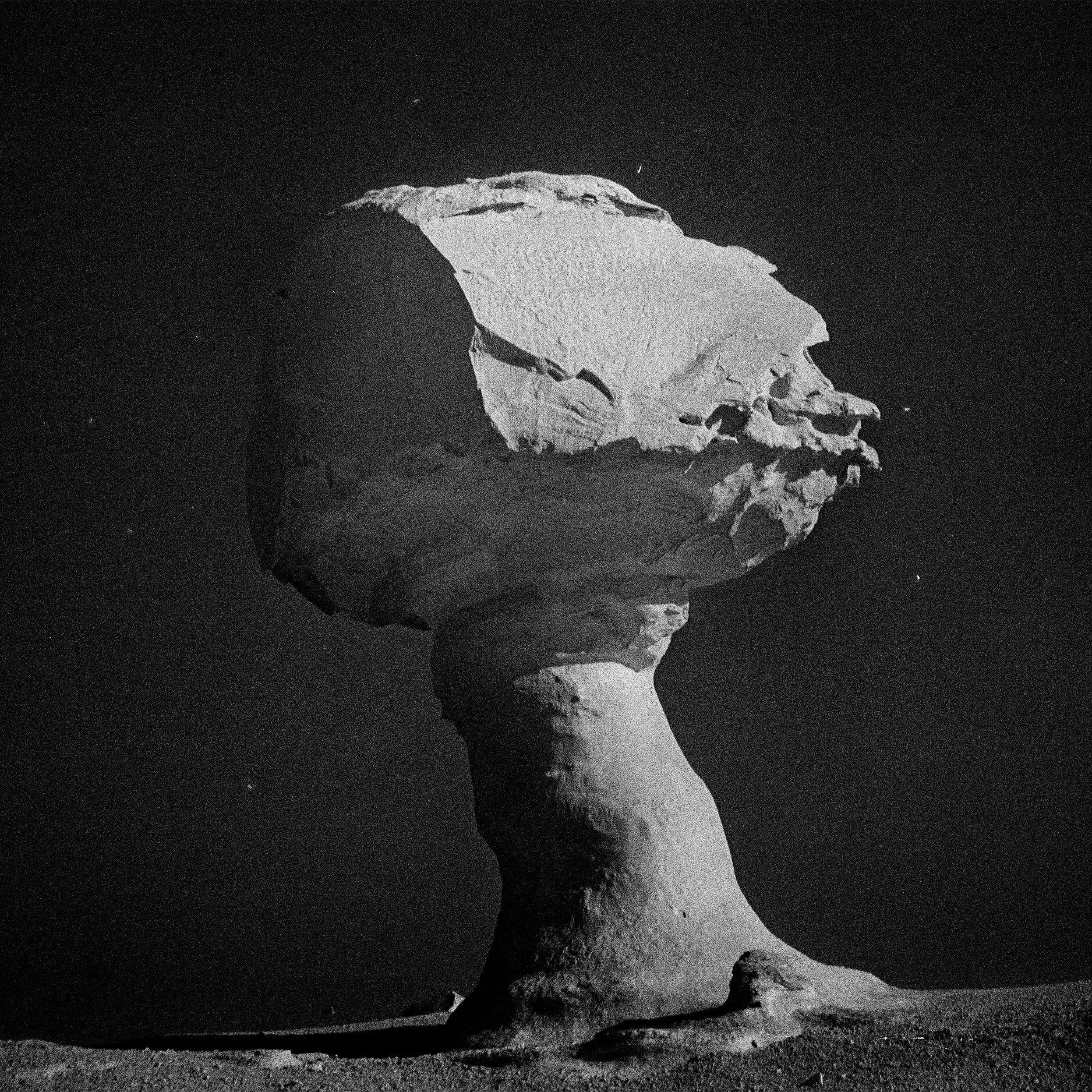
lucia caspani
shrabana das
jake corcoran
yang chen
natnael ashebir
photo festivals
daria nazarova
jesed francis moreno
feng li