
jesed francis moreno
Your name
Jesed Francis MorenO
Place of birth
Manila, Philippines
Place where you live now
Quezon City, Philippines
3 words to describe you
Uncompromising, Hardworking & Expressive
Why do you take pictures?
I take pictures to express and experiment with the personal research and experiences that I have gathered. To produce a new art form.
Where do you get your inspiration?
Oral tradition, Esoteric Knowledge, Culture, Found Folklore.
Who are your influences?
My mentor Alex Baluyut, filmmaker Roy Andersson and Bela Tarr, Photographers Diane Arbus & Polly Borland.
What determines the subject matter you choose?
Personal Experiences, Found Folklore, Non Human & Post Human.
What impact would you like your art to have?
I want my art to take on a new form and I want my photographs to be like poetry where the longer the viewer looks at my image, the more it gives different meanings and interpretations.
What artwork do you never get bored with?
The Films of Roy Andersson, Bela Tarr and Stan Brakhage.
Is there anything you want to add?
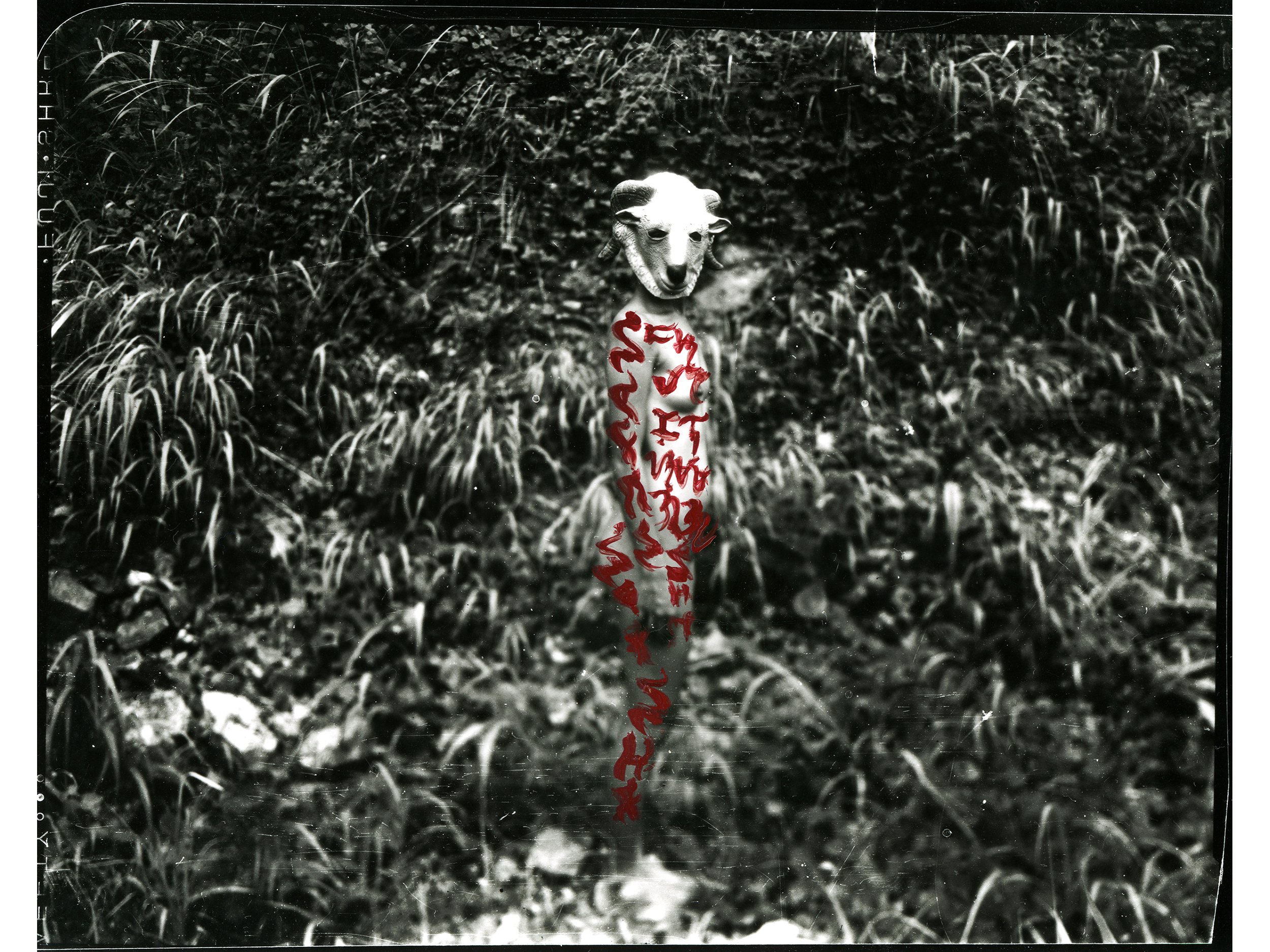
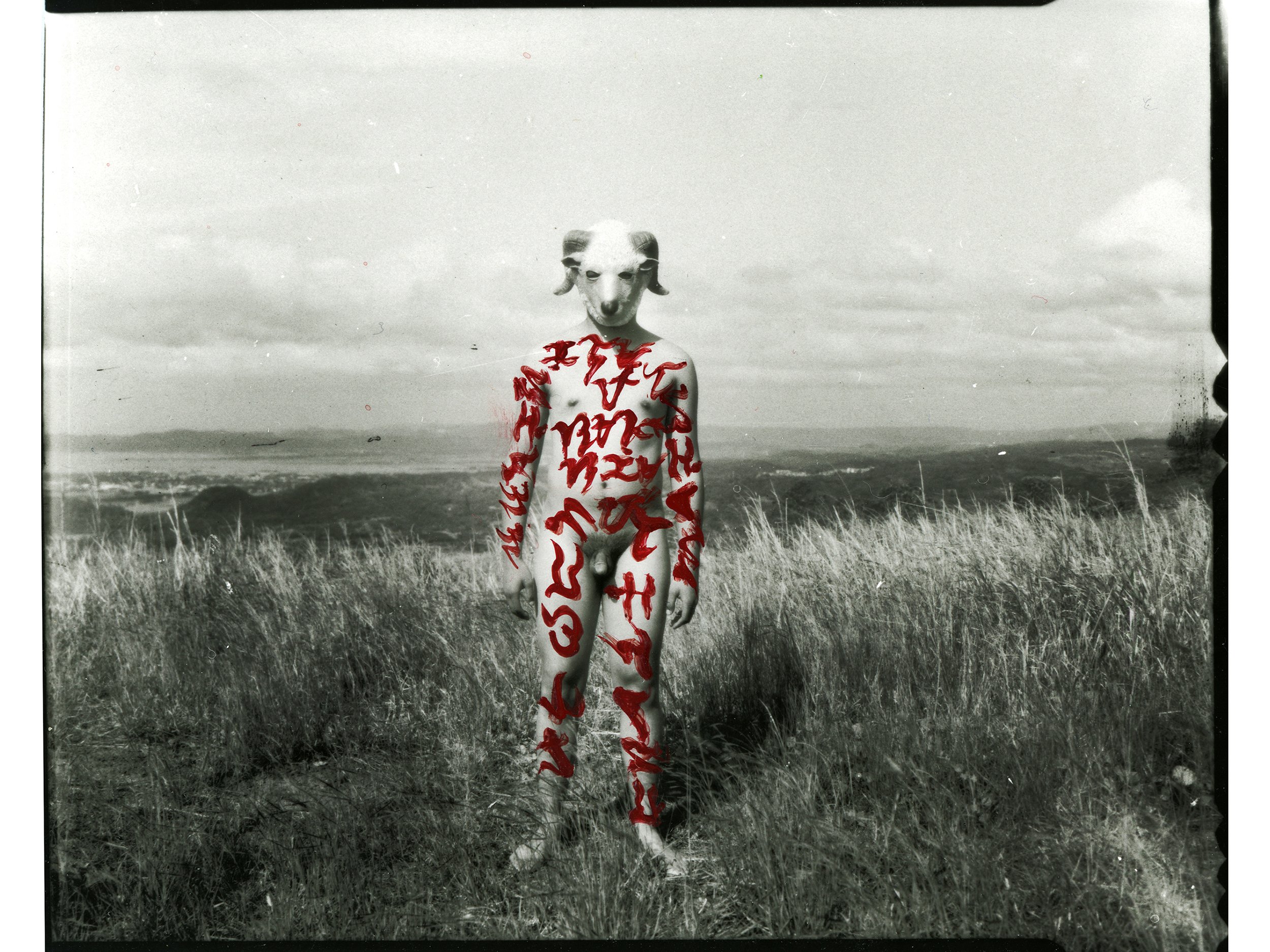
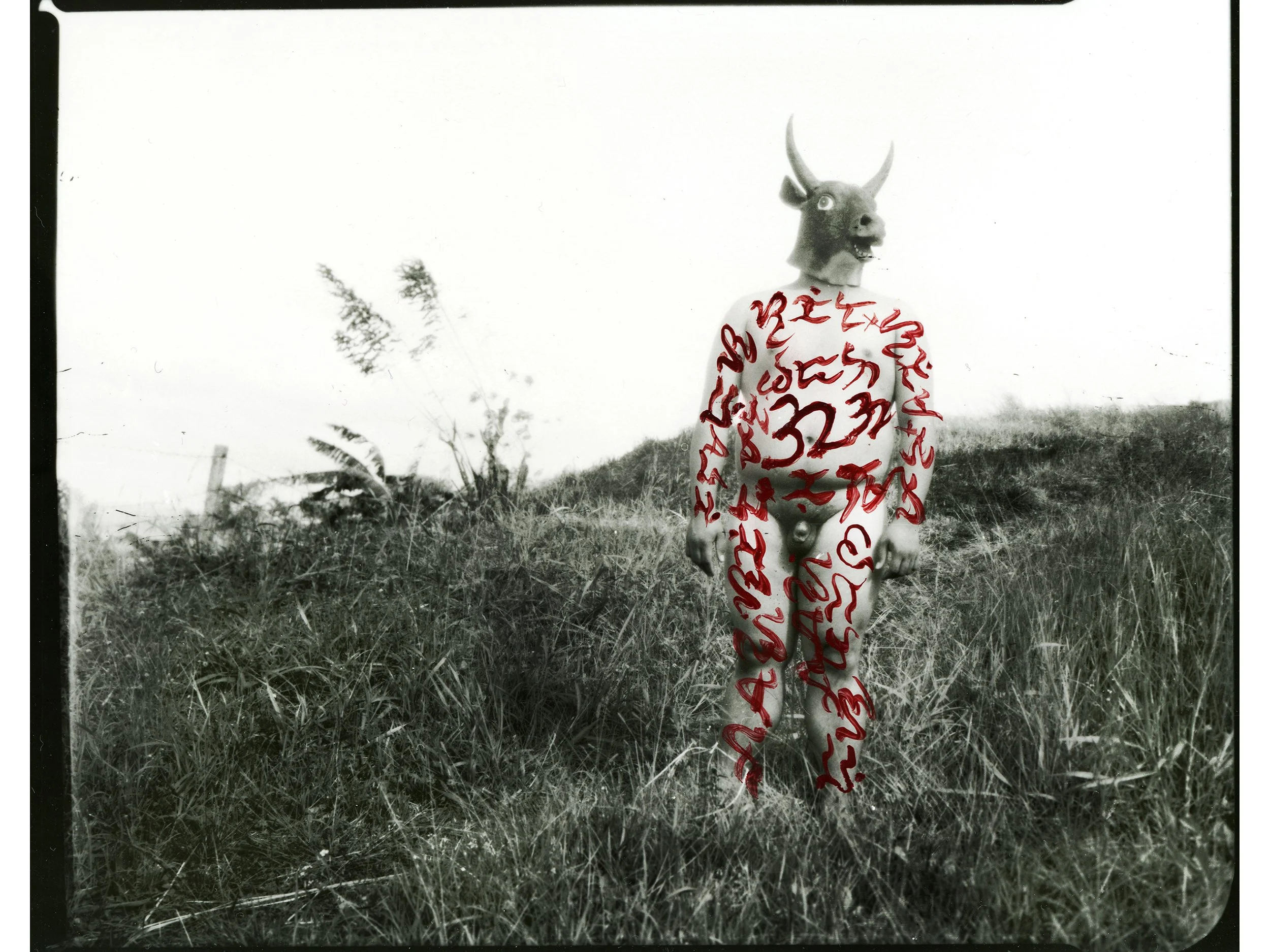
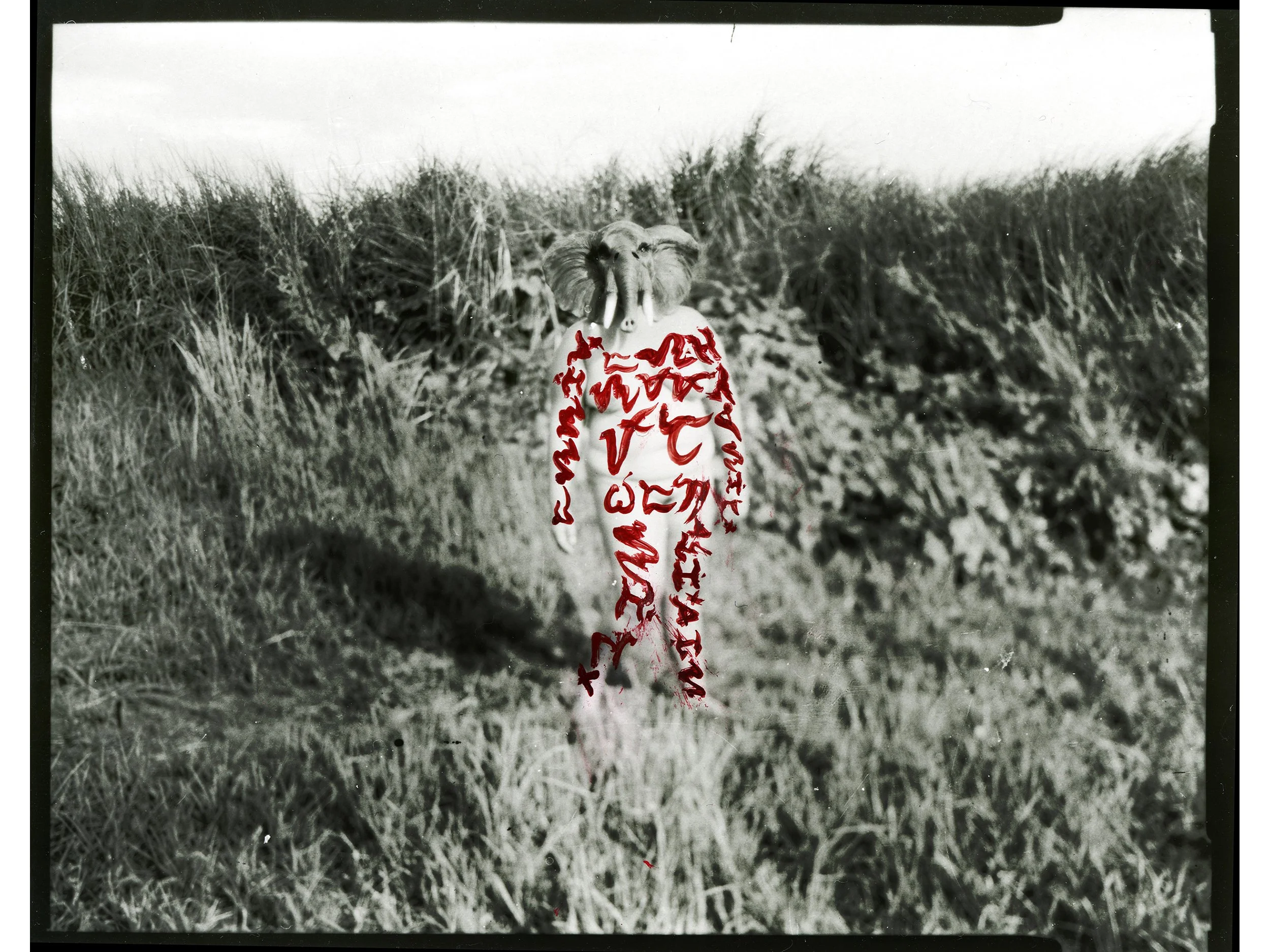
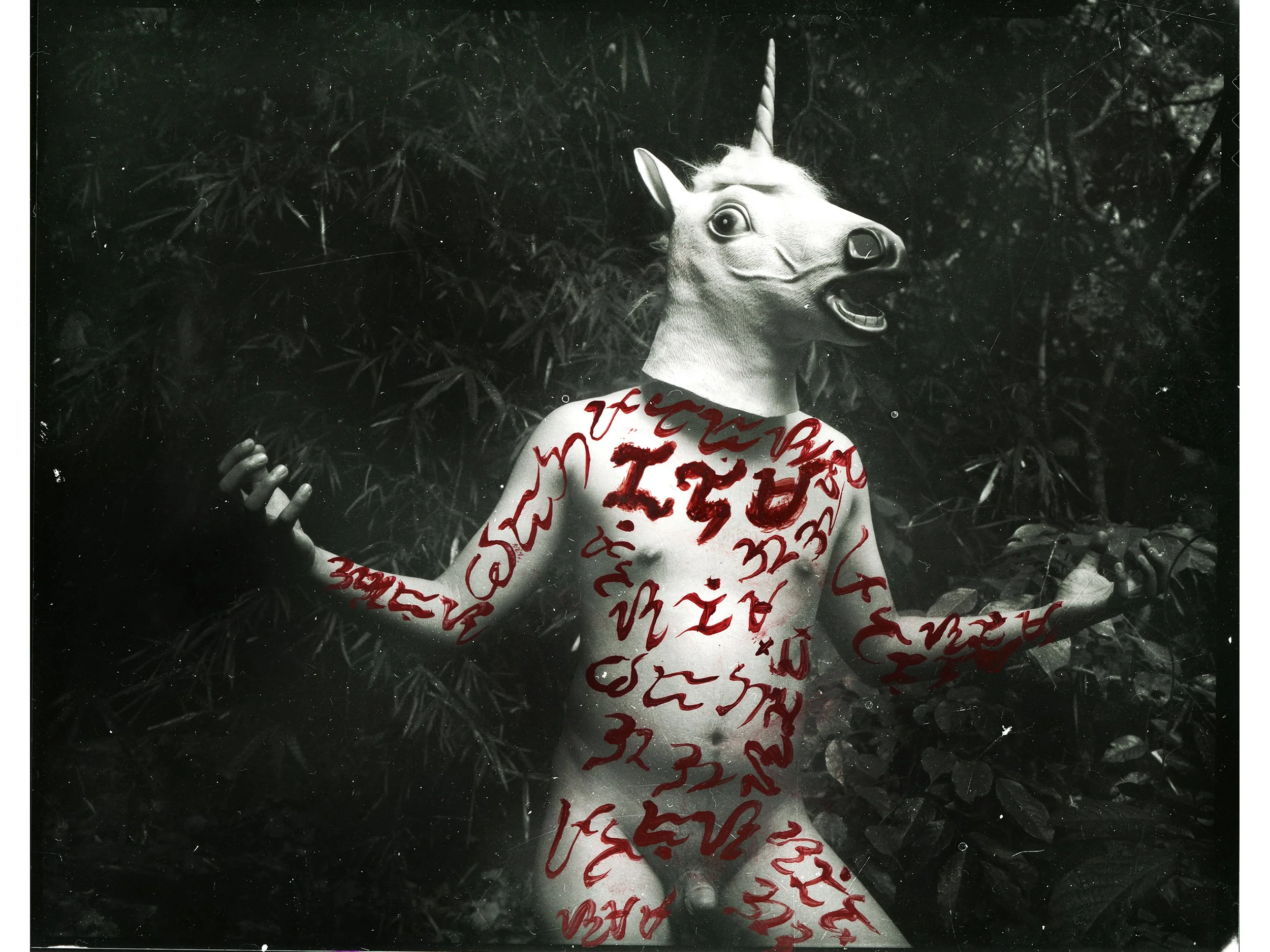
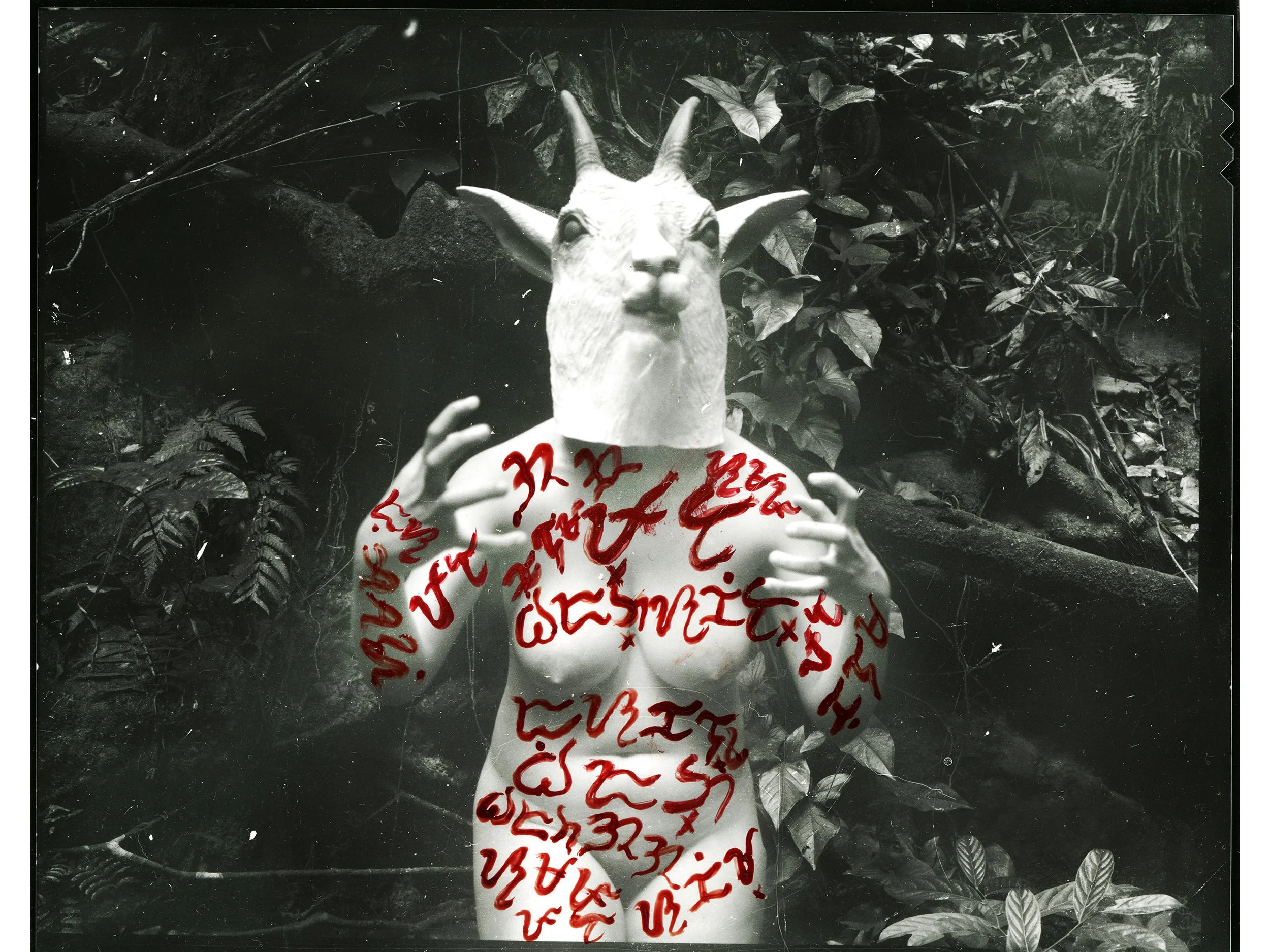
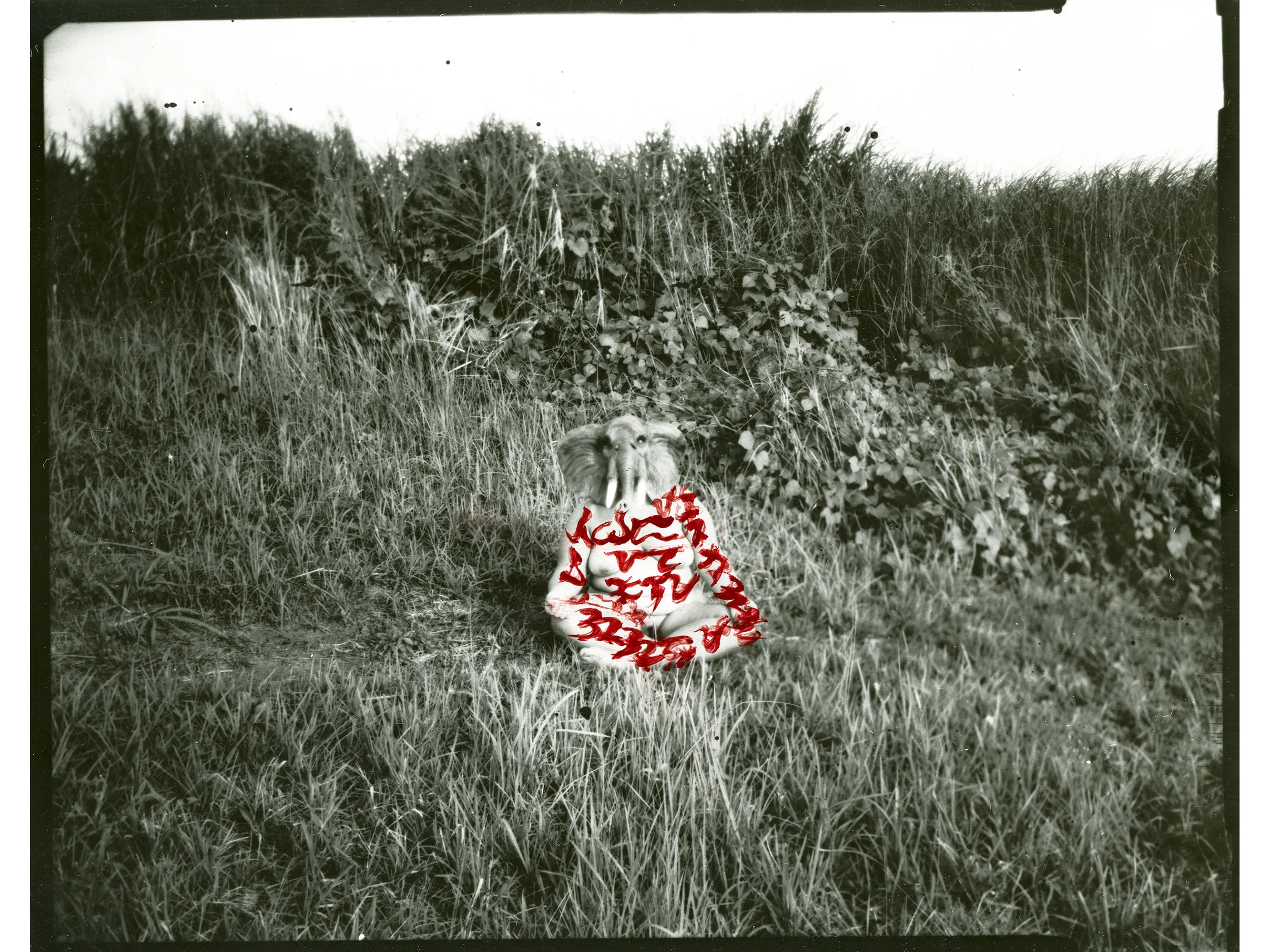
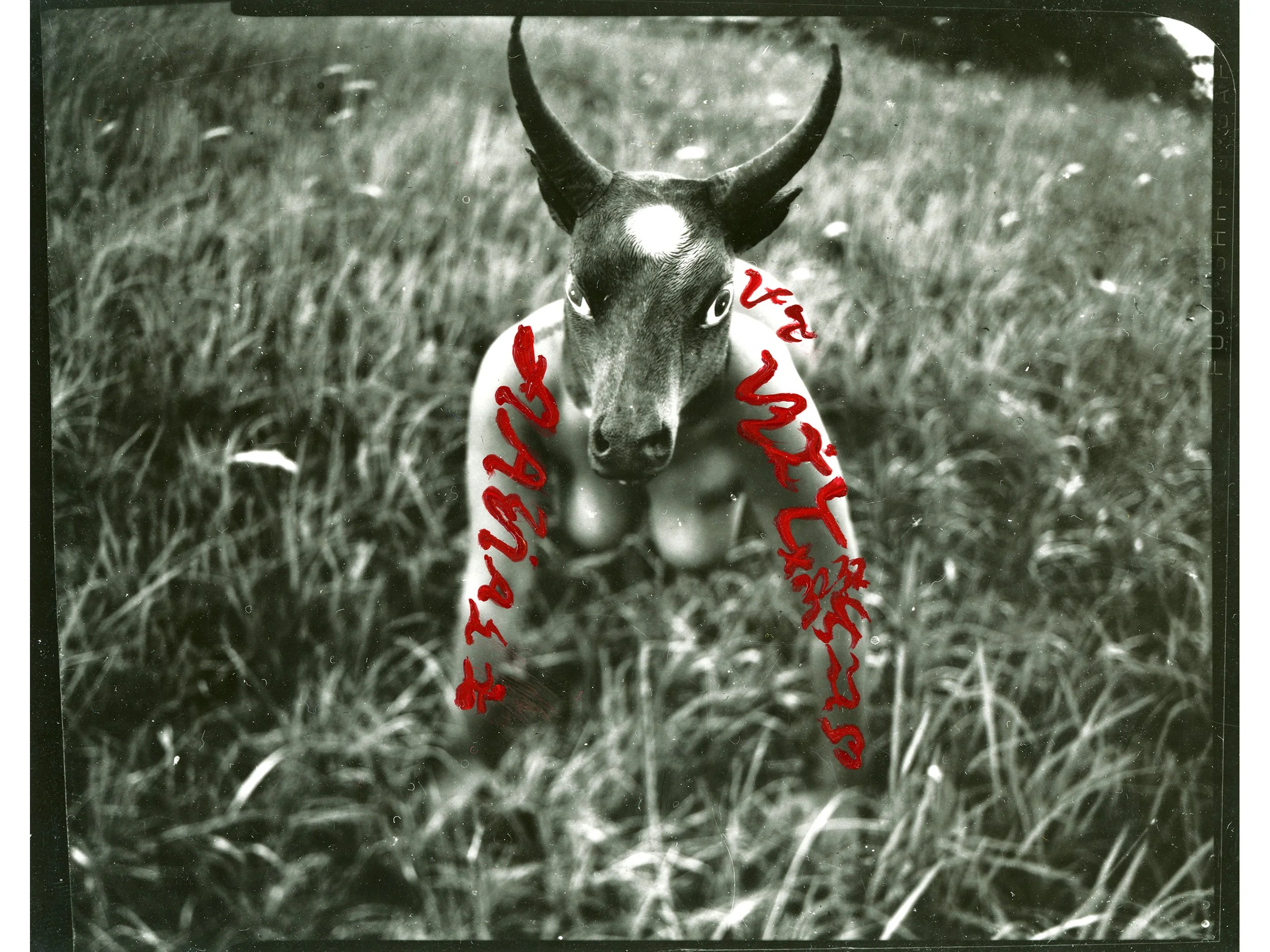
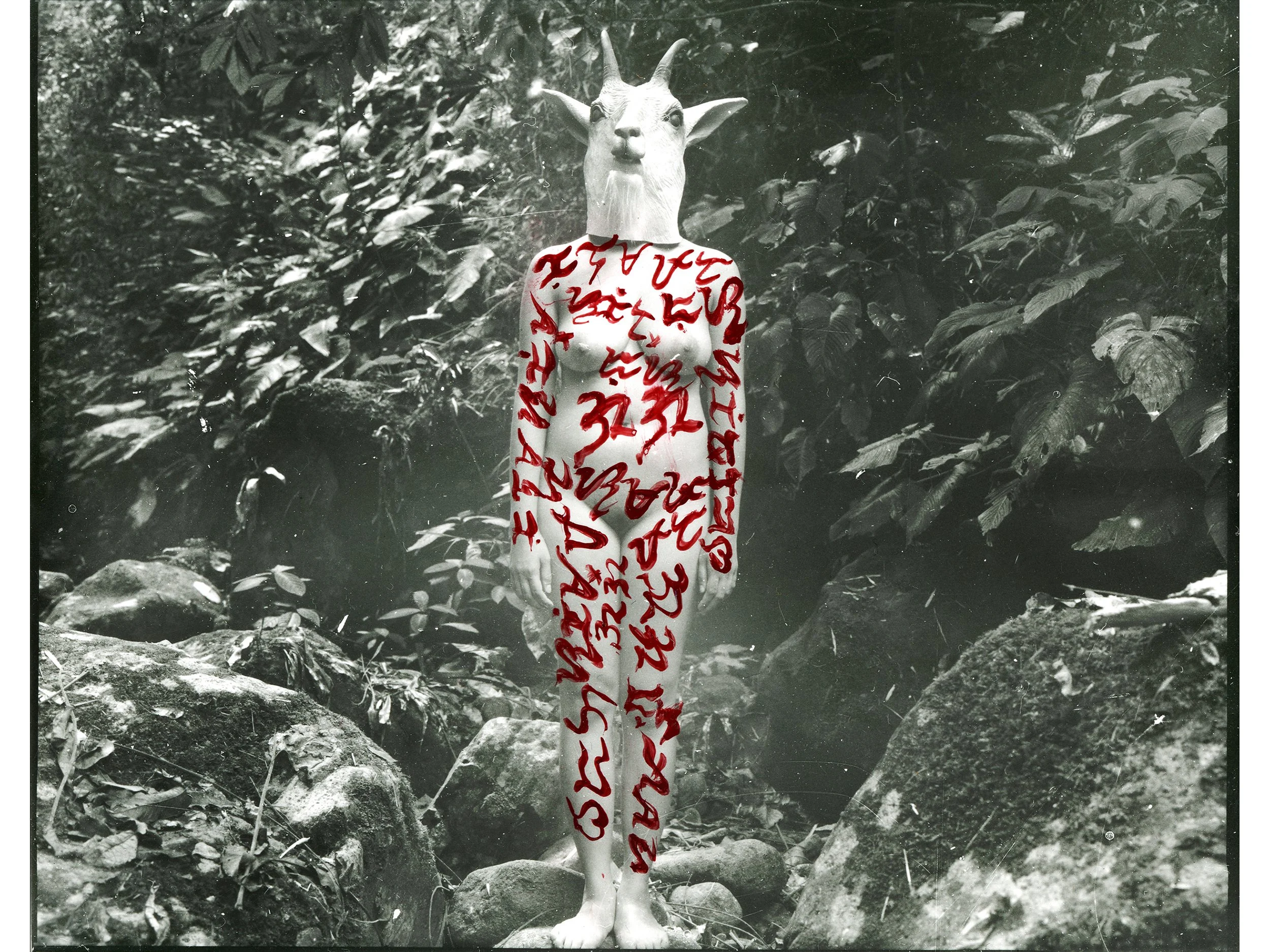
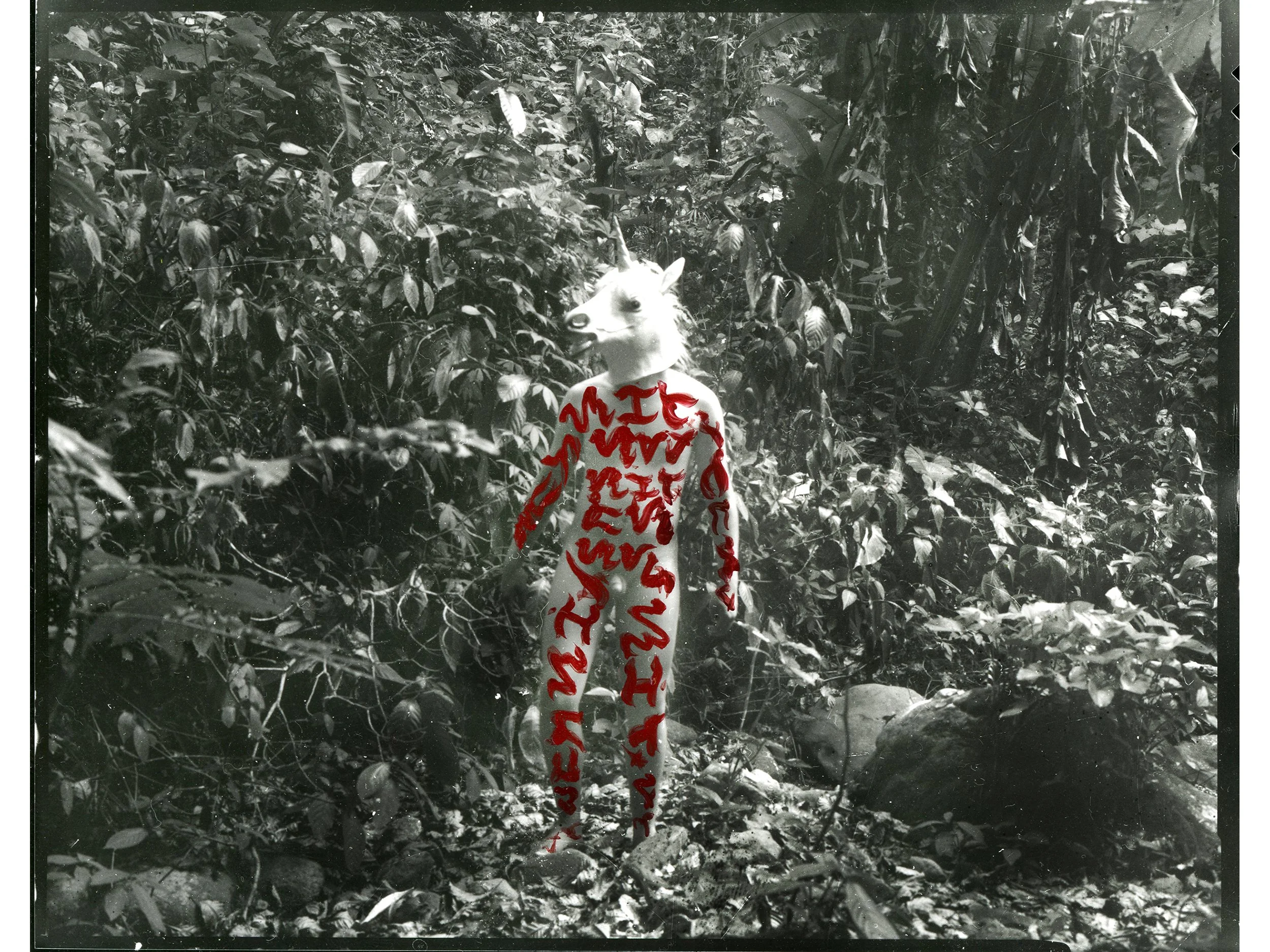
My work Gubatnon is an experimental folklore project in the form of experimental photography that crosses the boundaries between still images and cinema. It is part of the Permanent Collection of Collectif Jeune Cinéma.
Gubatnon
Project statement
Gubatnon is an experimental photography series that crosses the boundary between photography and cinema, rooted in an animistic belief system inherited by the artist in Gubat, Sorsogon. Animals are understood not as passive life forms but as extensions of the Engkantos — Spirit Guardians of land and territory. To harm an animal is to violate spatial and ethical boundaries, inviting consequence. Prior to colonization, this belief functioned as an unwritten law regulating how humans moved through the natural world.
The series presents hybrid figures—animal heads placed on human bodies—that function as thresholds rather than portraits. Neither fully human nor fully animal, they enact a form of anti-portraiture that resists legibility and identification. The work operates as speculative surveillance: the figures do not offer themselves to be seen but instead watch back, reversing the extractive and anthropological gaze imposed by colonial systems. These spirits dwell in the forest, observing the world as it modernizes and silently guarding the land.
Baybayin inscriptions from a pre-colonial Philippine writing system appear on the bodies of the figures, inscribed in the artist’s own blood. These markings function as warnings rather than symbols, echoing pre-colonial systems of consequence rather than ownership. Gubatnon asserts continuity through embodied and oral tradition, rejecting folklore and affirming that nature was never passive.
jesed francis moreno
the 10
yixuan liu
alex mendi
lucia caspani
shrabana das
jake corcoran
yang chen
natnael ashebir
photo festivals
anton zdanovich
daria nazarova
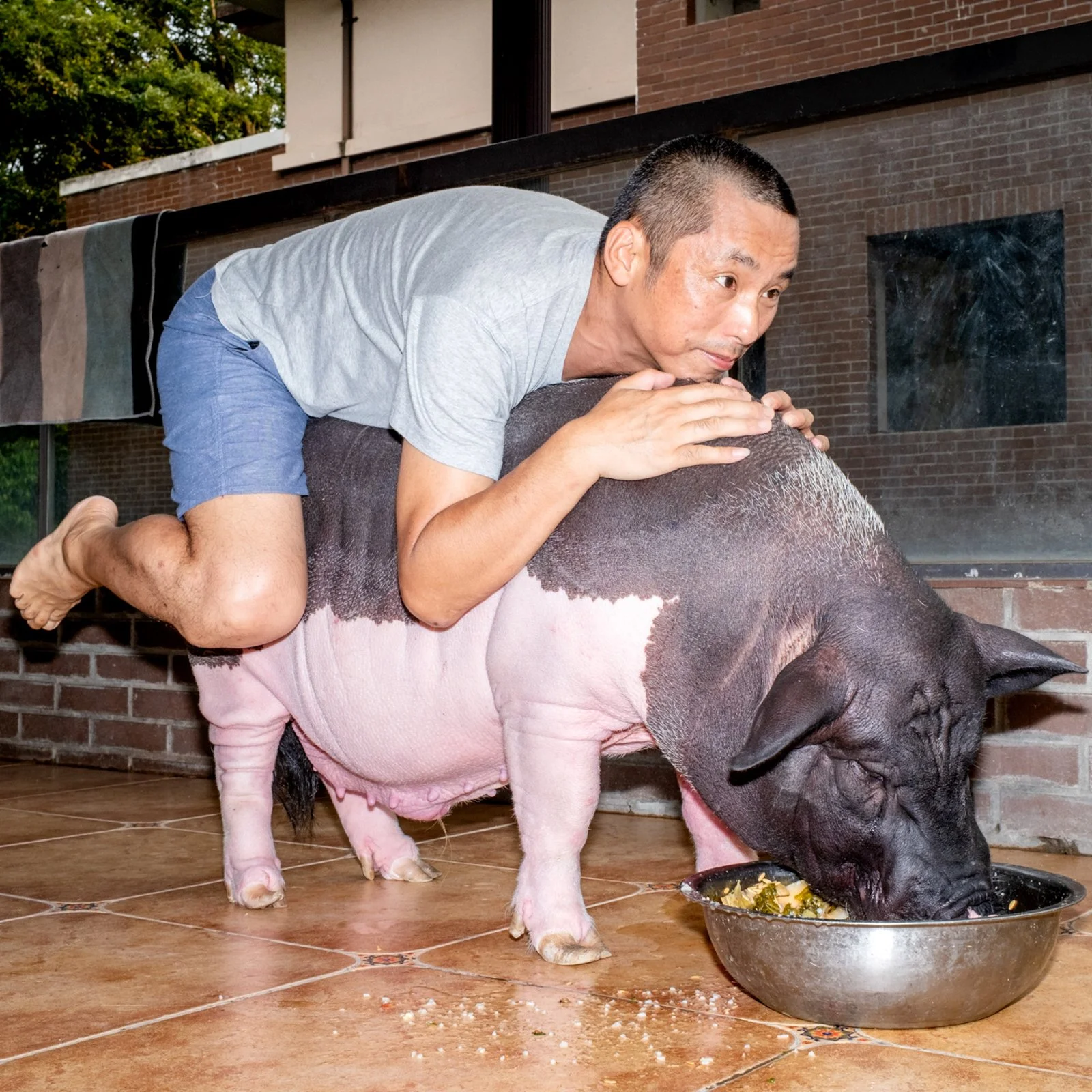
feng li