
shrabana das
Your name
Shrabana Das (Shrobona)
Place of birth
Kolkata, India
Place where you live now
Kolkata, India
3 words to describe you
Archivist, Meaning maker, Critical thinker.
Why do you take pictures?
I take pictures to stay with memories and relationships, and to look beyond the regularity of everyday life. Photography allows me to attend to the banal and to find other ways of seeing histories and realities that often remain unnoticed, and how meanings emerge over time. I am interested in the ways in which daily life itself becomes a kind of performative utterance, in which gestures, routines, and material traces quietly produce and carry memory. Through acts of archiving, I stay with these fragments and attend to how histories are repeated, negotiated, and gradually reimagined.
Where do you get your inspiration?
I draw inspiration from memory and post-memory, which have helped me think differently about seeing and meaning-making. Reading critical theory and art history keeps me curious and continually inspires my practice. I am equally inspired by encountering artworks and by moving through the world with a sense of curiosity, much like a flâneur, paying attention to the ordinary, the fleeting, and the often overlooked.
Who are your influences?
David Hockney, Trent Parke, Walter Benjamin, Helene Cixous, Mark Rothko, Man Ray, Dora Maar, Vivan Sundaram, Robert Capa, Hiroshi Sugimoto, Yves Klein, Nobuyoshi Araki, Andrei Tarkovsky, Wong Kar-Wai
What determines the subject matter you choose?
The subjects I choose emerge through long-term interactions, research, and memory. Rather than beginning with a fixed theme, I remain curious about the stories, gestures, and everyday encounters through which histories and meanings gradually unfold. I believe in living with the work and in the resilience required to stay with it, allowing it to evolve and take shape over time.
What impact would you like your art to have?
I hope my work speaks to those who are curious and willing to engage with different ways of seeing. In a post-media landscape, where image-making is widely accessible, I am interested in the openness of discourse and in how new meanings can continue to emerge through images and shared experiences. I am not interested in arriving at a singular truth. Rather, I see my practice as a space for inventing and negotiating meanings. As an artist, I position myself not in discovering fixed truths, but in imagining and creating new possibilities of seeing and understanding.
What artwork do you never get bored with?
It's very hard for me to be particular about this and choose just one. I always find myself returning to a few works, though there are many others as well. Cy Twombly's Untitled works, Akbar Padamsee's Metascape series, Edward Hopper's Morning Sun, and Raqs Media Collective's Contemporarium One are among them. Every time I encounter these works, they bring forth new perspectives.
Is there anything you want to add?
I feel that my artistic practice is not solely about the discovery of fixed truths, but also about the invention and negotiation of meanings. As an artist, I remain curious about how new possibilities of seeing and understanding can emerge.
Shape Shifting Ladies
Project statement
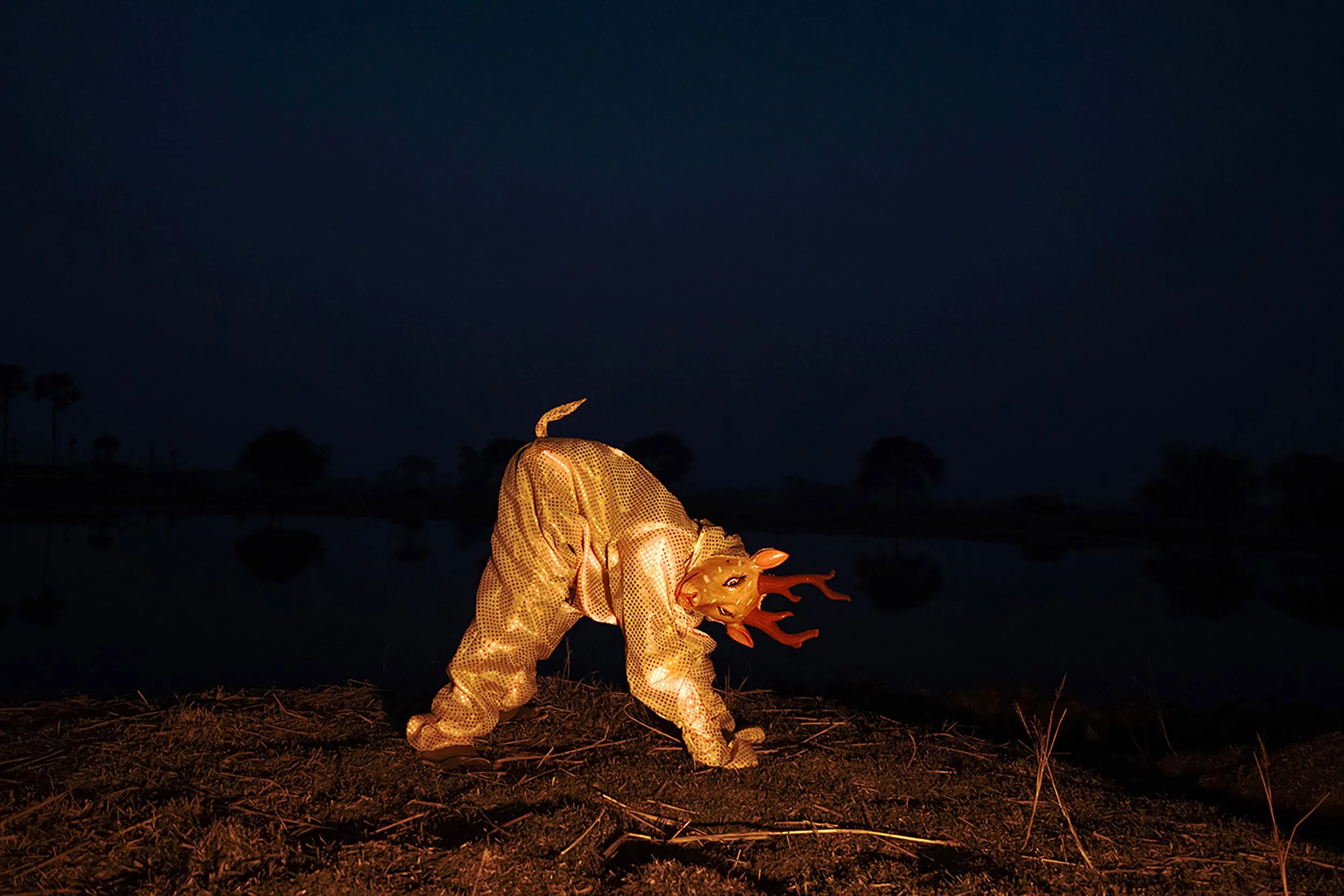
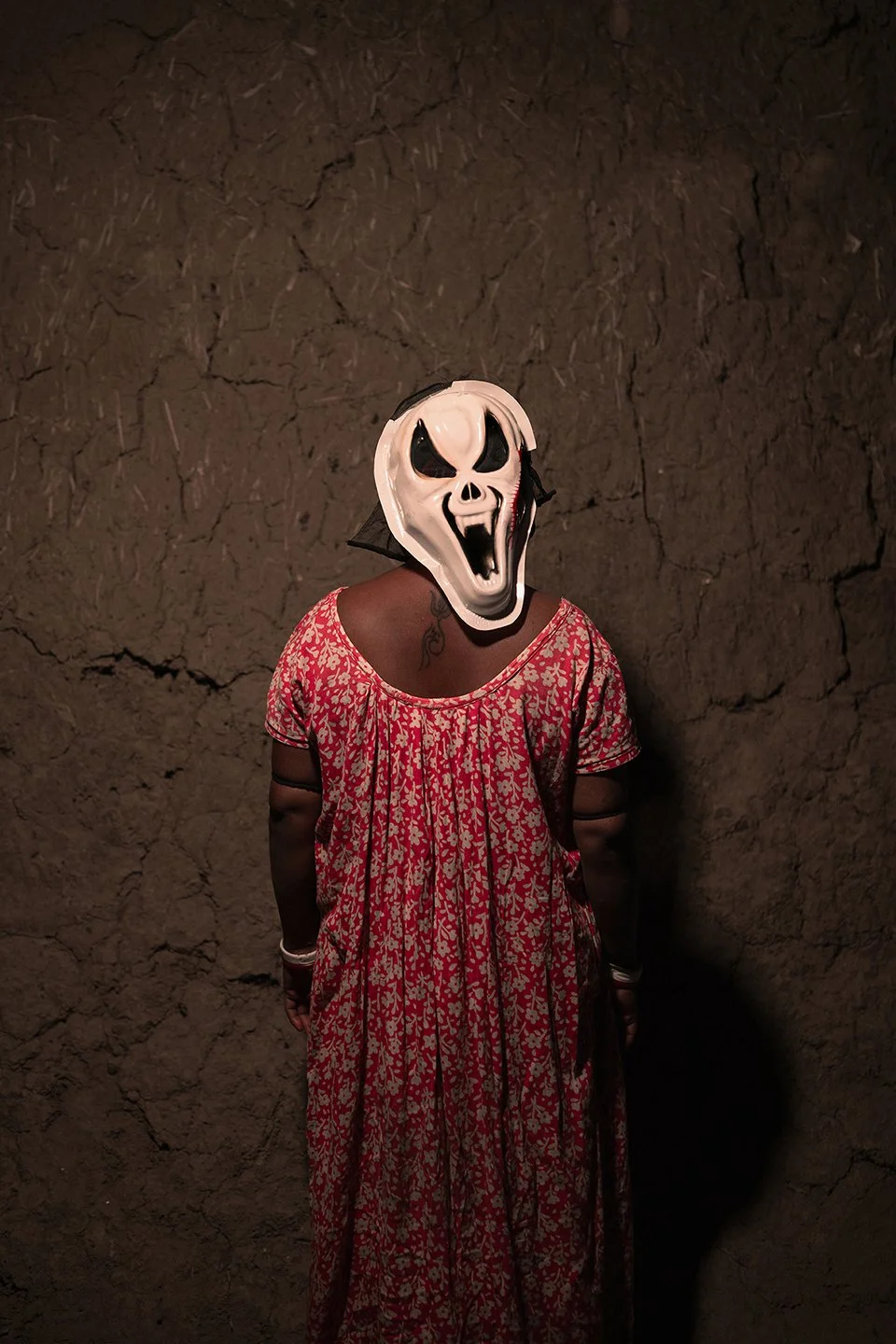
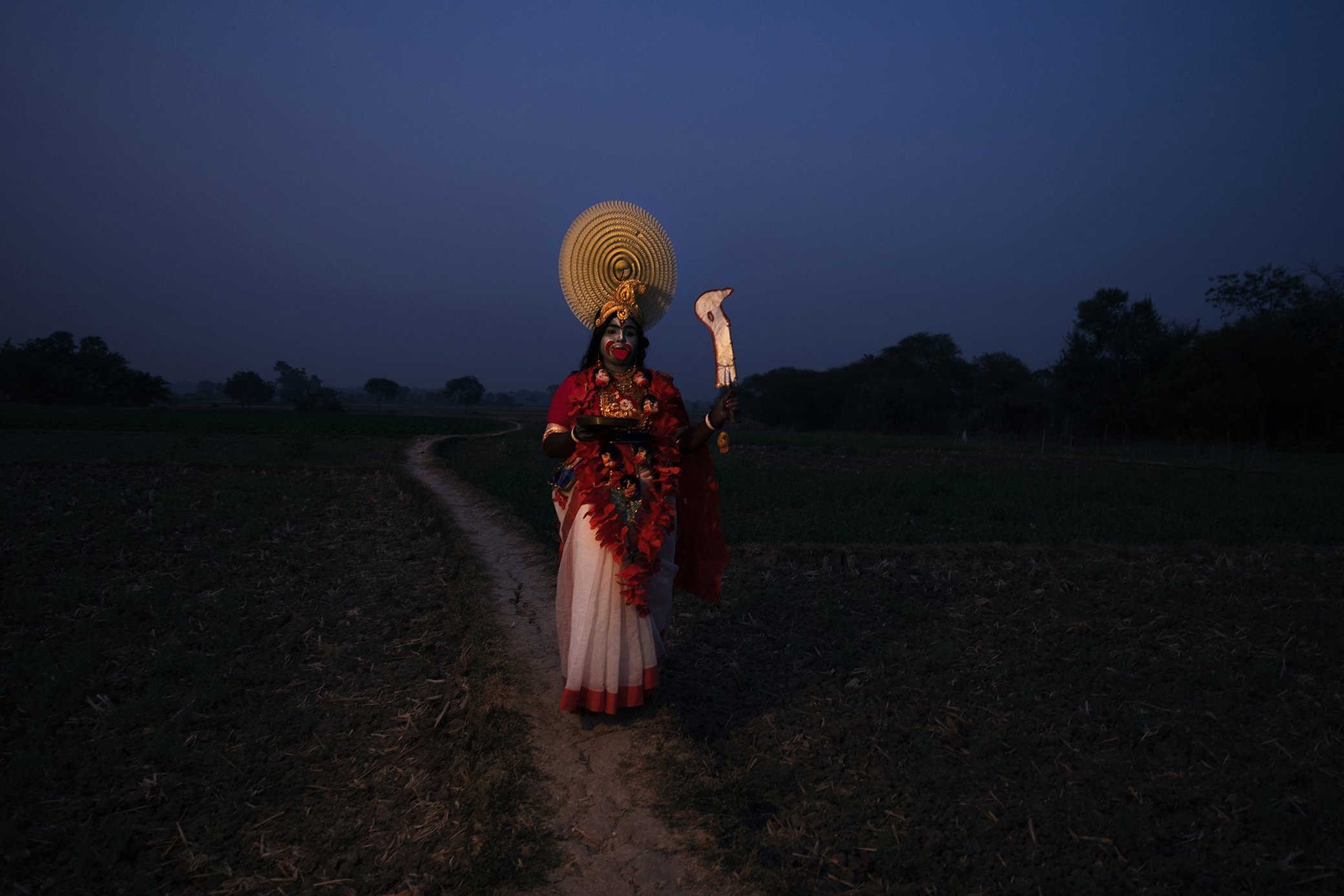
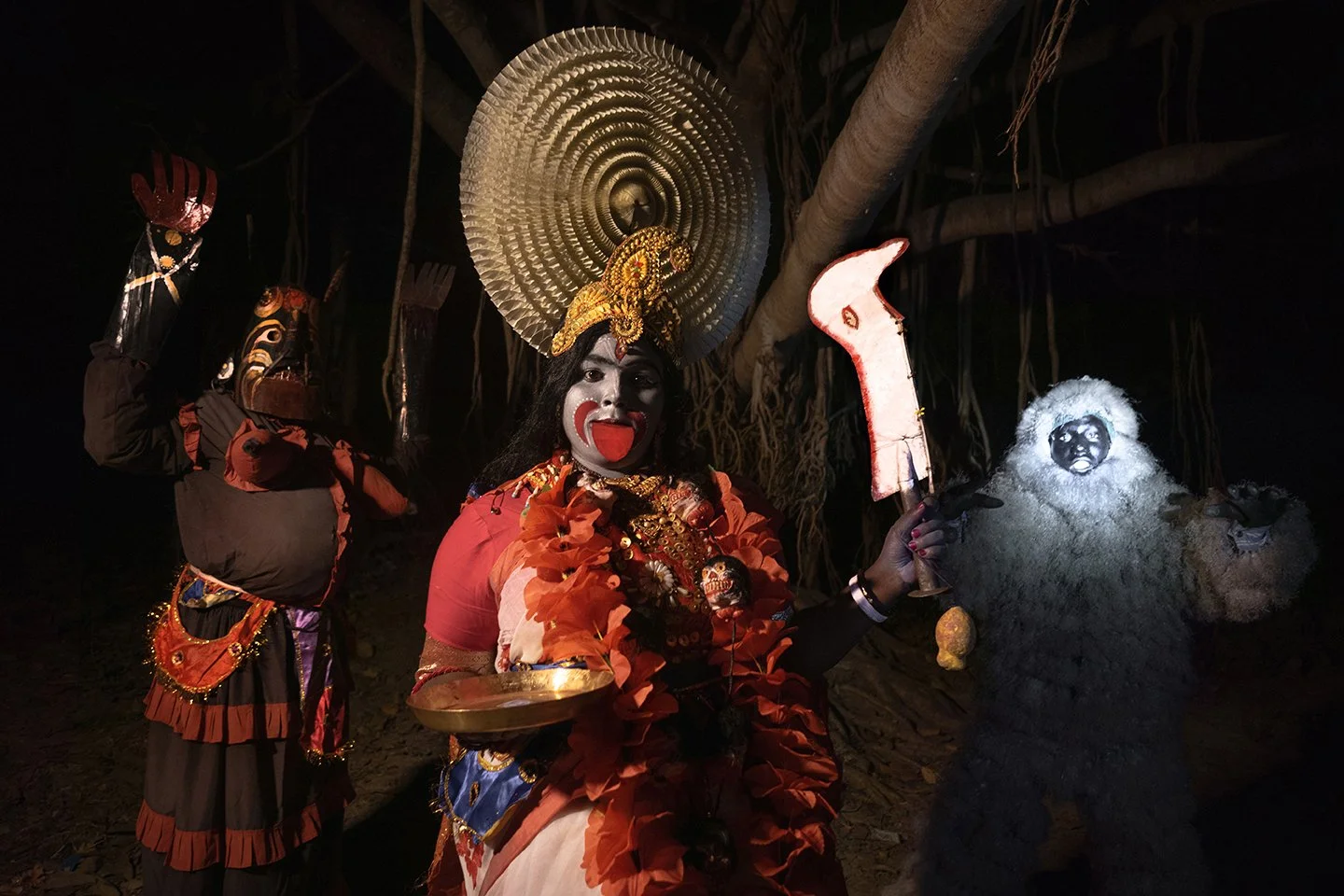
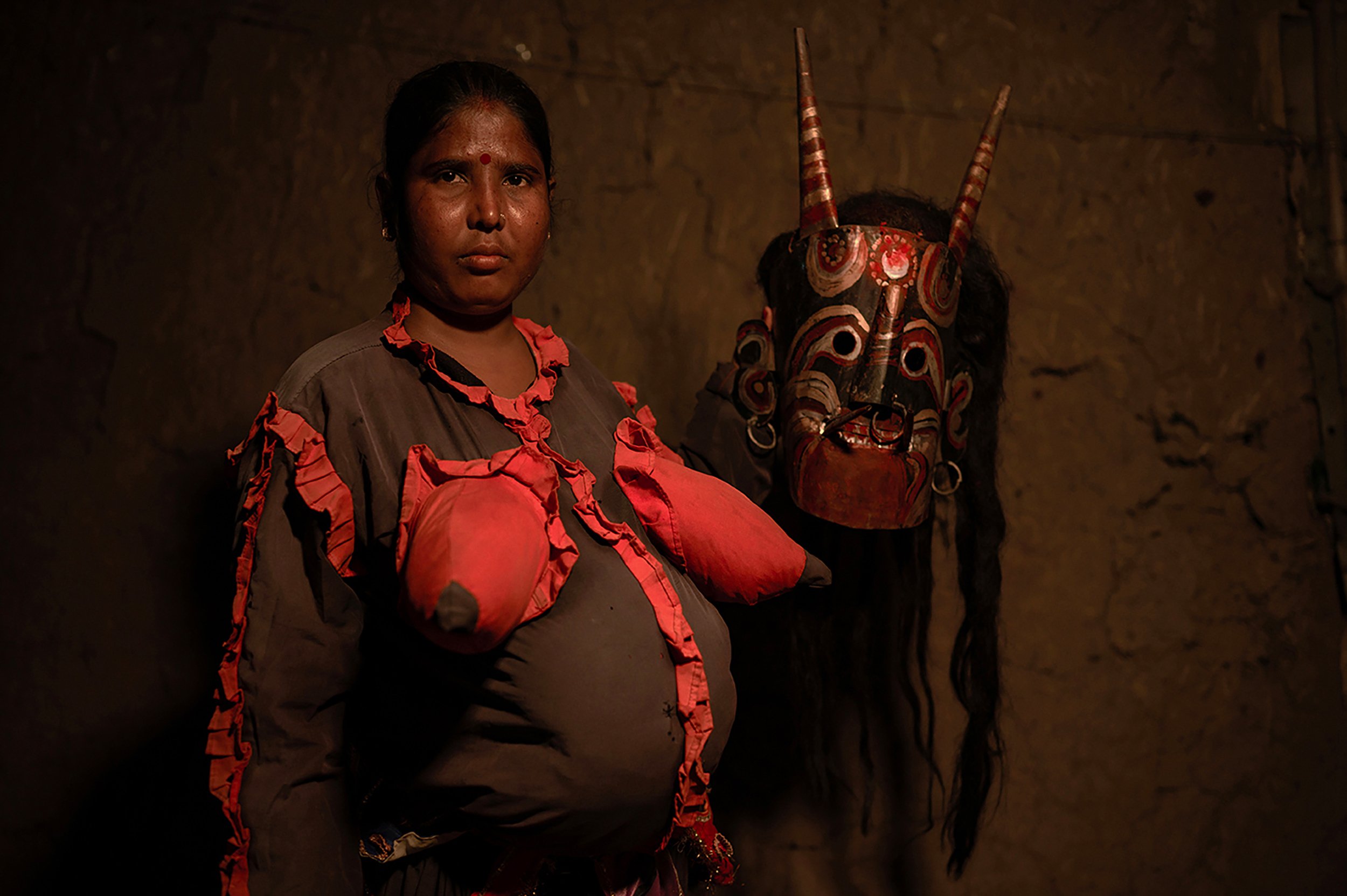
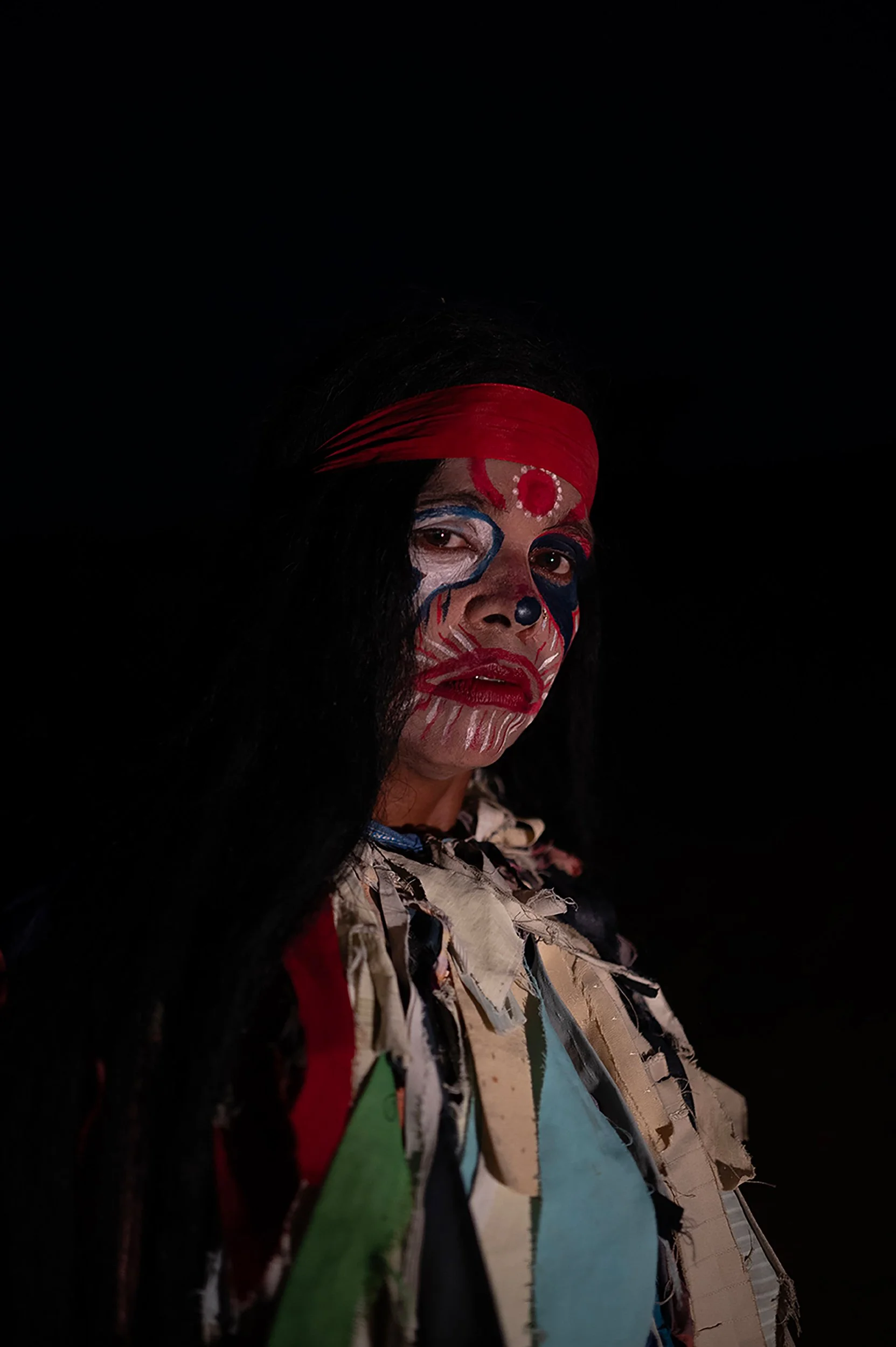
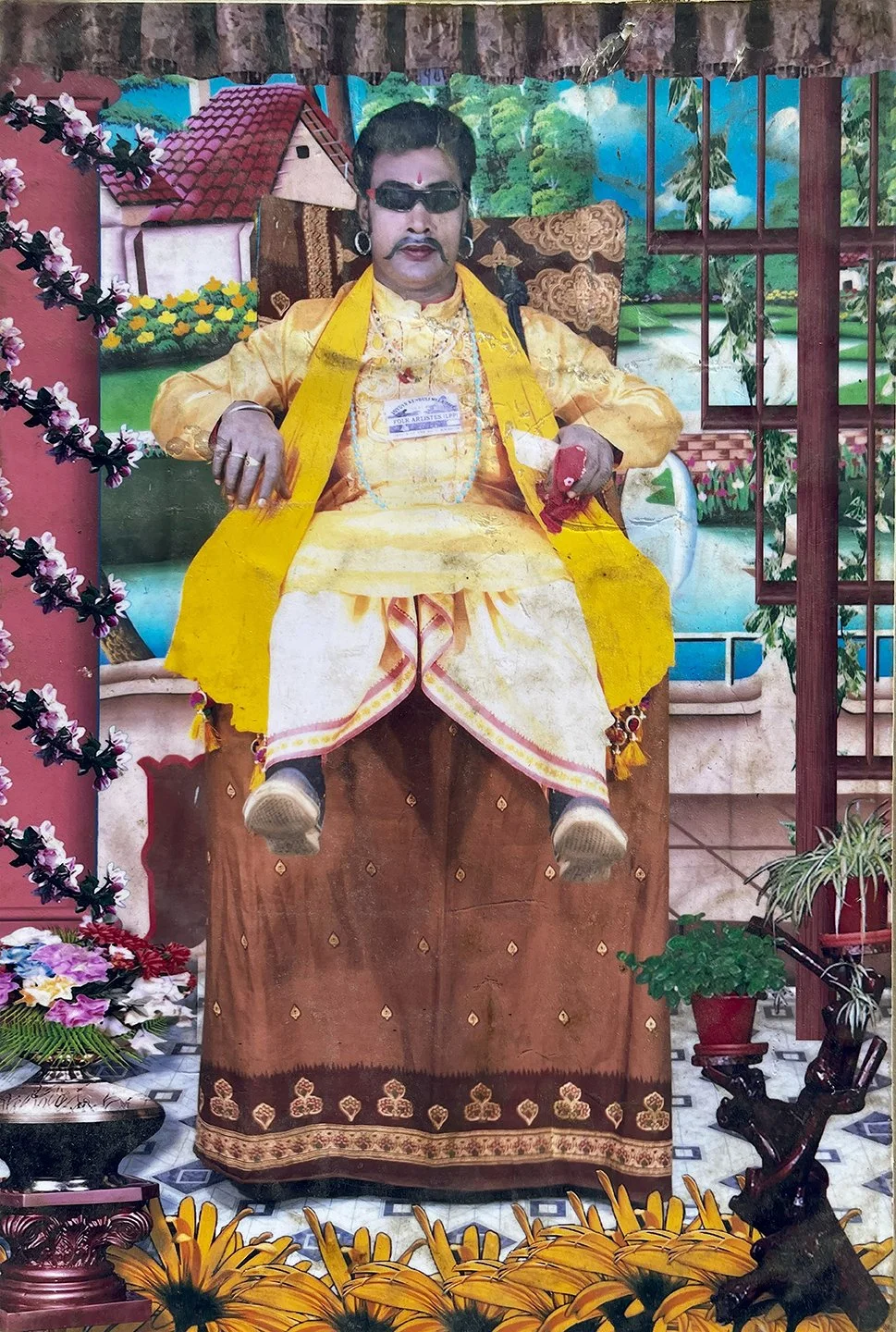
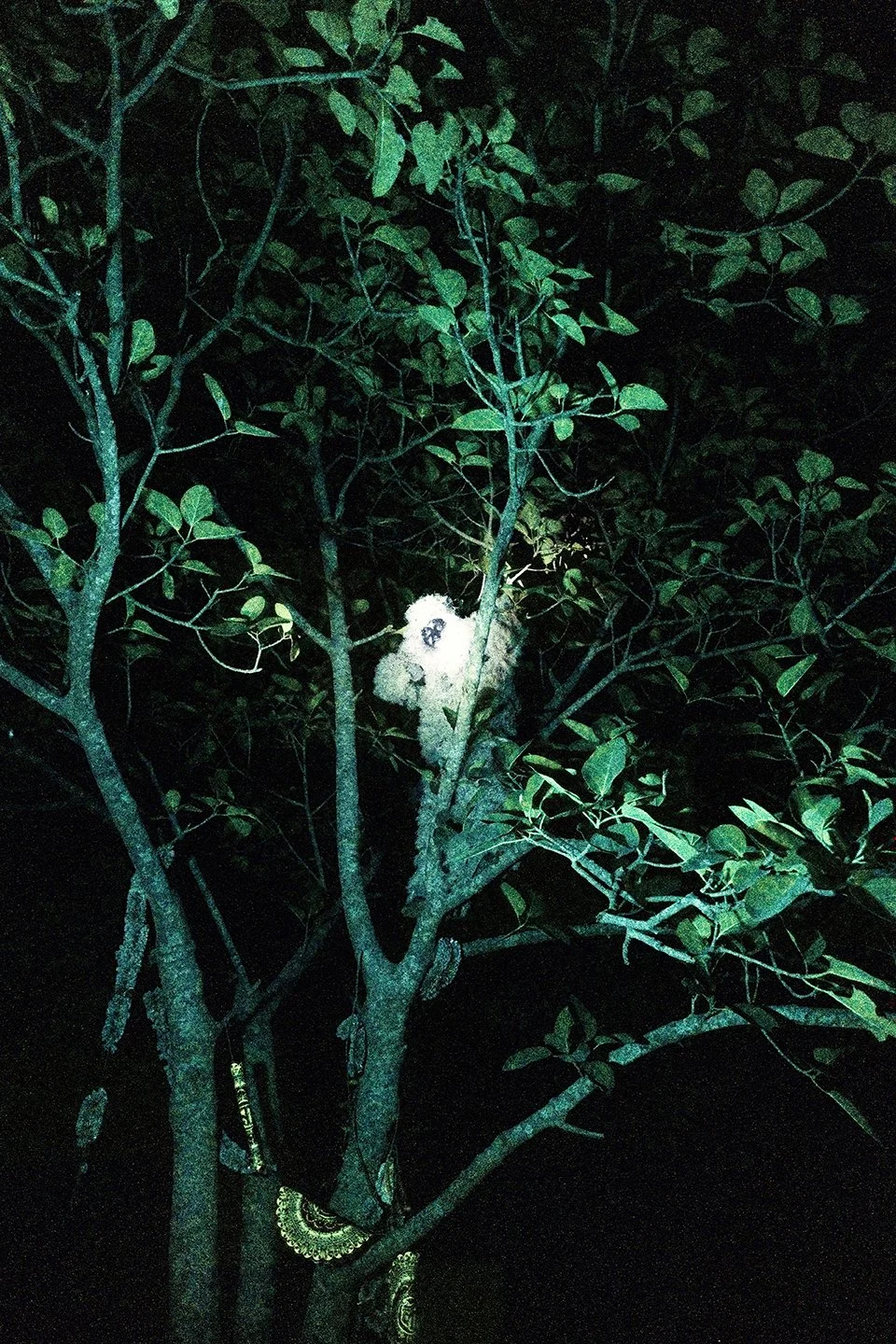
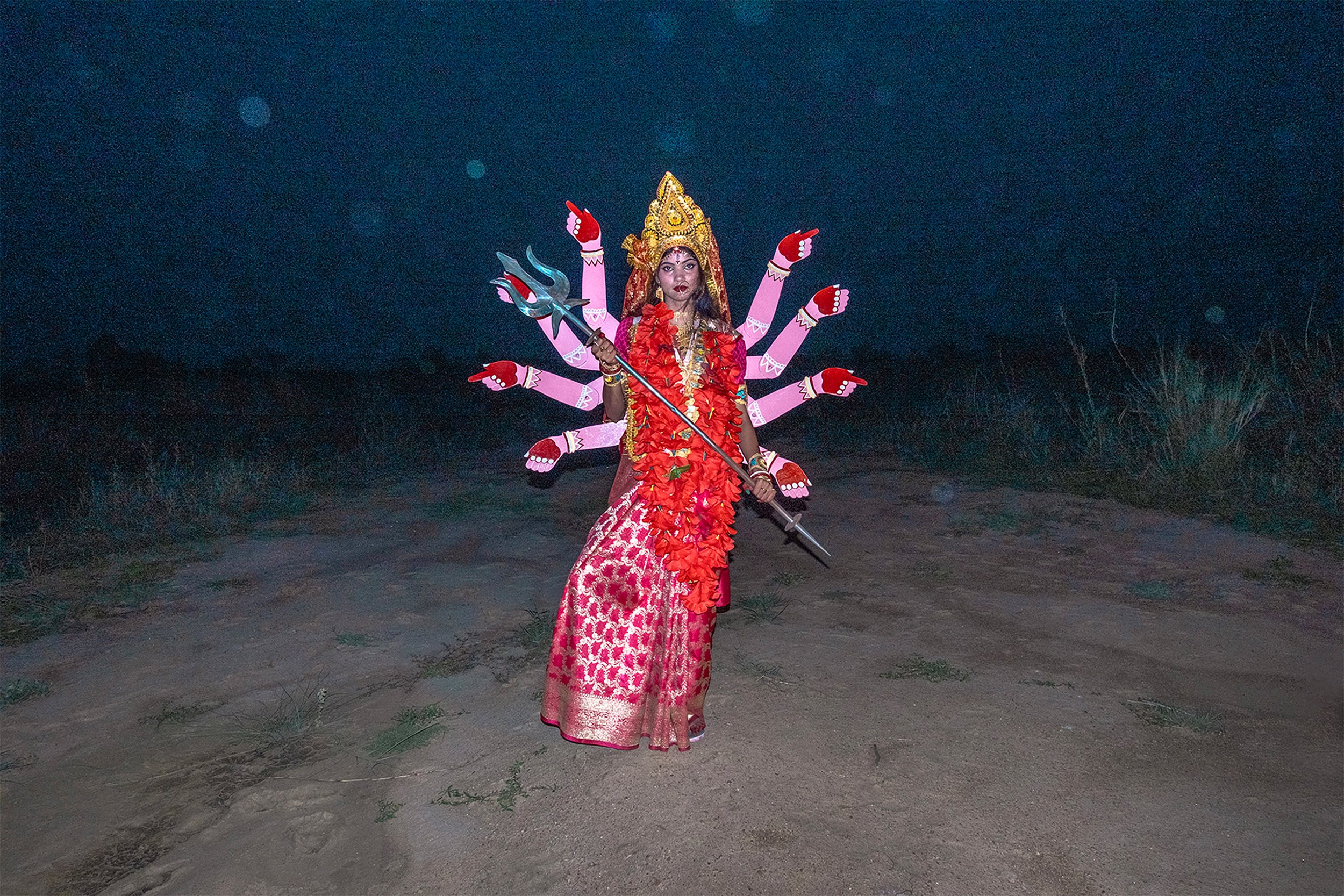
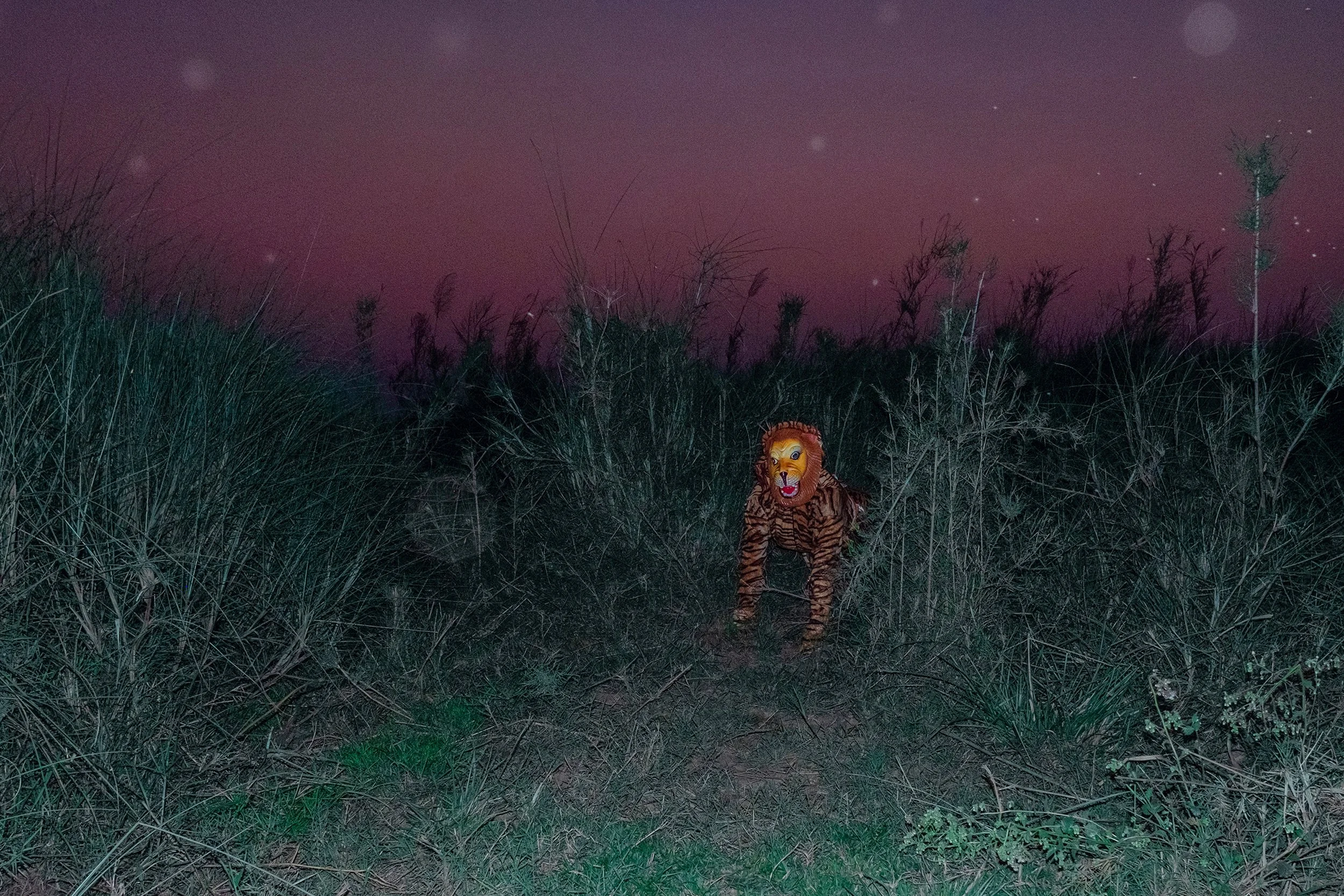
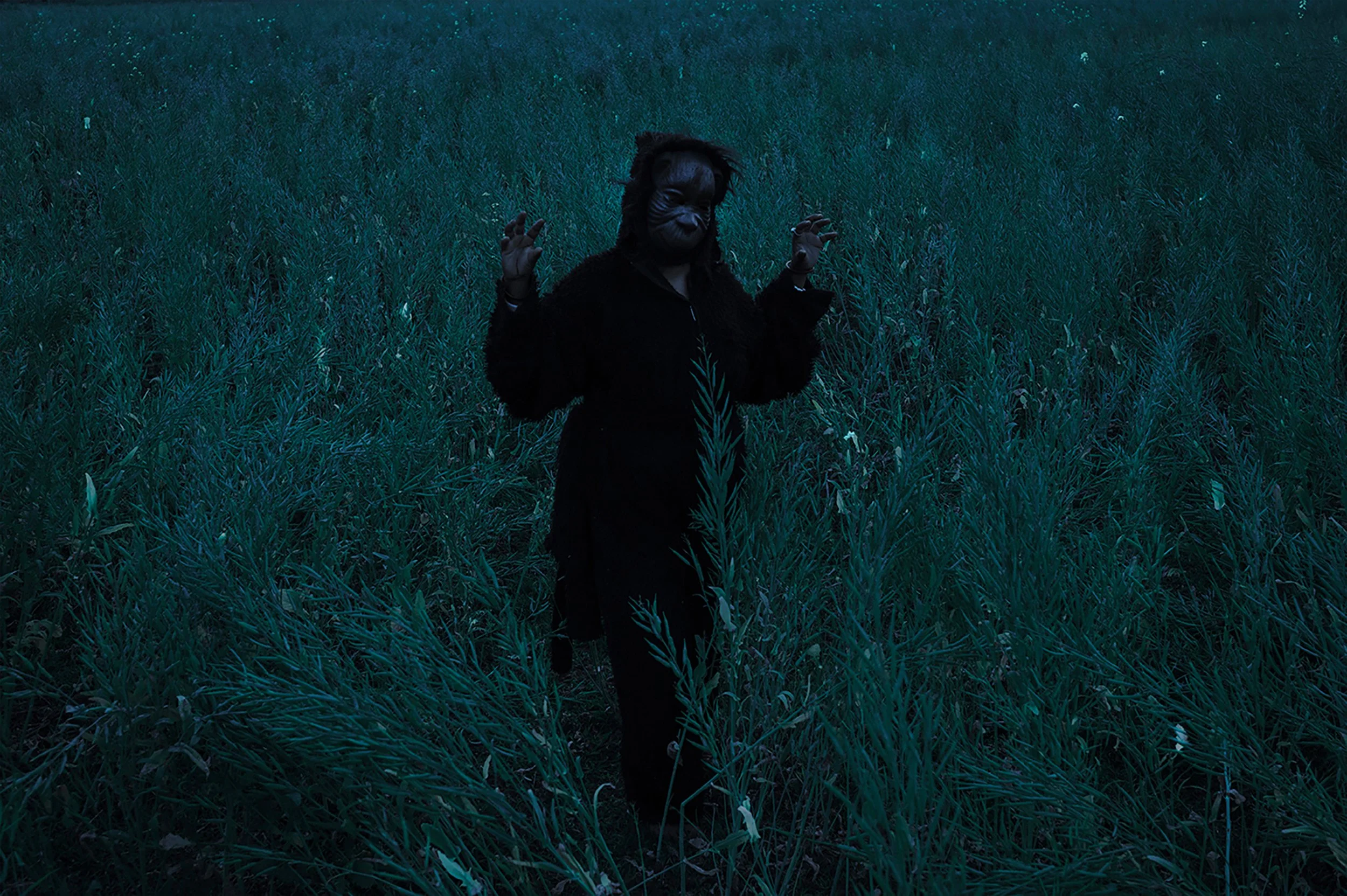
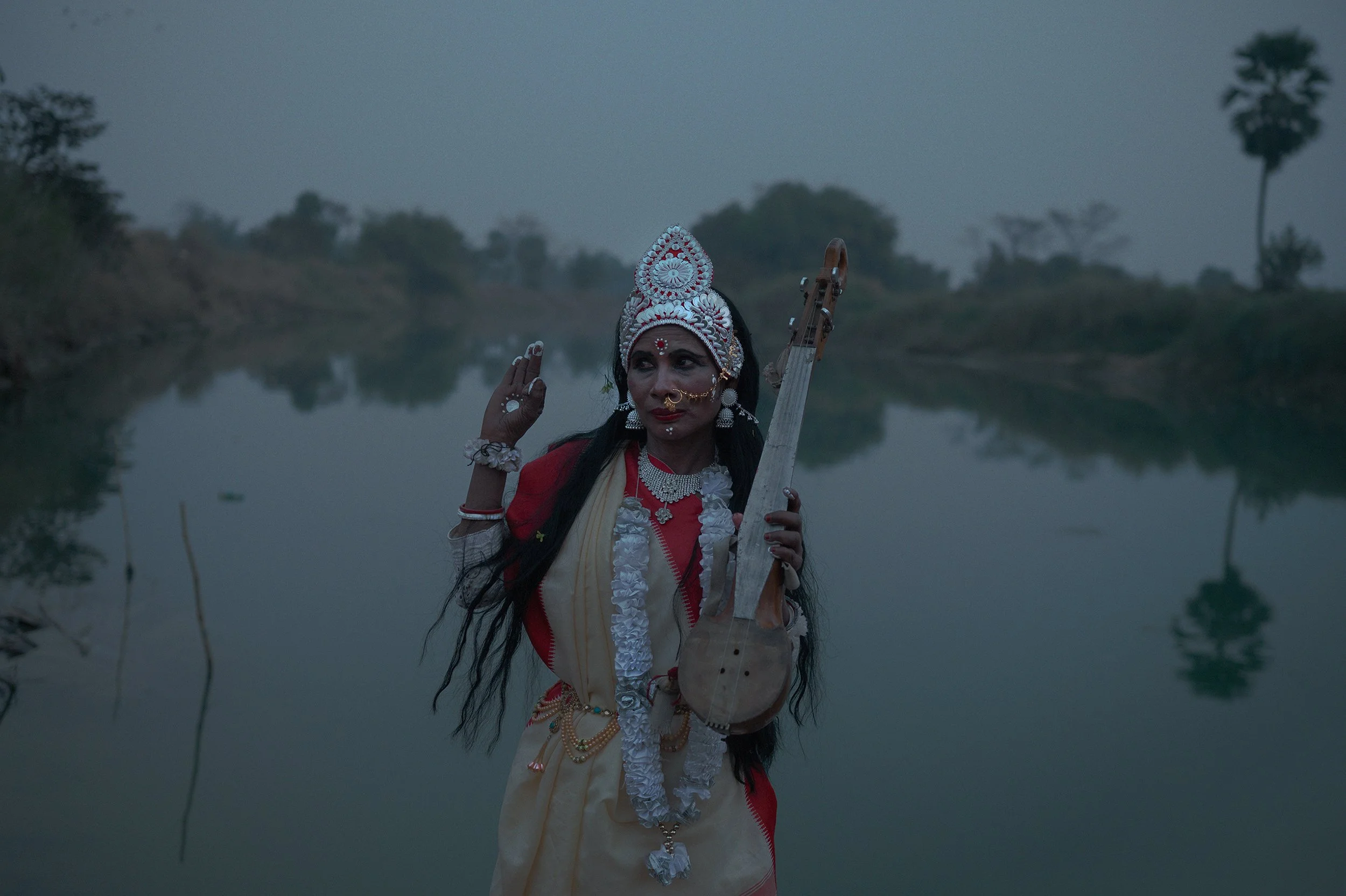
Shape Shifting Ladies is an ongoing interdisciplinary project centred on the women Bahurupis of Bishaypur, a remote village in West Bengal, India. Bahurupi is a traditional folk performance practice where performers transform into various characters through costume, makeup, masks, and bodily gestures, inhabiting identities that move between the everyday and the mythical. While the history of this practice has largely been remembered through male practitioners and their lineage, women have always existed within these performative spaces, though rarely within dominant visual or archival histories. Their presence itself survives almost like a lore, carried through memory, oral narratives, witnesses, and lived experience rather than formal documentation.
Most families in Bishaypur belong to the Bediya community and continue to negotiate migration, caste-based marginalisation, and economic precarity within a changing socio-cultural landscape. A small number of women continue to perform, often during festivals and alongside male performers, quietly unsettling the assumption that Bahurupi belongs only to men.
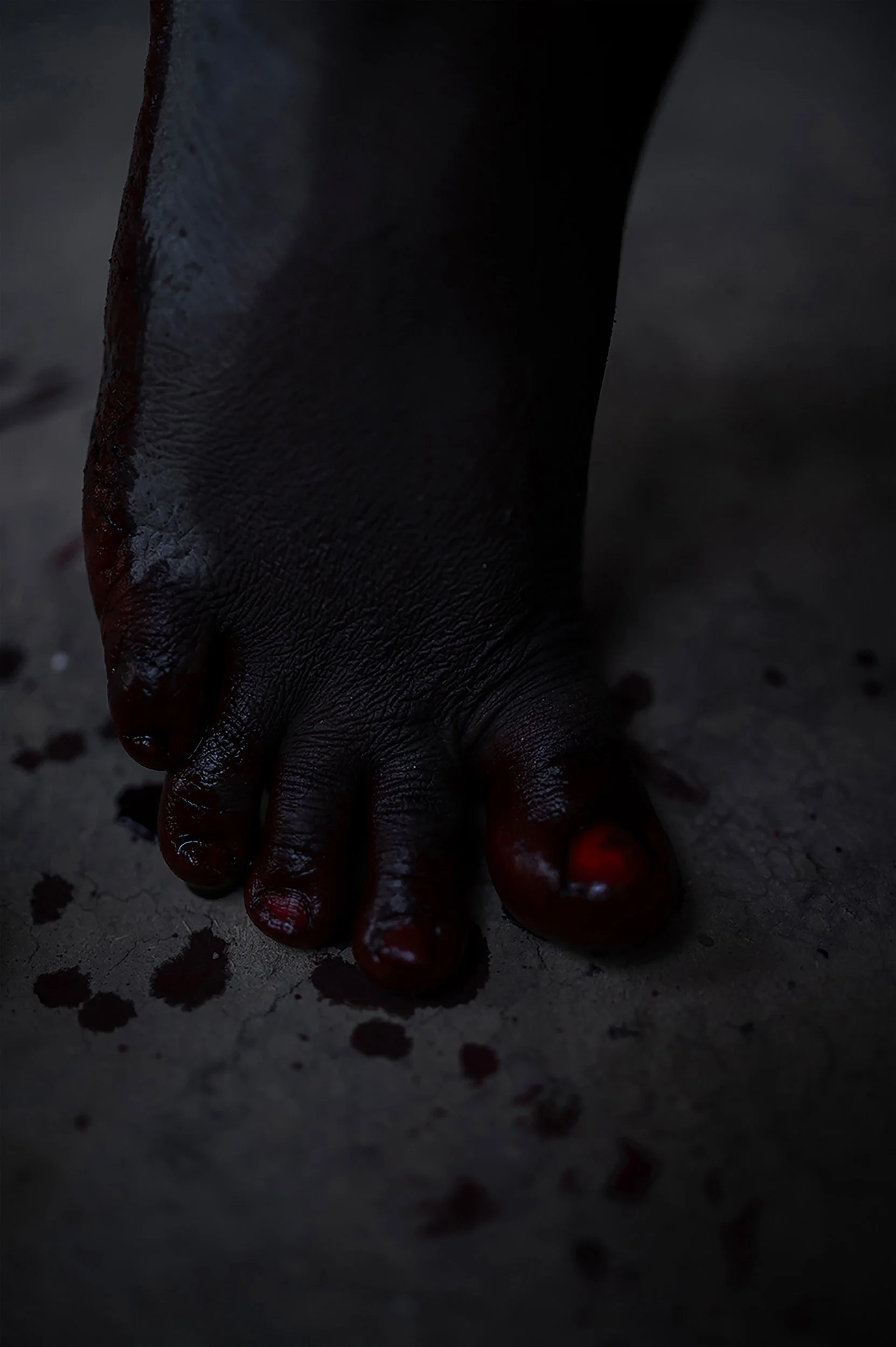
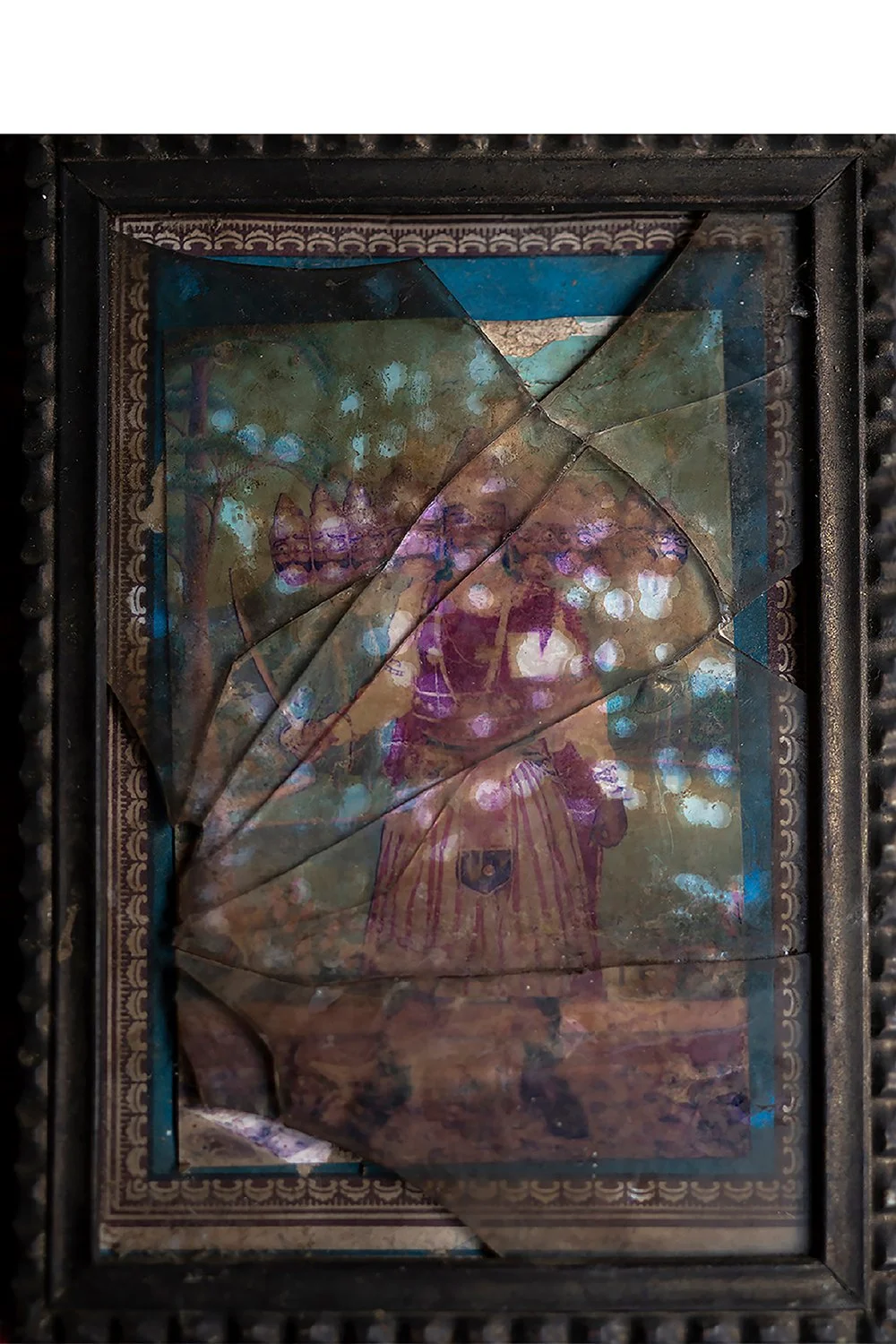
Since 2025, I have been spending extended periods with them, staying in the village and sharing everyday moments through listening, witnessing, and collaborative engagement. Through photography, soundscapes, moving image, textile, collected objects, and oral histories, the project slowly develops into an alternative archive that stays close to their labour, gestures, transformations, and moments of waiting in between performances. Over time, it will also evolve into a speculative embroidered memory map tracing movement, migration, and belonging.
The project reflects on absence, visibility, and meaning-making within archives, questioning whether women were truly absent from this tradition. Staying close to fragments, silences, and embodied traces, I attempt to build an alternative way of seeing and remembering these histories as they continue to survive and reshape themselves within everyday life.
shrabana das
@shrobonadas
the 10
yixuan liu
alex mendi
daria nazarova
lucia caspani
jake corcoran
yang chen
natnael ashebir
photo festivals
anton zdanovich
jesed francis moreno
feng li