
jake corcoran
Your name
Jake Corcoran
Place of birth
New York City, USA
Place where you live now
Brooklyn, NY, USA
3 words to describe you
curious, cheeky, unsure
Why do you take pictures?
To remind myself of the joys of paying attention. It really is a type of meditation, no matter how cliché it is to say that. When going on photowalks I’ve recently stopped listening to music, so I can be as invested in what I’m seeing as possible. I come back feeling infinitely more aware of myself and of the world around me, and feeling guilty for not having noticed certain things before taking out my camera. It's also a satisfying feeling of collecting.
Where do you get your inspiration?
Some poetry but only certain lines from it, some really great photo podcasts and some non-photo but creativity related podcasts like Tetragrammaton. Looking at photobooks, looking at people on the street or staring at people on the street as my girlfriend would say.
Who are your influences?
John Gossage, Raymond Meeks, Roy DeCarava, Rinko Kawauchi, Ed Ruscha… but they are constantly changing.
What determines the subject matter you choose?
It’s hard to say, but I usually gravitate towards plainer things.
What impact would you like your art to have?
It would be great if a large number of people could get something out of looking at my pictures but I most want a smaller number of people to get a lot out of looking at them. The most powerful experiences I’ve had consuming artwork are in the moments where the work breaks the barrier of simply viewing and becomes embedded in you so heavily, that you find yourself relating to the artist as someone you know closely. There’s a photograph by Eugene Richards in Americans We, titled “Boston” (c. 1960) taken over the shoulder of a lone African-American marching band saxophone player, as he plays a tune to an old brick factory building that appears fenced off by weeds. The barely legible, faded type advertises the business that worked out of the factory and even by 1960 is one step away from fading completely. It becomes an especially arresting image when you notice that the sheet music attached to the saxophone, and the tune the player is performing to the bleakness, is called “Americans We,” a paradoxically uplifting patriotic song. I’m almost certain he’s positioned himself to crop out the rest of the marching band, but what comes through is greater than the sum of the picture’s elements. This picture, and the rest of Richards’ oeuvre allow for the viewer to experience how he takes in information. You begin to understand how his mind works, even if you can’t imagine yourself making as packed of a picture as he has. This image has always stuck with me for that reason.
What artwork do you never get bored with?
Family Car Trouble by Gus Powell and The Americans by Robert Frank.
Is there anything you want to add?
nope
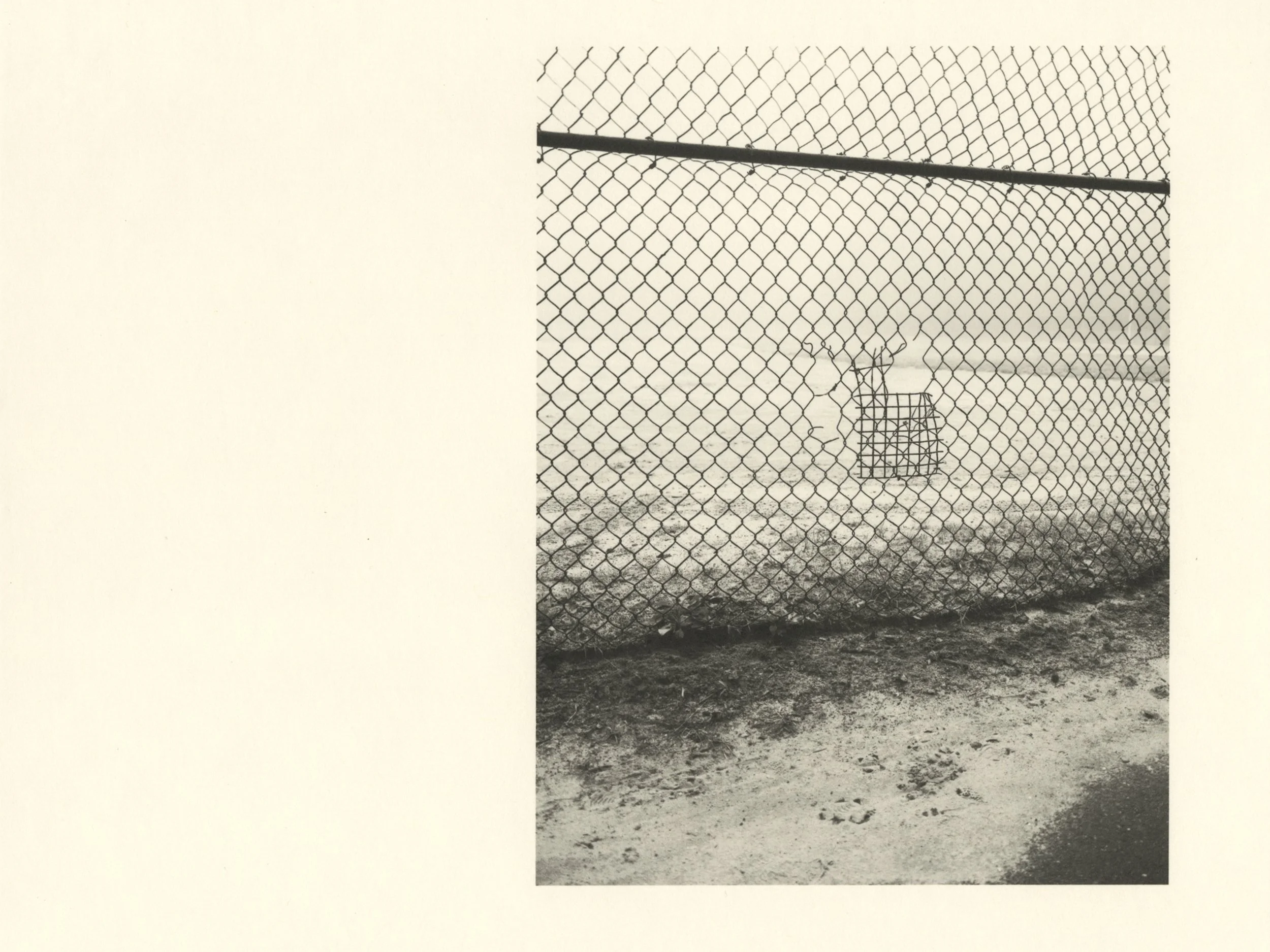
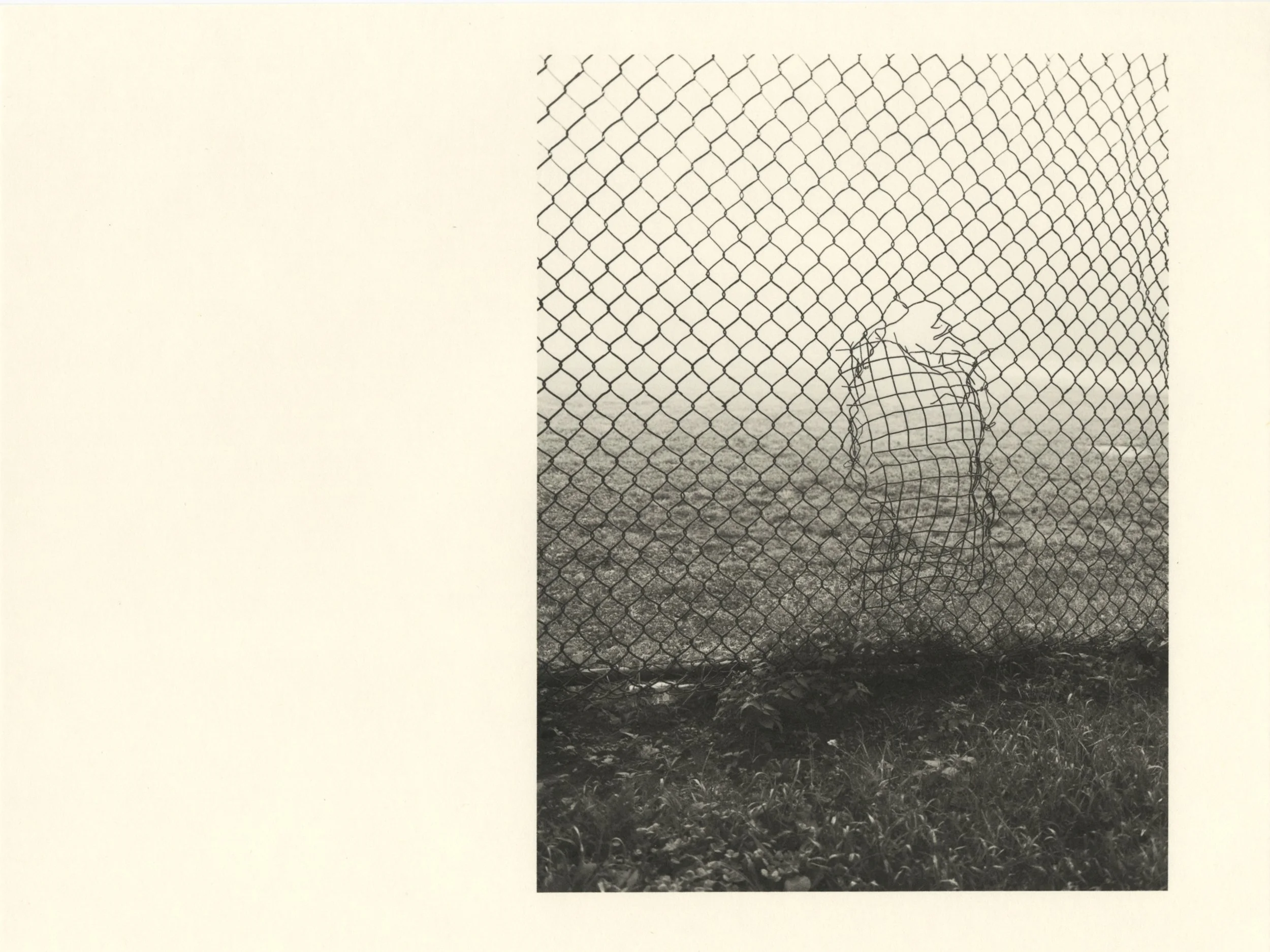
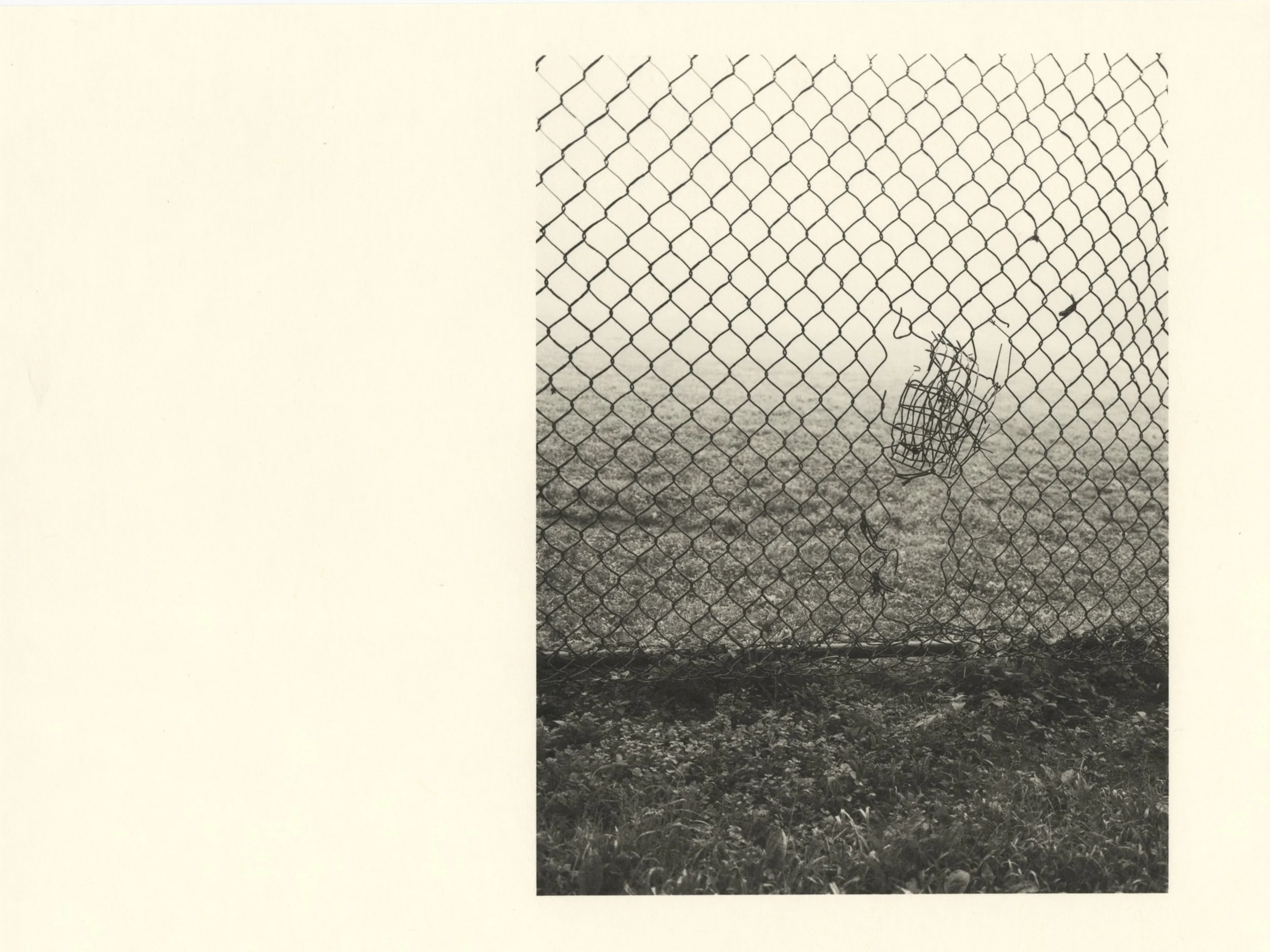
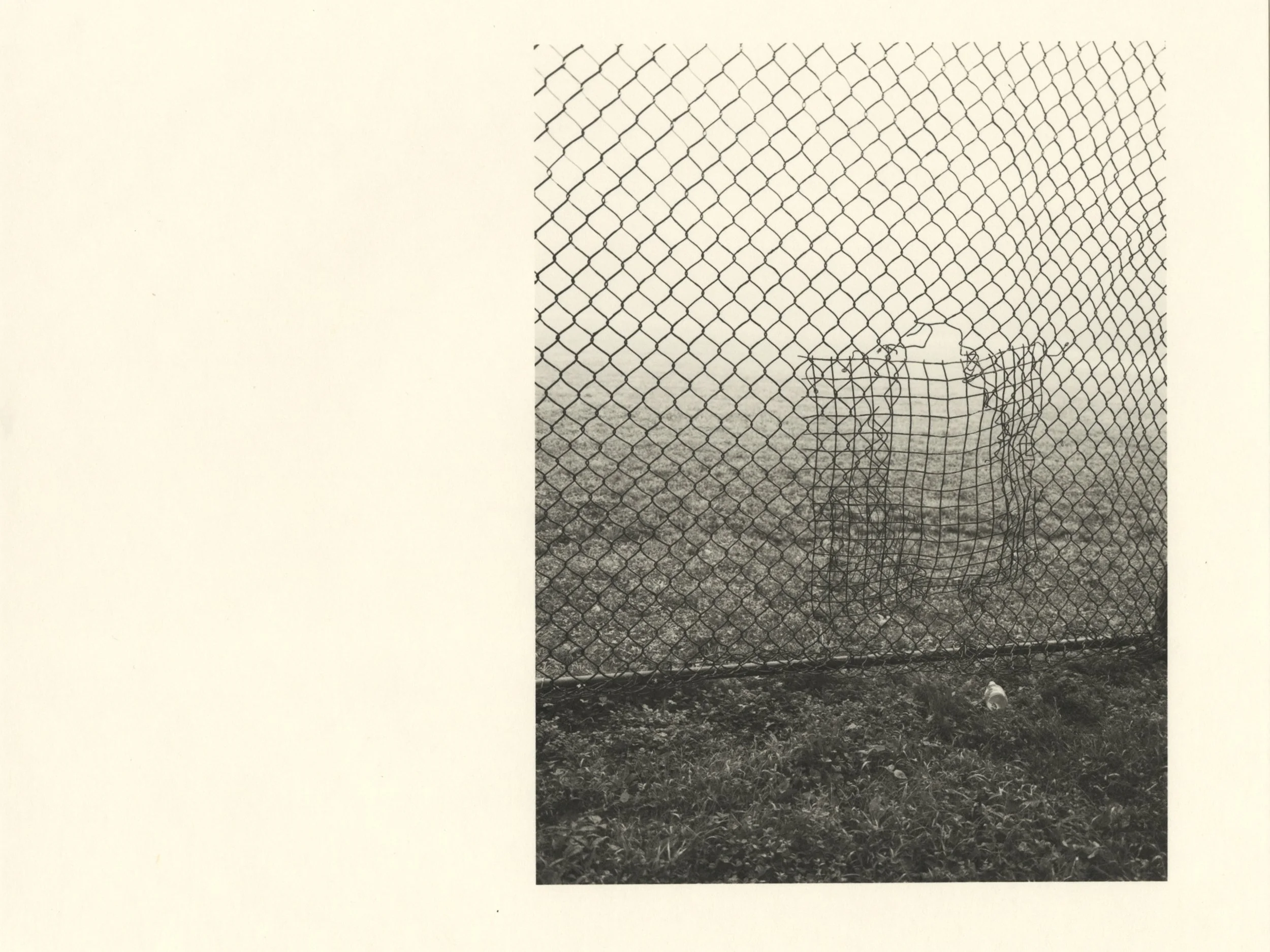
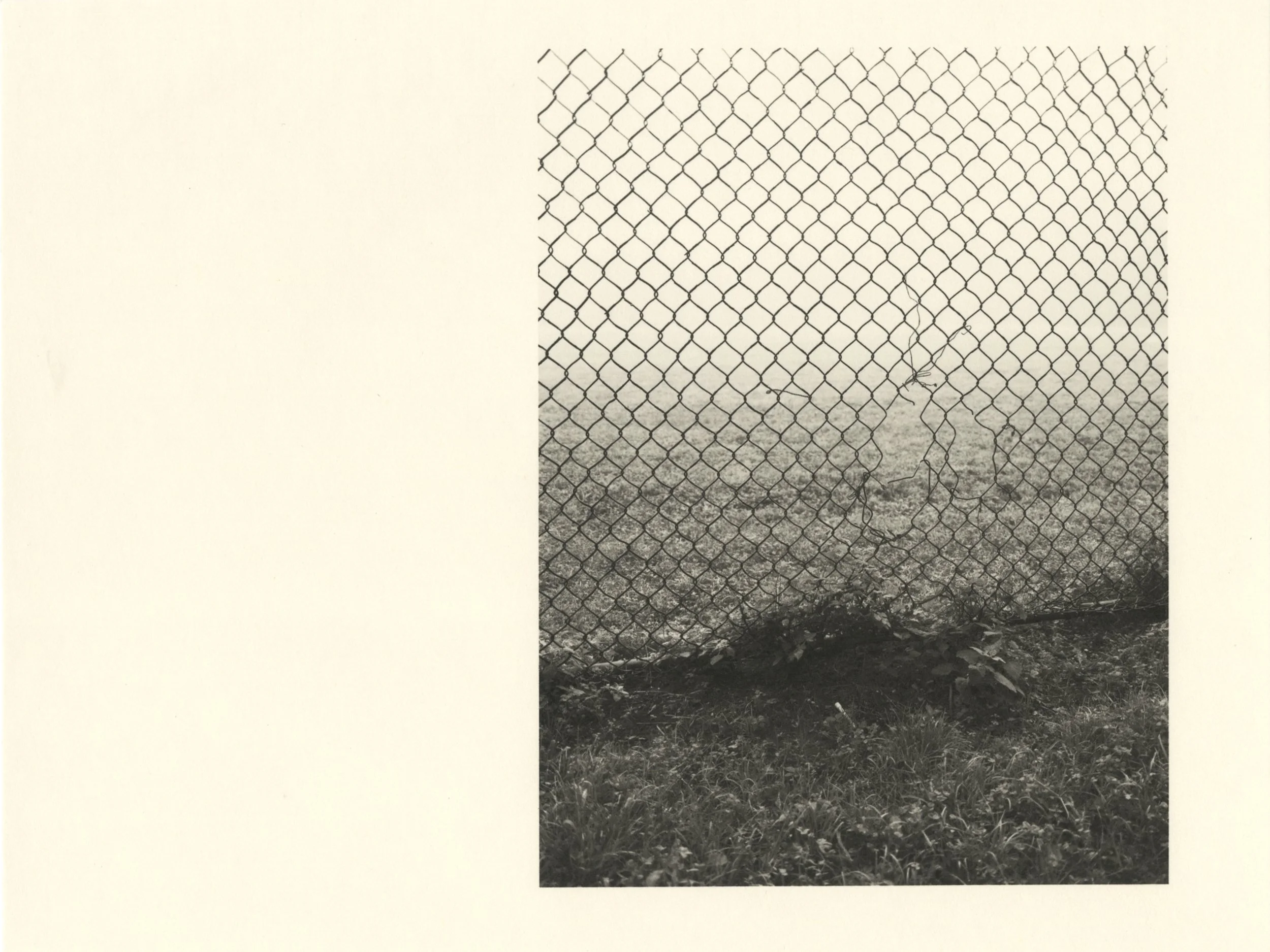
Fences (Atta Boy)
Project Statement
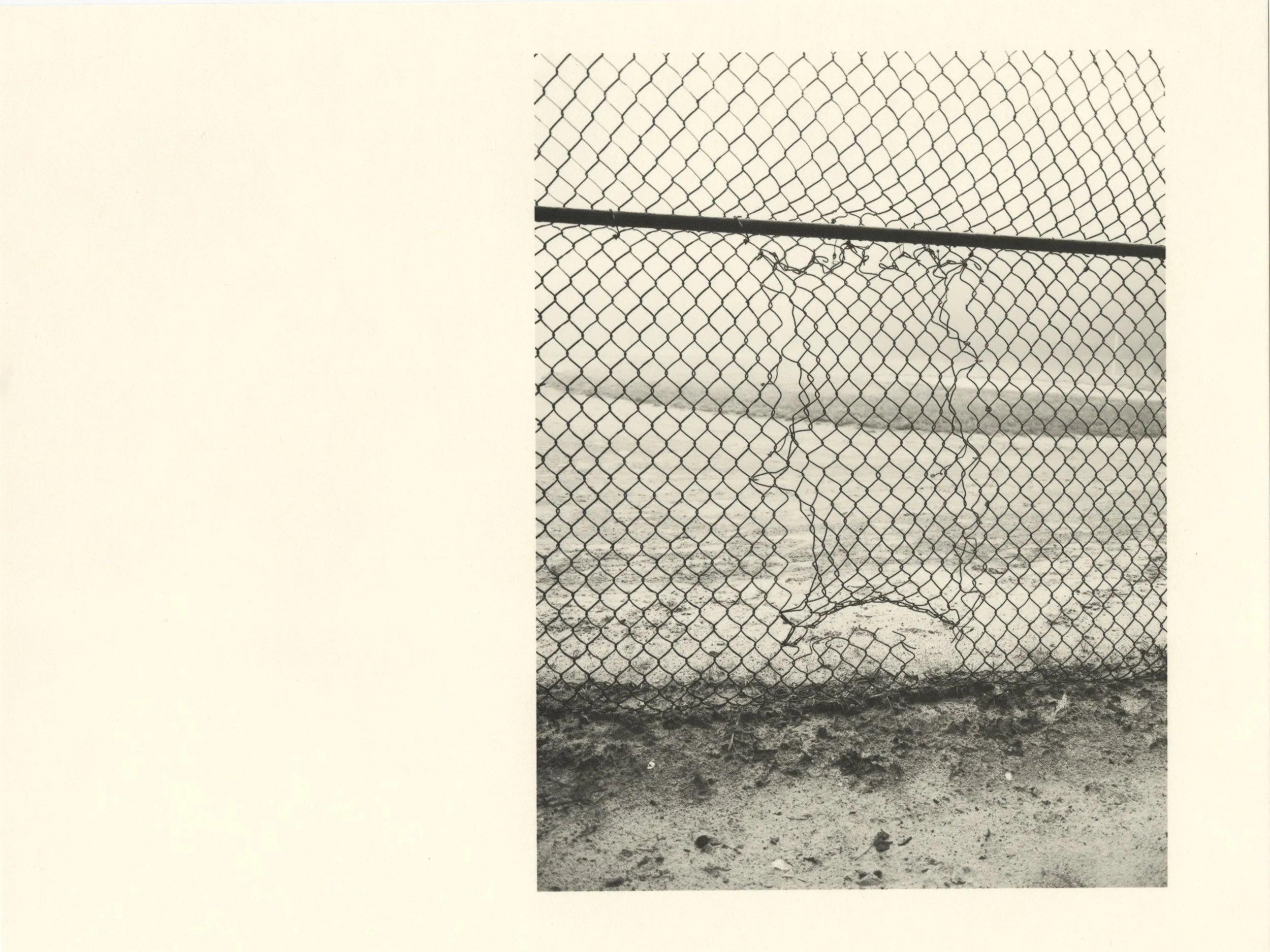
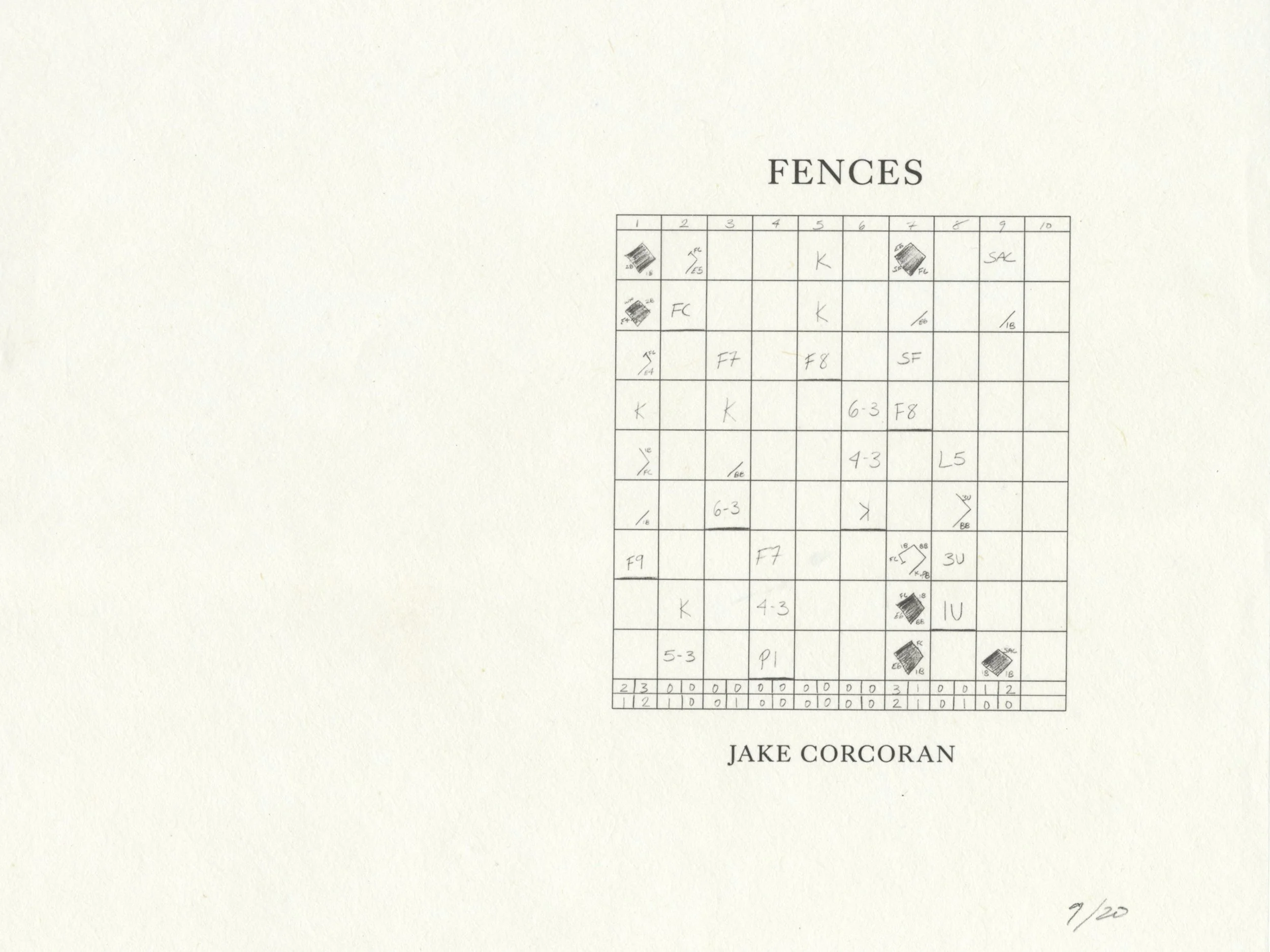
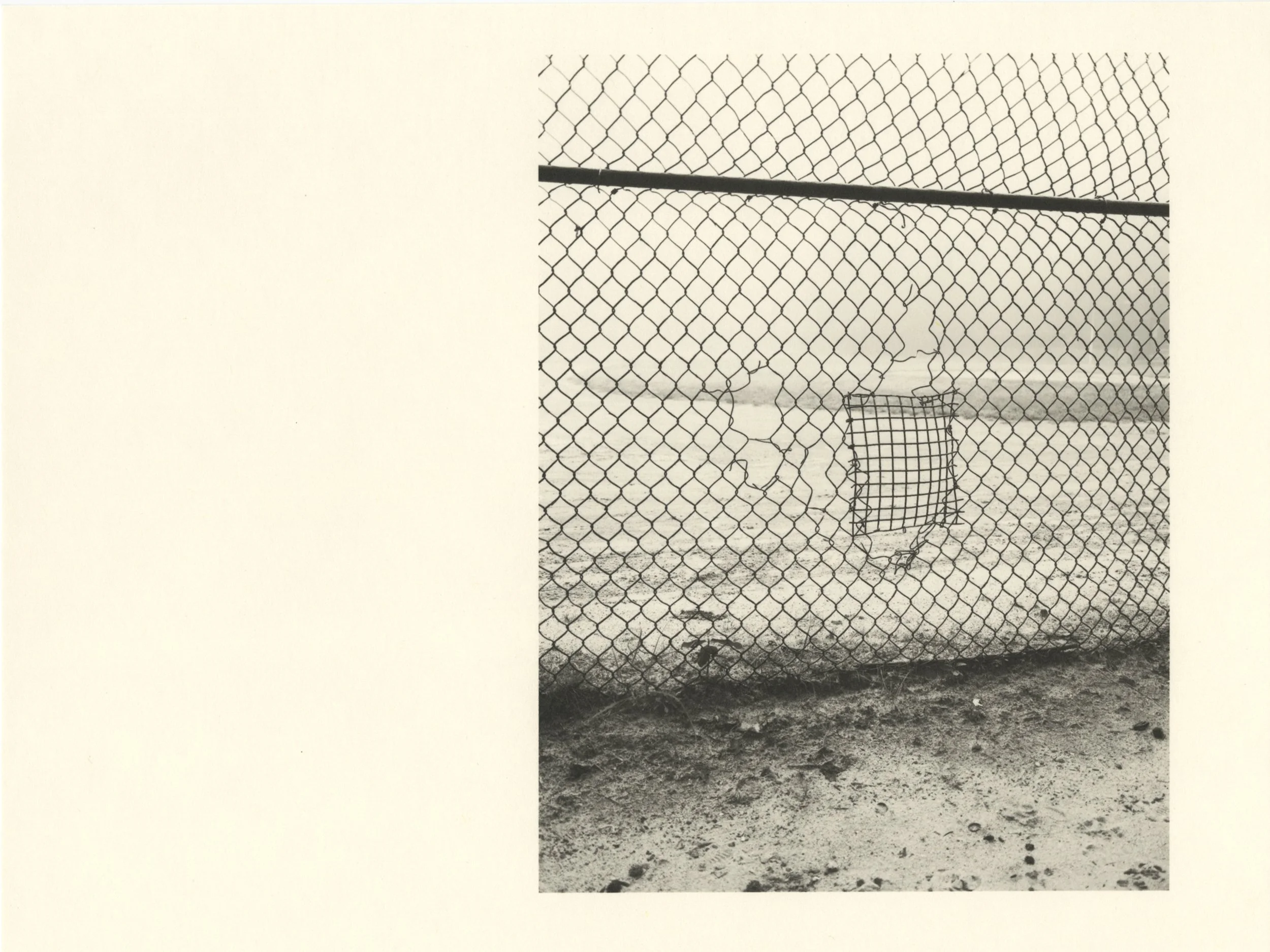
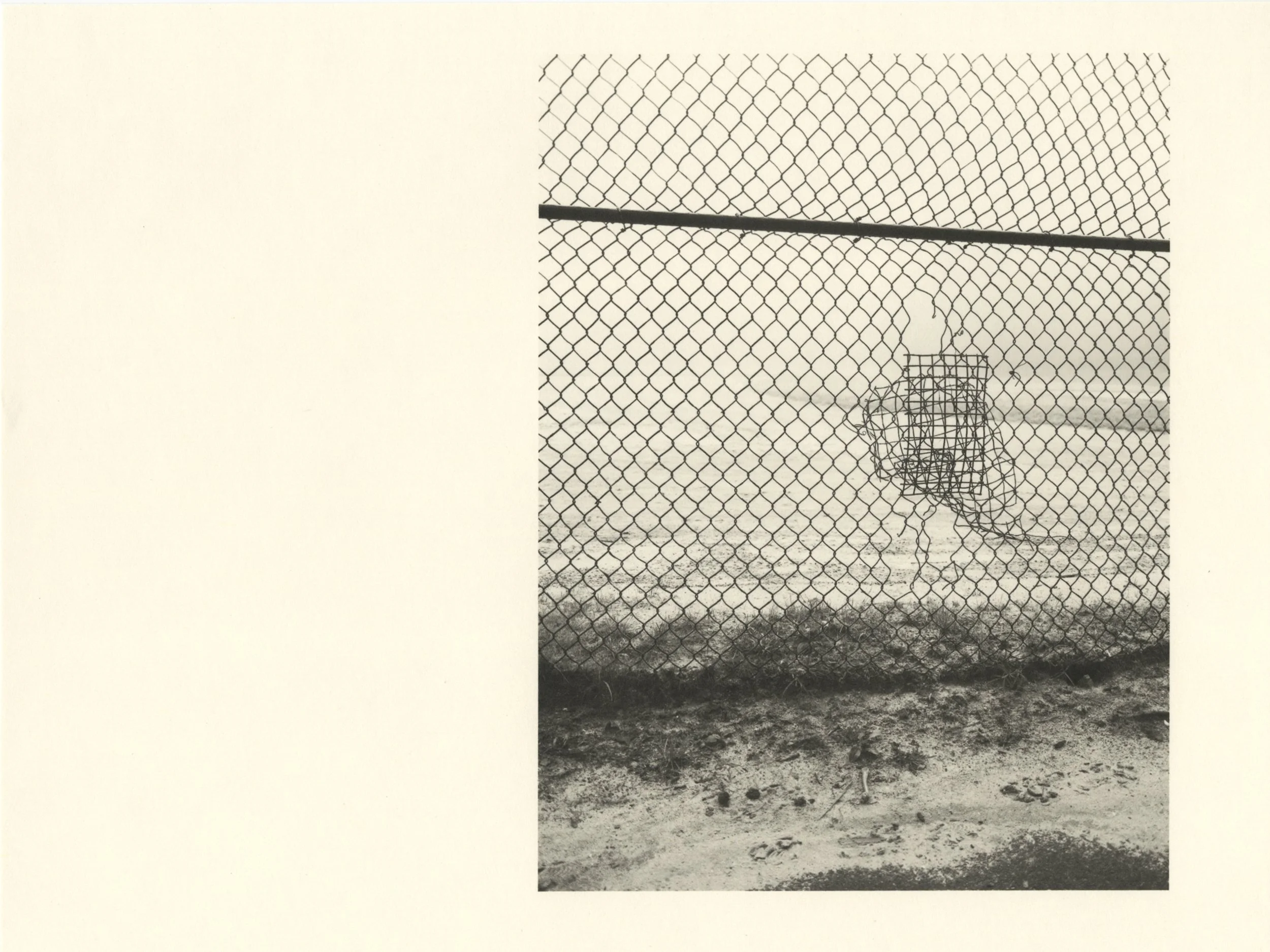
There is a constant battle being fought at every baseball field in New York City. It's Kids versus The Parks Department. Each picture explores the forms derived from kids redundantly hitting balls against the fences and the Parks Department's tired cycle of patching the resulting holes. Abstracted through material and graphic relationships, Fences speaks to the timeless back and forth between children and authority and the unrelenting spirit of youth.
jake corcoran
the 10
yixuan liu
alex mendi
daria nazarova
lucia caspani
shrabana das
yang chen
natnael ashebir
photo festivals
anton zdanovich
jesed francis moreno
feng li