
natnael ashebir
Your name
Natnael Ashebir
Place of birth
Addis Ababa, Ethiopia
Place where you live now
Addis Ababa, Ethiopia
3 words to describe you
Curious, reflective, and experimental
Why do you take pictures?
Photography is a way of thinking for me. It allows me to observe, record, and question while also constructing meaning through images. I use photography as a space for reflection—one that connects personal experience with broader histories, memory, and lived realities. I am interested in how images can hold questions, not only answers, and how they can open space for dialogue.
Where do you get your inspiration?
My inspiration comes from memory, history, and the archive. I am drawn to what remains and what disappears, and how stories continue to exist through images, objects, and fragments. Many of my projects begin with a simple question or curiosity, which then develops through research, working with archival material, and visual experimentation such as photomontage. Over time, these elements build into a process of reconstructing or re-reading fragmented histories.
Who are your influences?
I admire photographers whose work expands how we understand history, memory, and lived experience. I am particularly interested in archives—how they are constructed, what they preserve, and what is left outside of them. I treat absence, gaps, and fragmentation not as voids, but as active spaces of meaning. Artists such as Frida Orupabo and Aida Muluneh are important references in my practice, particularly in how they engage with layered histories, identity, and visual storytelling.
What determines the subject matter you choose?
My projects usually begin with curiosity. When working with archival images, I am interested in the tension between what is present and what is missing. In street photography, I am drawn to unplanned gestures, silences, and subtle traces of everyday life. These moments often shape the direction of the work.
What impact would you like your art to have?
I aim to create space for reflection, dialogue, and questioning.
What artwork do you never get bored with?
I am continually drawn to works that engage with history, politics, and lived experience in layered and thoughtful ways. The works I return to most are those that shift over time—revealing new meanings with each viewing. They challenge me to look more carefully, think more deeply, and stay open to complexity.
Is there anything you want to add?
I appreciate platforms that bring diverse photographic practices and stories, creating space for different ways of seeing and thinking through images.
The Notion of Seed and Water
Project statement
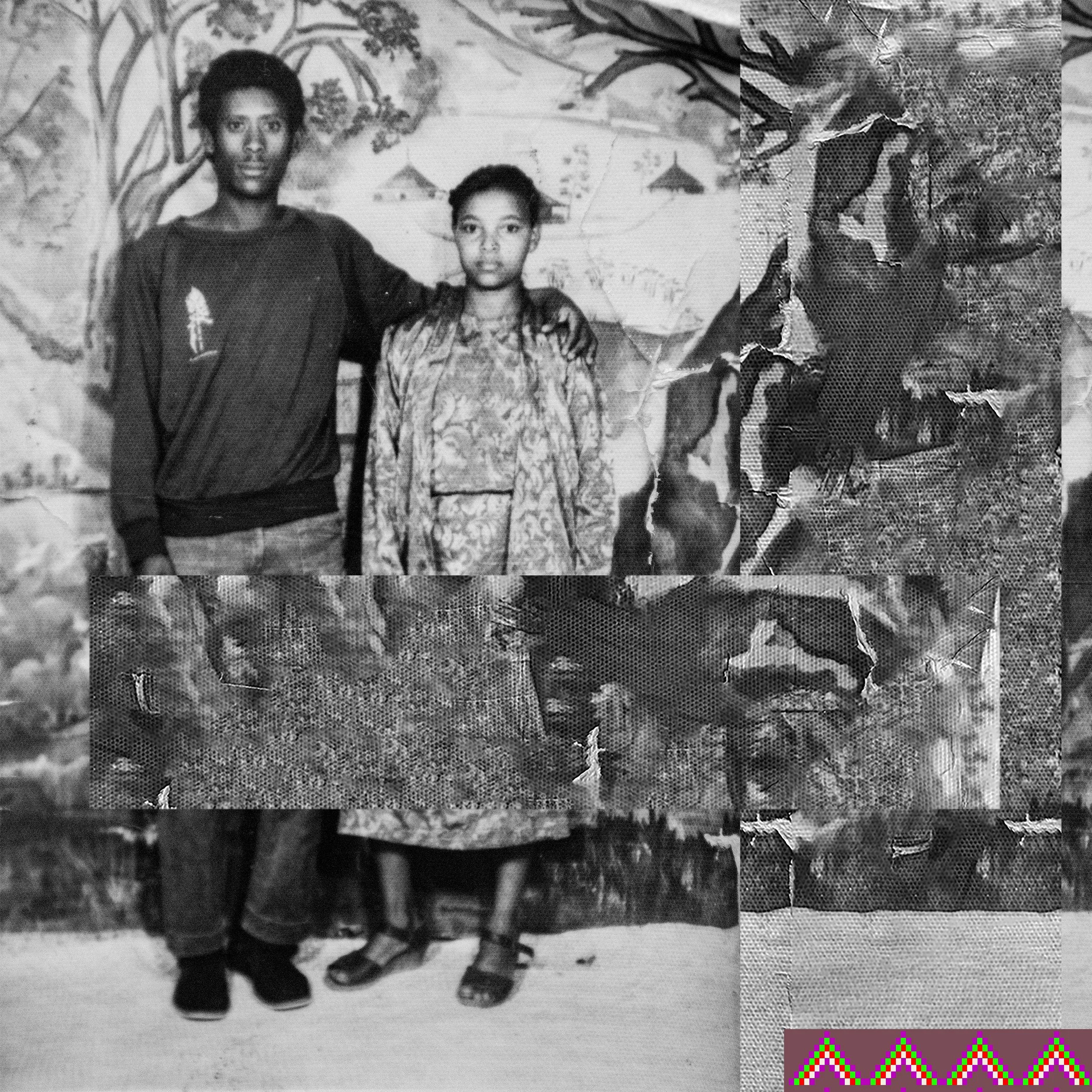
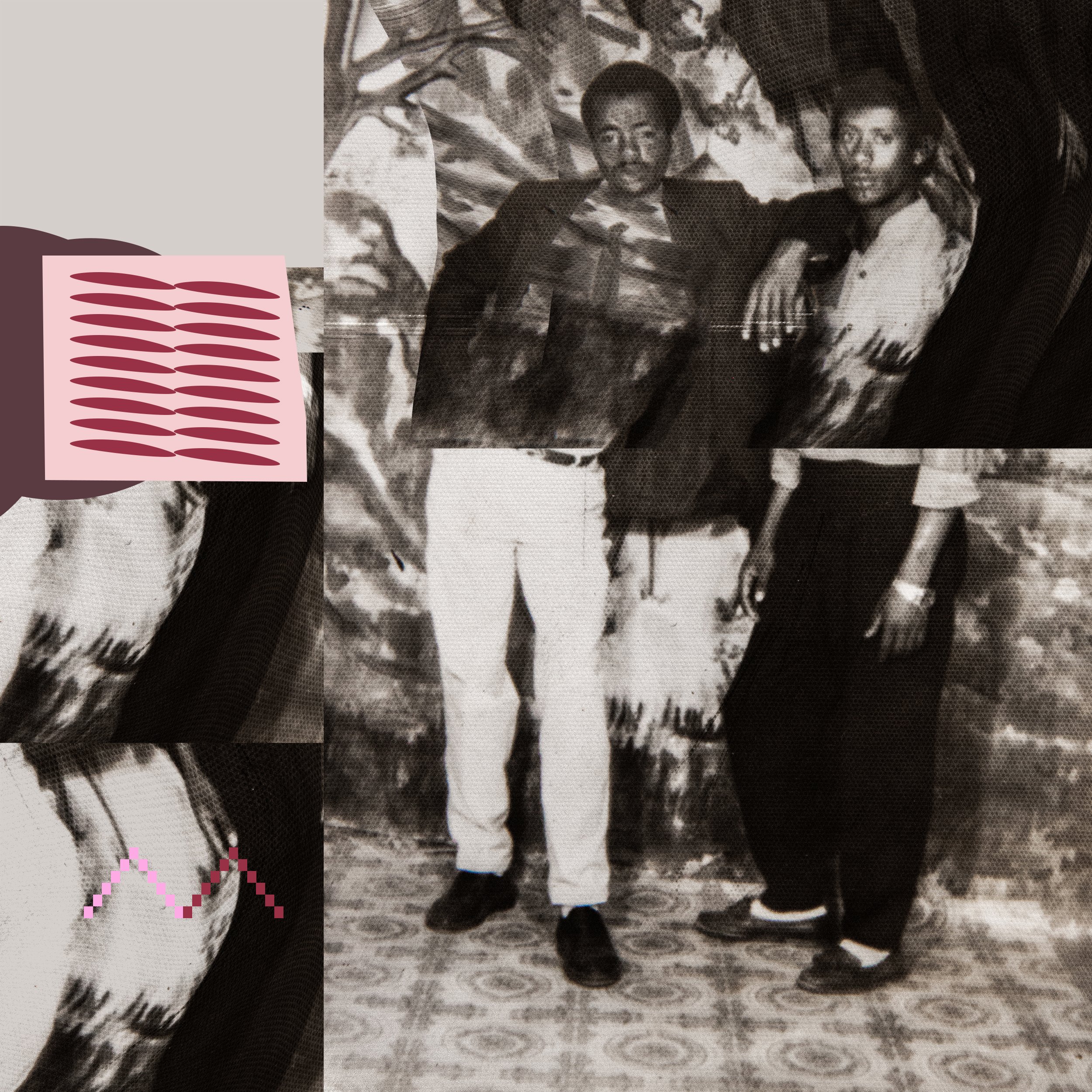
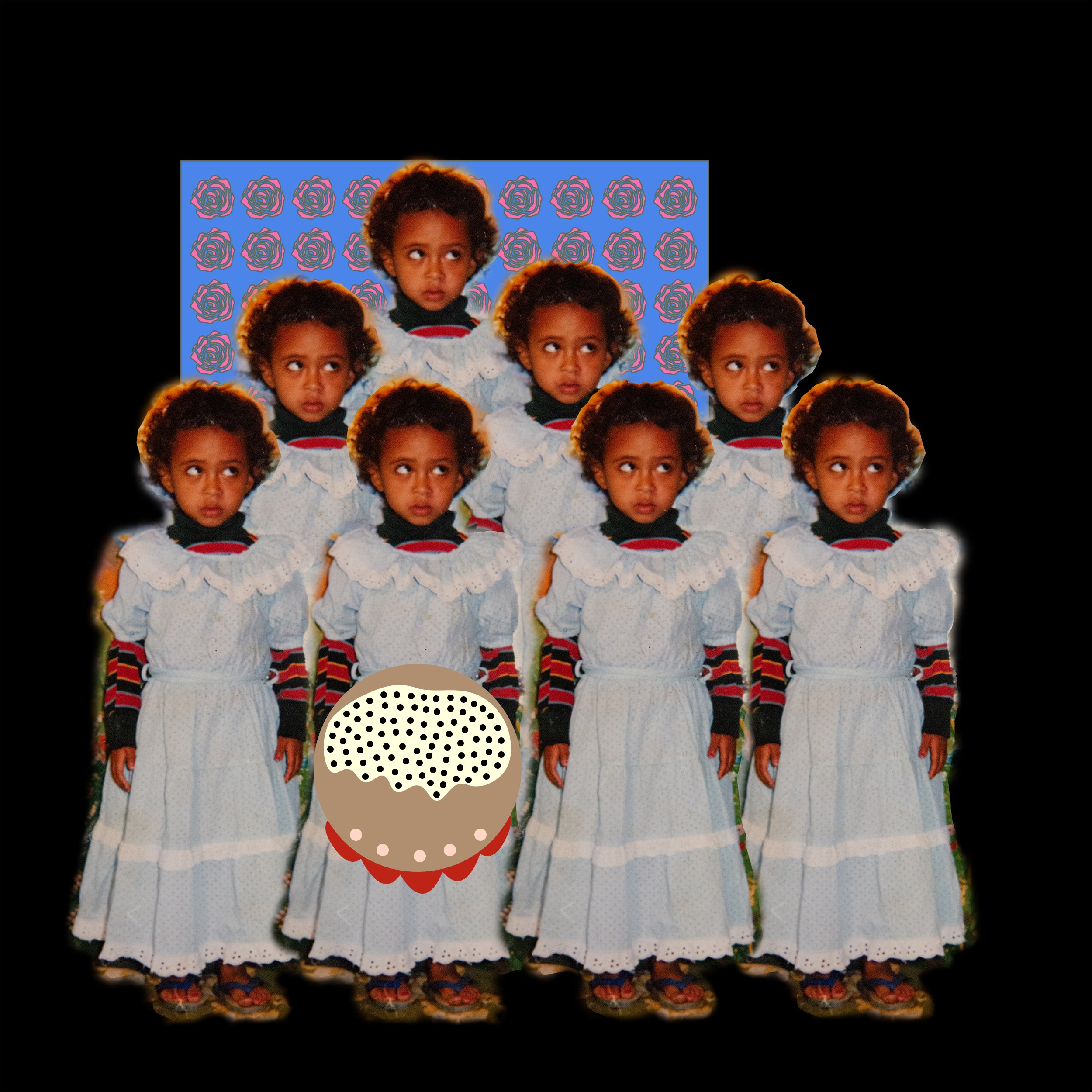
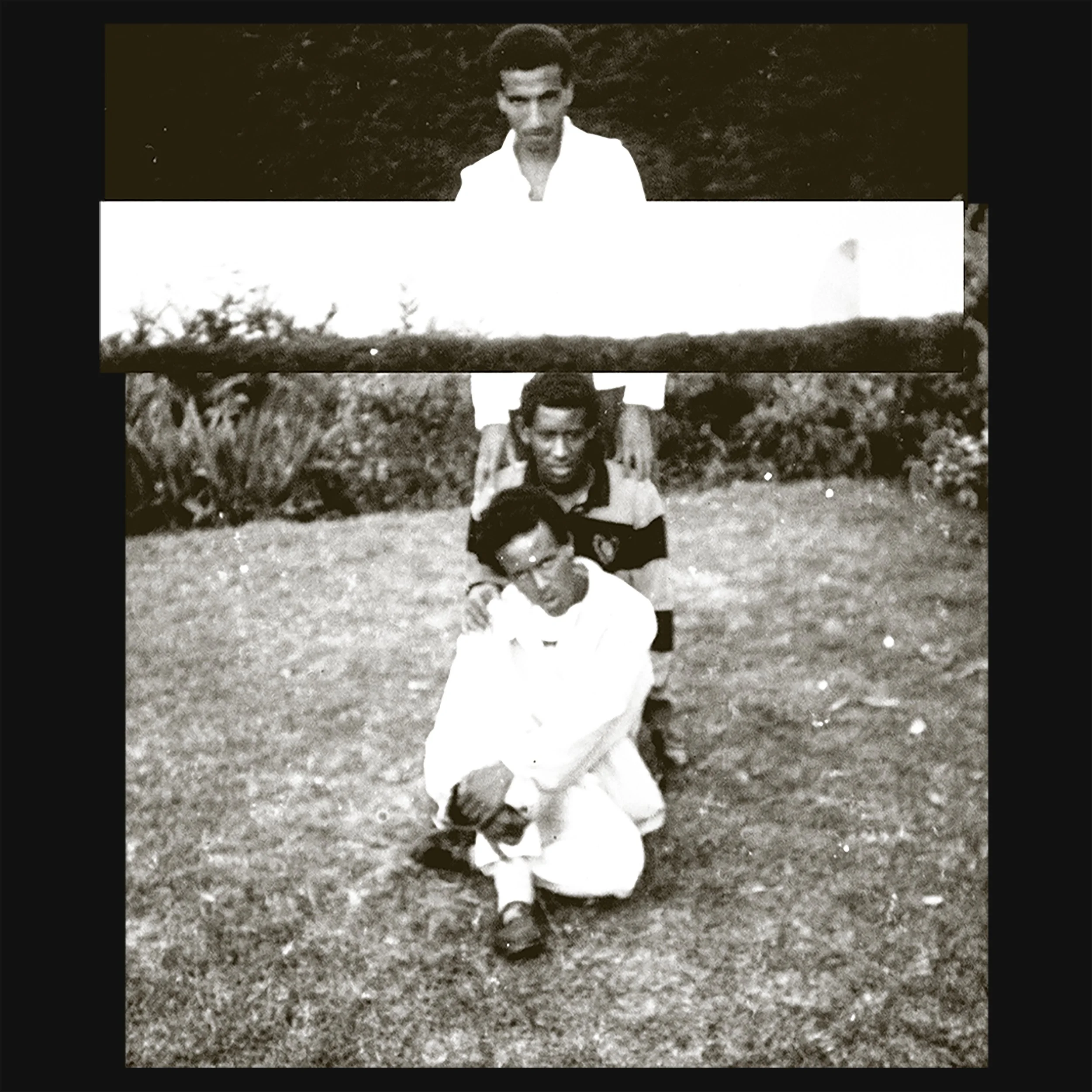
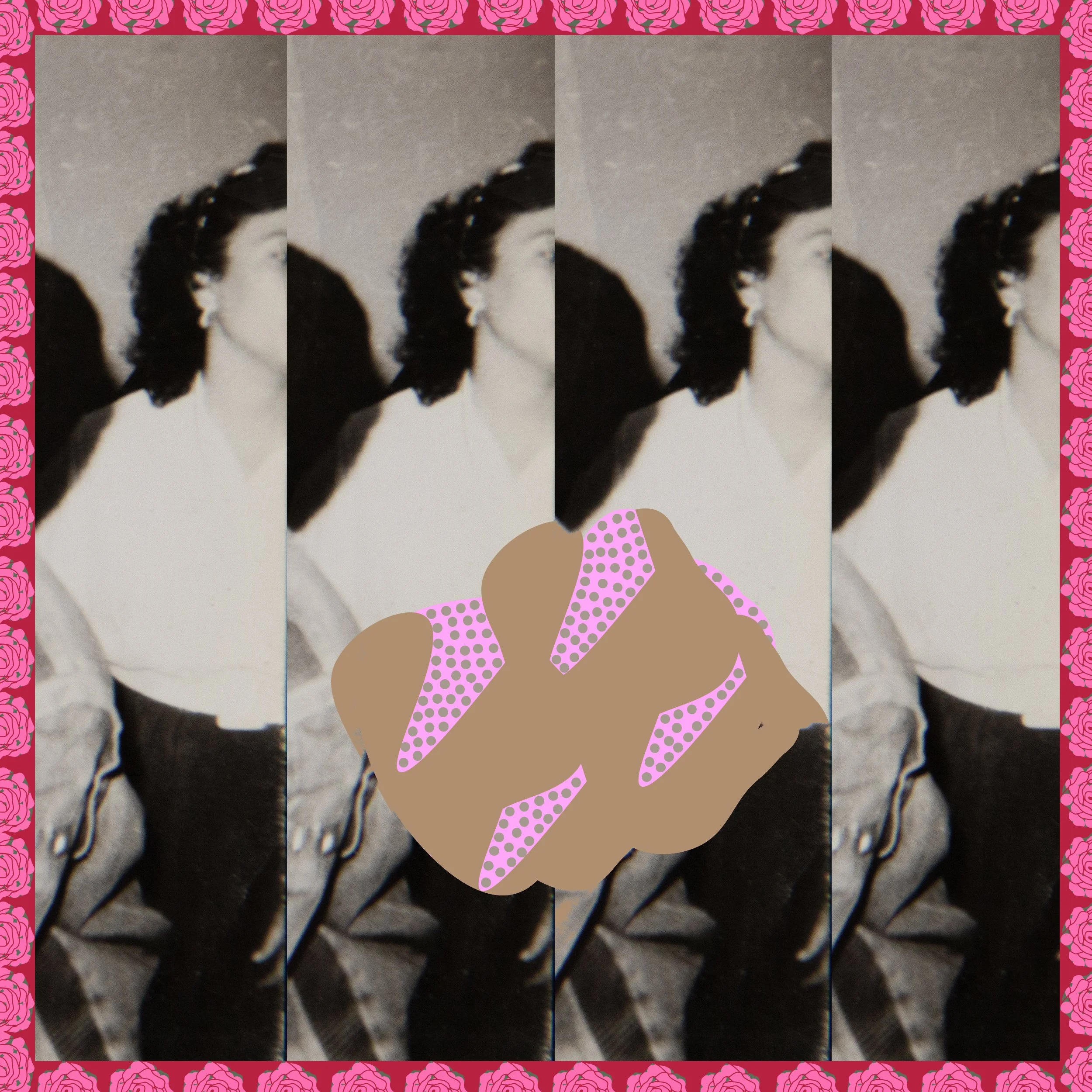
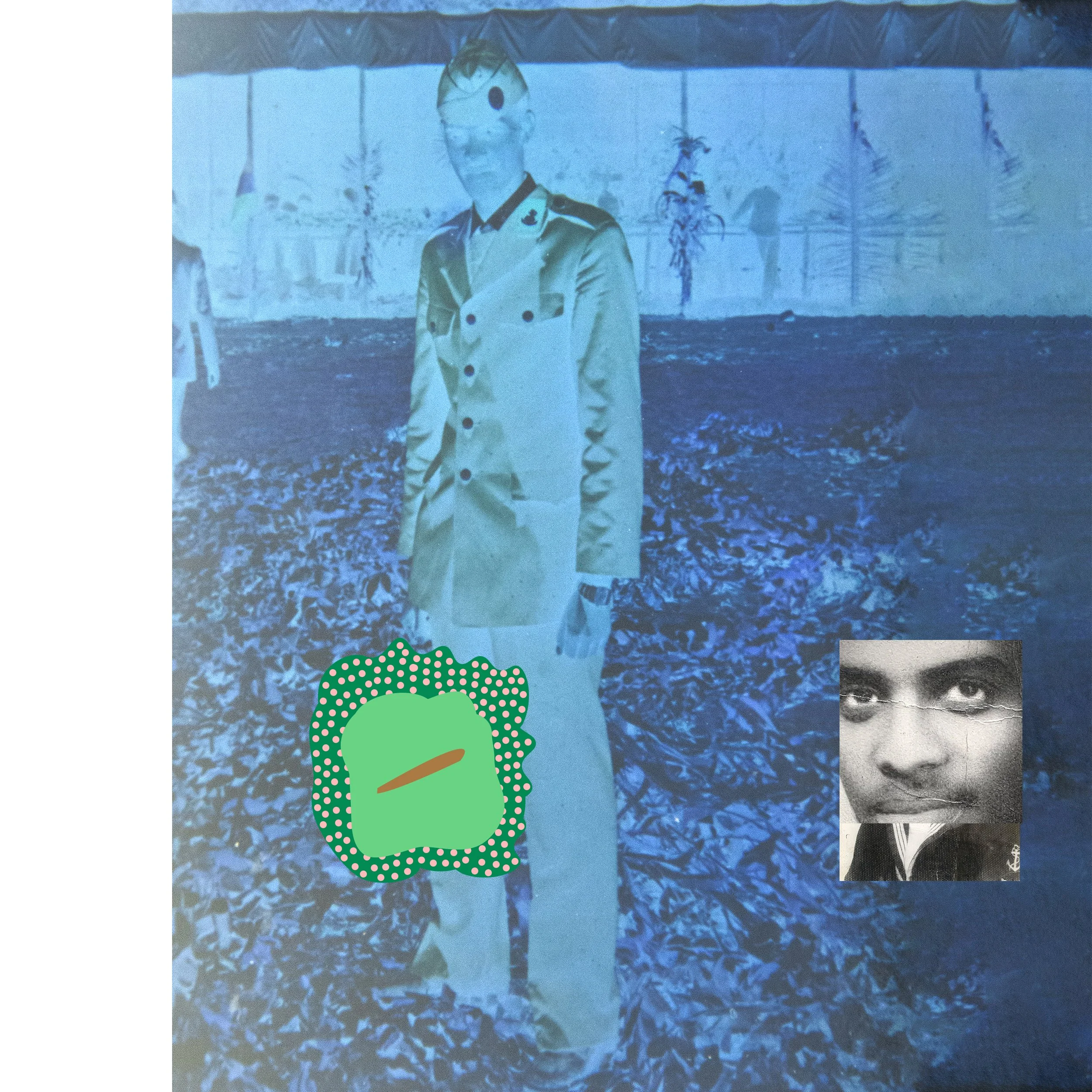
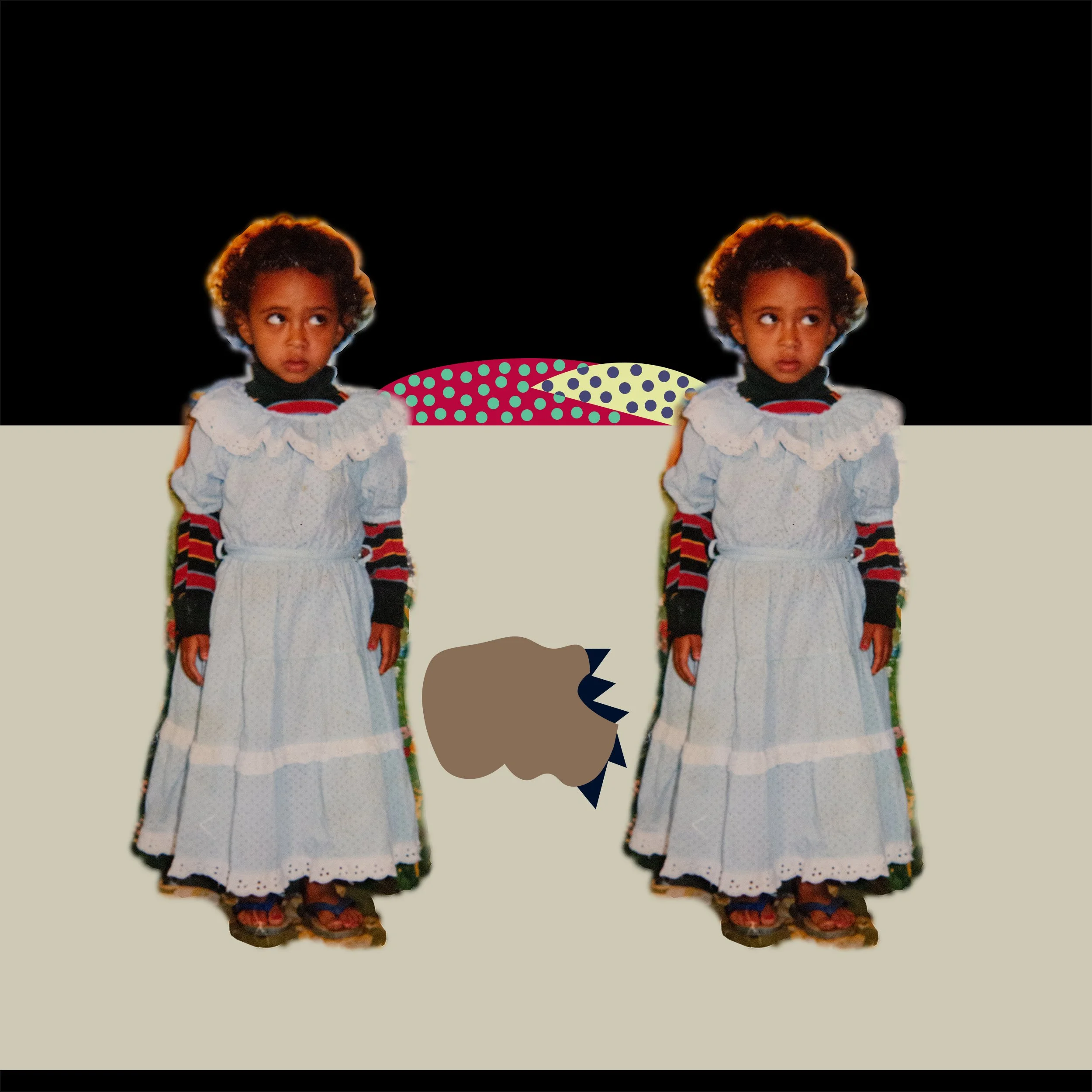
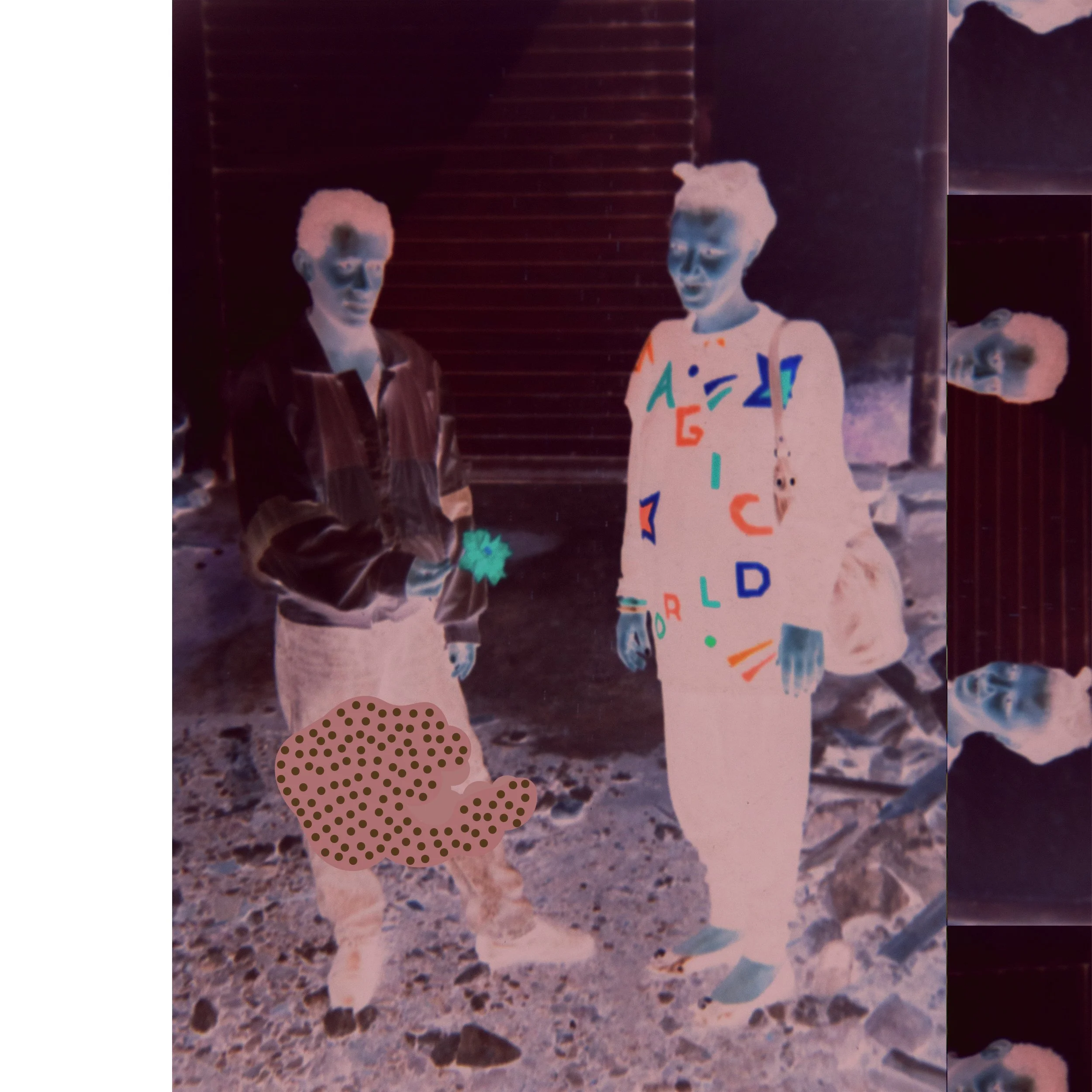
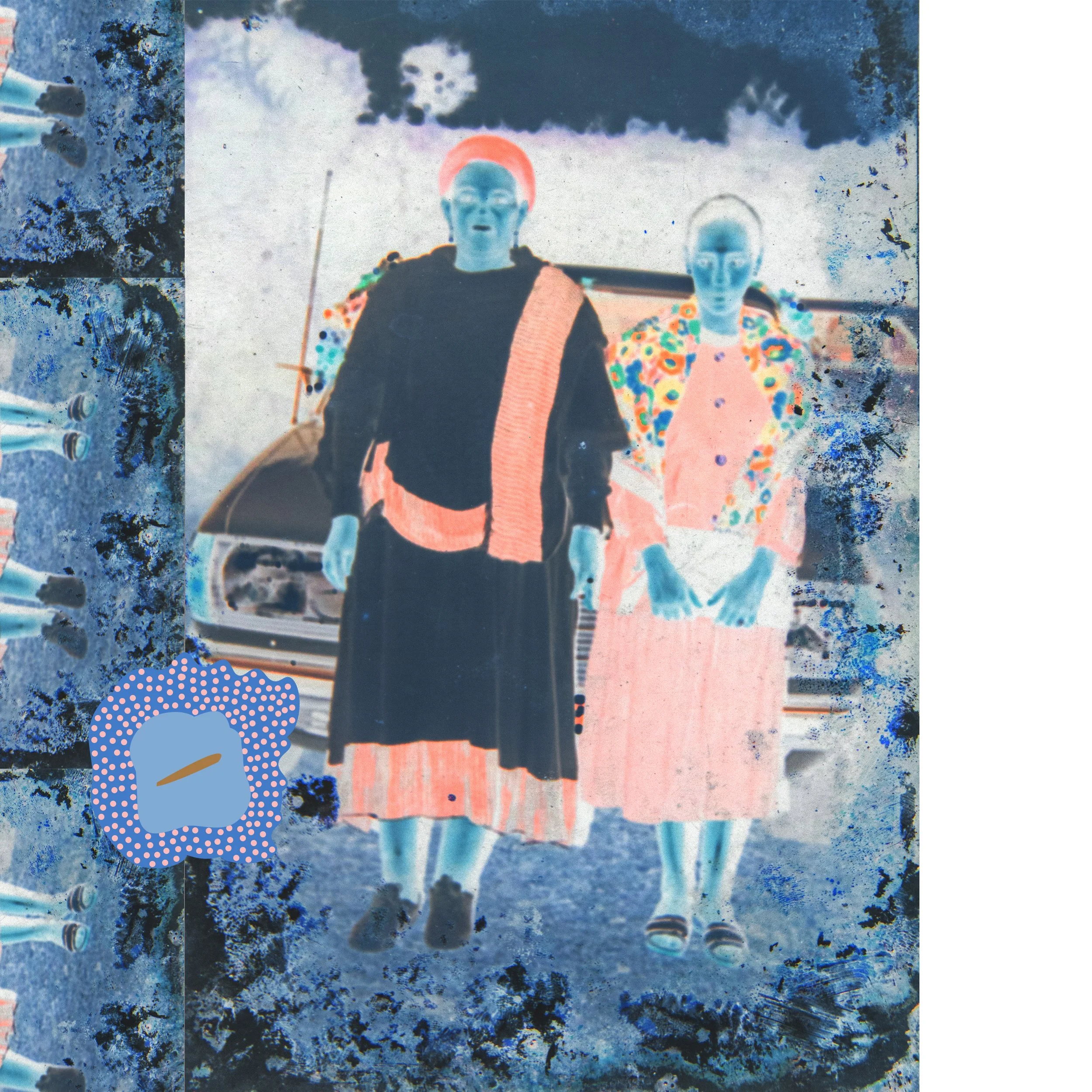
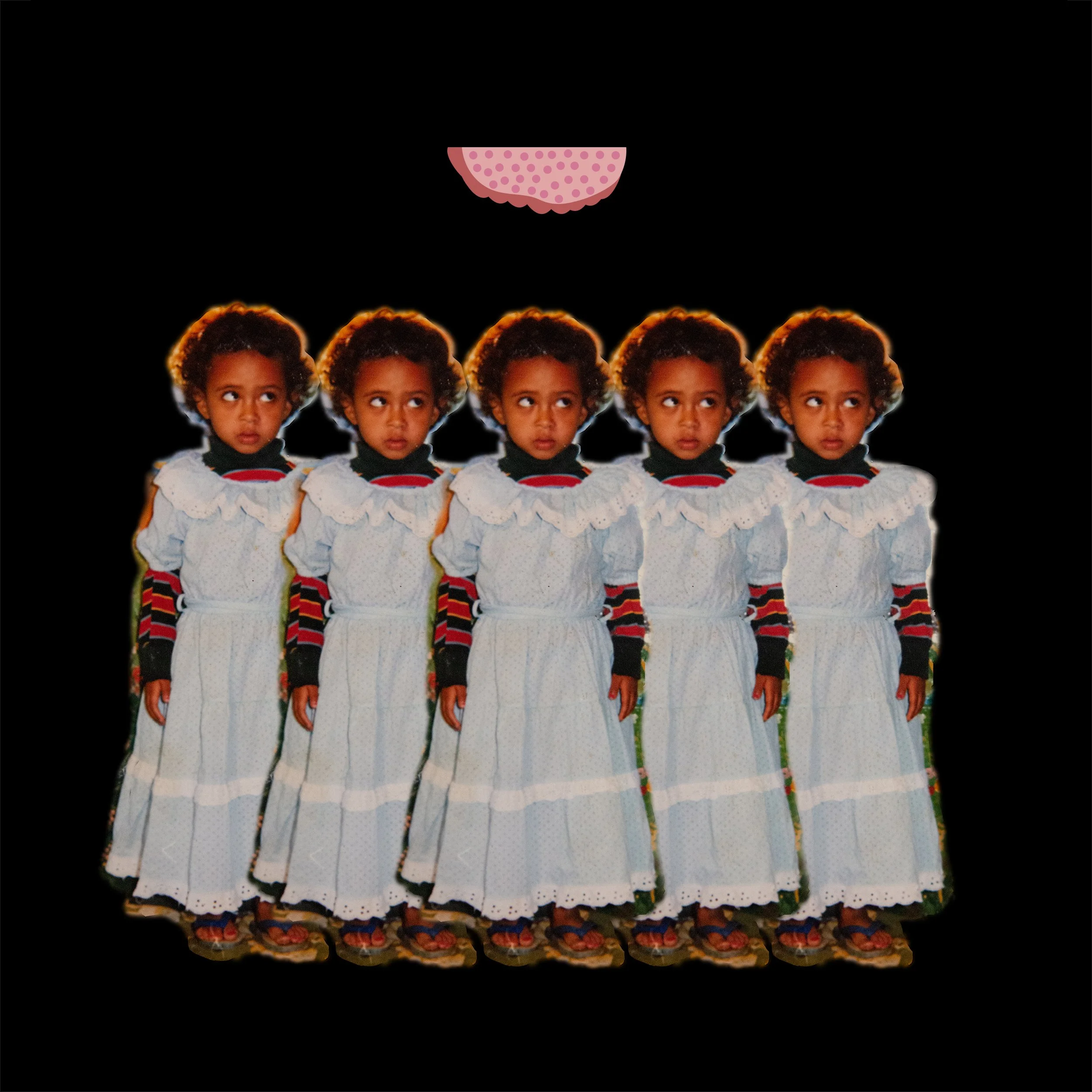
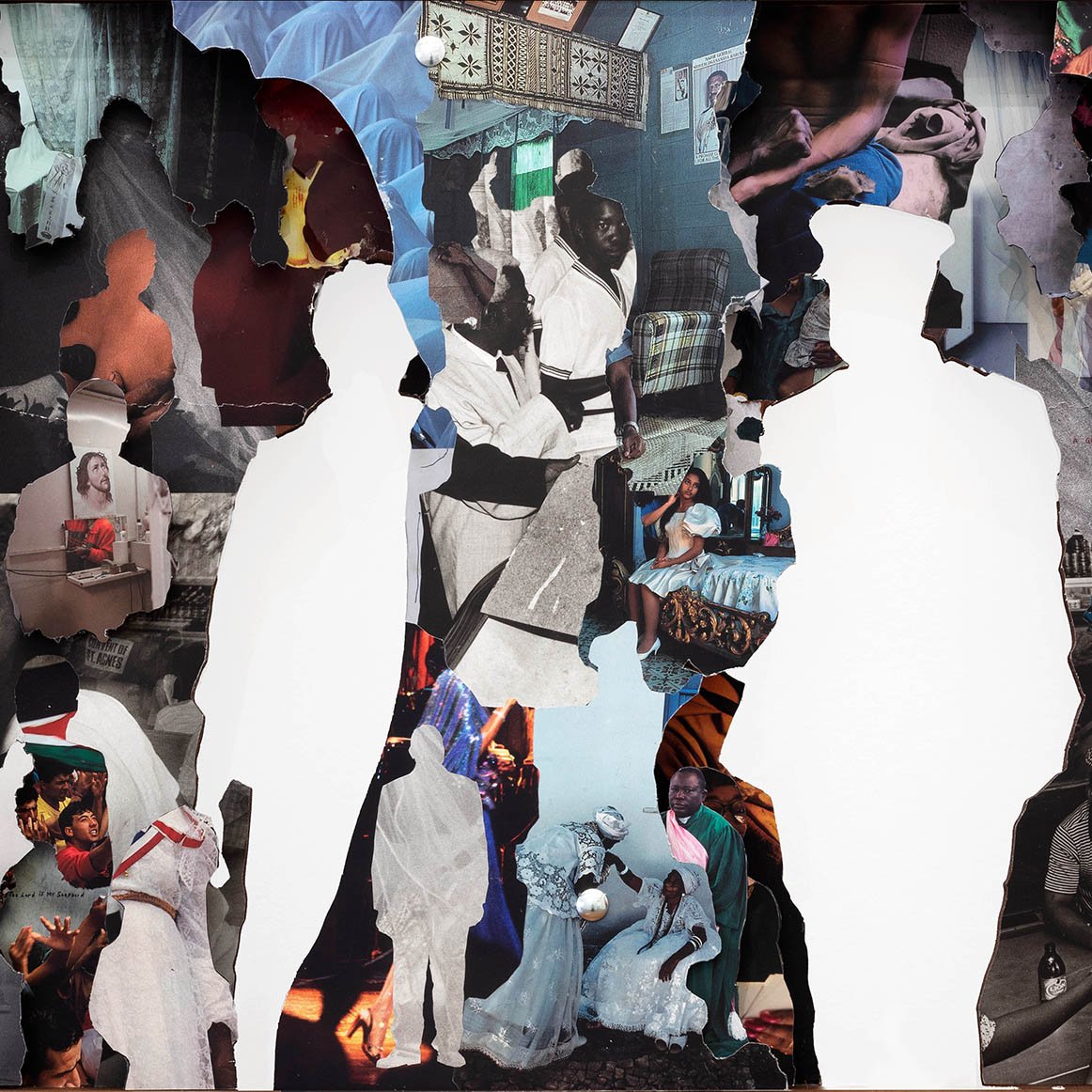
The Notion of Seed and Water is a photography series that engages with archival images to explore memory, history, and belonging. Drawing from my family’s studio portraits from the late Derg and post-Derg periods, the work examines how ordinary photographs carry layers of identity, aspiration, and collective cultural memory beyond the moments they originally recorded.
Captured during a period often remembered through political narratives, these images reveal everyday acts of self-representation that persisted alongside broader historical change. Weddings, graduations, friendships, birthdays, and studio portraits become records of how people imagined and presented themselves within the visual culture of their time. While rooted in a family archive, the photographs resonate beyond the personal, reflecting experiences familiar across many Ethiopian households.
My practice approaches the archive as a living space rather than a fixed record. Through photomontage, repetition, fragmentation, inversion, and layering, archival photographs are reassembled into new image formations. Abstract forms emerge through the translation of material culture and the physical transformation of photographic surfaces. Drawn from domestic objects, decorative motifs, visual traces, and the gradual aging of photographs themselves, these forms are transformed into a visual language that moves between memory, cultural inheritance, and contemporary interpretation. Rather than preserving the archive as evidence of the past, the work treats it as a site of continuous reconstruction. The resulting assemblages create layered relationships between image and abstraction, where personal histories resonate with collective experiences and broader cultural memory. The Notion of Seed and Water proposes the archive not only as a repository of what has been but also as a space where meanings continue to transform across times and spaces.
@natnael_ashebir_
the 10
yixuan liu
alex mendi
lucia caspani
shrabana das
jake corcoran
yang chen
anton zdanovich
photo festivals
daria nazarova
jesed francis moreno
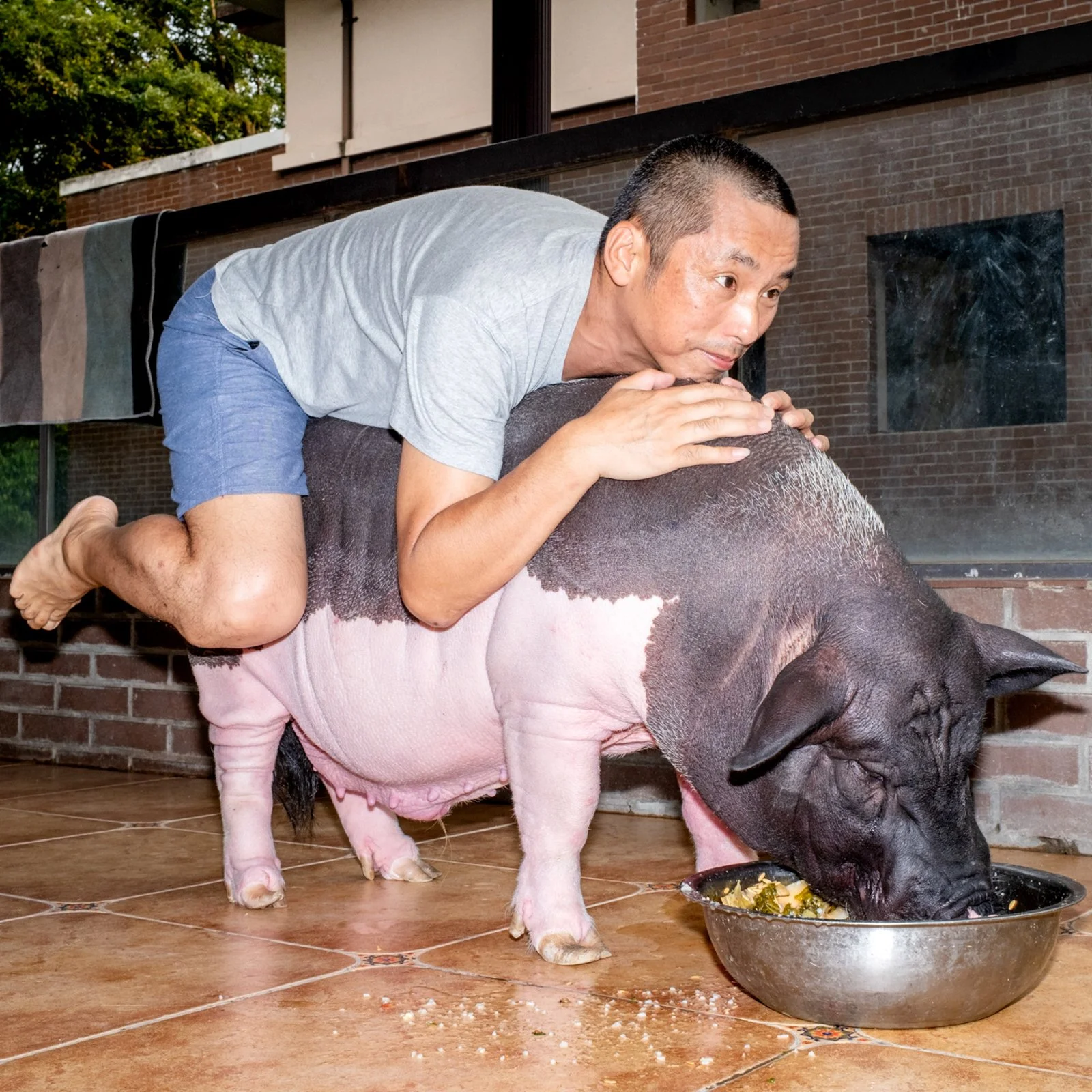
feng li