karolina wojtas
Bio
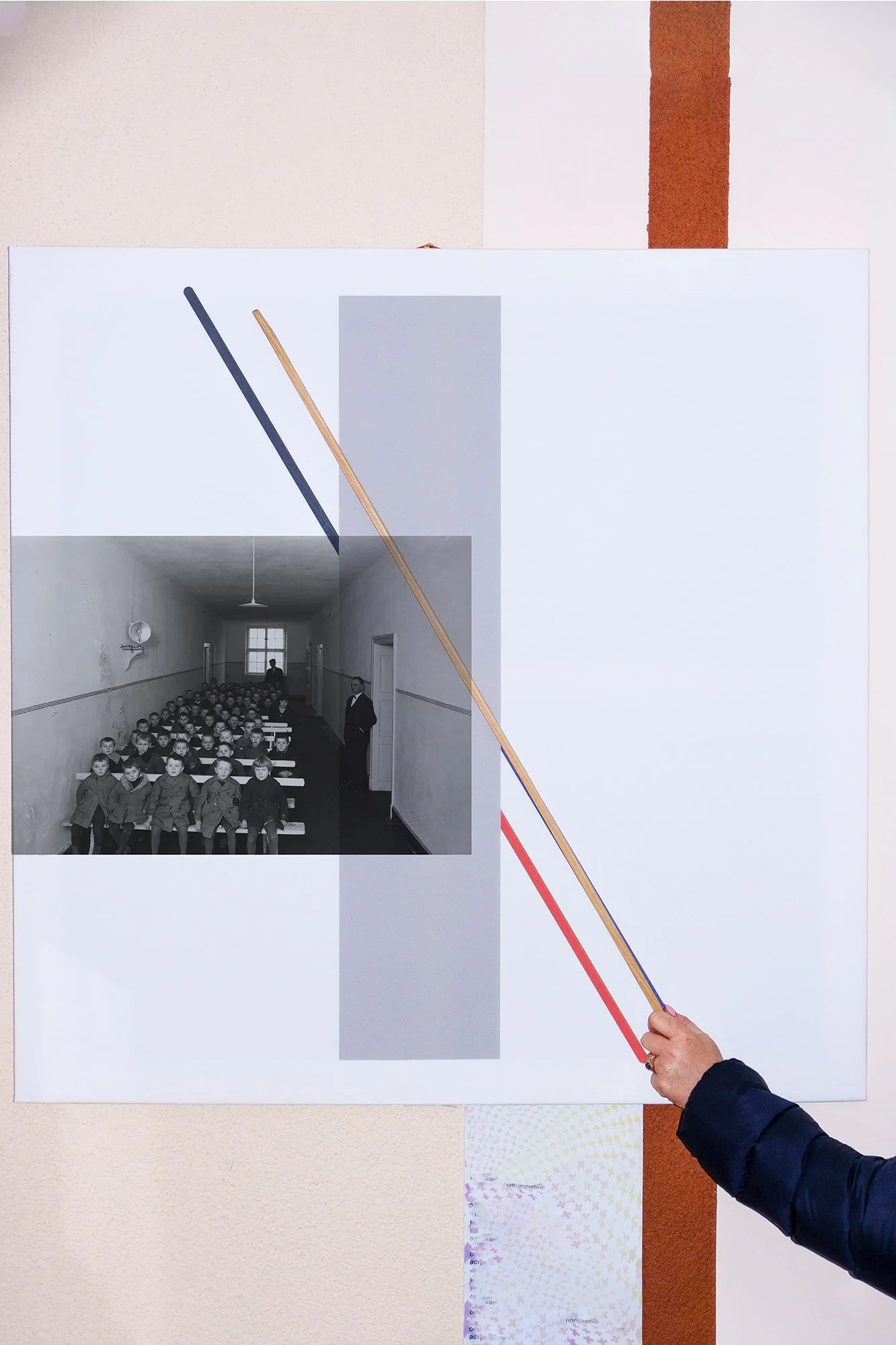
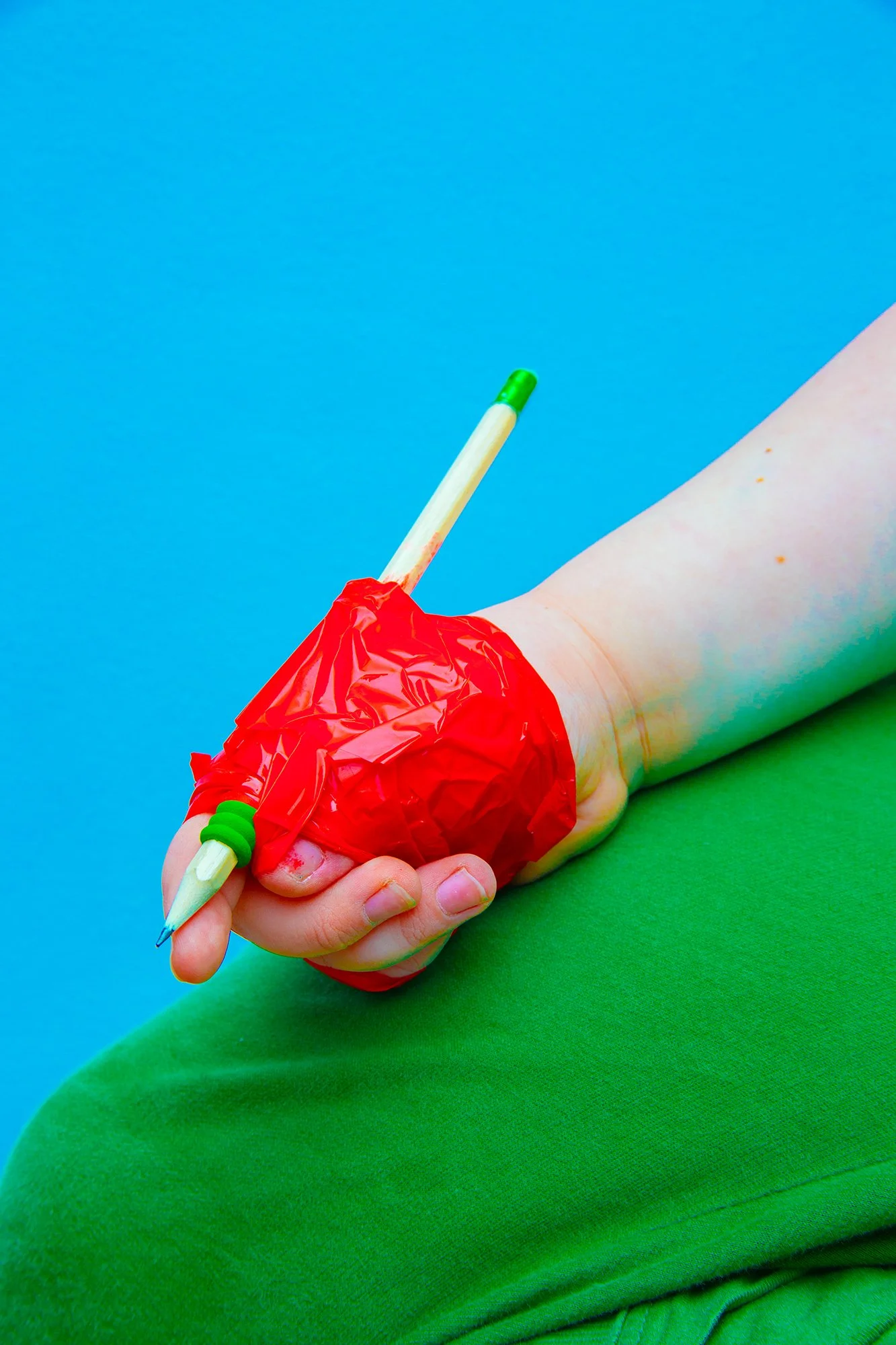
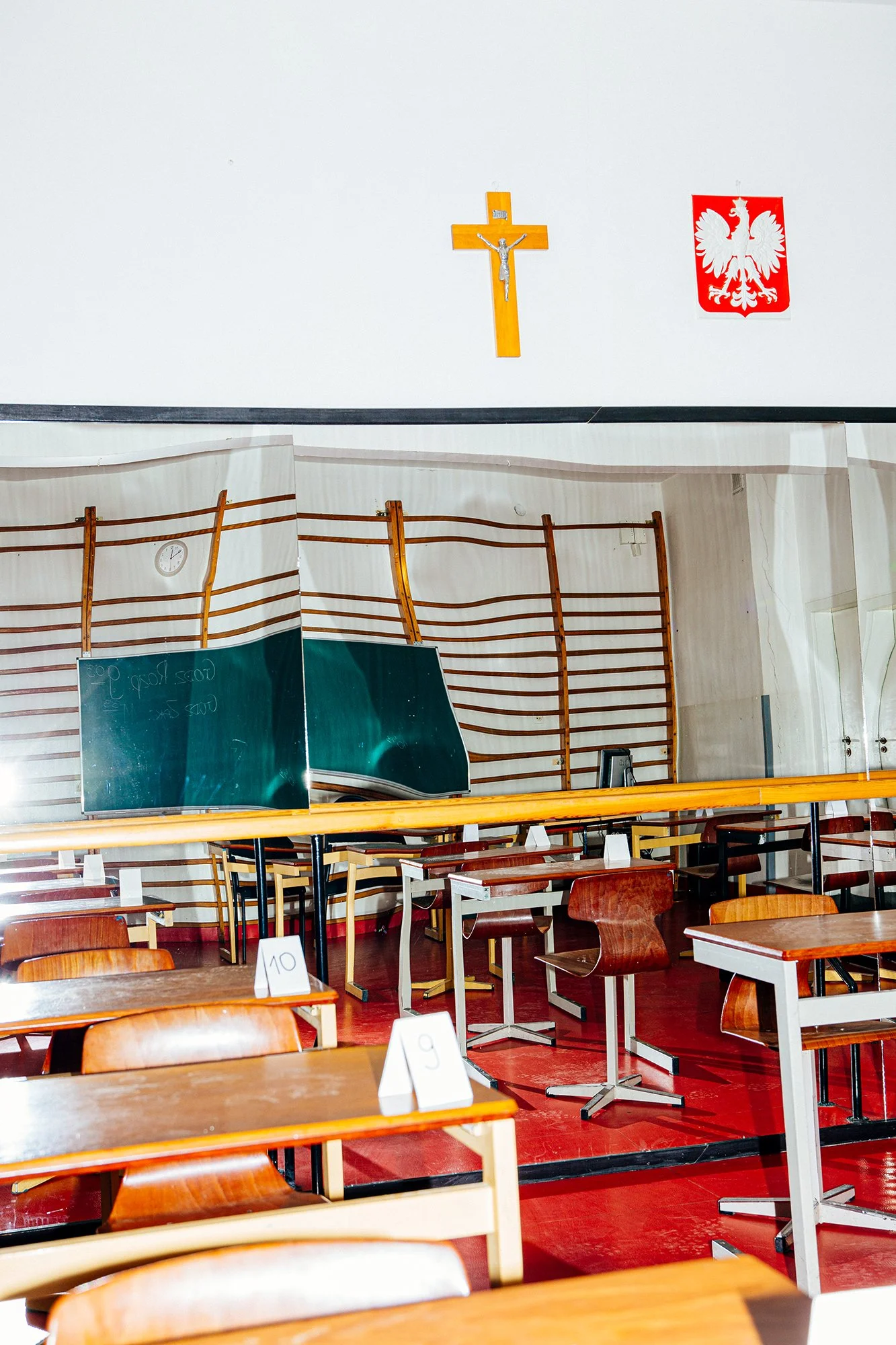
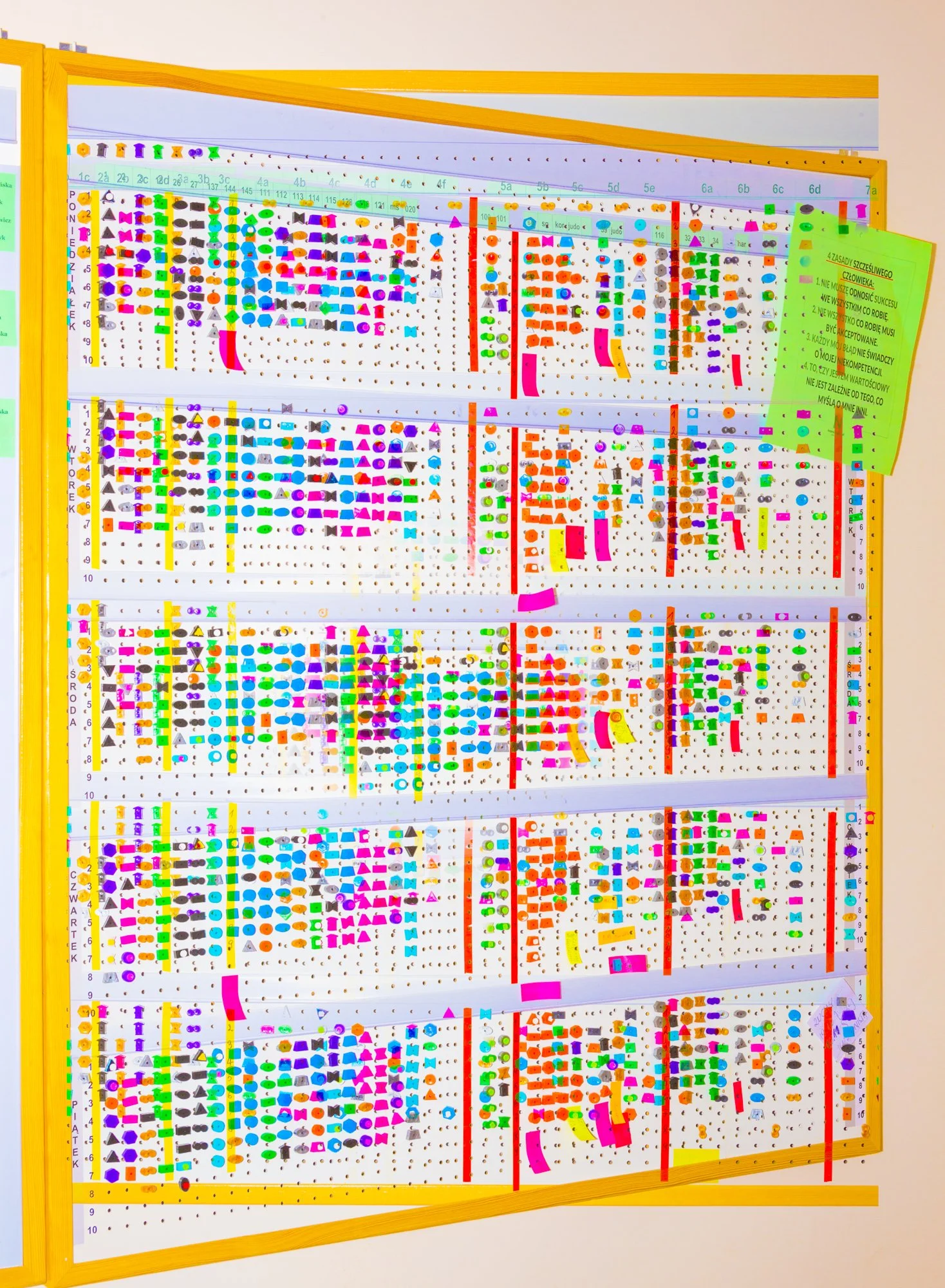
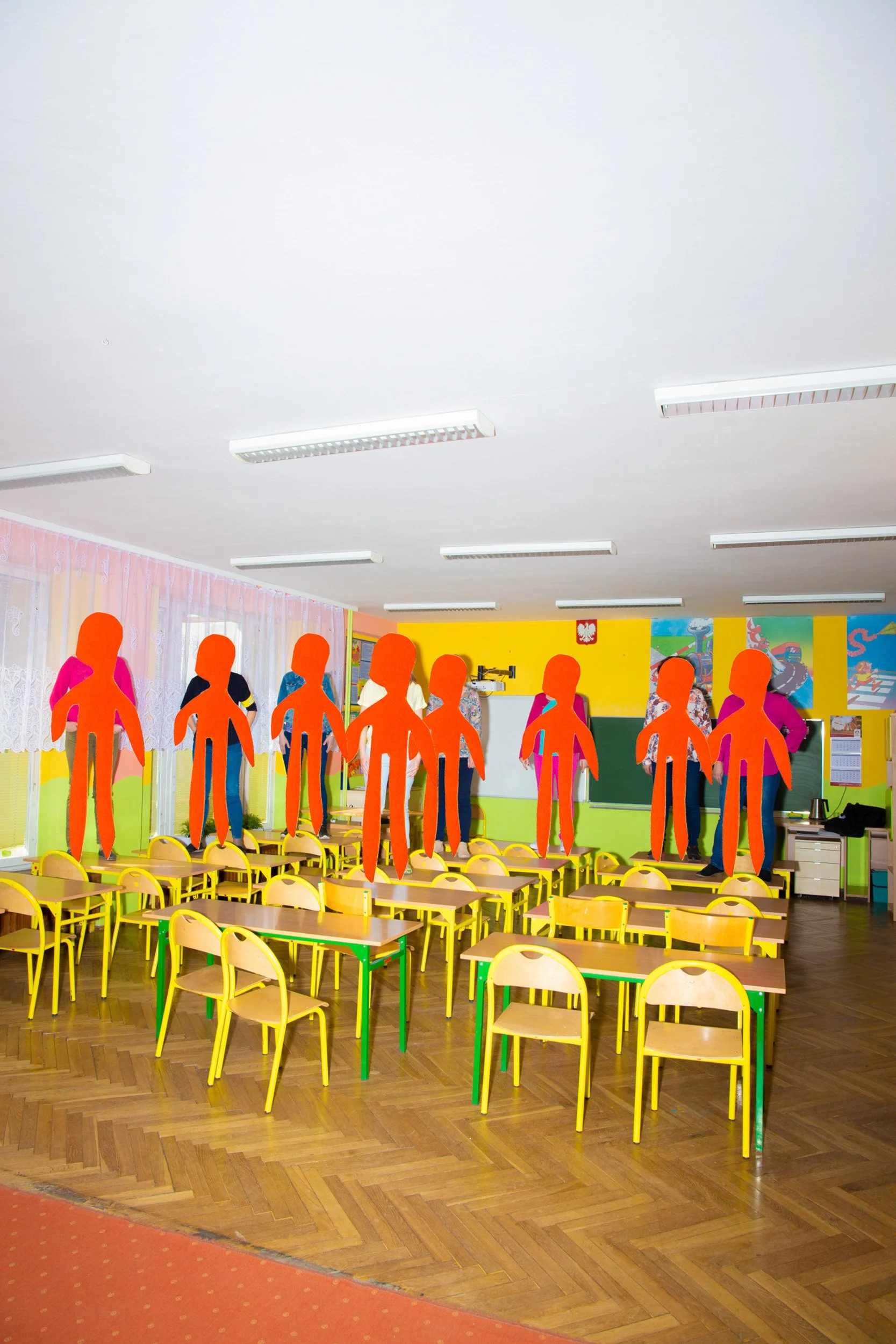
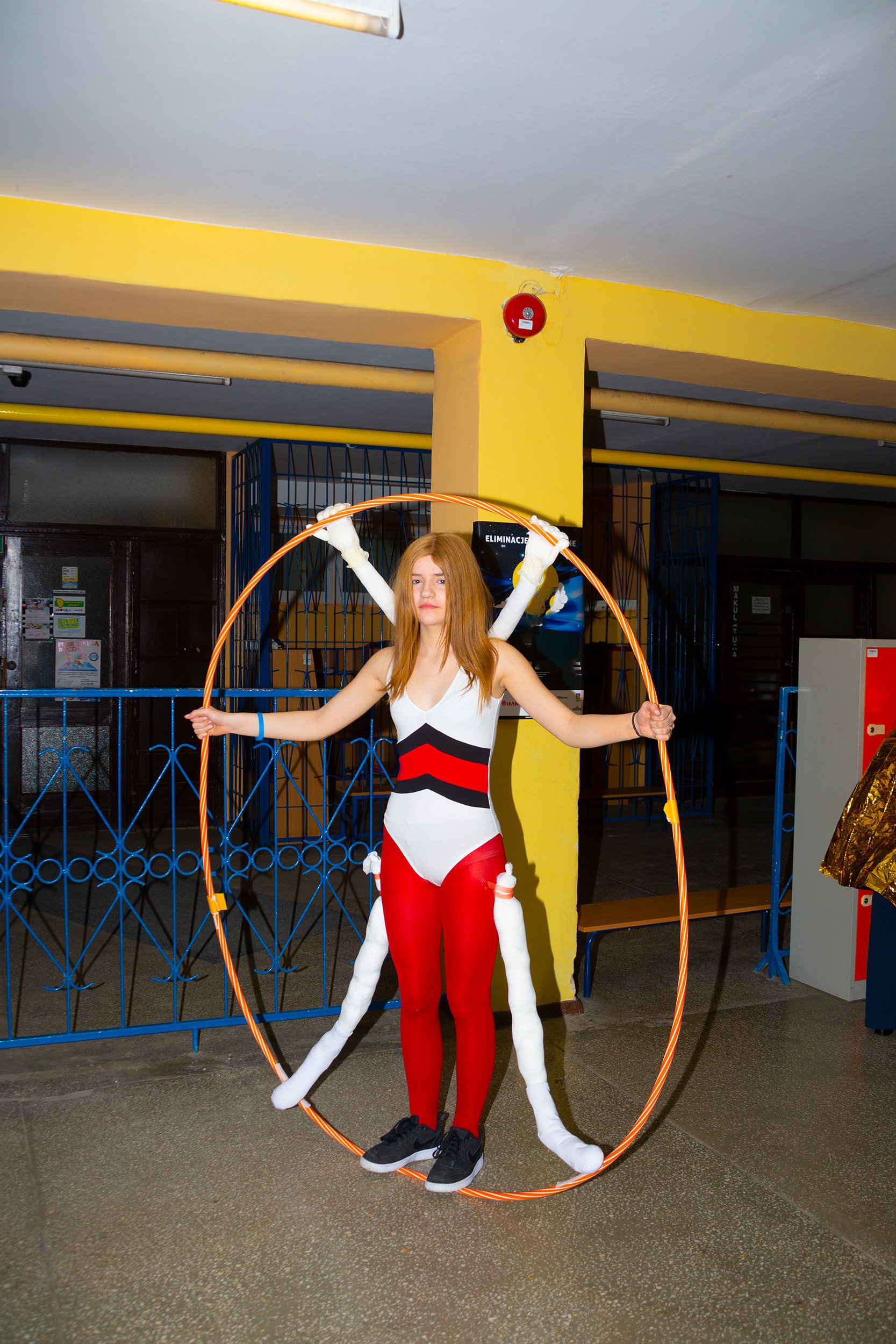
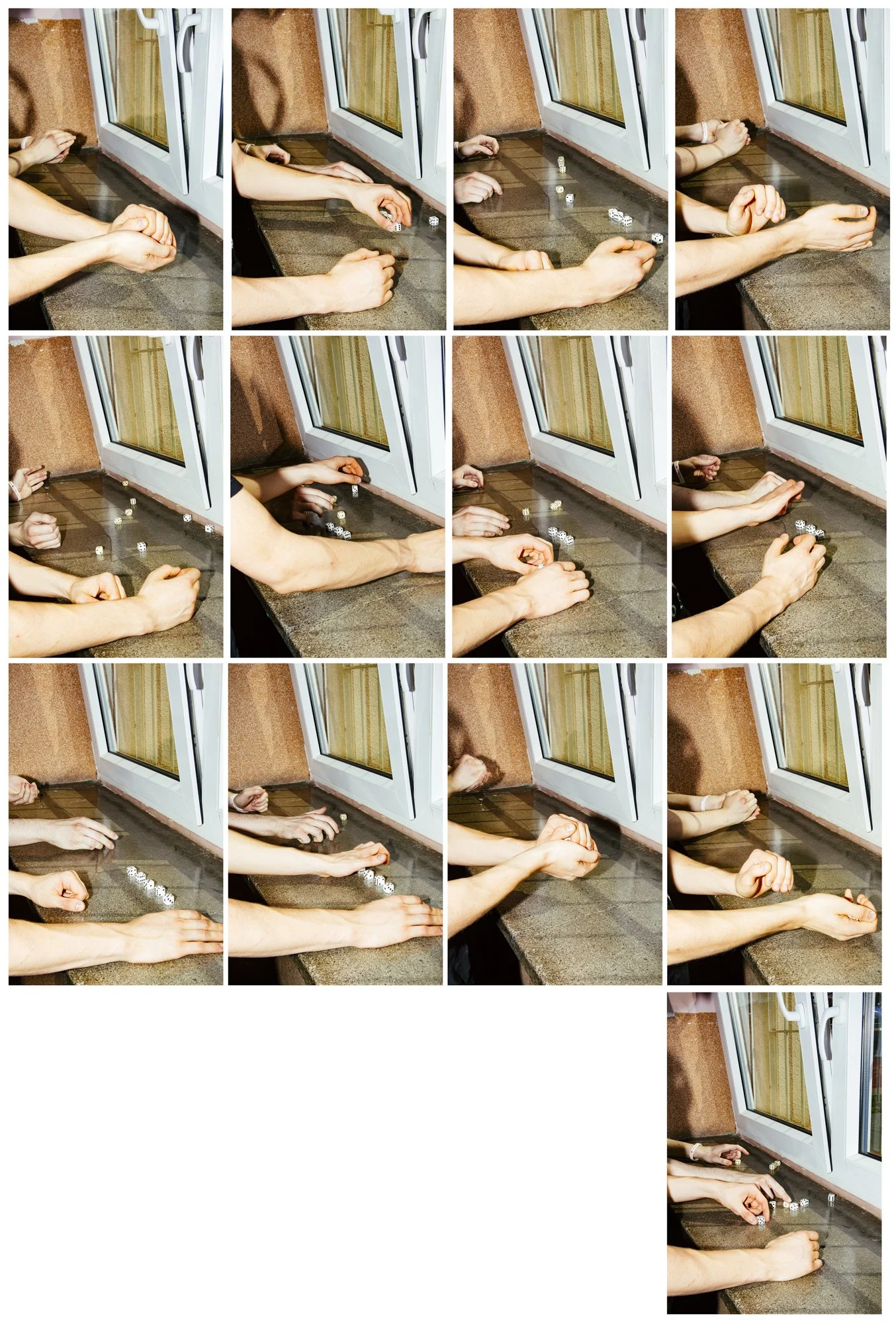
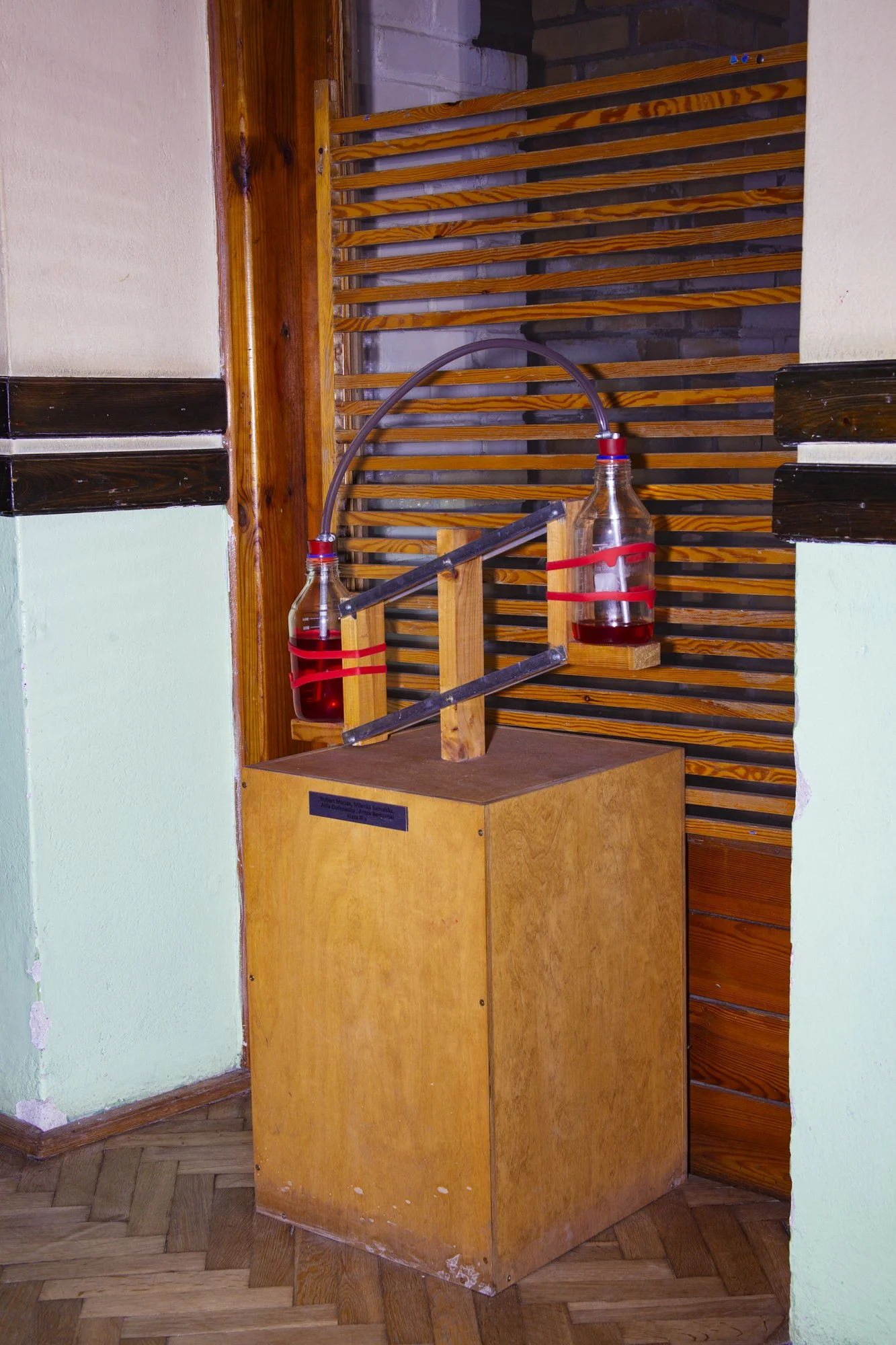
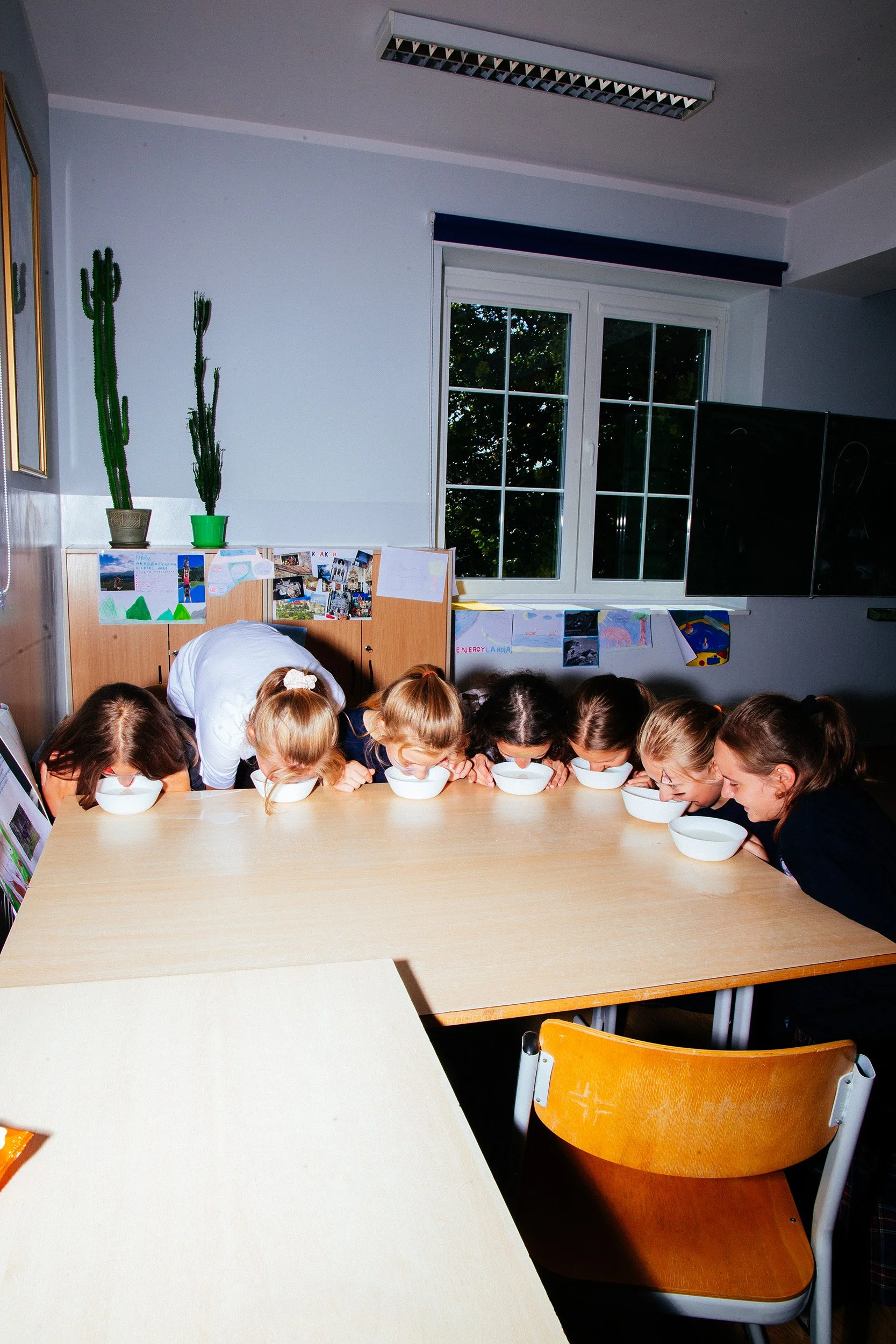
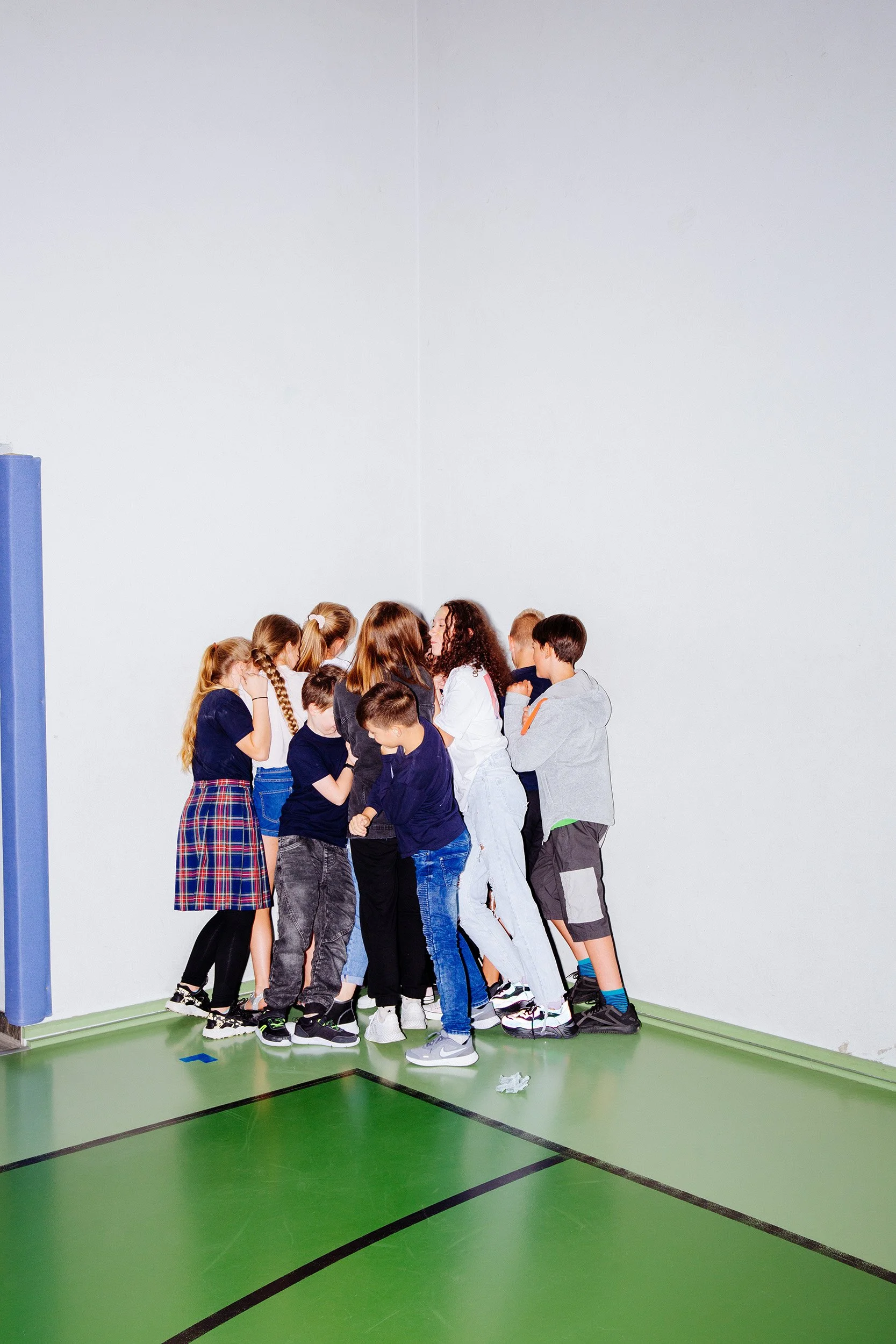
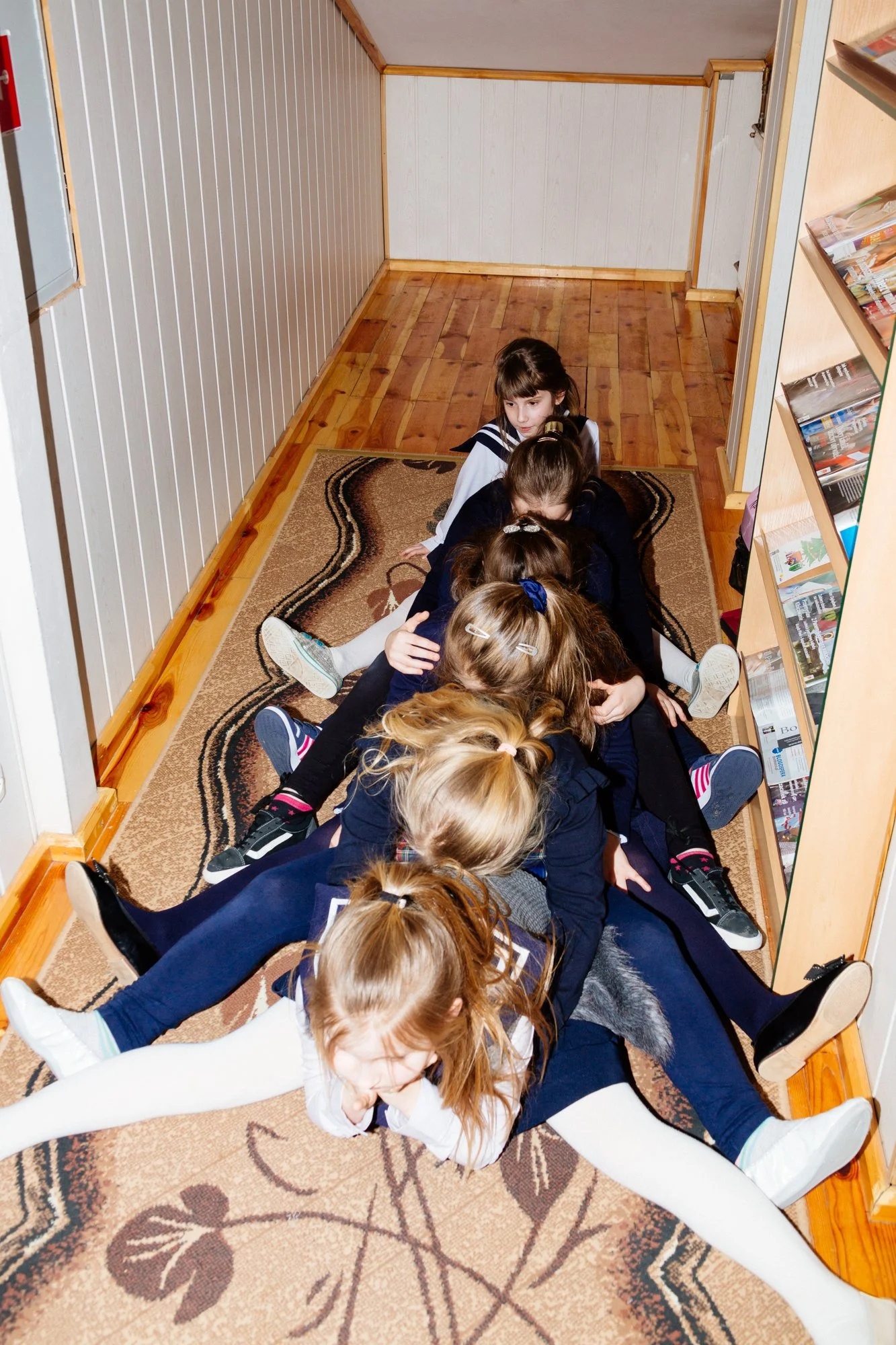
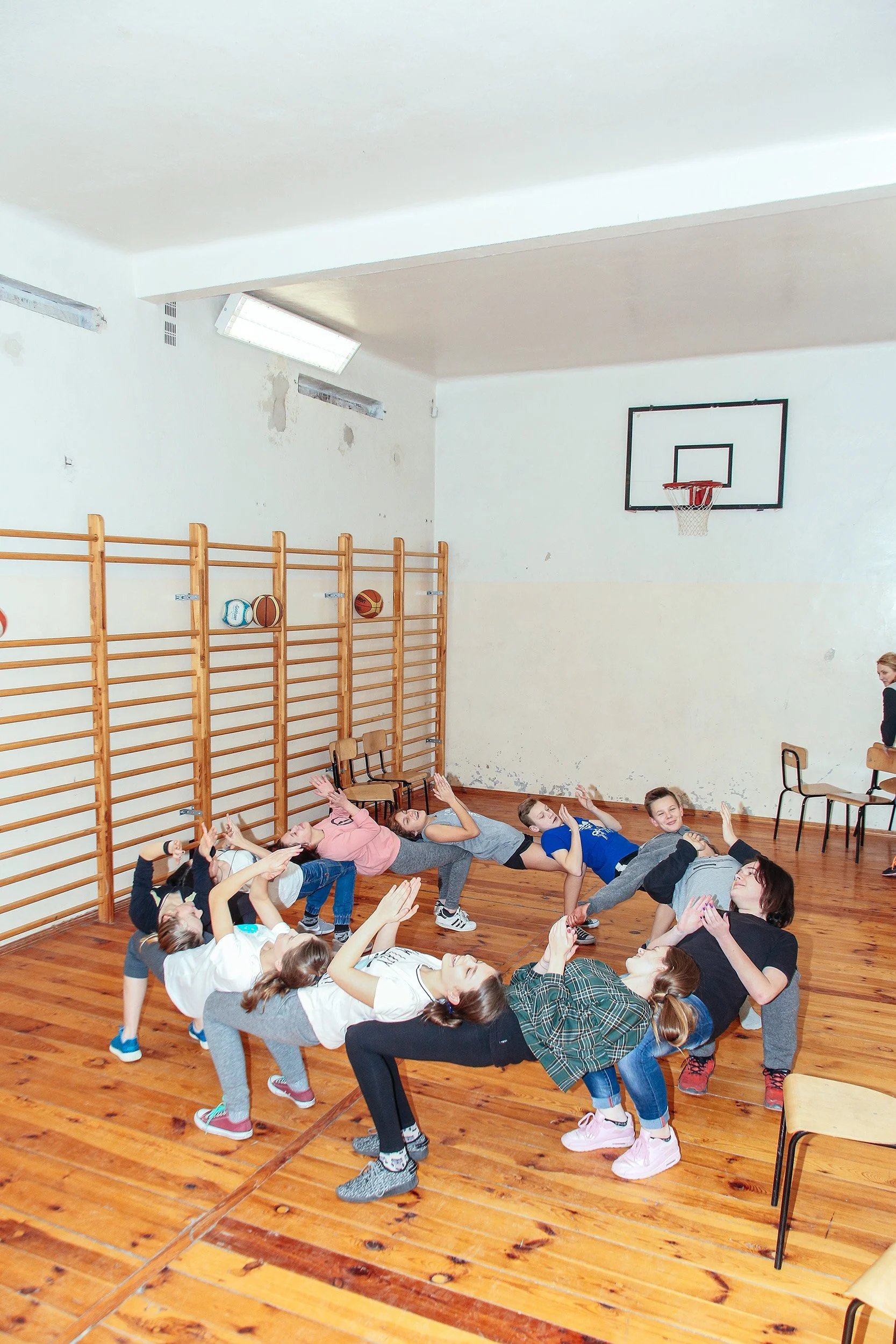
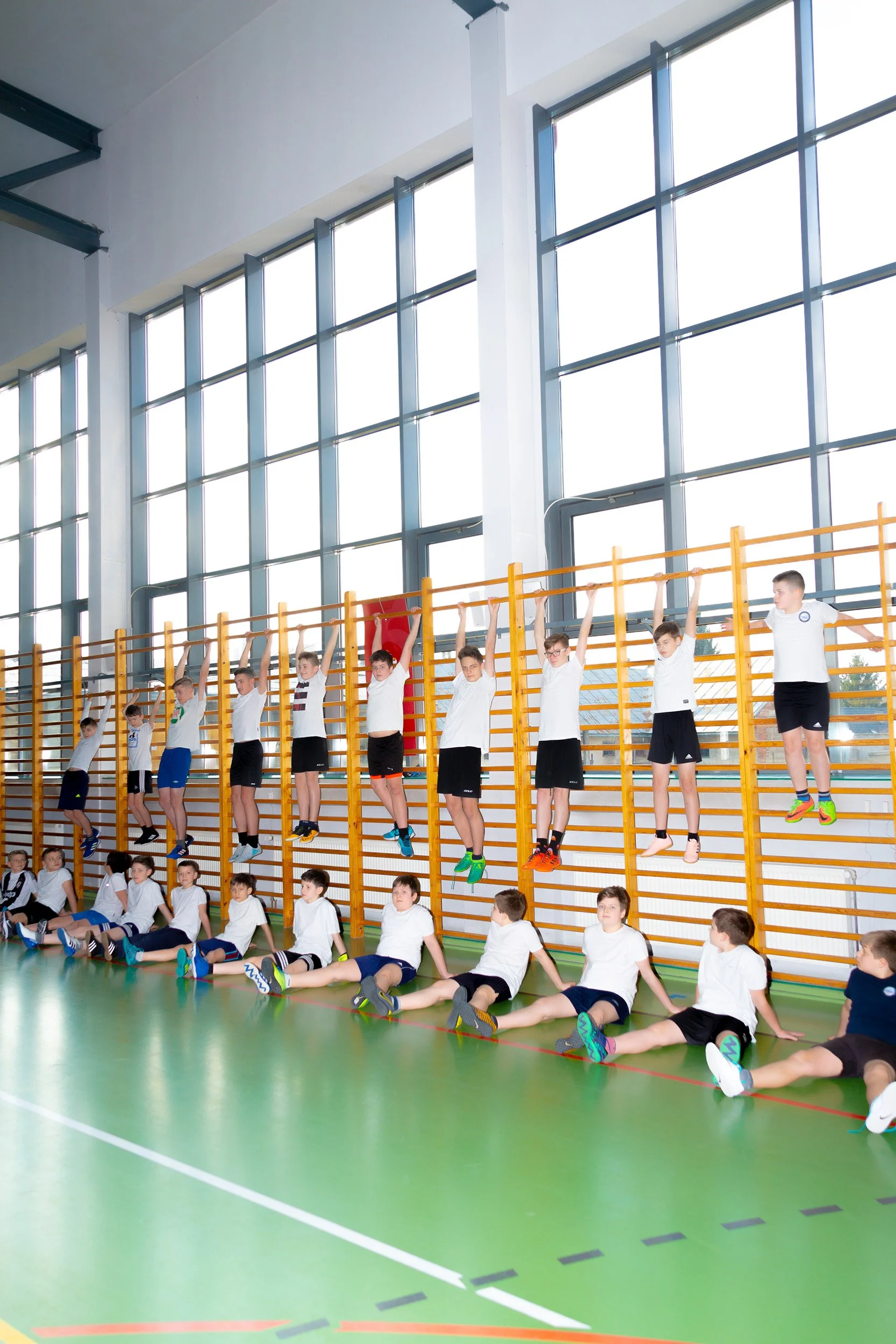
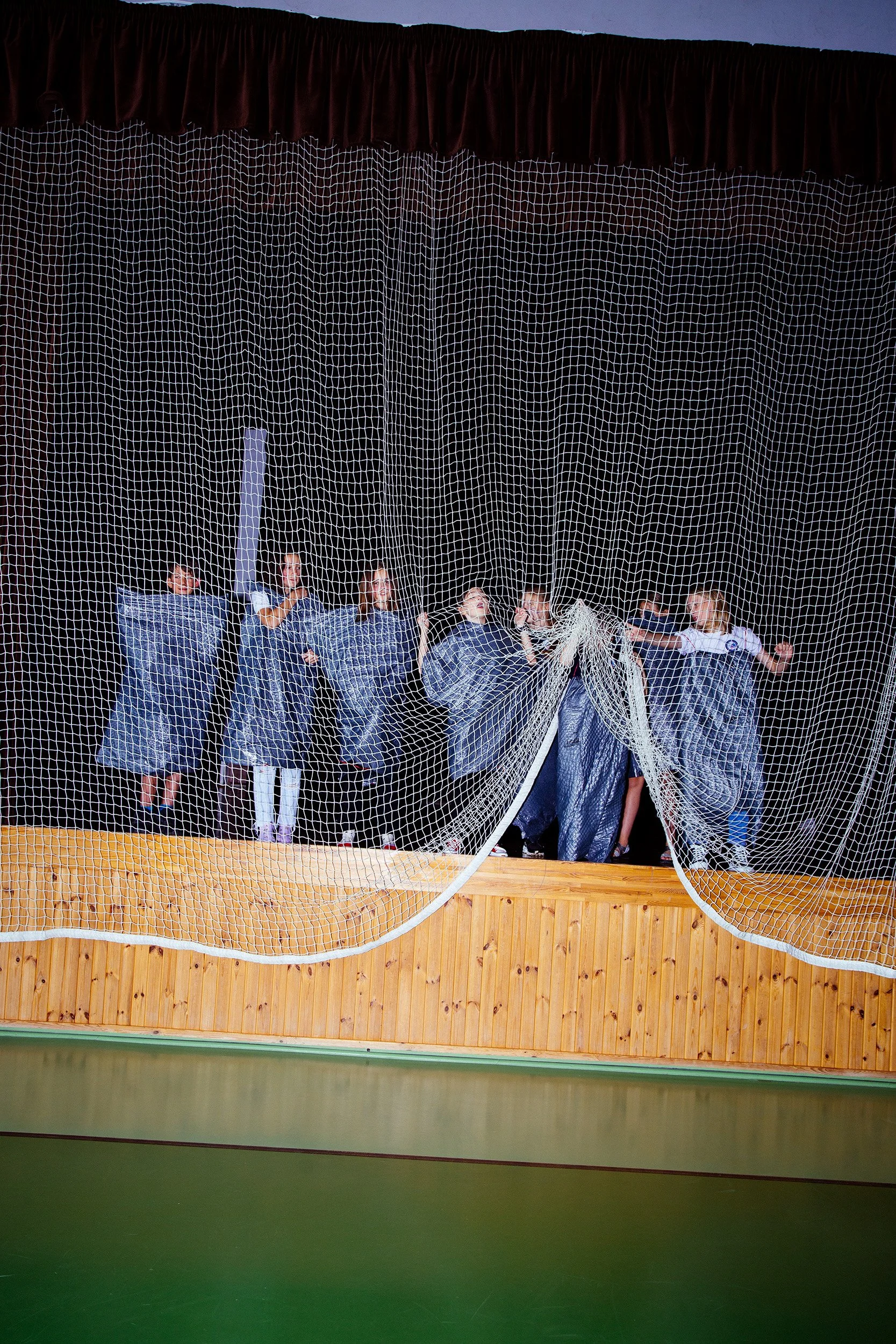
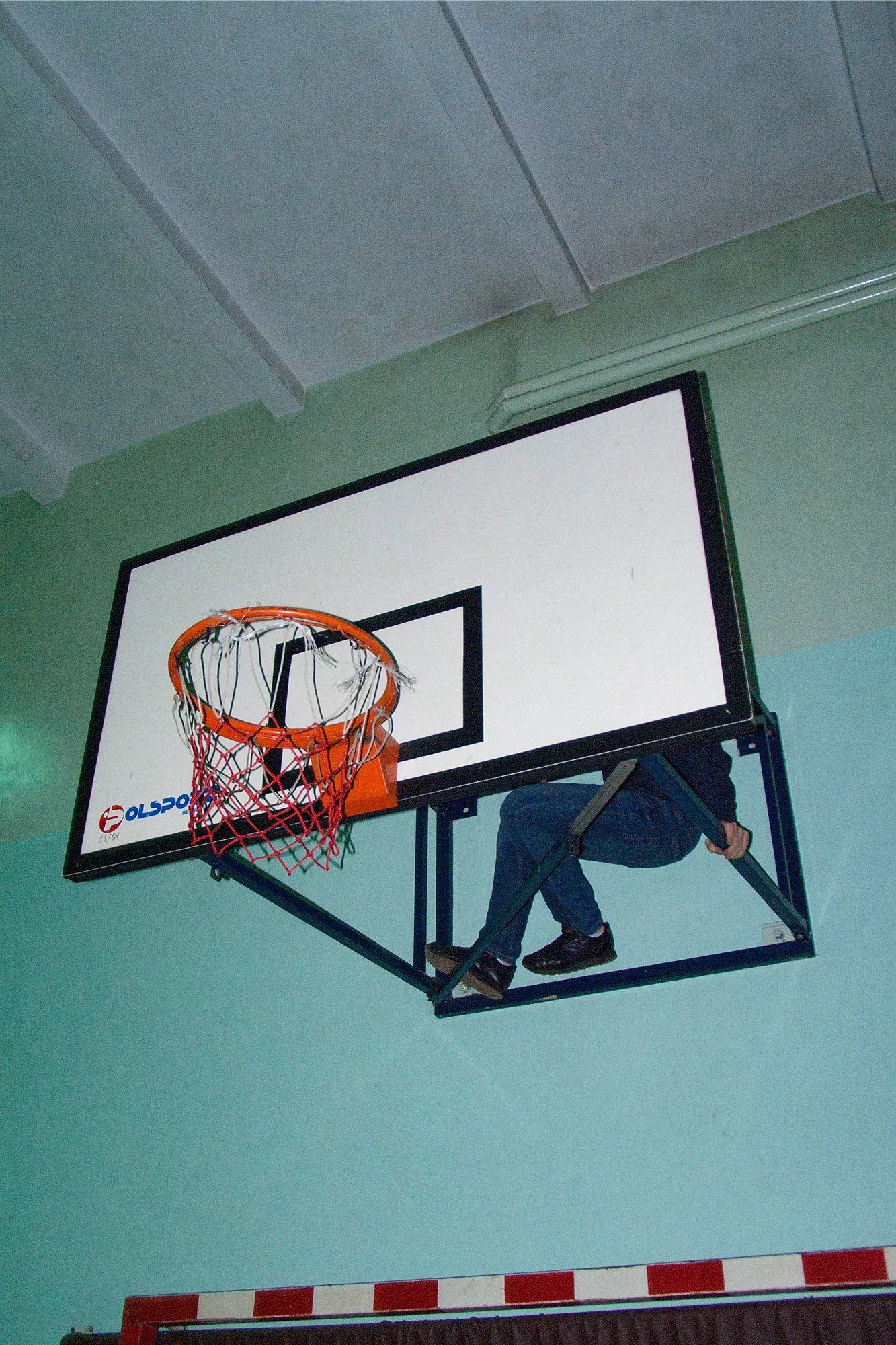
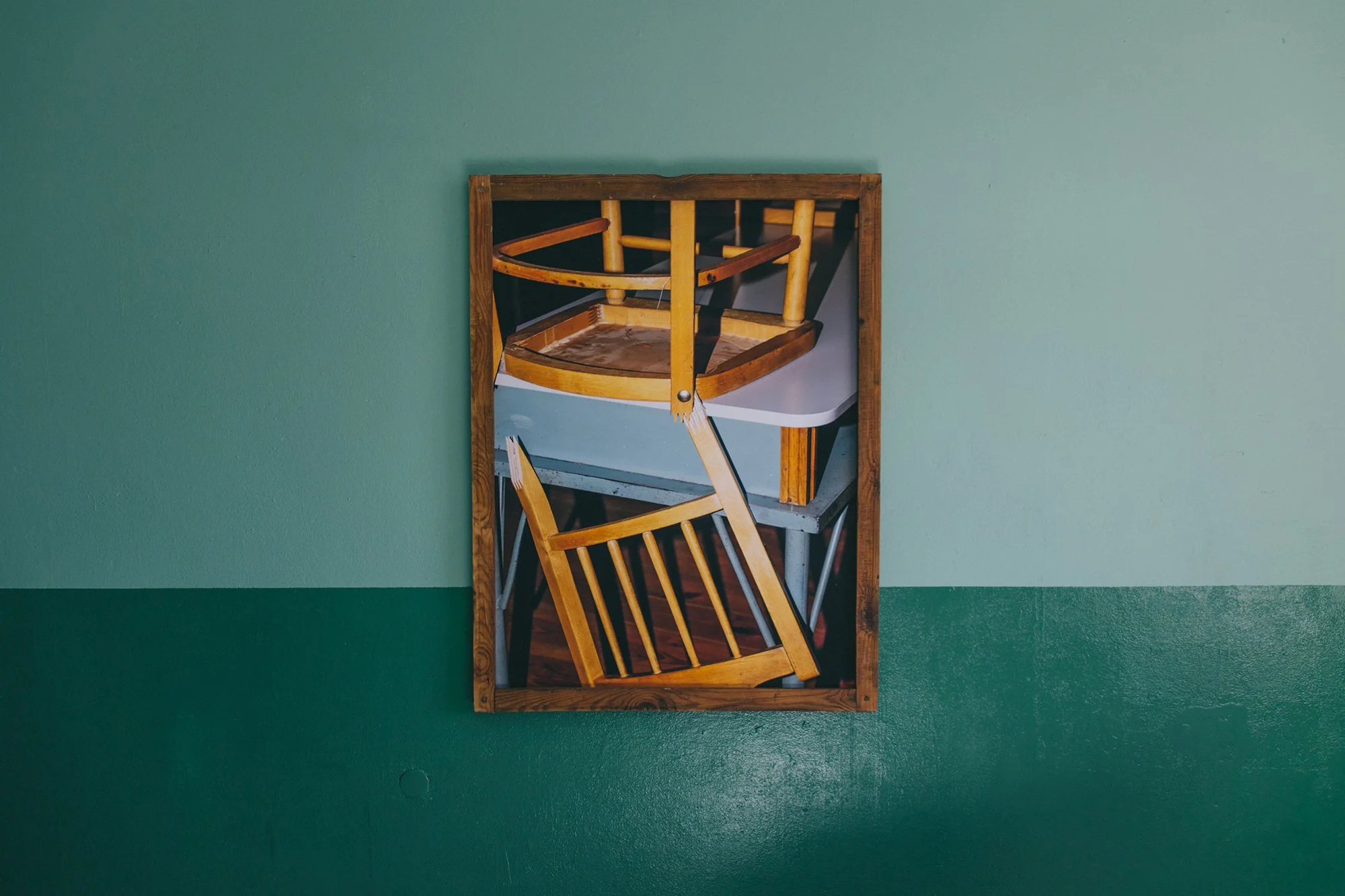
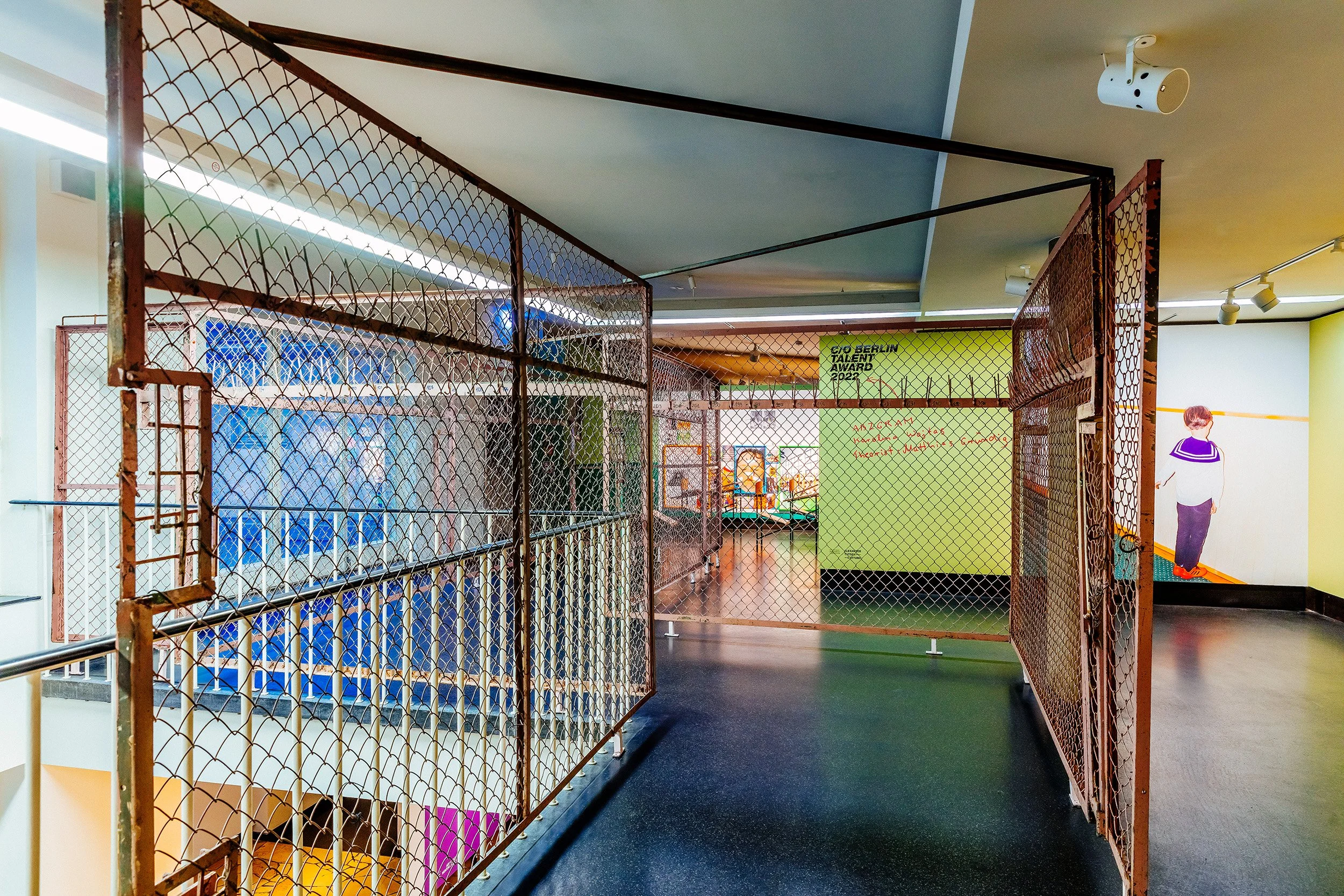
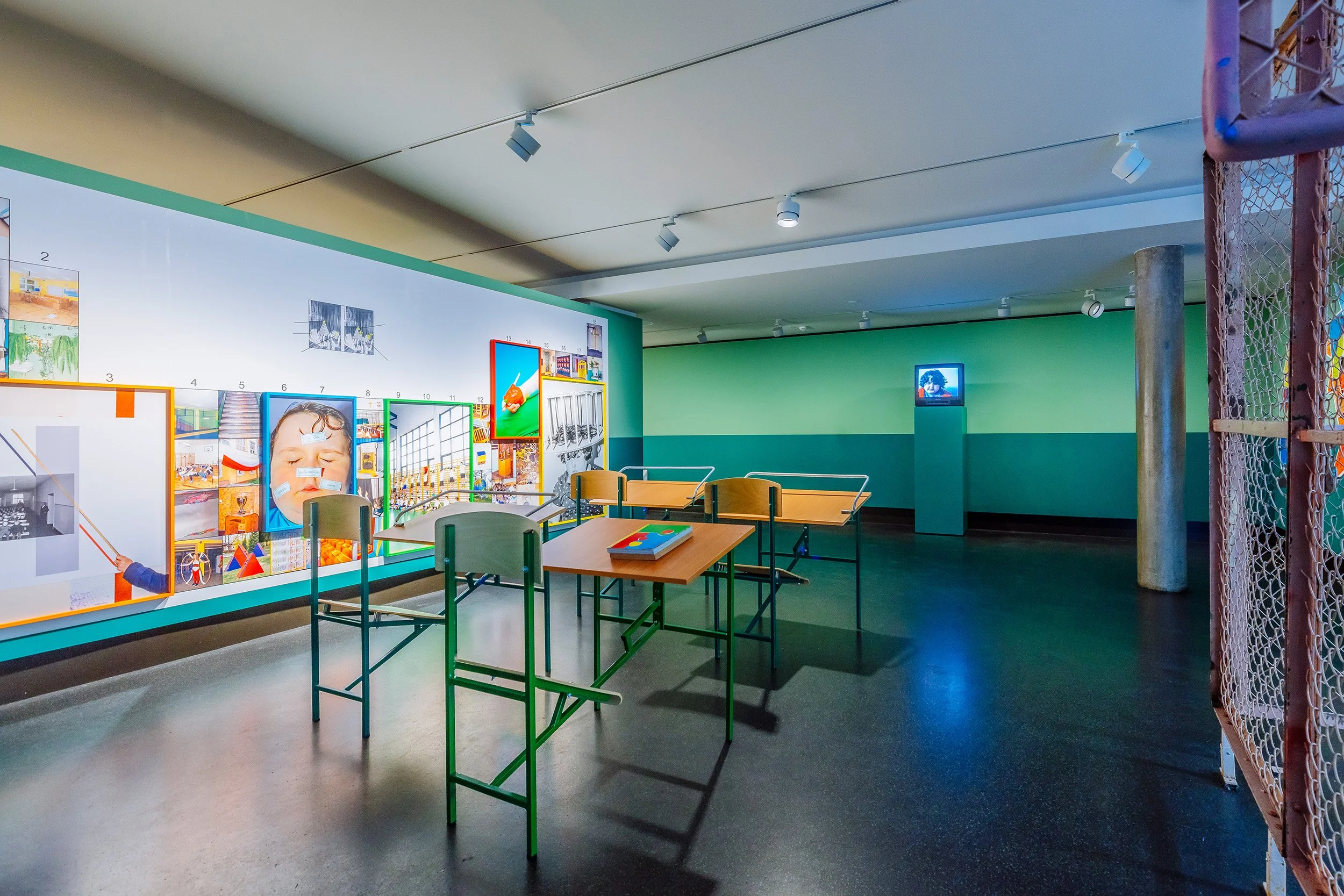
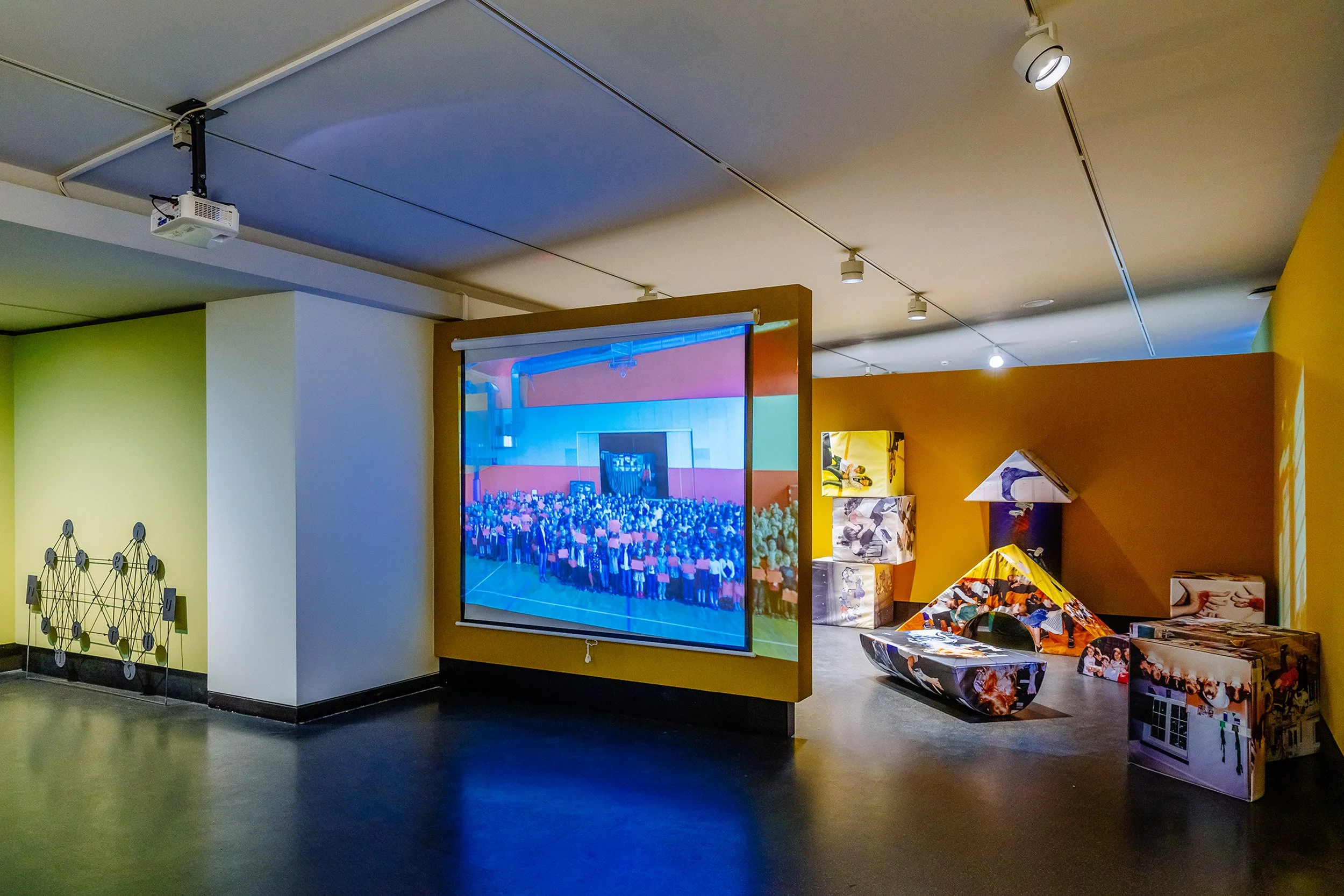
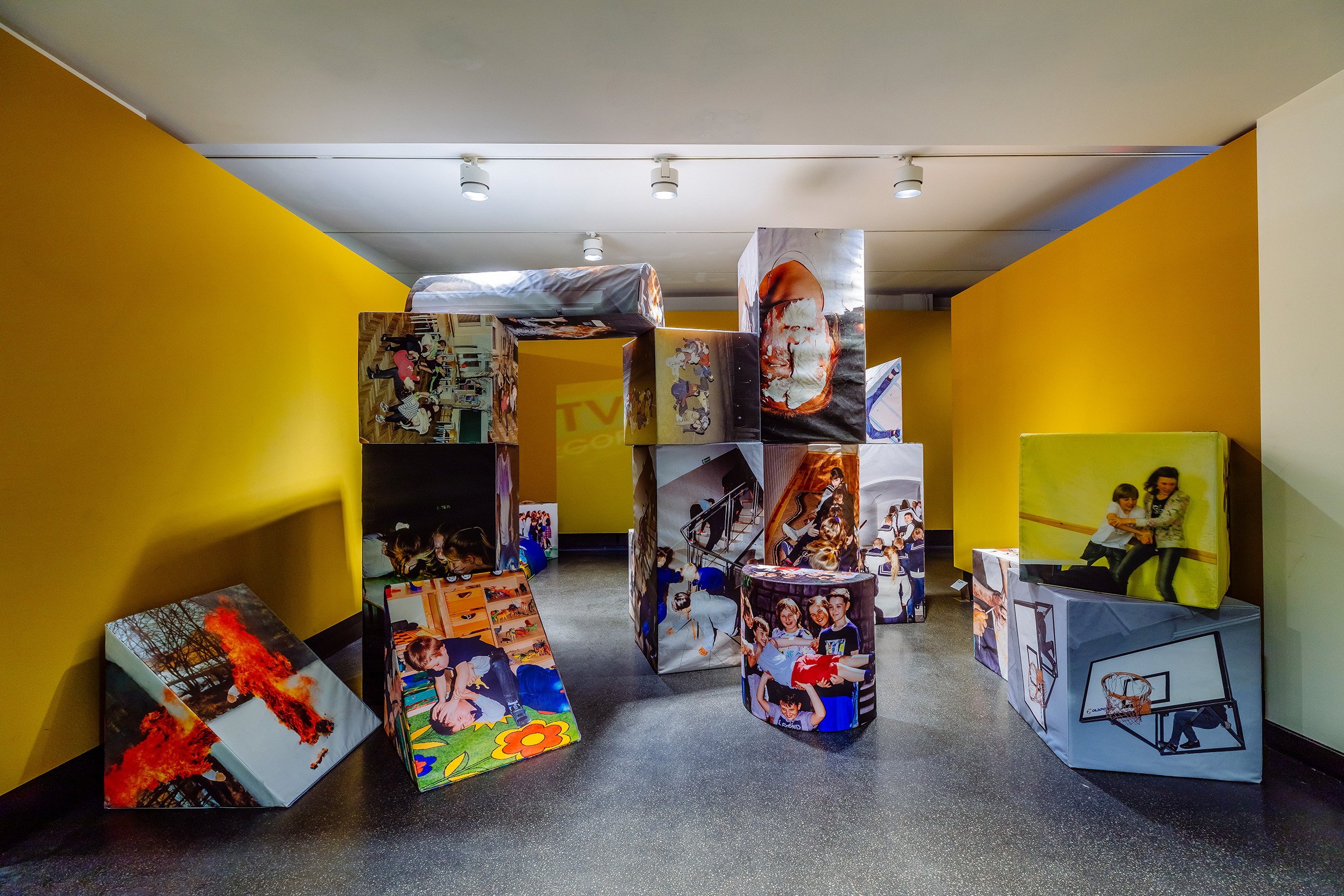
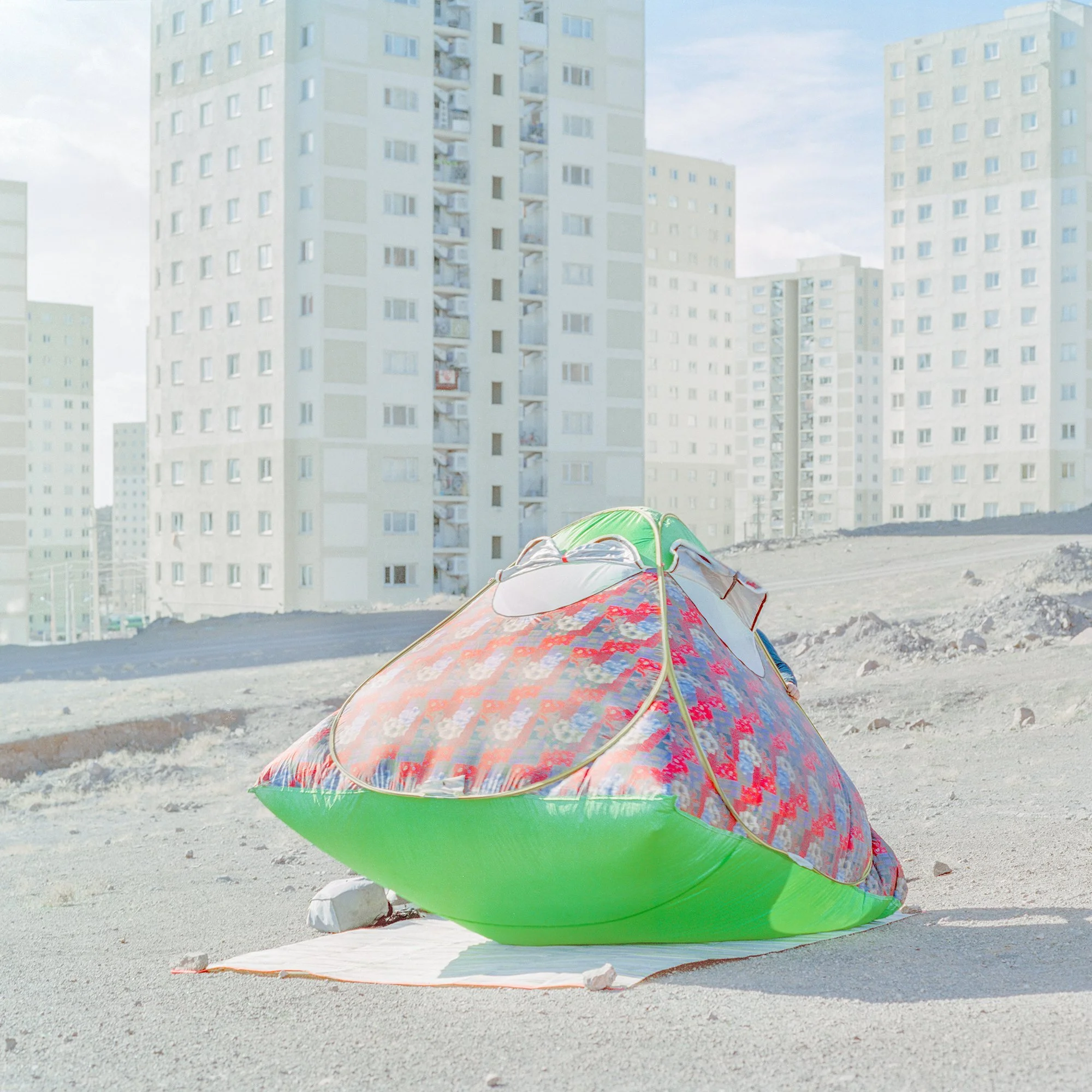
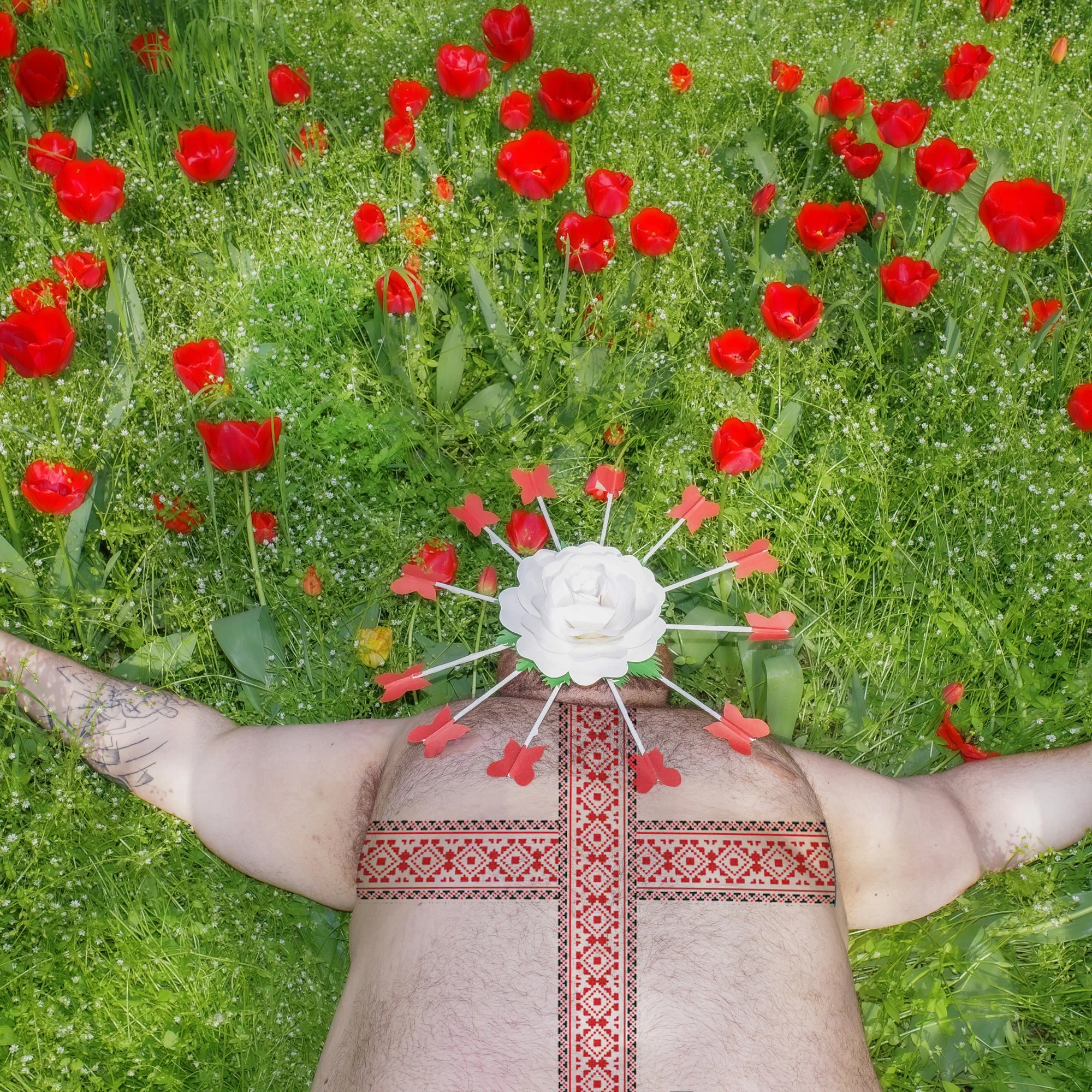
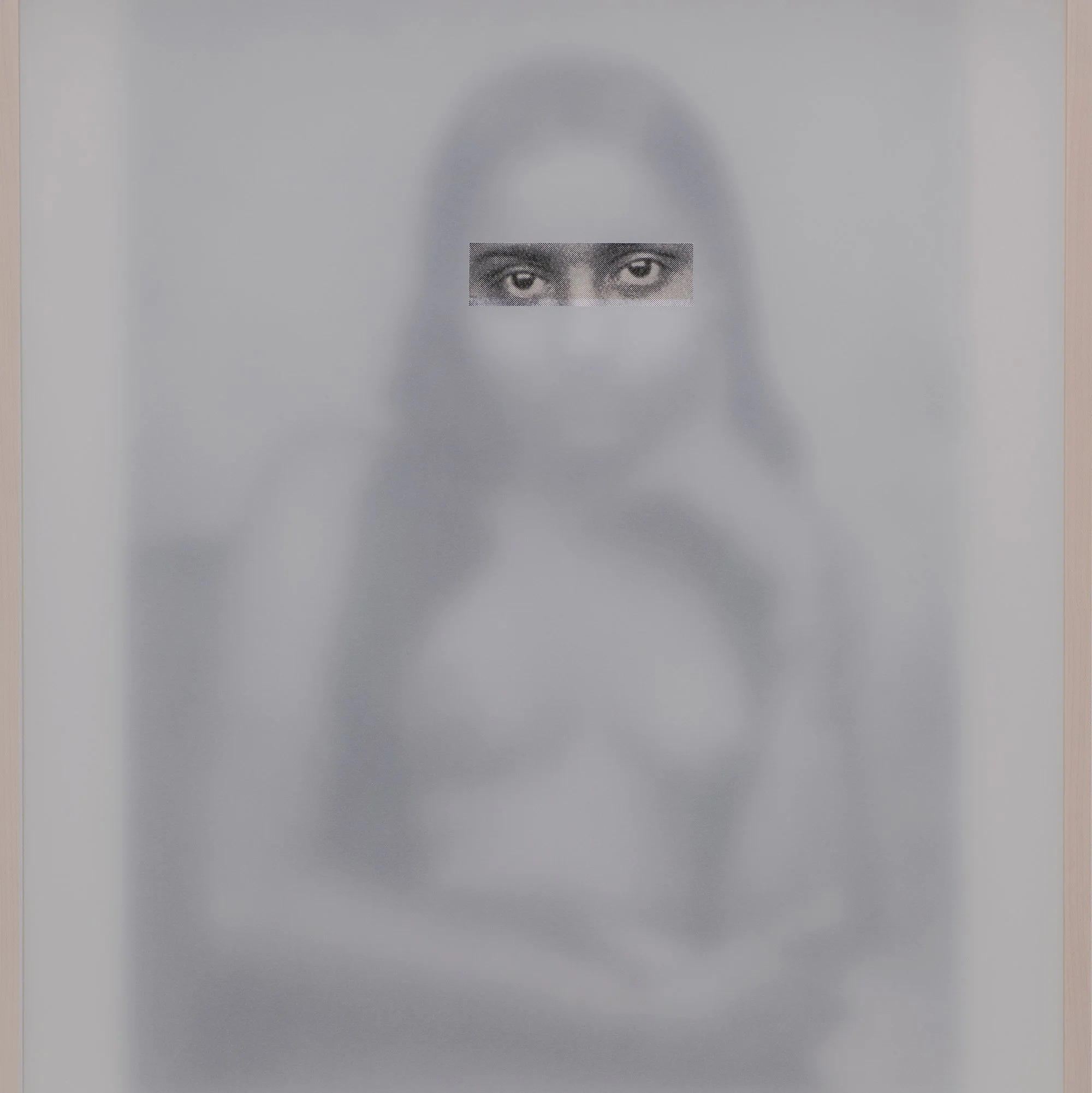
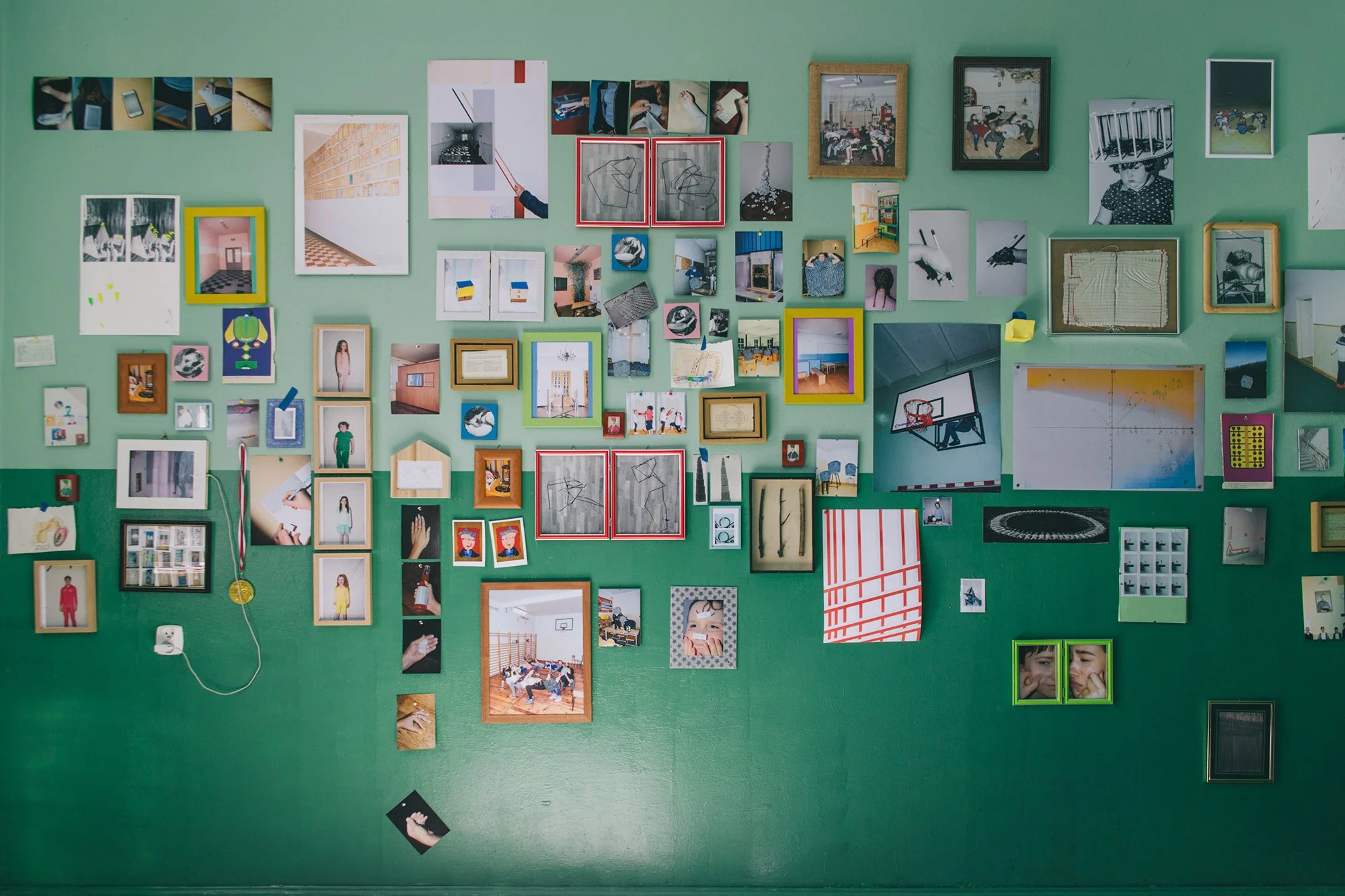
Karolina Wojtas (1996, Poland), an artist whose work combines photography, installation, and performance to create spaces full of surprise, childlike imagination, and spontaneity. For her, art is an endless game and experiment, where the audience becomes part of the experience. Wojtas plays with form, drawing viewers into immersive exhibitions filled with glitter, school fences, and oversized building blocks.
She draws inspiration from everyday observations, childhood memories, and the absurdities of growing up. Her art is a journey through education, family relationships, and first loves—filled with nostalgia, humor, and self-irony. She graduated from the Łódź Film School and the Institute of Creative Photography in the Czech Republic. In 2019, she opened her own museum in her home village in Podkarpacie, Poland.
Wojtas has exhibited her works at many individual and collective exhibitions in Poland and abroad: Foto Arsenal Wien (2023), Foam in Amsterdam (2021), MNAC - Museu Nacional de Arte Contemporânea (2023), the Museum of Modern Art in Warsaw (2022), Fotogalleri Vasli Souza in Oslo (2022), and the Beijing 1+1 Art Center (2017).
She has been recognised with awards many times, and nominations, including:
KTR 2023 golden sword in the craft category - photography, nomination for the EMoP Arendt Award 2023, reGeneration 4: The Challenges of Photography and its Museum for Tomorrow in Muse de l'Elysée, special mention at Plat(f)orm 2020 at Fotomuseum Winterthur, winning the c/o Berlin Award (2022), ING Unseen Talent Award (2019), Amsterdam and Tiff Open (2018) at Tiff Festival Wrocław, ShowOFF month fotografia in Krakow 2017.
News:
Solo exhibition at Fotografiska Tallinn, Estonia
in 2026 (Dates to be confirmed)
Group Exhibition: Play at Pekuri shopping mall in Oulu, Finland
Opening January 14, 2026