hashem shakeri
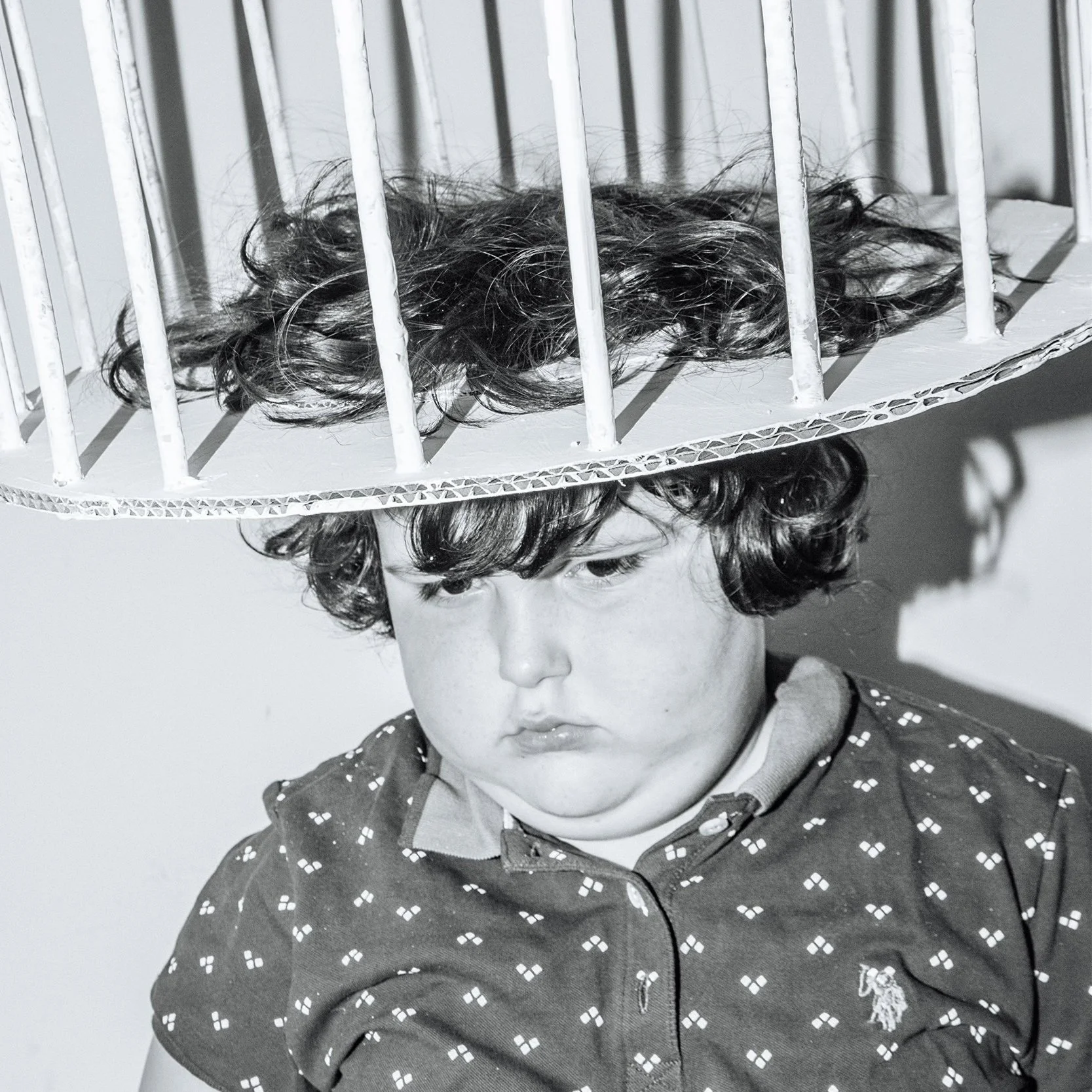
A portrait of Dorna and Sevda, both 12, walking around the town on a weekend. The new town of Parand is located 30 km southwest of Tehran province. There is literally no entertainment or programs for children and adolescents here. Many of them tend to become affected by depression a while after settlement.
Bio
Hashem Shakeri is an artist, photographer, and filmmaker based in Tehran whose practice spans Iran, Afghanistan, and other regions. He discovered photography in his adolescence and, through years of self-directed experimentation and persistent trial and error, gradually developed his visual language. Since deciding to pursue photography professionally, he has focused on long-term documentary projects and visual storytelling, working both independently and on commissions from international publications and institutions.
Shakeri’s work explores the intersections of exile, social struggle, and ecological and political crisis. Working with a contemporary aesthetic approach through photography and moving image, he seeks to question dominant narratives and to look closely at places and lives that are often pushed to the edges of visibility. A central concern in his practice is how climate breakdown, war, and structural violence reshape both landscapes and everyday life. With a perspective that moves deliberately beyond national borders, his projects often address displacement and alienation, illuminating the experiences of those who have been marginalized, silenced, or forgotten.
@hashemshakeri
A view of half-constructed buildings in the new town of Pardis. Pardis is located 17 km northeast of Tehran province.
There are some who may refer to these areas as ghost towns, others who consider them examples of an unkept promise of paradise. The residents of these places exist in a state of near-exile as a result of the lacking infrastructure required to bring a city to life.
Cast out of Heaven
Project Statement
For various reasons, including high economic corruption, economic rent, loot, sanctions, the implementation of neoliberal economic policies and the subsequent drastic drop in the value of the Iranian currency are fueling skyrocketing housing prices in Iran. This is forcing many Tehraners to leave the capital without any intention of coming back ever again. Under the present circumstances, tenants are looking to move to satellite towns to cut down on accommodation costs.
The Mehr Housing Project initiated in 2007 is the largest state-funded housing project in the history of Iran. What followed was rapid urban population growth and the construction of new towns. However, sufficient measures were not taken to ensure healthy living conditions for those who came to inhabit these new towns. Suffering critical shortcomings are Parand, Pardis and Hashtgerd, three newly-constructed towns on the margins of Tehran. These are huge islands of soaring skyscrapers and indiscriminately developed apartments filled with crowds of people and cars. They begin but seem to have no end.
Besides the huge population of Tehraners, people from all over Iran are migrating to these new towns. These are notorious for social pathologies, like high rates of suicide among pupils and drug abuse. The residents of Parand talk about how the town’s population has doubled over the past six months, reaching 200,000. Yet, the town can hardly provide educational, social and health care services for 10,000.
Sleep-deprived newcomers leave early in the morning to get to their workplaces in the capital over daily commuting distances of 2-3 hours. The relentless repetition of this endless cycle makes them more alienated and more frustrated day by day. And that is not all. A great part of the population is on the verge of alienation and frustration but for a quite contrasting reason: escalating unemployment.
Here is the land of those cast out of their heaven – the metropolitan Tehran. And they all share the bitterness of the fall.
Cast out of Heaven is part of a larger trilogy about the three contemporary social issues of the community of Iran. This long-term trilogy deals with exile, isolation, self-alienation and social exclusion of a few groups of people in the society of Iran these days.
A family is putting away its tent after having camped in the mountains just outside the new town of Parand. Parand is located 30 km southwest of Tehran province.
Hossein, 55, Najib, 24, Farshad, 21, and Ahmad, 19, who have recently migrated from Afghanistan to Iran, work as street sweepers in the new town of Pardis. Since the Iranian economy started going down, there is no way for them to save money from their monthly salary and send it to their families in Afghanistan. They hardly even cover the costs of their own livelihoods here.
A view of half-constructed buildings in the new town of Pardis. Although some parts of the town have already been settled, almost half of the buildings in the town are yet to be completed. Many of the apartments are owned by people who had pre-purchased them many years ago and are still waiting for their apartments to be completed so they can move in. However, the completion is constantly being postponed.
There are some who may refer to these areas as ghost towns, others who consider them examples of an unkept promise of paradise. The residents of these places exist in a state of near-exile as a result of the lack of infrastructure required to bring a city to life.
A view of construction residues in the new town of Pardis. All the settlements of this town have been constructed in the heart of nature by flattening mountains, which will certainly cause climate change in the near future.
The Abroodi’s are having a weekend picnic on the plains just across from their building on the occasion of hosting a close family member in Parand. “It’s the furthest the poor can go for a picnic,” the mother says, laughing, as she is cooking some broth on fire for lunch. The Abroodi’s moved here from Sabzevar four years ago. Mr. Abroodi spends 3-4 hours commuting to work to Tehran and back home on weekdays. So far, no subway line has been constructed between Tehran and the new town of Parand.
Toilet sinks on sale at the start of the road that leads to the new town of Parand. Families who have just settled in can buy a set or two at a cheaper price here.
For various reasons, that has helped to spur an economic downturn in the country, the occupants of these cities struggle with hours-long commutes, a lack of educational and healthcare resources, and lives that have little prospect of improving. What began as a massive national affordable housing project has so far resulted in a further crippling in the quality of life for those who have no other choice but to live in these cities.
A movable fruit stall under a billboard at the entrance to the new town of Parand. The residents of Parand buy fruits and vegetables daily from movable grocery stalls.
The billboard says "Happy New Solar Year, the year of support for Iranian products”