Your name
Zhu Gaocanyue
Place of birth
Yichang, Hubei, China
Place where you live now
Brooklyn, New York, USA
3 words to describe you
Desire, Confused, Wandering
Why do you take pictures?
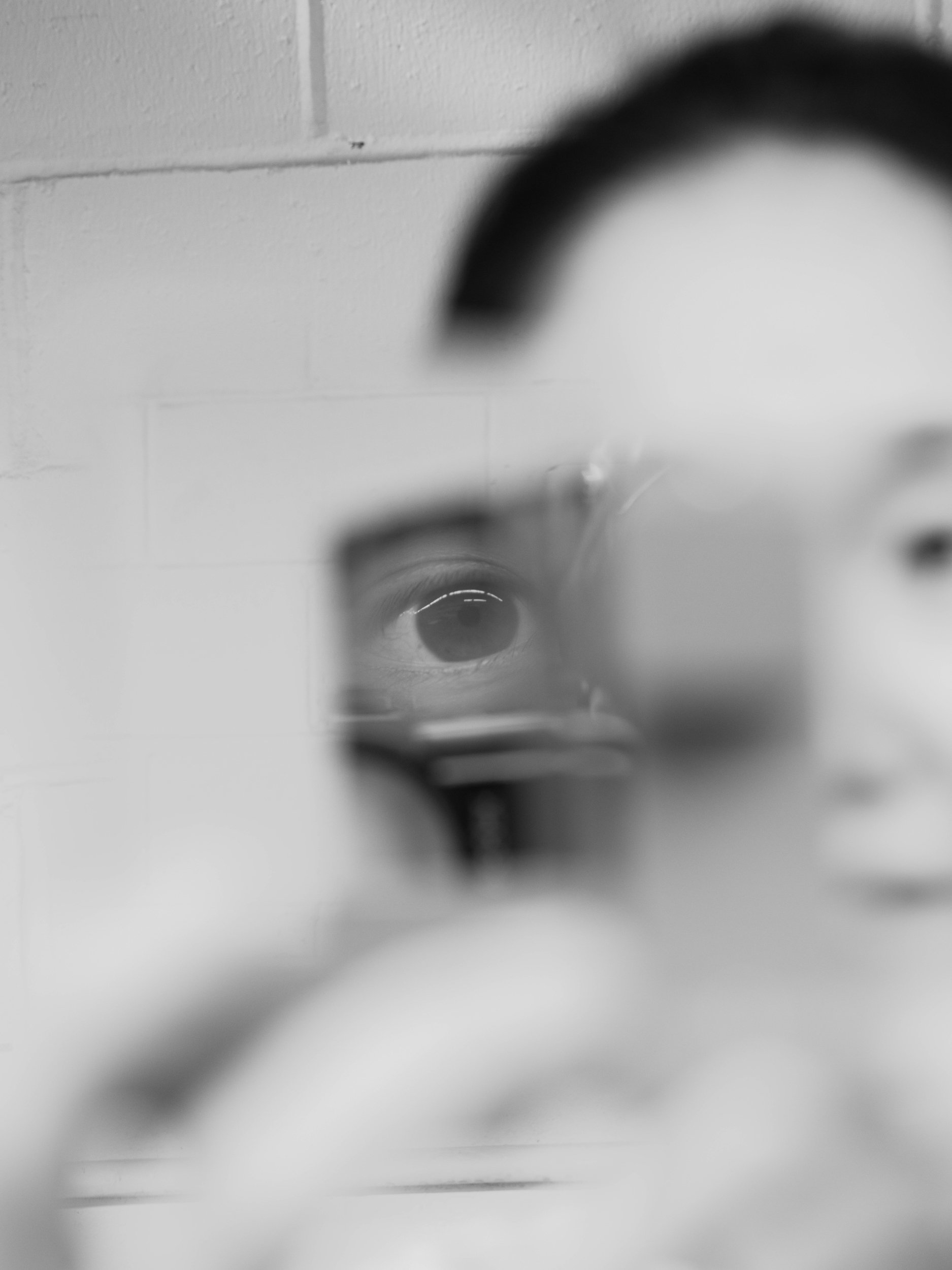
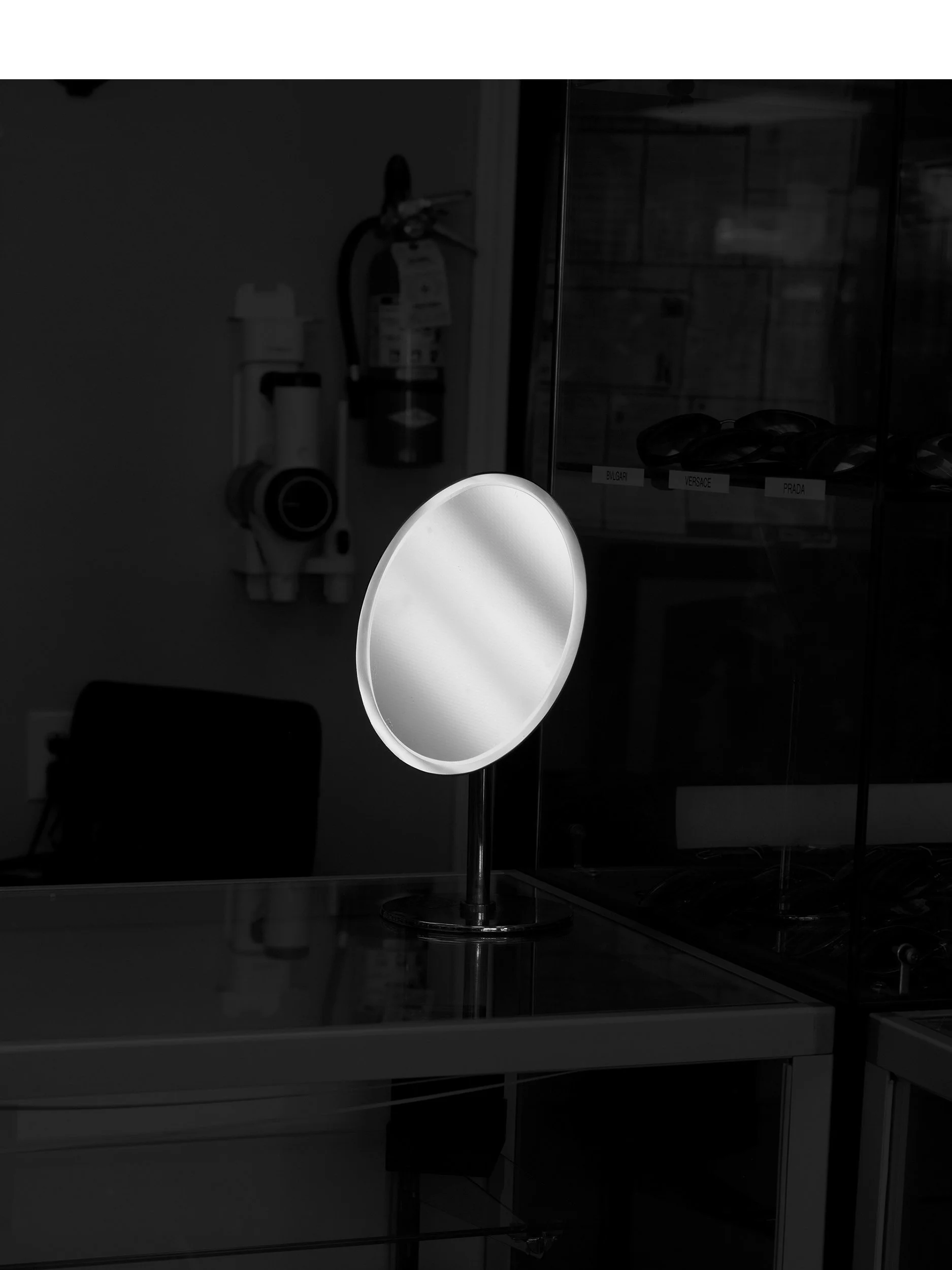
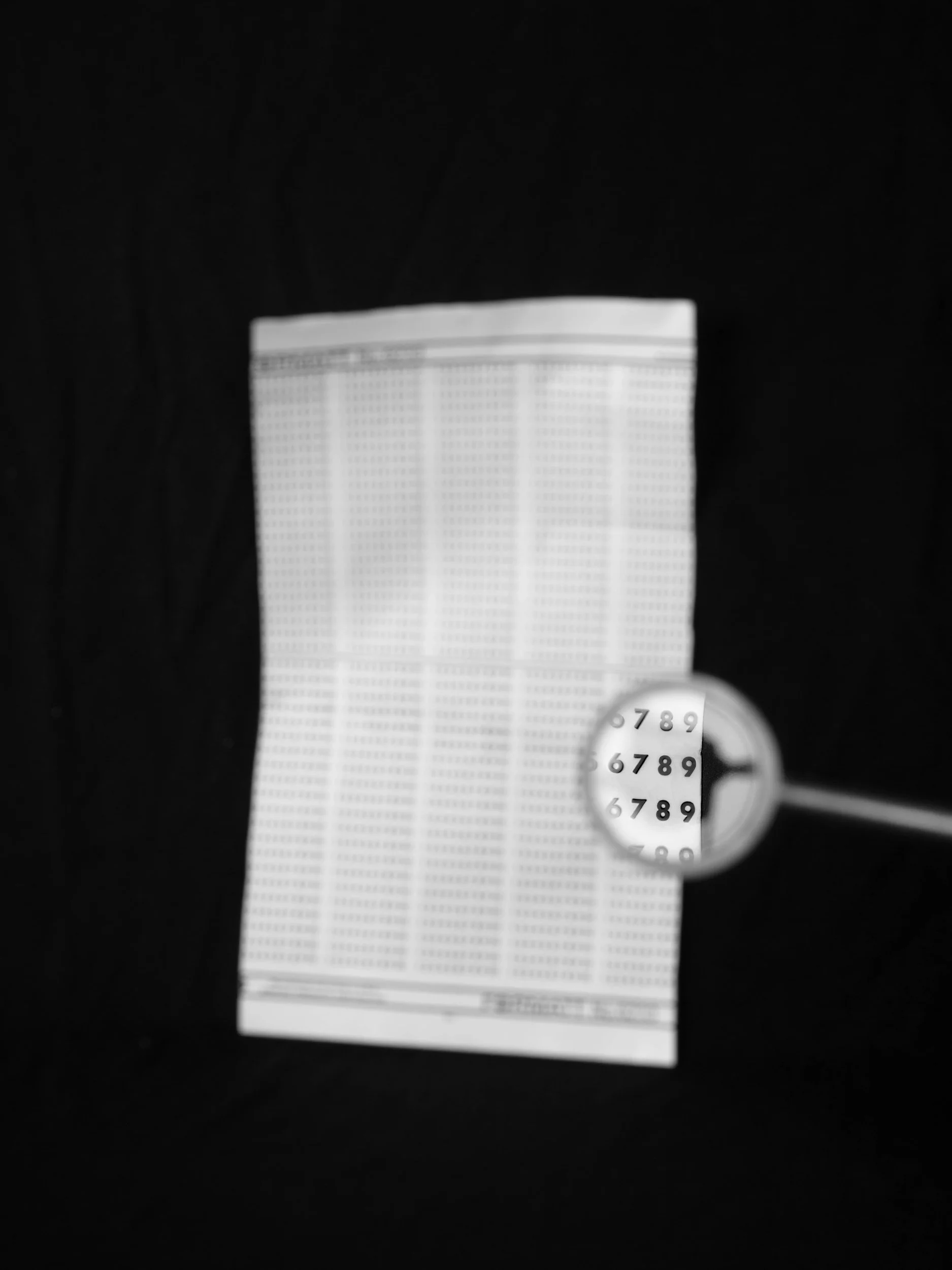
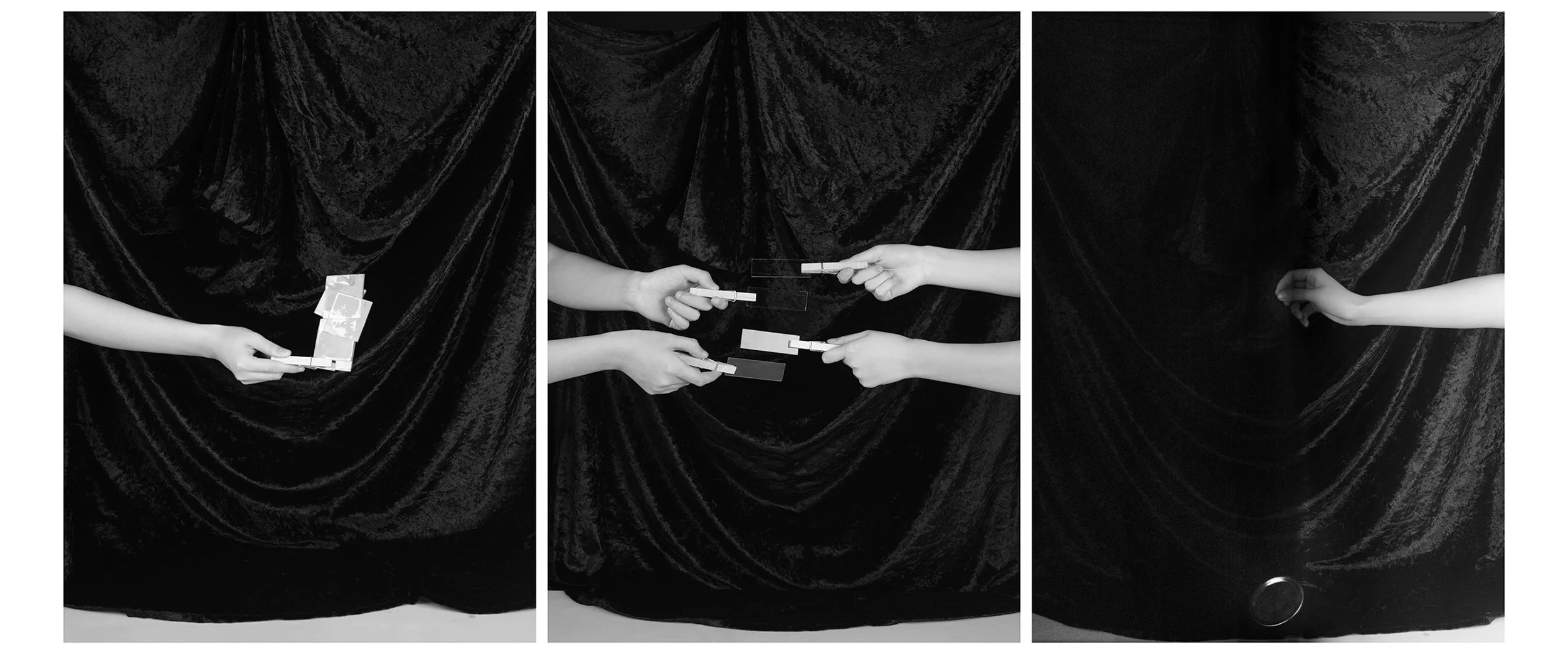
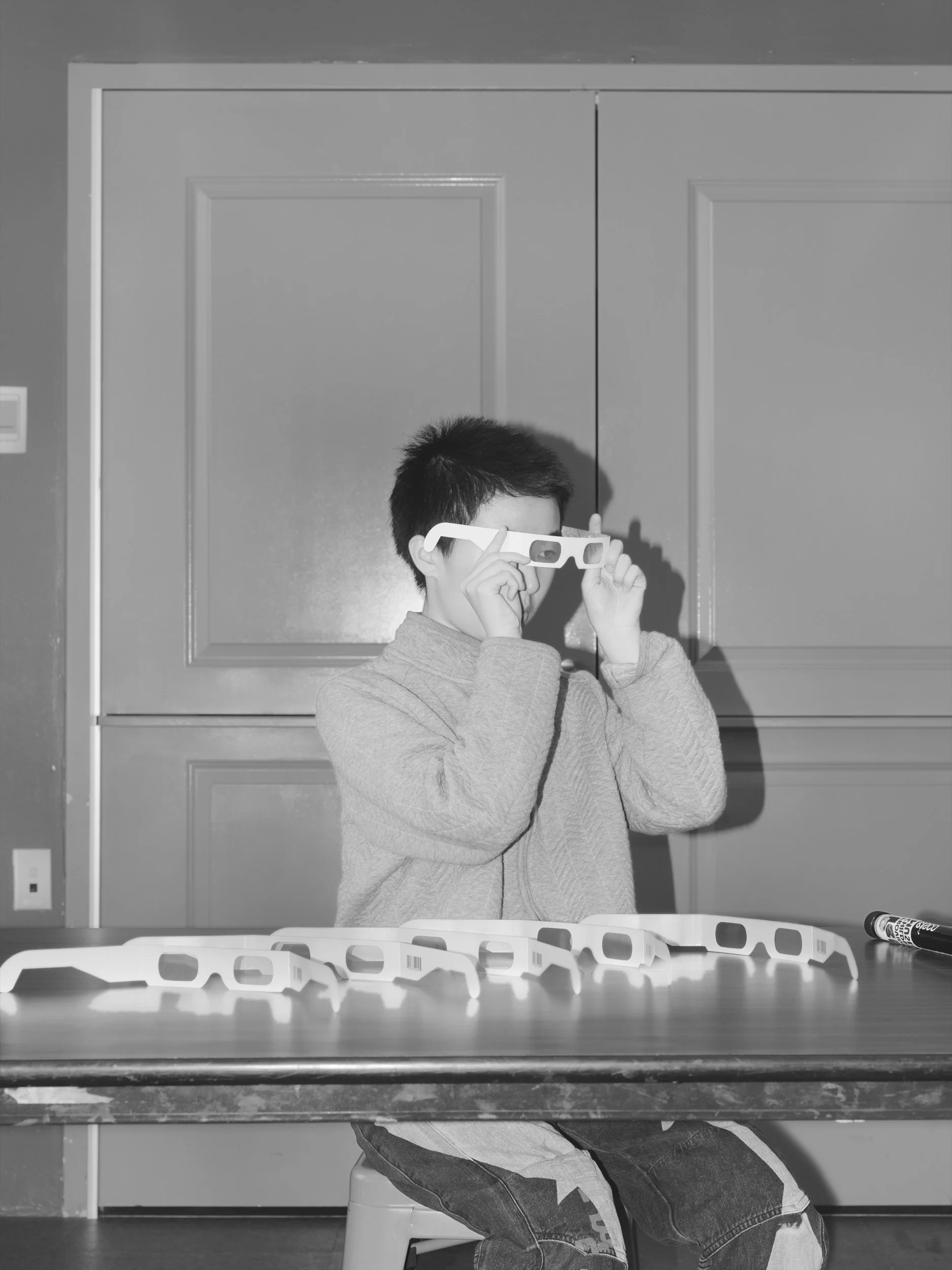
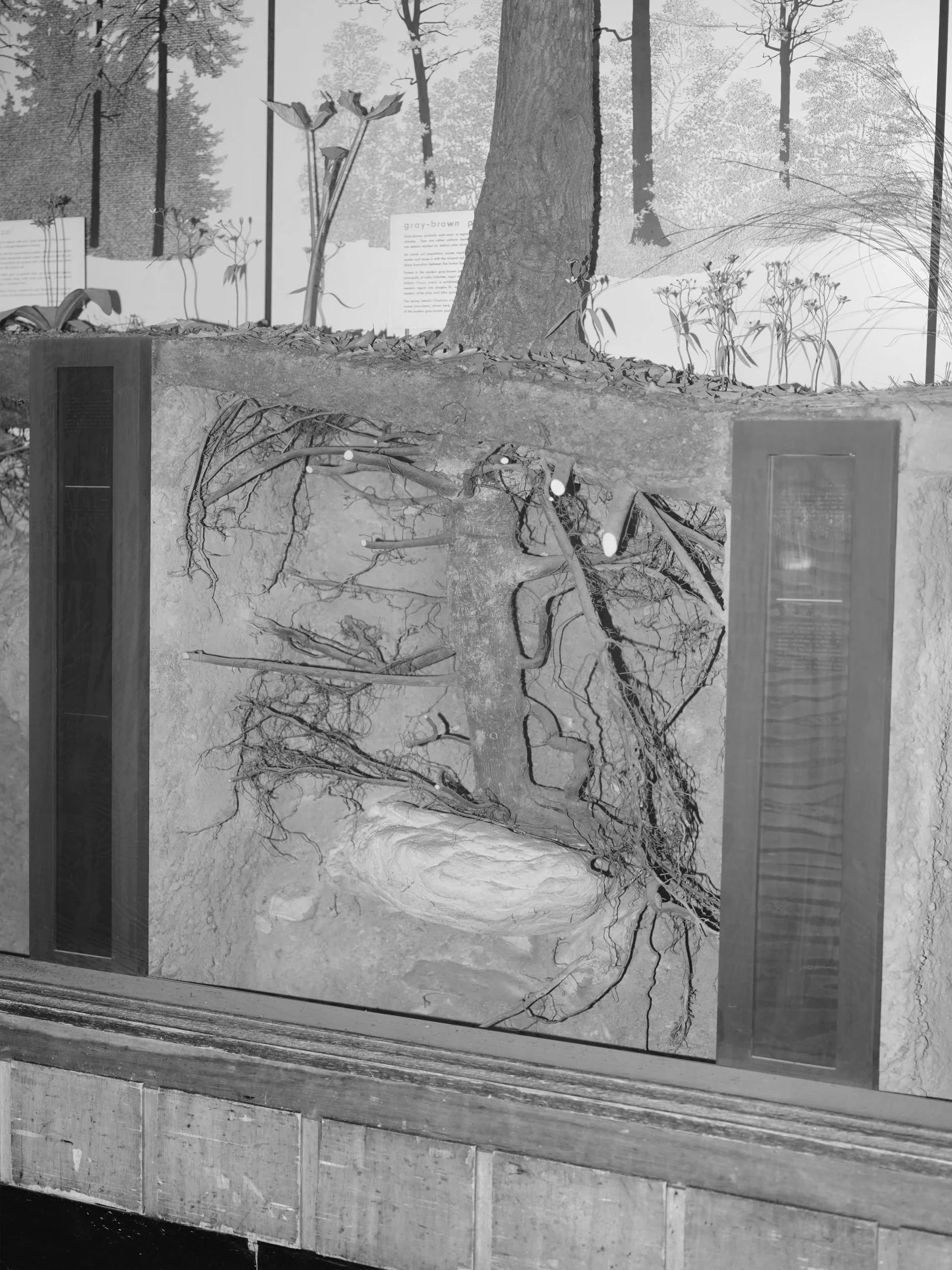
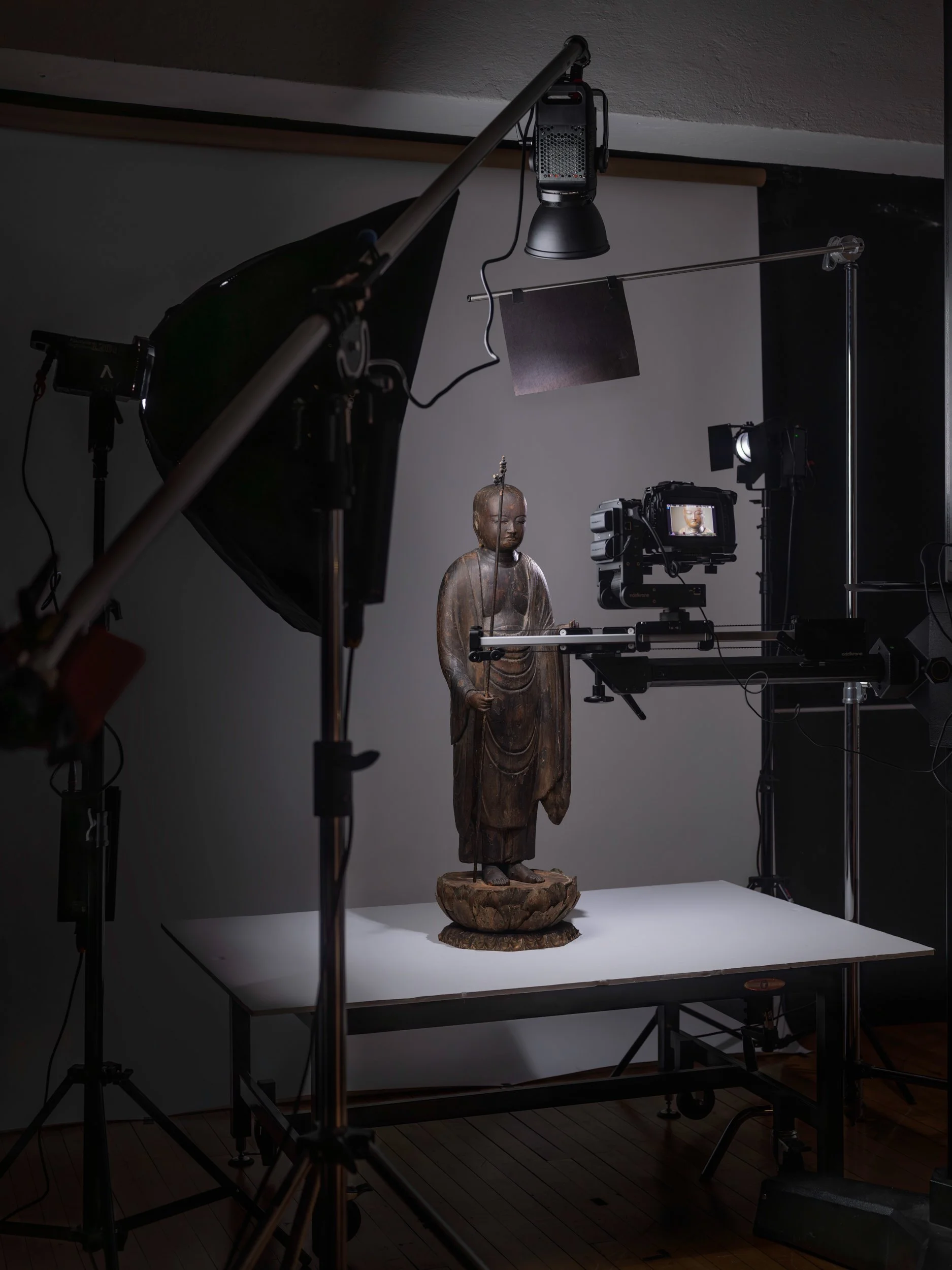
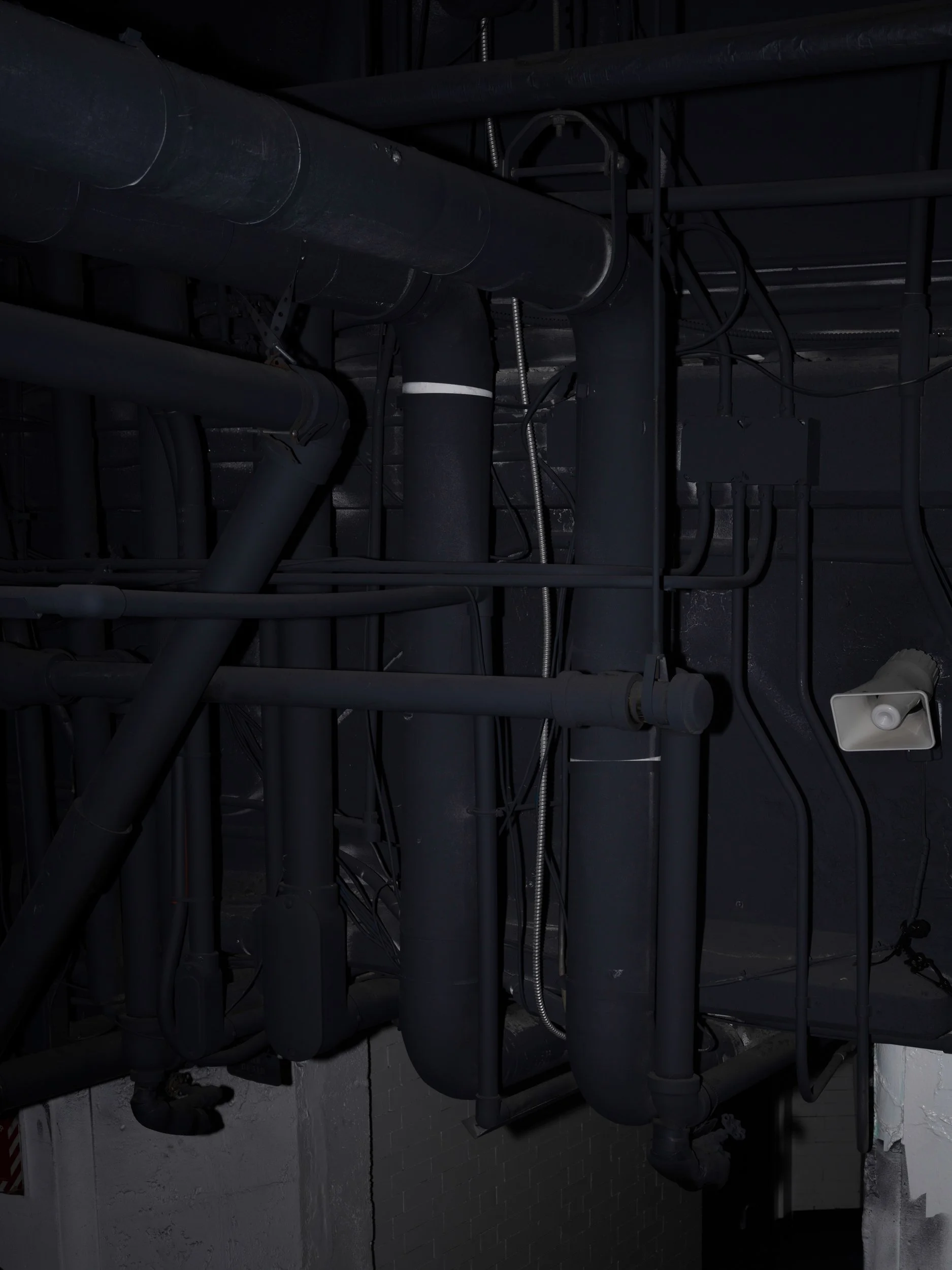
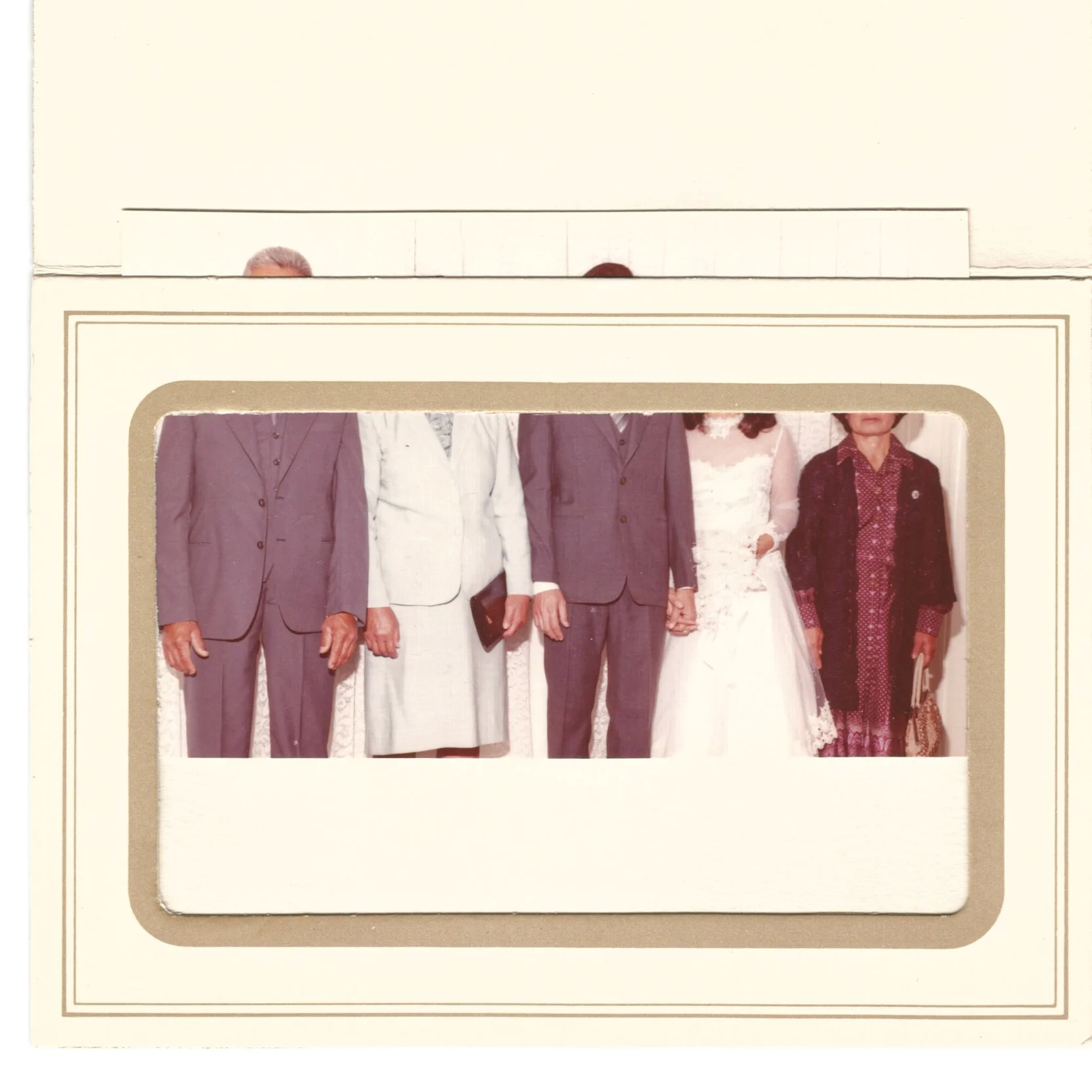
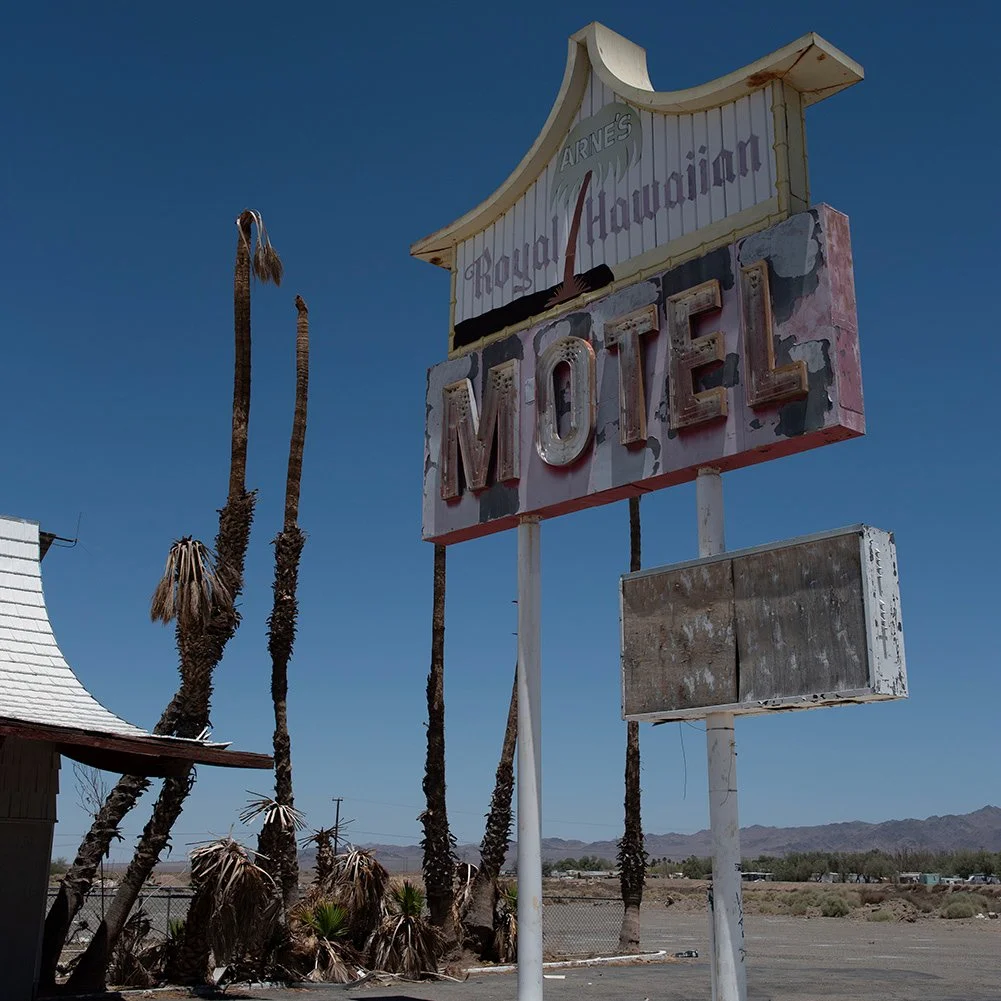
I see the camera as a tool to absorb the world, and to make sense of it through creating something.
Where do you get your inspiration?
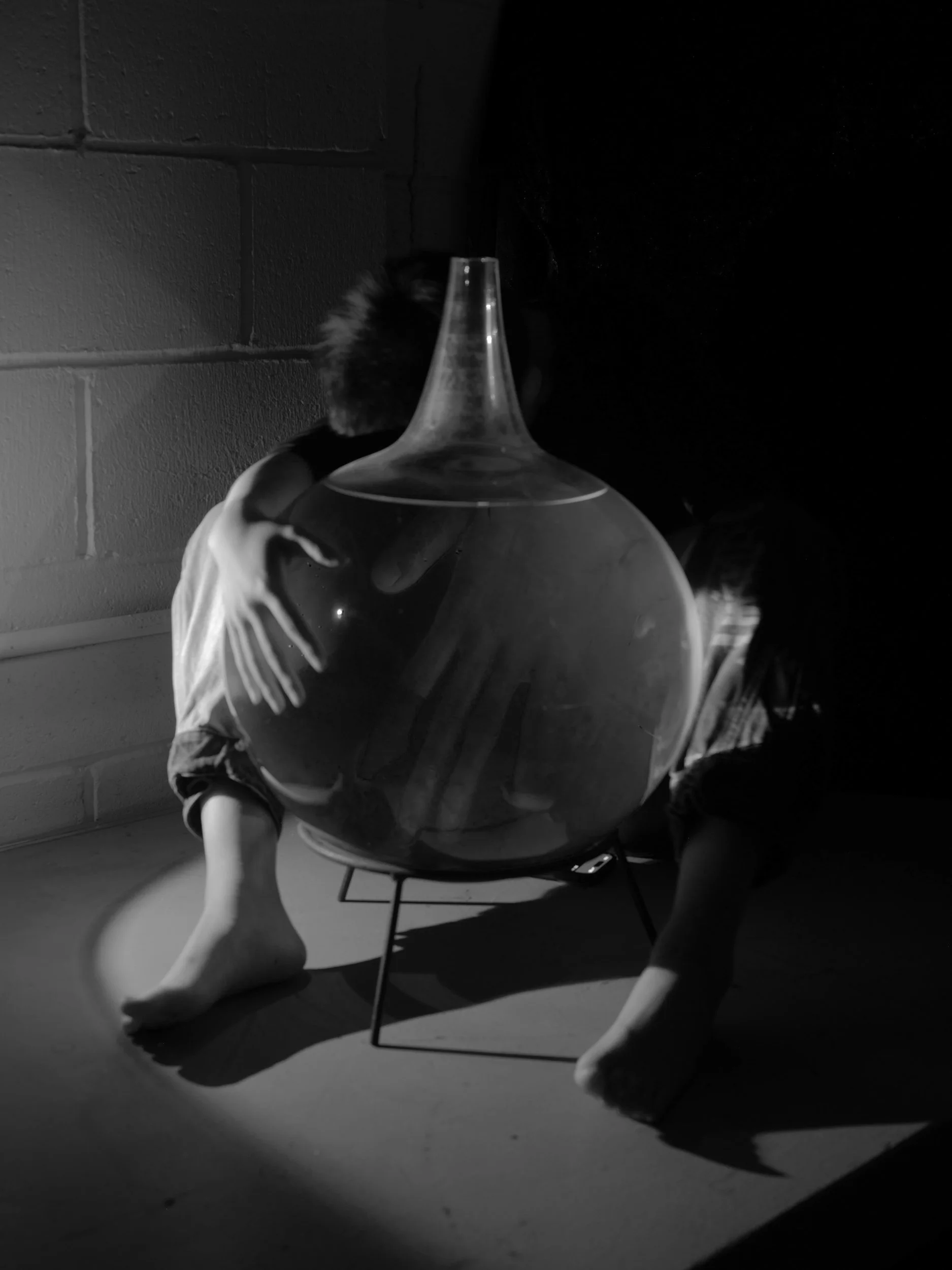
My work often begins with lived experience and the environments I am in, and then expands through research and experimentation with materials and methods.
Who are your influences?
Mostly people around me: my parents and grandparents, who taught me how to love and respect; my friends, with whom I revisit ideas through long, late-night conversations over and over; and some mentors, who sustain me through both encouragement and honest critique. I am also shaped by the characters that books bring into my life, and by the spirit of the authors that emerge through their writing.
What determines the subject matter you choose?
A desire to understand why and how things happen, and what I could do.
What impact would you like your art to have?
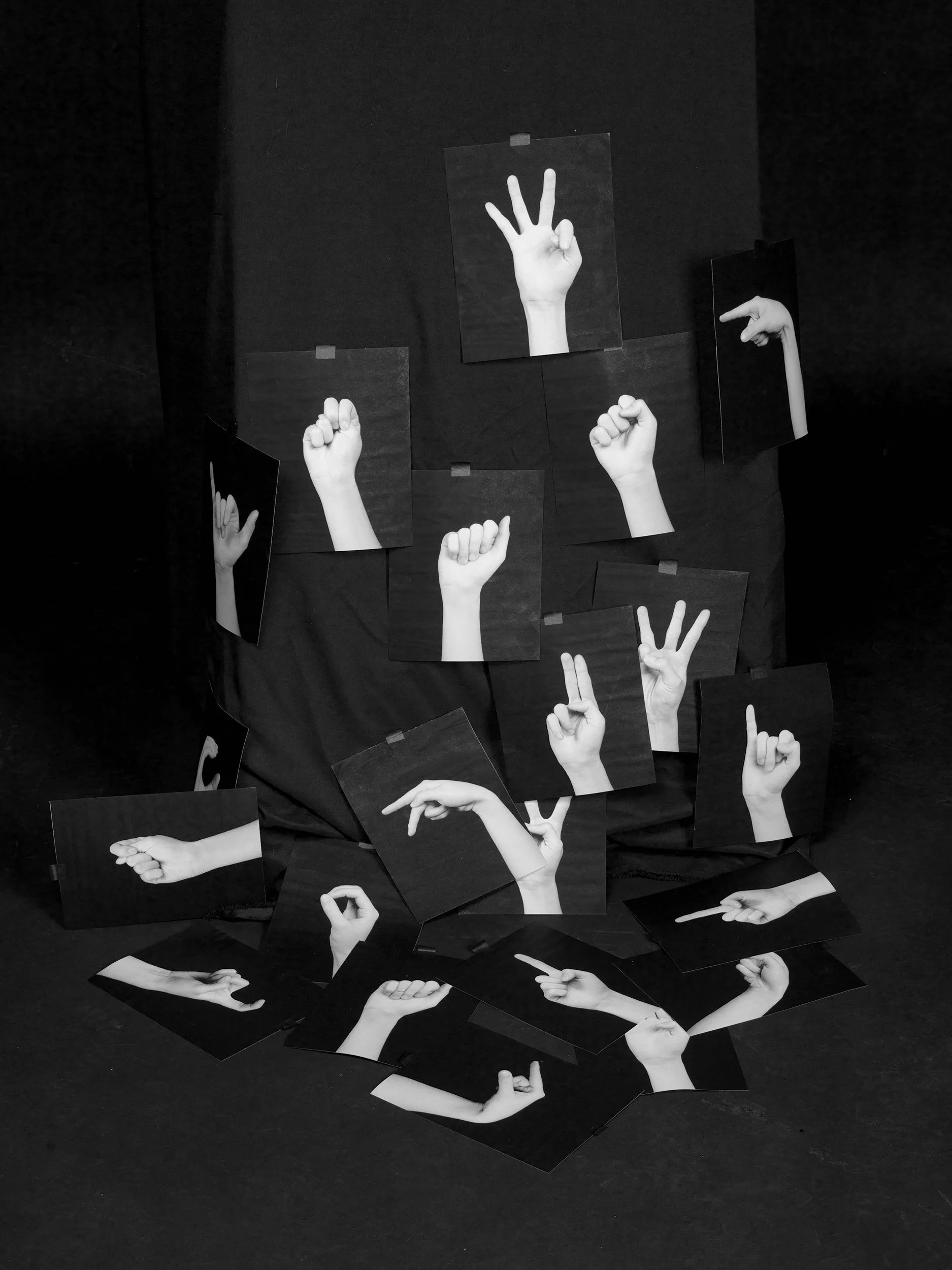
They speak. They encourage curiosity and questioning, comfort with not knowing at first, and openness to learning more.
What artwork do you never get bored with?
Asterios Polyp by David Mazzucchelli. I have a deep love for graphic novels.
Is there anything you want to add?
After years of loving books, I eventually became a bookmaker myself. I am now one half of zug press, where we welcome ideas and projects in photography, research-based practices, and socially engaged work that explores the power of images and text. I am personally always excited by indie comics and graphic novels as well.