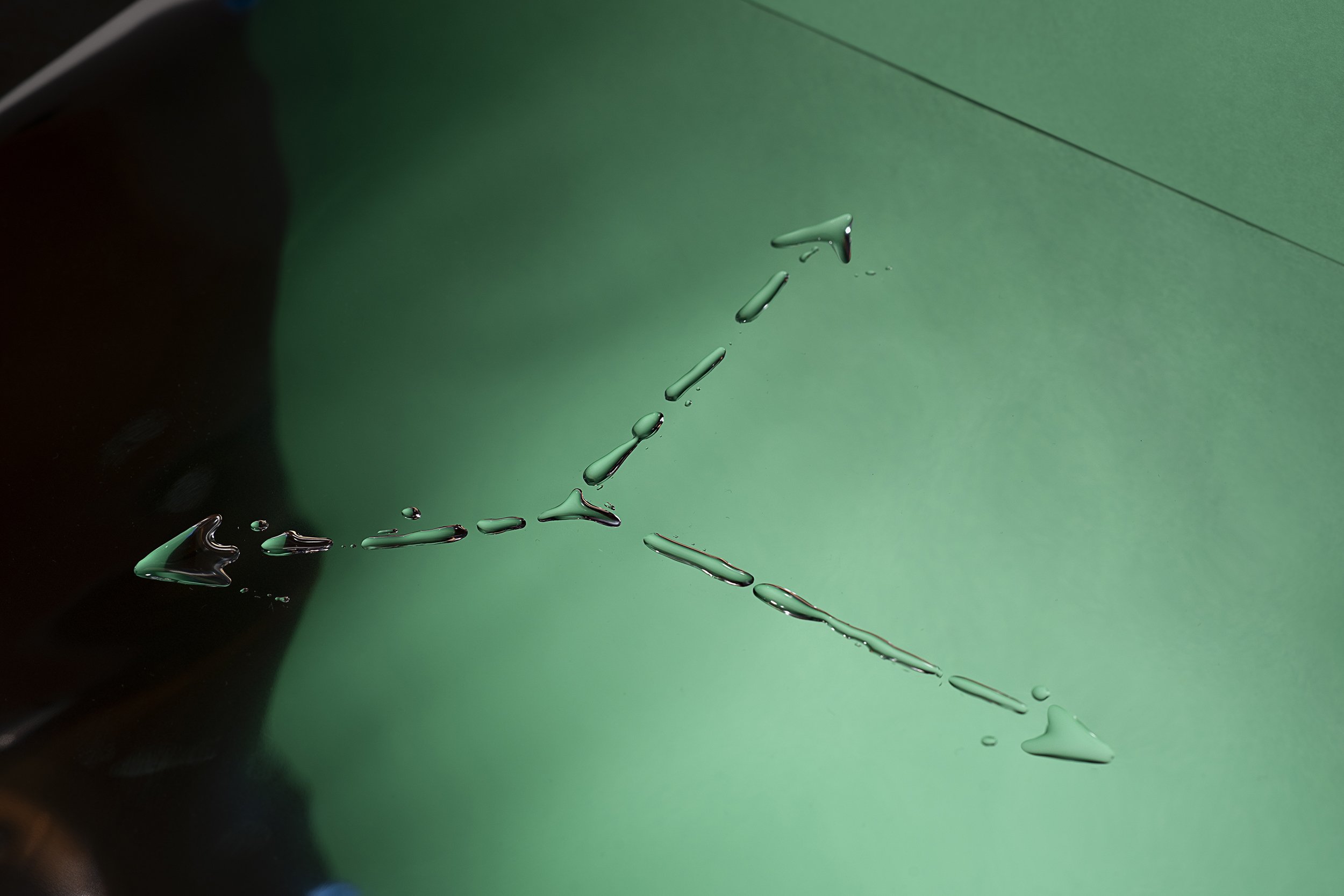
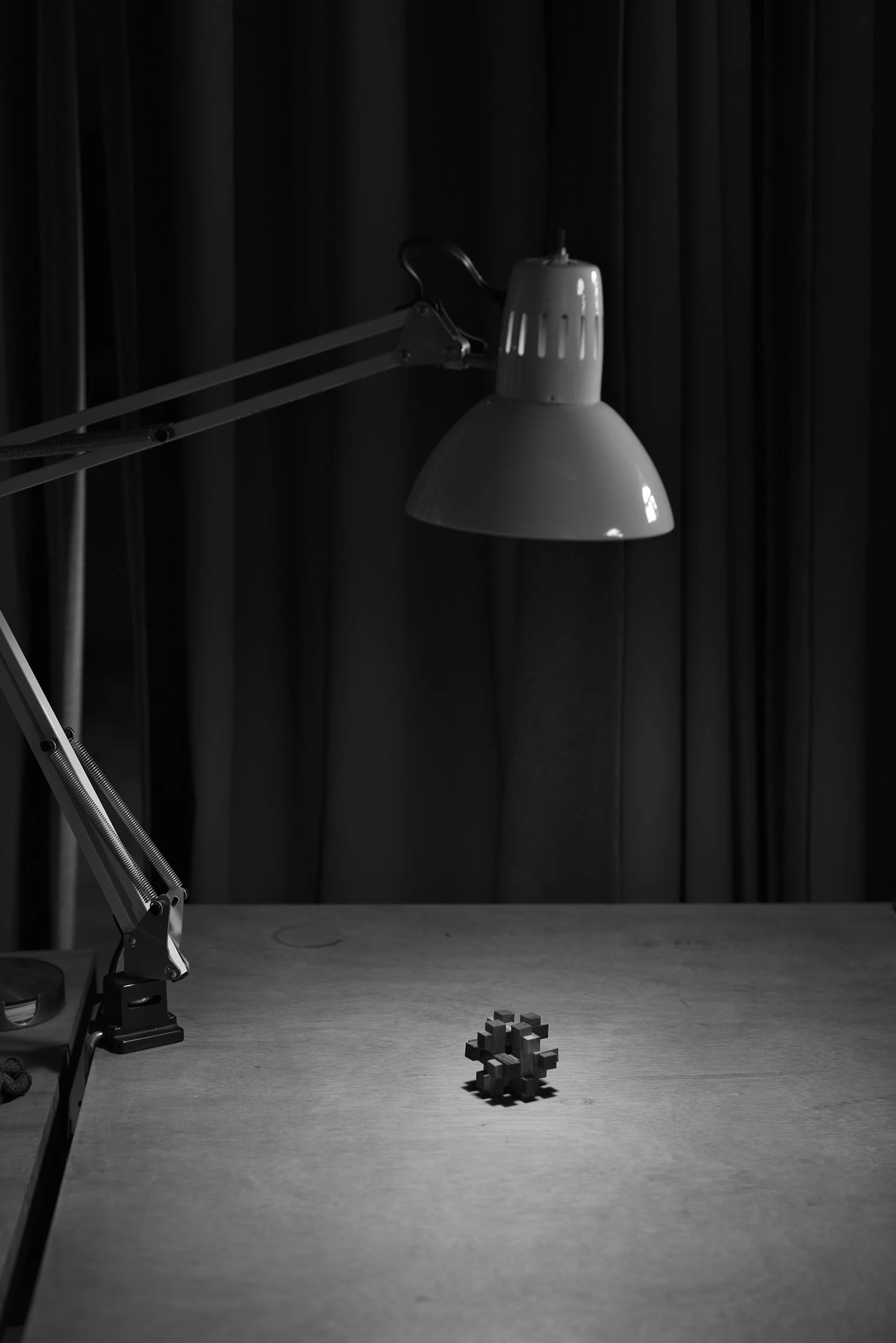
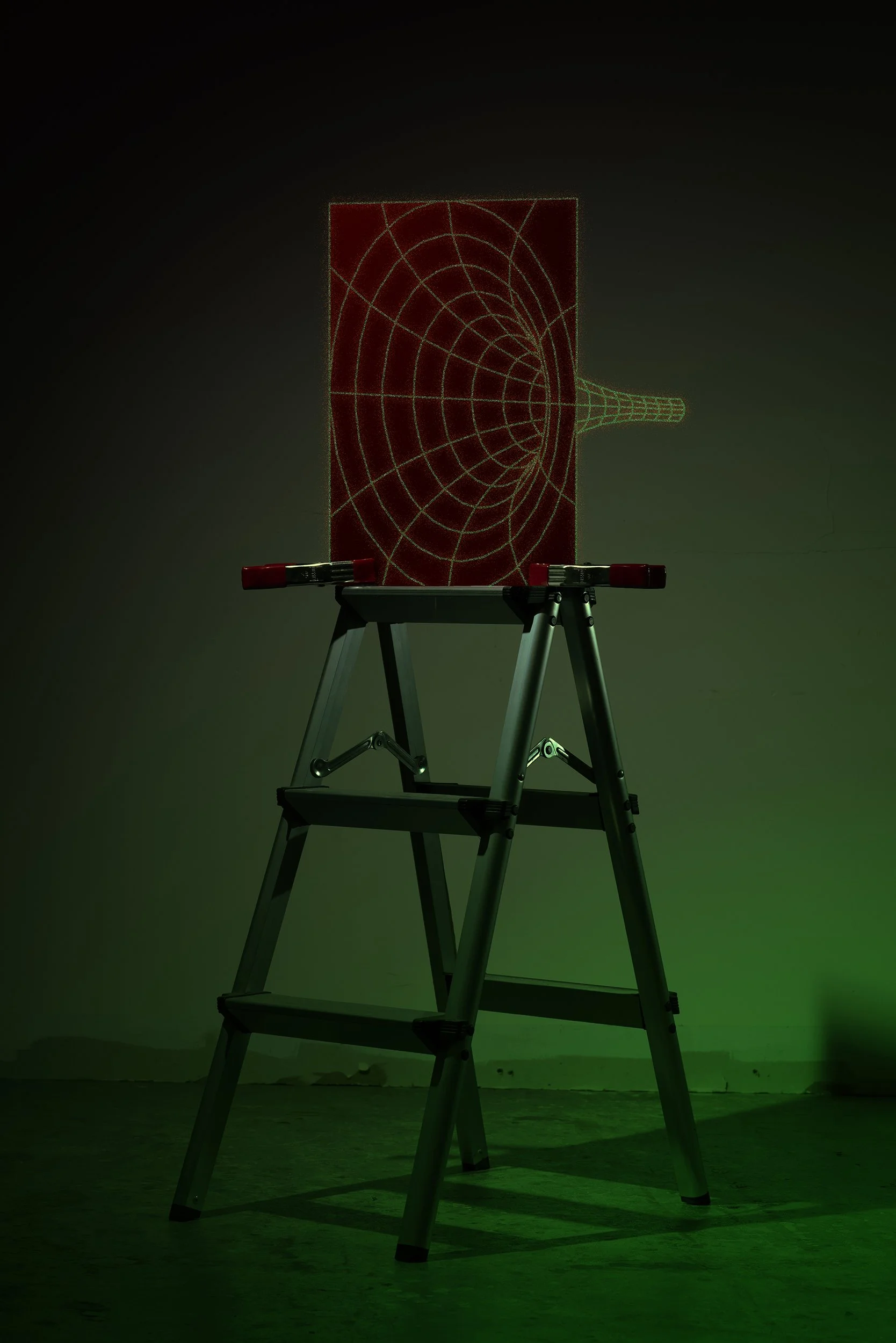
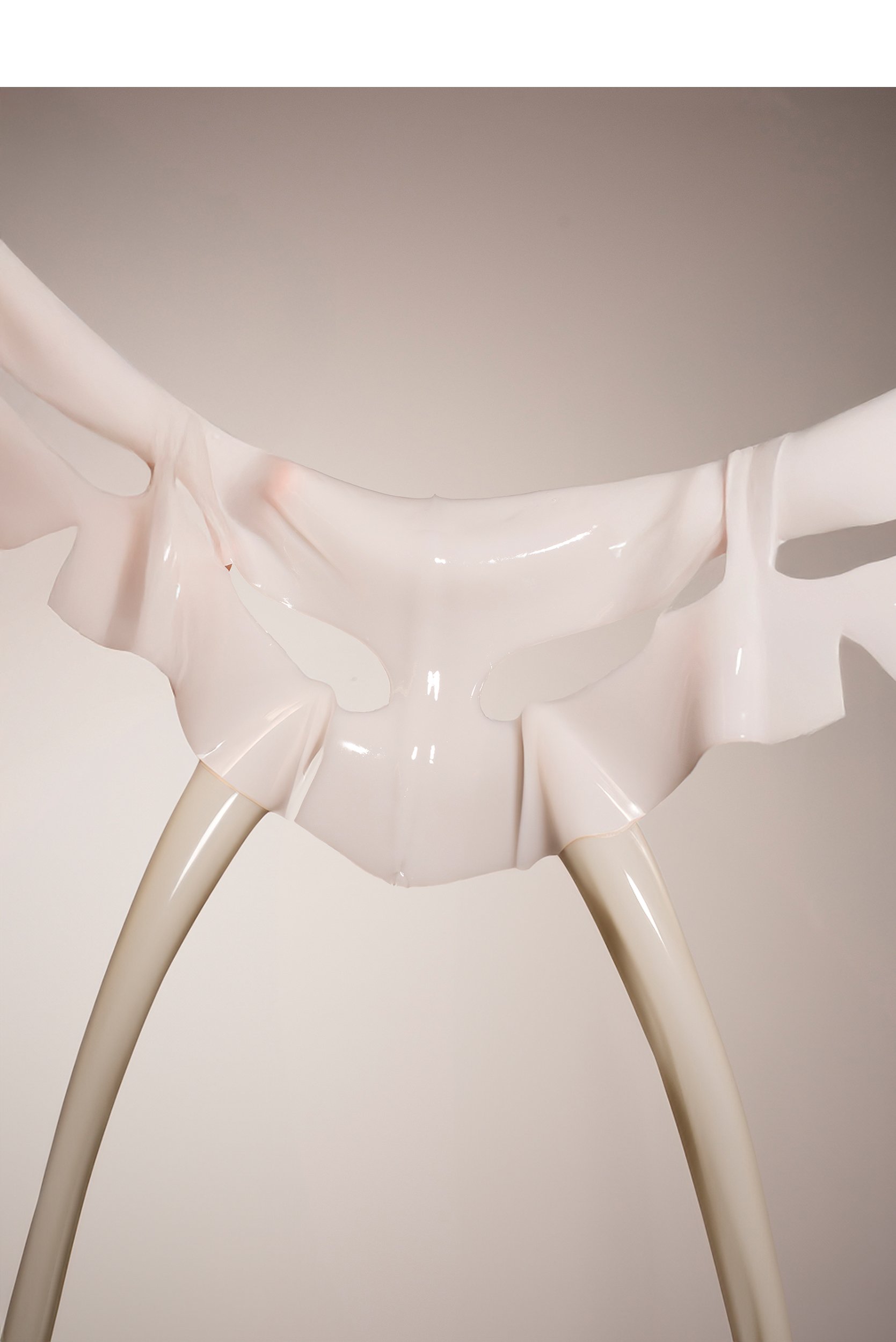
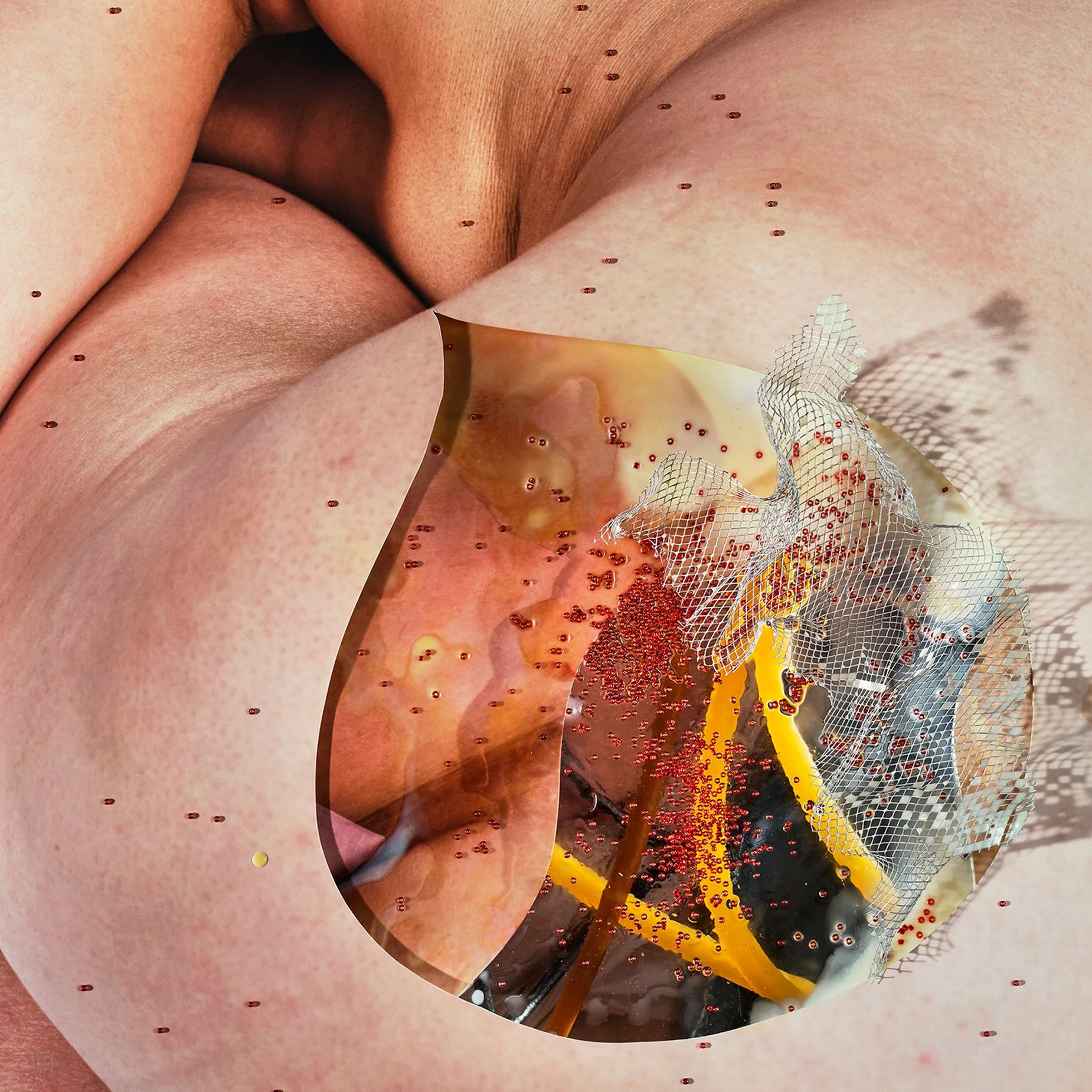
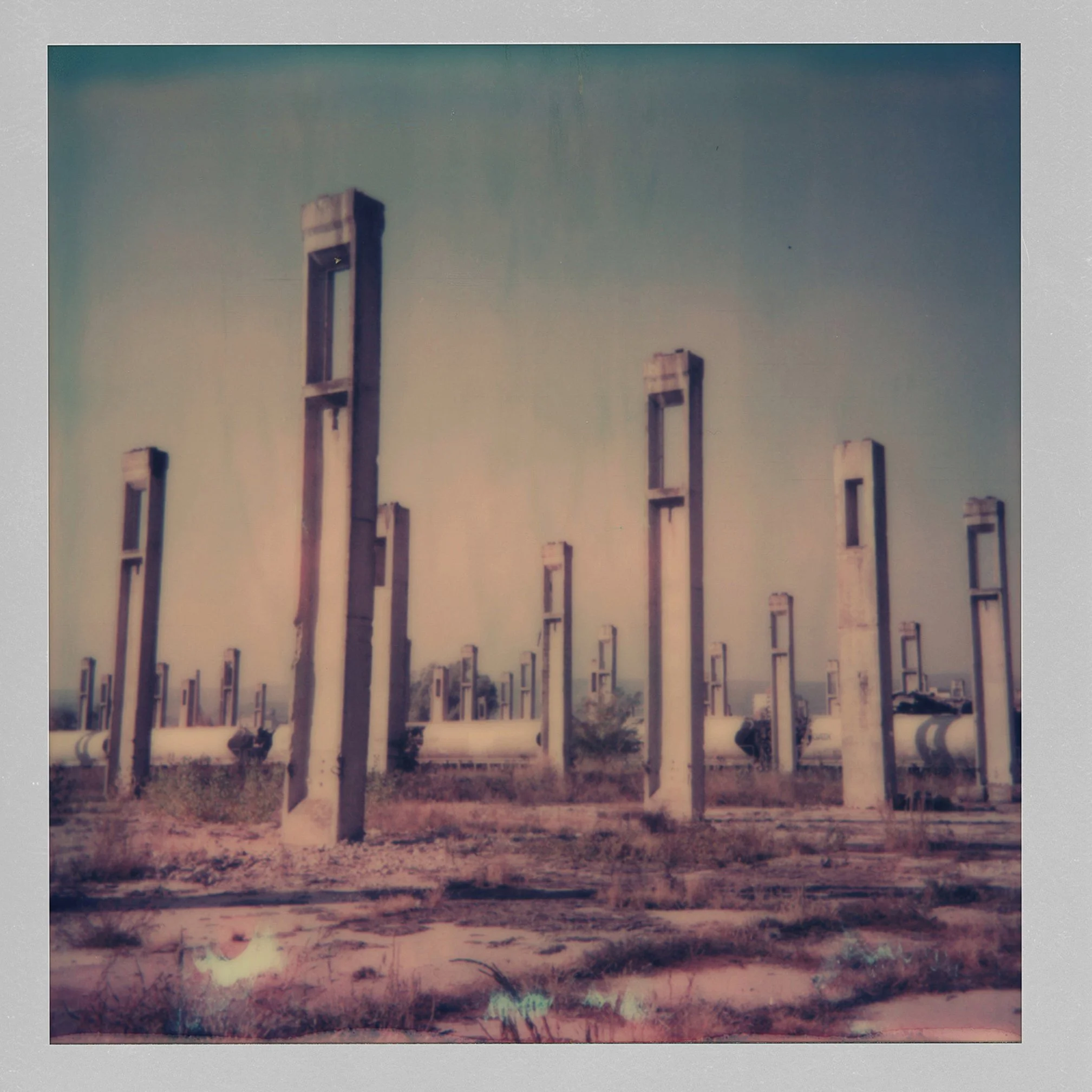
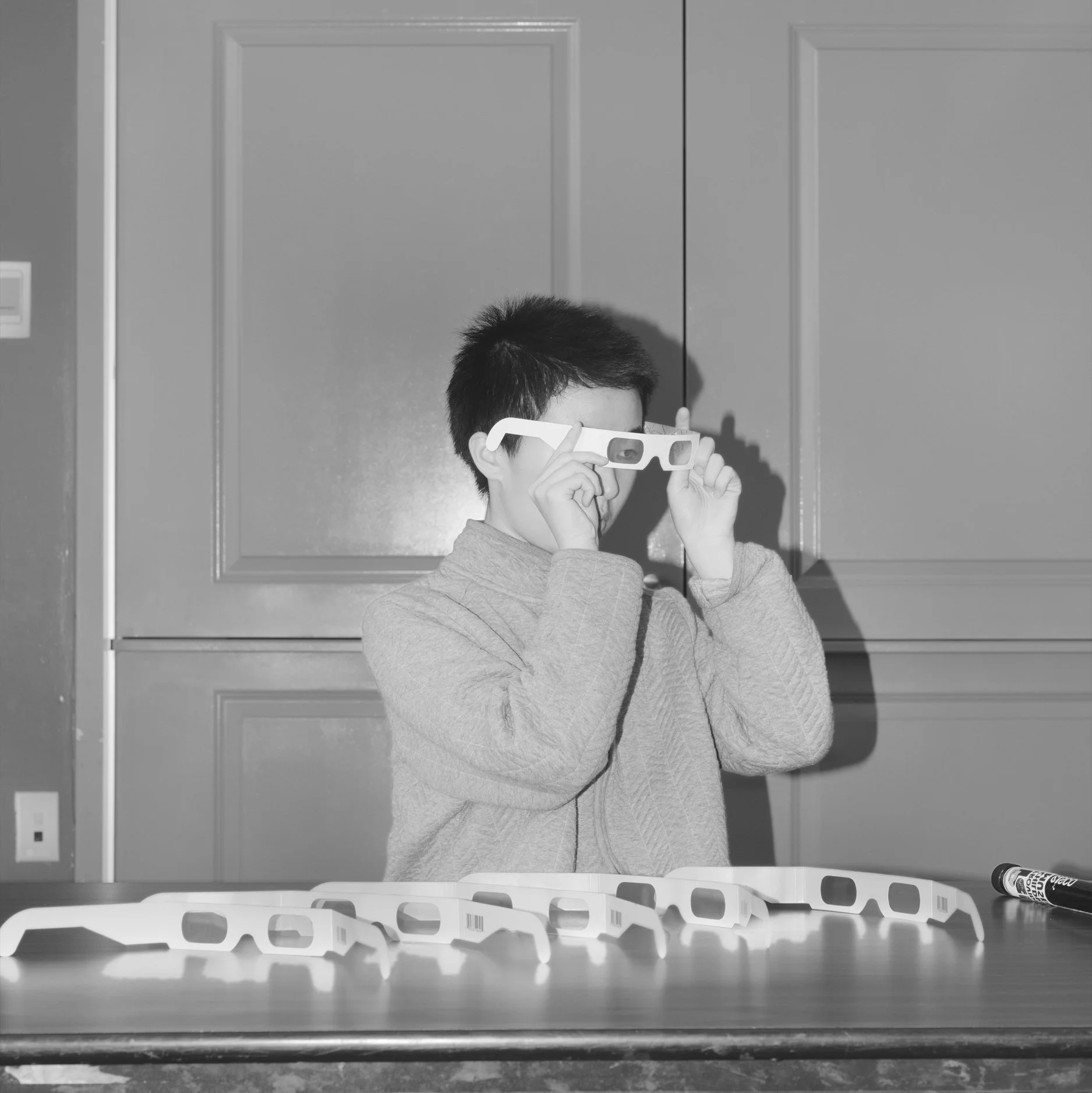
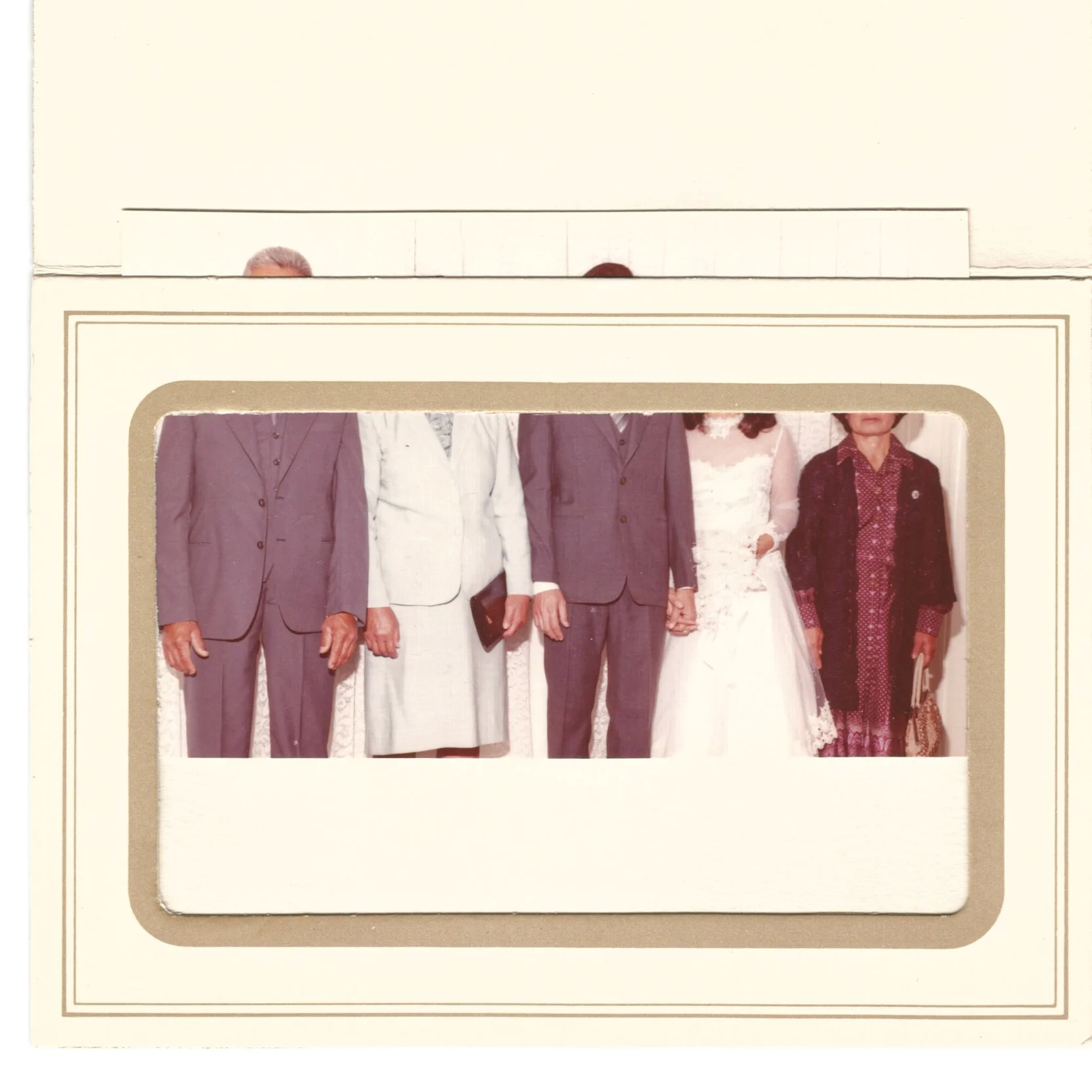
Your name Danielle Ezzo Place of birth Princeton, NJ, USA Place where you live now Brooklyn, NY 3 words to describe you curious, frisky, bookish Why do you take pictures? I ask myself this question all the time. Making images feels most encoded into my way of thinking, alongside writing. It's the tool and the way of engaging with the world that feels most familiar to me, like another arm. Where do you get your inspiration? From the aberrations and the unknowns. Part of my hope in this life is to look more closely at the world around me, turning over every stone and seeing what salamanders lie underneath. Who are your influences? I get a lot from people who work in fields other than photography. Especially the writers Elvia Wilk, Sheila Heti, Maggie Nelson, Carmen Maria Machado, and Patricia Lockwood. What determines the subject matter you choose? I have a list in my Notes app that I write in when I am falling asleep or wake up from dreams. I look for an idea that is open-ended enough to be explored, but stays on the list long enough not to get erased. Also, many times a subject will emerge from doing something else in the studio. A happy accident that is stronger than the original idea, which could have only come to fruition through the physical process of tinkering. What impact would you like your art to have? To get others to look more closely at images, but also to instill a sense of wonder about the world. What artwork do you never get bored with? Stuff that isn’t afraid of being weird or (thoughtfully) breaking the rules. Is there anything you want to add? Do it for the plot. Art making is about moving through and beyond your own hangups
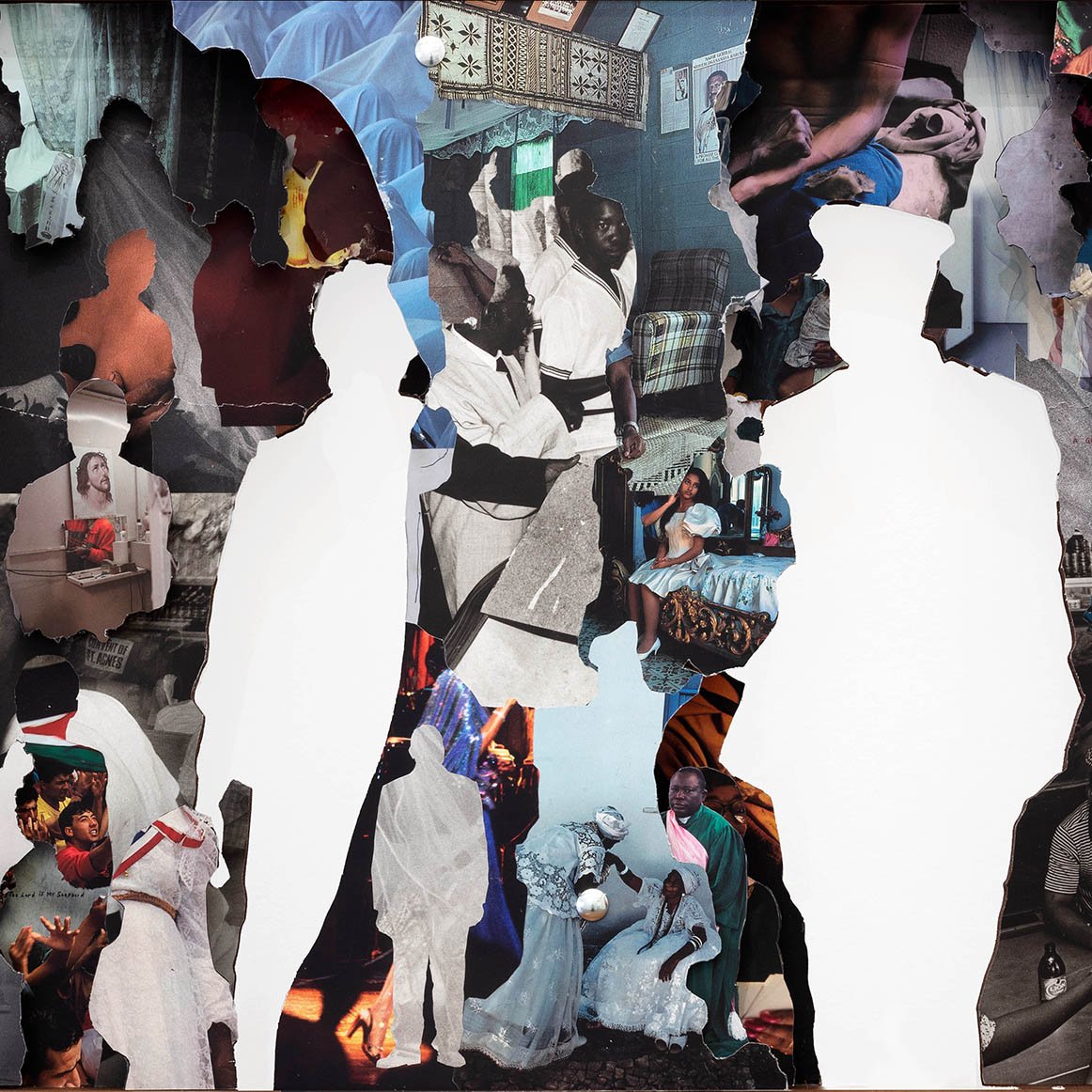
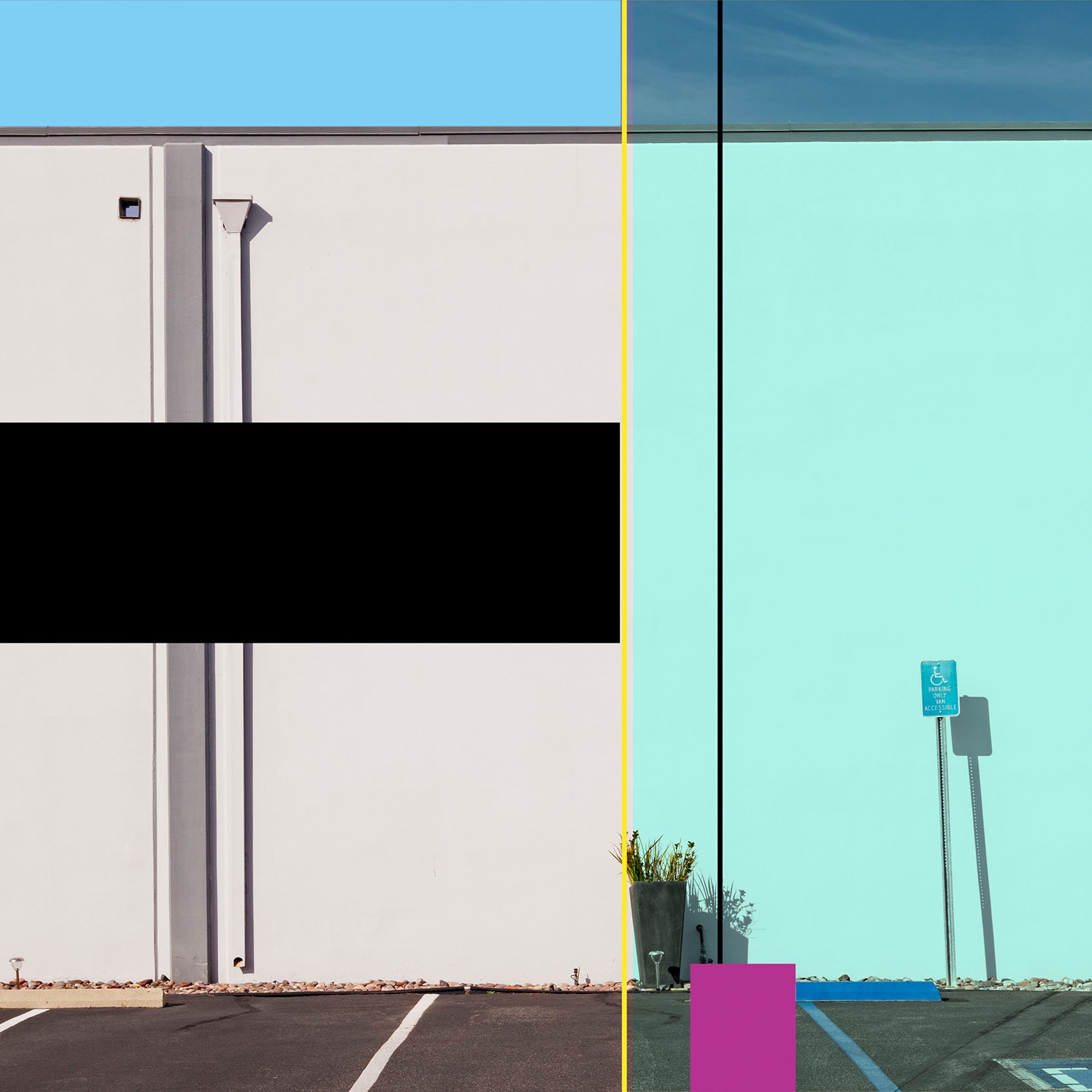
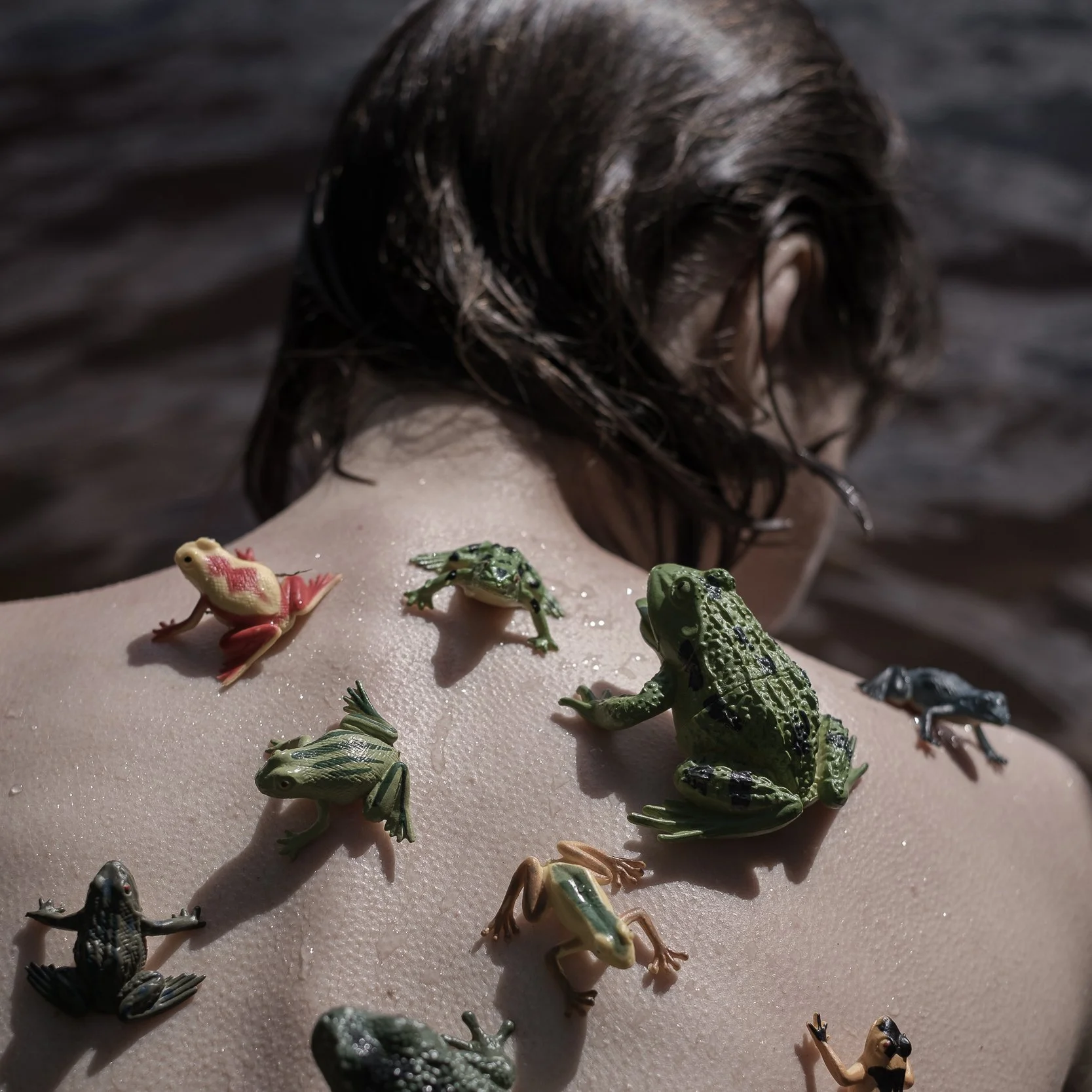
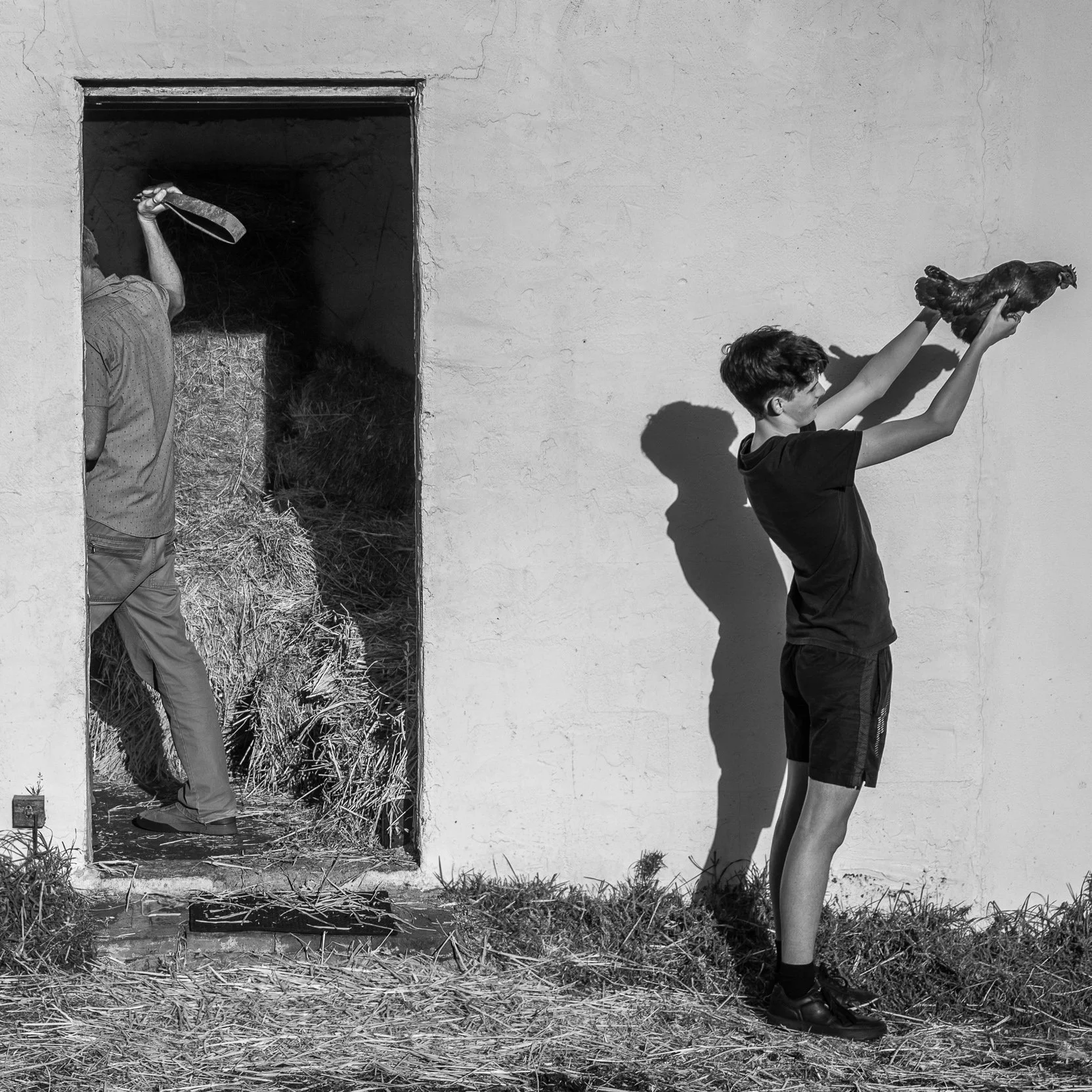
Psychic Telephone is a collaboration between New York-based visual artist Danielle Ezzo and Santa Fe-based author Marin Sardy, who, over the last several years, interviewed seven subjects about their psychic experiences. The series begins with Sardy's conversations with the psychics, which are distilled into written transcripts capturing the essence of each subject's encounters.
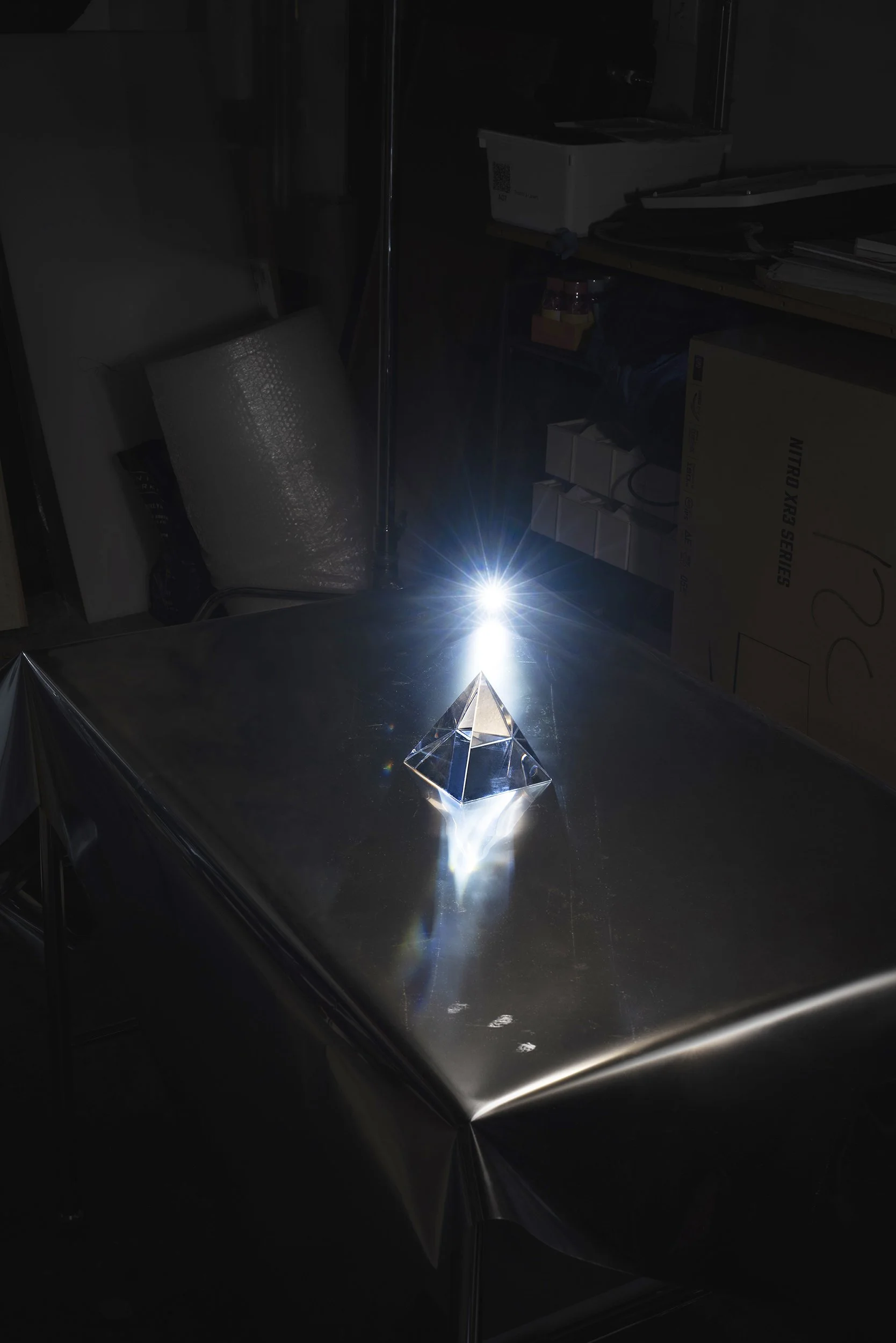
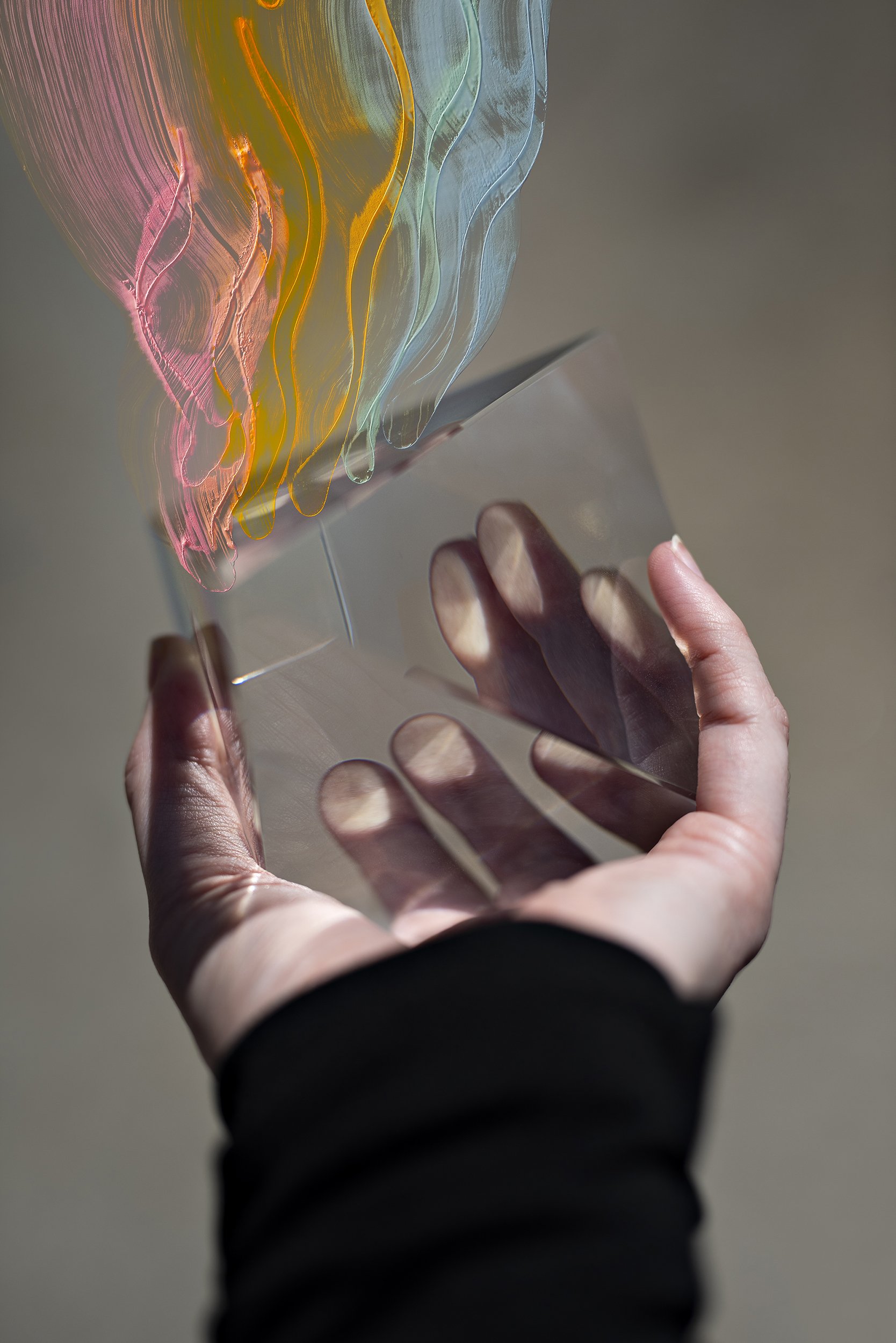
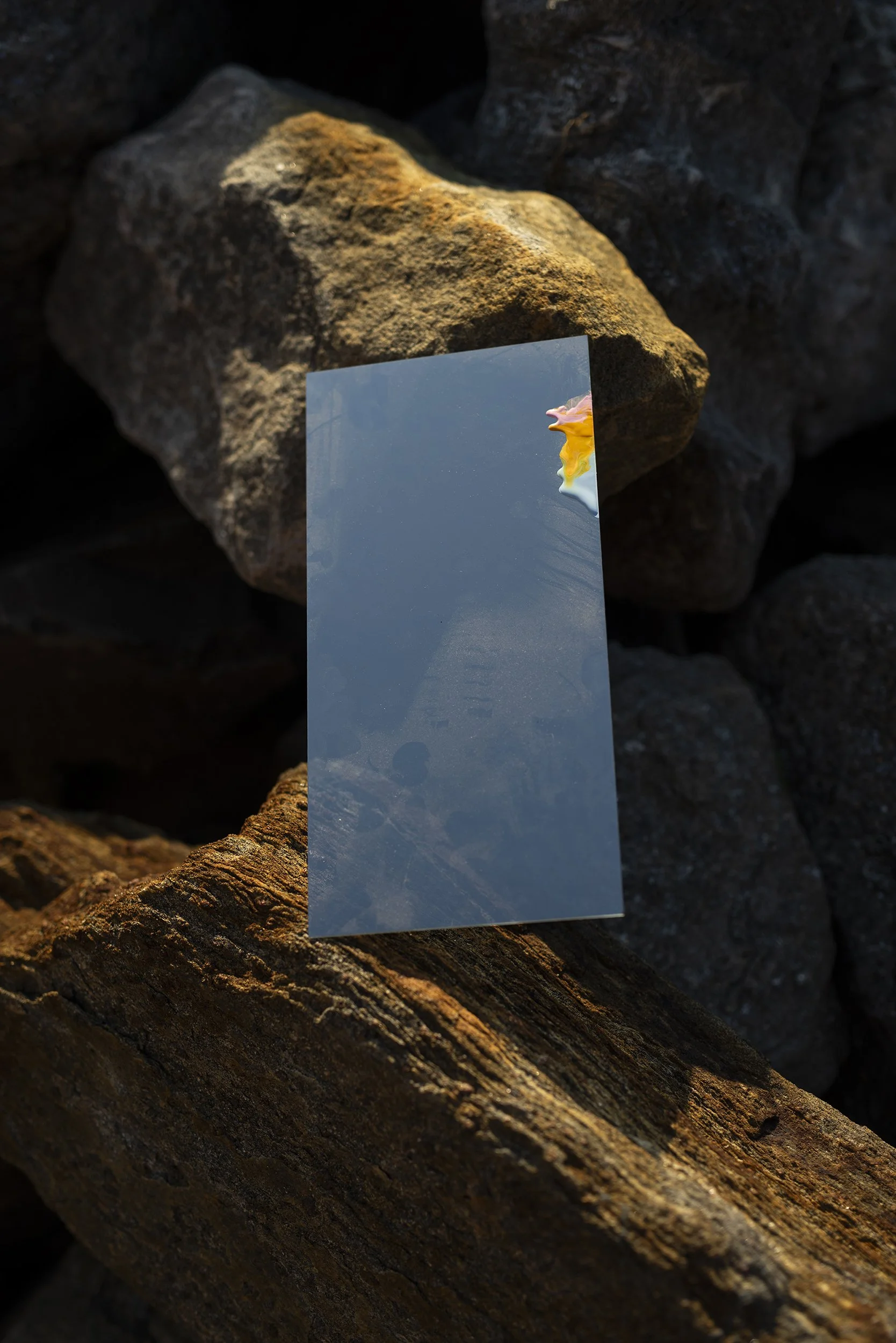
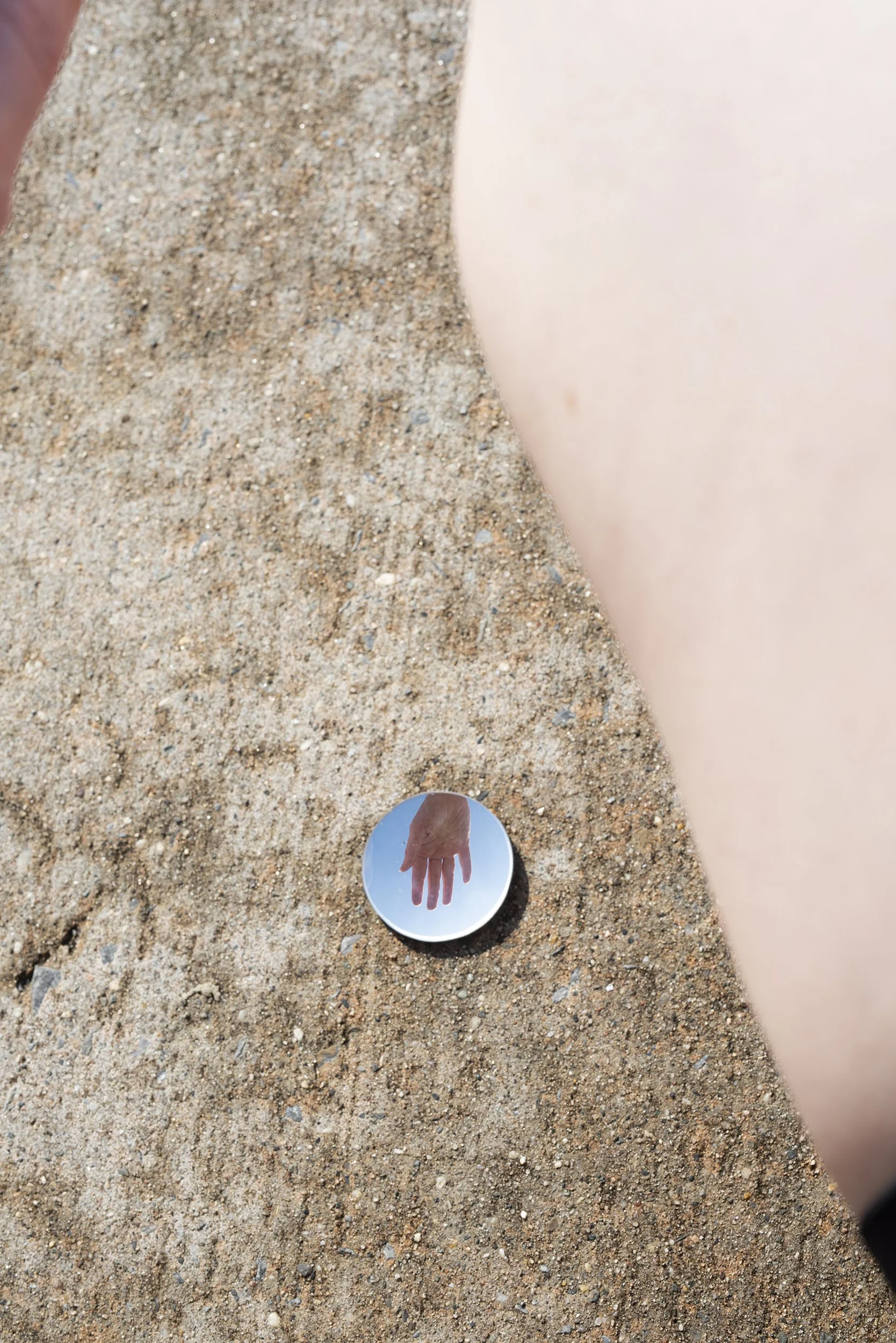
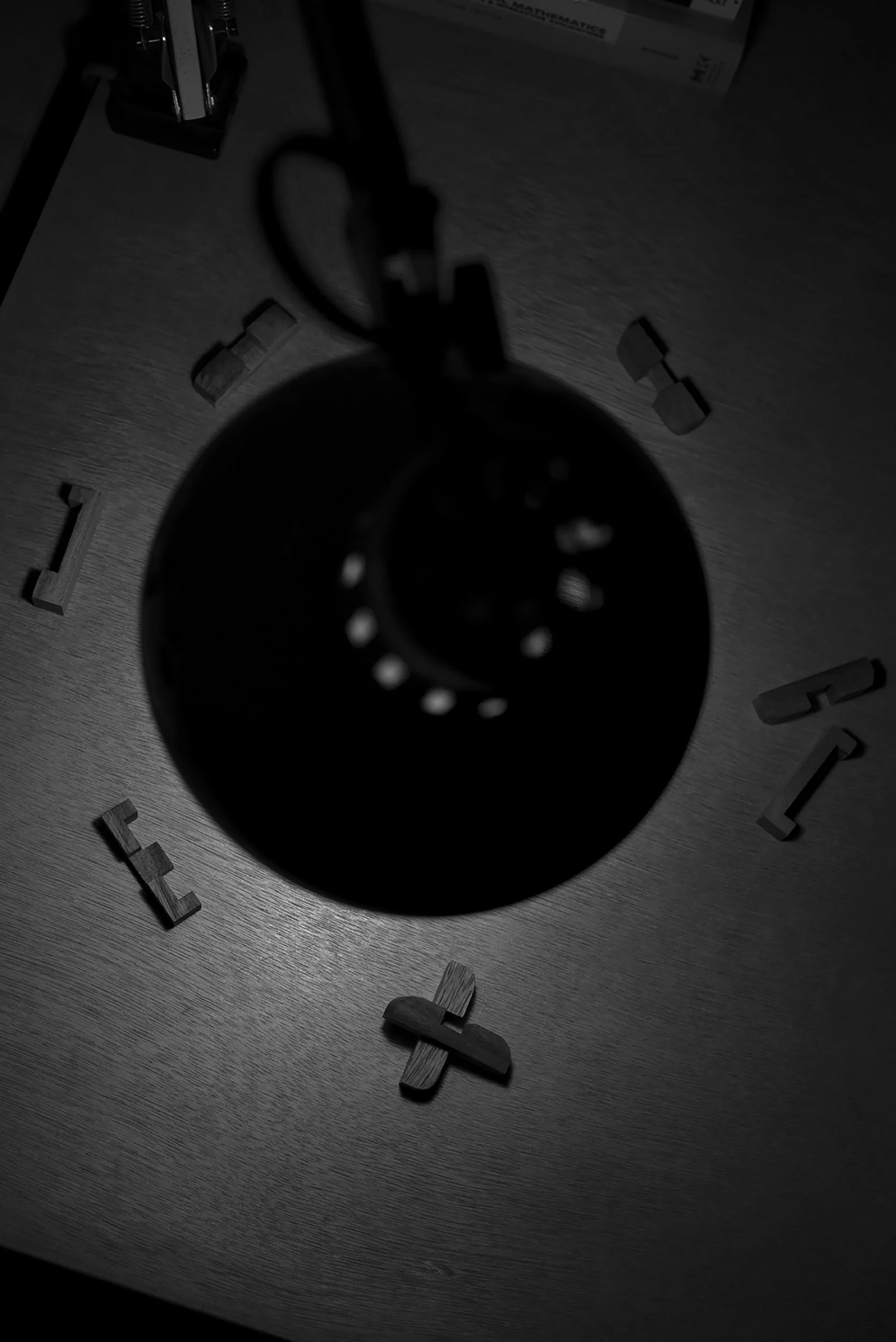
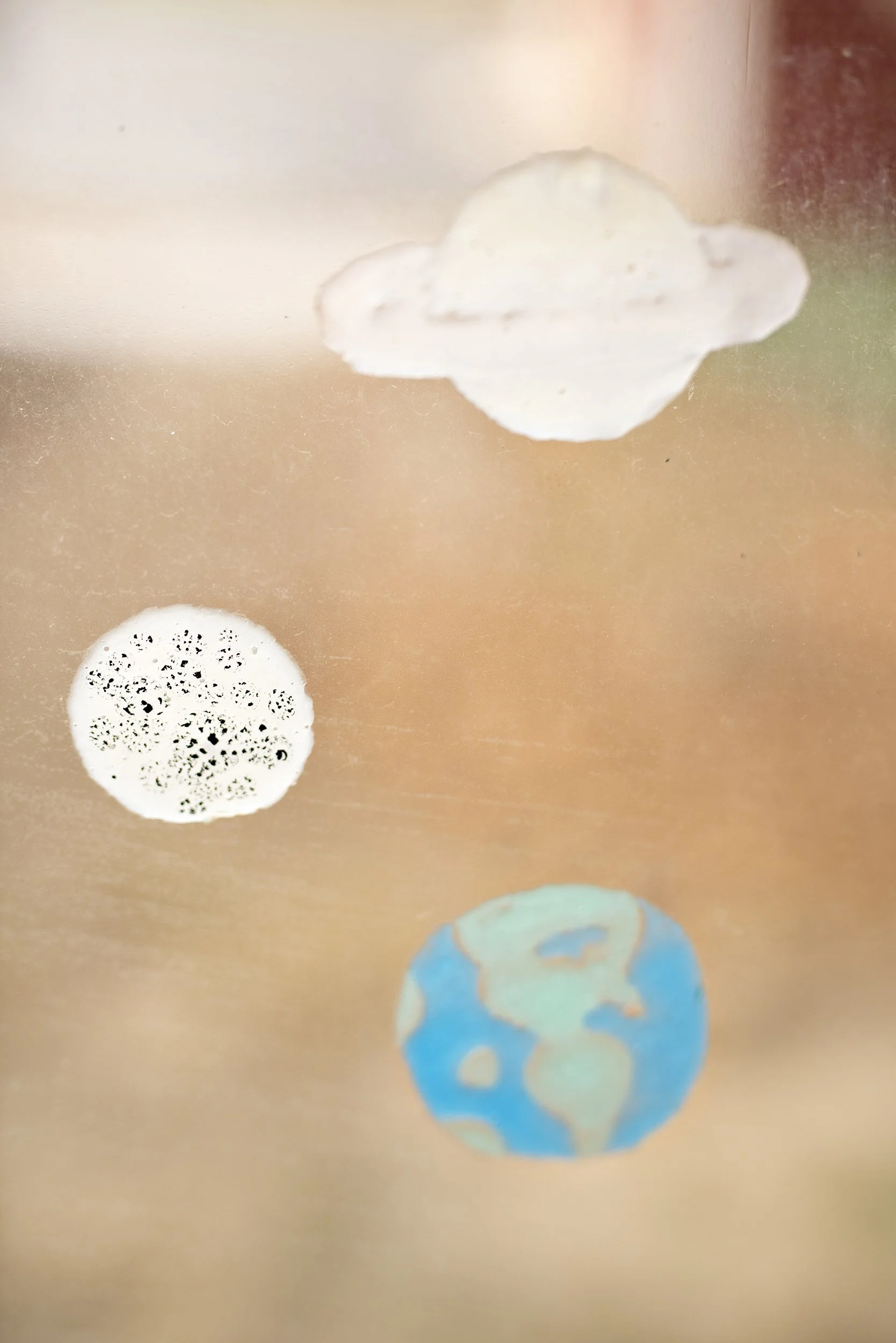
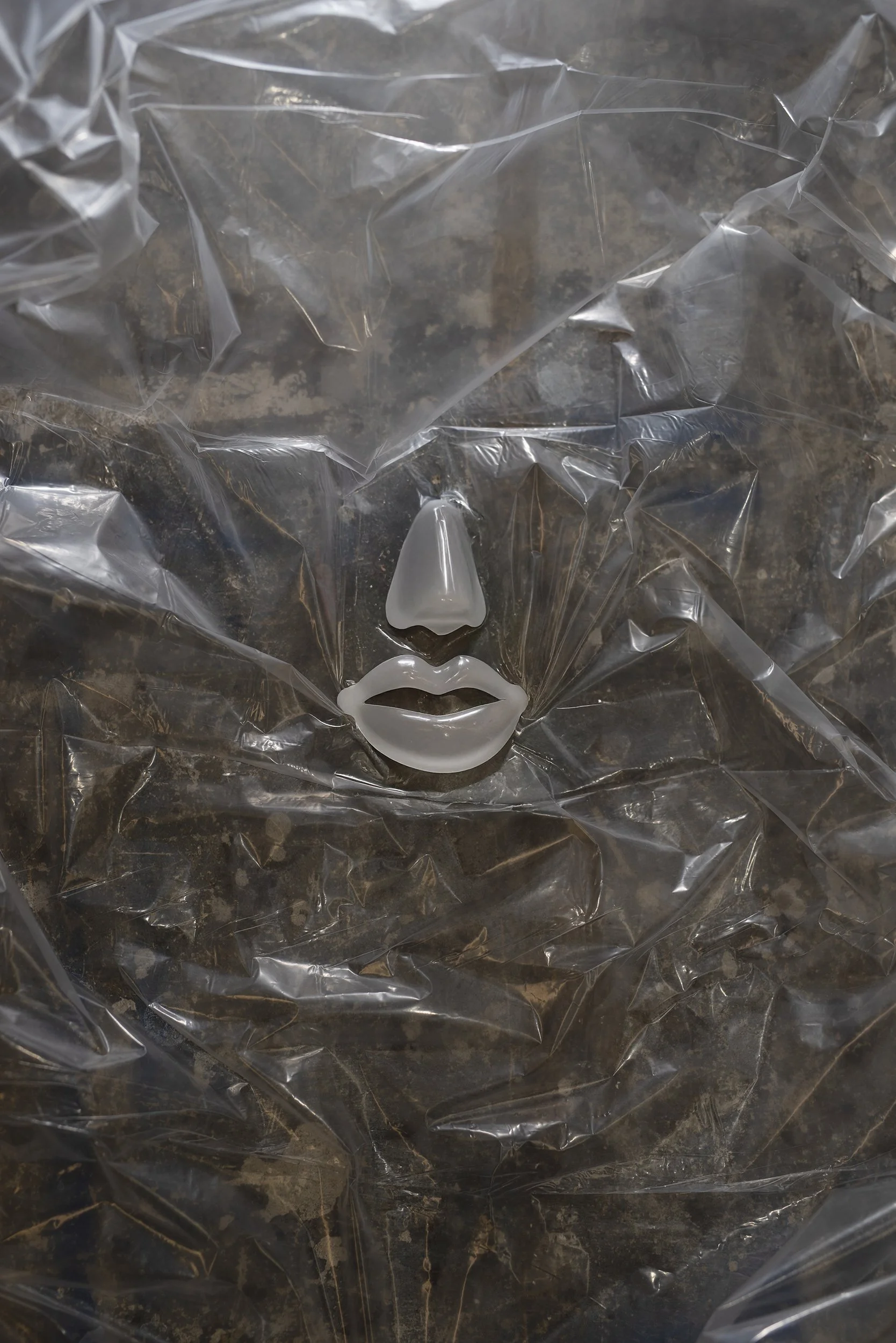
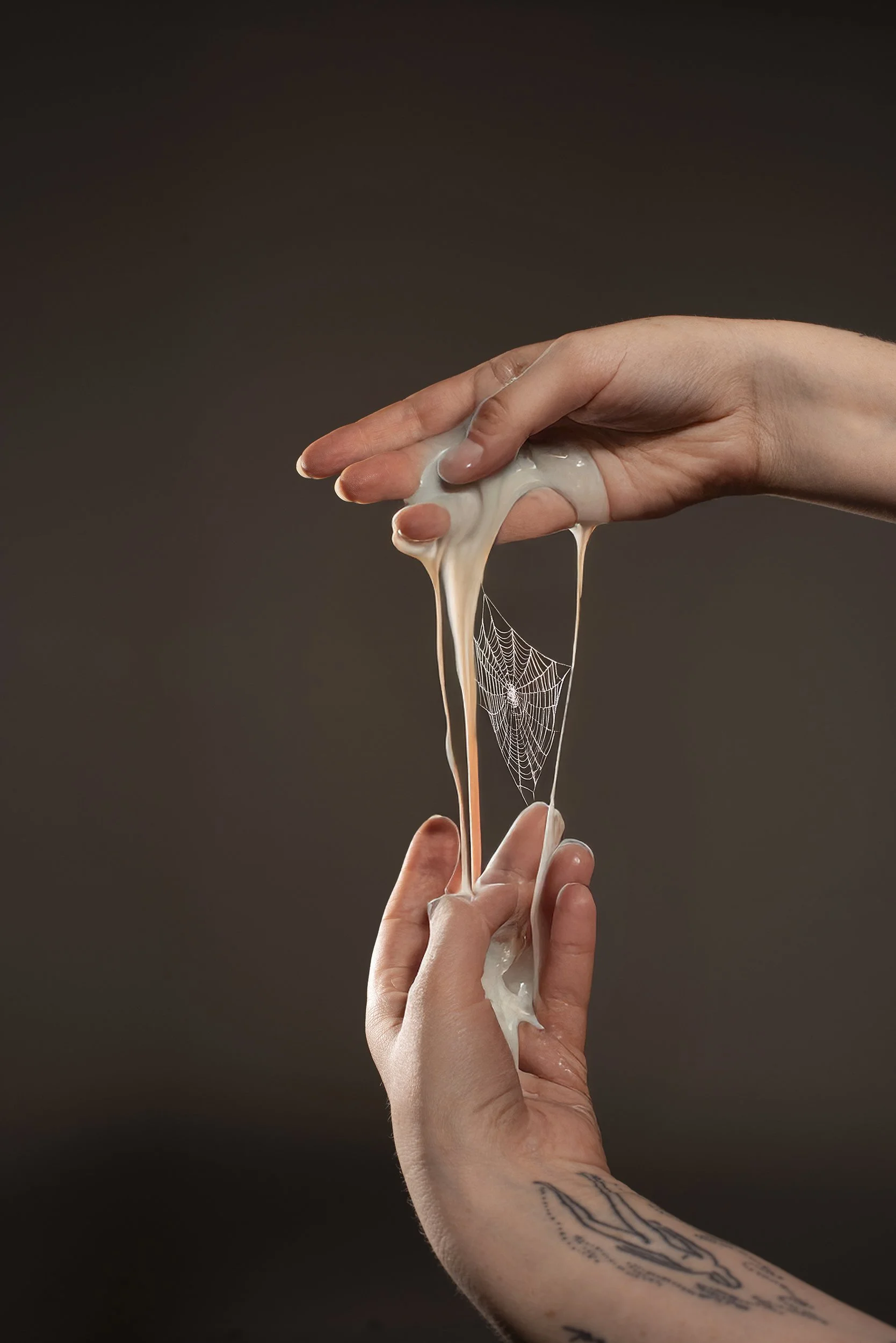
The texts are then shared with Danielle, who uses text-to-image generative AI to interpret the stories, providing her with low-resolution, highly speculative, synthetic images. Danielle establishes a set of parameters that employ older, imprecise models to create a workflow that leans more into the associative rather than the hyperreal, uncanny images produced by current-day AI. This allows a playful, interpretative quality to emerge in the image-generation process. She then prints out these images using them as a catalyst for camera-made photographs.
Together, Marin and Danielle use a generative approach to working with the source material, iterating and responding to one another as a way of priming their relationship for a flow state to materialize.
Psychic Telephone explores a relationship with the divine as innately human as well as technological.