shinji nagabe

Bio

Shinji Nagabe is a Brazilian artist of Japanese descent who has been residing in Europe since 2014. His artistic journey has been greatly influenced by the challenges of migration and the search for identity. As a migrant, Shinji struggled to find his place in a new society while preserving his cultural heritage. This struggle became a central theme in his work, exploring the different identity trajectories and customs that contributed to his personality.

Shinji's work is characterized by his innovative use of economical materials and industrial products. He combines these materials with his experience as a journalist and photographer to create unique and stimulating artworks that challenge conventional notions of identity and belonging. Through his art, he invites us to explore the intersections of culture and to confront the challenges and paradoxes of our globalized society.

The photographic series "Espinha" received the Maison Blanche Prize in Marseille (2018), the Gavea Photography Prize (2017), the first jury prize at Artphoto Barcelona (2016), and was selected for the HSBC Photography Prize (2018) under the artistic direction of Raphaelle Stopin, artistic director of the Rouen Photography Center. In 2019, the fictional photographic series "República das Bananas" was selected as a finalist for the Louis Roederer Prize at the 50th edition of the Rencontres de la Photographie d'Arles.

shinji nagabe
@shinjinagabe

Dioramas
Project statement

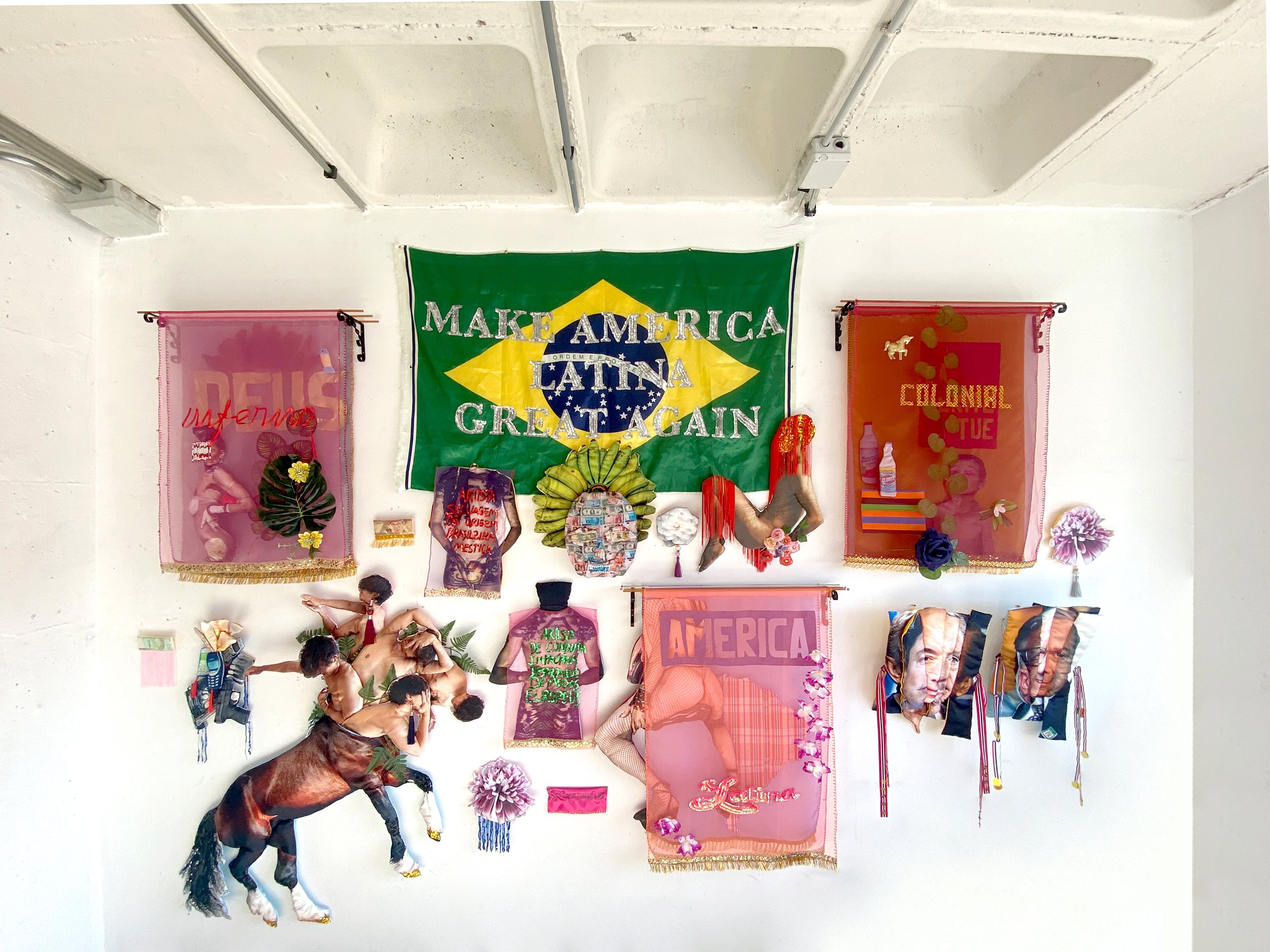
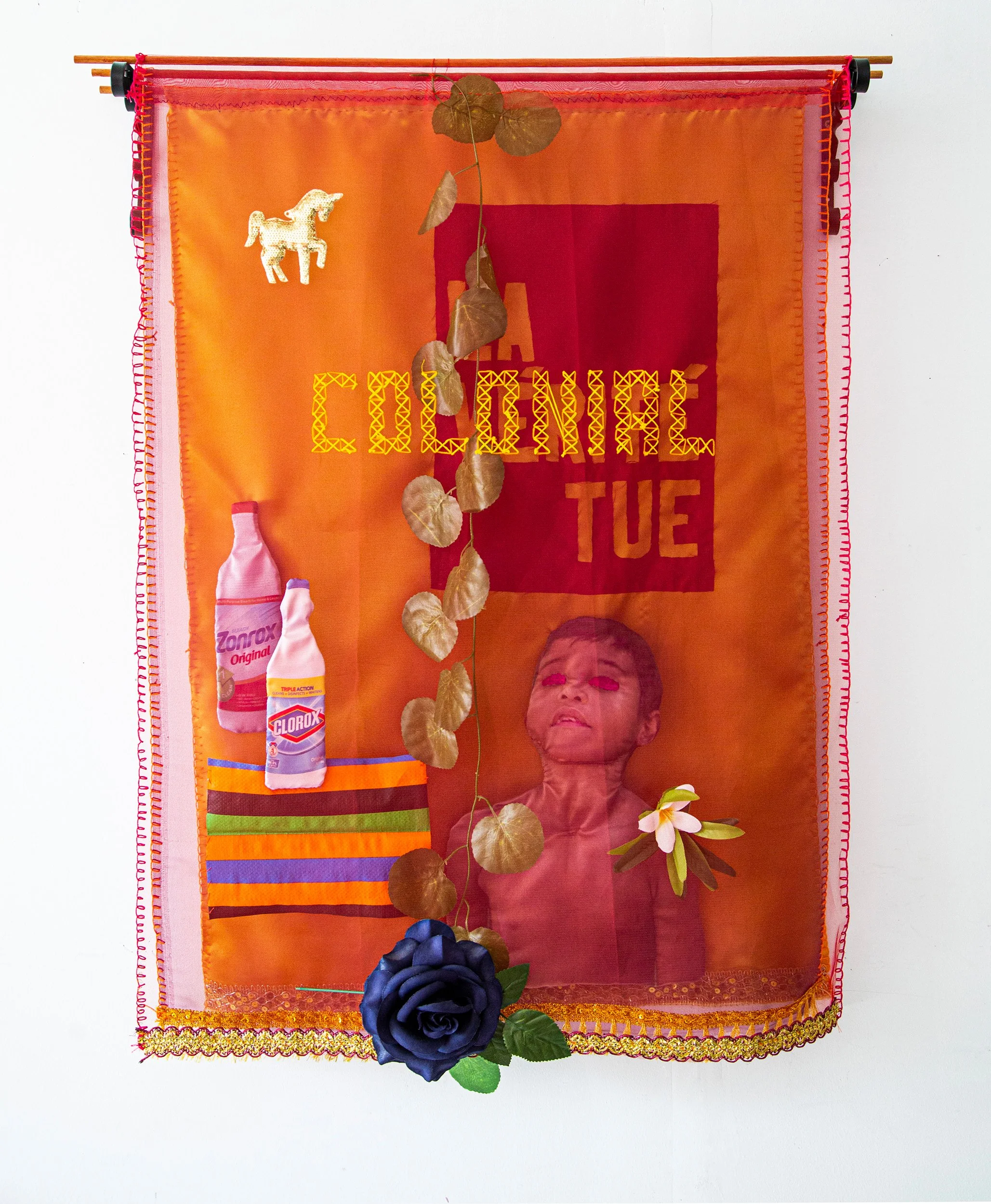
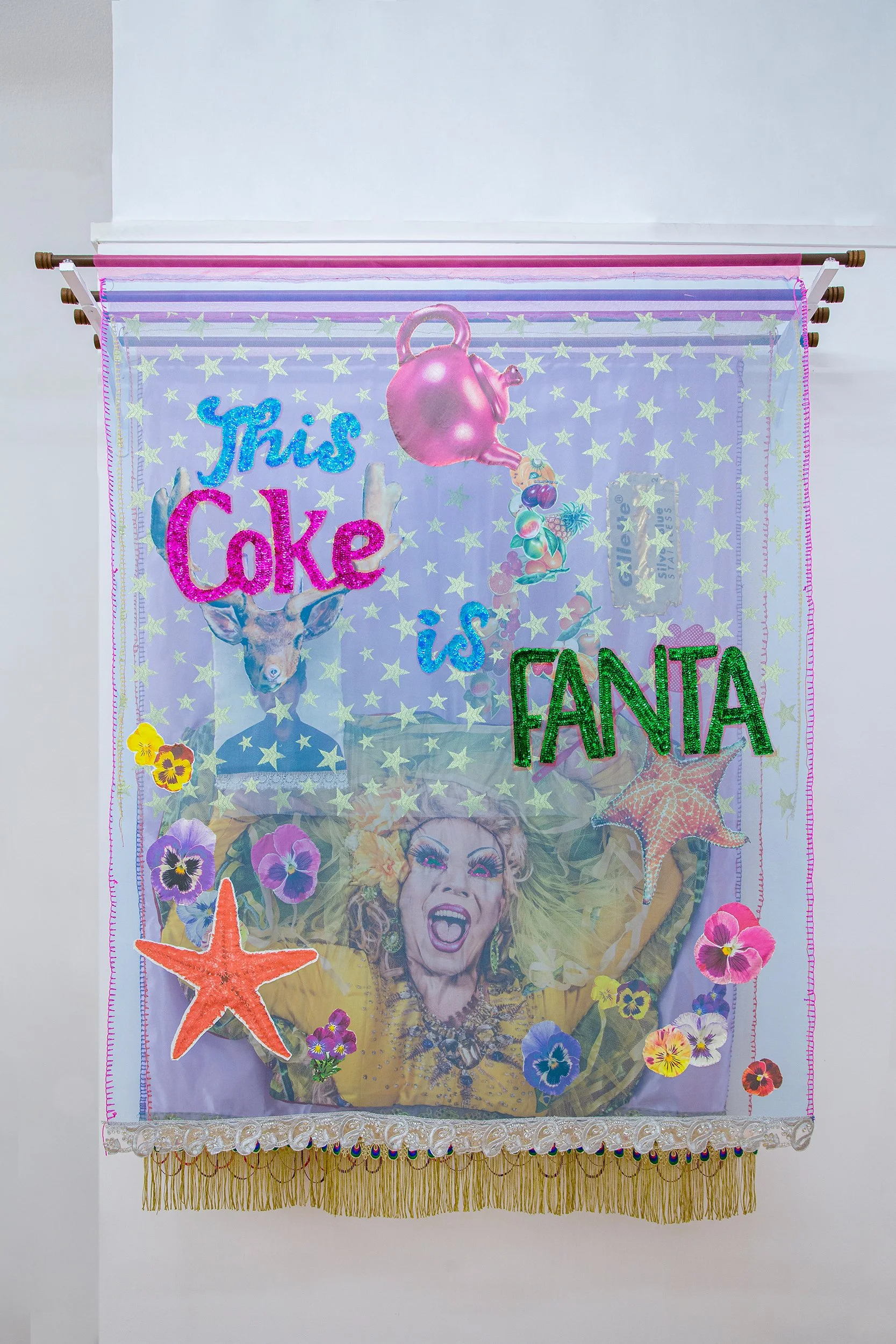
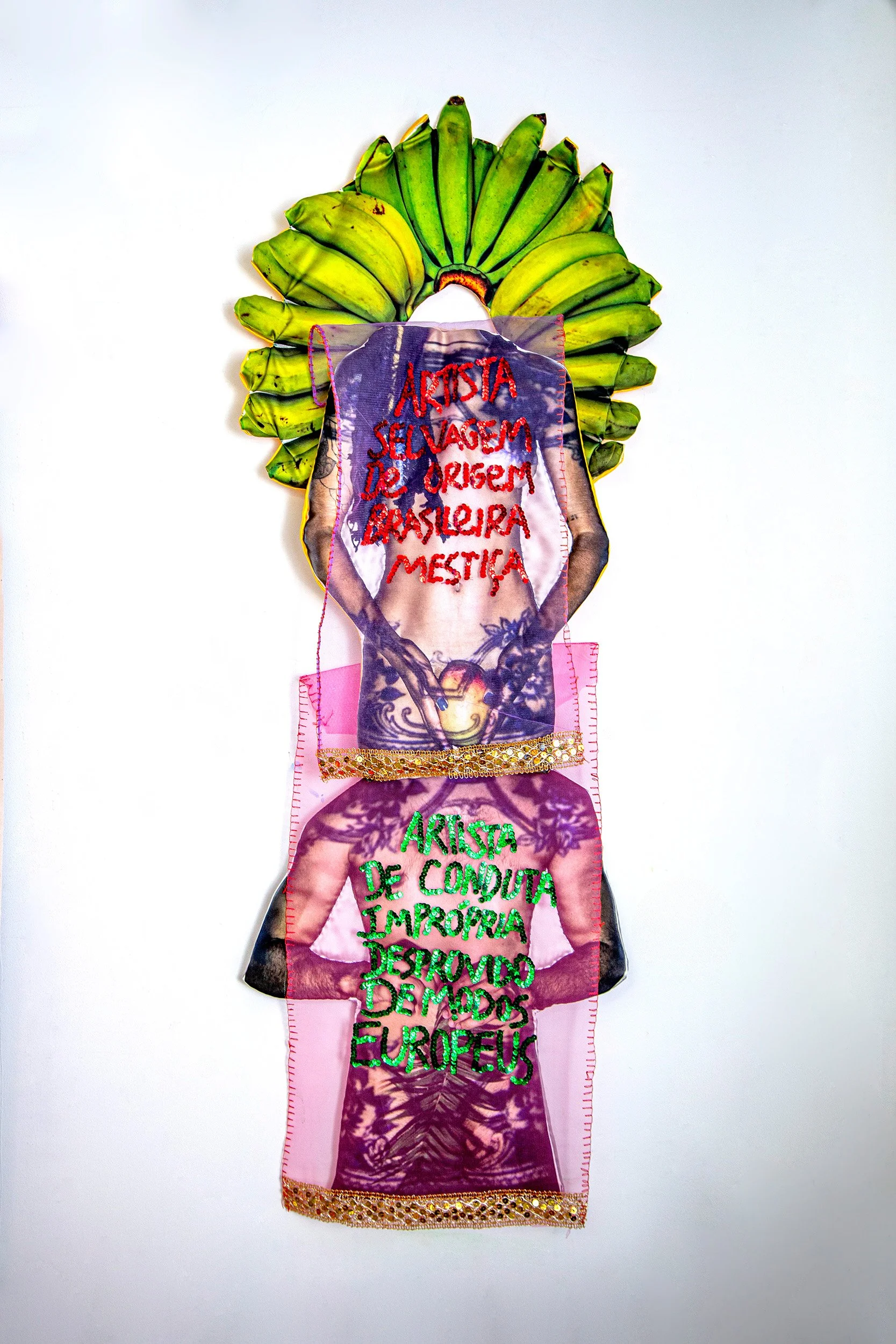
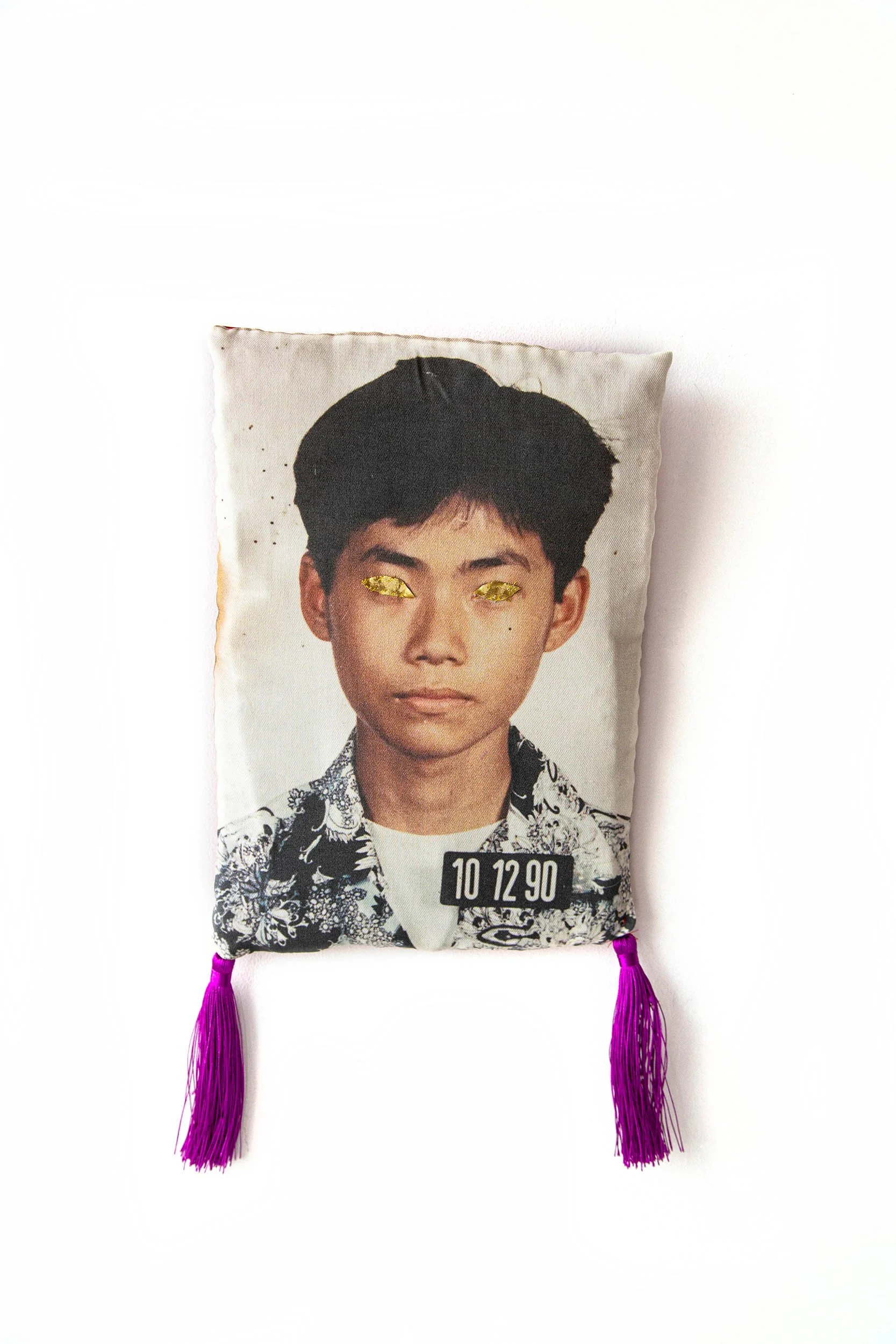
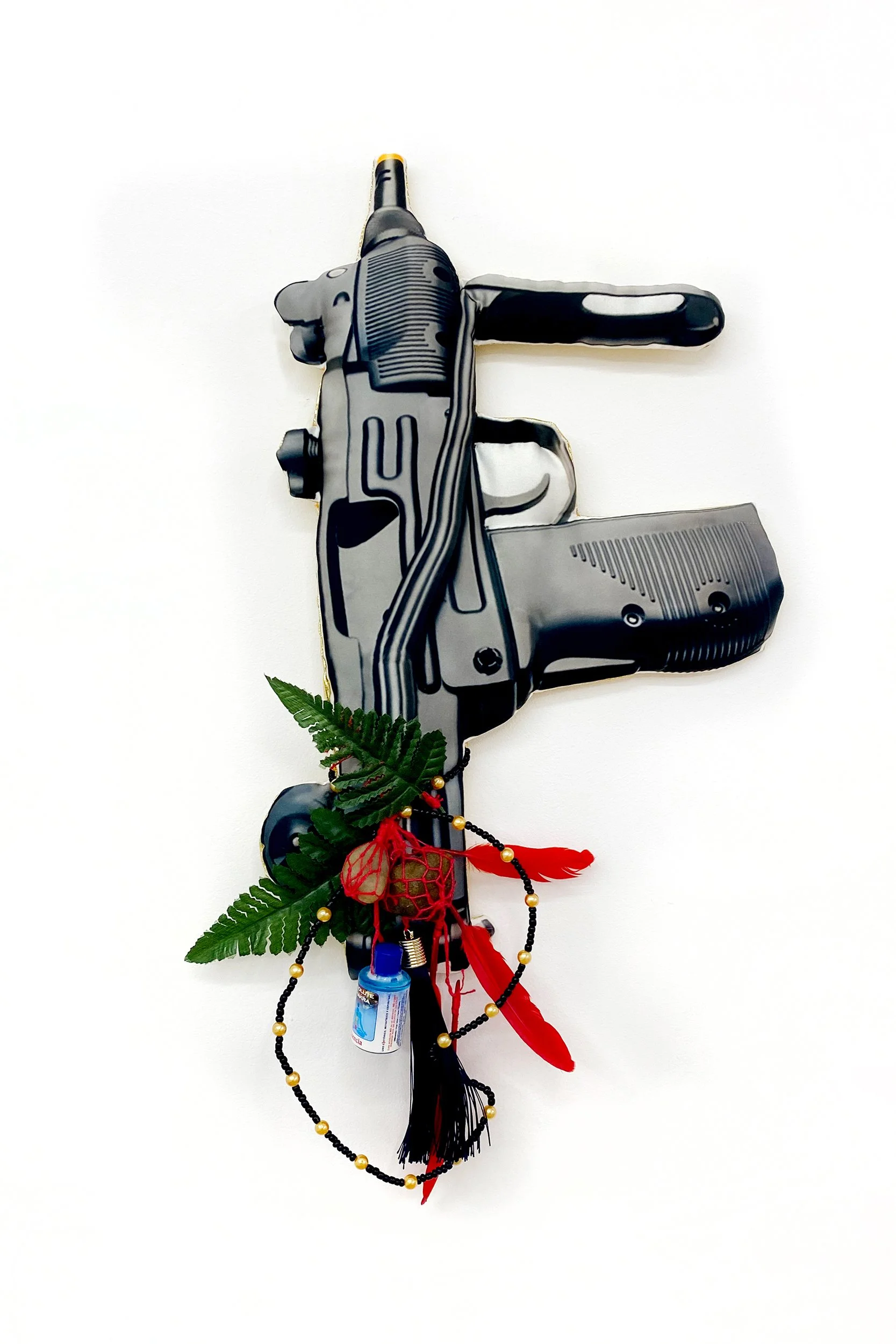
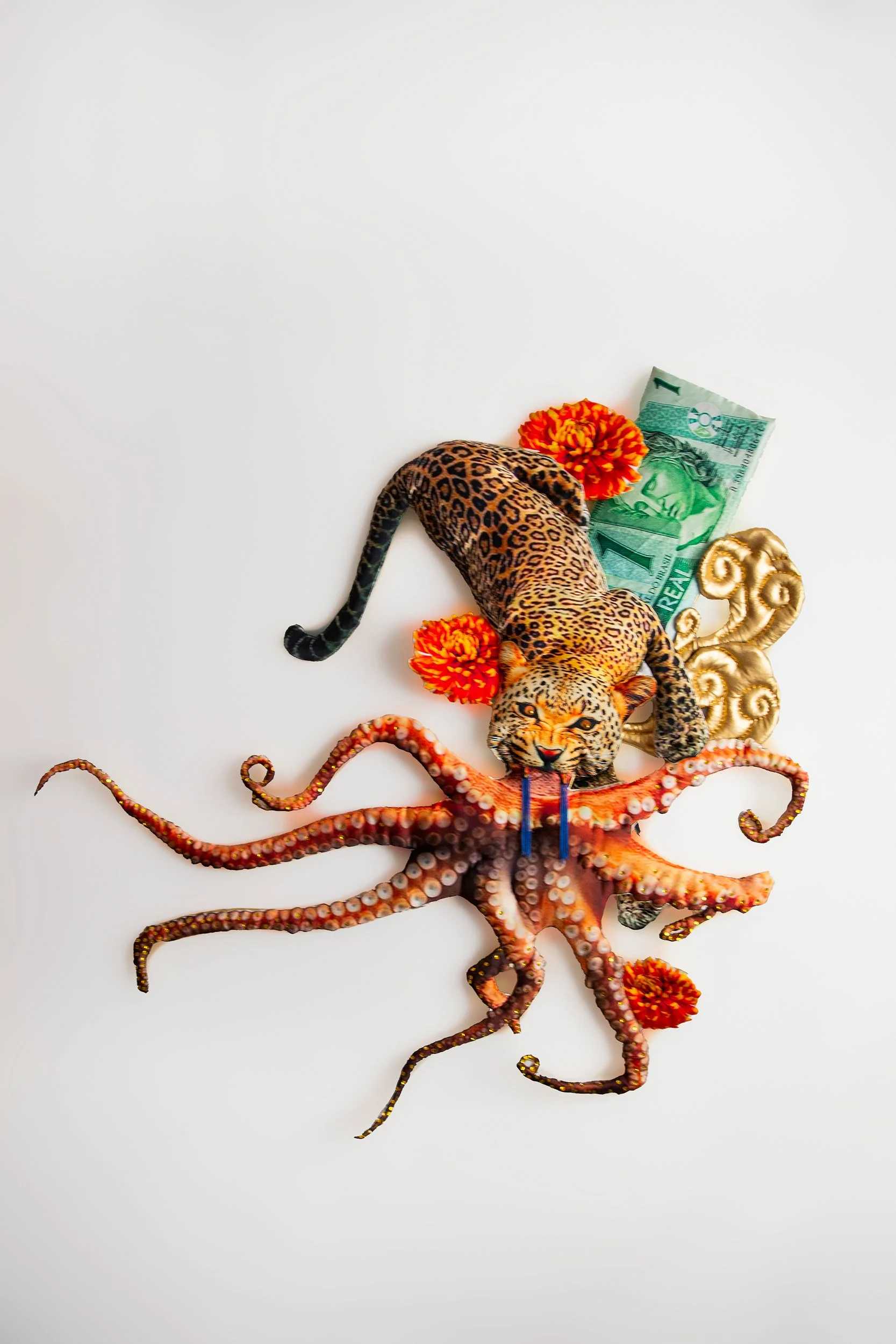
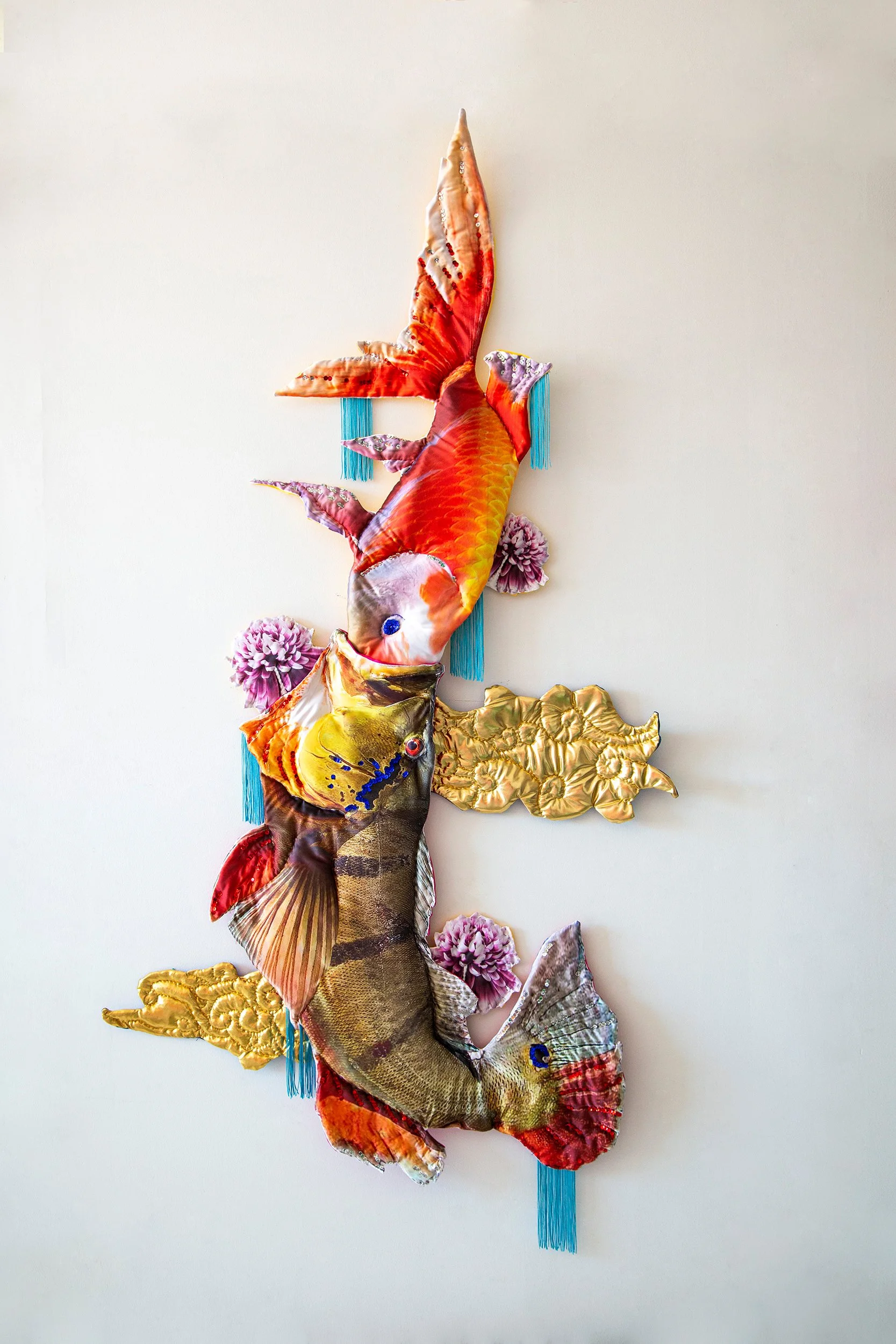
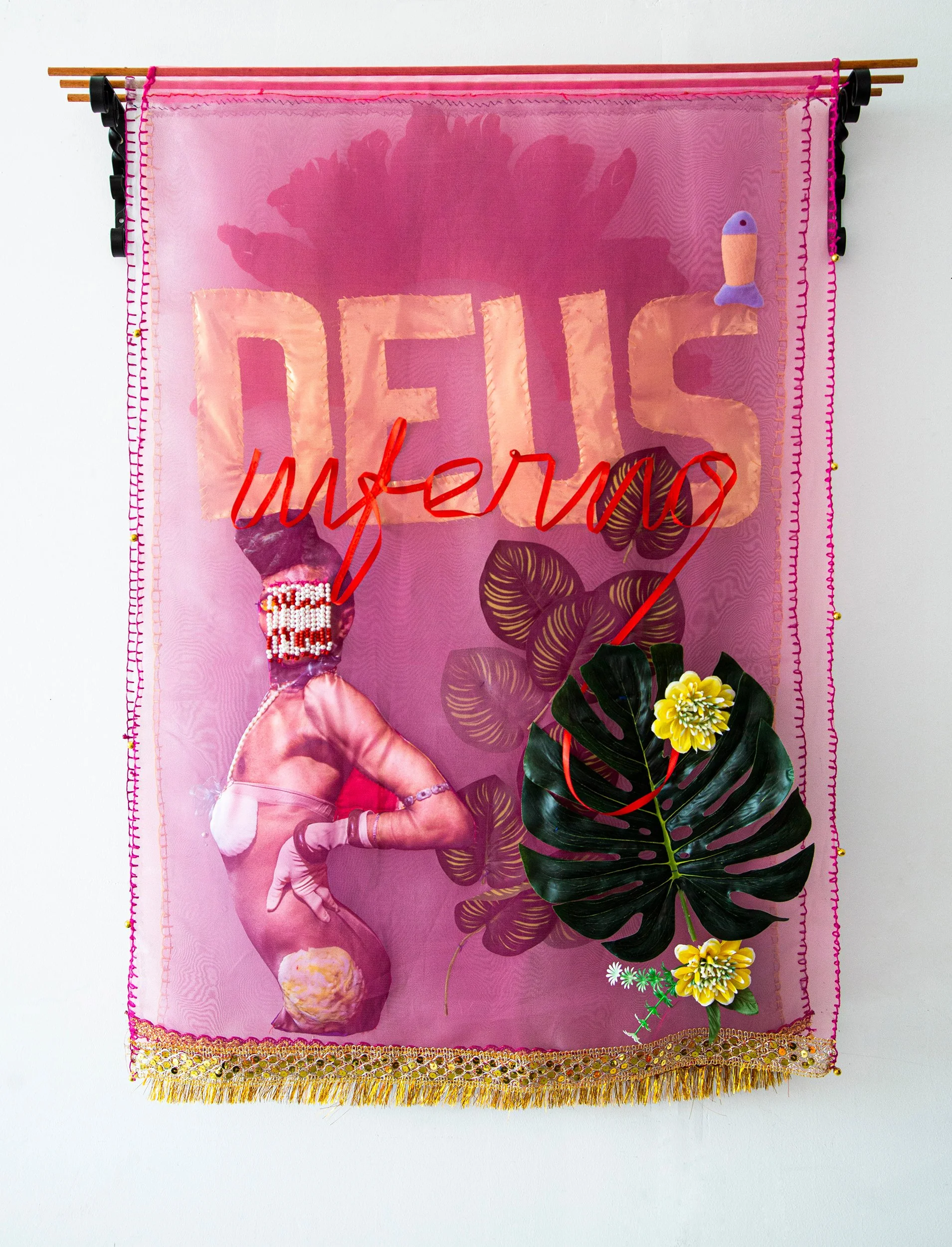
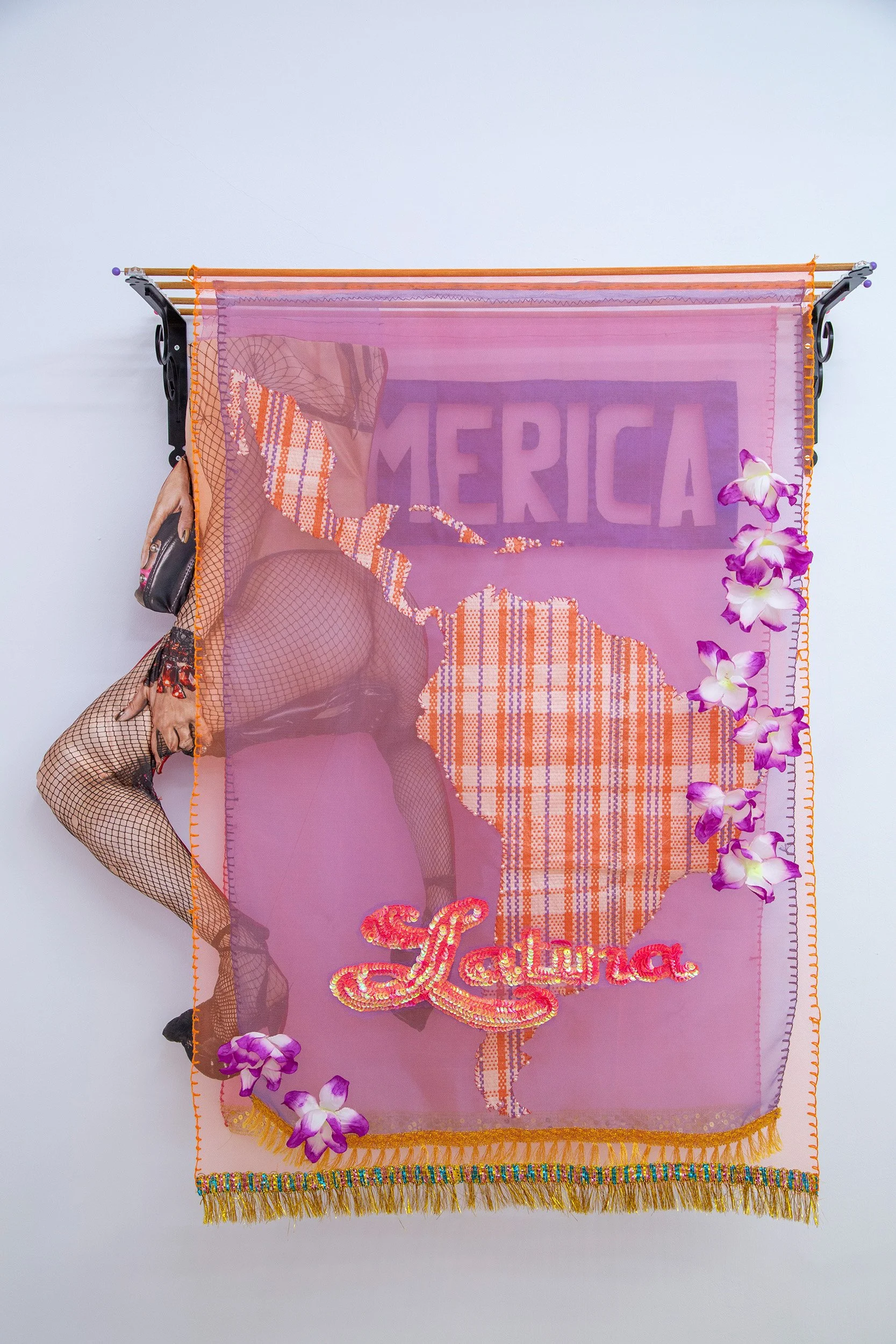
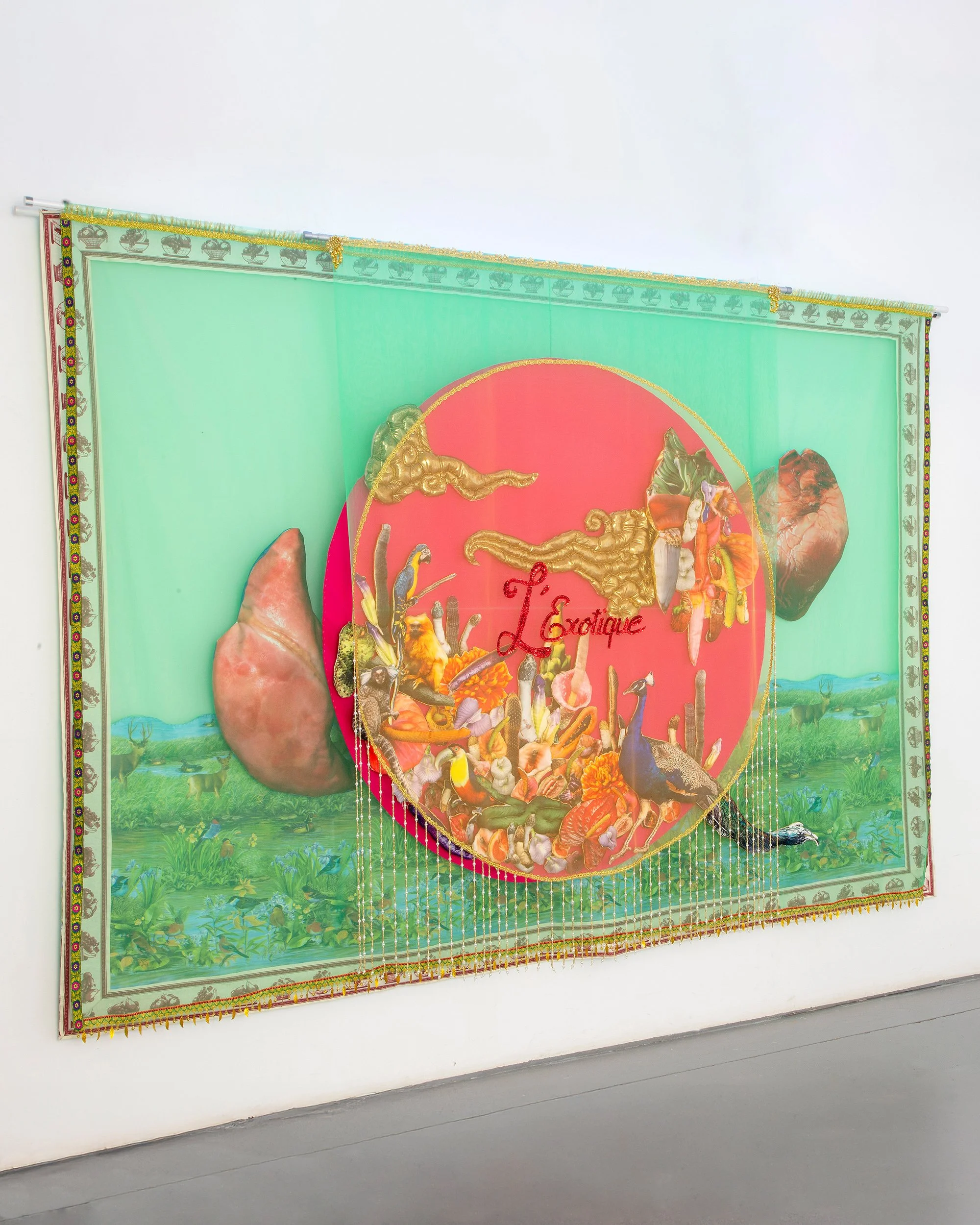
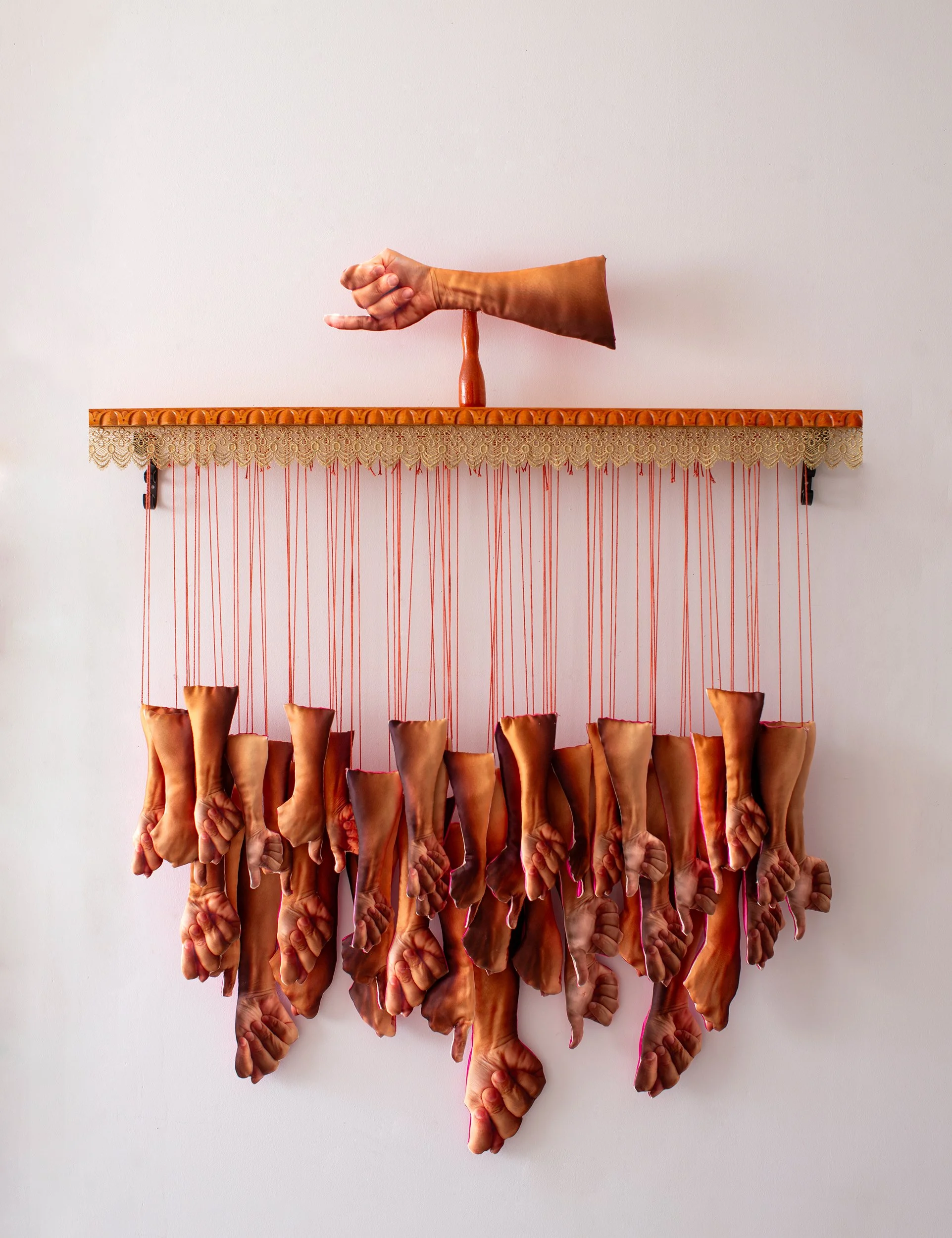
A diorama is an artistic method of presenting scenes from real life for educational or entertainment purposes. In this series, each piece illustrates a reflection by the artist. Through multiple layered planes, the works evoke the accumulation of references we build throughout our lives—through our networks and connections—which ultimately define us as individuals.

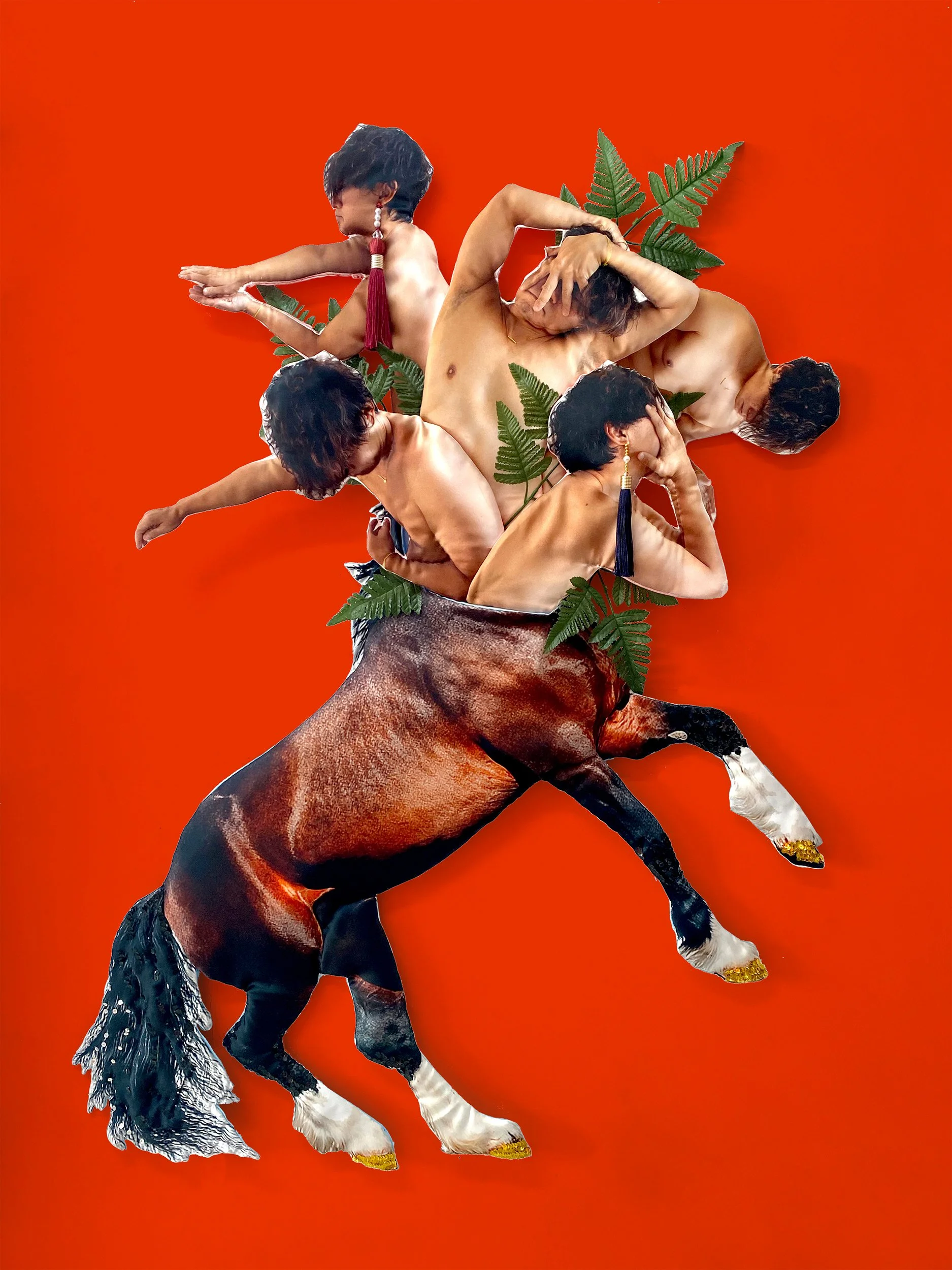
The works in the Dioramas series are unique, handmade pieces created by the artist using photographs from his archives. The series includes large works over one metre in size, produced in his studio in Madrid. It also deepens the artist’s research into the medium: Where does the power of the photographic image come from? How can art be democratised? He uses traditional, reproducible photography as a starting point and transforms it into a unique three-dimensional object that comes alive beyond the frame. The viewer’s eye travels through multiple images and layers, creating a fantastical universe that is both hypnotic and stimulating.

In his approach, the artist combines the Japanese technique of *oshie*—a sophisticated method of cutting kimono fabrics to create patchwork-like pictures—with childhood memories. The padded fabrics create a volume that recalls the living room in his parents’ home in São Paulo. Each work has a unique, personal story, yet one that opens a dialogue with the public.