
interview
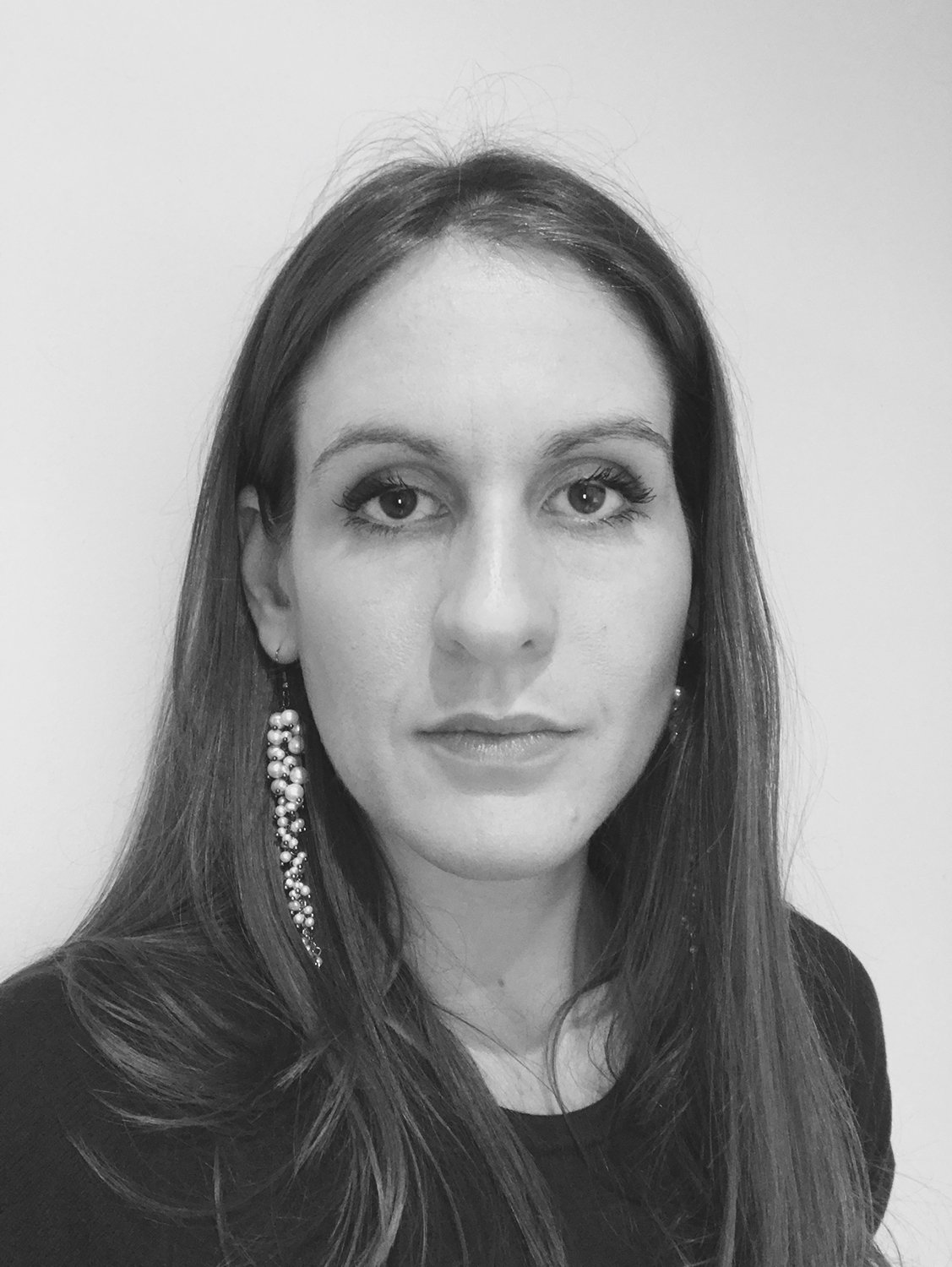
anouska phizacklea
director of the museum of australian photography (MAPh)
melbourne, australia
How do you define your role in the photography world?
Being Director of the Museum of Australian Photography, a public institution that holds the only collection in the world solely dedicated to Australian photography, is unique.
Why do you do what you do?
Art institutions facilitate a conversation between artists, their work and audiences – being at that nexus is awe-inspiring, brings a huge potential and is fulfilling. Art creates a window into others’ worlds, minds and experiences – it opens you up to new ideas and new perspectives and possibilities. That is what excites me, I want to enable audiences to connect to the world and with each other, helping to build empathy and understanding. I know that sounds lofty, but ideas change the world, and art can ignite that spark.
Where do you look at photographic work? How do you discover new artists?
There is not one source – the most impactful is seeing it in the flesh; however, this is not always possible. One way is certainly as a judge of MAPh’s Bowness Photography Prize. The $50,000 acquisitive prize encourages entries from across Australia and I get to see thousands of photographs every year. It also gives me the opportunity to speak about the works at length with fellow judges, which always imbues a fresh perspective on the works and creative practice more broadly. MAPh’s TopShots and Develop exhibitions target the secondary school and the tertiary education sectors, and creates a pipeline for emerging practitioners. It’s a significant platform for what is perhaps their first exhibition at a public museum – and another way we connect with emerging artists. Newsletters and socials from artists and arts organisations keep me up to date with what is going on across the sector, and I read arts journals and arts news from across the world.
What is the most significant challenge facing contemporary photography today, and what is the greatest opportunity?
AI and copyright probably goes to the heart of it – photographers should be compensated for the work they do and nothing can replace the human perspective. This goes to a much broader idea about what we are losing by replacing people with AI – I’m concerned that all we will be left with is a melange of previously created content summarised into something palatable and bland. It doesn’t add to the conversation but reproduces everything that has come before. Where are the new ideas, where is the conversation, where is the chance encounter, the mistakes, the failures, the humanity, the empathy?
When you look at the current state of photography, what, if anything, do you feel is missing from the conversation and the work being produced?
Photography in Australia is incredibly strong and tackling some of the most important issues of our time. What I think is missing from the conversation is discussion about the work that goes beyond a meme or a soundbite – I want to see journalists and critics come back and interrogate the work, and publications that really go deep.
What advice would you offer to an “emerging” photographer who wants to get their work noticed?
There is no magic bullet to forging a career as a photographer. Most photographers I talk to who have a sustained career just say, ‘never stop working, and allow your practice to evolve’. There will be peaks and troughs for sure, but just keep getting your work out there. Enter prizes, exhibit at artist-run spaces, introduce yourself to curators and collectors, and ensure that you have a website or social media profile where people can go to find out more. Find your tribe, your space and your voice.
As the director of the Museum of Australian Photography, how do you handle the negotiation between an artist’s vision and the institutional constraints or expectations of a museum?
Being upfront about what is expected and taking the time to get to know the artist and what they want, need and expect from you and the institution is the most important. I make sure there is a shared understanding and follow this up with an agreement so that we are all on the same page. Being upfront, addressing any issues as and when they arise, and finding the curator who is also the best fit for the artist is fundamental – you have to discover the synergies that exist within a creative team. Personally, I really thrive on the creative collaboration that emerges from working with an artist, it is never the same and it is exhilarating.
From your perspective, what are the primary opportunities and challenges for Australian photography and photographers in today’s international market?
Australian artists are really having a moment internationally right now, whether it is at Arles or the Tate Modern, and we have Australian curators working at major institutions globally. Australian photography is gaining momentum and access to an international market is increasing as we are all connected digitally. The challenge is the distance – travelling outside of Australia is expensive, and shipping costs are through the roof. It can be quite difficult to build an international career when you can’t catch up for a coffee and chat – so much of the creative process comes from building trust, creating strong and collaborative relationships and connecting outside of an online meeting. The face-to-face interaction is hard to replicate, and without those interactions it limits outcomes and can constrain thinking.
Are there particular visual styles, themes, or approaches that you believe are central to contemporary Australian photography?
There is such a varied approach to image-making in Australia. We have such a culturally diverse population with ties across the globe; there is no one style, theme or approach that for me emerges as central. However, I would say that the depth of practice is incredibly strong, and photographers are socially and politically engaged with issues of our time, especially within our region. Perhaps there is a fearlessness or willingness to experiment and explore the medium, to push its boundaries and not shy away from hard truths. A relentless search for something more.
Can you name some projects by “emerging” photographers that have recently captured your attention? What made the work stand out to you?
Emerging is such an elastic word, but I would say Tace Steven’s body of work, ‘We Were Just Little Boys’, such an important and heartbreaking account of the trauma and abuse that was carried out at the Kinchela Aboriginals Boys Training Home. J Davies’s (perhaps may not quite fit the emerging-artist category) practice has a grit, rawness and intimacy that draws you in, often through fragmentary moments of a bigger narrative. Anna Higgins just won the Bowness Photography Prize; her practice is experimental and pushing the boundaries through abstraction. Using a complex, conscious and painstaking processes, she brings a deep connection to the elements at play both within the photographic process and the world around her. Her deft manipulation of light and matter culminates in a transcendent expression of the Australian landscape, where a profound understanding of her medium renders the landscape at once painterly and ethereal.
If you could own one photographic image and price and availability were not an issue, what would it be?
This is a hard one – there are so many iconic and resonant images that have defined photography and responded to a moment in history. I love the alchemy in photography’s origins so perhaps it would need to be Louis Daguerre’s first daguerreotype, although perhaps it would be Carol Jerrems’s Vale Street or Thomas Struth’s museum audiences, at the advent of large-colour photographic prints.
Anouska Phizacklea (BA (hons), MA, MCom, CPA, GAICD) is Director of the Museum of Australian Photography (MAPh). She has expertise across the visual, decorative, screen and literary arts as well as finance and organisational development.
Anouska is also co-President of the Melbourne Queer Film Festival. She has held senior management positions at leading Victorian public institutions, Heide Museum of Modern Art and the Australian Centre for Contemporary Art (ACCA), and worked for many years in art research and valuations in galleries and auction houses in Melbourne and London.
News:
Group exhibition: Young at Museum of Australian Photography (MAPh) in Melbourne, Australia November 22, 2025 – February 22, 2026